Source Retro Hollow Solar Lantern for Garden, Pathway, and Patio
Compare 30 Retro Hollow Solar Lantern options from verified suppliers. Explore diverse specifications including LED light sources, solar panel types, and IP ratings to find the ideal lighting solution for your outdoor projects; compare the available evidence and request quotations based on your requirements.
Updated
Key considerations
Products List
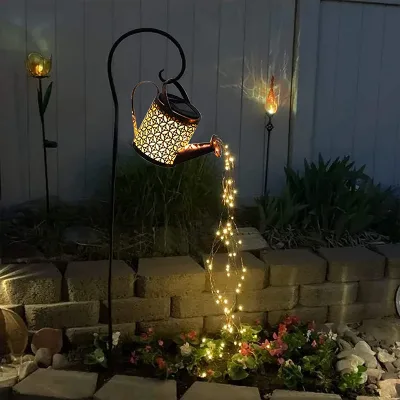
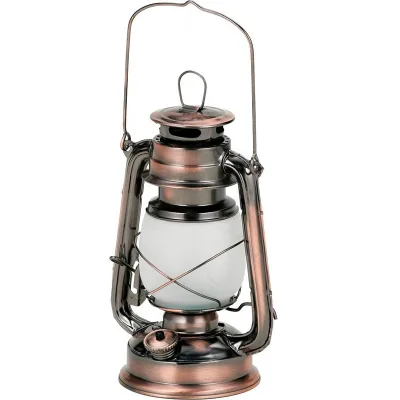
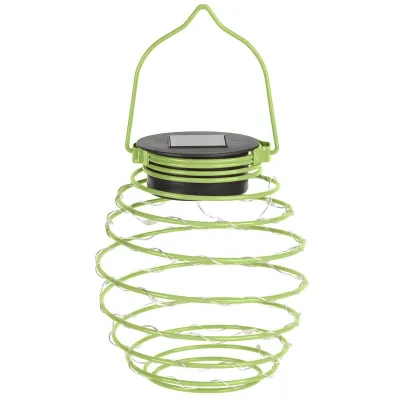
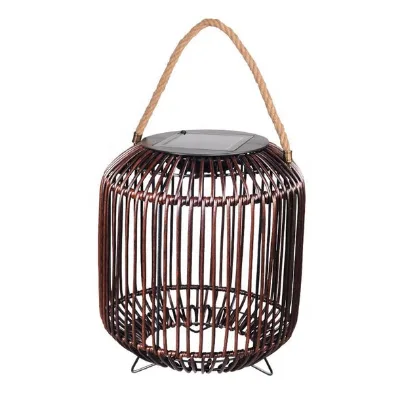
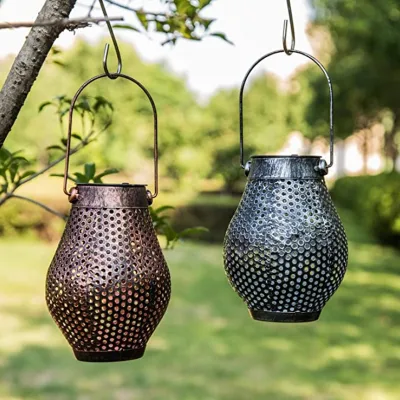


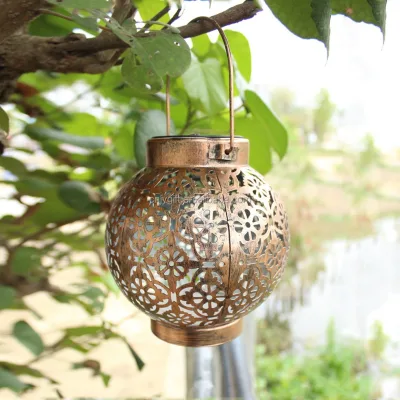
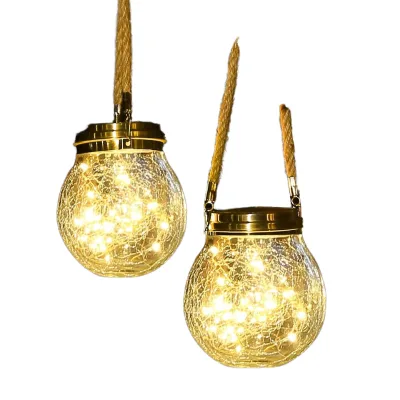

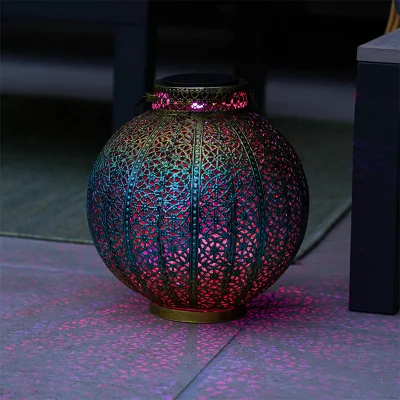
Blue Metal Solar Lantern Globe Design with Intricate Patterns Solar Lantern
$4.35 - $4.45
MOQ: 800 Pieces


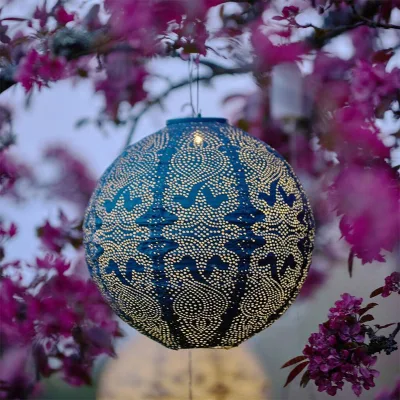
Blue Metal Solar Lantern Globe Design with Intricate Patterns Solar Lantern
$6.3887 - $6.6975
MOQ: 500 pieces


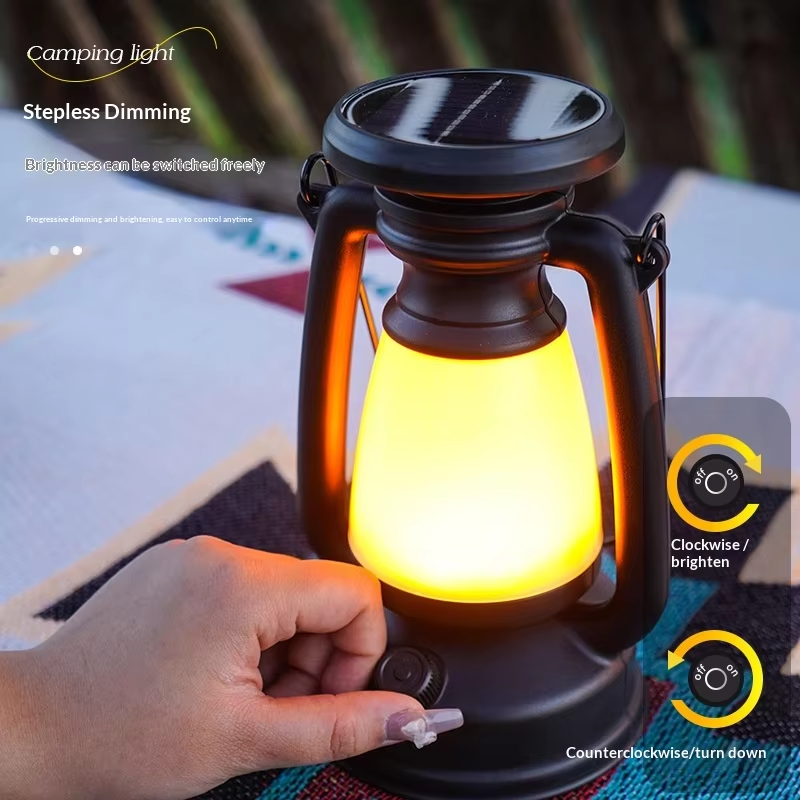


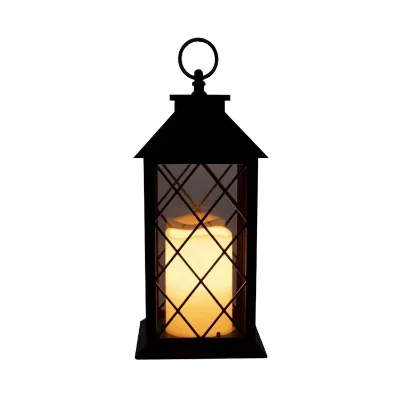


Comprehensive Sourcing Guide
Retro Hollow Solar Lantern Sourcing Guide
Sourcing retro hollow solar lanterns requires balancing aesthetic appeal with functional reliability, particularly for outdoor garden and pathway installations. Buyers must evaluate how the hollow design impacts structural integrity and light diffusion while ensuring the solar charging components remain weather-resistant. The visual appeal of antique finishes or intricate cutouts often dictates the target market, whether for residential landscaping or commercial hospitality projects. Understanding these design nuances helps in selecting suppliers who specialize in decorative lighting rather than generic utility fixtures.
Procurement teams should prioritize suppliers who provide detailed technical documentation alongside visual catalogs. The interplay between the hollow aesthetic and internal LED components demands careful verification of heat dissipation and battery placement. Buyers need to confirm that the decorative elements do not compromise the IP rating or the longevity of the light source. This guide outlines the critical verification steps to ensure that the chosen lanterns meet both stylistic requirements and operational standards for long-term outdoor use.
Product Scope and Observed Listing Signals
Market listings for retro hollow solar lanterns typically feature a wide range of price points, reflecting variations in material quality and component specifications. Observed data indicates a price range from 1.2 to 10.7 USD, suggesting significant diversity in manufacturing costs and target demographics. Minimum order quantities vary substantially, ranging from 2 to 3000 units, which allows for both small-scale boutique orders and large commercial deployments. Buyers should analyze these signals to determine if a supplier’s pricing structure aligns with their volume requirements and budget constraints.
The product attributes observed in listings often include specific technical details that define the lantern’s performance. For instance, some models feature a 5W power rating with a 1000 lm luminous flux, while others may have different power outputs. Color temperatures observed include 6000K daylight and 5000K daylight, indicating options for different ambiance preferences. Additionally, materials such as ABS+PC or iron are common, with finishes like antique bronze plating adding to the retro aesthetic. These variations require buyers to carefully match product specifications with their specific project needs.
Technical Specifications to Verify
Verifying the technical specifications of solar lanterns is crucial for ensuring consistent performance and compatibility with existing infrastructure. Key attributes to confirm include the battery type, such as 1.2V 1200mAh NI-MH batteries, and the solar panel composition, which is often polycrystalline silicon. The input voltage, typically DC 6V, must be compatible with the charging system, and the working temperature range, often -20 to 40°C, ensures reliability in various climates. Buyers should also check the lifespan, which can reach up to 50,000 hours, and the IP rating, such as IP44, to guarantee weather resistance.
Lighting performance metrics are equally important for assessing the quality of the lantern. The color rendering index (Ra) should be verified, with values like 80 or 90 indicating better color accuracy. Beam angles, such as 360 degrees, affect the spread of light, while the lamp power, ranging from 5W to 10W, influences brightness. Additionally, the charging method, whether USB or solar-only, and the switch mode, such as ON-OFF or light control, determine user convenience. Buyers must ensure these specifications align with their functional requirements and installation environment.
Compliance and Safety Documentation
Compliance with international safety and environmental standards is non-negotiable for importing solar lanterns into regulated markets. Certifications such as CE, RoHS, and SAA are commonly listed, indicating adherence to European and Australian safety directives. Buyers must request valid certification documents from suppliers to verify that the products meet these regulatory requirements. Without proper documentation, shipments may face customs delays or rejection, leading to significant financial and logistical losses.
Beyond certifications, buyers should inquire about the testing procedures used to validate product safety and performance. This includes electrical safety tests, battery stability assessments, and environmental durability checks. Suppliers should provide test reports from accredited laboratories to substantiate their claims. Additionally, understanding the warranty terms, such as a 2-year warranty, provides insight into the supplier’s confidence in their product quality. Buyers should ensure that the warranty covers both manufacturing defects and component failures.
Cost Drivers and Commercial Terms
Several factors influence the final cost of retro hollow solar lanterns, including material selection, manufacturing complexity, and component quality. The use of premium materials like iron with antique bronze plating or high-quality ABS+PC can increase costs. Similarly, features such as dimmable options or higher luminous efficiency contribute to higher price points. Buyers should analyze the cost breakdown to understand where value is added and identify potential areas for negotiation or cost optimization.
Commercial terms, including minimum order quantities (MOQ) and payment terms, significantly impact procurement strategy. MOQs ranging from 2 to 3000 units allow for flexibility, but larger orders may offer better unit pricing. Buyers should also consider packaging details, such as color boxes, and shipping dimensions, which affect logistics costs. Lead times and delivery schedules are critical for inventory management, so clear communication with suppliers regarding production capacity and shipping methods is essential.
Supplier Qualification and Quality Control
Evaluating supplier qualifications is a critical step in mitigating procurement risks. Buyers should verify the supplier’s manufacturing capabilities, including production lines, quality control processes, and R&D capacity. Suppliers with a strong track record in lighting solutions, such as lighting and circuitry design, are more likely to deliver high-quality products. Additionally, checking the supplier’s certifications and past client references can provide insights into their reliability and professionalism.
Quality control measures should be clearly defined and enforced throughout the production process. Buyers should request pre-shipment inspections to verify product quality and consistency. This includes checking for physical defects, verifying technical specifications, and ensuring proper packaging. Establishing a clear communication channel with the supplier for addressing any issues is also important. Regular audits and performance reviews can help maintain high standards and foster a long-term partnership.
Long-Term Procurement Checks
Long-term procurement success depends on continuous monitoring of supplier performance and product quality. Buyers should establish key performance indicators (KPIs) to track metrics such as on-time delivery, defect rates, and customer satisfaction. Regular feedback loops with the supplier can help identify areas for improvement and address any emerging issues promptly. Additionally, staying updated on industry trends and technological advancements ensures that the sourced products remain competitive and relevant.
Sustainability and ethical sourcing practices are increasingly important in modern procurement. Buyers should assess the supplier’s commitment to environmental responsibility, such as the use of recyclable materials and energy-efficient manufacturing processes. Verifying the supply chain for ethical labor practices and compliance with local regulations is also crucial. By prioritizing these long-term checks, buyers can build a resilient and responsible supply chain that supports their business goals and values.
FAQs
What is the power supply for the Retro Hollow Solar Lantern?
The product uses solar power as its primary energy source. It includes a 1.2V 1200mah NI-MH battery for storage. This setup allows for wireless operation in outdoor garden settings without needing external electrical connections.
Which certifications does the solar lantern hold for safety?
The lantern holds CE, RoHS, and Saa certifications for safety compliance. These standards ensure the product meets international requirements for electrical safety and environmental protection. Buyers can verify these documents when sourcing from suppliers.
How long is the expected lifespan of the LED light source?
The LED light source has an expected lifespan of 50,000 hours. This durability ensures long-term performance for outdoor applications. The high efficiency of 85 lm/w further supports energy savings over the product's operational life.
Can the solar lantern be customized with a printed logo?
Yes, the product accepts printed logos for customization. This feature allows buyers to brand the lantern for specific projects or corporate gifts. The material is ABS plus PC, which supports durable printing on the surface.
What is the minimum order quantity for purchasing this lantern?
The minimum order quantity ranges from 2 to 3000 units depending on the supplier. Some sellers require orders in multiples of 24. Buyers should check specific supplier terms to confirm the exact MOQ for their purchase volume.
Where is the place of origin for this solar lantern product?
The place of origin is Zhejiang, China. This region is known for manufacturing lighting products. Buyers sourcing from this location can expect established supply chains for solar outdoor lanterns and related lighting solutions.
What is the IP rating for water and dust resistance?
The product has an IP44 rating for protection against water and dust. This rating makes it suitable for outdoor garden use where it may encounter splashing water. It ensures the internal components remain safe during typical weather conditions.