Source RoHS FDA Perfume Bottle Cap for Cosmetic, Perfume, and Aromatherapy
Compare 30 verified options for RoHS FDA Perfume Bottle Cap from Jiangsu and Zhangjiagang suppliers. Buyers can review plastic and metal materials, custom colors, and MOQs ranging from 100 to 10,000 pieces for various bottle applications; compare the available evidence and request quotations based on your requirements.
Updated
Key considerations
Products List


$0.29 - $0.35
MOQ: 100 Pieces

$0.25 - $0.40
MOQ: 3000 Pieces


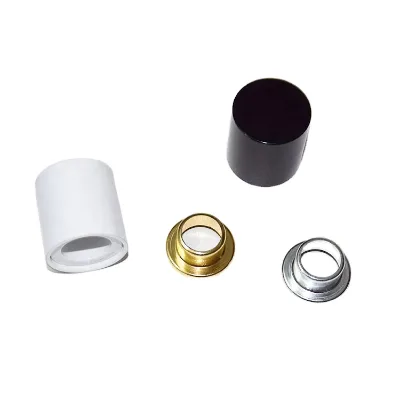
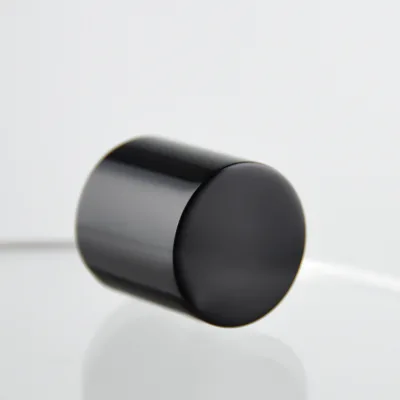
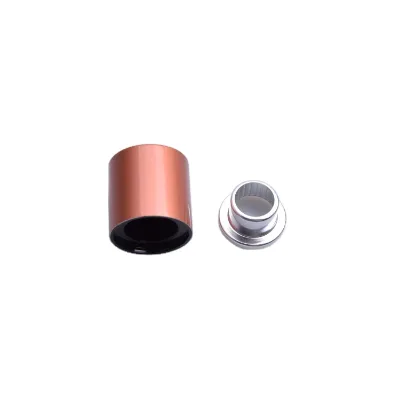
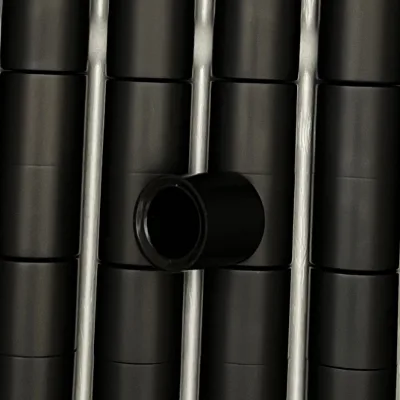
New Design 28*28mm Crown Perfume Bottle Cap Easy-to-Use Aluminium-Plastic Material
$0.20 - $0.23
MOQ: 10000 pieces
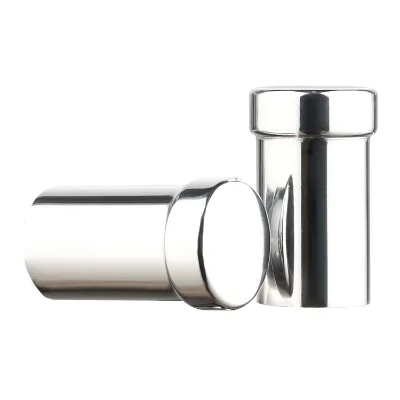
"T" Shape Custom Perfume Cap Silver Metal Cap for Fea 15mm Perfume Sprayer
$0.09 - $0.10
MOQ: 10000 pieces
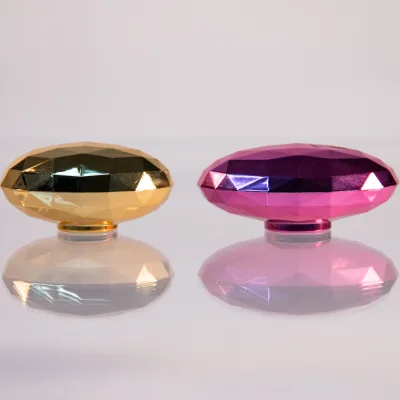
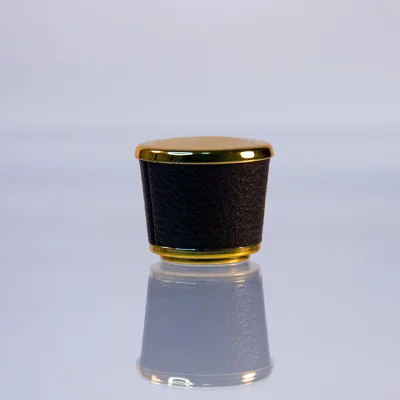


Customized Magnetic Aluminum Perfume Cap Bottle Cap for Perfume Bottle
$0.20 - $0.25
MOQ: 10000 Pieces


Customized Magnetic Aluminum Perfume Cap Bottle Cap for Perfume Bottle
$0.10 - $0.50
MOQ: 10000 Pieces


Aluminum Bottle Caps Glass Bottle Perfume Bottle Flip Top Caps Bottle Cap
$0.10 - $0.50
MOQ: 10000 Pieces




Comprehensive Sourcing Guide
RoHS FDA Perfume Bottle Cap Sourcing Guide
Sourcing closures for premium fragrance packaging requires balancing aesthetic precision with rigorous material safety standards. Buyers must navigate a market where plastic, metal, and composite materials like K-Resin or Surlyn are common, each offering distinct functional benefits. The primary challenge lies in verifying that components meet both international environmental directives and food-contact safety expectations, even when the end product is not ingested. This guide outlines the critical verification steps for securing reliable supply chains for high-end cosmetic closures.
Procurement teams should focus on suppliers who demonstrate transparency in their manufacturing origins and material compositions. Observed listings frequently highlight customization capabilities, including logo application and color matching, which are essential for brand identity. However, aesthetic flexibility must not compromise structural integrity or regulatory compliance. Understanding the specific material constraints and production capabilities of potential vendors is the first step in mitigating supply chain risks and ensuring consistent quality across large-volume orders.
Product Scope and Observed Listing Signals
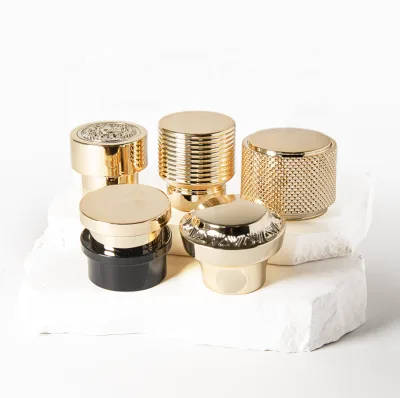
The current market offers a diverse range of closure types, including screw caps, flip-top caps, and smart lids, catering to various bottle neck sizes and dispensing mechanisms. Listings often specify materials such as plastic, aluminum, or iron, with some products combining multiple materials to achieve specific magnetic or aesthetic effects. Buyers should observe that customization is widely available, allowing for tailored solutions that align with unique brand requirements, from shiny silver finishes to customized black matte textures.
Observed price points and minimum order quantities vary significantly based on material complexity and customization levels. Typical MOQs range from 1,000 to 10,000 pieces, reflecting the setup costs associated with custom molding and printing processes. Lead times generally span 15 to 30 days, depending on whether stock colors are used or if new tooling is required. These commercial signals help buyers forecast inventory needs and align production schedules with marketing launch timelines effectively.
Technical Specifications to Verify
Verifying technical specifications is crucial for ensuring that the selected cap fits the intended bottle neck and functions correctly. Key parameters include the model number, size compatibility, and material composition, which must be confirmed against the bottle manufacturer’s specifications. For instance, some caps are designed specifically for 15mm neck bottles, while others may accommodate different dimensions. Buyers should request detailed dimensional drawings and material data sheets to prevent fitment issues during assembly.
Additional technical considerations include the packaging details and single package dimensions, which impact logistics and storage efficiency. Standard packing often involves polybags within carton boxes, with specific quantities per carton to optimize shipping volume. Buyers should also verify the sample availability and lead times, as quick access to prototypes allows for thorough testing of functionality and aesthetic appeal before committing to full-scale production runs.
Compliance and Safety Documentation
While RoHS compliance is a common expectation for electronic and plastic components, its direct relevance to perfume caps depends on the specific regulatory framework of the target market. Buyers should verify if suppliers hold relevant certifications, such as TUV, which may indicate adherence to broader safety and quality standards. Although FDA compliance is typically associated with food contact, some high-end cosmetic brands may require similar rigorous testing for chemical migration and material safety to protect consumer health.
Procurement teams must ensure that all materials used in the cap, including inks and adhesives, comply with international environmental directives. This involves requesting test reports that confirm the absence of restricted substances like lead, mercury, and cadmium. Even if not explicitly stated in every listing, buyers should proactively ask for compliance documentation to mitigate legal risks and ensure that the final product meets the stringent requirements of global markets.
Cost Drivers and Commercial Terms
Several factors influence the final cost of perfume bottle caps, including material selection, customization complexity, and order volume. Custom logos and unique colors often incur additional setup fees, which can be amortized over larger orders. Buyers should negotiate clear terms regarding sample costs, as some suppliers offer free samples while others charge a fee that may be credited against the bulk order. Understanding these cost drivers helps in budgeting accurately and avoiding unexpected expenses.
Commercial terms also include lead times and payment conditions, which vary among suppliers. Typical delivery times range from 15 to 30 days, depending on production capacity and order size. Buyers should clarify the port of dispatch, such as Shanghai or Ningbo, and confirm who is responsible for shipping and insurance costs. Establishing transparent commercial terms early in the negotiation process helps prevent misunderstandings and ensures a smooth transaction from order placement to delivery.
Supplier Qualification and Quality Control
Qualifying suppliers requires a thorough assessment of their manufacturing capabilities, quality control processes, and track record. Buyers should verify the supplier’s location, such as Jiangsu or Zhangjiagang, and assess their ability to handle custom orders and OEM requirements. Requesting references and reviewing past performance can provide insights into the supplier’s reliability and consistency in meeting quality standards. A robust quality control system is essential for minimizing defects and ensuring product uniformity.
Implementing strict quality control measures during production is critical for maintaining high standards. Buyers should define clear acceptance criteria for color, fit, and functionality, and consider conducting pre-shipment inspections. Collaborating with suppliers to establish a feedback loop for continuous improvement can help address any issues promptly. By prioritizing suppliers with strong quality management systems, buyers can reduce the risk of receiving substandard products and protect their brand reputation.
Long-Term Procurement Checks
Establishing long-term procurement relationships requires ongoing monitoring of supplier performance and market trends. Buyers should regularly review supplier compliance with environmental and safety regulations, as these standards may evolve over time. Maintaining open communication with suppliers allows for timely updates on material availability and pricing changes, enabling proactive adjustments to procurement strategies. This approach helps in building a resilient supply chain that can adapt to changing market conditions.
Continuous evaluation of product quality and customer feedback is essential for identifying areas for improvement. Buyers should track defect rates and return reasons to pinpoint any recurring issues with specific cap models or suppliers. By leveraging this data, procurement teams can make informed decisions about supplier selection and product design. Long-term success in sourcing perfume bottle caps depends on a commitment to quality, compliance, and strategic partnership with reliable suppliers.
FAQs
What materials are used for perfume bottle caps?
Perfume bottle caps are primarily manufactured using plastic, metal, aluminum, and specialized materials like K-Resin or Surlyn. These materials ensure durability and aesthetic appeal for various bottle types. Customization options allow for specific material selections to match brand requirements and functional needs for closure systems.
Can I get custom logos on perfume caps?
Yes, customized logos are acceptable for perfume caps. Suppliers offer OEM services to apply specific branding to the caps. This customization is available for various cap types, including screw caps and flip-top designs, allowing brands to maintain consistent visual identity across their packaging solutions.
What is the typical lead time for orders?
Typical lead times range from 15 to 30 days depending on the order specifics. Some suppliers offer delivery within 15 days, while others require 25-30 days for production. Sample times are generally short, taking only 2-3 days, which helps in quick decision-making for bulk procurement.
What is the minimum order quantity for caps?
Minimum order quantities vary, typically ranging from 100 to 10,000 pieces. Specific products may require an MOQ of 5,000 or 10,000 pieces. Buyers should check individual product listings for exact MOQ requirements, as these thresholds depend on the cap type, customization level, and manufacturing complexity.
Are free samples available for perfume caps?
Free samples of perfume caps are often offered by suppliers. This allows buyers to evaluate quality, fit, and finish before committing to large orders. Sample times are usually quick, taking 2-3 days, facilitating efficient testing and approval processes for potential bulk purchases and customization verification.
Which certifications apply to these packaging components?
Certifications such as TUV are associated with some perfume cap products. While RoHS is mentioned in background contexts, specific product listings highlight TUV certification. Buyers should verify certification requirements with suppliers to ensure compliance with safety and quality standards for their specific market regulations and product applications.