Source Screw Cap Aluminum Bottle for Beer, Juice, and Water
Find 15 Screw Cap Aluminum Bottle options for beverage packaging. Compare features like BPA-free coatings, leak-proof designs, and custom colors. Ideal for beer, juice, and water applications with FDA-certified materials; compare the available evidence and request quotations based on your requirements.
Updated
Key considerations
Products List


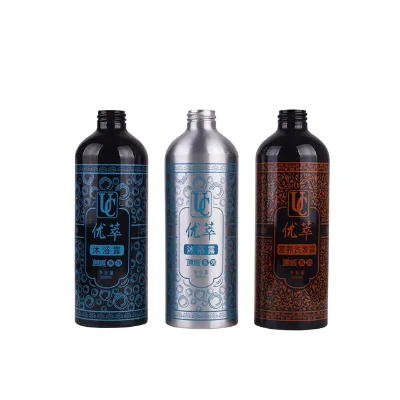
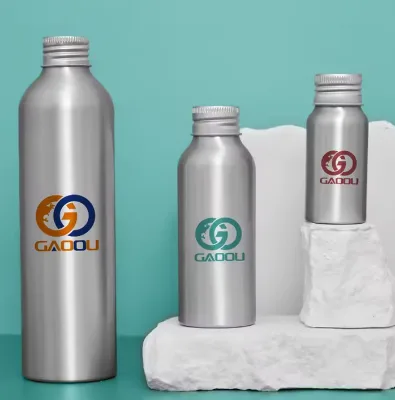
Screw Cap 30ml-50ml 100ml-120ml Spray Aluminum Bottle with Spray for Cosmetic
$0.2483 - $0.5999
MOQ: 5000 Minimum

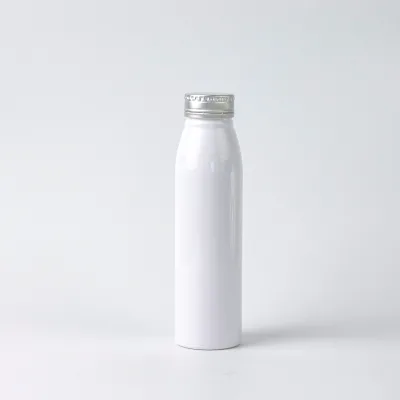


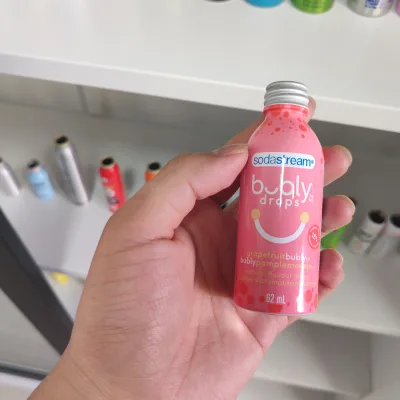
Comprehensive Sourcing Guide
Screw Cap Aluminum Bottle Sourcing Guide
Sourcing screw cap aluminum bottles requires a careful balance between material integrity, sealing performance, and regulatory compliance. These containers are widely used for beverages, pharmaceuticals, and personal care products due to their lightweight nature and recyclability. Buyers must distinguish between standard aluminum constructions and specialized variants that offer enhanced barrier properties or specific aesthetic finishes. The decision to source aluminum over glass or plastic often hinges on durability, transport efficiency, and brand positioning in premium markets.
Procurement teams should focus on verifying the specific alloy grades and interior coatings that protect product quality. The interaction between the container material and the filled product is critical, especially for acidic or carbonated items. Understanding the manufacturing capabilities of suppliers in key production hubs like Zhejiang, China, helps in assessing lead times and logistical feasibility. This guide outlines the essential technical, commercial, and quality assurance steps needed to secure a reliable supply chain for these versatile packaging solutions.
Product Scope and Observed Listing Signals
The market for screw cap aluminum bottles encompasses a diverse range of applications, including beer, water, juice, milk, and various chemical or cosmetic formulations. Listings frequently highlight features such as wide openings for easy filling, leak-proof seals, and dishwasher-safe properties, which are valuable for consumer convenience. Many suppliers offer customization options for color, shape, and branding, allowing brands to differentiate their products on retail shelves. The observed product range includes models designed for specific volumes, catering to both single-serve and bulk packaging needs.
Observed listing signals indicate a strong emphasis on material safety and environmental responsibility. Attributes such as BPA-free status, recycled material content, and FDA-compliant metal types are commonly advertised to reassure buyers and end-users. The presence of tamper-evident features adds a layer of security, which is particularly important for food and medicine applications. Buyers should note that while many products are uninsulated, the focus remains on the structural integrity of the aluminum body and the reliability of the screw-on lid mechanism.
Technical Specifications to Verify
Verifying the interior coating is a critical technical step, as it prevents chemical interaction between the aluminum and the product. Common coatings include standard epoxy, PAM, and polyester variants, with BPA-free certifications being a key differentiator for health-conscious markets. The lid type is typically a screw-on design, ensuring a secure seal that maintains freshness and prevents leakage during transit. Buyers must confirm the compatibility of the cap material, often aluminum, with the bottle neck to ensure a consistent and reliable closure.
Volume specifications vary significantly across suppliers, with standard ranges extending from small capacities like 30ml to larger sizes up to 1000ml. Specific models may target niche volumes such as 105ml or 250ml, requiring precise inventory management. The shape is predominantly round, which optimizes structural strength and stacking efficiency. Additionally, the weight of the bottle, observed around 39g for certain models, impacts shipping costs and sustainability metrics, making it a vital parameter for total cost of ownership calculations.
Compliance and Safety Documentation
Regulatory compliance is non-negotiable for aluminum bottles used in food, beverage, and pharmaceutical sectors. Buyers must request documentation proving adherence to ISO9001 quality management systems and FDA standards for food contact materials. These certifications ensure that the manufacturing processes meet international benchmarks for hygiene and consistency. Without proper documentation, there is a risk of regulatory rejection, particularly when exporting to markets with strict safety regulations.
Beyond general certifications, specific material safety data sheets are essential to verify the absence of harmful substances. The BPA-free claim must be backed by a Certificate of Analysis (COA) to confirm that the interior coating does not leach bisphenol A. For products intended for sensitive applications like vitamins or herbal supplements, additional testing may be required to ensure no metallic taste or contamination occurs. Buyers should also verify that the metal type used is explicitly rated as food-grade to prevent corrosion or chemical degradation.
Cost Drivers and Commercial Terms
The cost of screw cap aluminum bottles is influenced by several factors, including raw material prices, coating complexity, and customization requirements. Standard models with basic coatings and neutral colors typically offer the most competitive pricing, while custom colors, printed designs, or specialized seals increase production costs. The observed price range suggests that economies of scale play a significant role, with larger orders yielding better unit costs. Buyers should analyze the total landed cost, including packaging and logistics, rather than focusing solely on the unit price.
Minimum Order Quantities (MOQ) are a critical commercial term, often ranging from 5,000 to 100,000 units depending on the supplier and product complexity. Negotiable MOQs may be available for established buyers or repeat orders, providing flexibility for smaller market tests. Payment terms and lead times should be clearly defined in the contract to manage cash flow and inventory levels. Understanding these commercial dynamics helps buyers align their procurement strategy with their sales forecasts and storage capabilities.
Supplier Qualification and Quality Control
Qualifying suppliers requires a thorough assessment of their manufacturing capabilities and quality control processes. Buyers should verify the supplier’s location, with many reputable manufacturers operating in Zhejiang, China, a hub for packaging production. Site audits or virtual inspections can confirm the presence of modern machinery and consistent quality assurance protocols. It is also important to check the supplier’s experience with similar products and their ability to handle custom orders without compromising quality.
Quality control measures should include rigorous testing of seal integrity, coating adhesion, and dimensional accuracy. Buyers should request sample batches to evaluate the physical properties of the bottles, such as weight consistency and cap torque. Establishing clear acceptance criteria and rejection protocols is essential for maintaining product standards. Regular communication with the supplier regarding any quality issues ensures continuous improvement and minimizes the risk of defective shipments reaching the end consumer.
Long-Term Procurement Checks
Long-term procurement success depends on building a resilient supply chain that can adapt to market changes and regulatory updates. Buyers should regularly review supplier performance metrics, including on-time delivery rates, defect rates, and responsiveness to issues. Maintaining a diversified supplier base can mitigate risks associated with single-source dependencies, ensuring continuity of supply even during disruptions. Periodic re-evaluation of material costs and alternative sourcing options helps in negotiating favorable terms and staying competitive.
Sustainability is becoming an increasingly important factor in long-term procurement strategies. Buyers should monitor suppliers’ efforts to reduce environmental impact, such as using recycled materials or optimizing energy consumption. Aligning with suppliers who prioritize eco-friendly practices not only enhances brand reputation but also prepares the business for future regulatory requirements. Continuous engagement with suppliers on innovation and improvement initiatives fosters a collaborative relationship that drives value over time.
FAQs
What materials are used for screw cap aluminum bottles?
These bottles are constructed from FDA and food-grade metal, ensuring safety for direct contact with consumables. The interior features standard ep, PAM, or polyester coatings that are BPA-free. This combination provides a durable, leak-proof container suitable for a wide range of liquid products while maintaining material integrity.
Can these aluminum bottles be customized for branding?
Yes, customization is available for these containers. Buyers can select from various colors, including black, silver, or other options. The bottles support printed or plain finishes, allowing for specific branding needs. This flexibility ensures that the packaging aligns with unique marketing strategies and visual identity requirements for different product lines.
What sizes are available for screw cap aluminum bottles?
The standard specifications range from 30ml to 1000ml, covering volumes like 50ml, 100ml, 120ml, 150ml, 250ml, and 500ml. Specific models may offer capacities such as 300ml or 105ml. This wide range allows buyers to select the exact volume needed for beverages, cosmetics, or pharmaceutical applications effectively.
Are screw cap aluminum bottles dishwasher safe?
Yes, these bottles are designed to be dishwasher safe. They feature a leak-proof screw-on lid and a tamper-evident seal to maintain hygiene. The BPA-free interior coating ensures that the container remains safe and durable through repeated washing cycles, making them practical for both commercial and personal reuse scenarios.
What certifications do these aluminum bottles hold?
These bottles typically hold ISO9001 and FDA certifications, verifying compliance with quality and safety standards. The materials are food-grade, and the coatings are BPA-free. These credentials assure buyers that the packaging meets rigorous regulatory requirements for storing food, beverages, and other sensitive products safely and effectively in global markets.
What is the minimum order quantity for these bottles?
The observed minimum order quantity ranges from 5,000 to 100,000 units. Some suppliers may list the MOQ as negotiable depending on the specific model and customization requirements. Buyers should confirm the exact quantity with the manufacturer, as bulk orders often benefit from more flexible terms and potentially adjusted pricing structures.