Source Glossy Aluminium Beverage Can for Tea, Soda, Energy
Find 30 Glossy Aluminium Beverage Can options from China. Compare 3104/3004 alloy specs, ISO certifications, and custom volumes like 330ml. Source standard, sleek, or slim cans with epoxy coatings for tea, carbonated drinks, and energy beverages; compare the available evidence and request quotations based on your requirements.
Updated
Key considerations
Products List


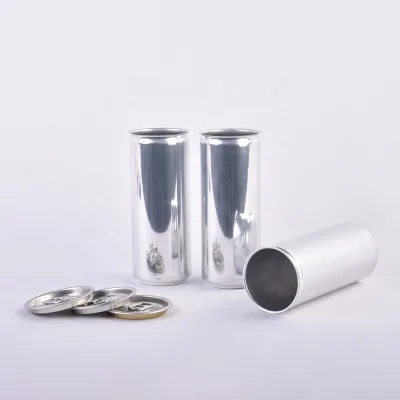
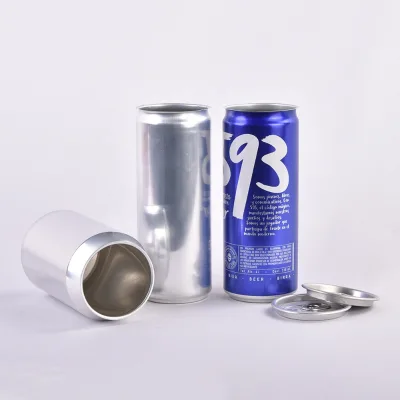
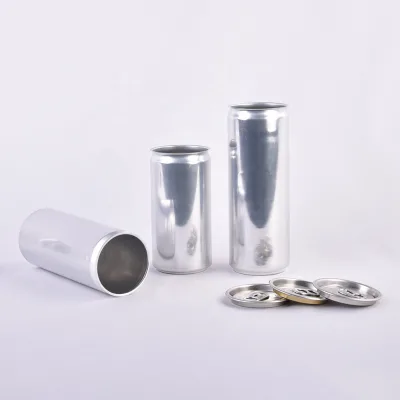


Comprehensive Sourcing Guide
Glossy Aluminium Beverage Can Sourcing Guide
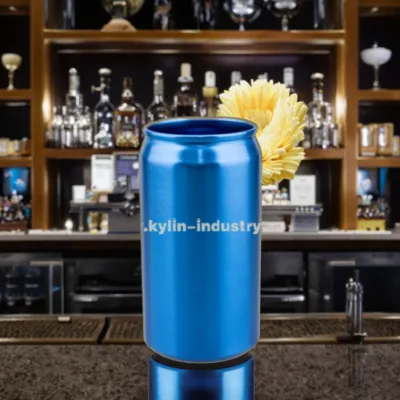
Procuring glossy aluminium beverage cans requires a strategic approach that balances aesthetic appeal with functional integrity. Buyers must prioritize suppliers who demonstrate consistent quality in both material selection and surface finishing processes. The visual glossiness is not merely cosmetic; it often correlates with the quality of the internal and external coatings, which protect the beverage from contamination and preserve flavor. Understanding the specific alloy types, such as 3104 or 3004, is essential for ensuring the cans can withstand the pressures of carbonation and the mechanical stresses of high-speed filling lines.
This guide provides a structured framework for evaluating potential suppliers and verifying product specifications. It focuses on critical technical parameters, compliance requirements, and commercial terms that directly impact procurement success. By adhering to these evidence-based criteria, buyers can mitigate risks associated with supply chain disruptions, quality inconsistencies, and regulatory non-compliance. The following sections detail the key areas of focus for sourcing high-quality glossy aluminium cans that meet both brand standards and operational needs.
Product Scope and Observed Listing Signals
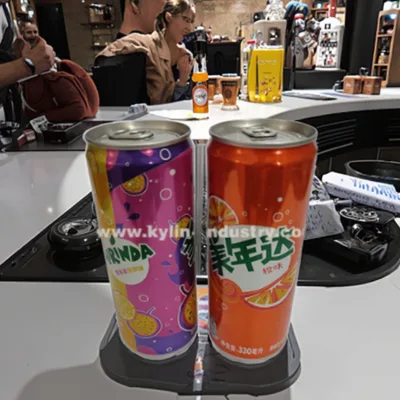
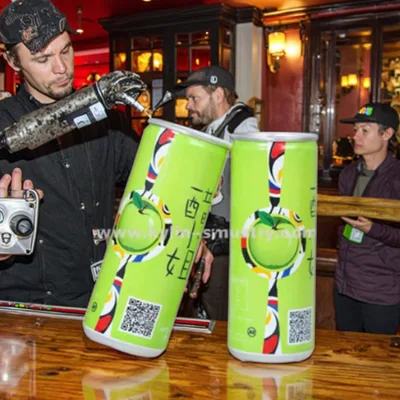
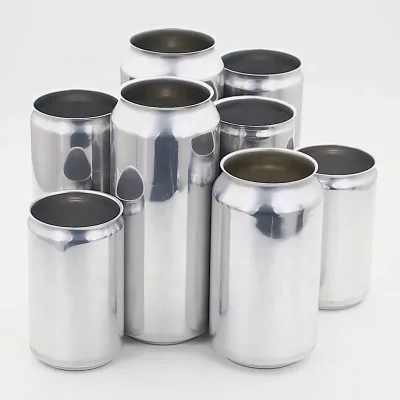
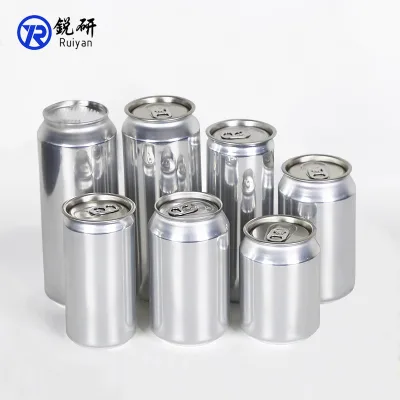
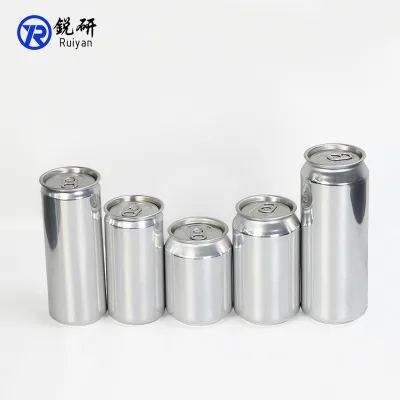
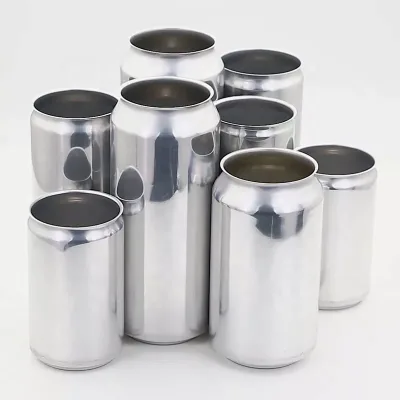
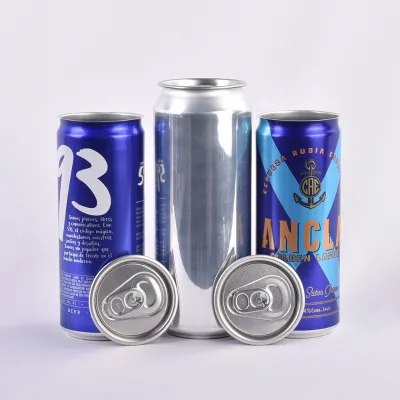
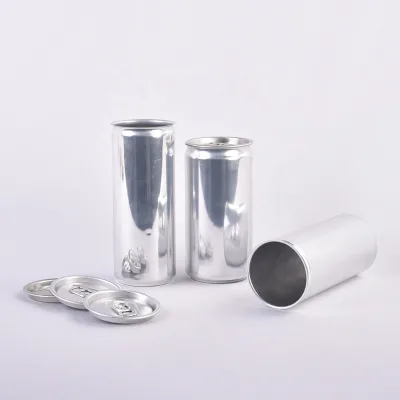
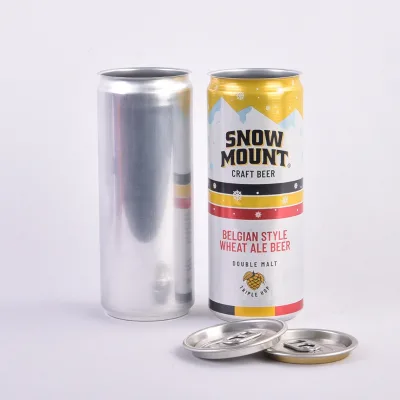
The market for glossy aluminium beverage cans encompasses a variety of form factors designed to meet diverse branding and consumer preferences. Observed listings indicate the availability of standard, sleek, stubby, and slim can types, each catering to specific market segments. These variations allow brands to differentiate their products on shelf space while maintaining the structural benefits of aluminium. The customization options available, including volume sizes ranging from 250ml to 500ml and beyond, enable buyers to tailor packaging to their exact product requirements.
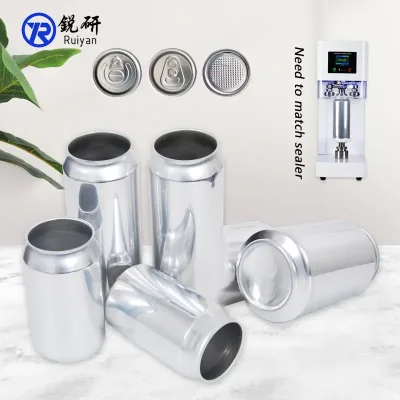
Suppliers typically offer these cans in various configurations, including standard and customized designs. The observed data suggests that many manufacturers provide eco-friendly solutions, appealing to environmentally conscious consumers. Additionally, the presence of certifications such as ISO, CE, and CIQ indicates a baseline level of quality management and regulatory adherence. Buyers should verify that the glossy finish is durable and resistant to scratching, as this affects the perceived value of the final product.
Technical Specifications to Verify
Technical verification begins with the aluminium alloy and temper, which determine the can's strength and formability. The 3104 or 3004 alloys in H19 temper are commonly observed, offering a balance of durability and ease of manufacturing. Buyers must confirm the coil thickness, with 0.270mm being a typical specification, to ensure the cans can withstand internal pressure without deforming. The buckling pressure rating, often exceeding 610 kPa or 650 kPa, is critical for carbonated beverages to prevent structural failure during storage and transport.
Dimensional accuracy is equally important for compatibility with filling and sealing equipment. Standard neck plug diameters of 50mm or 52.4mm and body diameters of 53.4mm, 57.4mm, or 66.1mm must match the buyer's production lines. The ends styles, such as CDL B64 or RTP SOT, should be verified for proper sealing integrity. Additionally, the internal coating type, whether epoxy or BPA-free, must be confirmed to ensure food safety and flavor preservation. These specifications directly impact the efficiency and reliability of the packaging process.
Compliance and Safety Documentation
Compliance with international standards is non-negotiable for beverage packaging. Buyers should request documentation confirming ISO certification, which indicates a robust quality management system. CE and CIQ certifications may also be required, depending on the target market and regulatory environment. These certifications ensure that the manufacturing processes adhere to strict safety and quality protocols, reducing the risk of product recalls or legal issues.
Food safety is paramount, particularly regarding the internal coatings. Buyers must verify that the coatings are compliant with relevant food contact regulations, especially if BPA-free options are specified. The shelf life of the packaged product, often exceeding 12 months, should be supported by stability testing data provided by the supplier. Additionally, the storage method, typically normal conditions, should be clearly defined to ensure the cans maintain their integrity until use. Proper documentation helps buyers demonstrate due diligence to regulators and customers.
Cost Drivers and Commercial Terms
Several factors influence the cost of glossy aluminium beverage cans, including material prices, customization complexity, and order volume. The minimum order quantity (MOQ) can range significantly, from 120 to 500,000 units, affecting the unit price and production scheduling. Buyers should negotiate terms that align with their demand forecasts to avoid excess inventory or production delays. The packing method, whether on pallets or in cartons, also impacts logistics costs and handling efficiency.
Lead times and payment terms are critical commercial considerations. Buyers should clarify the production lead time to ensure timely delivery for their marketing campaigns or seasonal demands. Payment terms, such as deposits or letters of credit, should be structured to balance risk for both parties. The recovery rate, often exceeding 85%, can also influence cost efficiency by reducing material waste. Understanding these drivers allows buyers to make informed decisions that optimize their total cost of ownership.
Supplier Qualification and Quality Control
Supplier qualification involves assessing their manufacturing capabilities, quality control processes, and track record. Buyers should visit facilities or request detailed audits to verify production standards and equipment modernity. The ability to provide customized solutions, including specific gloss finishes and printing techniques, is a key differentiator. Suppliers with a high recovery rate and efficient production lines are likely to offer better consistency and reliability.
Quality control measures should include rigorous testing of buckling pressure, coating adhesion, and dimensional accuracy. Buyers should request sample batches for evaluation before committing to large orders. The supplier's ability to provide detailed test results and compliance certificates is a strong indicator of their commitment to quality. Additionally, their responsiveness to issues and willingness to collaborate on improvements are valuable traits for a long-term partnership.
Long-Term Procurement Checks
Long-term procurement success depends on continuous monitoring of supplier performance and market trends. Buyers should regularly review quality metrics, such as defect rates and delivery punctuality, to ensure ongoing compliance with expectations. Staying informed about advancements in coating technologies and sustainable materials can provide competitive advantages. Engaging in regular communication with suppliers fosters collaboration and innovation, leading to better product offerings.
Risk management strategies should include diversifying suppliers and maintaining safety stock to mitigate supply chain disruptions. Buyers should also monitor regulatory changes that may impact packaging requirements, such as new environmental regulations or food safety standards. By proactively addressing these challenges, buyers can ensure a stable and efficient supply of glossy aluminium beverage cans that meet their evolving business needs.
FAQs
What materials are used for glossy aluminium beverage cans?
The cans are manufactured from Aluminum, specifically using 3104 or 3004 alloy types. These materials are chosen for their durability and formability. The product is certified as Eco-Friendly and meets ISO standards. The internal coating is either Epoxy or BPA-free, ensuring safety for beverage storage while maintaining structural integrity.
Which can types are available for customization?
Buyers can choose from Standard, Slim, Sleek, and Stubby can types. Customization is available to meet specific branding or volume needs. The cans support various volumes including 300ml, 330ml, 355ml, and 500ml. The shape is cylindrical, and the ends styles include CDL B64 and RTP SOT for secure sealing.
What is the minimum order quantity for these cans?
The minimum order quantity is 300,000 cans. This MOQ ensures efficient production runs for large-scale beverage manufacturers. The product is packed on pallets, with approximately 7,780 cans per pallet. Buyers should plan their procurement strategy around this bulk requirement to optimize logistics and storage efficiency.
How strong are the glossy aluminium beverage cans?
The cans exhibit high buckling pressure resistance, exceeding 650 kPa for some models and 610 kPa for others. This strength ensures they can withstand internal pressure from carbonated drinks. The recovery rate is more than 85%, indicating excellent material resilience. This durability protects the product during transport and storage.
What specifications define the can body dimensions?
The can body diameter is available in 53.4mm, 57.4mm, and 66.1mm sizes. The neck plug diameter options are 50mm and 52.4mm. The coil thickness is 0.270mm, providing a balance of strength and weight. These specifications support standard 330ml volumes and other custom sizes, ensuring compatibility with common filling lines.
Can these cans be used for tea or energy drinks?
Yes, the cans are suitable for tea and carbonated drinks like energy beverages. They feature internal coatings that are Epoxy or BPA-free, preserving flavor. The product is designed for normal storage methods with a shelf life exceeding 12 months. This versatility makes them ideal for various beverage types, including fruit-flavored or low-sugar options.