Source Refillable Round Aluminum Cosmetic Bottle for Skincare
Find 30 options for the Refillable Round Aluminum Cosmetic Bottle, featuring capacities from 10ml to 1250ml. Compare models like 007 and ACB01 with custom printing, screw caps, and sprayers from Guangdong and Zhejiang manufacturers; compare the available evidence and request quotations based on your requirements.
Updated
Key considerations
Products List
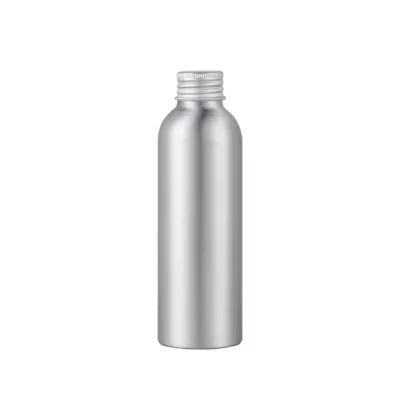


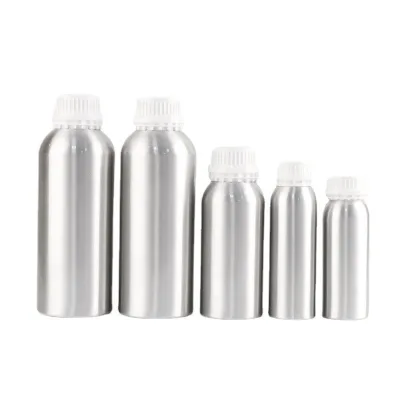
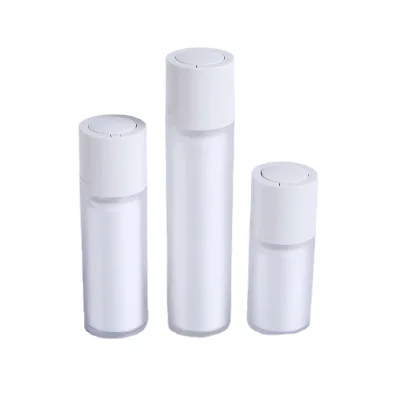
Refillable Aluminum Bottles for Cosmetic Cream and Skin Care 100ml 200ml 300ml
$0.28 - $1.00
MOQ: 3000 Pieces

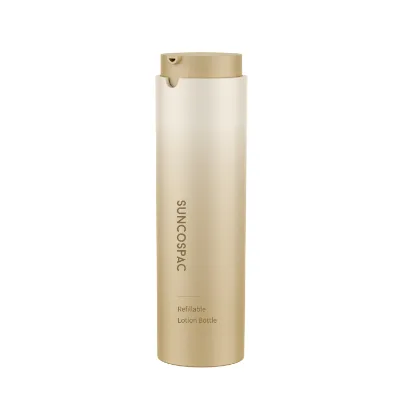
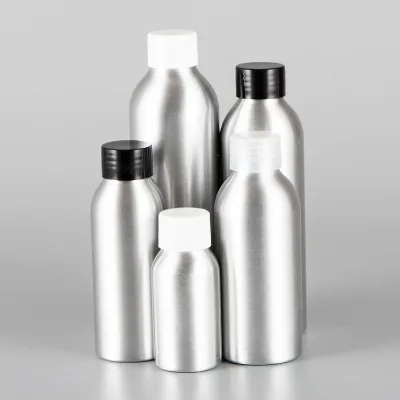
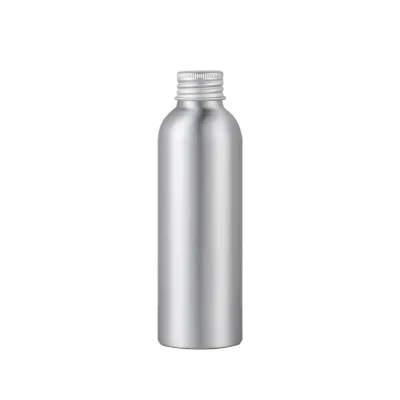

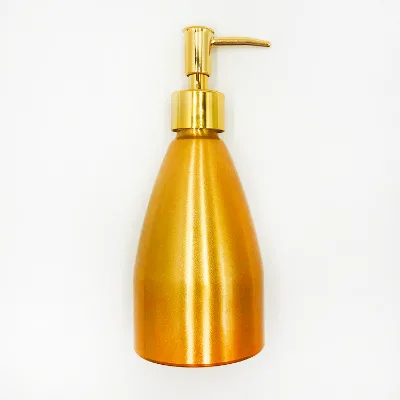
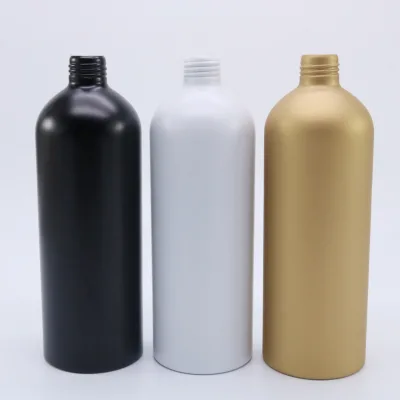
Luxury Refillable Aluminum Cosmetic Bottle - Portable Travel Empty Container
$0.4084 - $0.6119
MOQ: 5000 pieces
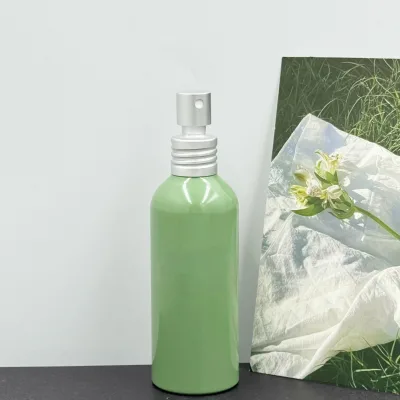
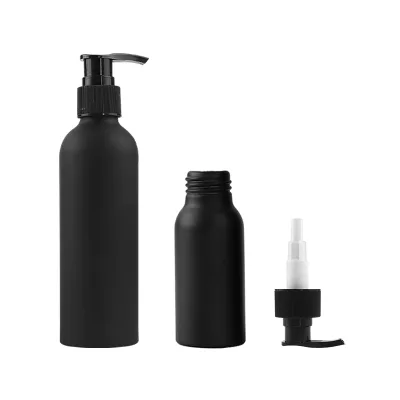
Portable Refillable Aluminum Spray Bottle with Nozzle Cap and Threaded Mouth
$0.4114 - $0.6164
MOQ: 5000 pieces
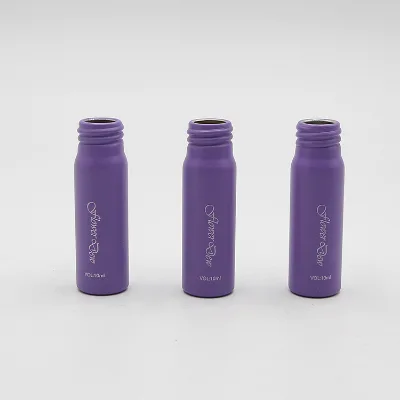
Recyclable Aluminum Cosmetic Oil Bottle with Screw Lid Custom Capacity Beverage & Aerosol Use
$0.8288 - $0.8811
MOQ: 5000 pieces
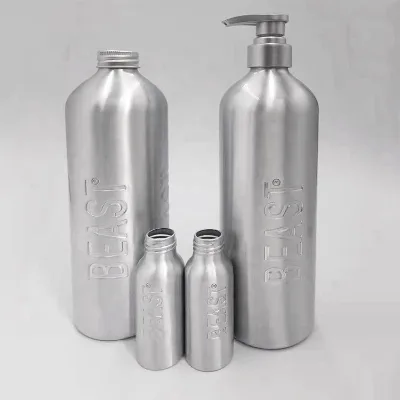
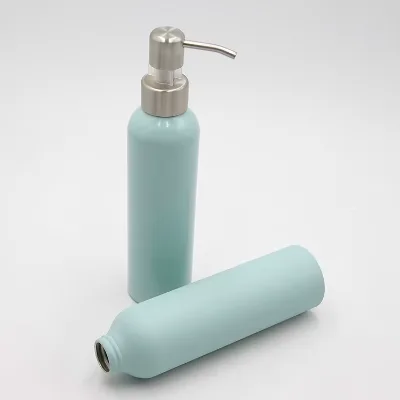
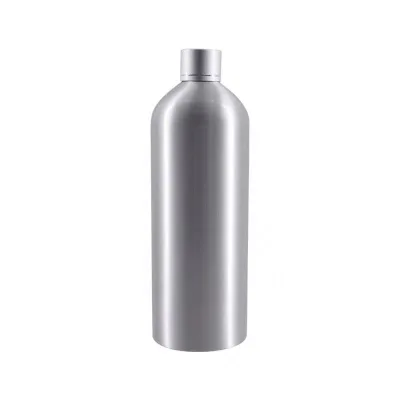

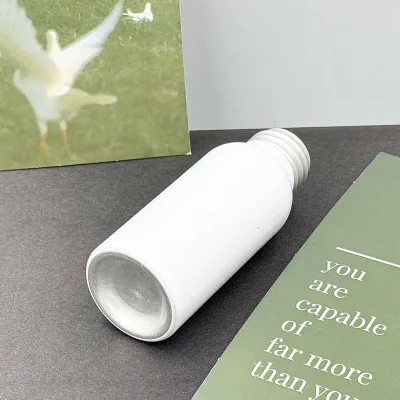
24mm Neck 50ml Silver Aluminum Bottle Metal Refillable Cosmetic Aluminum Bottle
$0.19 - $0.29
MOQ: 10000 Pieces


Comprehensive Sourcing Guide
Refillable Round Aluminum Cosmetic Bottle Sourcing Guide
Sourcing refillable round aluminum cosmetic bottles requires a careful balance between aesthetic appeal and functional integrity. These containers are widely used in the personal care and cosmetic industries due to their premium look and durability. Buyers must understand that while the material is consistent, the specific configurations can vary significantly between suppliers. This guide helps procurement professionals navigate the key variables, from technical specs to commercial terms, ensuring a smooth sourcing process.
The market offers a variety of options, including different volumes and sealing mechanisms. It is crucial to distinguish between standard off-the-shelf items and fully customized solutions. Many suppliers provide OEM services, allowing for brand-specific designs, but this comes with higher minimum order quantities. Understanding these distinctions early in the sourcing journey helps buyers align their expectations with supplier capabilities, preventing costly delays or mismatches in product requirements.
Product Scope and Observed Listing Signals
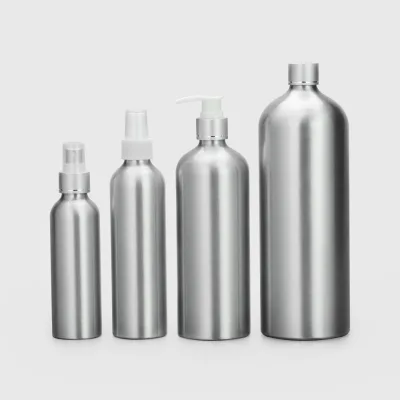
The observed product listings indicate a wide range of capacities, typically spanning from 10ml to 1250ml, with common sizes like 30ml, 50ml, and 100ml being prevalent. These bottles are primarily intended for cosmetics, personal care products, and sometimes beverages or chemicals. The round shape is a dominant design feature, offering a classic and ergonomic feel. Buyers should note that while the base material is aluminum, the final appearance can be customized, including color options and surface finishes like paint polish or screen printing.
Sealing types vary significantly across listings, including pump sprayers, screw caps, and lotion pumps. This variability means that the bottle and cap must be sourced as a compatible system. Some listings highlight specific model numbers like ACB01 or SR2221, which may correspond to specific neck sizes such as 20/24/28. Procurement teams must verify that the chosen cap mechanism aligns with the product’s viscosity and usage requirements, ensuring a secure seal and user-friendly dispensing experience.
Technical Specifications to Verify
Technical verification begins with the neck size and cap compatibility. Listings mention neck sizes like 20/24/28, which are critical for ensuring that pumps or screw caps fit securely. Buyers must confirm the exact dimensions, such as D36xh83mm for specific models, to avoid assembly issues. The collar material also varies, with options including aluminum and ABS plastic. This choice affects the bottle’s weight, cost, and aesthetic finish, so it should be selected based on the brand’s positioning and functional needs.
Surface treatment is another key technical aspect. Common finishes include screen printing, color painting, and paint polish, which enhance the visual appeal and brand identity. The single package size and gross weight, such as 20X10X14 cm and 0.09 kg respectively, are important for logistics planning. Buyers should request detailed technical drawings to verify these dimensions and ensure that the packaging design optimizes shipping efficiency while protecting the bottles from damage during transit.
Compliance and Safety Documentation
Compliance documentation is essential for cosmetic packaging, especially when products come into direct contact with skin. Some listings mention standards like FDA and LFGB, which are relevant for food and cosmetic safety. Buyers should verify if these certifications apply to the specific aluminum material and any coatings or inks used in the printing process. It is also important to check for REACH compliance, ensuring that the materials do not contain restricted substances that could pose health risks.
Safety documentation should also include material safety data sheets (MSDS) for the aluminum and any additional components like pumps or caps. These documents provide critical information on chemical composition and handling precautions. Buyers must ensure that their suppliers can provide up-to-date compliance certificates, as regulations can change frequently. This due diligence protects the brand from potential legal issues and ensures that the final product meets international safety standards.
Cost Drivers and Commercial Terms
Cost drivers for refillable aluminum bottles include the volume, surface treatment, and customization level. Higher volumes and complex surface finishes like multi-color screen printing increase production costs. The minimum order quantity (MOQ) is another significant factor, ranging from 5 to 10,000 pieces depending on the supplier and product complexity. Buyers should negotiate MOQs based on their sales forecasts, considering that lower MOQs may come with higher unit prices.
Commercial terms also involve sample policies and lead times. Many suppliers offer free samples, typically 1-2 pieces, to help buyers evaluate quality before placing a bulk order. However, shipping costs for samples may apply. Lead times can vary based on the order size and customization requirements. Buyers should clarify these terms early in the negotiation process to avoid unexpected costs or delays, ensuring that the supply chain aligns with their product launch timelines.
Supplier Qualification and Quality Control
Supplier qualification involves verifying their manufacturing capabilities and quality control processes. Buyers should look for suppliers with experience in cosmetic packaging, as they are more likely to understand the specific requirements of the industry. Checking for certifications like ISO standards can provide additional assurance of their quality management systems. It is also important to assess their ability to provide professional suggestions and support, which can be valuable during the product development phase.
Quality control measures should include regular inspections of the bottles for defects such as scratches, dents, or printing errors. Buyers should request a quality control plan from the supplier, detailing the inspection steps and acceptance criteria. Sampling plans, such as AQL levels, should be agreed upon before production begins. This proactive approach helps identify and address potential issues early, ensuring that the final product meets the buyer’s quality standards and reduces the risk of returns or complaints.
Long-Term Procurement Checks
Long-term procurement checks focus on supplier reliability and continuous improvement. Buyers should establish regular communication channels with their suppliers to monitor performance and address any issues promptly. This includes tracking delivery times, product quality, and responsiveness to changes in demand. Building a strong relationship with the supplier can lead to better pricing, priority production, and improved support during peak seasons.
It is also important to stay updated on market trends and regulatory changes that may affect packaging requirements. Buyers should periodically review their supplier’s compliance documentation and quality control processes to ensure they remain up-to-date. Additionally, exploring alternative suppliers can provide leverage in negotiations and reduce dependency on a single source. This strategic approach ensures a resilient supply chain that can adapt to changing market conditions and business needs.
FAQs
What materials are used for the Refillable Round Aluminum Cosmetic Bottle?
The bottles are constructed from aluminum metal with a silver color finish. Some variants feature an ABS collar material for added durability. The surface undergoes paint polishing and screen printing for branding. This ensures a robust container suitable for various cosmetic applications.
Which volume capacities are available for the aluminum cosmetic bottle?
Available volumes range from 10ml up to 500ml, including specific options like 30ml, 100ml, and 250ml. The product line supports capacities between 30ml and 1250ml depending on the specific model. Buyers can select from multiple standard sizes to match their packaging needs.
Can I customize the color and printing on the aluminum bottle?
Yes, customization is available for both color and printing processes. The bottles support screen printing and color painting to match brand requirements. Buyers can request specific colors beyond the standard silver finish. This allows for tailored branding on the round bottle surface.
What sealing types are offered for the refillable cosmetic bottle?
The product offers multiple sealing options including screw caps, lotion pumps, and sprayers. Some models utilize an easy open end design for convenience. The neck sizes typically accommodate 20, 24, or 28mm fittings. This variety ensures compatibility with different dispensing mechanisms.
How can I obtain a sample of the aluminum cosmetic bottle?
Free samples are supported for 1 to 2 pieces upon request. Buyers can test the product quality before placing a larger order. The sample service helps verify the round shape and surface finish. This option is available for those interested in the cosmetic aluminum bottle specifications.
What is the minimum order quantity for the aluminum cosmetic bottle?
The minimum order quantity varies, with observed ranges starting from 5 units up to 10,000 pieces. Specific models may require higher volumes like 10,000 pieces for certain configurations. Buyers should check the specific model requirements to determine the exact MOQ for their order.
Where are the refillable round aluminum cosmetic bottles manufactured?
Manufacturing locations include Guangdong and Zhejiang provinces in China. The products originate from these specific regions known for packaging production. Buyers can expect standard export carton packing for shipping. The origin ensures consistent quality for the aluminum bottle components.