Source Seashell Shape Metal Jewelry Box for Gifts, Storage, and Collection
Find 30 Seashell Shape Metal Jewelry Box options from China suppliers. Compare vintage and simple styles in pewter, antique bronze, and nickel finishes. Ideal for informal occasions, these portable boxes support OEM branding and custom logos for female jewelry storage.
Updated
Key considerations
Products List
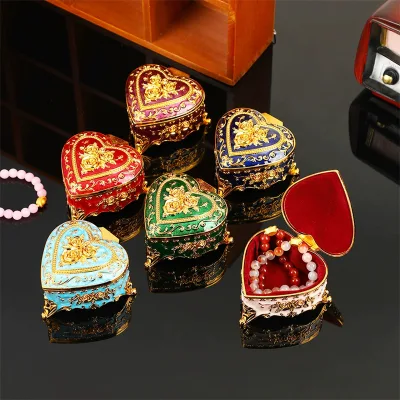
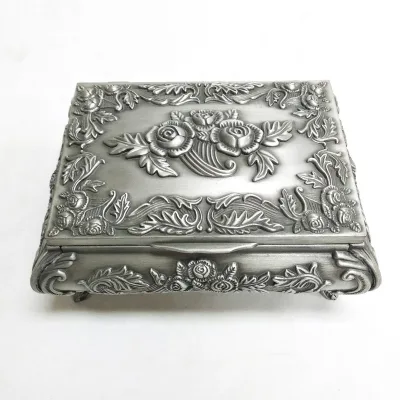
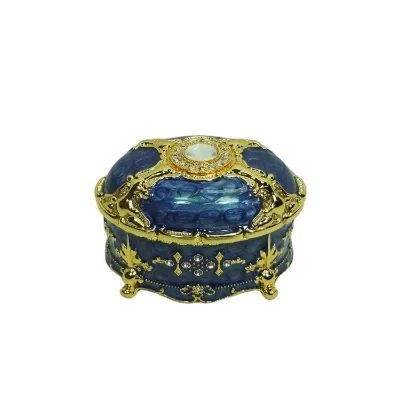
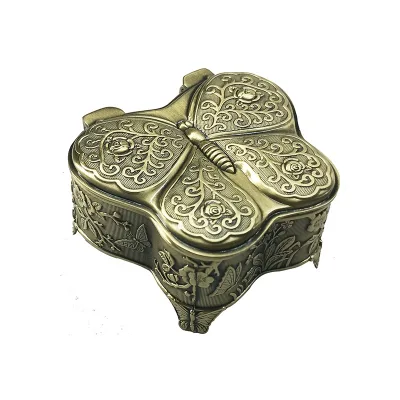
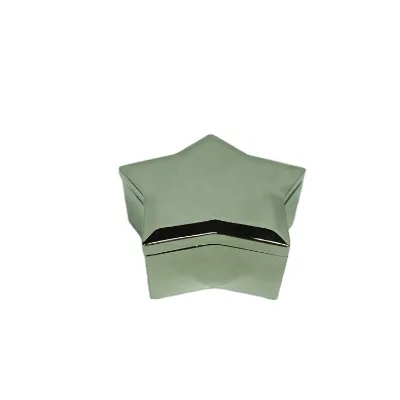


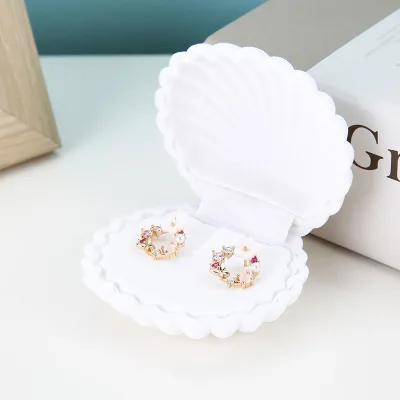
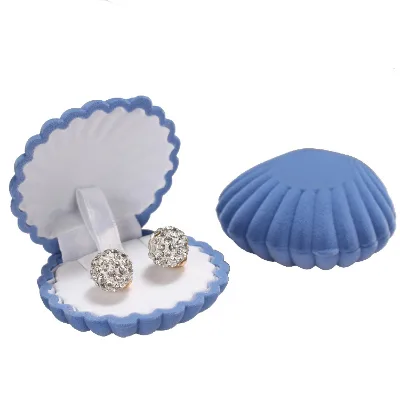
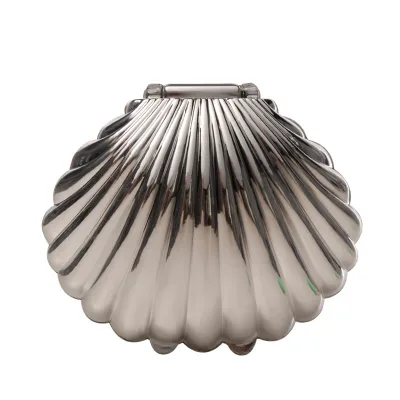
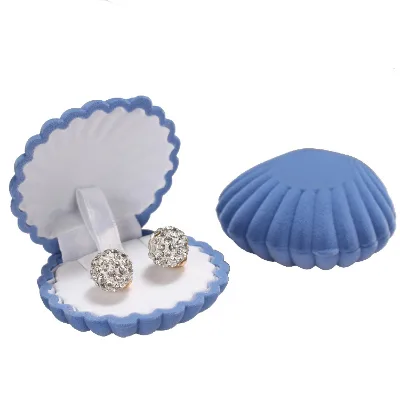
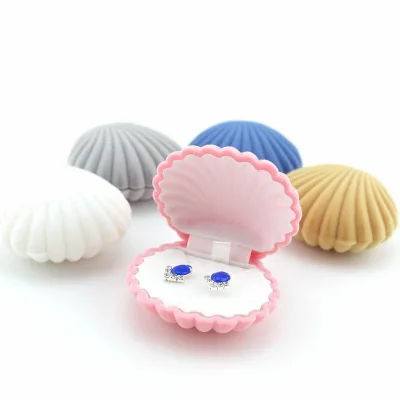


Jewelry Box Home Ring Box Earrings Necklace Earrings Storage Jewelry Box
$1.67 - $1.91
MOQ: 100 Pieces


Green Clamshell Jewelry Box High-End Leather Jewelry Storage Box Wholesale
$1.50 - $5.97
MOQ: 50 Pieces
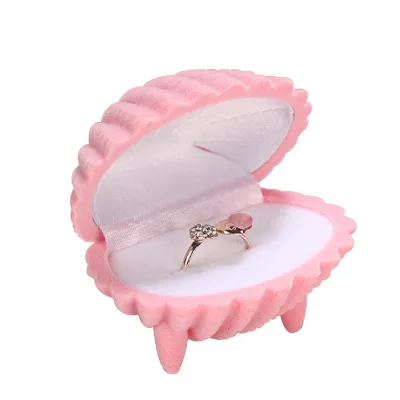






Comprehensive Sourcing Guide
Seashell Shape Metal Jewelry Box Sourcing Guide
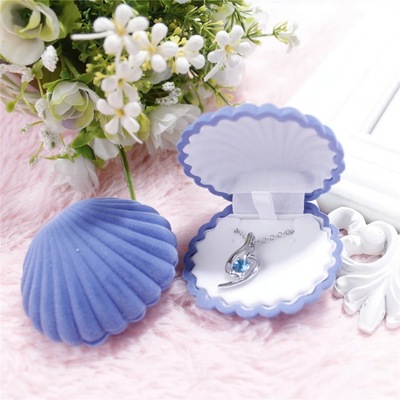
Sourcing seashell-shaped metal jewelry boxes requires careful attention to material composition and aesthetic finish, as these elements define both the product’s durability and its market appeal. Buyers must distinguish between genuine metal constructions and those that merely mimic metal aesthetics through plastic flocking or other composite materials. The observed listings indicate a variety of finishes, including pewter plating, antique bronze, and nickel plating, which significantly influence the perceived value and target demographic. Understanding these material distinctions is critical for aligning procurement with brand positioning, whether the goal is high-end vintage styling or affordable, colorful gift packaging.
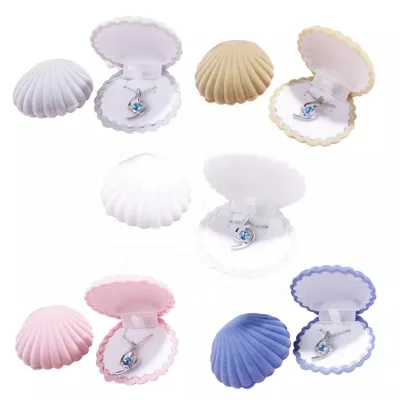
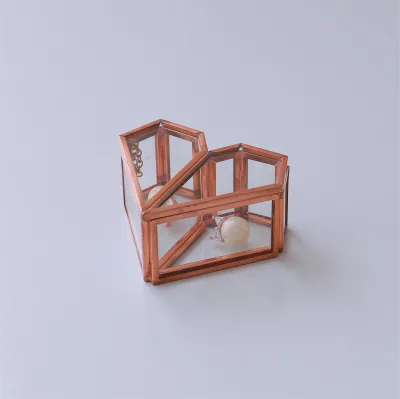
Procurement teams should also evaluate the structural integrity and functional design of the clamshell opening mechanism, which is a common feature in these products. The shape itself, often heart-shaped or rectangular with seashell motifs, demands precise molding and assembly to ensure the box remains portable and robust during transit. Additionally, the availability of customization options, such as customer logos and specific color palettes like white, pink, blue, and dark grey, allows for tailored branding strategies. Buyers need to verify how these customizations impact production complexity and whether the supplier can maintain consistent quality across different colorways and metallic finishes.
Product Scope and Observed Listing Signals
The current market landscape for seashell-shaped jewelry boxes reveals a diverse range of product types, from simple storage solutions to elaborate gift sets. Listings frequently highlight attributes such as "Vintage" style, "Portable" design, and suitability for "Informal Occasions," indicating a strong focus on aesthetic appeal and gifting utility. The observed product names often include descriptors like "Seashell shape jewelry box" or "Jewelry Set Box," suggesting that buyers are looking for specific thematic elements rather than generic containers. This thematic specificity is crucial for retailers targeting niche markets, such as those interested in nautical themes or romantic gift items, where the visual identity of the packaging is as important as its function.
Observed listing signals also point to a wide variety of materials and sizes, with some products made from metal and others from plastic flocking or flannelette. The size specifications vary, with dimensions like 84.9cm and 65.5*3cm being common, catering to different storage needs for earrings, necklaces, and pendants. The presence of multiple color options, including multicolour and specific shades like silver and gold, suggests that suppliers are equipped to handle diverse customer preferences. Buyers should pay close attention to these signals to ensure that the products they source match the specific requirements of their end-users, particularly regarding the intended usage for storage, packing, collection, or gift purposes.
Technical Specifications to Verify
When verifying technical specifications, buyers must prioritize the exact dimensions and weight of the jewelry boxes to ensure they meet storage requirements and shipping constraints. The observed sizes, such as Medium and Small variants, along with specific measurements like 8*4.9cm, provide a baseline for comparison, but buyers should request detailed technical drawings to confirm internal capacity and structural stability. The weight, noted as 20g for some items, is a critical factor for logistics cost calculations and customer experience, especially for portable items. Ensuring that the specified dimensions align with the actual product is essential to avoid discrepancies that could lead to customer dissatisfaction or increased return rates.
Material composition and finish quality are equally important technical aspects that require rigorous verification. Buyers should confirm whether the product is made from metal, plastic, or other materials, and verify the specific plating or coating used, such as pewter, antique bronze, or nickel. The "Open Way" mechanism, typically a clamshell design, must be tested for durability and ease of use, as this is a key functional feature. Additionally, the presence of a "Customer Logo" option indicates that the supplier can accommodate branding needs, but buyers should verify the quality of the logo application and its resistance to wear and tear over time.
Compliance and Safety Documentation
Compliance and safety documentation are paramount when sourcing jewelry boxes, particularly those intended for use with accessories that may come into direct contact with the skin. Buyers must ensure that the materials used, whether metal, plastic, or flocking, comply with relevant international safety standards for consumer goods. This includes verifying that any plating or coating materials are free from harmful substances such as lead, cadmium, or nickel allergens, which are common concerns in metal jewelry accessories. Requesting material safety data sheets (MSDS) and third-party test reports can provide assurance that the products meet these critical safety requirements.
Furthermore, buyers should verify that the packaging and labeling comply with local regulations in the destination market, including requirements for product identification, care instructions, and origin labeling. The observed listings indicate that products originate from China, specifically Shandong, which may have specific export regulations that buyers need to navigate. Ensuring that the supplier provides all necessary compliance documentation, such as certificates of conformity and test results for heavy metals, is essential for mitigating legal risks and ensuring smooth customs clearance. Buyers should also consider the environmental impact of the materials used, particularly if sustainability is a key brand value.
Cost Drivers and Commercial Terms
Cost drivers for seashell-shaped metal jewelry boxes include material costs, manufacturing complexity, and customization requirements. The use of metal and specific plating finishes, such as pewter or antique bronze, typically incurs higher material costs compared to plastic or flocking alternatives. Additionally, the intricate shape of the seashell design may require more complex molding and assembly processes, which can increase production costs. Buyers should also consider the impact of customization, such as adding customer logos or specific color schemes, as these can add to the overall cost per unit. Understanding these cost drivers is essential for accurate budgeting and pricing strategies.
Commercial terms, including minimum order quantities (MOQ) and lead times, are critical factors in the procurement process. The observed MOQ range of 1-1000 units suggests flexibility for buyers with varying order sizes, but buyers should negotiate terms that align with their inventory management strategies. Lead times can vary based on the complexity of the order and the supplier’s production capacity, so buyers should establish clear timelines and communication protocols to ensure timely delivery. Additionally, buyers should consider the total cost of ownership, including shipping, handling, and potential tariffs, to make informed sourcing decisions.
Supplier Qualification and Quality Control
Supplier qualification is a critical step in ensuring the reliability and consistency of seashell-shaped metal jewelry boxes. Buyers should conduct thorough due diligence on potential suppliers, verifying their production capabilities, quality control processes, and track record in the industry. This includes assessing their ability to handle customization requests and maintain consistent quality across different batches. Buyers should also request samples to evaluate the product’s physical attributes, such as finish quality, structural integrity, and functionality of the clamshell opening. This hands-on evaluation is essential for identifying any potential issues before committing to a larger order.
Quality control measures should be established to monitor production quality and ensure that the final products meet the specified standards. Buyers should implement regular inspections, either through third-party inspection services or internal quality assurance teams, to verify that the products conform to the agreed-upon specifications. This includes checking for defects in the plating, shape, and overall construction. Additionally, buyers should establish clear communication channels with the supplier to address any quality issues promptly and implement corrective actions as needed. A robust quality control process is essential for maintaining brand reputation and customer satisfaction.
Long-Term Procurement Checks
Long-term procurement checks involve continuous monitoring of supplier performance and market trends to ensure that the sourcing strategy remains effective and competitive. Buyers should regularly review supplier performance metrics, such as on-time delivery rates, product quality consistency, and responsiveness to issues. This ongoing evaluation helps identify potential risks and opportunities for improvement, allowing buyers to make informed decisions about their supply chain. Additionally, buyers should stay informed about changes in material costs, regulatory requirements, and consumer preferences, which can impact the sourcing strategy and product offerings.
Building a strong, collaborative relationship with suppliers is also essential for long-term success. Buyers should engage in regular communication with suppliers to discuss future needs, share feedback, and explore opportunities for innovation and cost savings. This collaborative approach can lead to improved product quality, more favorable commercial terms, and greater flexibility in meeting market demands. By maintaining a proactive and strategic approach to supplier management, buyers can ensure a stable and reliable supply of seashell-shaped metal jewelry boxes that meet their business objectives and customer expectations.
FAQs
What materials are used for seashell shape metal jewelry boxes?
These boxes are primarily crafted from metal, with options including pewter plated, antique bronze, and nickel plated finishes. Some variations also incorporate plastic flocking or flannelette for interior lining. Wood and plastic are available for different styles, ensuring durability and aesthetic appeal for jewelry storage and gifting purposes.
Can I customize the logo on these jewelry boxes?
Yes, customization is available for these jewelry boxes. Buyers can request their own customer logo to be applied to the product. This service supports branding needs for informal occasions and gift packaging, allowing businesses to create unique, personalized storage solutions for earrings, necklaces, and pendants.
What are the standard sizes for these metal jewelry boxes?
Standard sizes include dimensions such as 8*4.9cm and 6*5.5*3cm. Size options are categorized as Small, Medium, and Large to suit various jewelry items. The compact design ensures portability, making them ideal for storing and displaying delicate pieces like earrings and pendants while maintaining a vintage or simple style.
Where are these jewelry boxes manufactured?
These jewelry boxes are manufactured in Shandong, China. The products originate from this region, offering reliable sourcing for international buyers. The manufacturing process supports various styles, including heart-shaped and rectangular designs, ensuring quality construction for jewelry storage, collection, and gift packaging applications across global markets.
What is the typical weight of a seashell jewelry box?
The typical weight for these seashell-shaped jewelry boxes is approximately 20g. This lightweight design enhances portability, making them convenient for travel or everyday use. The compact weight complements the durable metal or plastic flocking materials, ensuring the box remains sturdy while providing an elegant solution for jewelry storage and gifting.
Which colors are available for these metal jewelry boxes?
Available colors include pewter plated, antique bronze, nickel plated, white, pink, blue, dark grey, orange, brown, and silver. The variety allows buyers to select options that match specific branding or aesthetic preferences. These colors are suitable for informal occasions and gift packaging, enhancing the visual appeal of the jewelry storage solution.