Source Frosted Cosmetic Aluminum Jar for Tea, Cream, and Wax
Compare 30 Frosted Cosmetic Aluminum Jar options from verified Chinese suppliers. Buyers can evaluate capacities from 5ml to 350ml, sealing types, and surface printing features for tea, cream, and wax packaging needs; compare the available evidence and request quotations based on your requirements.
Updated
Key considerations
Products List


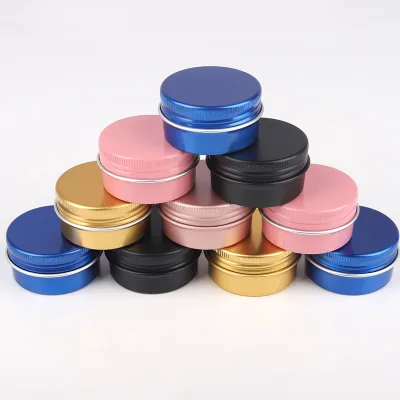
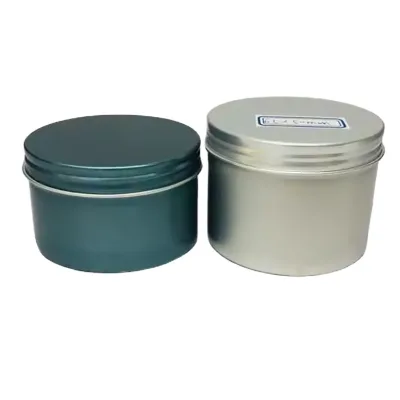
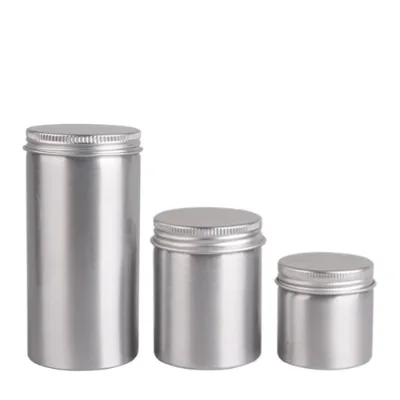
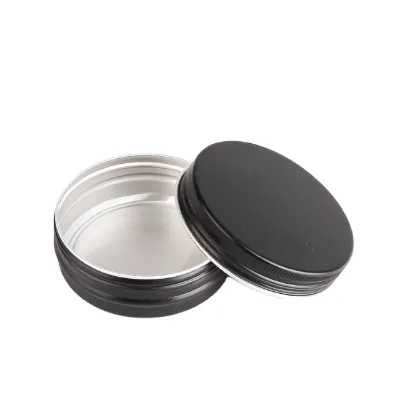
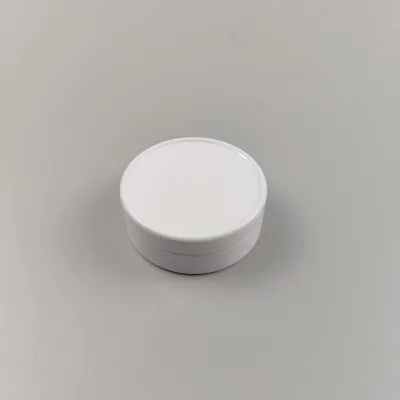
Wholesales 15ml White Aluminum Jar Directly Open and Close for Cosmetic Packaging
$0.08 - $0.16
MOQ: 10000 Minimum

Wholesale China Cosmetic Cream Jar Aluminum Jar 1oz 2oz 4oz 8oz 50ml Aluminum Jar
$0.10 - $0.30
MOQ: 10000 Pieces


Luxury 50ml 60ml 80ml 180ml Round Cosmetic Lid Tin Container Jar Aluminum Jar
$0.10 - $0.30
MOQ: 10000 Pieces






Comprehensive Sourcing Guide
Frosted Cosmetic Aluminum Jar Sourcing Guide
Sourcing frosted cosmetic aluminum jars requires a nuanced understanding of material properties, surface finishing capabilities, and supply chain logistics. These containers are increasingly favored by brands seeking a premium aesthetic that combines the durability of metal with the soft-touch appeal of frosted finishes. The procurement process involves balancing visual customization with functional integrity, ensuring that the packaging protects sensitive formulations while aligning with brand identity. Buyers must navigate a landscape where standard specifications often need adaptation to meet specific fill volumes, sealing requirements, and regulatory standards for both cosmetic and food-grade applications.
This guide provides a structured approach to evaluating suppliers and products based on observed market data and technical realities. It focuses on verifying critical attributes such as inner coatings, sealing mechanisms, and surface treatments that directly impact product safety and shelf life. By adhering to evidence-based verification steps, procurement teams can mitigate risks associated with material defects, compliance gaps, and logistical delays. The following sections detail the essential parameters for selecting the right aluminum jar, from initial product scope analysis to long-term supplier relationship management, ensuring a robust and efficient sourcing strategy.
Product Scope and Observed Listing Signals
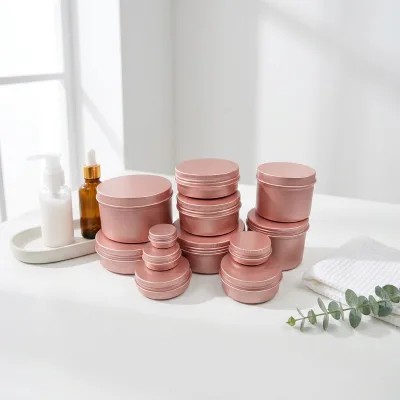
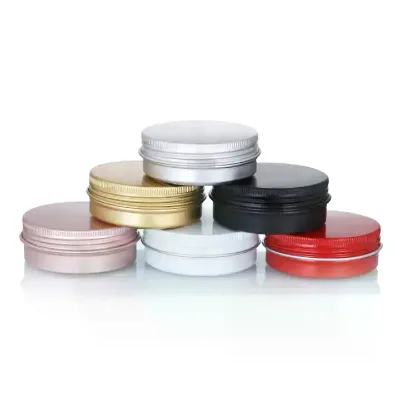
The observed market for aluminum jars reveals a diverse range of applications, primarily targeting cosmetic creams, skin care products, and certain food items like tea, nuts, and spices. Listings indicate capacities ranging from small 5ml samples to larger 200g or 350ml containers, with specific models like the PPC-ATC highlighting specialized designs. The material is consistently identified as aluminum, often featuring a natural or silver base color that can be customized to match brand palettes. This versatility allows brands to select jars that suit everything from high-end skincare creams to artisanal food products, provided the inner coating meets the necessary safety standards for the intended content.
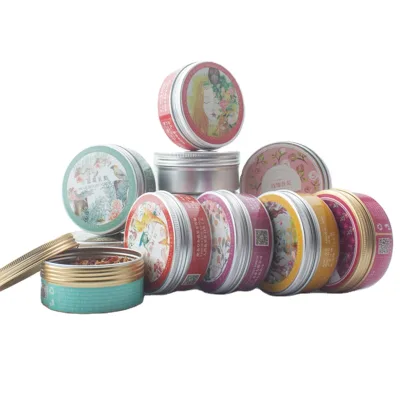
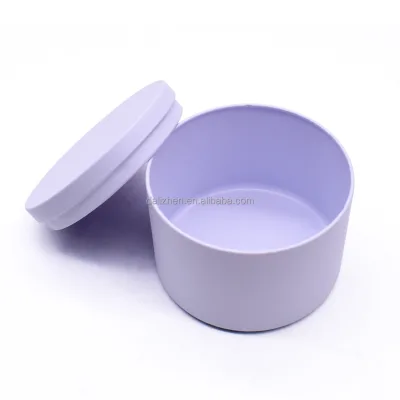
Surface handling options are a key differentiator in this product category, with suppliers offering printing, logo embossing, anodizing, and painting services. The frosted finish, while not explicitly detailed in every listing, is often achieved through specific surface treatments or coatings that enhance the tactile experience. Sealing types vary, including screw lids and pet window screw lids, which are critical for maintaining product freshness and preventing leakage. Buyers should note that while many products are labeled as eco-friendly and recyclable, the specific environmental claims should be verified against the supplier’s actual manufacturing processes and material composition to ensure accuracy.
Technical Specifications to Verify
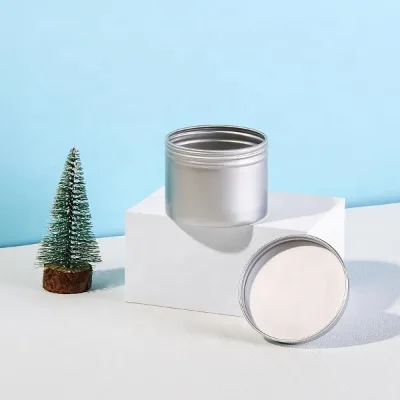
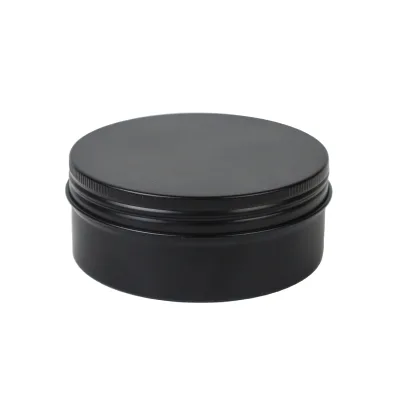
Verifying the physical dimensions and capacity of aluminum jars is essential to ensure compatibility with filling equipment and consumer expectations. Observed specifications include sizes such as D89xh38mm for 200g jars, with other listings indicating capacities from 10ml to 1L. The shape is predominantly round, which is standard for cream and wax containers, but customized sizes are available for unique branding needs. Buyers must confirm that the jar’s internal volume aligns with the product’s fill weight, accounting for headspace requirements to prevent overflow during transport. Additionally, the sealing type, whether a standard screw cap or a specialized pet window lid, must be tested for tightness and ease of use to ensure a secure closure.
Surface finishing and inner coating are critical technical aspects that influence both aesthetics and product safety. Suppliers offer various surface treatments, including screen printing, embossing, and anodizing, which can affect the jar’s durability and resistance to scratching. The inner coating must be food-grade if the jar is intended for cosmetic or food use, ensuring that no harmful substances migrate into the product. Buyers should request samples to evaluate the quality of the frosted finish, checking for uniformity and adherence to the aluminum substrate. It is also important to verify the metal type and any additional treatments that may impact the jar’s corrosion resistance and overall longevity.
Compliance and Safety Documentation
Compliance with international standards is non-negotiable for aluminum jars used in cosmetic and food applications. Listings mention standards such as FDA and SGS, which are critical for verifying that the materials and manufacturing processes meet safety requirements. Buyers must ensure that the supplier can provide valid certificates for these standards, confirming that the aluminum and any coatings are free from harmful contaminants. The presence of a food-grade inner coating is particularly important for products that come into direct contact with the skin or are ingested, as it prevents chemical interaction between the product and the metal container.
In addition to material safety, buyers should verify the supplier’s adherence to environmental and recycling standards. Many aluminum jars are marketed as eco-friendly and recyclable, but these claims must be substantiated by the supplier’s documentation. Buyers should inquire about the recyclability of the entire package, including the lid and any labels, to ensure that the product aligns with sustainability goals. It is also advisable to check for any additional certifications related to manufacturing quality, such as ISO standards, which indicate a robust quality management system. This due diligence helps mitigate regulatory risks and enhances the brand’s reputation for responsible sourcing.
Cost Drivers and Commercial Terms
The cost of aluminum jars is influenced by several factors, including material prices, surface finishing complexity, and order volume. Observed price ranges vary, with some listings indicating costs as low as $0.05 per unit for standard items, while customized or premium finishes may command higher prices. Minimum order quantities (MOQs) typically range from 100 to 10,000 units, reflecting the economies of scale in metal stamping and finishing processes. Buyers should negotiate pricing based on their volume requirements and consider the cost implications of custom colors, printing, and embossing, which can add significant value but also increase the unit price.
Commercial terms and logistics also play a crucial role in the total cost of ownership. Suppliers often offer FOB or CIF terms, with Ningbo being a common loading port for Chinese manufacturers. Buyers should factor in shipping costs, insurance, and potential tariffs when calculating the landed cost of the jars. Lead times for samples are typically 3-5 working days, while production lead times can vary based on order size and customization complexity. It is advisable to establish clear communication regarding production schedules and delivery timelines to avoid disruptions in the supply chain. Understanding these commercial dynamics helps buyers make informed decisions that balance cost efficiency with timely delivery.
Supplier Qualification and Quality Control
Qualifying suppliers for aluminum jar production requires a thorough assessment of their manufacturing capabilities and quality control processes. Buyers should verify the supplier’s experience in producing metal containers, particularly those with specialized surface treatments like anodizing or frosted finishes. Requesting references or case studies from previous clients can provide insights into the supplier’s reliability and consistency. It is also important to assess the supplier’s ability to handle custom orders, including the provision of free samples for evaluation. This step allows buyers to test the jar’s quality, fit, and functionality before committing to a large order.
Quality control measures should be clearly defined and agreed upon with the supplier. Buyers should inquire about the supplier’s inspection protocols, including in-process checks and final random inspections. It is advisable to specify acceptance criteria for defects such as scratches, dents, or uneven finishes, which can compromise the product’s aesthetic and functional integrity. Additionally, buyers should consider implementing their own quality control checks upon receipt of the goods, verifying that the jars meet the agreed-upon specifications. Establishing a robust quality control framework helps ensure that the supplier consistently delivers products that meet the brand’s standards, reducing the risk of returns or customer complaints.
Long-Term Procurement Checks
Long-term procurement success depends on continuous monitoring of supplier performance and market trends. Buyers should regularly review supplier metrics, including on-time delivery rates, defect rates, and responsiveness to issues. Establishing a scorecard system can help track these metrics over time, providing a data-driven basis for supplier evaluations and negotiations. It is also important to stay informed about changes in material costs, regulatory requirements, and technological advancements in packaging. This proactive approach allows buyers to anticipate potential challenges and adapt their sourcing strategies accordingly, ensuring a resilient and efficient supply chain.
Building a strong relationship with suppliers is equally important for long-term success. Open communication and collaboration can lead to better pricing, improved quality, and innovative solutions. Buyers should engage in regular business reviews with their suppliers to discuss performance, address concerns, and explore opportunities for improvement. Additionally, diversifying the supplier base can mitigate risks associated with single-source dependencies. By maintaining a strategic and dynamic approach to procurement, buyers can ensure that their aluminum jar supply remains reliable, cost-effective, and aligned with their brand’s evolving needs.
FAQs
Can frosted cosmetic aluminum jars be customized for branding?
Yes, customization is available for these aluminum jars. Buyers can request specific surface handling techniques such as printing, logo embossing, or painting. The jars support custom colors and shapes, allowing brands to tailor the appearance to their identity. This flexibility ensures that the packaging aligns perfectly with marketing goals and product positioning.
What sealing types are used for these aluminum jars?
These aluminum jars typically feature screw cap or screw lid sealing types. Some variants include a pet window for visibility. The screw mechanism ensures a secure seal, which is essential for preserving the freshness of cosmetics, creams, and other sensitive products. This design prevents leakage and maintains product integrity during storage and transport.
What materials and coatings are used in these jars?
The jars are made from aluminum metal, often with a food-grade inner coating. This coating ensures safety for contents like creams, waxes, and candles. The aluminum material provides durability and recyclability. The natural or silver color options are enhanced through processes like anodizing or golden color treatments, offering both aesthetic appeal and functional protection.
What are the standard capacity and size options?
Standard capacities range from 10ml to 350ml, with specific sizes like 200g or 80ml commonly available. Dimensions such as D89xh38mm are typical for certain models. Customized sizes are also offered to meet specific volume requirements. These options cater to various cosmetic and food packaging needs, ensuring the right fit for different product formulations and branding strategies.
Are these jars eco-friendly and recyclable?
Yes, these aluminum jars are designed to be eco-friendly and recyclable. Aluminum is a sustainable material that can be recycled repeatedly without losing quality. This feature appeals to environmentally conscious brands and consumers. The packaging also meets standard export carton requirements, ensuring safe delivery while supporting sustainable practices in the supply chain and reducing environmental impact.
What certifications do these aluminum jars meet?
These jars meet FDA and SGS standards, ensuring compliance with safety and quality regulations. These certifications are crucial for cosmetic and food-grade applications. They verify that the materials and manufacturing processes adhere to strict guidelines. Buyers can trust that the jars are suitable for sensitive products, providing peace of mind regarding product safety and regulatory compliance.
What are the packaging and shipping details?
The jars are packed in standard export cartons, often with pallets for stability. The loading port is Ningbo, China, with trading terms including FOB and CIF. This ensures efficient logistics and secure transport. The packaging protects the jars during transit, minimizing damage risks. Buyers can rely on established shipping routes and terms for reliable delivery to global destinations.