Source Octagonal Christmas Tin Box for Gifts, Crafts, and Storage
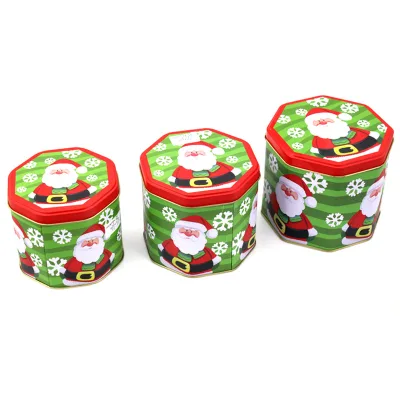
Find 30 Octagonal Christmas Tin Box options from China suppliers. Compare metal materials, custom printing, and eco-friendly designs for gift packaging and craft storage needs. Explore various sizes, shapes, and surface finishes to meet your specific branding requirements; compare the available evidence and request quotations based on your requirements.
Updated
Key considerations
Products List







Comprehensive Sourcing Guide
Octagonal Christmas Tin Box Sourcing Guide
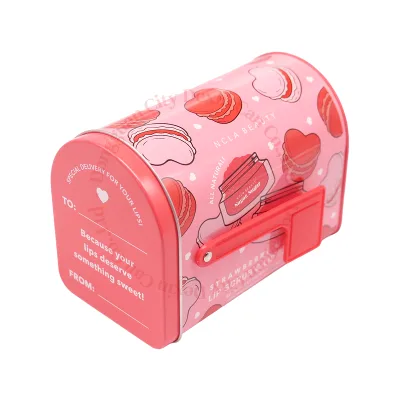
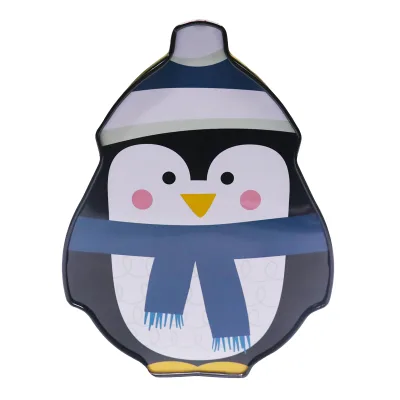
Sourcing octagonal Christmas tin boxes requires a careful balance between festive aesthetic appeal and functional packaging integrity. Buyers must recognize that while the core keyword specifies an octagonal shape, the available market data highlights a diverse range of forms, including mailbox-shaped, penguin-shaped, and small package tanks. This discrepancy necessitates a rigorous verification process where the buyer explicitly confirms the geometric profile during the initial inquiry phase. Relying on generic listings without specifying the exact octagonal design can lead to receiving mismatched inventory, which disrupts holiday supply chains and brand consistency.
The procurement strategy should also account for the wide variability in material specifications and customization options observed in current listings. While many suppliers offer tinplate construction with food-grade certifications, others may provide different metal types or thicknesses that do not align with specific storage needs. Buyers should prioritize suppliers who demonstrate flexibility in shape customization while maintaining strict adherence to structural durability. Understanding these nuances ensures that the selected packaging not only meets the visual requirements of the Christmas season but also protects the contents effectively during transit and storage.
Product Scope and Observed Listing Signals
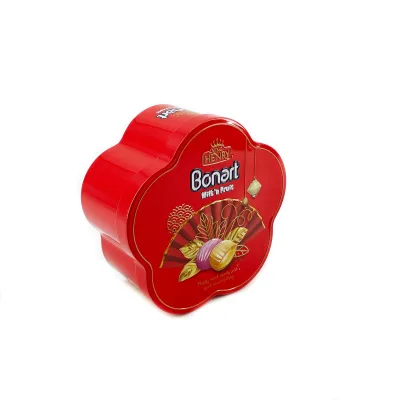
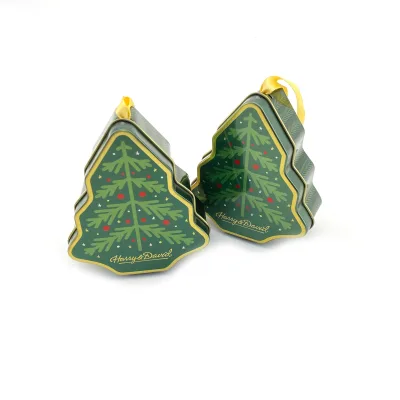
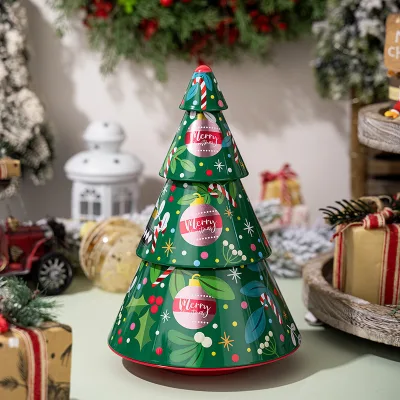
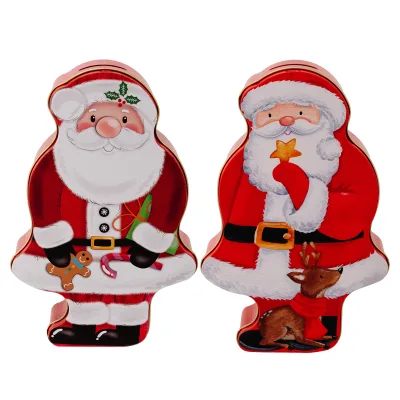
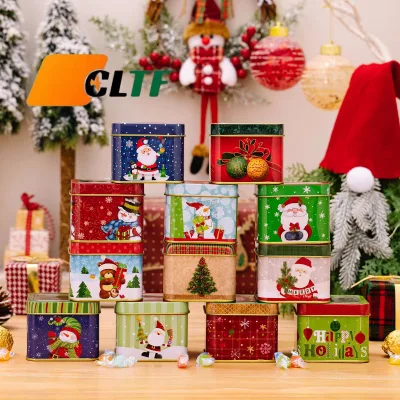
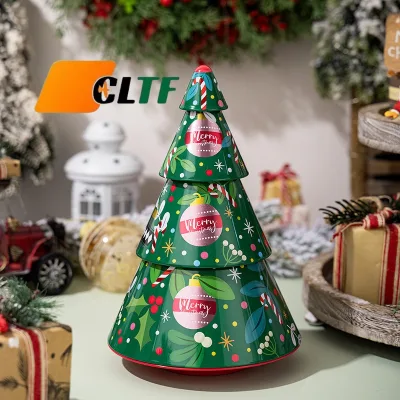
The current market landscape for Christmas tin packaging reveals a broad spectrum of product types, ranging from small package tanks to medium-sized packaging pots. Listings frequently highlight features such as eco-friendly materials, customizable colors, and various surface finishes like glossy or matte options. Buyers should note that while the octagonal shape is the target, many suppliers offer alternative forms such as mailbox or penguin shapes, which may be marketed under similar festive categories. This variety underscores the importance of precise communication regarding the desired geometry to avoid receiving non-conforming products that fail to meet specific branding or display requirements.
Observations indicate that customization is a standard offering, with suppliers accepting custom orders for logos, printing, and dimensions. The presence of offset lithography and surface handling techniques suggests that high-quality graphic reproduction is achievable, which is critical for holiday-themed designs. However, buyers must verify that the specific octagonal form is available as a standard or custom option, as some listings may only support rectangular or cylindrical molds. Confirming the availability of the octagonal mold early in the sourcing process prevents delays and ensures that the final product aligns with the intended aesthetic and functional goals of the procurement project.
Technical Specifications to Verify
Technical verification must begin with the material composition and thickness, as these factors directly impact the tin box's durability and protective capabilities. Listings indicate the use of tinplate, with specific thicknesses such as 0.23mm or 0.25mm noted for certain models. Buyers should confirm that the material is food-grade if the tin box is intended for edible contents, ensuring compliance with safety standards. Additionally, the sealing type, such as a cap with a hinge, should be evaluated for its ability to maintain freshness and prevent tampering. These technical details are crucial for determining the suitability of the packaging for specific products, whether they are teas, gifts, or crafts.
Dimensional accuracy is another critical aspect that requires careful attention, as variations in size can affect storage efficiency and shelf presentation. Suppliers may offer various dimensions, such as 175x135x70mm or other custom sizes, which must be matched to the product's volume requirements. Buyers should request detailed technical drawings or samples to verify that the octagonal shape meets the specified tolerances. Furthermore, the single package size and gross weight should be assessed to optimize logistics and shipping costs. Ensuring that these technical specifications are clearly defined and agreed upon prevents discrepancies between the ordered and delivered goods.
Compliance and Safety Documentation
Compliance with international standards is essential for ensuring the safety and quality of Christmas tin boxes, particularly when they are used for food or gift items. Buyers should verify that suppliers hold relevant certifications, such as ISO and CIQ, which indicate adherence to quality management and inspection protocols. These certifications provide assurance that the manufacturing processes meet recognized industry benchmarks, reducing the risk of defects or safety issues. Additionally, the eco-friendly nature of the materials should be confirmed, as sustainability is increasingly important to consumers and regulatory bodies alike.
Documentation regarding material safety, such as food-grade certifications for tinplate, is crucial if the tin boxes are intended for edible contents. Buyers must ensure that the supplier can provide test reports or certificates confirming that the materials do not leach harmful substances. This is particularly important for products like teas or chocolates, which are commonly packaged in festive tins. By prioritizing suppliers with robust compliance documentation, buyers can mitigate risks associated with product recalls or regulatory non-compliance, ensuring a smooth and secure procurement process.
Cost Drivers and Commercial Terms
Cost drivers for Christmas tin boxes include material costs, customization complexity, and order volume. The use of tinplate and specific thicknesses, such as 0.23mm or 0.25mm, influences the base price, while additional features like offset lithography and custom shapes add to the overall cost. Buyers should note that MOQs can vary significantly, with some suppliers requiring as few as 1000 pieces and others demanding up to 5000. Understanding these commercial terms helps in budgeting accurately and negotiating favorable pricing based on order volume and customization requirements.
Pricing ranges observed in the market indicate a wide variation, with costs potentially ranging from low to moderate depending on the specifications. Buyers should request detailed quotes that break down costs for materials, printing, and packaging to identify potential savings. Additionally, terms such as sample availability and packing methods, such as carton or pallet packaging, should be clarified to avoid hidden costs. By carefully evaluating these commercial terms, buyers can optimize their procurement strategy and ensure that the final cost aligns with their budget constraints while maintaining quality standards.
Supplier Qualification and Quality Control
Supplier qualification is a critical step in ensuring the reliability and consistency of Christmas tin box procurement. Buyers should assess suppliers based on their production capabilities, quality control processes, and ability to meet customization requests. Verifying certifications such as ISO and CIQ provides insight into the supplier's commitment to quality and compliance. Additionally, suppliers with experience in producing festive packaging, such as mailbox or penguin-shaped tins, may offer valuable insights into design and functionality. Engaging with suppliers who demonstrate a strong track record in quality control reduces the risk of receiving substandard products.
Quality control measures should include pre-production samples and in-process inspections to ensure that the octagonal shape and other specifications are met. Buyers should request samples to evaluate the material quality, printing accuracy, and sealing integrity before placing large orders. Establishing clear quality standards and communication channels with the supplier helps in addressing any issues promptly. By prioritizing suppliers with robust quality control systems, buyers can ensure that the final products meet their expectations and maintain brand reputation during the holiday season.
Long-Term Procurement Checks
Long-term procurement checks involve continuous monitoring of supplier performance and market trends to ensure sustained value and quality. Buyers should regularly review supplier compliance with certifications and safety standards, as regulatory requirements may evolve over time. Additionally, staying informed about material cost fluctuations and technological advancements in packaging can help in making informed sourcing decisions. By maintaining a proactive approach to supplier management, buyers can adapt to changes in the market and ensure that their packaging solutions remain competitive and effective.
Building a strong relationship with suppliers through consistent communication and feedback is essential for long-term success. Buyers should provide regular performance evaluations and share insights on product usage and customer feedback to help suppliers improve their offerings. This collaborative approach fosters innovation and ensures that the packaging solutions continue to meet the evolving needs of the business. By focusing on long-term partnerships and continuous improvement, buyers can secure a reliable supply of high-quality Christmas tin boxes that support their brand and business goals.
FAQs
What materials are used for octagonal christmas tin boxes?
These containers are typically crafted from food-grade tinplate, ensuring durability and safety for various uses. The metal construction provides a sturdy structure for storage or gifting. Some variants specify a thickness of 0.23mm or 0.25mm for added resilience. This material choice supports eco-friendly practices while maintaining a premium aesthetic suitable for holiday packaging needs.
Can I customize the printing on these tin boxes?
Yes, customization is available for most Octagonal Christmas Tin Box orders. Buyers can request specific logos, designs, or colors to be printed using offset lithography. The surface finish can be selected as glossy or matte to match brand aesthetics. This flexibility allows for unique branding opportunities, making the packaging stand out during the festive season while meeting specific design requirements.
What is the typical MOQ for these metal tins?
The minimum order quantity varies by supplier but often starts at 1000 pieces or 5000 pieces. Some vendors may offer lower MOQs for sample orders or specific models. Buyers should verify the exact MOQ with the manufacturer before placing bulk orders. Understanding these thresholds helps in planning inventory levels and managing initial procurement costs effectively for seasonal demand spikes.
Are these tin boxes suitable for food storage?
Many octagonal christmas tin boxes are designed for food-grade applications, including tea and other edible items. The use of certified tinplate ensures safety for direct or indirect food contact. However, buyers must confirm specific food-grade certifications like ISO or CIQ with the supplier. Proper sealing types, such as cap with hinge, also help maintain freshness and protect contents from external contaminants during storage.
What certifications do these tin box manufacturers hold?
Reputable manufacturers often hold ISO and CIQ certifications to ensure quality and safety standards. These credentials verify that production processes meet international requirements for material safety and manufacturing consistency. Buyers should request valid certification documents to verify compliance before sourcing. Adhering to these standards reduces risk and ensures that the final products are suitable for export and commercial distribution in regulated markets.
How are these tin boxes packaged for shipping?
Standard packaging usually involves cartons, often stacked on pallets for efficient handling and transport. This method protects the tins from damage during transit and optimizes container space. Buyers should confirm packing details like carton dimensions and pallet configurations with the supplier. Proper packaging ensures that the products arrive in pristine condition, minimizing losses and ensuring readiness for immediate retail or distribution use upon arrival.