Source Semi Truck Power Steering Filter for Heavy Duty, Commercial, and Fleet Trucks
Find 30 Semi Truck Power Steering Filter options from verified suppliers. Compare specifications, prices, and lead times for models like 5716372 and 20580233 to ensure OEM quality for your fleet maintenance needs; compare the available evidence and request quotations based on your requirements.
Updated
Key considerations
Products List
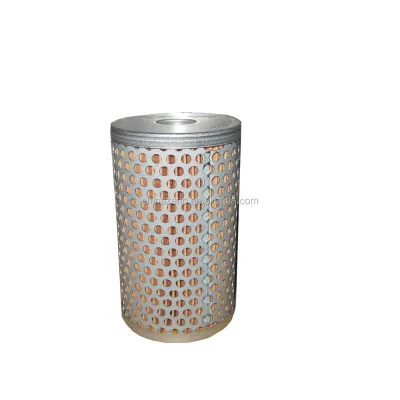


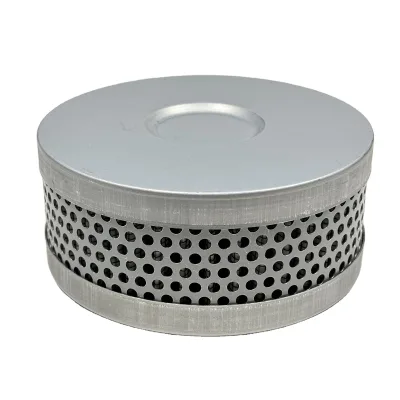
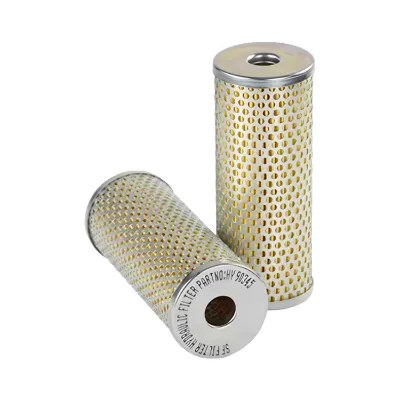
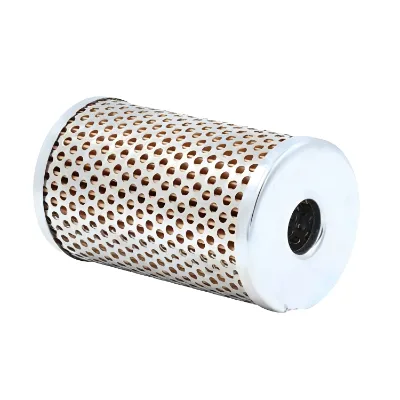

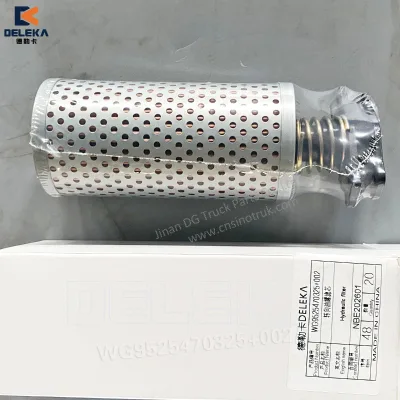

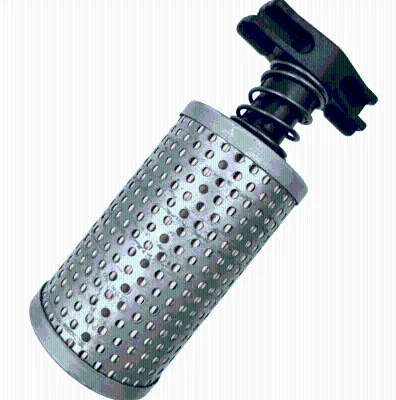
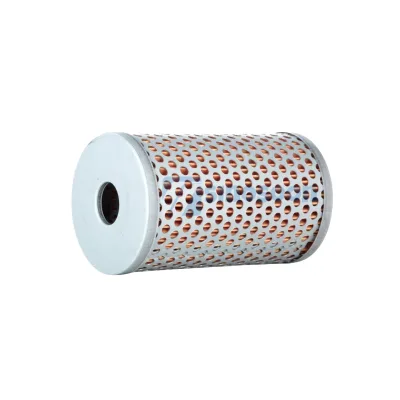
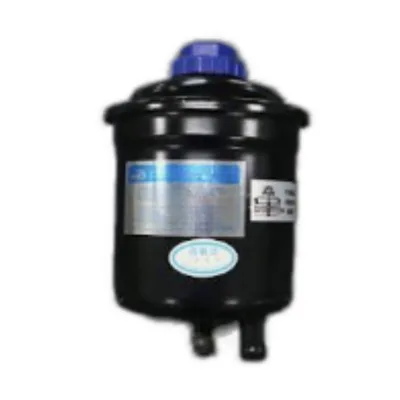
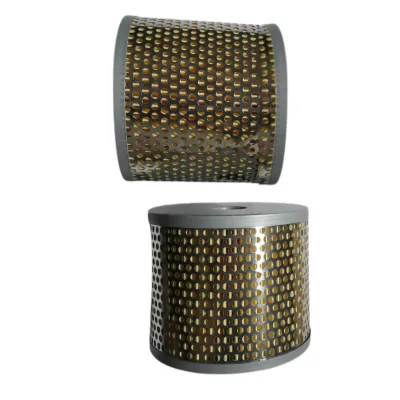
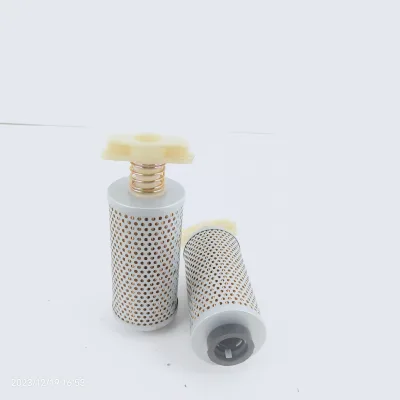
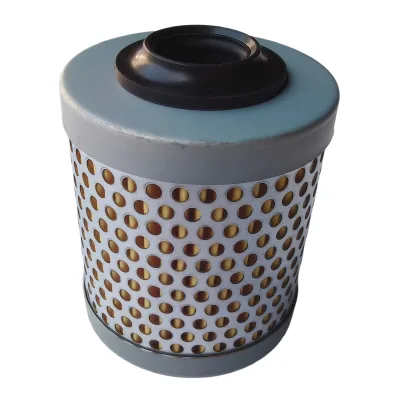
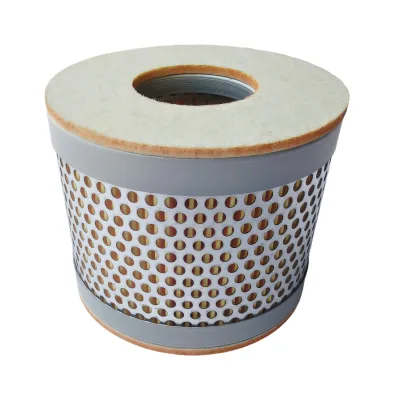
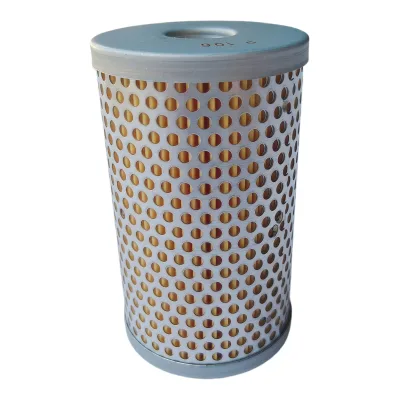
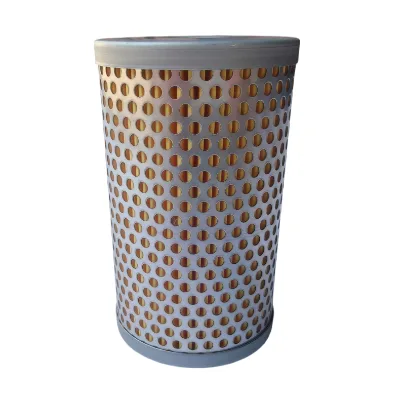
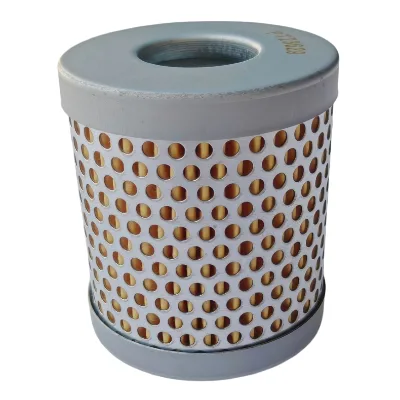
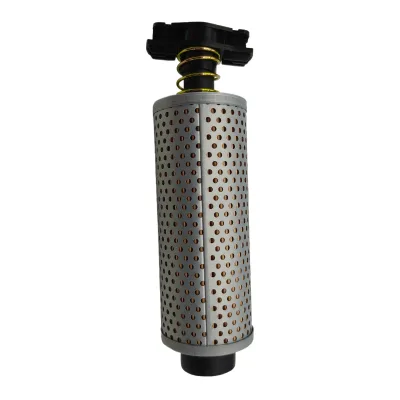

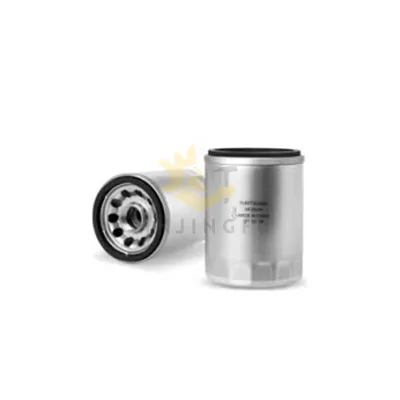

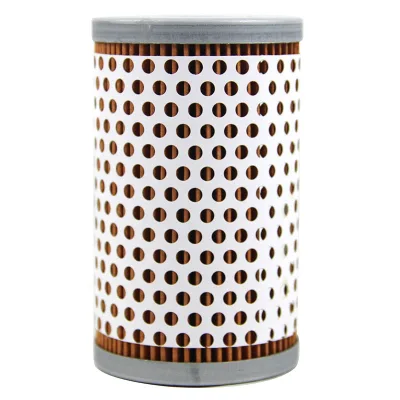
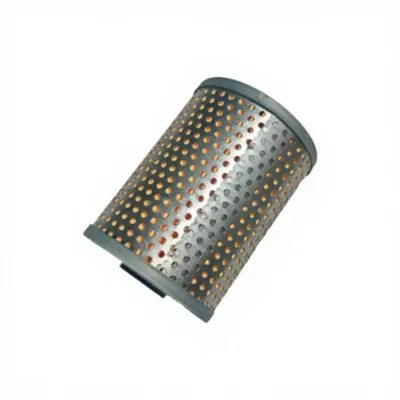
Comprehensive Sourcing Guide
Semi Truck Power Steering Filter Sourcing Guide
Procuring replacement components for heavy-duty commercial vehicles requires a disciplined approach to part identification and supplier verification. The Semi Truck Power Steering Filter is a critical maintenance item that ensures hydraulic fluid cleanliness, preventing premature wear on pumps and actuators. Buyers must prioritize exact part number matching over generic descriptions, as hydraulic systems vary significantly across chassis manufacturers and engine configurations. This guide outlines the essential steps for sourcing these components safely and cost-effectively, focusing on verified attributes and commercial realities.
The market for these filters is characterized by a wide range of OEM-quality replacements sourced primarily from Chinese manufacturing hubs. Buyers often encounter listings with multiple reference numbers, such as FF5369W or 5716372, which may correspond to specific engine models like the M998 or other diesel applications. Understanding the distinction between oil filters, fuel filters, and dedicated power steering elements is vital to avoid installation errors. This guide provides a framework for evaluating product listings, ensuring that the purchased component meets the mechanical and material requirements of the target vehicle fleet.
Product Scope and Observed Listing Signals
Current market observations indicate a diverse inventory of filtration products, with prices ranging from approximately $0.70 to $28.00 USD per unit. This wide variance reflects differences in material quality, brand reputation, and included packaging standards. Buyers should note that minimum order quantities (MOQ) typically start at one piece, allowing for small-scale testing or immediate replacement needs, while larger fleet orders may benefit from bulk pricing structures. The observed data suggests that while low-cost options exist, they must be scrutinized for material integrity and performance claims.
Product listings frequently highlight attributes such as "New" condition, "100% -new" status, and "OEM Quality" construction. Materials are predominantly plastic or composite structures designed for fixed installation, utilizing adsorption mechanical principles to capture impurities. Some listings specify usage for oil-water separation or general oil impurity removal, indicating a broad application scope that may extend beyond pure power steering systems. Buyers must carefully cross-reference these general descriptions with their specific vehicle’s hydraulic requirements to ensure compatibility and prevent system contamination.
Technical Specifications to Verify
Verifying the exact model number and OE reference is the most critical technical step in the sourcing process. Listings may display multiple identifiers, such as 05-012017, PT23629, 5802512084, or 14896991A, which must be validated against the vehicle’s service manual. The physical size is often described as "Standard Size" or "standard," but dimensional accuracy is paramount for proper sealing and fitment. Buyers should request detailed dimensional drawings or compare the physical unit against a known good part before committing to large orders.
Material composition and structural design also require close attention. Most observed products are constructed from plastic with a fixed structure, designed for single-use replacement rather than cleaning. The filtration mechanism relies on adsorption to trap oil impurities, which is essential for maintaining hydraulic pressure and component longevity. Additionally, some products are marketed for specific engine types, such as diesel engines, and may be labeled as fuel filters or fluid elements. Confirming the specific application, such as M998 NSN PN, ensures that the filter’s micron rating and flow characteristics match the vehicle’s hydraulic pump specifications.
Compliance and Safety Documentation
While specific certification standards are not explicitly detailed in the observed listings, buyers must ensure that suppliers can provide relevant quality documentation upon request. Products claiming "OEM Quality" or "High Level" quality should be backed by internal quality control reports or third-party testing data. Buyers should verify that the manufacturer adheres to recognized automotive parts manufacturing standards, even if not explicitly stated in the initial product description. This due diligence helps mitigate the risk of receiving substandard components that could fail under the high pressures typical of semi-truck hydraulic systems.
Warranty terms are a key indicator of supplier confidence and product reliability. Observed listings commonly offer a 12-month or one-year warranty, which provides a safety net for early failures or defects. Buyers should confirm the warranty process, including return shipping responsibilities and replacement protocols, before finalizing purchases. Additionally, the condition of the product must be strictly "New," as refurbished or used parts can introduce contaminants into the hydraulic system. Clear warranty terms and new condition guarantees are essential for maintaining fleet uptime and reducing long-term maintenance costs.
Cost Drivers and Commercial Terms
The final cost of a Semi Truck Power Steering Filter is influenced by several commercial factors, including packaging, origin, and delivery speed. Products are typically packed in standard boxes or export cartons, which affect shipping volume and cost. The place of origin, often listed as Hebei or Zhejiang in China, can impact logistics timelines and import duties. Buyers should calculate the total landed cost, including freight and customs, rather than focusing solely on the unit price, as shipping costs can significantly alter the economic viability of small orders.
Delivery times are another critical commercial consideration, with observed lead times ranging from 3 to 7 working days for production or dispatch. This relatively short turnaround allows for rapid replenishment of inventory, which is crucial for minimizing vehicle downtime. However, buyers should account for potential delays during peak seasons or due to supply chain disruptions. Negotiating clear delivery terms and tracking mechanisms ensures that procurement schedules align with maintenance windows. Understanding these commercial dynamics helps buyers optimize inventory levels and manage cash flow effectively.
Supplier Qualification and Quality Control
Evaluating supplier reliability is essential for securing consistent quality in filtration components. Buyers should prioritize suppliers who offer excellent after-sale service and accept sample orders for pre-purchase testing. The ability to provide samples allows for physical inspection of material quality, construction integrity, and fitment accuracy. Suppliers with a history of positive feedback and transparent communication are generally more reliable partners for long-term procurement relationships. Verifying the supplier’s business license and manufacturing capabilities can further reduce the risk of dealing with unauthorized resellers or low-quality manufacturers.
Quality control processes should be explicitly discussed with potential suppliers. Buyers should inquire about incoming material inspections, in-process quality checks, and final product testing protocols. While specific test results are not provided in the observed data, suppliers should be willing to share their quality assurance methodologies. Products labeled with specific model numbers and OE references suggest a level of precision in manufacturing, but independent verification is always recommended. Establishing a clear quality agreement with the supplier ensures that any deviations from specifications are addressed promptly and fairly.
Long-Term Procurement Checks
Establishing a long-term procurement strategy for semi truck power steering filters requires ongoing monitoring of product performance and supplier consistency. Buyers should track failure rates, installation issues, and customer feedback to identify any recurring quality problems. Regular audits of supplier performance, including delivery accuracy and warranty claim handling, help maintain high standards of service. Building a diversified supplier base can also mitigate risks associated with single-source dependencies, ensuring continuity of supply even if one supplier faces production or logistical challenges.
Continuous improvement in the sourcing process involves staying updated on new product releases and technological advancements in filtration media. As vehicle models evolve, so do the requirements for hydraulic filters, necessitating regular reviews of part specifications and compatibility. Buyers should maintain detailed records of part numbers, supplier contacts, and performance data to streamline future procurement cycles. By adopting a proactive and data-driven approach, organizations can optimize their maintenance costs, enhance vehicle reliability, and ensure the longevity of their heavy-duty fleets.
FAQs
What is the warranty period for semi truck power steering filters?
The warranty period is typically 12 months or one year for new semi truck power steering filters. This coverage ensures that the product meets quality standards upon delivery. Buyers should verify specific terms with the supplier to confirm if the warranty covers manufacturing defects or performance issues during the initial operational phase.
Which materials are used in semi truck power steering filters?
Semi truck power steering filters are commonly constructed from plastic or other durable synthetic materials. These materials are selected for their resistance to oil impurities and mechanical stress. The specific material composition ensures longevity and effective filtration performance under heavy-duty operating conditions typical for commercial vehicle applications.
Can I order a single sample of a Semi Truck Power Steering Filter?
Yes, many suppliers accept sample orders for semi truck power steering filters with a minimum order quantity of just one piece. This allows buyers to verify quality and fit before committing to larger volumes. Samples are often shipped within three to seven working days from the place of origin.
What is the standard packaging for semi truck power steering filters?
Standard packaging for semi truck power steering filters usually involves a standard box combined with export carton packing. This method protects the filter from damage during transit and ensures it arrives in new condition. The packaging is designed to be secure while facilitating efficient handling and storage for bulk shipments.
Where are semi truck power steering filters typically manufactured?
Semi truck power steering filters are typically manufactured in China, with specific origins including Hebei and Zhejiang provinces. These regions are known for producing high-quality automotive components. Buyers can often find suppliers offering OEM quality products that meet international standards for durability and performance in heavy-duty truck applications.
What is the lead time for Semi Truck Power Steering Filter orders?
The lead time for Semi Truck Power Steering Filter orders is generally three to seven working days. This timeframe applies to both sample requests and standard production runs. Buyers should confirm exact delivery schedules with their chosen supplier, as lead times may vary based on order volume and specific customization requirements.