High Precision Hydraulic Quick Connector Suppliers and Manufacturers
Explore 26 verified options for High Precision Hydraulic Quick Connector products from China. Compare dimensions like lead times, response rates, certifications, and pricing to find suitable factories. Contact suppliers directly to request quotes; review the available evidence before requesting comparable quotations from suitable candidates.
Updated
Suppliers List

Foshan Yijing Mold Parts Co., Ltd.
- Verified by TUVRHEINLAND
- Combined
- China Guangdong
- Lead time30 days
- Avg. response≤ 4h
Main productsPrecision Round Locating Unit, Hydraulic Quick Coupling, Air Poppt Valve
Main marketsSouth America,Domestic,Europe


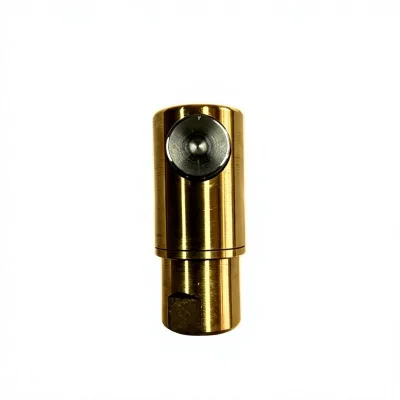
Oil Pipe Quick Plug High-Pressure Hydraulic Quick Connect Coupling Close Type Hydraulic Connector
$5.931 - $11.586
MOQ: 1 Pieces

Close Type Hydraulic Hose Quick Coupling Hose Connectors High Pressure Fitting
$5.931 - $11.586
MOQ: 1 Pieces


Shijiazhuang Standards Rubber Products Trading Co., Ltd.
- Verified by SGS
- Trading Company,Manufacturer/Factory
- China Hebei
- Lead time23 days
- Avg. response≤ 15h
Main productsFuel Line, Fuel Return Line, Fuel Line Connectors, Silicone Hose, Rubber Hose, PVC Hose, Hydraulic Hose, Pneumatic Coupling, Crankcase Breather Hose, Hydraulic Fittings
Main marketsSouth America,Eastern Europe,Mid East,North America,Southeast Asia,Eastern Asia,Oceania,Western Europe,Africa


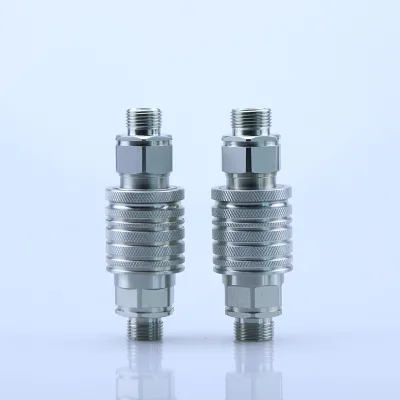
Quick Coupling Hose Connectors Hose Quick Connector Hydraulic Hose Fittings
$1.10 - $1.20
MOQ: 100 Pieces

Guangzhou Dingtaichang International Trading Co., Ltd.
- Verified by SGS
- Trading Company
- China Guangdong
- Lead time15 days
- Avg. response≤ 6h
Main productsStainless Steel Flange, Valve, Steel Elbow, Pipe Flange, Pipe Fitting
Main marketsSouth America,Europe

Hebei Naiwo Fluid Technology Co., Ltd.
- Trading Company,Manufacturer/Factory
- China Hebei
- Lead time23 days
- Avg. response≤ 2h
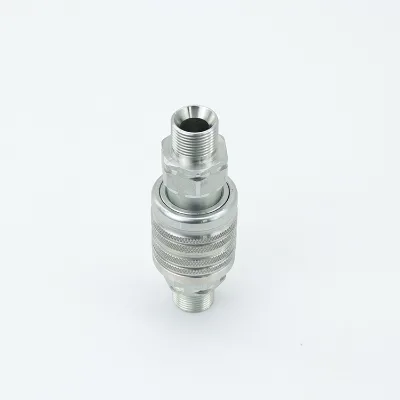
Main productsQuick Coupling, Stainless Steel Coupling, Hydraulic Fitting, Pipe Fitting, Quick Coupler
Main marketsSouth America,Eastern Europe,Mid East,North America,Southeast Asia,Eastern Asia,Oceania,Western Europe,Africa
Xinghua Jujiang Hardware Products Co., Ltd.
- Trading Company
- Jiangsu, China
- Lead time15 days
- Avg. response≤ 6h
Main productsFastener, Stamping Parts, Construction Accessories, Photovoltaic Accessories, Precision Machined Parts
Main marketsDomestic Market(46.00%), North America(30.00%), South Asia(2.00%), Eastern Asia(2.00%), South America(2.00%), Oceania(2.00%), Western Europe(2.00%), Southern Europe(2.00%), Central America(2.00%), Northern Europe(2.00%), Africa(2.00%), Eastern Europe(2.00%), Mid East(2.00%), Southeast Asia(2.00%)
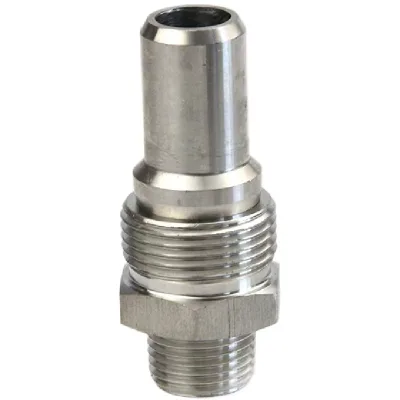
Carbon Steel Stainless Steel Quick Disconnect Hydraulic Connector Hydraulic Hose Quick Connector
$0.40 - $0.50
MOQ: 100 pieces
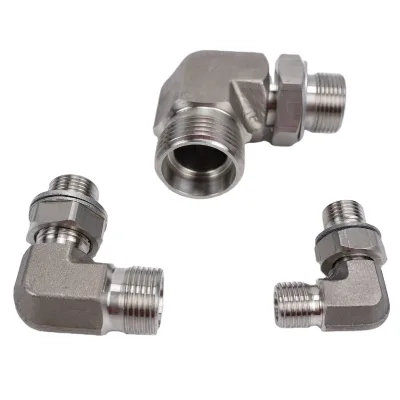
Stainless Steel Hydraulic Joint High Pressure Quick Coupling Quick Joints for Compressor
$0.40 - $0.50
MOQ: 100 pieces
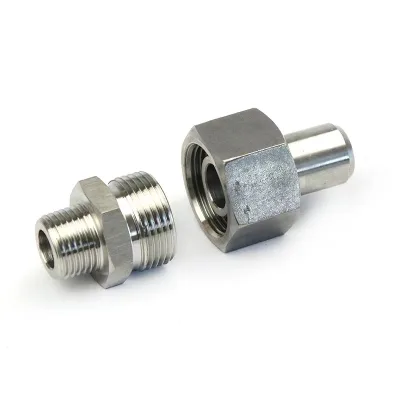
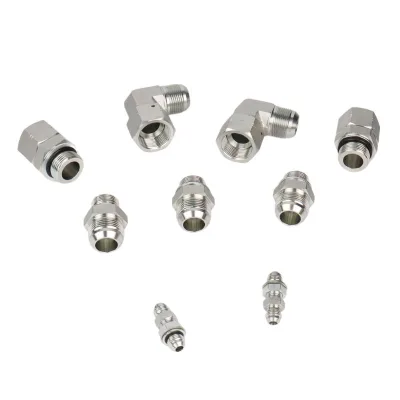
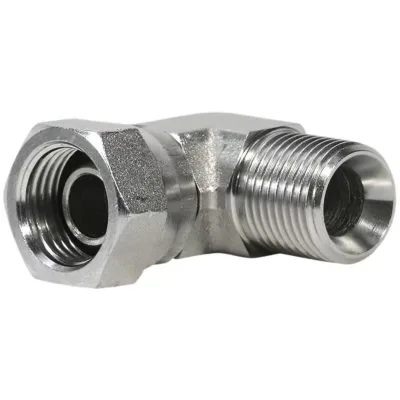
Stainless Steel/steel Thread Quick Disconnect Hydraulic Hose Fittings&excavator Quick Coupler
$0.40 - $0.50
MOQ: 100 pieces
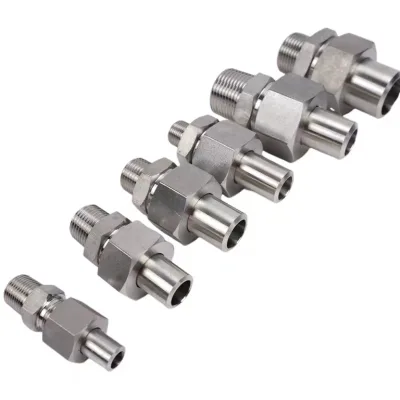
Quick Connect Fittings Pressure Release Coupling Tool Quick Joints for Agricultural Equipment
$0.40 - $0.50
MOQ: 100 pieces
Jinan Bochuangwei Fire Technology Co., Ltd.
- Trading Company
- Shandong, China
- Lead time5 days
- Avg. response≤ 4h
Main productsUniversal Coupling Ductile Flange,Flange Adaptor Ductile,Ductile Rubber Clamp,OIL TANKS,Ductile Tapping Saddle Clamp
Main marketsAfrica(20.00%), Mid East(10.00%), Southeast Asia(9.00%), South America(3.00%), Eastern Europe(3.00%), Western Europe(1.00%), Eastern Asia(1.00%), North America(1.00%)
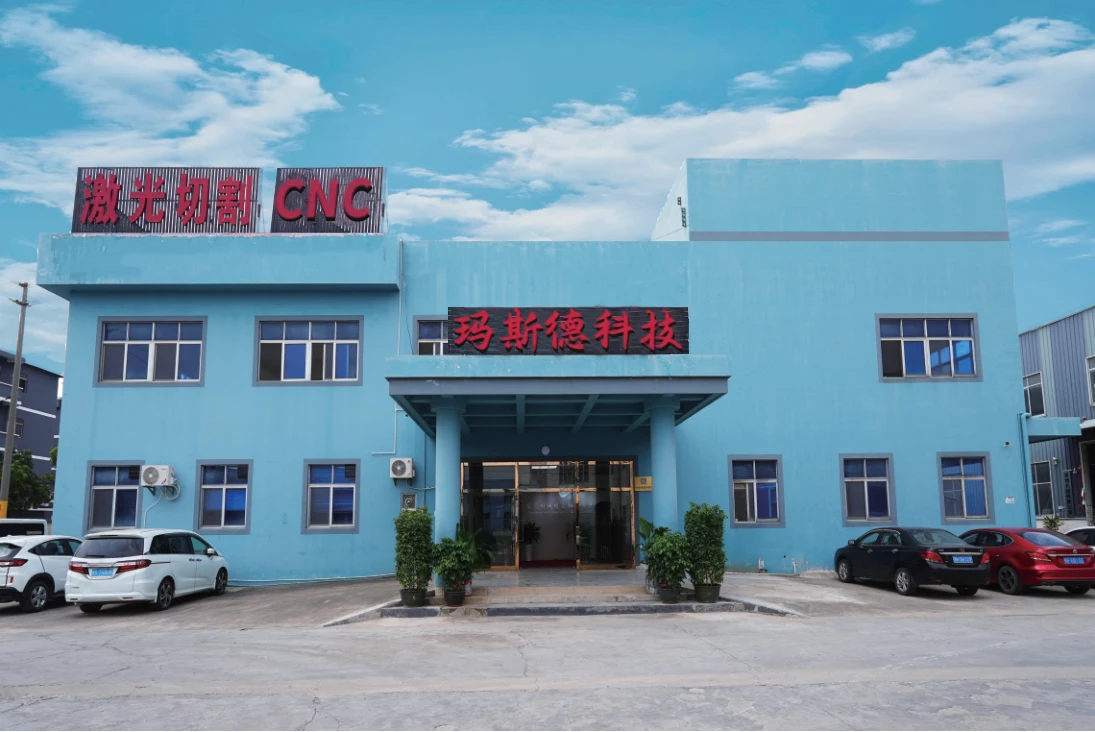
Dongguan Masde Technology Co., Ltd.
- Manufacturer, Trading Company
- Guandong, China
- Lead time0 days
- Avg. response≤ 5h
Main productsCNC machining parts,Sheet metal fabrication,Car accessories,Drone accessories,Automation accessories
Main marketsNorth America(45.00%), Western Europe(20.00%), Eastern Europe(10.00%), South America(7.00%), Southern Europe(5.00%), Mid East(5.00%), Eastern Asia(5.00%), Northern Europe(3.00%)

Yantai Hope Precision Machinery Co.,Ltd.
- Verified by SGS
- Combined
- China Shandong
- Lead time23 days
- Avg. response≤ 2h
Main marketsSouth America,Others(foreignTradeCapacity.exportBusinessCapacityMarketOther),Southeast Asia/ Mideast,East Asia(Japan/ South Korea)

Yantai Donghong Construction Machinery Co., Ltd.
- Verified by TUVRHEINLAND
- Combined
- China Shandong
- Lead time15 days
- Avg. response≤ 7h
Main productsTilt Rotator, Quick Hitch, Tilt Hitch, Rock Breaker, Pulverizer, Grapple, Ripper, Bucket, Thumb Bucket, Hydraulic Thumb
Main marketsEast Asia(Japan/ South Korea),Europe,Australia,North America


High Quality and Customized Size According to Excavator Hydraulic Quick Coupler
$200.00 - $257.00
MOQ: 1 Pieces

Yantai Shengxin Construction Machinery Co., Ltd
- Verified by SGS
- Combined
- China Shandong
- Lead time23 days
- Avg. response≤ 1h
Main productsHydraulic Breaker, Hydraulic Plate Compactor, Swing Quick Connector, Hammer Back Clamp, Field Mower, Hydraulic Power Shear, Ripper
Main marketsEast Asia(Japan/ South Korea)

Yu Huan Kaiyu Machine Co., Ltd.
- Verified by BV
- Combined
- China Zhejiang
- Lead time30 days
- Avg. response≤ 17h
Main productsHydraulic Fitting, Stialess Steel Fitting, Pipe Fitting, Hose Fitting, Hydraulic Adaptor, Elbow, Tee, Hydraulic Ferrule, Hydraulic Flange, Nut and Bolt
Main marketsSouth America,Africa,Southeast Asia/ Mideast,East Asia(Japan/ South Korea),Domestic,Europe,Australia,North America
Hengshui Jiaer Rubber & Plastic Technology Co., Ltd.
- Verified by TüVRheinland
- Manufacturer, Trading Company
- Lead time10 days
- Avg. response≤ 3h
Main productsHydraulic Hose, Contracting Pipe Machine, Joint, Hose Fitting
Main marketsNorth America(10%), South America(10%), Eastern Europe(9%)
Yancheng Jingdong Hydraulic Machine Co., Ltd.
- Manufacturer, Trading Company
- Jiangsu, China
- Lead time15 days
- Avg. response≤ 2h
Main productsHydraulic Quick Coupling,hydraulic valves,pressure test couplings,hydraulic hose &fitting adapter,camlock quick couplings
Main marketsDomestic Market(45.00%), North America(10.00%), Central America(10.00%), Oceania(5.00%), South America(5.00%), Mid East(5.00%), South Asia(3.00%), Africa(3.00%), Northern Europe(3.00%), Southeast Asia(3.00%), Eastern Europe(2.00%), Western Europe(2.00%), Southern Europe(2.00%), Eastern Asia(2.00%)
Hebei Feiman Machinery Parts Co., Ltd.
- Verified by TüVRheinland
- Manufacturer, Trading Company
- Lead time30 days
- Avg. response≤ 3h
Main productsHydraulic Quick Couplings, Stainless Steel Adapters, Hydraulic Hose Fittings, Testing Couplings, Hydraulic Ball Valves
Main marketsDomestic Market(50%), North America(5%), Eastern Europe(5%)
Hebei Jiuxiang Hydraulic Technology Co., Ltd.
- Manufacturer, Trading Company
- Hebei, China
- Lead time20 days
- Avg. response≤ 3h
Main productsHydraulic hose connector,Stainless Steel Fittings,High pressure rubber hose,Crimping machine,adapter
Main marketsEastern Europe(15.00%), Southern Europe(10.00%), Northern Europe(10.00%), Africa(10.00%), Southeast Asia(10.00%), North America(10.00%), Central America(10.00%), Domestic Market(5.00%), South Asia(5.00%), Western Europe(5.00%), Eastern Asia(5.00%), South America(5.00%)

Ningbo Xintai Industry and Trade Co., Ltd.
- Verified by SGS
- Combined
- China Zhejiang
- Lead time30 days
- Avg. response≤ 3h
Main productsHydraulic Fitting, Hydraulic Hose Ferrule, Hydraulic Adapter, Hydraulic Hose Fittings
Main marketsDomestic,Europe

Ningbo Lutong Hydraulic Equipment Co., Ltd.
- Verified by TUVRHEINLAND
- Combined
- China Zhejiang
- Lead time30 days
- Avg. response≤ 2h
Main productsHydraulic Fitting, Hydraulic Fittings, Hydraulic Pipe Fittings, Hydraulic Hose Pipe Fittings, Hydraulic Rubber Hose Fittings, Hydraulic Rubber Hose, Hydraulic Hose, One Piece Parker Pipe Fittings, Jic Pipe Fittings, JIS Pipe Fittings
Main marketsSouth America,Domestic

$2.60 - $3.00
MOQ: 500 Pieces

Hebei Gaokuang Machinery Equipment Co., Ltd
- Trading Company
- Hebei, China
- Lead time15 days
- Avg. response≤ 10h
Main productsHydraulic Pump,Hydraulic Valve,Hydraulic Cylinder,Hydraulic Steering Unit,Hydraulic Motor
Main marketsEastern Asia(10.00%), Domestic Market(9.00%), Oceania(9.00%), Southern Europe(9.00%), Northern Europe(9.00%), Eastern Europe(9.00%), Western Europe(9.00%), North America(6.00%), South Asia(5.00%), Mid East(5.00%), Africa(5.00%), Southeast Asia(5.00%), South America(5.00%), Central America(5.00%)

Shanghai Cornucopia Industrial Co., Ltd
- Verified by SGS
- Trading Company
- China Shanghai
- Lead time30 days
- Avg. response≤ 17h
Main productsForklift, Forklift Accessories, Construction Machinery Parts
Main marketsSoutheast Asia/ Mideast,Domestic


Quick Coupler Quick Connect Hydraulic Mechanical Type Customerized for All Excavator
$200.00 - $500.00
MOQ: 10 Pieces
- Verified by SGS Group
- Manufacturer, Trading Company
- Lead time0 days
- Avg. response≤ 6h
Main productsTurning parts
Main marketsWestern Europe(40%), Northern Europe(20%), North America(10%)

Ningbo Yinzhou Shuntong Hydraulic Equipment Co., Ltd.
- Manufacturer/Factory
- China Zhejiang
- Lead time45 days
- Avg. response≤ 1h
Main productsHydraulic Fitting, Hydraulic Part, Hydraulic Hose, Pipe Fitting, Hose Fitting, Pneumatic Fitting, Integral Fitting, Reusable Fitting, Machinery, Coupling
Main marketsSouth America,Eastern Europe,Mid East,North America,Southeast Asia,Eastern Asia,Oceania,Western Europe,Africa

Jing County Qilong Rubber & Plastic Products Co., Ltd.
- Verified by CTI
- Manufacturer/Factory
- China Hebei
- Lead time0 days
- Avg. response≤ 6h
Main productsRubber Hose, Hydraulic Hose, Hose, Rubber Hose Connecter, Metal Hose, Nylon Tube, Steam Hose, Sand-Blast Hose, Cable Protection Sleeve, Hole Packer

Wudi Xinxiangju Metal Technology Co., Ltd.
- Verified by SGS
- Combined
- China Shandong
- Lead time30 days
- Avg. response≤ 3h
Main productsStainless Steel Rigging Series, Stainless Steel Yacht Accessories Range Serie, Stainless Steel Quick Connection Series, Stainless Steel Valve Series, Stainless Steel Water Meter Series., Equipment Accessories Series, Auto Parts & Accessories, Stainless Steel Furniture Hardware, Custom Products
Main marketsSoutheast Asia/ Mideast,Europe
Yiwu Jinfu Machinery Co., Ltd.
- Trading Company
- Zhejiang, China
- Lead time0 days
- Avg. response≤ 1h
Main productstube shrink machine,tube punching machine,hose crimping machine,hose cutting machine,tube end form machines
Main marketsWestern Europe(20.00%), North America(20.00%), South America(15.00%), Eastern Europe(10.00%), South Asia(5.00%), Southern Europe(5.00%), Northern Europe(5.00%), Central America(5.00%), Southeast Asia(5.00%), Mid East(5.00%), Africa(5.00%)
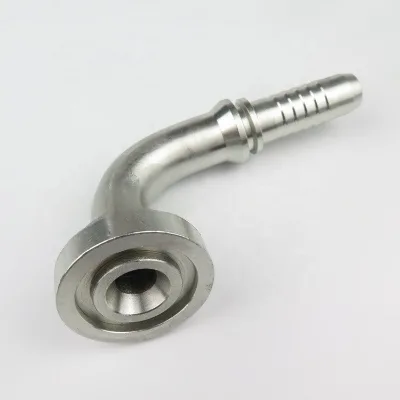
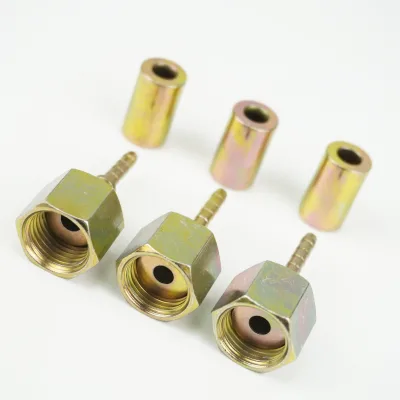
Quick Release Fitting Bsp Hydraulic Connectors Couplings Iso a - Complete Sets,Male and Female s
$0.20 - $0.50
MOQ: 100 pieces

Ningbo Hengsheng Machinery Co., Ltd.
- Trading Company,Manufacturer/Factory,Group Corporation
- China Zhejiang
- Lead time60 days
- Avg. response≤ 19h
Main productsCasting Part, Lost Wax Casting, Investment Casting Parts, Drop Forging Parts, Machining Parts, Open Die Forging Parts, Die Casting Parts, Bucket Tooth-Tooth Points, Metal Work Parts, Steel Casted-Forged Parts
Main marketsEastern Europe,North America,Western Europe

- Verified by SGS
- Trading Company,Manufacturer/Factory
- China Jiangsu
- Lead time0 days
- Avg. response≤ 7h
Main productsPaint Brush, Synthetic Filaments, Paint Roller, Grease Gun, Hand Pump, Automatic Nozzle, Jerrycan, Hose Reel, Sand Filter, Pump
Main marketsSouth America,Eastern Europe,Mid East,North America,Southeast Asia,Eastern Asia,Oceania,Africa


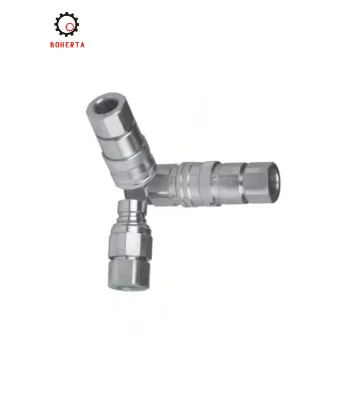
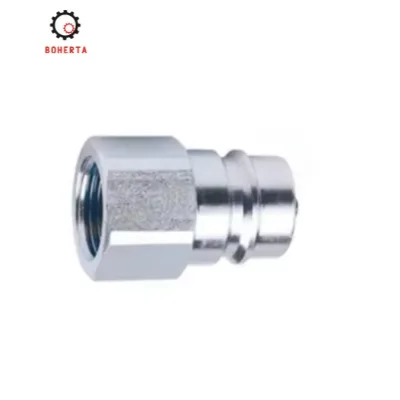
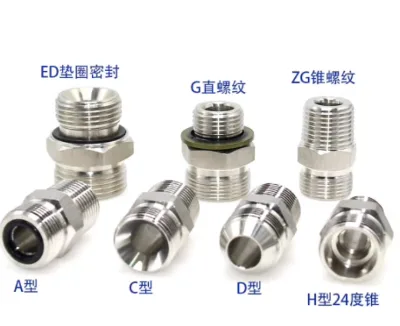
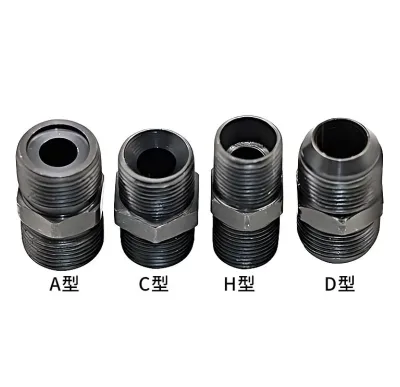


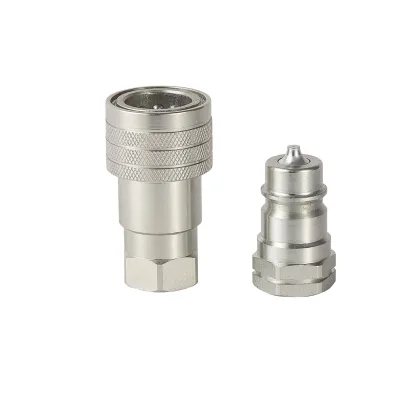
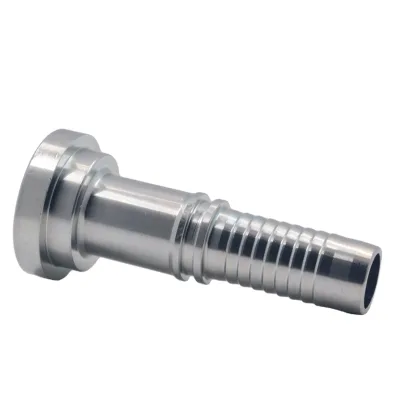
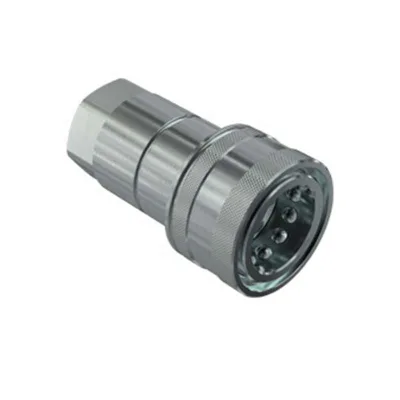
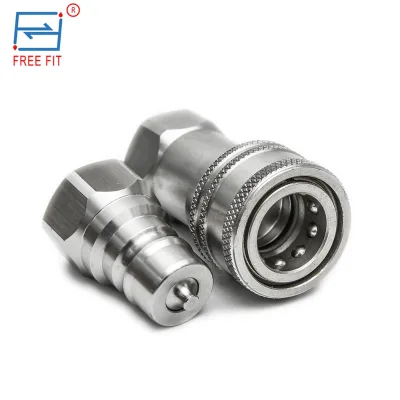
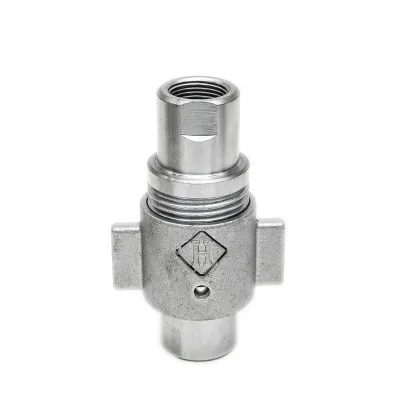
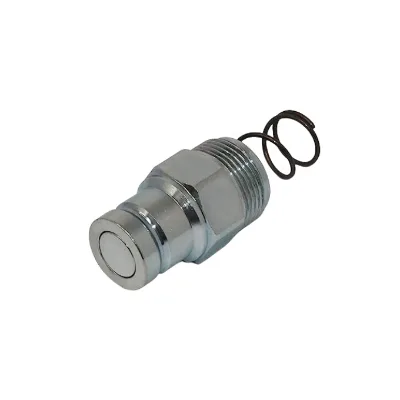
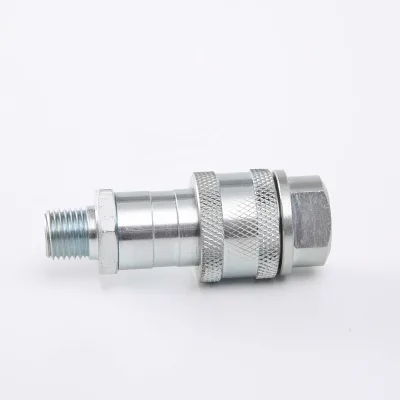
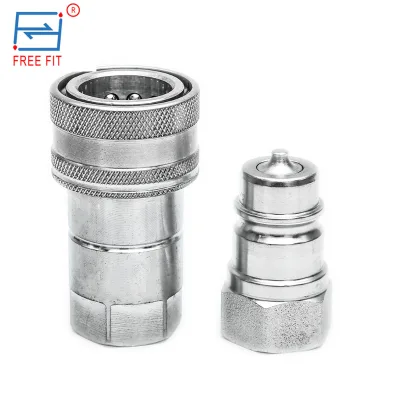




Comprehensive Sourcing Guide
High Precision Hydraulic Quick Connector Supplier Concentration and Factory Types
The current supplier landscape for high precision hydraulic quick connectors reveals a distinct geographic concentration within China, specifically highlighting manufacturing hubs in Guangdong and Hebei provinces. Suppliers located in Foshan, Guangdong, often present as combined entities capable of offering both Original Design Manufacturing (ODM) and Own Brand services, indicating a robust internal capability for product development and brand management. These Guangdong-based operations frequently list main products that include precision round locating units and hydraulic quick couplings, suggesting a specialized focus on high-tolerance mechanical components. In contrast, suppliers situated in Hebei Province often operate as a hybrid of trading companies and manufacturing factories, with a broader product portfolio that extends into fuel lines, silicone hoses, and various pipe fittings. This structural difference implies that buyers seeking pure manufacturing precision might find the Guangdong cluster more aligned with their needs, while those requiring a wider range of fluid power accessories might benefit from the diversified inventory of Hebei-based suppliers. Understanding this regional and structural divergence is the first step in narrowing down the potential supplier base effectively.
Beyond geography, the company types available in the search results vary significantly, ranging from pure trading companies to combined entities and direct manufacturers. Some suppliers are verified by third-party inspection agencies such as TÜV Rheinland or SGS, which adds a layer of credibility to their operational claims. The presence of ISO 9001:2015 certification among Guangdong suppliers and ISO 9001 alongside ISO 14001 among Hebei suppliers indicates a baseline commitment to quality management systems, though the specific scope of these certifications should be verified against the actual production lines. Buyers should note that trading companies may offer faster response times and more flexible order quantities, whereas manufacturers might provide better control over lead times and customization options. The distinction between a trading company and a manufacturer is critical when evaluating the source of the high precision hydraulic quick connectors, as it directly impacts communication efficiency, pricing structure, and the ability to handle complex engineering requests.
How to Verify High Precision Hydraulic Quick Connector Suppliers
Verifying the legitimacy and capability of suppliers requires a multi-layered approach that goes beyond simple profile reviews. Buyers should prioritize suppliers who have undergone third-party verification processes, such as those conducted by TÜV Rheinland or SGS, as these audits provide an independent assessment of the supplier’s business scope and production capacity. The presence of system certifications like ISO 9001:2015 or ISO 14001 is a strong indicator of standardized quality management, but buyers must confirm that these certifications are current and applicable to the specific high precision hydraulic quick connectors being sourced. It is essential to request copies of these certificates and verify their validity through the issuing bodies. Additionally, checking the supplier’s response time can serve as a proxy for their operational efficiency; a rapid response, such as under four hours, often correlates with a well-organized sales and technical support team, whereas slower response times may indicate potential bottlenecks in communication that could delay project timelines.
Product evidence and attribute details provide another crucial layer of verification for high precision hydraulic quick connectors. Buyers should scrutinize the specific product attributes listed, such as material composition, head type, and standard compliance. For instance, stainless steel construction and compliance with DIN or ANSI standards are common requirements for high-precision applications, and suppliers listing these specific attributes demonstrate a clearer understanding of technical specifications. The availability of customization options, such as custom logos, sizes, or surface treatments, further indicates the supplier’s flexibility and manufacturing capability. Buyers should also look for detailed product descriptions that include working temperature ranges, applicable industries, and connection types, as these details reflect the depth of the supplier’s technical knowledge. If a supplier’s product listings are vague or lack specific technical data, it may be a red flag regarding their ability to deliver high-precision components that meet rigorous engineering standards.
What to Compare Across High Precision Hydraulic Quick Connector Suppliers
When evaluating multiple suppliers for high precision hydraulic quick connectors, comparing key operational metrics is essential for making an informed decision. Lead time is a critical factor, with some suppliers offering turnaround times as short as fifteen days, while others may require up to thirty days. This variance can significantly impact project schedules, especially for urgent orders where expedited shipping or production might be necessary. Buyers should also compare the Minimum Order Quantity (MOQ) requirements, which can range from as low as one unit for sample testing to thousands of units for bulk production. Suppliers with lower MOQs offer greater flexibility for initial trials and smaller batch orders, reducing the financial risk associated with new supplier relationships. Additionally, response time serves as a measure of supplier responsiveness, with some providers responding within hours, ensuring that technical queries and order updates are handled promptly.
Price and payment terms are another vital area of comparison, though they should be evaluated in the context of quality and service. Prices for high precision hydraulic quick connectors can vary widely, with some products starting at less than one dollar per unit and others reaching higher price points depending on complexity and material. Buyers should not solely focus on the lowest price but rather assess the value proposition, which includes the quality of materials, certification status, and after-sales support. Payment terms also vary, with some suppliers requiring a deposit and balance against the bill of lading, while others may offer more flexible arrangements. It is important to compare the total cost of ownership, including shipping, tariffs, and potential rework costs, rather than just the unit price. By systematically comparing lead times, MOQs, response speeds, and pricing structures, buyers can identify the suppliers that best align with their specific operational and financial requirements.
Common High Precision Hydraulic Quick Connector Sourcing Risks
Sourcing high precision hydraulic quick connectors from international suppliers introduces several potential risks that buyers must actively manage. One significant risk is the discrepancy between advertised specifications and actual product quality. While suppliers may list certifications like ISO 9001 or claim compliance with DIN and ANSI standards, there is no guarantee that every batch of products meets these rigorous criteria without independent verification. Buyers should be cautious of suppliers who provide vague product descriptions or lack detailed technical data, as this may indicate a lack of control over the manufacturing process. Additionally, the risk of communication barriers cannot be overlooked, especially when dealing with suppliers in different time zones or with limited English proficiency. Misunderstandings regarding technical requirements, such as connection types or material grades, can lead to costly errors and production delays.
Another common risk is the variability in lead times and order fulfillment reliability. Suppliers may quote attractive lead times initially but fail to meet them due to capacity constraints or supply chain disruptions. This is particularly relevant for suppliers who operate as trading companies, as they rely on third-party manufacturers for production, adding another layer of potential delay. Buyers should also be aware of the risk associated with low Minimum Order Quantities (MOQs) for high-precision components, as small batches may not benefit from economies of scale, leading to higher per-unit costs. Furthermore, the lack of standardized packaging or labeling can result in damage during transit or difficulties in inventory management upon arrival. To mitigate these risks, buyers should establish clear communication channels, request samples for quality testing, and consider using escrow services or other secure payment methods to protect their financial interests until the goods are received and verified.
High Precision Hydraulic Quick Connector Regional Sourcing and Logistics
The geographic location of suppliers plays a crucial role in determining logistics costs and delivery times for high precision hydraulic quick connectors. Suppliers located in Guangdong Province, particularly in Foshan, benefit from proximity to major ports and established manufacturing infrastructure, which can facilitate faster shipping and more efficient logistics operations. This region is known for its high-precision manufacturing capabilities, making it a preferred source for buyers requiring tight tolerances and complex designs. In contrast, suppliers in Hebei Province may offer competitive pricing and a broader range of related products, such as hoses and fittings, which can simplify sourcing for buyers with diverse needs. However, the logistics from Hebei may involve different transit routes and potential delays, depending on the destination and shipping method chosen. Buyers should consider the total logistics cost, including inland transportation, port fees, and ocean freight, when evaluating suppliers from different regions.
Logistics planning also involves understanding the packaging and handling requirements of high precision hydraulic quick connectors. Suppliers often use specific packaging methods, such as plastic boxes inside cartons or wooden pallets, to protect the products during transit. Buyers should verify that the packaging is suitable for the chosen shipping method and destination, ensuring that the connectors arrive in pristine condition. Additionally, the weight and dimensions of the products can impact shipping costs, so buyers should request detailed packing information to calculate accurate freight charges. For urgent orders, buyers may need to consider air freight, which is faster but more expensive, while bulk orders can be shipped via sea freight to reduce costs. By carefully considering the regional advantages and logistics implications of each supplier location, buyers can optimize their supply chain for efficiency and cost-effectiveness.
High Precision Hydraulic Quick Connector Commercial Terms and Order Planning
Effective order planning for high precision hydraulic quick connectors requires a clear understanding of commercial terms and payment structures. Suppliers may offer various payment options, such as a thirty percent deposit with the balance against the bill of lading, which is a common practice in international trade. Buyers should negotiate terms that align with their cash flow requirements and risk tolerance, ensuring that payments are tied to specific milestones or delivery confirmations. It is also important to clarify the Incoterms, such as FOB or CIF, to determine who is responsible for shipping and insurance costs. Additionally, buyers should inquire about warranty policies and return procedures in case of defective products, as this can provide valuable protection against quality issues. By establishing clear commercial terms upfront, buyers can avoid misunderstandings and ensure a smooth transaction process.
Customization and branding options are another key aspect of order planning, especially for buyers seeking to differentiate their products in the market. Many suppliers offer OEM and ODM services, allowing buyers to customize the high precision hydraulic quick connectors with their own logos, colors, or specifications. Buyers should provide detailed technical drawings and requirements to ensure that the supplier can meet their specific needs. It is also important to discuss the lead time for customized orders, as these may take longer than standard products due to the additional setup and production steps. By carefully planning the customization and branding aspects of their orders, buyers can leverage the supplier’s capabilities to create unique products that meet their market demands. This proactive approach to order planning helps to minimize risks and maximize the value of the sourcing relationship.
FAQs
What materials are hydraulic quick connectors typically made from?
Stainless steel is the most common material for high precision hydraulic quick connectors listed in this category, with some products zinc plated for corrosion resistance. Stainless steel suits high pressure oil, water, and air lines. When requesting quotes, confirm the exact grade, surface treatment, and applicable standards such as DIN or ANSI for your operating conditions.
What is the typical minimum order quantity for hydraulic quick connectors?
Minimum order quantities on this page vary widely, from as low as 1 piece for certain stainless steel couplings to 10, 100, or 1000 pieces for other models. MOQ usually depends on model, customization level, and whether the item is a standard or non-standard coupling. Always confirm MOQ per specific part number before placing a trial order.
How much do hydraulic quick connectors cost?
Prices observed on this page range from about $0.80 to $11.59 per piece depending on model, material, and size. Higher pressure close-type couplings generally sit at the upper end of the range. Request a formal quotation with your required size, thread type, and quantity, since listed prices may change with specifications.
What lead times should I expect when sourcing these connectors?
Lead times shown in the supplier results range from roughly 15 to 30 days. Some listings state 7 to 15 days for standard orders and 3 to 5 days for urgent orders. Lead time depends on order quantity, customization, and production schedule, so confirm the exact dispatch date in writing before confirming your purchase order.
Which certifications should I verify before ordering?
Listed suppliers reference ISO 9001 quality management certification, and some also hold ISO 14001 or product-level ISO and CE marks. Independent verification badges include TUV Rheinland and SGS. Certifications shown on a listing should be confirmed by requesting valid certificate copies and checking scope, expiry, and issuing body before finalizing a supplier.
Where are the suppliers of these hydraulic quick connectors located?
Suppliers in these results are based in Guangdong and Hebei provinces in China, with product origins listed in Foshan, Guangdong and Hebei Province. Both regions are established manufacturing bases for hydraulic fittings and pipe components. Location affects shipping options and factory visit feasibility, so confirm the actual production address when evaluating a supplier.
Can I get custom or non-standard quick connectors made?
Yes, customization is marked as available on multiple listed products, including non-standard quick coupling models, with services such as custom logo, size, and surface treatment offered. Some suppliers also list OEM or ODM capability. Provide drawings, thread specifications, working pressure, and media type early so the supplier can confirm feasibility and pricing.
What working conditions do hydraulic quick couplings support?
Listed connectors are used with hydraulic oil, engine oil, gear oil, water, and air, and some specify working temperature ranges from -40 to 120 degrees Celsius, up to -50 to 200 degrees Celsius for certain models. Applications include construction and agricultural machinery. Match the rated temperature, pressure, and media to your system before ordering.