20CrMnTi Truck Spare Part Suppliers and Manufacturers
Source 27 verified suppliers for 20CrMnTi Truck Spare Part components. Compare locations in China, ISO9001 certifications, lead times, and MOQs. Contact suppliers directly to request quotes and verify production capabilities; review the available evidence before requesting comparable quotations from suitable candidates.
Updated
Suppliers List

Qingdao Hailong Machinery Group Co., Ltd.
- Verified by BV
- Combined
- China Shandong
- Lead time30 days
- Avg. response≤ 2h
Main productsCasting Products, Metal Stamping Parts, CNC Machining, Metal Stamping, Truck Body, Truck Cabin, Shipping Container, Metal Stamping Die, Plastic Injection Mould, Die Casting
Main marketsSoutheast Asia/ Mideast

Guangzhou Sheri Auto Parts Co., Ltd.
- Manufacturer, Trading Company, Distributor/Wholesaler
- Guangdong, China
- Lead time10 days
- Avg. response≤ 10h
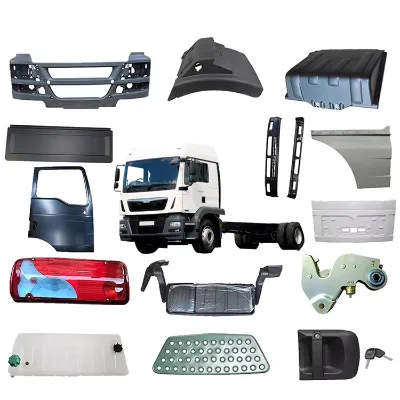
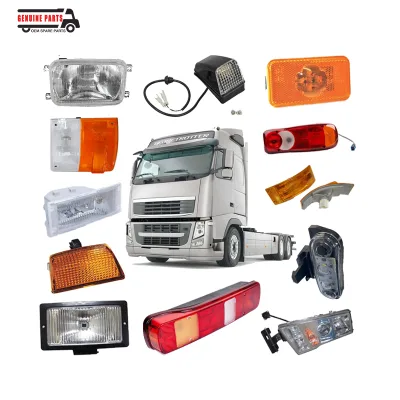
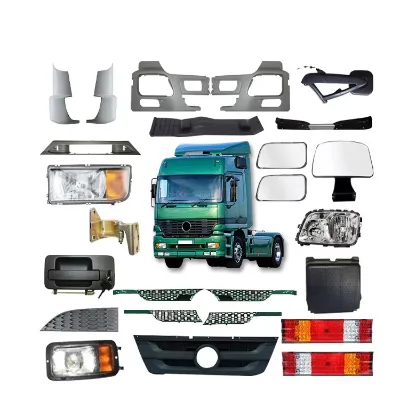
Main productsSCANIA TRUCK PARTS,VOLVO TRUCK PARTS,TRUCK PARTS,BENZ TRUCK PARTS,DAF TRUCK PARTS
Main marketsAfrica(50.00%), South America(10.00%), South Asia(7.00%), Southeast Asia(7.00%), Eastern Asia(7.00%), Domestic Market(5.00%), Central America(5.00%), Mid East(2.00%), Northern Europe(2.00%), Western Europe(1.00%), North America(1.00%), Southern Europe(1.00%), Eastern Europe(1.00%), Oceania(1.00%)
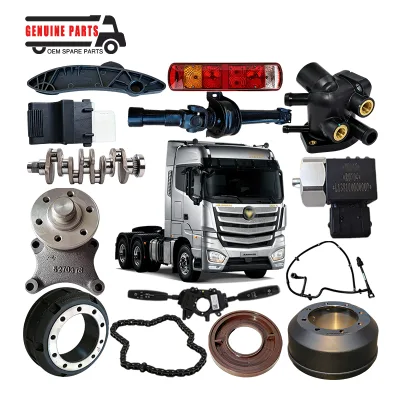
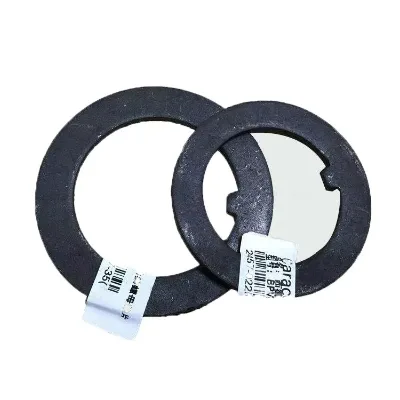
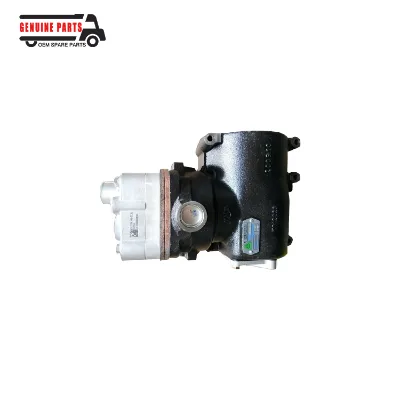
Hot Sale Use for Howo Truck Spare Parts 202V54100-7131 Air Compressor ENGINE
$10.3886 - $15.5837
MOQ: 1 Minimum

QINGDAO HETANCH TRUCK CO., LTD.
- Verified by BV
- Trading Company,Manufacturer/Factory
- China Shandong
- Lead time38 days
- Avg. response≤ 5h
Main productsTruck, Semi Trailer, Garbage Truck, Dump Truck, Concrete Mixer Truck, Tractor Truck, Cargo Truck, Tipper Truck, Wrecker Truck, Tank Trailer
Main marketsSouth America,Mid East,Southeast Asia,Oceania,Africa


Supply Genuine Spare Parts for China Truck/ High Quality Truck Parts
$1.00 - $1000000.00
MOQ: 1 Pieces


Qingdao Top Run International Trade Co., Ltd
- Verified by SGS
- Trading Company
- China Shandong
- Lead time15 days
- Avg. response≤ 9h
Main productsConstruction Machinery Spare Parts, Truck Crane Sapre Parts, Wheel Loader/Road Roller/Motor Grader Parts, Excavator Spare Parts, Mining Truck Parts, Sany Shantui Spare Parts
Main marketsSouth America,Eastern Europe,Mid East,North America,Southeast Asia,Eastern Asia,Africa

Changzhou Super Auto Parts Co., Ltd.
- Verified by CTI
- Combined
- China Jiangsu
- Lead time30 days
- Avg. response≤ 8h
Main productsAuto Lamp, Auto Mirror, Auto Parts, Bus Lamp, Bus Mirror, Bus Parts, Truck Light, Truck Mirror, Truck Parts, Bus Light
Main marketsSouth America,Southeast Asia/ Mideast,Europe,Australia

Luoyang Diron Parts Trading Co., Ltd.
- Combined
- China Henan
- Lead time30 days
- Avg. response≤ 6h
Main productsCylinder Head, Cylinder Block, Crankshaft, Pumps, Turbo, Friction, Shaft and Cartridge, Bushing and Pin/ Bolt and Nut, Universal Joints, Liner
Main marketsSouth America,Africa,Southeast Asia/ Mideast,East Asia(Japan/ South Korea),Domestic,Europe
- Manufacturer, Trading Company
- Shandong, China
- Lead time3 days
- Avg. response≤ 2h
Main productsTruck Parts,Bus Parts,Trailer Parts,Engine Parts,Auto Parts
Main marketsAfrica(25.00%), Southeast Asia(20.00%), South America(15.00%), Eastern Asia(10.00%), Mid East(10.00%), South Asia(10.00%), Eastern Europe(5.00%), Central America(5.00%)
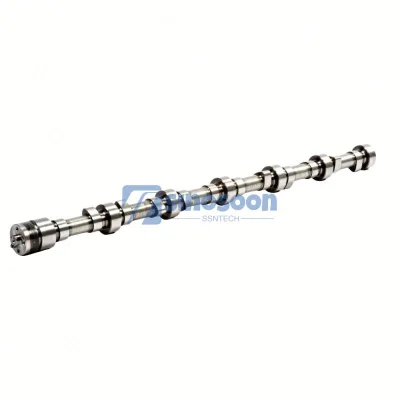
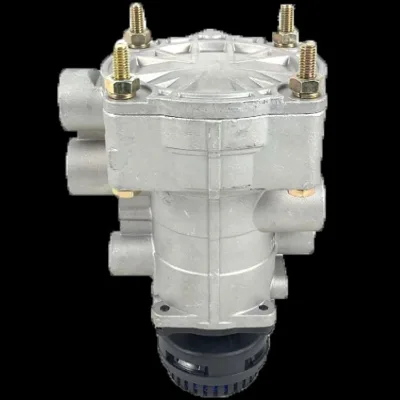
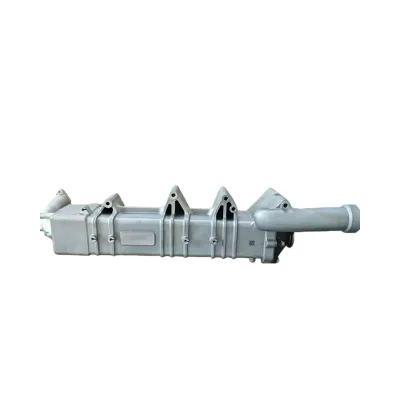
High Quality Truck Spare Part 6BT C3970366 3283179 3907824 3976620 3929885 Cramshaft Spare Parts
$20.00 - $40.00
MOQ: 1 pieces
Xuzhou Avatar Machinery Co., Ltd.
- Verified by Intertek
- Trading Company
- Lead time30 days
- Avg. response≤ 1h
Main productsRoad Roller, Motor Grader, Bulldozer, Truck Mounted Crane, Road Paver
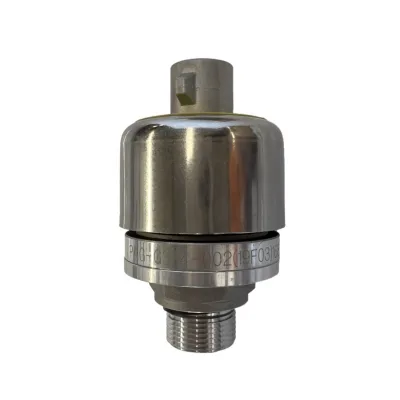
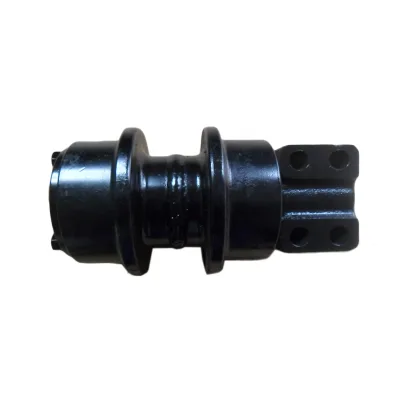
Original Truck Mounted Crane Spare Parts for Sale
$500.00 - $800.00
Zhuhai Fengli Auto Technology Co., Ltd.
- Manufacturer, Trading Company
- Guangdong, China
- Lead time30 days
- Avg. response≤ 9h
Main productsAmerican truck parts,Cummins Engine Parts,Detroit Engine Parts,Industrial & heavy Equiement Parts,King Pin Kits
Main marketsNorth America(28.00%), Southeast Asia(17.00%), South America(16.00%), Africa(12.00%), Eastern Europe(10.00%), Western Europe(8.00%), Northern Europe(2.00%), Central America(2.00%), Domestic Market(2.00%), Mid East(2.00%), Oceania(1.00%)
Jinan Fortius International Trading Co., Ltd.
- Trading Company
- Shandong, China
- Lead time10 days
- Avg. response≤ 2h
Main productsTrucks,trailers,truck spare parts,Auto parts,vehicles
Main marketsAfrica(25.00%), Domestic Market(20.00%), South Asia(15.00%), Southeast Asia(15.00%), Eastern Asia(10.00%), Eastern Europe(5.00%), Mid East(5.00%), Oceania(3.00%), Central America(2.00%)
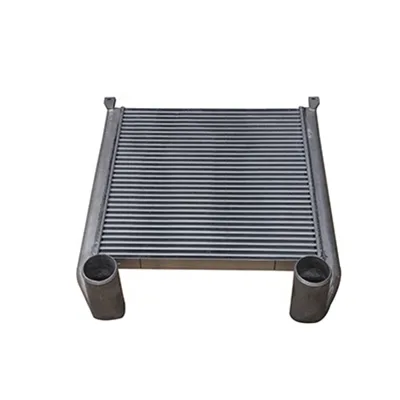
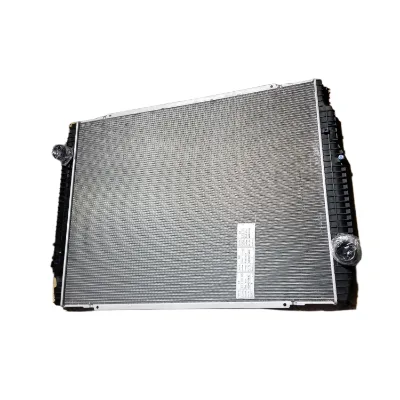
CAMC Truck Spare Parts Intercooler Assembly 1119M-010
$60.00 - $80.00
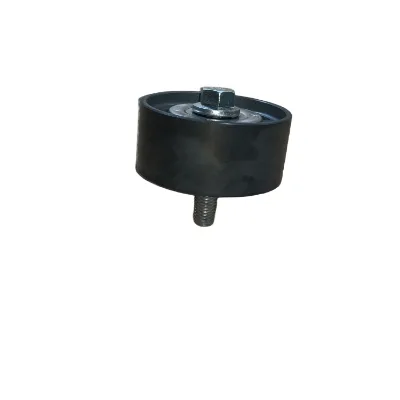
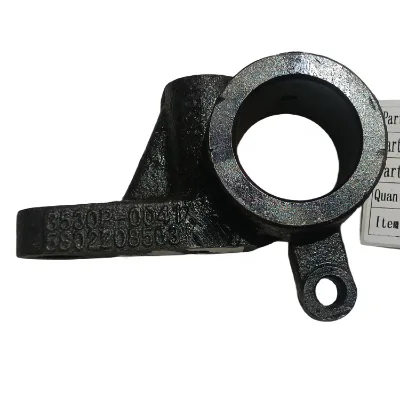
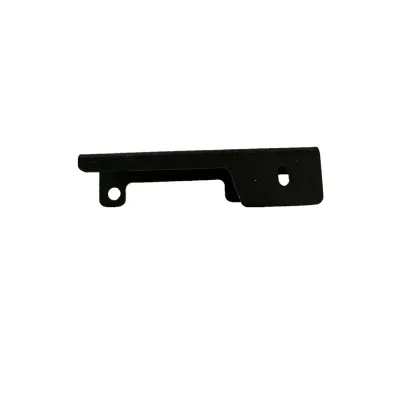
Sinotruk Idler Assembly 202V95800-6098 MC Engine Heavy Dump Truck Spare Parts
$8.00 - $20.00
MOQ: 1 pieces
Jinan Chengjin Vehicle Sales Co., Ltd.
- Verified by TüVRheinland
- Trading Company
- Lead time30 days
- Avg. response≤ 2h
Main productsTruck, Trailer, Truck Spare Parts, Construction Machinery, Construction Machinery Parts
Main marketsAfrica(70%), South America(10%), Mid East(5%)
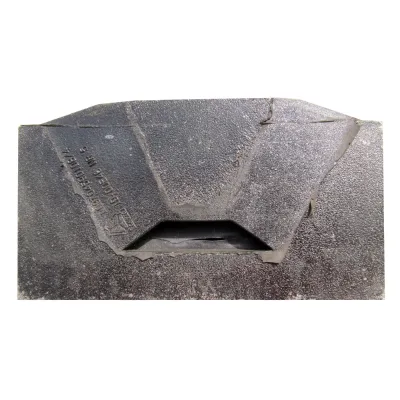
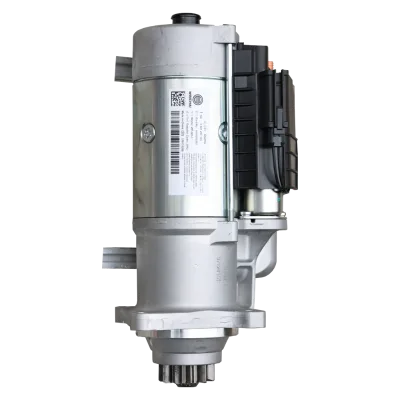
Sinotruk Howo Light Truck Spare Parts Original Truck Howo Truck Hot Sale Engine Rubber Support
$2.984 - $94.6526
MOQ: 1 Minimum
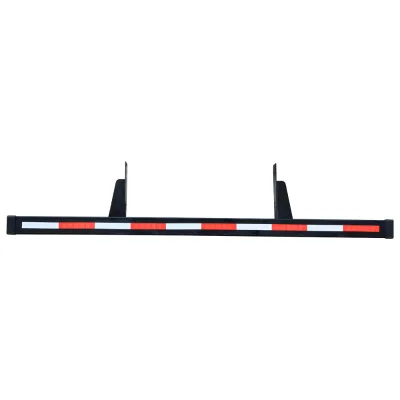
Durable China CNHTC Howo Light Truck Spare Parts Rear Bumper Assembly
$12.2192 - $113.1859
MOQ: 1 Minimum
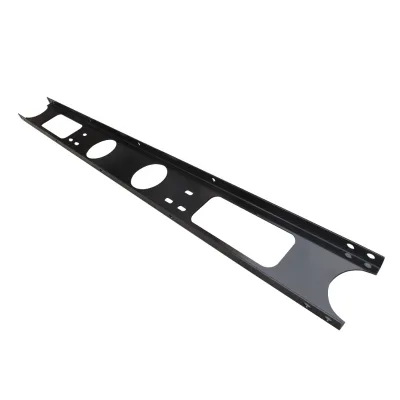
$5.90 - $287.30
MOQ: 1 Minimum
Guangzhou Grand Auto Parts Co., Ltd.
- Trading Company
- Lead time旺季: "1 - 100":5,"> 100":"To be negotiated", 淡季: "1 - 100":5,"> 100":"To be negotiated"
- Avg. response≤ 13h
Main productstruck parts,benz truck parts,scania truck parts,volvo truck parts,man truck parts
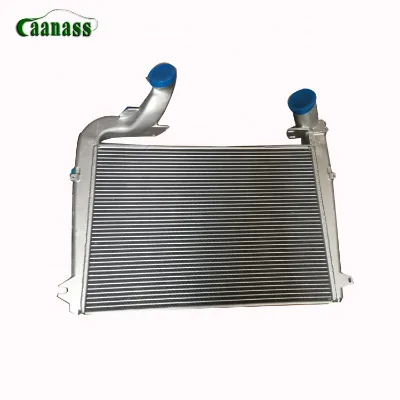
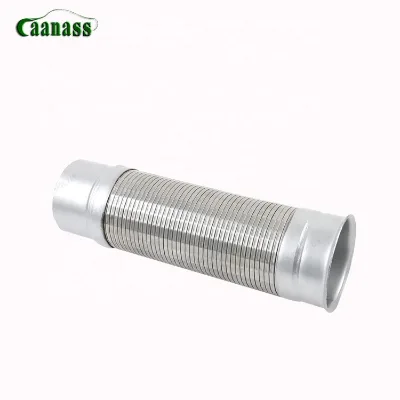
81152100086 USE for MAN Truck Exhaust Pipe
$11.99 - $12.99
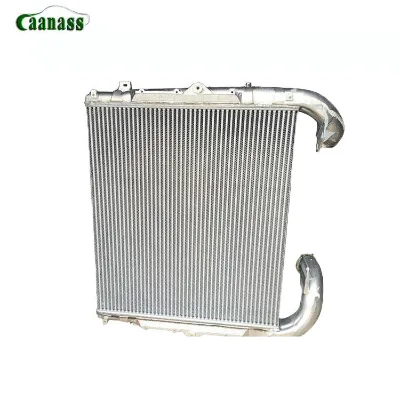
Zhengzhou Jiujun Mechanical Equipment Co., Ltd.
- Verified by TüVRheinland
- Trading Company
- Lead time0 days
- Avg. response≤ 2h
Main productsBus Accessories, Bus, Truck, Trailer, Construction Machinery
Main marketsAfrica(20%), North America(15%), Southeast Asia(15%)
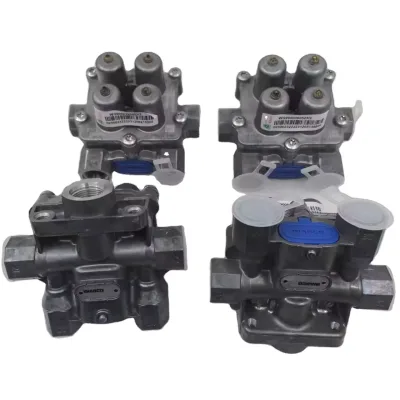
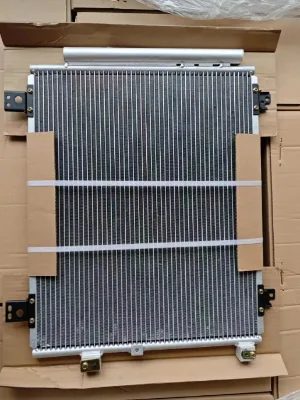
New Bus and Truck Spare Parts High Quality Radiator Assy
MOQ: 2 Minimum

Jiangsu Highins Power Technology Co., Ltd.
- Verified by SGS
- Combined
- China Jiangsu
- Lead time15 days
- Avg. response≤ 1h
Main productsEngine
Main marketsDomestic

Liangshan Zhongbang Trailer Parts Co., Ltd
- Verified by CTI
- Combined
- China Shandong
- Lead time15 days
- Avg. response≤ 1h
Main productsTrailer Suspension/Semi Trailer Suspension, Air Suspension /Trailer Air Suspesion, Trailer Axle/ King Pin /Landing Gear, Semi Trailer Part, Farm Trailer / Semi Trailer
Main marketsDomestic


Durable Vehicle Spare Parts Truck Parts for Good Quality Semi Trailer and Trucks
$100.00
MOQ: 5 Pieces

Guangzhou Aurora Auto Parts Co., Ltd.
- Trading Company, Buying Office, Distributor/Wholesaler
- Guangdong, China
- Lead time7 days
- Avg. response≤ 4h
Main productsChassis Parts,Suspension Parts,Engine Parts,Brake Parts,Body Parts
Main marketsNorth America(30.00%), South America(30.00%), Africa(20.00%), Central America(10.00%), Eastern Europe(1.00%), Southeast Asia(1.00%), Oceania(1.00%), Mid East(1.00%), Eastern Asia(1.00%), Western Europe(1.00%), Northern Europe(1.00%), Southern Europe(1.00%), South Asia(1.00%), Domestic Market(1.00%)
Chongqing HuaLu Trade Co., Ltd.
- Verified by TüVRheinland
- Trading Company
- Lead time10 days
- Avg. response≤ 4h
Main productsTruck Parts, Truck Engine Assembly, Truck Transmissions, Machinery Accessories, Bus Parts
Main marketsDomestic Market(29%), Southeast Asia(19%), South America(15%)
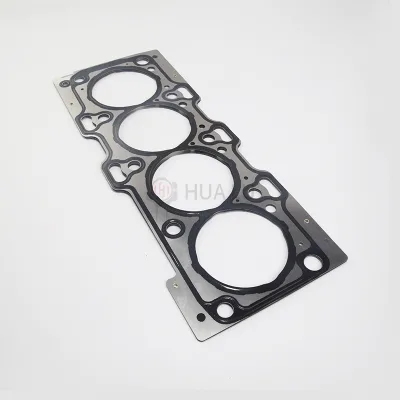
5345647F Truck Engine Parts for Cummins Engine Parts Spare Parts Cylinder Bed
$18.5333 - $20.5915
MOQ: 1 pieces
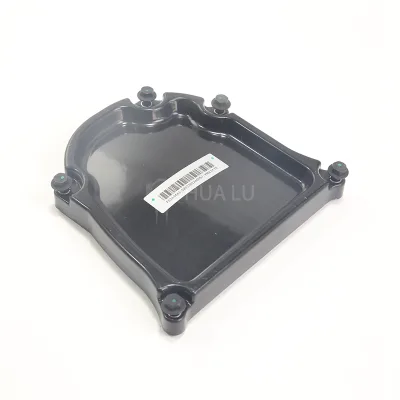
5264444For diesel Engine Parts Spare Parts Parts Cylinder Head Rear Cover Plate
$4.142 - $5.1771
MOQ: 1 pieces
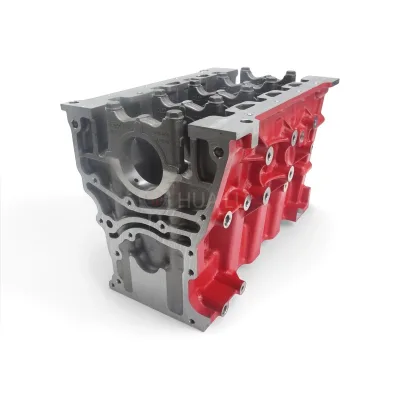
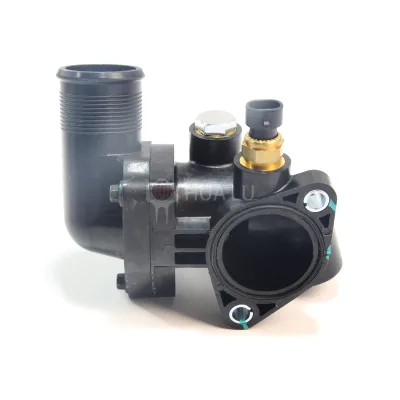
5294106 for Cummins diesel Engine Parts Spare Parts Parts Thermostat and Seat Assembly
$4.00 - $5.00
MOQ: 1 pieces
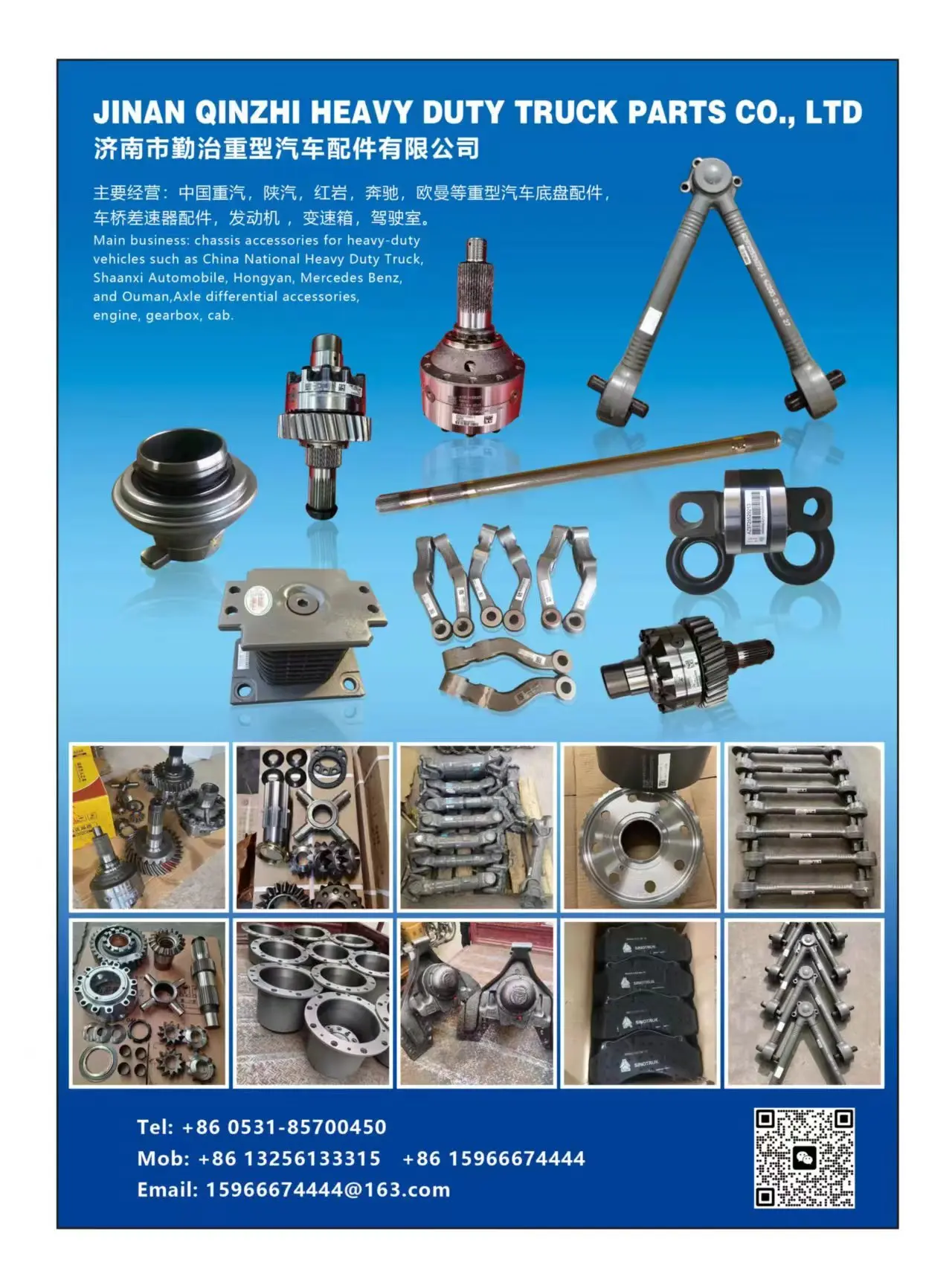
Jinan Qinzhi Heavy Duty Auto Parts Co., Ltd.
- Trading Company
- Shandong, China
- Lead time0 days
- Avg. response≤ 2h
Main productsHeavy Duty Truck Parts,Truck Spare Parts,Sinotruk howo spare parts,Shacman truck parts,FAW truck parts
Main marketsSoutheast Asia(30.00%), Africa(20.00%), South Asia(15.00%), Mid East(15.00%), Eastern Europe(10.00%), North America(10.00%)

Ningbo Eastiger Products Co., Limited
- Verified by BV
- Trading Company
- China Zhejiang
- Lead time30 days
- Avg. response≤ 16h
Main productsTruck Parts, Truck Spare Parts, Trailer Parts, Auto Parts, Engine Parts, Loader Parts, Car Parts, Bus Parts
Main marketsSouth America,Southeast Asia/ Mideast,Australia,North America

Henan Meizhichen Trading Co., Ltd.
- Verified by SGS
- Trading Company,Manufacturer/Factory,Other
- China Henan
- Lead time15 days
- Avg. response≤ 5h
Main productsBus Parts Truck Parts, Truck Pump Valve, Bus Parts
Main marketsSouth America,Eastern Europe,Mid East,North America,Southeast Asia,Eastern Asia,Oceania,Western Europe,Africa
Jinan Enying Automotive Parts Manufacturing Co., Ltd.
- Verified by Intertek
- Trading Company
- Lead time20 days
- Avg. response≤ 3h
Main productsTruck fuel tank, RC model parts, Linear actuators, Tilt rotators, Truck lights
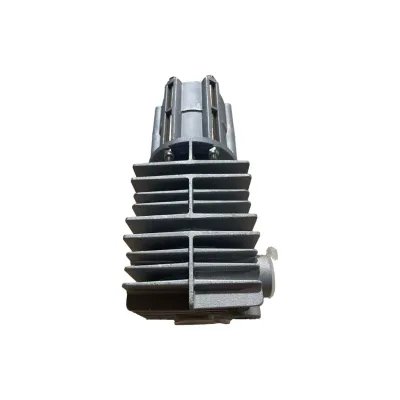
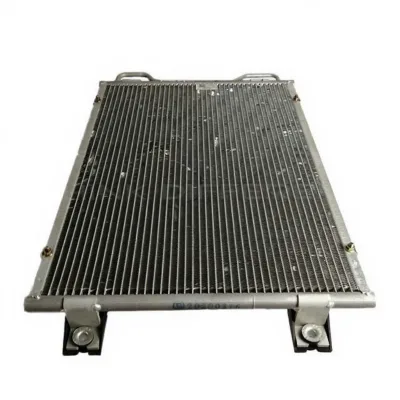
High Quality Truck Engine Spare Parts Air Condenser AZ1600820212 for SITRAK HOWO A7 Trucks
$23.90 - $25.00
MOQ: 100 pieces
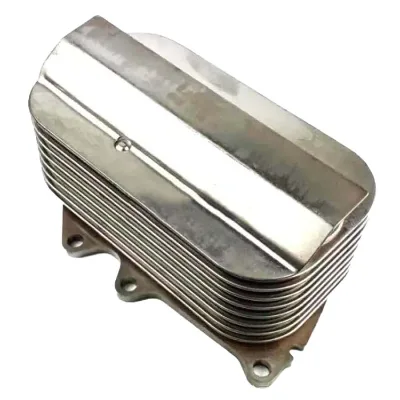
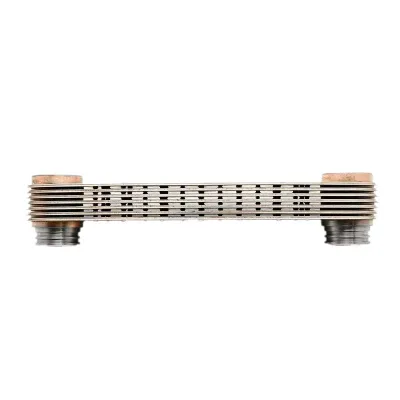
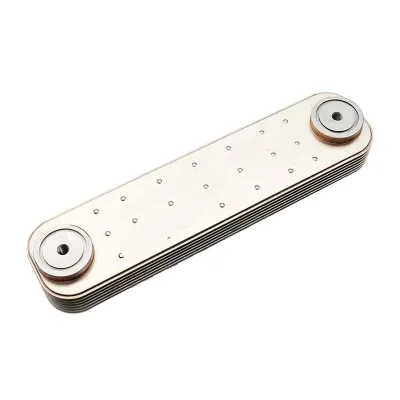
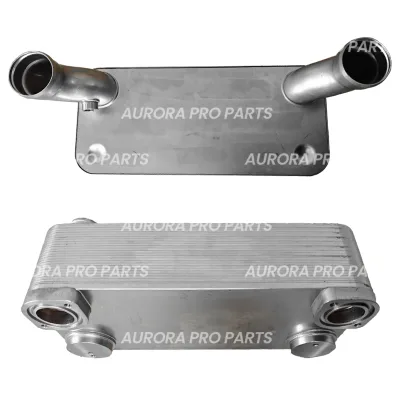
New Truck Parts - Engine Oil Cooler Transmission 080V05000 - 7064 for Truck MC07
$17.00 - $22.00
MOQ: 100 pieces
$43.00 - $49.00
MOQ: 100 pieces
Jinan Jianbang Auto Parts Co., Ltd.
- Trading Company
- Shandong, China
- Lead time25 days
- Avg. response≤ 3h
Main productsHOWO gearbox assembly and parts,FAST gearbox assembly and parts,ZF gearbox assembly and parts,FAW gearbox assembly and parts,DF gearbox assembly and parts
Main marketsSoutheast Asia(40.00%), Africa(35.00%), Mid East(15.00%), South America(10.00%)
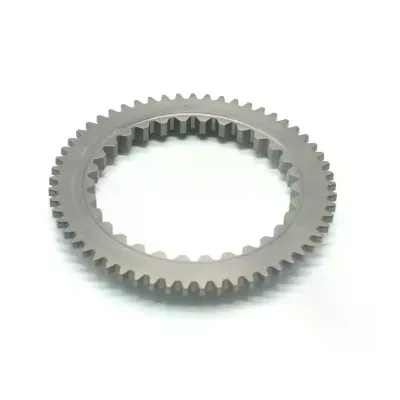
Truck and Bus Gearbox Spare Parts 1297304523 GEARBOX CONE for 16s1820TO Ecosplit IV
$20.00 - $23.00
MOQ: 10
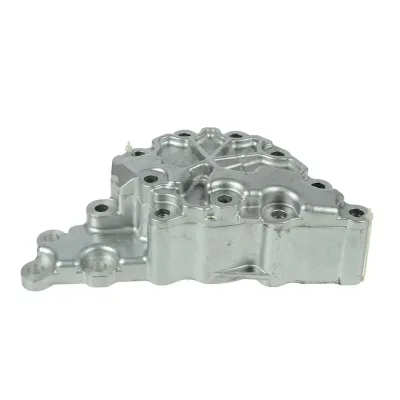
1315302121 Oil Pump Kit for 16s151 16s181 16s221Truck and Bus Gearbox Spare Parts
$51.50 - $54.50
MOQ: 10
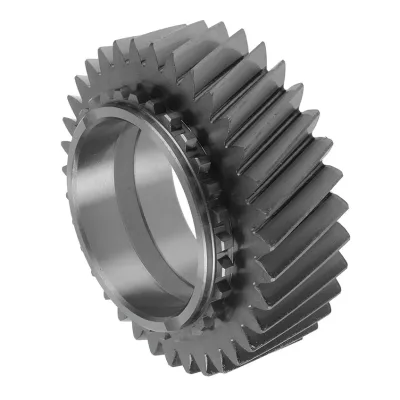
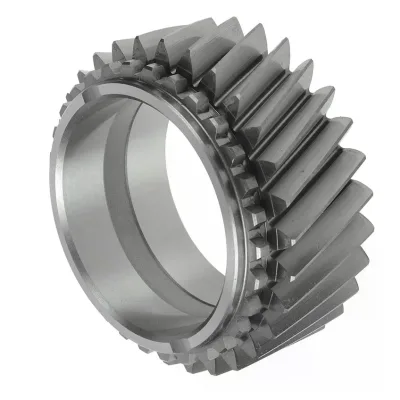
1316302067 CONSTANT GEAR 35T for 16S2230 16S2530 Truck and Bus Gearbox Spare Parts
$55.00 - $60.00
MOQ: 10

Suzhou Aroliss Auto Parts Co., Ltd.
- Manufacturer/Factory
- China Jiangsu
- Lead time60 days
- Avg. response≤ 4h
Main productsTrailer Part, Traile Hinge, Trailer Lock, Hinge, Lock, Trailer Body Parts, Stainless Steel Hinge, Trailer Door Hinge, Trailer Curtain Roller, Spring Bolt
Main marketsSouth America,Eastern Europe,Mid East,North America,Southeast Asia,Eastern Asia,Oceania,Western Europe,Africa

Ruian Ouri I/E Trade Co., Ltd.
- Verified by TUVRHEINLAND
- Trading Company,Manufacturer/Factory
- China Zhejiang
- Lead time45 days
- Avg. response≤ 5h
Main productsHeavy Duty Truck Tensioner & Pulley, Truck Sensor, Truck Combination Power Window Switch, Truck Coolant Expansion Tank, Heavy Duty Truck Gas Spring, Truck Cabin Door Handle, Heavy Duty Trucks Accessories, Truck Gear Shift Lever Cable, Truck Cable Wiring Harness, Truck Air Brake Valve
Main marketsSouth America,Eastern Europe,Mid East,North America,Southeast Asia,Eastern Asia,Oceania,Western Europe,Africa

OEM Standard Quality Ouri Truck Parts for Construction Equipment Excavator
$1.00 - $280.00
MOQ: 10 Pieces

Truck Engine Parts for Heavy Duty Commercial Trucks with OEM Standard Precision
$160.00 - $300.00
MOQ: 50 pieces

Truck Engine Parts for Heavy Industrial Trucks with High Quality Steel
$160.00 - $300.00
MOQ: 50 pieces


Durable Engine Parts for Commercial Diesel Trucks with Reliable OEM Standard
$160.00 - $300.00
MOQ: 50 pieces

Heavy Duty Engine Parts for Commercial Diesel Trucks with Reliable OEM Quality
$160.00 - $300.00
MOQ: 50 pieces
Xi'an Jinshikun Construction Machinery Co., Ltd.
- Trading Company
- Shaanxi, China
- Lead time0 days
- Avg. response≤ 2h
Main productsClutch,Transmission,Filter element,brake pad
Main marketsSoutheast Asia(20.00%), Southern Europe(20.00%), North America(20.00%), Western Europe(15.00%), Eastern Europe(15.00%), South America(10.00%)
Guangzhou Anto Trading Co., Ltd.
- Trading Company
- Guangdong, China
- Lead time0 days
- Avg. response≤ 2h
Main productsPump valve,Cover components,Brake components,Engine parts,Chassis components
Main marketsSoutheast Asia(40.00%), Africa(20.00%), South Asia(20.00%), Mid East(10.00%), Western Europe(5.00%), Eastern Asia(5.00%), South America(5.00%)

Xiamen Strong Lion Automobile Trade Co., Ltd.
- Manufacturer, Trading Company
- Fujian, China
- Lead time25 days
- Avg. response≤ 4h
Main productsColing System Parts/Brake System Parts/Clutch Parts/Suspension System Parts/Electrical & Body Parts,Parts for Scania,Parts for Volvo,Parts for MB,Parts for Bus
Main marketsDomestic Market(60.00%), South Asia(15.00%), Africa(10.00%), North America(10.00%), Eastern Asia(5.00%)
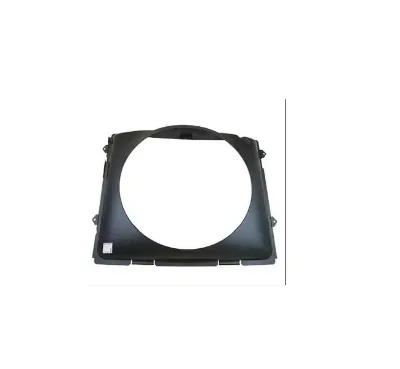
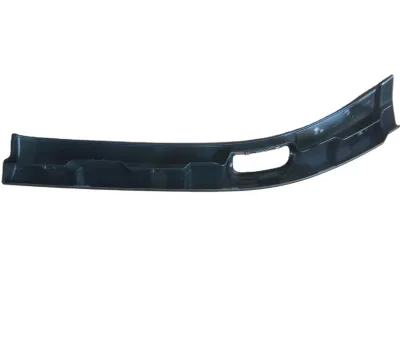
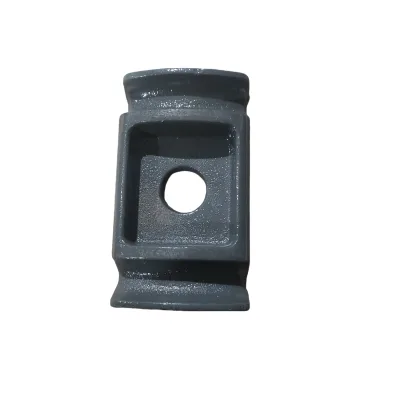
Heavy Duty Truck Body Parts 2297987
$30.00 - $40.00






Comprehensive Sourcing Guide
20CrMnTi Truck Spare Part Supplier Concentration and Factory Types
The current supplier landscape for heavy-duty truck components reveals a distinct geographic concentration in China, with specific manufacturing hubs identified in Shandong and Guangdong provinces. Suppliers located in Shandong often specialize in broader metalworking capabilities, including casting products, metal stamping, and CNC machining, which are foundational processes for producing durable truck parts. This region’s industrial base supports the production of complex metal structures, such as truck bodies and cabin components, alongside precision dies and molds. In contrast, suppliers based in Guangdong frequently operate as a hybrid of manufacturers, trading companies, and distributors, focusing on specific brand compatibility for major truck manufacturers like Scania, Volvo, Benz, DAF, and MAN. This dual-cluster dynamic allows buyers to choose between direct factory production for custom metalwork or trading entities that aggregate parts for specific truck models. The presence of combined company types indicates that many suppliers offer both OEM manufacturing and wholesale distribution, providing flexibility for buyers seeking either custom-engineered solutions or ready-made replacement parts for established truck fleets.
Factory types vary significantly across these regions, influencing the nature of the 20CrMnTi Truck Spare Part offerings available. Suppliers in Shandong often highlight their capacity for ODM and OEM services, suggesting a strong capability for custom engineering and private labeling. These facilities typically possess the infrastructure for heavy-duty metal stamping and die casting, which are critical for producing high-strength components required in truck chassis and frame systems. Meanwhile, Guangdong-based suppliers often emphasize their role as distributors or wholesalers, stocking a wide array of parts for international truck brands. These entities may not always manufacture the parts in-house but serve as crucial intermediaries, ensuring availability of specific model numbers and providing after-sales support. The diversity in company types, ranging from pure manufacturers to combined entities, means buyers must carefully assess whether they need a partner for custom design and production or a reliable source for standardized replacement parts. Understanding this distinction is vital for aligning procurement strategies with specific operational needs, whether prioritizing customization or immediate availability.
How to Verify 20CrMnTi Truck Spare Part Suppliers
Verification of potential suppliers requires a multi-layered approach that goes beyond basic company profiles, focusing on tangible evidence of capability and reliability. Buyers should prioritize suppliers who display third-party verification badges, such as BV (Bureau Veritas), which indicates that an independent agency has audited the company’s business legitimacy and operational practices. This verification is a critical first step in establishing trust, as it confirms that the entity exists and operates within legal frameworks. Additionally, examining the supplier’s certification records is essential; while some suppliers may list general system certifications, others might provide specific product certifications like ISO9001, which demonstrates adherence to quality management standards. Buyers should request copies of these certificates and verify their validity through the issuing bodies. Furthermore, assessing the supplier’s response time can serve as an indirect indicator of their operational efficiency and customer service commitment. A rapid response time, such as under two hours, often correlates with a well-organized sales team that can address technical queries and negotiation points promptly, reducing the risk of communication delays during the procurement process.
Beyond digital verification, buyers must scrutinize the specific product evidence provided by suppliers to ensure alignment with their technical requirements. This involves reviewing detailed product attributes, such as material specifications, customization options, and warranty terms. For instance, some suppliers explicitly state that customization is available, which is crucial for buyers needing bespoke 20crmnti components that meet unique engineering specifications. Buyers should also check for clear indications of after-sales service availability, as this reflects the supplier’s confidence in their product quality and their commitment to long-term customer support. Additionally, examining the supplier’s main product listings can reveal their area of expertise; a supplier focusing heavily on specific truck brands may have deeper knowledge and better sourcing channels for those particular parts. Buyers should also look for evidence of consistent production, such as detailed product descriptions that include model numbers, compatibility details, and packaging standards. By cross-referencing these various data points, buyers can build a comprehensive profile of each supplier’s reliability and suitability, ensuring that they partner with entities that can consistently deliver high-quality 20crmnti truck spare parts.
What to Compare Across 20CrMnTi Truck Spare Part Suppliers
When evaluating multiple suppliers, buyers must systematically compare key operational metrics to identify the most suitable partner for their specific needs. Lead time is a critical factor, as it directly impacts inventory management and fleet maintenance schedules. Suppliers may offer varying lead times, ranging from quick turnaround options for standard parts to longer periods for custom-manufactured components. Buyers should clearly define their required delivery windows and compare how each supplier’s lead time aligns with these expectations. Similarly, the minimum order quantity (MOQ) is a significant consideration, particularly for smaller buyers or those testing new suppliers. Some suppliers may offer low MOQs, such as a single unit, which facilitates trial orders and reduces initial risk. In contrast, others might require larger volumes to achieve economies of scale. Buyers should assess whether the supplier’s MOQ aligns with their order frequency and storage capacity, ensuring that they can maintain a steady supply without excessive inventory holding costs.
Price and payment terms also play a pivotal role in the comparison process, although buyers should look beyond the initial unit cost to consider the total cost of ownership. While some suppliers may advertise competitive prices, others might offer better value through additional services like free technical support or extended warranties. Buyers should compare the price ranges for similar products, noting any variations that might indicate differences in material quality or manufacturing processes. Additionally, the supplier’s main product focus can influence pricing and availability; suppliers specializing in a narrow range of high-demand parts may offer more competitive rates due to higher volume production. Buyers should also consider the supplier’s response speed, as faster communication can lead to quicker resolution of issues and more efficient order processing. By systematically comparing these dimensions, buyers can create a weighted scoring matrix that helps them objectively evaluate each supplier’s strengths and weaknesses, ultimately leading to a more informed and strategic sourcing decision.
Common 20CrMnTi Truck Spare Part Sourcing Risks
Sourcing 20crmnti truck spare parts from international suppliers introduces several risks that buyers must proactively manage to ensure supply chain integrity. One significant risk is the potential for quality inconsistencies, particularly when dealing with suppliers who offer a wide range of products without specialized expertise. Buyers may encounter parts that do not meet the stringent durability and performance standards required for heavy-duty truck applications. This risk is exacerbated when suppliers lack transparent quality control processes or fail to provide detailed material certifications. Another common risk is the discrepancy between product descriptions and actual delivered goods, which can occur if suppliers use generic images or vague specifications. Buyers must be vigilant in verifying that the parts they receive match the exact model numbers and compatibility requirements specified in their purchase orders. This is particularly important for custom parts, where even minor deviations can lead to installation failures or operational issues in the field.
Logistical and communication risks also pose significant challenges in international sourcing. Delays in shipping or customs clearance can disrupt fleet maintenance schedules, leading to costly downtime for truck operators. Buyers should assess the supplier’s experience in handling international logistics and their ability to provide accurate tracking information. Additionally, language barriers and time zone differences can hinder effective communication, potentially leading to misunderstandings regarding technical specifications or order details. Buyers should prioritize suppliers who demonstrate strong communication skills and responsiveness, as these traits are crucial for resolving issues quickly and maintaining a smooth procurement process. Furthermore, there is a risk of intellectual property infringement if buyers engage with suppliers who produce unauthorized copies of branded parts. Buyers must ensure that their suppliers have the necessary rights to manufacture and sell the parts, particularly when dealing with OEM-style components. By identifying and mitigating these risks through thorough due diligence and clear contractual agreements, buyers can protect their interests and ensure a reliable supply of high-quality 20crmnti truck spare parts.
20CrMnTi Truck Spare Part Regional Sourcing and Logistics
The geographic location of suppliers significantly influences logistics strategies and overall sourcing efficiency for 20crmnti truck spare parts. Suppliers located in Shandong, China, often benefit from established industrial clusters that support metalworking and manufacturing, potentially offering cost advantages in production. However, buyers must consider the logistical implications of sourcing from this region, including shipping distances and transit times to their final destination. Similarly, suppliers in Guangdong, China, are situated in a major manufacturing and export hub, which may provide faster access to international shipping routes and ports. This proximity can reduce lead times and shipping costs, making it an attractive option for buyers prioritizing speed and efficiency. Buyers should evaluate the supplier’s location in the context of their own supply chain requirements, considering factors such as customs procedures, local infrastructure, and the availability of reliable freight forwarders. Understanding these regional dynamics allows buyers to optimize their logistics strategies and minimize potential disruptions.
Logistics planning also involves selecting the appropriate shipping methods and incoterms to balance cost and speed. For heavy or bulky truck parts, sea freight is often the most cost-effective option, although it requires longer transit times. Buyers should work with suppliers who have experience in packaging and securing heavy items for international transport to prevent damage during transit. Additionally, buyers should consider the supplier’s ability to provide accurate documentation, such as commercial invoices, packing lists, and certificates of origin, which are essential for smooth customs clearance. Some suppliers may offer door-to-door delivery services, which can simplify the logistics process for buyers who lack in-house expertise in international shipping. By carefully evaluating the logistical capabilities of each supplier and aligning them with their specific needs, buyers can ensure that their 20crmnti truck spare parts arrive on time and in good condition, supporting uninterrupted fleet operations.
20CrMnTi Truck Spare Part Commercial Terms and Order Planning
Effective order planning for 20crmnti truck spare parts requires a clear understanding of commercial terms and payment structures to mitigate financial risks. Buyers should negotiate favorable payment terms, such as partial upfront payments with the balance due upon shipment or delivery, to align cash flow with project milestones. Escrow services can provide an additional layer of security by holding funds until the buyer confirms receipt and satisfaction with the goods. This is particularly useful for first-time transactions or when dealing with new suppliers. Buyers should also clarify the supplier’s return and refund policies in case of defective or non-conforming parts, ensuring that they have recourse if quality issues arise. Additionally, understanding the supplier’s warranty terms is crucial, as it indicates their confidence in the product’s durability and their commitment to after-sales support. Buyers should seek suppliers who offer comprehensive warranties and clear procedures for claiming warranty coverage, which can reduce long-term maintenance costs.
Beyond payment terms, buyers must plan their orders strategically to optimize inventory levels and minimize stockouts. This involves forecasting demand based on historical data and maintenance schedules, and then aligning order quantities with the supplier’s MOQ and lead times. Buyers should consider implementing a just-in-time inventory system if their suppliers can provide reliable and rapid delivery, reducing the need for large safety stocks. Conversely, for critical parts with long lead times, buyers may need to maintain higher inventory levels to ensure availability. Regular communication with suppliers about upcoming demand can help them prepare production schedules and secure raw materials, ensuring timely delivery. By integrating commercial terms with strategic order planning, buyers can create a resilient supply chain that supports their operational needs while minimizing costs and risks associated with 20CrMnTi Truck Spare Part procurement.
FAQs
What is the typical lead time for truck spare parts?
Manufacturers in China generally require 30 days for production and delivery. Some suppliers offer faster turnaround times of 10 days for standard items. Buyers should confirm specific schedules with the supplier before placing orders to ensure timely arrival.
Are custom OEM truck parts available from these suppliers?
Yes, customization is available for many heavy-duty truck components. Suppliers support OEM and ODM services to meet specific design requirements. Buyers can request custom molds or stamping dies for unique parts, ensuring a perfect fit for their vehicle models.
What certifications do these truck parts suppliers hold?
Many suppliers hold ISO9001 certification for quality management systems. This ensures consistent manufacturing standards for auto spare parts. Buyers should verify specific certificates with the supplier to confirm compliance with international quality requirements for their specific procurement needs.
What is the minimum order quantity for truck parts?
The minimum order quantity can be as low as one unit for some suppliers. This allows buyers to test product quality before committing to larger orders. However, bulk pricing may apply for higher volumes, so buyers should inquire about tiered pricing structures.
Do suppliers provide after-sales service and warranty?
Yes, many suppliers offer after-sales service and a one-year warranty. This covers defects in materials or workmanship for the specified period. Buyers should review the warranty terms carefully to understand coverage details and claim procedures for their purchased truck parts.
Where are these truck spare parts manufactured?
These parts are primarily manufactured in China, specifically in regions like Shandong and Guangdong. These areas are known for robust manufacturing capabilities in metal stamping and casting. Buyers can expect competitive pricing due to the established industrial infrastructure in these locations.