2D Wired Handheld Thermal Scanner Suppliers and Manufacturers
Find 14 verified suppliers offering 2D Wired Handheld Thermal Scanner units with ISO 9001 certification and OEM capabilities. Compare response times, lead times, and pricing ranges from 1000 to 8000 USD before requesting quotes; review the available evidence before requesting comparable quotations from suitable candidates.
Updated
Suppliers List

Jinan Hope Wish Photoelectronic Technology Co., Ltd.
- Verified by BV
- Trading Company,Manufacturer/Factory
- China Shandong
- Lead time30 days
- Avg. response≤ 7h
Main productsThermal Camera, Long Range Night Vision Camera, Laser Camera, IR Camera, Handheld Thermal Camera, Surveillance Camera, Monocular Night Vision Camera, Binocular Night Vision Camera, Visible Light Camera
Main marketsSouth America,Eastern Europe,Mid East,North America,Southeast Asia,Eastern Asia,Oceania,Western Europe,Africa

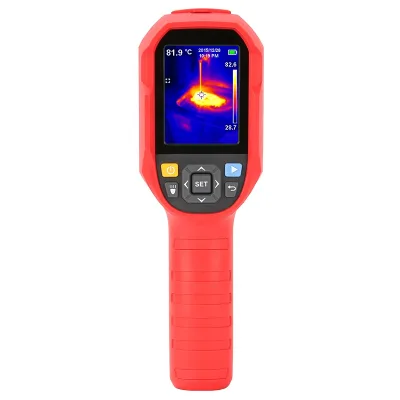
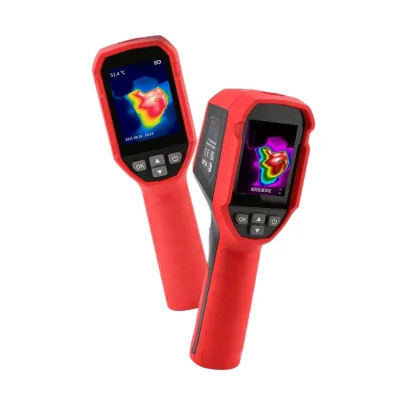
Mini Scanner Handheld Thermal Camera Intellengent Security Thermal Camera
$3000.00 - $5000.00
MOQ: 1 Pieces


Shandong Sheenrun Optics & Electronics Co., Ltd.
- Verified by BV
- Combined
- China Shandong
- Lead time23 days
- Avg. response≤ 6h
Main productsCCTV Camera, Long Range Camera, Laser Night Vision Camera, Thermal Imaging Camera, Thermal Camera, Laser Camera, Night Vision Camera, Long Range Thermal Camera, PTZ, IR Camera
Main marketsSouth America,Southeast Asia/ Mideast,Domestic,Europe,North America
Chongqing Gold Mechanical & Electrical Equipment Co., Ltd.
- Manufacturer, Trading Company
- Lead time旺季: "1 - 1":10,"2 - 10":20,"11 - 20":30,"> 20":"To be negotiated", 淡季: "1 - 1":10,"2 - 10":20,"11 - 20":30,"> 20":"To be negotiated"
- Avg. response≤ 5h
Main productsElectrical Testing Equipment,Oil Purifier,Petroleum Testing Equipment,Asphalt Testing Equipment,Fire Testing Equipment

Shandong China Coal Industrial & Mining Supplies Group Co., Ltd.
- Verified by BV
- Manufacturer/Factory
- China Shandong
- Lead time98 days
- Avg. response≤ 1h
Main productsMine Car, Mucking Loader, Mining Locomotive, U Steel Support, Mine Support, Wall Cement Plaster Machine, Scraper Conveyor, Crawler Dumper, Concrete Pump
Main marketsSouth America,Eastern Europe,Mid East,North America,Southeast Asia,Eastern Asia,Oceania,Western Europe,Africa

Jinan Azure International Trade Co., Ltd.
- Trading Company
- China Shandong
- Lead time23 days
- Avg. response≤ 1h
Main productsThermal Imaging Camera, Laser Distance Meter, Thermal Imaging Module, Laser Distance Module, Handheld Thermal Imager, Industrial Thermal Cameras, Time-of-Flight Distance Sensors, Thermal Imaging Components for Drones, Laser Rangefinder Devices, Portable Infrared Cameras
Main marketsSouth America,Eastern Europe,Mid East,North America,Southeast Asia,Eastern Asia,Oceania,Western Europe,Africa

Portable Infrared Thermal Imaging Camera IP65 Waterproof Handheld Thermal Scanner
$200.00 - $452.00
MOQ: 10 Pieces

Handheld Thermal Imaging Scanner 96X96 IR Camera for Floor Heating Pipeline Leak Detection
$220.00 - $289.00
MOQ: 1 Pieces

Industrial Handheld IR Camera with 4.3 Inch Touch Screen Thermal Imaging Analyzer
$4225.00 - $4700.00
MOQ: 1 Pieces

$16003.00 - $16582.00
MOQ: 1 Pieces

Industrial-Grade Handheld Thermal Imager with External Sensor for Accurate Temperature Measurement
$430.00 - $470.00
MOQ: 1 Pieces


- Verified by TUVRHEINLAND
- Manufacturer/Factory
- China Shandong
- Lead time0 days
- Avg. response≤ 8h
Main productsHandheld Thermal Camera, Fixed Thermal Camera, Gas Detection Camera, Infrared Panoramic Camera, Thermal PTZ Camera, Thermal Fixed Camera, Thermal Speed Dome Camera, Thermal Explosion-Proof Camera, Uncooled Long-Wave Thermal Module, Cooled Thermal Module


Screen Thermal Imager Handheld Infrared Infrared Imaging Camera Temperature Thermal Measurement
$549.00 - $599.00
MOQ: 5 Pieces


Jinjiang Jiayi Supply Chain Management Co., Ltd.
- Verified by BV
- Trading Company
- China Fujian
- Lead time30 days
- Avg. response≤ 2h
Main productsGift, Shoe, Garment, Machine
Main marketsDomestic
Shenzhen Ayan Technology Co., Ltd.
- Manufacturer, Trading Company
- Guangdong, China
- Lead time7 days
- Avg. response≤ 1h
Main productsAndroid PDA,RFID Reader,Barcode Scanner,Thermal Printer,Industrial Tablet
Main marketsDomestic Market(70.00%), Western Europe(8.00%), South America(7.00%), Eastern Asia(4.00%), Mid East(3.00%), Eastern Europe(2.00%), Central America(2.00%), Northern Europe(1.00%), Southeast Asia(1.00%), North America(0.80%), South Asia(0.50%), Oceania(0.30%), Africa(0.20%), Southern Europe(0.20%)
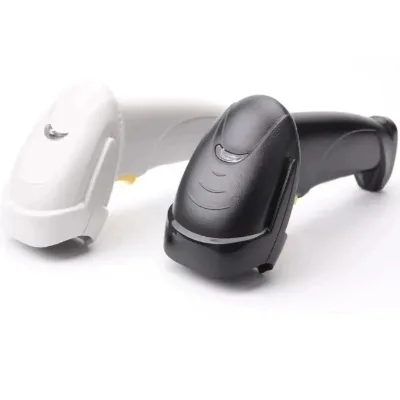
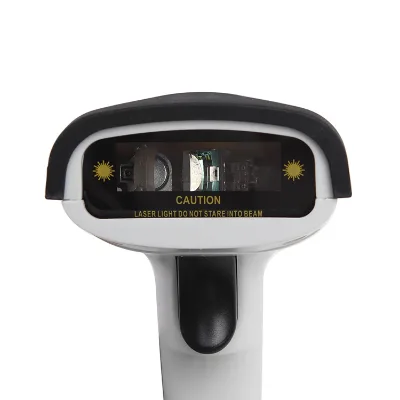
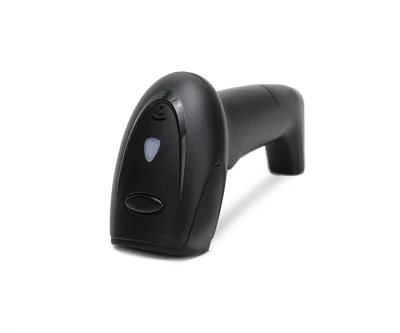
Portable Wired 1D 2D Barcode Scanner Handheld USB Interface Laser Light Source
$11.6718 - $13.3114
MOQ: 2 pieces
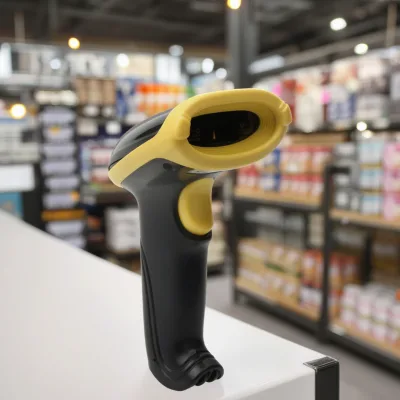

Guangzhou City GSAN Science & Technology Co., Ltd.
- Combined
- China Guangdong
- Lead time15 days
- Avg. response≤ 16h
Main productsPOS System, Thermal Printer, Barcode Scanner, Touch POS Terminal, Cash Drawer, Keyboard, POS Case, Monitor, Customer Display, Punto De Venta Integrado
Main marketsSoutheast Asia/ Mideast,Europe,North America
Guangzhou Heimi Information Technology Co., Ltd.
- Verified by SGS Group
- Manufacturer, Trading Company
- Lead time5 days
- Avg. response≤ 3h
Main productsPos Terminal, Label Printer, Barcode Scanner, Data Collector, Label Sticker
Main marketsDomestic Market(60%), South America(10%), Southeast Asia(10%)
Shenzhen Carav Electronics Co., Ltd.
- Manufacturer, Trading Company
- Lead time旺季: "1 - 10":7,"> 10":"To be negotiated", 淡季: "1 - 10":7,"> 10":"To be negotiated"
- Avg. response≤ 2h
Main productsPOS Terminal, Touch Screen Monitor, Thermal Printer, Barcode Scanner, Cash Drawer

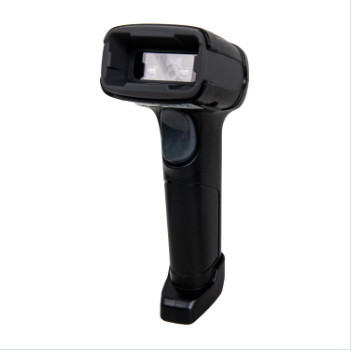

Long distance Handheld USB Wired Industrial Barcode Reader 1d 2d Dpm Bt Barcode Scanner
$260.00 - $300.00
MOQ: 1 pieces

$140.00 - $170.00
MOQ: 1 pieces
Chengdu Shangzhi Smart Iot Technology Co., Ltd.
- Trading Company
- Sichuan, China
- Lead time45 days
- Avg. response≤ 13h
Main productspda,Barcode Scanner,label paper,fiber optic,Kids Camera
Main marketsCentral America(10.00%), Western Europe(10.00%), Eastern Asia(10.00%), Mid East(10.00%), Oceania(10.00%), Africa(10.00%), Southeast Asia(10.00%), Eastern Europe(10.00%), South America(10.00%), North America(10.00%)
Suzhou Langhuike Iot Technology Co., Ltd.
- Verified by Intertek
- Manufacturer, Trading Company
- Lead time15 days
- Avg. response≤ 2h
Main productsHandheld Scanners, PDA, Industrial Fixed Scanners, Barcode Reading Engine, Barcode Printer

- Verified by SGS
- Trading Company
- China Shandong
- Lead time23 days
- Avg. response≤ 6h
Main productsComplete Biobanking Solutions, General Laboratory Supplies, Laboratory Instruments, Pipet Tips, Celll Culture Products, PCR Products, Microbiology Products, Centrifuge Tube, Filter Tips, Petri Dishes
Main marketsOthers(foreignTradeCapacity.exportBusinessCapacityMarketOther),Europe,North America


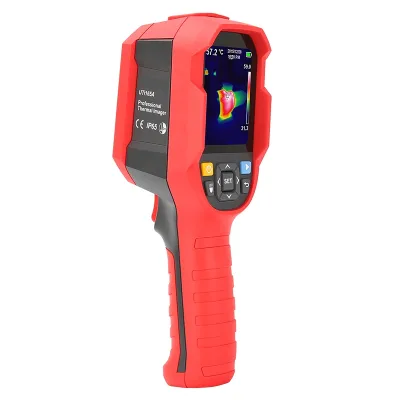


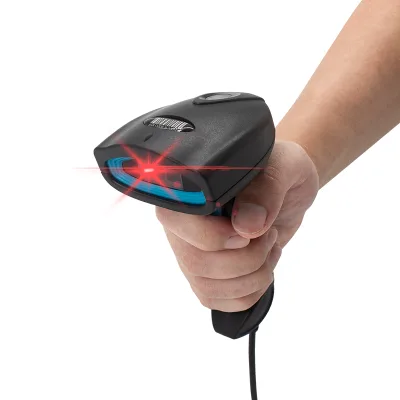
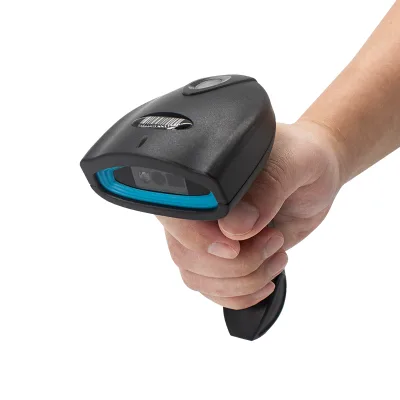
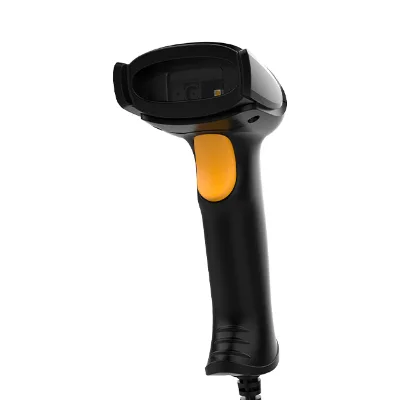
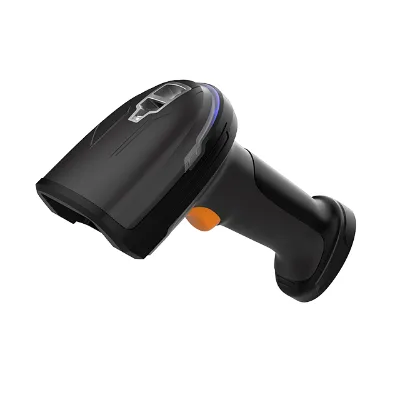


Comprehensive Sourcing Guide
2D Wired Handheld Thermal Scanner Supplier Concentration and Factory Types
The current supplier landscape for thermal imaging equipment reveals a distinct concentration of manufacturing and trading entities within specific industrial regions in China. Data indicates that a significant portion of these suppliers are located in Shandong Province, with Jinan being a notable hub for this specialized electronics manufacturing. This geographic clustering suggests a mature supply chain ecosystem where raw materials, component sourcing, and assembly capabilities are co-located, potentially reducing logistical friction for buyers. The presence of these suppliers in Shandong implies that buyers evaluating handheld thermal scanners should consider this region as a primary source for both OEM and ODM production. The concentration is not random but reflects established industrial zones where expertise in infrared technology and camera assembly has accumulated over time.
Regarding company structures, the market offers a mix of Trading Companies and Manufacturer/Factory entities, with some suppliers operating as Combined entities that bridge both roles. This diversity allows buyers to choose between direct factory engagement for cost efficiency or trading companies for streamlined communication and logistics support. Many of these entities possess robust R&D capacities, explicitly listing OEM and ODM services, which is crucial for buyers seeking customized 2D wired handheld thermal scanners with specific form factors or integration requirements. The ability to customize is further supported by the availability of various product styles, ranging from mini cameras to handheld monoculars, indicating that suppliers can adapt their production lines to meet diverse client specifications. This flexibility is a key differentiator in the current market, allowing for tailored solutions rather than one-size-fits-all offerings.
How to Verify 2D Wired Handheld Thermal Scanner Suppliers
Verification is a critical step in mitigating risk when sourcing thermal imaging equipment, and buyers should prioritize suppliers with recognized third-party validations. Current data shows that several suppliers hold BV verification, which serves as a tangible indicator of operational legitimacy and financial stability. Beyond basic verification, buyers must scrutinize system certifications such as ISO 9000 and ISO 9001, which demonstrate adherence to international quality management standards. These certifications are particularly important for thermal cameras, as consistent manufacturing quality directly impacts the accuracy and reliability of temperature detection and image clarity. Buyers should request copies of these certificates and verify their validity through the issuing bodies to ensure that the supplier’s quality control processes are up to date and rigorously maintained.
In addition to certifications, buyers should assess the supplier’s responsiveness and technical support capabilities as proxies for their operational maturity. Response times vary among suppliers, with some demonstrating an average response time of approximately 5.41 to 6.28 hours, which is a reasonable benchmark for B2B communication in this sector. A faster response time often correlates with better project management and quicker resolution of technical queries regarding product specifications or customization options. Buyers should also look for evidence of product-specific certifications such as CE, FCC, and RoHS, which are essential for market access in many regions. The presence of these certifications on product listings indicates that the supplier’s devices have undergone necessary testing for electromagnetic compatibility and safety, providing an additional layer of assurance for the end-user.
What to Compare Across 2D Wired Handheld Thermal Scanner Suppliers
When evaluating multiple suppliers, buyers should compare key operational metrics such as lead times, minimum order quantities, and pricing structures to determine the best fit for their procurement strategy. Lead times for thermal cameras can vary, with some suppliers offering a standard lead time of around 23 to 30 days, which is typical for customized or batch-produced electronic devices. Buyers should clarify whether these lead times include production, testing, and shipping, as delays in any of these stages can impact project timelines. Additionally, MOQs are often flexible, with some suppliers accepting orders as low as one unit, which is beneficial for prototyping or small-scale deployments. However, buyers should be aware that lower MOQs may come with higher per-unit costs, so volume-based pricing negotiations should be explored for larger orders.
Pricing and product specifications are equally important comparison points, as they directly impact the total cost of ownership and operational effectiveness. Price ranges for thermal scanners can vary significantly, with some models priced between $1,000 and $6,000, depending on features such as detection distance, resolution, and additional functionalities like fever detection alarms. Buyers should compare not just the base price but also the value proposition, including features like waterproof ratings, remote control capabilities, and sensor types. For instance, some handheld models offer detection distances up to 1,500 meters, while others may provide longer ranges for specialized applications. By comparing these technical attributes alongside pricing, buyers can identify suppliers that offer the best balance of performance and cost, ensuring that their investment aligns with their specific operational requirements.
Common 2D Wired Handheld Thermal Scanner Sourcing Risks
One of the primary risks in sourcing thermal imaging equipment is the potential mismatch between advertised specifications and actual product performance. Buyers must be cautious of suppliers who provide vague or incomplete technical data, as this can lead to procurement of devices that do not meet operational needs. For example, claims about detection distances or resolution should be verified through independent testing or detailed product datasheets. The risk is compounded by the fact that some suppliers may list multiple product models with similar names but vastly different capabilities, leading to confusion during the ordering process. Buyers should insist on clear, model-specific documentation that outlines all technical parameters, including sensor size, lens focal length, and effective detection ranges, to avoid receiving substandard equipment.
Another significant risk is the variability in after-sales support and warranty terms, which can severely impact long-term usability. While some suppliers offer a one-year warranty, the scope of this warranty and the process for claims should be clearly defined in the contract. Buyers should also consider the availability of spare parts and technical support, especially for complex devices like 2D wired handheld thermal scanners that may require specialized maintenance. The risk of supply chain disruptions is also present, particularly if suppliers rely on imported components for their thermal sensors or lenses. Buyers should assess the supplier’s supply chain resilience and their ability to mitigate potential shortages, ensuring that their procurement strategy includes contingency plans for any disruptions that may arise during the production or delivery phases.
2D Wired Handheld Thermal Scanner Regional Sourcing and Logistics
Sourcing from regional clusters like Shandong Province offers logistical advantages, but buyers must carefully plan for shipping and customs clearance to ensure timely delivery. The proximity of manufacturing facilities to major ports in China can reduce inland transportation costs and lead times, but international shipping complexities remain a critical factor. Buyers should work with suppliers who have experience in exporting to their target markets, as this ensures familiarity with relevant documentation and regulatory requirements. The use of secure packaging, such as wooden boxes or carton and styrofoam packing, is essential to protect sensitive electronic components during transit. Buyers should verify that the supplier’s packaging standards meet international shipping requirements to prevent damage to the thermal cameras, which are delicate instruments requiring careful handling.
Logistics planning should also account for the specific shipping methods and insurance options available. Buyers should negotiate clear terms regarding freight responsibility, such as FOB or CIF, to understand who bears the risk and cost during transit. For high-value items like thermal scanners, comprehensive insurance coverage is recommended to protect against loss or damage. Additionally, buyers should consider the impact of customs duties and taxes in their destination country, as these can significantly affect the total landed cost. Suppliers located in China may have established relationships with freight forwarders, which can streamline the shipping process, but buyers should still maintain oversight of the logistics chain to ensure that deliveries arrive on schedule and in good condition.
2D Wired Handheld Thermal Scanner Commercial Terms and Order Planning
Effective order planning requires a thorough understanding of commercial terms, including payment methods, customization agreements, and delivery schedules. Buyers should prioritize suppliers who offer secure payment options, such as escrow services, to protect their financial interests until the goods are received and verified. Customization is a key feature for many thermal scanner orders, so buyers must ensure that all customization requirements are clearly documented in the purchase agreement, including any additional costs or lead time extensions associated with bespoke features. The availability of OEM and ODM services allows for significant flexibility, but buyers should establish clear communication channels to manage the design and approval process effectively.
Delivery schedules and lead times must be aligned with the buyer’s operational needs, and any delays should be addressed through clear contractual penalties or remedies. Buyers should also consider the long-term relationship with the supplier, as consistent quality and support are crucial for ongoing procurement needs. Establishing a framework for regular performance reviews and feedback can help maintain high standards and address any issues promptly. By carefully planning commercial terms and fostering a collaborative relationship with the supplier, buyers can mitigate risks and ensure a smooth procurement process for their 2D wired handheld thermal scanners, ultimately supporting their operational goals and budget constraints.
FAQs
What is the price range for handheld thermal scanners?
Handheld thermal scanners typically range from $1,000 to $8,000 depending on specifications. Basic models start around $1,000, while advanced units with long-range detection and high-definition features can reach $8,000. Prices vary based on sensor quality, detection distance, and included accessories like remote controls or specialized lenses.
What certifications do these thermal cameras hold?
Most handheld thermal cameras hold CE, FCC, and ISO9001 certifications. Some models also include CCC, RoHS, and EMI/EMC compliance. These certifications ensure the devices meet international safety and quality standards for electronic equipment, providing assurance for industrial and security applications across different global markets.
What is the typical lead time for orders?
The typical lead time for these thermal cameras is between 23 and 30 days. This timeframe allows for manufacturing, quality control, and packaging preparation. Buyers should confirm specific delivery schedules with suppliers, as lead times may vary based on order volume, customization requirements, and current production capacity.
What is the minimum order quantity for these devices?
The minimum order quantity is generally one unit, allowing buyers to purchase single samples or small batches. This low MOQ facilitates testing and evaluation before committing to larger orders. Suppliers often support both small trial orders and large-scale procurement, accommodating diverse business needs and budget constraints.
Where are these thermal cameras manufactured?
These thermal cameras are manufactured in China, specifically in the Shandong province. Jinan is a notable production hub for these devices. The region offers established supply chains for electronic components and manufacturing expertise, ensuring consistent quality and competitive pricing for international buyers sourcing thermal imaging equipment.
What detection distances do these handheld cameras offer?
Detection distances vary significantly, ranging from 1,500 meters to over 6,600 meters. Some models offer recognition distances up to 1,650 meters. Long-range scanners can detect vehicles from 3,800 to 5,800 meters. Buyers should select models based on their specific surveillance or scanning requirements and operational environment.