Source summer outdoor high-heeled slippers for beach, garden, and patio
Compare 30 listings of summer outdoor high-heeled slippers featuring EVA lining, anti-slip designs, and waterproof materials. Buyers can evaluate styles like chunky slides and garden shoes with mid heels or flat options for various seasons; compare the available evidence and request quotations based on your requirements.
Updated
Key considerations
Products List
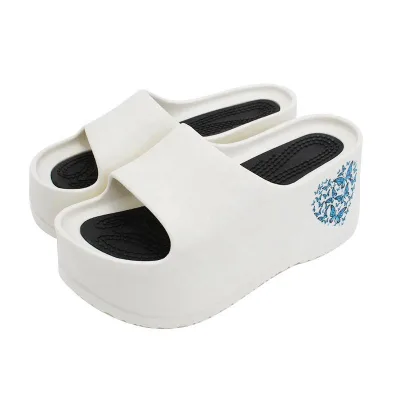

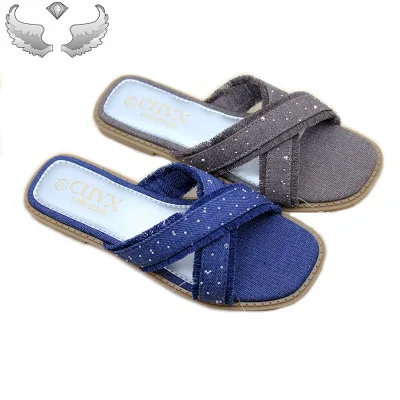
High Quality Summer Women Open Toe Non-Slip Pillow Shoes Sandals Slippers
$1.50 - $1.68
MOQ: 1000 Pairs

Summer Popular Ladies Large Size Summer Sandals Flip Flops for Girls Women Shoes
$1.30 - $1.50
MOQ: 1000 Pairs


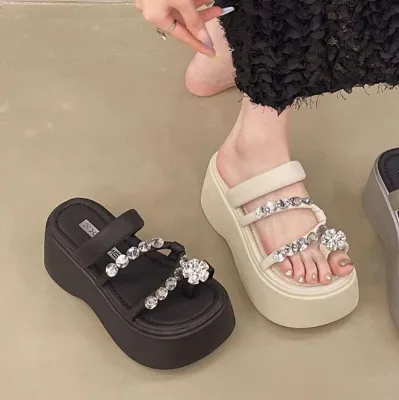
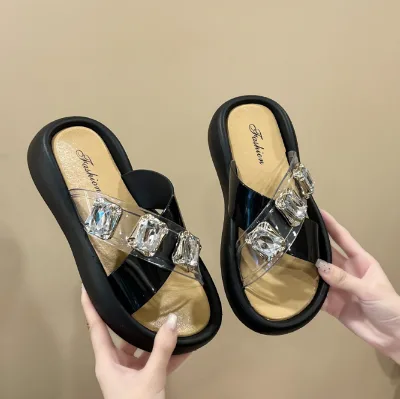
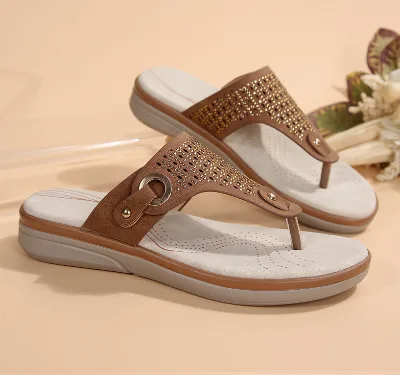
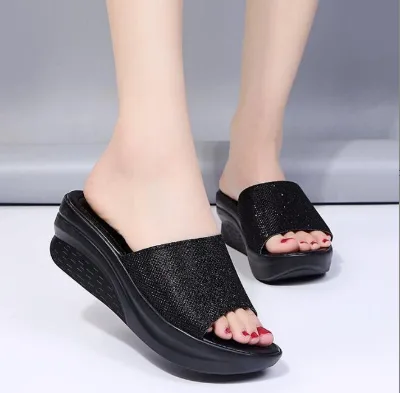
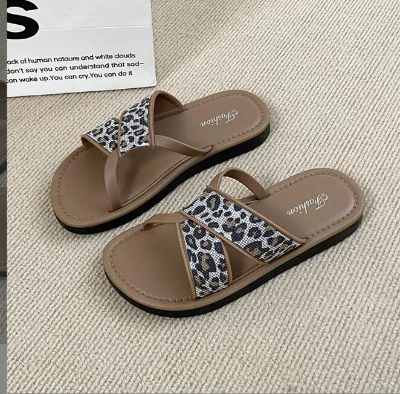
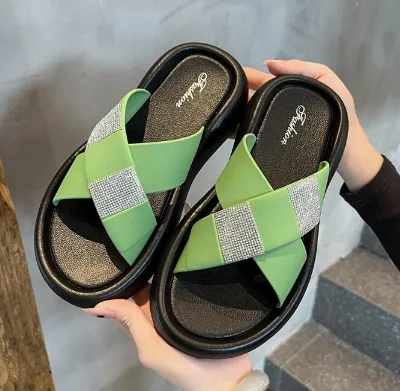


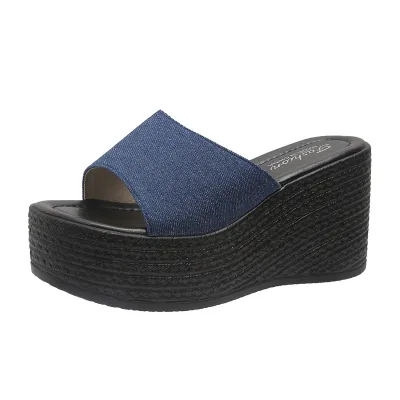
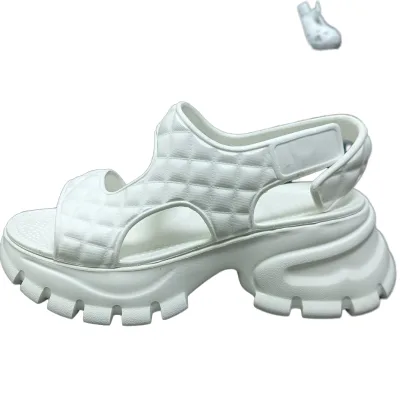

High Quality Summer Women White Sandals Ladies Flat Slide Outdoor Slippers
$2.00 - $3.50
MOQ: 1000 Pairs


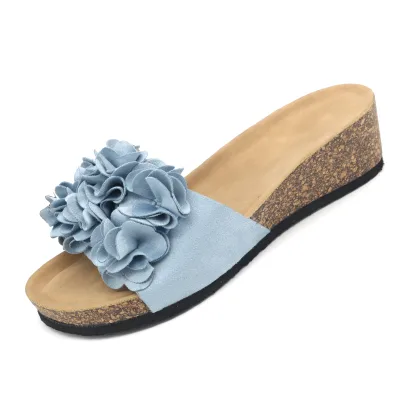
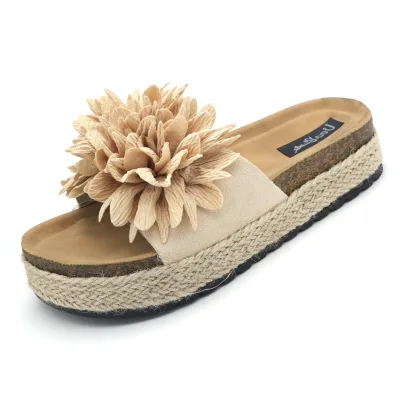
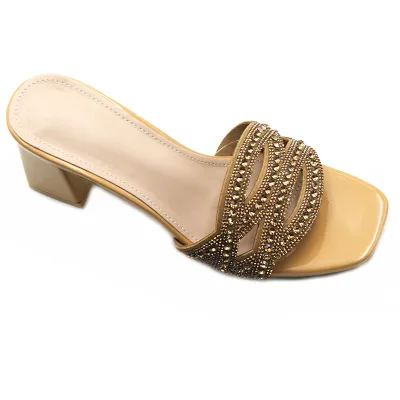
Comprehensive Sourcing Guide
Summer Outdoor High-Heeled Slippers Sourcing Guide
Sourcing summer outdoor high-heeled slippers requires careful alignment of aesthetic preferences with functional durability, particularly when targeting unisex markets or specific seasonal demands. The observed product landscape reveals a diverse range of styles, from chunky sporty slides to more refined garden shoes, all originating primarily from China, with Fujian emerging as a notable production hub. Buyers must navigate this variety by distinguishing between open-toe designs suitable for warm weather and closed-toe variants that offer broader seasonal utility. Understanding these distinctions is critical for ensuring that the selected footwear meets both the visual expectations of the end consumer and the practical requirements of outdoor use.
The market signals indicate a strong emphasis on versatility, with many listings featuring adjustable closures such as front rear straps or elastic bands to accommodate different foot shapes. This adaptability is crucial for reducing return rates in online retail channels where fit uncertainty is high. Furthermore, the presence of customization options and accepted OEM orders suggests that brands have significant latitude to tailor products to their specific identity. However, this flexibility comes with the responsibility of verifying that customizations do not compromise the structural integrity or safety standards of the final product, especially when dealing with high-heeled or thick-heel designs intended for outdoor environments.
Product Scope and Observed Listing Signals
The current catalog of summer outdoor high-heeled slippers encompasses a wide array of design elements, including print patterns, bow decorations, and specific heel types like thick or mid-height options. These aesthetic choices are often paired with functional materials such as EVA foam linings, which provide shock absorption and resilience, making them suitable for extended wear. The color palette typically includes versatile options like blue, white, and yellow, catering to diverse consumer tastes. Buyers should note that while many products are marketed for summer, spring, and autumn, some variants extend into winter, indicating a need for precise seasonal targeting in procurement strategies to avoid inventory mismatches.
Observations also highlight specific construction details such as anti-slip protrusions, grooves, or particles, which are essential for outdoor safety. The toe styles vary from open and round to pointed, allowing for nuanced design differentiation. Additionally, features like waterproofing and breathability are frequently cited, suggesting a focus on all-weather performance. The single package dimensions and gross weights provide logistical insights, with items like the FSSS240810020 model measuring 30x22x12 cm and weighing 0.3 kg. These physical attributes directly impact shipping costs and storage efficiency, making them key considerations for supply chain planning.
Technical Specifications to Verify
When evaluating technical specifications, buyers must prioritize the verification of heel height and stability, as high-heeled or thick-heel designs present unique balance challenges. The distinction between flat and mid-heel options should be clearly documented to ensure the product matches the intended use case, whether for casual outdoor strolls or more structured fashion statements. It is also essential to confirm the closure type, such as slip-on mechanisms or elastic bands, as these affect ease of use and fit security. Misalignment between the specified closure and the actual product can lead to customer dissatisfaction, particularly in unisex markets where foot width variations are common.
Material composition is another critical area for verification, with EVA foam being a common lining material noted for its shock-absorbing properties. Buyers should request material safety data sheets to confirm the quality and safety of these components, especially given the direct skin contact involved. Additionally, the presence of features like anti-microbial treatments and quick-dry functionalities should be validated through supplier documentation or third-party testing. The model numbers, such as AF347 or AF614, serve as unique identifiers, but buyers must ensure that these codes correspond to the exact specifications agreed upon in the purchase order to prevent fulfillment errors.
Compliance and Safety Documentation
Compliance with international safety standards is non-negotiable for footwear intended for outdoor use, particularly when high heels or thick heels are involved. Buyers must ensure that suppliers provide relevant test reports verifying the slip resistance of the outsole, which is critical for preventing accidents on wet or uneven surfaces. The presence of anti-slip designs, whether through protrusions or grooves, should be backed by empirical data demonstrating their effectiveness under various conditions. Without such documentation, the risk of liability increases significantly, especially if injuries occur due to inadequate traction.
Furthermore, material safety certifications are essential to ensure that the footwear does not contain harmful substances that could cause skin irritation or other health issues. Given the use of materials like EVA and potential waterproof coatings, buyers should request compliance with REACH or similar regulatory frameworks depending on the target market. The absence of specific certification names in the provided facts does not imply their lack; rather, it underscores the need for proactive verification. Buyers should explicitly ask for proof of compliance with relevant chemical and physical safety standards before finalizing any orders.
Cost Drivers and Commercial Terms
Cost structures for summer outdoor high-heeled slippers are influenced by several factors, including material quality, design complexity, and order volume. The observed price range of 0.3 to 12.1 USD reflects significant variation, likely driven by differences in heel height, decorative elements, and material thickness. Buyers should analyze these price points in conjunction with the minimum order quantities (MOQ), which range from 2 to 5000 units, to determine the most cost-effective procurement strategy. Higher MOQs may offer better unit prices but require greater capital commitment and storage capacity.
Lead times are another critical commercial term, with delivery times ranging from 45 to 50 days for some models. This extended timeline necessitates careful inventory planning to avoid stockouts or excess inventory. Buyers should also consider the packaging options, such as OPP bags or non-woven bags, as these can affect both product protection and perceived value. Negotiating clear terms regarding customization costs, sample fees, and payment schedules is essential to manage cash flow and mitigate financial risks associated with long production cycles.
Supplier Qualification and Quality Control
Supplier qualification should begin with a thorough assessment of their manufacturing capabilities and quality control processes. Given that many products originate from Fujian, China, buyers should verify the supplier’s experience in producing outdoor footwear and their ability to maintain consistent quality across batches. Requesting factory audits or third-party inspections can provide valuable insights into their production standards and ethical practices. Suppliers who accept OEM orders and offer customization should demonstrate robust design and engineering support to ensure that custom specifications are met accurately.
Quality control measures must be explicitly defined in the purchase agreement, including pre-production samples, in-line inspections, and final random inspections. Buyers should specify acceptable defect rates and procedures for handling non-conforming goods. The availability of customization options should be balanced with the supplier’s ability to maintain strict quality control over these customized elements. Establishing a clear communication channel for addressing quality issues promptly is crucial for maintaining product integrity and customer satisfaction throughout the supply chain.
Long-Term Procurement Checks
Long-term procurement success depends on continuous monitoring of supplier performance and market trends. Buyers should regularly review supplier delivery times, quality consistency, and responsiveness to issues to ensure they remain reliable partners. As fashion trends evolve, staying updated on new design elements, such as emerging heel styles or material innovations, can help maintain product relevance. Engaging in regular feedback loops with suppliers can facilitate continuous improvement and foster a collaborative relationship that benefits both parties.
Additionally, buyers should periodically reassess their cost structures and commercial terms to ensure they remain competitive. This includes evaluating alternative suppliers or materials that may offer better value or performance. Monitoring regulatory changes in target markets is also essential to ensure ongoing compliance. By maintaining a proactive approach to supplier management and market analysis, buyers can mitigate risks and capitalize on opportunities in the dynamic outdoor footwear sector.
FAQs
What materials are used for the lining and sole?
The lining material is EVA, and the sole features EVA foam for shock absorption. These components ensure the footwear remains lightweight while providing resilience and comfort during summer, spring, or autumn wear.
Can I customize the product specifications and packaging?
Yes, customization is available for this product line. Buyers can request specific packaging options such as OPP bags, non-woven bags, or cotton bags. OEM orders are also accepted to meet unique branding needs.
What is the typical delivery time for these slippers?
The standard delivery time ranges from 45 to 50 days. This lead time applies to the production and shipping process for orders placed with the manufacturer in Fujian, China, ensuring timely fulfillment.
Which heel types and styles are available for this model?
Available heel types include thick heels and mid heels, with some flat options. The style is described as chunky and sporty, featuring open toe designs suitable for outdoor use and various seasonal conditions.
Are these slippers waterproof and suitable for outdoor use?
Yes, the slippers are fully waterproof and designed for outdoor occasions. They feature anti-slip protrusions or grooves to ensure safety, making them ideal for summer, spring, autumn, and winter activities.
What sizes and colors are offered for this product?
The product comes in EUR sizes 35/36, 37/38, and 39/40. Color options include blue, white, and yellow. These variations allow buyers to select the best fit and style for their target market.