Source Super Sour Gummy Candy for Events, Retail, and Promotions
Find 30 listings for Super Sour Gummy Candy with customizable shapes and low-sugar options. Buyers can compare certifications like HACCP and FDA, packaging types, and MOQs from suppliers in China to find the best fit for their needs; compare the available evidence and request quotations based on your requirements.
Updated
Key considerations
Products List


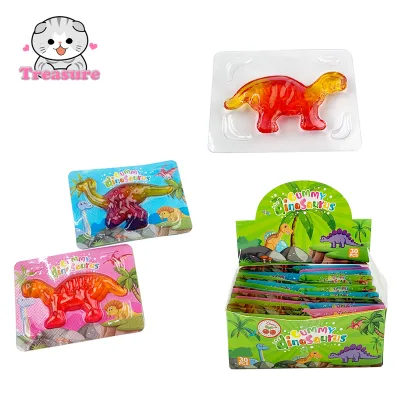
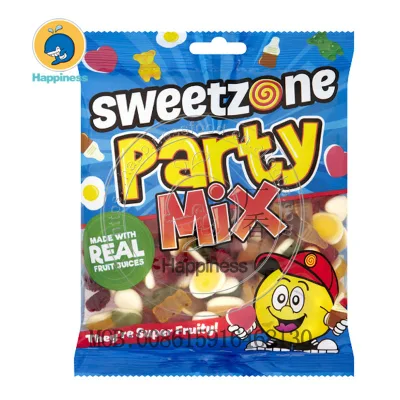
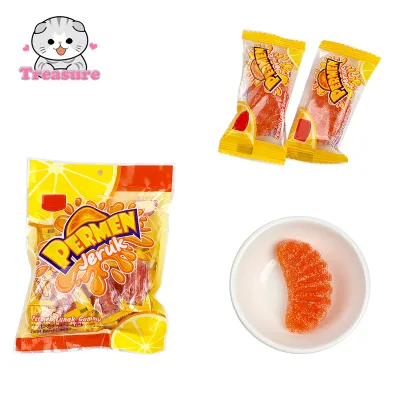


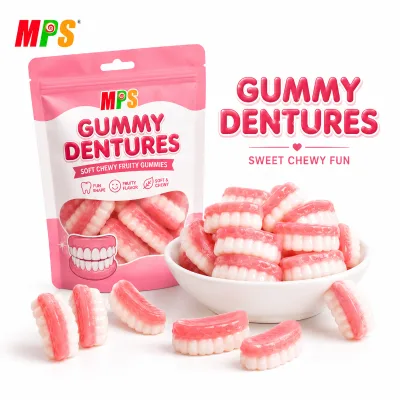
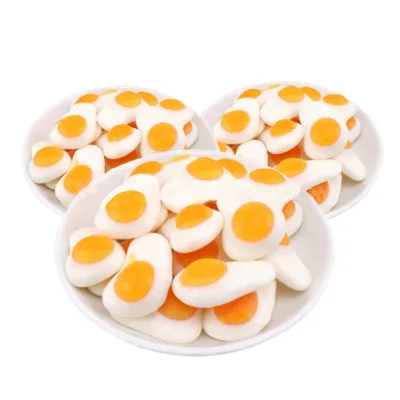


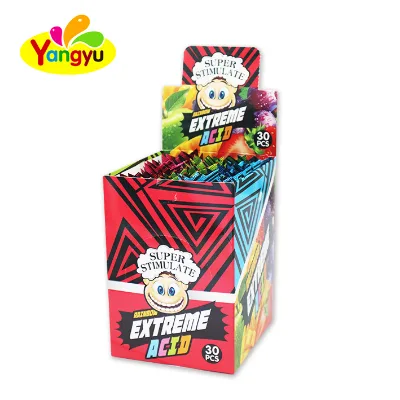
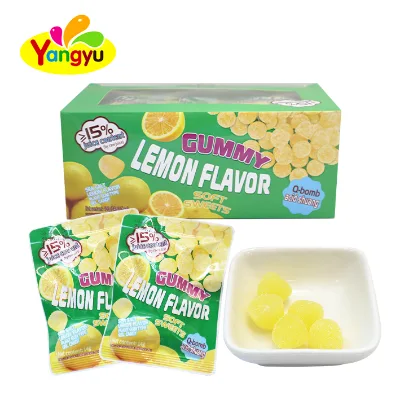
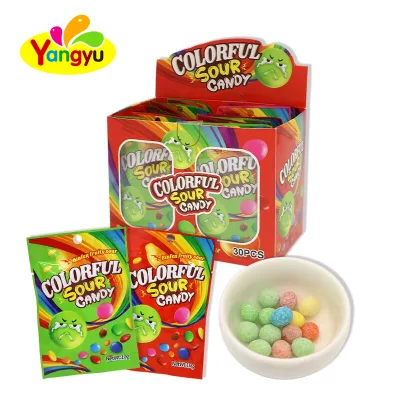
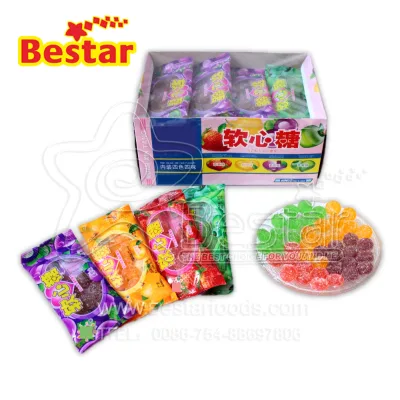
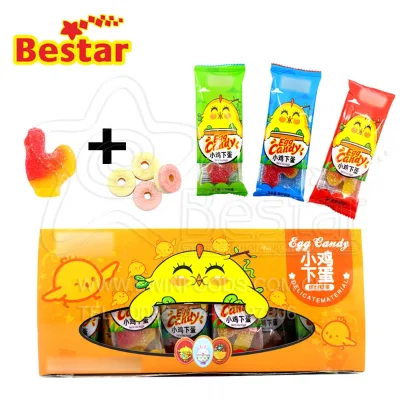
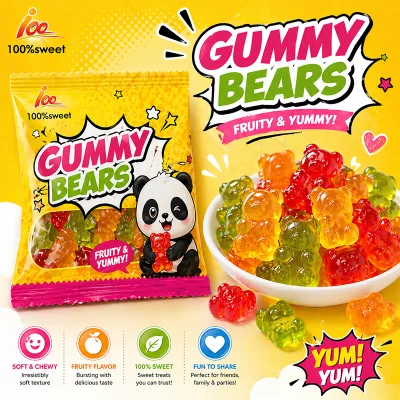
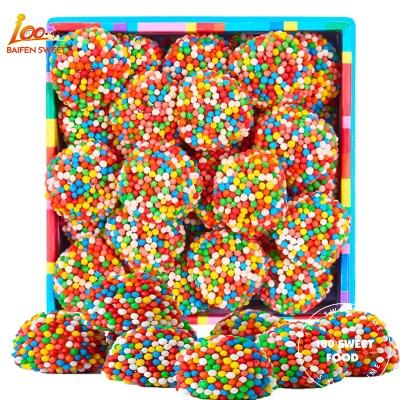
Comprehensive Sourcing Guide
Super Sour Gummy Candy Sourcing Guide
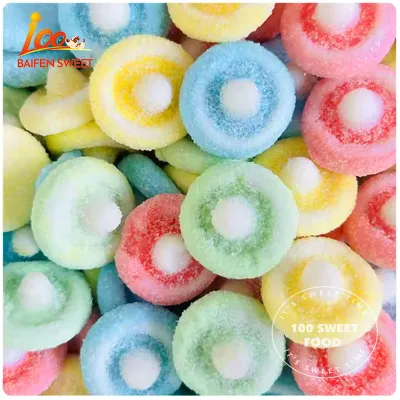
Sourcing Super Sour Gummy Candy requires identifying manufacturers that specialize in soft candy and jelly candy departments with specific customization capabilities. Buyers must verify that suppliers offer solid-form products with customizable shapes, such as fruit shapes, to meet diverse market demands. The observed product range includes models like HY-FG and RS-152, which indicate a variety of production lines capable of handling unique flavor profiles and textures.
Procurement teams should prioritize suppliers located in regions like Chaozhou or Haozhou, China, where established infrastructure supports high-volume output. It is critical to confirm that the supplier accepts samples and supports OEM or ODM requests, ensuring the final product aligns with specific brand requirements. The availability of customized packaging, ranging from bags to bottles, allows buyers to tailor the presentation for different retail channels and consumer preferences.
Product Scope and Observed Listing Signals
The market for Super Sour Gummy Candy features a wide price range, observed between 0.06 and 200 USD, reflecting variations in ingredient quality, packaging complexity, and order volume. Buyers must analyze the minimum order quantity (MOQ), which spans from 1 to 80,000 units, to determine the financial feasibility of their initial procurement strategy. Understanding these financial thresholds helps in negotiating better terms and managing cash flow effectively during the early stages of the supply chain relationship.
Product listings indicate a strong focus on low-sugar formulations and fruit flavors, catering to health-conscious consumers and specific dietary preferences. The observed shelf life varies between 12 and 24 months, depending on the specific storage method and packaging integrity required for the product. Buyers should carefully review the standard specifications, such as 3g per piece or 5g per piece configurations, to ensure the portion sizes match their target demographic and retail pricing models.
Technical Specifications to Verify
Technical verification begins with confirming the physical form and shape of the gummy candy, which must be solid and potentially customizable to specific designs like fruit shapes. Buyers need to ensure the supplier can produce models such as YX-GC00211 or YX-GC00220 with precise weight and count standards, such as 60 pieces per bottle or 24 bags per carton. These specifications are essential for maintaining consistency in production and ensuring that the final product meets the expected quality and quantity expectations of the buyer.
Storage requirements are a critical technical parameter, with observed methods ranging from normal storage to frozen conditions and cold dry places. Procurement teams must validate that the supplier's logistics and packaging materials, including plastic or paper options, are compatible with the required storage environment to preserve product integrity. The choice between standard packaging and customized cartons or trays should be aligned with the specific shelf life and stability needs of the Super Sour Gummy Candy being sourced.
Compliance and Safety Documentation
Compliance verification is paramount when sourcing gummy candies, particularly those intended for younger demographics or specific age groups like children up to three years old. Buyers must demand evidence of certifications such as HACCP, ISO, and HALAL, which are frequently observed in the product listings and indicate adherence to rigorous safety and quality management systems. These certifications serve as a baseline assurance that the manufacturing processes meet international standards for food safety and hygiene.
Additional regulatory compliance includes FDA certification, which is essential for products entering the United States market. Procurement teams should request detailed documentation proving that the supplier's facilities and production lines are fully certified and that the products have undergone necessary testing. It is crucial to verify that the specific product models, such as A-L-516 or #L007, are produced under these certified conditions to mitigate the risk of regulatory non-compliance and potential market recalls.
Cost Drivers and Commercial Terms
Cost drivers in the Super Sour Gummy Candy market are heavily influenced by the level of customization required, including unique shapes, flavors, and packaging materials. Buyers should anticipate that customized standards and packaging, such as specific carton configurations or tray designs, will incur higher costs compared to standard specifications. Understanding these variables allows procurement teams to budget accurately and negotiate effectively with suppliers who offer flexible production capabilities.
Commercial terms must clearly define the sample acceptance policy and the support for OEM or ODM services, which are key factors in the total cost of ownership. The observed MOQ ranges from single units to large bulk orders, providing flexibility for different business scales but requiring careful planning to optimize unit costs. Buyers should also consider the lead times and shipping logistics associated with the product origin, ensuring that the commercial agreement accounts for all potential delays and additional expenses.
Supplier Qualification and Quality Control
Supplier qualification involves a thorough assessment of the manufacturer's ability to maintain consistent quality across different product models and specifications. Buyers should verify that the supplier has a robust quality control system in place, capable of handling the diverse requirements of soft candy and jelly candy production. This includes checking for adherence to standard specifications and the ability to implement customized standards without compromising the integrity of the final product.
Quality control protocols must extend to the packaging materials and methods used, ensuring that plastic, paper, or carton packaging meets the necessary durability and safety standards. Procurement teams should request evidence of the supplier's ability to maintain product freshness and stability over the observed shelf life of 12 to 24 months. Regular audits and quality checks are essential to ensure that the supplier consistently delivers products that meet the agreed-upon specifications and safety requirements.
Long-Term Procurement Checks
Long-term procurement success relies on establishing a reliable supply chain that can adapt to changing market demands and consumer preferences. Buyers should maintain regular communication with suppliers to monitor production capacity, inventory levels, and any potential disruptions that could affect the supply of Super Sour Gummy Candy. Building a strong relationship with the supplier ensures that the buyer can rely on consistent quality and timely delivery over the long term.
Continuous monitoring of compliance and safety documentation is essential to ensure ongoing adherence to regulatory standards and certifications. Buyers should periodically review the supplier's performance against key metrics such as defect rates, delivery times, and customer satisfaction. By maintaining a proactive approach to supplier management, procurement teams can mitigate risks and ensure a steady supply of high-quality Super Sour Gummy Candy for their market.
FAQs
Can I customize the shape and packaging for Super Sour Gummy Candy?
Yes, customization is available for both shape and packaging. You can choose from fruit shapes or other customizable forms. Packaging options include bags, bottles, trays, or cartons. Standard or customized specifications are supported to meet your specific branding and product requirements.
What certifications do these gummy candies typically hold?
These products commonly hold HACCP, ISO, and HALAL certifications. Some listings also include FDA certification. These credentials ensure compliance with international food safety standards, making them suitable for global distribution and meeting regulatory requirements in various international markets.
What is the shelf life and storage requirement for this candy?
The shelf life ranges from 12 to 24 months depending on the specific product variant. Storage methods vary, with some items requiring a normal storage method while others need a frozen or cold dry place. Always check the specific product details for accurate storage instructions.
Where are these gummy candies manufactured and what is the origin?
These candies are manufactured in China, with specific origins listed as Chaozhou and Haozhou. The products are designed for the global market, ensuring wide availability. Buyers can source directly from these Chinese locations, leveraging established manufacturing hubs for quality and efficiency in production.
What are the typical MOQ and pricing ranges for bulk orders?
The observed MOQ ranges from 1 to 80,000 units, offering flexibility for various order sizes. Prices range from 0.06 to 200 USD, depending on specifications and quantity. These ranges allow buyers to find options suitable for both small trials and large-scale industrial procurement needs.
Does the supplier support OEM and ODM services for branding?
Yes, OEM and ODM services are supported. The supplier accepts customization requests, allowing you to develop unique products. This includes tailored specifications and packaging designs. Buyers can collaborate with the manufacturer to create branded gummy candies that align with their specific market positioning and brand identity.