vitamin c multi-colored gummy candy Suppliers and Manufacturers
Explore 24 verified options for vitamin c multi-colored gummy candy from Guangdong and Anhui factories. Compare lead times, certifications like ISO and HACCP, and pricing ranges to find suitable partners. Contact suppliers directly to request samples and confirm customization details.
Updated
Suppliers List

Guangdong Haiyi Health Technology Co., Ltd.
- Verified by SGS
- Combined
- China Guangdong
- Lead time15 days
- Avg. response≤ 15h
Main marketsSouth America,Southeast Asia/ Mideast,East Asia(Japan/ South Korea),Europe,North America

Anhui Yudong Nutritional Food Co., Ltd
- Verified by CTI
- Combined
- China Anhui
- Lead time15 days
- Avg. response≤ 3h
Main productsSoft Candy, Gummy Candy, Gummy, Lutein Gummies, Iron Rich Gummies, Blueberry Gummies, Gallus Gizzard Membrane Gummies, Hawthorn Gizzard Membrane Gummies, Chicken Gizzard Lining
Main marketsDomestic


Factory Wholesale Rich Vitamin C Orange Gummy Candy with Custom Packaging
$0.0075 - $0.01
MOQ: 5000 Pieces

Guangzhou Ludingji Medical Technology Co., Ltd.
- Manufacturer
- Guangdong, China
- Lead time20 days
- Avg. response≤ 5h
Main productsGummy,Drops,Vitamins,Capsules,Powder
Main marketsNorth America(50.00%), Eastern Asia(5.00%), Mid East(5.00%), South Asia(5.00%), Africa(5.00%), Southeast Asia(5.00%), Southern Europe(5.00%), South America(5.00%), Northern Europe(3.00%), Domestic Market(3.00%), Oceania(3.00%), Central America(2.00%), Western Europe(2.00%), Eastern Europe(2.00%)
Guangzhou Ludingji Pharmaceutical Co., Ltd.
- Verified by TüVRheinland
- Trading Company
- Lead time0 days
- Avg. response≤ 4h
Main productsGummies, Capsules, Sofgel, Collagen Powder, Drop
Main marketsNorth America(15%), Western Europe(15%), Eastern Europe(10%)
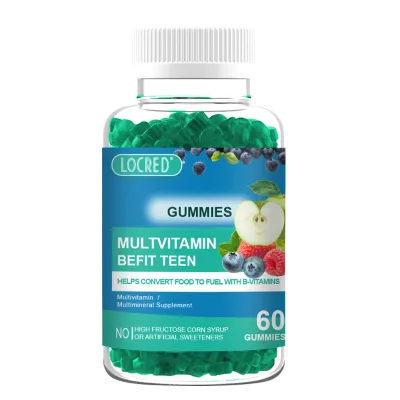
Hot Sale OEM Multivitamin Gummies Fruit Flavor Chewable Candy for Women Beauty
$1.7557 - $2.0448
MOQ: 500 pieces
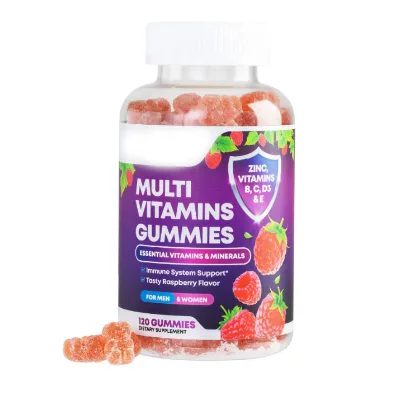
Blimey (shanghai) Life Technology Co., Ltd.
- Verified by SGS Group
- Manufacturer, Trading Company
- Lead time20 days
- Avg. response≤ 3h
Main productsTablet, Capsule/Softgel, Solid Beverage, Gummy, Oral Liquid
Main marketsNorth America(50%)
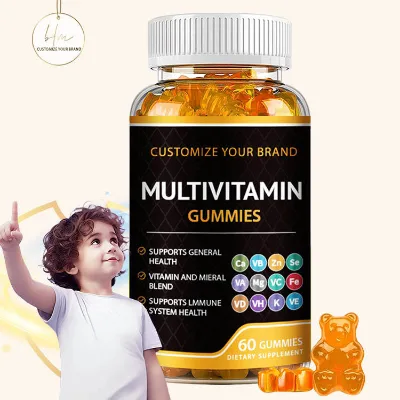
Custom Multivitamin Gummy Candy with Zinc & Vitamin for Children's Immune Support
$1.847 - $2.2575
MOQ: 2000 units
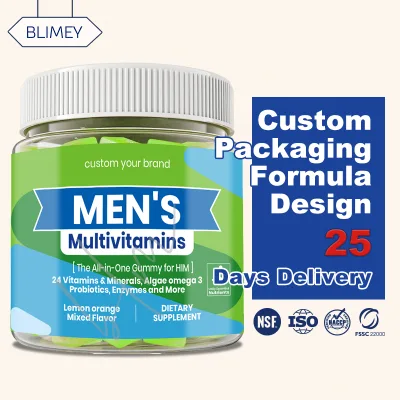
Hot New Products Complex Vitamin C Plant Based Adult Multivitamin Gummy Candy for Men
$1.80 - $2.20
MOQ: 2000
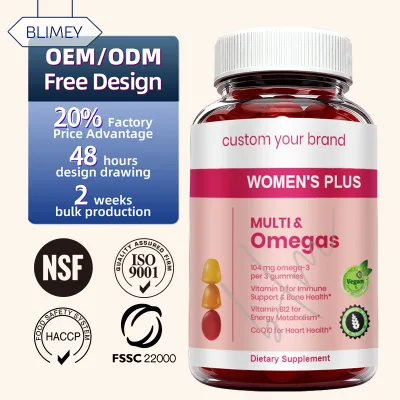
OEM Sugar Free Daily Nutritional Gummy Candy Multivitamin for Women and Adult Use Improve Immunity
$1.85 - $2.2605
MOQ: 2000 units
Xiamen Naturalife Industry Co., Ltd.
- Verified by TüVRheinland
- Manufacturer, Trading Company
- Lead time30 days
- Avg. response≤ 3h
Main productsSprinkles, Gummies
Main marketsNorth America(60%), South America(20%), Western Europe(20%)

Guangzhou Boyida Biology Science And Technology Co., Ltd.
- Trading Company
- Guangdong, China
- Lead time15 days
- Avg. response≤ 7h
Main productsgummy,powder,softgel,health care product,oral drink
Main marketsSoutheast Asia(30.00%), North America(30.00%), South America(10.00%), Eastern Europe(5.00%), Mid East(2.00%)
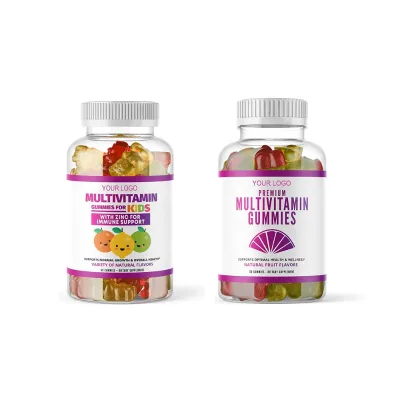
$1.90 - $3.00
MOQ: 100 pieces
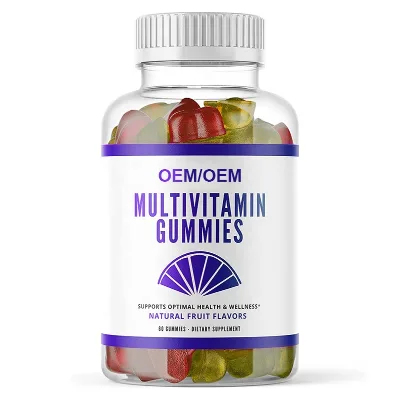
$1.90 - $3.00
MOQ: 100 pieces
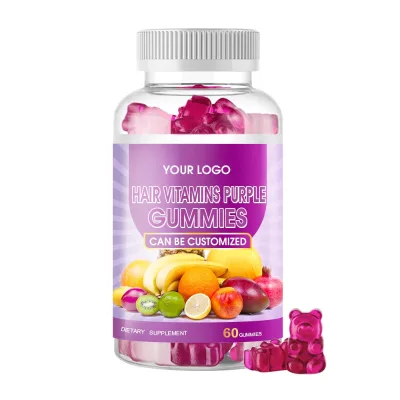
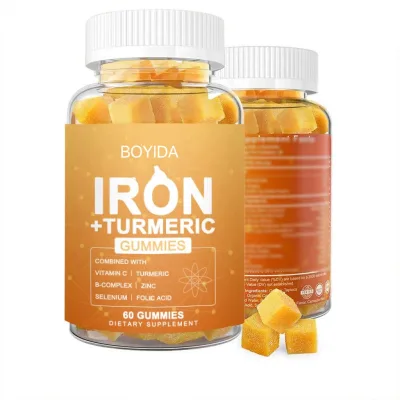
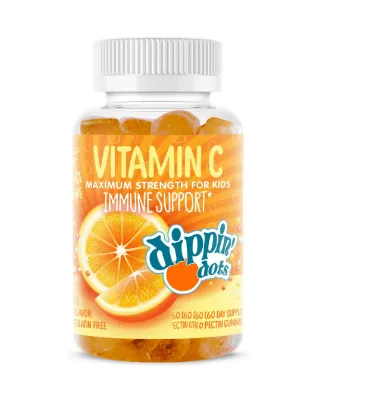
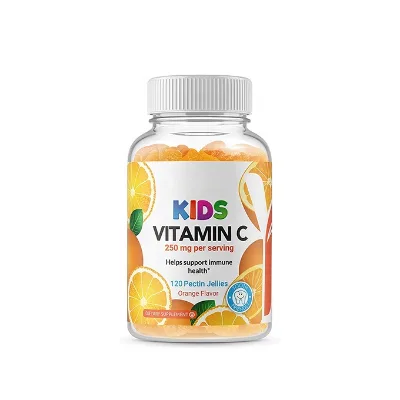
Manufacturers Organic Kids Multivitamin Gummy Candy Omega 3 Vegan Sugar Free Vitamin Gummies
$2.9645 - $4.088
MOQ: 100 pieces

Jiangsu Handian Biotechnology Co., Ltd.
- Verified by BV
- Combined
- China Jiangsu
- Lead time23 days
- Avg. response≤ 18h
Main productsEffervescent Tablet, Vitamin Gummy, Chewable Tablet, Powder Supplement, Softgel&Capsule, Pet Supplement, Sports Nutrition, Collagen Supplement, Whey Protein, Weight Loss
Main marketsSouth America,Africa,Southeast Asia/ Mideast,Europe,Australia,North America
Guangzhou Kangmeihui Biological Technology Co., Ltd.
- Verified by Intertek
- Trading Company
- Lead time25 days
- Avg. response≤ 3h
Main productsPowder, Drink, Gummies, Capsules, Tablets
Main marketsAfrica(45%), North America(15%), Western Europe(12%)
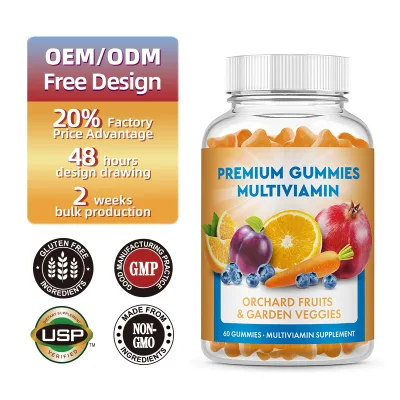
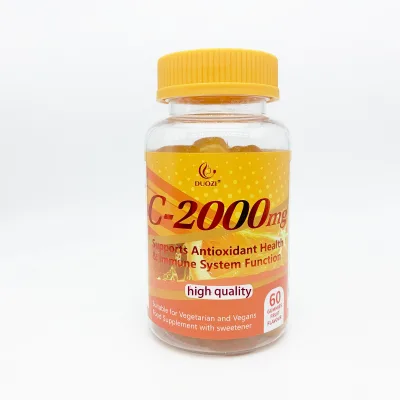
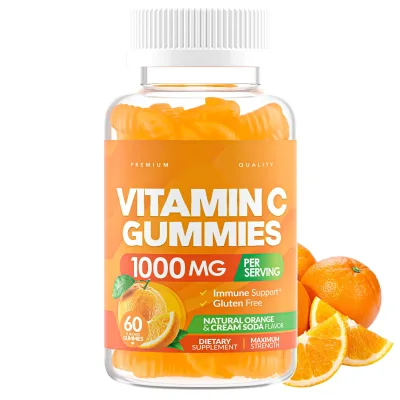
OEM Vitamin C 2000mg Vitamin c Candy Gummy Bear Vitamin Supplement Gummies
$1.8725 - $3.1188
MOQ: 5 pieces
Mandu Pharmaceutical (Zhengzhou) Co., Ltd.
- Verified by TüVRheinland
- Trading Company
- Henan, China
- Lead time15 days
- Avg. response≤ 2h
Main productsGummies, Capsules, Powder, Solid Drink, Tablets
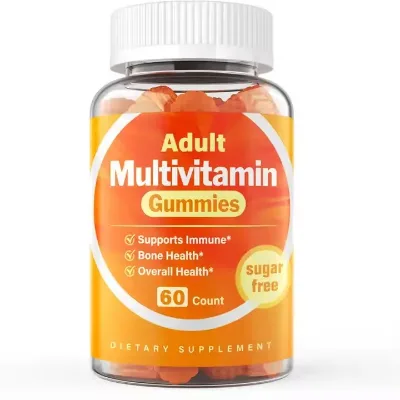
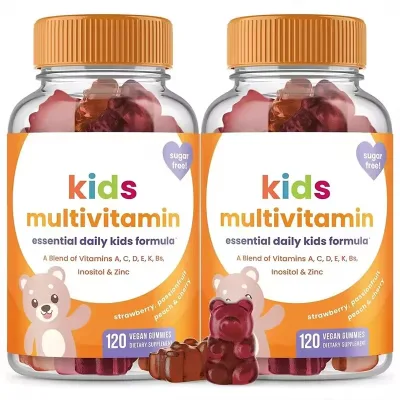
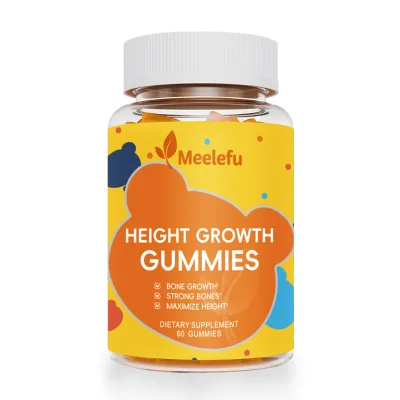
Calcium Vitamin Height Gummy Candy 60 Count with Vitamin D3 K2 Calcium, Magnesium, Zinc
$1.50 - $2.80
MOQ: 1000

LABIXIAOXIN(FUJIAN)FOODS INDUSTRIAL CO., LTD.
- Verified by BV
- Manufacturer/Factory
- China Fujian
- Lead time0 days
- Avg. response≤ 7h
Main productsJelly, Candy, Chocolate, Marshmallow, Gummy
Main marketsSouth America,Eastern Europe,Mid East,North America,Southeast Asia,Africa
Guangdong Changcheng Pharmaceutical Biotechnology Co., Ltd.
- Verified by SGS Group
- Manufacturer, Trading Company
- Lead time10 days
- Avg. response≤ 5h
Main productsTablet, Drops, Capsules, Resin & Gel, Soft Candy
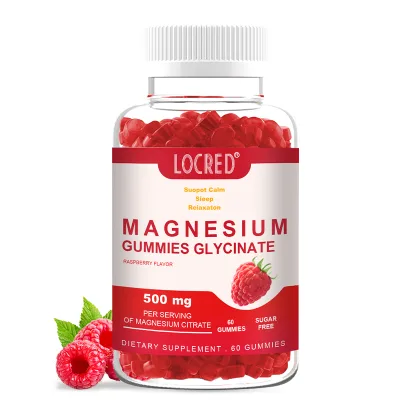
Private Label Bear Gummy Candy Calcium Magnesium Glycinate Sodium Vitamin Gummies Supplement
$1.50 - $1.80
MOQ: 500 pieces

Shenzhen Lifegarden Nutrition Co., Ltd.
- Trading Company
- Guangdong, China
- Lead time12 days
- Avg. response≤ 2h
Main productsDietary Supplement, Gummies, Tablets, Capsules, Powder
Main marketsNorth America(30.00%), Western Europe(28.00%), Southeast Asia(20.00%), Oceania(15.00%), Eastern Asia(3.00%), Southern Europe(1.00%), Northern Europe(1.00%), Mid East(1.00%)
Guangzhou Linnuo Pharmaceutical Co., Ltd.
- Verified by TüVRheinland
- Manufacturer, Trading Company
- Lead time15 days
- Avg. response≤ 1h
Main productsGummy, Powders, Capsules, Solid Drink, Tablets
Main marketsNorth America(30%), Western Europe(30%), South America(10%)

Shandong Shiyi Trading Co., Ltd.
- Verified by CTI
- Trading Company
- China Shandong
- Lead time15 days
- Avg. response≤ 17h
Main productsHealth and Care, Cosmetics
Main marketsAfrica,Europe,North America

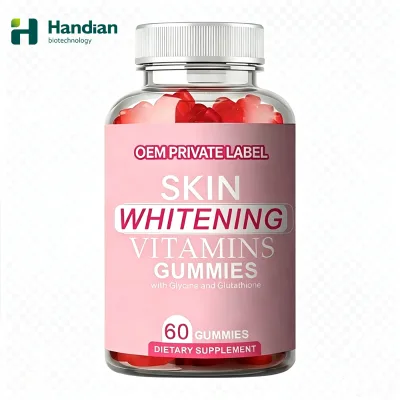
Skinwhitening Gummy Candy - Multi-Fruit Vitamin Candy OEM. Health Supplement.
$2.00 - $3.50
MOQ: 500 Pieces

- Trading Company
- Tianjin, China
- Lead time30 days
- Avg. response≤ 4h
Main productsLycopene Soft Capsule, Propolis Soft Capsule, Fish Oil Softgels, Magnesium & Iron & Zinc & Selenium & Vitamin E Soft Capsule, Aminobutyric Acid Protein Tablet
Main marketsEastern Europe(32.00%), North America(12.00%), South America(10.00%), Western Europe(10.00%), Southern Europe(10.00%), Mid East(10.00%), Southeast Asia(10.00%), Domestic Market(6.00%)

Guangzhou Shengmei Pharmaceutical Industry Co., Ltd
- Verified by SGS
- Combined
- China Guangdong
- Lead time15 days
- Avg. response≤ 4h
Main productsGummies, Drink, Capsule, Jelly, Oral Film
Main marketsDomestic,Europe,North America


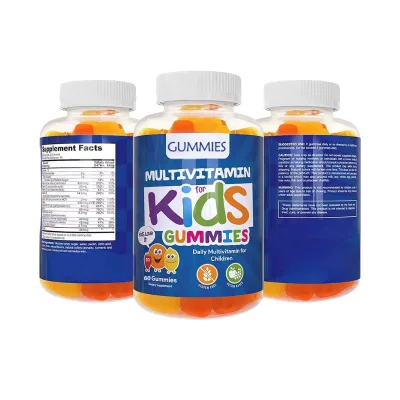
Multivitamin Gummy for Children Vitamin D Gummies Vitamin C Gummies for Kids
$0.02 - $0.08
MOQ: 50000 Pieces
Jiangsu Handian Biotechnology Co., Ltd.
- Verified by TüVRheinland
- Manufacturer, Trading Company
- Lead time40 days
- Avg. response≤ 7h
Main productsVitamin Effervescent Tablet, Chewable Tablet, Powder Supplement, Softgel & Capsule
Main marketsNorth America(30%), Eastern Europe(10%), Southeast Asia(10%)
Zhengzhou Kunjing Trading Co., Ltd.
- Verified by Intertek
- Trading Company
- Lead time0 days
- Avg. response≤ 1h
Main productsGummy, Tablets, Pre-packed Food
Main marketsNorth America(40%), Western Europe(30%), Southeast Asia(20%)

Miteyo(Shenzhen)BiotechnologyCo.,Ltd.
- Verified by SGS
- Trading Company
- China Guangdong
- Lead time15 days
- Avg. response≤ 3h
Main productsNutrition, Hesupplementrbal, Sports Nutrition, Gummies, Capsules, Tablets, Powder, Softgels, Drops
Main marketsDomestic
Xi'an Herborn Biotechnology Co., Ltd.
- Trading Company
- Shaanxi Province, China
- Lead time7 days
- Avg. response≤ 2h
Main productsMoringa powder,Moringa Capsules,Magnesium glycinate,Maca capsules,Mushroom coffee
Main marketsNorth America(20.00%), Mid East(10.00%), South Asia(10.00%), Northern Europe(10.00%), Eastern Europe(10.00%), South America(10.00%), Domestic Market(5.00%), Africa(5.00%), Southeast Asia(5.00%), Central America(5.00%), Western Europe(5.00%), Eastern Asia(5.00%)
Guangxi Kaitai Biotechnology Co., Ltd.
- Verified by SGS Group
- Manufacturer, Trading Company
- Lead time8 days
- Avg. response≤ 3h
Main productsSkin Care Product, Dietary Supplement, Honey Products, 3-in-1 Coffee, Gummy Candy
Main marketsNorth America(35%), Oceania(25%), Western Europe(25%)

CHAOZHOU QIAOXIANG FOODSTUFF FACTORY
- Verified by BV
- Trading Company,Manufacturer/Factory
- China Guangdong
- Lead time30 days
- Avg. response≤ 15h
Main productsLollipop, Candy, Hard Candy, Fruit Candy, Confectionery, Sweets, Candy Relating Items
Main marketsSouth America,Eastern Europe,Mid East,North America,Southeast Asia,Eastern Asia,Oceania,Western Europe,Africa

Jinjiang Xiexiang Trade Corp., Ltd.
- Verified by CTI
- Trading Company
- China Fujian
- Lead time30 days
- Avg. response≤ 23h
Main productsCandy, Confectionary, Sweet, Chocolate, Snack, Food, Bubble Gum, Lollipop, Milk Candy, Spray Candy
Main marketsAfrica,Southeast Asia/ Mideast,East Asia(Japan/ South Korea)


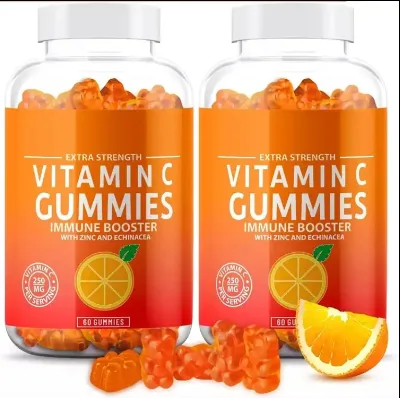
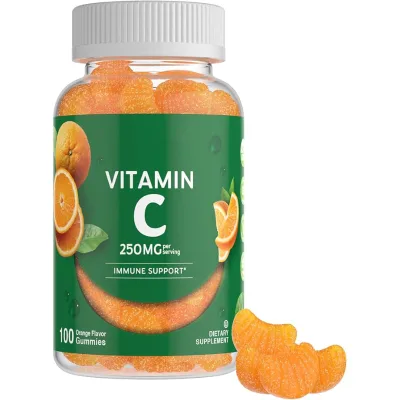
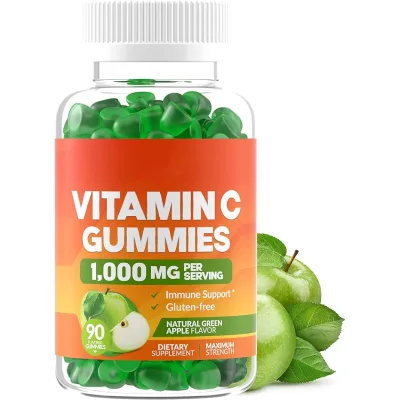
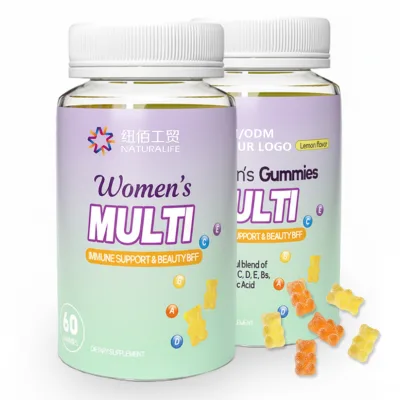
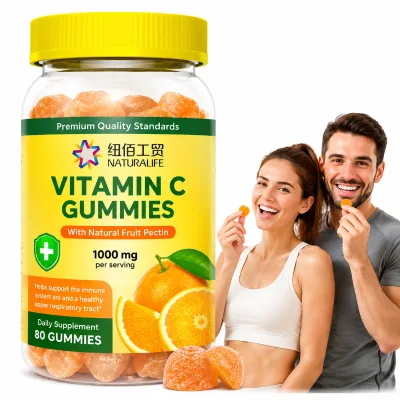


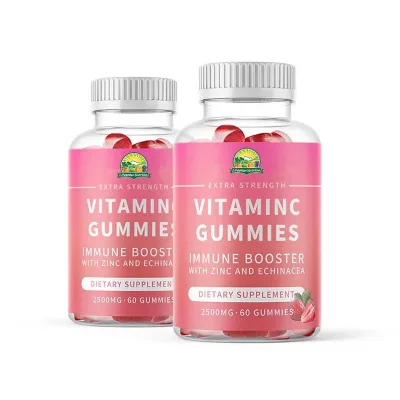
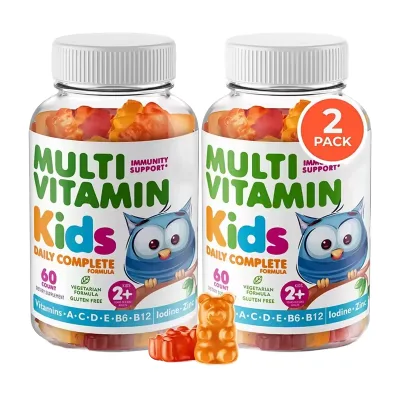
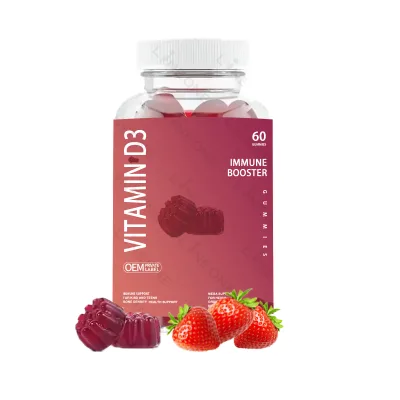
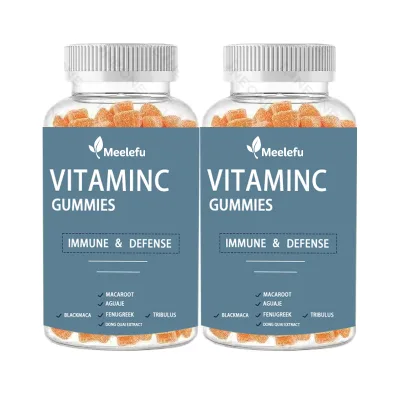
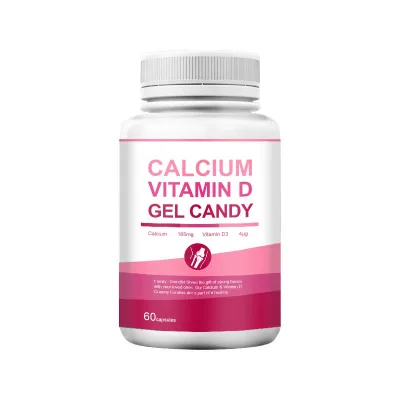
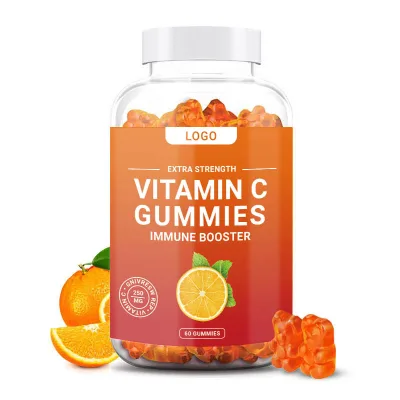




Comprehensive Sourcing Guide
Vitamin C Multi-Colored Gummy Candy Supplier Concentration and Factory Types
The current supplier landscape for Vitamin C Multi-Colored Gummy Candy reveals a distinct geographic concentration in China, with significant manufacturing activity reported in Guangdong and Anhui provinces. Guangdong-based entities often operate as combined companies or manufacturers, leveraging established industrial clusters to support both OEM and ODM capabilities. These suppliers frequently highlight their ability to produce soft candy and jelly candy varieties, including specific formulations like low-sugar options or those enriched with additional nutrients such as lutein or iron. The presence of verified entities in this region suggests a mature supply chain infrastructure capable of handling complex customization requests, from flavor profiles to packaging designs. Buyers evaluating this region should note that many suppliers here offer a broad range of main products, extending beyond simple gummies to include drops, vitamins, and powders, which indicates a versatile production environment. This diversity allows for potential consolidation of orders if a buyer requires multiple supplement formats. The concentration in Guangdong also implies access to specialized raw material suppliers and logistics networks, which can streamline the production process for multi-colored, fruit-juice flavored soft candies. However, the specific establishment years of these factories are not uniformly disclosed in the available data, so buyers must independently verify the operational history and stability of each potential partner. The focus on combined company types in this region suggests a hybrid model where trading expertise meets manufacturing capability, potentially offering more flexible communication channels for international buyers.
In contrast, suppliers located in Anhui province present a different operational profile, often focusing on specific nutritional gummies such as lutein or iron-rich variants. These entities may operate under different verification standards, such as CTI, and might have varying levels of system certification disclosure. Some suppliers in this region explicitly state that they have no system certification listed, which requires careful due diligence regarding quality management systems. The product evidence from these locations often highlights features like solid form, plastic bottle packaging, and specific brand acceptance policies. This suggests that some manufacturers in Anhui are more oriented towards private label solutions or specific health-focused product lines rather than generic confectionery. The distinction between manufacturer and combined company types is crucial here, as it affects the buyer's ability to negotiate directly on production costs versus service fees. Buyers should assess whether the supplier's main product list aligns with their specific need for Vitamin C gummies, as some may specialize in other functional ingredients. The geographic spread across these two provinces offers buyers a choice between established confectionery hubs and specialized nutritional supplement manufacturers. Understanding this regional nuance helps in targeting the right supplier type for specific project requirements, whether prioritizing cost-effective mass production or specialized health-focused formulations.
How to Verify Vitamin C Multi-Colored Gummy Candy Suppliers
Verification of suppliers for Vitamin C Multi-Colored Gummy Candy requires a multi-layered approach that goes beyond basic profile checks. Buyers should prioritize suppliers who have undergone third-party verification processes, such as those conducted by SGS or CTI. These verifications provide a baseline of trust regarding the supplier's business legitimacy and operational capacity. For instance, some suppliers in the current results are verified by SGS, indicating a certain level of scrutiny regarding their business practices and potentially their production facilities. Others may be verified by CTI, which often focuses on testing and inspection services. It is essential to understand what specific aspects of the supplier's operation were verified, as this can vary between agencies. Additionally, system certifications such as ISO9001:2015 are critical indicators of a supplier's commitment to quality management. Suppliers displaying this certification are likely to have standardized processes for production, which is vital for maintaining consistency in multi-colored gummy products where visual appeal and texture are key selling points. Buyers should request copies of these certificates and verify their validity through the issuing bodies. Furthermore, product-specific certifications like HACCP, FDA, ISO, HALAL, and BRC are crucial for ensuring that the gummies meet international safety and religious dietary standards. These certifications are often listed in the product attributes and serve as a strong signal of the supplier's ability to export to regulated markets.
Beyond certifications, buyers must assess the supplier's responsiveness and transparency. The response time metric provides insight into the supplier's operational efficiency and customer service quality. A response time of under five hours, as seen with some suppliers, suggests a highly responsive team capable of addressing urgent inquiries or custom requests quickly. In contrast, longer response times may indicate potential delays in communication, which can be problematic during the negotiation and sampling phases. Buyers should also look for evidence of customization capabilities, such as the availability of OEM and ODM services. Suppliers that explicitly state "Customization: Available" and offer options for standard or customized packaging and specifications are better positioned to meet unique brand requirements. It is also important to verify the supplier's main products to ensure they have relevant experience with gummy candies. A supplier whose main products include soft candy, gummy candy, and vitamins is more likely to have the necessary expertise than one focused on unrelated categories. Buyers should request detailed product portfolios and case studies to validate these claims. Additionally, checking for any discrepancies between the supplier's stated capabilities and their actual product listings can help identify potential red flags. Consistency in product descriptions, such as shelf life and storage methods, further reinforces the supplier's professionalism and attention to detail.
What to Compare Across Vitamin C Multi-Colored Gummy Candy Suppliers
When evaluating multiple suppliers for Vitamin C Multi-Colored Gummy Candy, buyers must systematically compare key operational and commercial metrics to identify the most suitable partner. One of the most critical factors is the Minimum Order Quantity (MOQ), which can vary significantly across suppliers. For example, some suppliers may have an MOQ of 500 units, making them suitable for small-scale testing or niche market entries, while others may require an MOQ of 5000 units, which is better suited for large-volume distribution. Understanding these thresholds is essential for aligning supplier capabilities with the buyer's inventory strategy and financial resources. Alongside MOQ, the price range per unit is a decisive factor. Prices can range from as low as $0.006 to over $4.00 per unit, depending on the product's complexity, ingredients, and packaging. Buyers should analyze these price points in conjunction with the MOQ to determine the total cost of ownership. A lower price per unit with a high MOQ might be more cost-effective for large orders, whereas a higher price with a low MOQ could be preferable for initial market testing. Additionally, lead times are crucial for supply chain planning. Suppliers with lead times of 15 to 20 days offer different flexibility levels, impacting the buyer's ability to respond to market demand fluctuations. Buyers should compare these lead times against their sales forecasts to ensure timely delivery.
Another vital aspect of comparison is the supplier's customization capabilities and product specifications. Buyers should assess whether the supplier offers standard specifications or allows for customized formulations, such as low-sugar options or specific vitamin concentrations. The availability of ODM and OEM services is also a key differentiator, allowing buyers to create unique products that stand out in the market. Packaging options, including standard or customized packaging, and storage methods should be evaluated to ensure they meet the buyer's logistical and branding needs. Furthermore, the supplier's response time can impact the efficiency of the sourcing process. Suppliers with faster response times, such as those under three hours, can facilitate quicker decision-making and problem resolution. Buyers should also consider the supplier's main product focus, as those specializing in gummy candies and vitamins are likely to have more relevant expertise and quality control measures. By systematically comparing these dimensions, buyers can create a weighted scoring model to objectively rank suppliers. This approach helps in identifying suppliers that not only meet the basic requirements but also offer the best value proposition in terms of cost, flexibility, and service quality. It is important to document these comparisons to support internal decision-making processes and ensure transparency in supplier selection.
Common Vitamin C Multi-Colored Gummy Candy Sourcing Risks
Sourcing Vitamin C Multi-Colored Gummy Candy involves several inherent risks that buyers must proactively manage to ensure a successful procurement outcome. One significant risk is the variability in product quality and consistency, particularly when dealing with multi-colored and flavored gummies. The visual appeal and taste of these products are critical, and any deviation from the agreed-upon standards can lead to customer dissatisfaction and brand damage. Buyers should be aware that some suppliers may not have comprehensive system certifications, which can indicate potential gaps in quality management. For instance, suppliers with no listed system certification require additional scrutiny to ensure they adhere to international safety standards. Another risk is the discrepancy between sample quality and mass production output. Buyers must ensure that the samples provided are representative of the final product, as differences in texture, color, or flavor can occur during large-scale manufacturing. This risk is heightened when working with suppliers who have high MOQs, as the cost of rejecting a large batch can be substantial. To mitigate this, buyers should request detailed production specifications and conduct rigorous quality checks upon receipt of goods.
Additionally, there is a risk associated with supply chain disruptions and logistical delays. Suppliers located in different regions may face varying challenges related to raw material availability, labor shortages, or transportation bottlenecks. Buyers should assess the supplier's resilience to such disruptions by inquiring about their backup plans and inventory management strategies. Another potential risk is the lack of transparency in pricing and terms. Some suppliers may offer low initial prices but incur hidden costs through shipping, tariffs, or additional customization fees. Buyers should request a comprehensive breakdown of all costs to avoid unexpected expenses. Furthermore, the risk of intellectual property infringement is a concern when working with OEM suppliers. Buyers must ensure that their brand designs and formulations are protected through appropriate legal agreements. It is also important to verify the supplier's compliance with local and international regulations, such as FDA or HACCP standards, to avoid legal issues in the target market. By identifying and addressing these risks early in the sourcing process, buyers can establish a more secure and reliable supply chain for their Vitamin C Multi-Colored Gummy Candy products.
Vitamin C Multi-Colored Gummy Candy Regional Sourcing and Logistics
The geographic location of suppliers plays a pivotal role in the logistics and overall cost structure of sourcing Vitamin C Multi-Colored Gummy Candy. Suppliers based in Guangdong, China, benefit from a well-developed industrial ecosystem and proximity to major ports, which can facilitate efficient export operations. This region's concentration of combined companies and manufacturers suggests a competitive market with diverse service offerings, potentially leading to faster turnaround times and more flexible logistics solutions. Buyers sourcing from Guangdong should consider the advantages of established supply chains, which often include reliable freight forwarding services and streamlined customs clearance processes. However, it is essential to verify the specific port of loading and the supplier's experience with international shipping to ensure smooth transit. On the other hand, suppliers in Anhui province may offer different logistical considerations, potentially involving inland transportation routes. Buyers should assess the impact of these regional differences on delivery times and costs, as inland locations might require additional handling and transit time. Understanding the logistical landscape of each region helps buyers make informed decisions about supplier selection and inventory management.
Logistics planning also involves evaluating the supplier's packaging and storage capabilities, which directly impact product integrity during transit. Gummy candies are sensitive to temperature and humidity, so suppliers must provide appropriate packaging solutions to maintain quality. Buyers should inquire about the storage methods recommended by the supplier, such as normal storage conditions, and ensure that the packaging is robust enough to withstand shipping stresses. Additionally, the supplier's ability to provide customized packaging can enhance brand visibility and protect the product. Buyers should coordinate with logistics providers to ensure that the chosen packaging meets international shipping standards. Furthermore, the lead time provided by the supplier should be factored into the overall logistics timeline. Suppliers with shorter lead
FAQs
Where are vitamin C multi-colored gummy candy suppliers typically located?
The suppliers in these results are located in China, with production concentrated in Guangdong and Anhui provinces. Guangdong suppliers are based in areas including Chaozhou, while Anhui suppliers list Haozhou as their origin. Location affects shipping routes and factory visit options, so buyers should confirm the exact city and port arrangements with each supplier before placing an order.
What is the typical minimum order quantity for custom vitamin C gummy candy?
Listed minimum order quantities vary widely by product: one candy product shows an MOQ of 500 units, while another gummy product from Anhui lists 5,000 units. The right MOQ depends on packaging format, bottle count, and customization level. Always confirm the MOQ for your exact specification, since custom flavors, logos, or bottle packaging can change the minimum requirement.
Which certifications should vitamin C gummy candy suppliers hold?
Relevant product certifications in these results include HACCP, FDA, ISO, HALAL, and BRC, and at least one supplier holds an ISO9001:2015 system certificate. Certification needs depend on your destination market, for example HALAL for Middle East buyers or FDA compliance for the United States. Verify certificate validity and scope directly with each supplier and request copies for your market registration.
How quickly do these gummy candy suppliers respond to inquiries?
Observed average response times in the results range from about 2.4 hours to roughly 14.75 hours, so a reply within the same business day is realistic but not guaranteed. Response speed can vary by time zone and workload. Buyers with tight timelines should send detailed inquiries covering specifications, quantity, and packaging so suppliers can respond with accurate quotes faster.
What lead times apply to vitamin C gummy candy orders?
The results show lead times of 15 days for one Guangdong supplier and 20 days for a Guangdong manufacturer, though actual timing depends on order size, customization, and production scheduling. Custom formulations, private-label packaging, or peak-season demand can extend these estimates. Confirm the lead time in writing for your specific product and ask how it changes for repeat orders.
Can suppliers provide OEM or ODM vitamin C gummy candy?
Yes, the results indicate strong customization support. One supplier lists ODM, OEM, and own-brand capabilities, while product listings accept OEM, ODM, logo customization, and samples. Options include custom flavors, standard or customized packaging, and customized specifications. Provide your formulation, color scheme, and packaging artwork early, and request samples to confirm taste, texture, and appearance before mass production.
What price ranges do vitamin C gummy candies fall into?
Listed unit prices vary considerably: some confectionery items range from about 0.006 to 0.65 per piece, while supplement-style gummies list around 1.44 to 4.40 per unit. Price depends on dosage format, packaging, sugar content, and order volume. Treat listed prices as starting points and request formal quotations based on your exact specification, quantity, and destination market.
What shelf life and packaging options are available for these gummies?
Product listings show shelf lives of 12 months for confectionery-style gummies and 24 months for a supplement-format product stored under normal conditions. Packaging options include standard or customized packing, bottle packaging with plastic material, and carton packing for bulk. Confirm storage requirements and packaging materials match your distribution climate, and check whether labeling meets your country's ingredient and nutrition regulations.