Source Taiwan Malachite Green for Home Decor, Gifts, and Feng Shui
Compare 30 listings for Taiwan Malachite Green rough stones and polished spheres. Buyers can evaluate prices, MOQs, and origins like Jiangsu and Zambia for holiday decorations and home accents; compare the available evidence and request quotations based on your requirements.
Updated
Key considerations
Products List
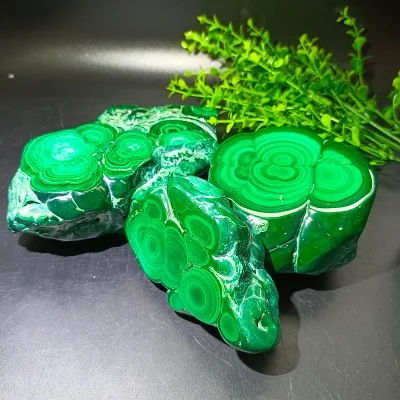
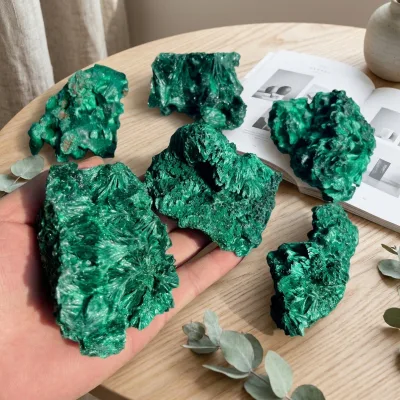
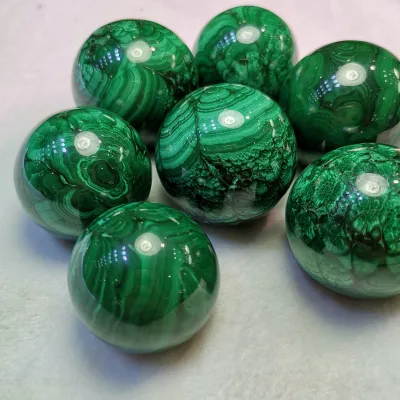
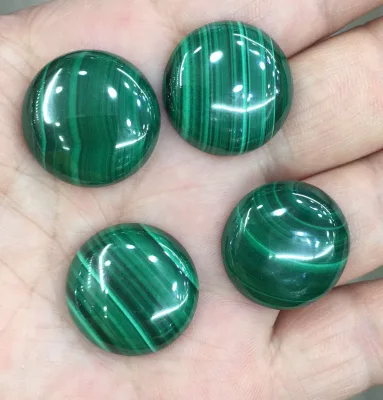
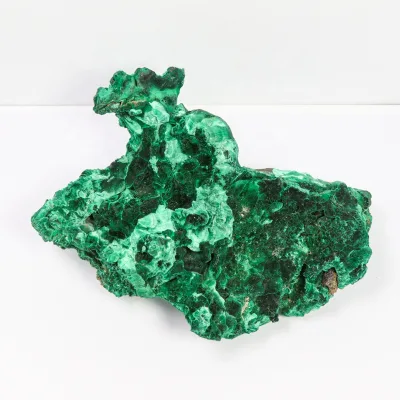


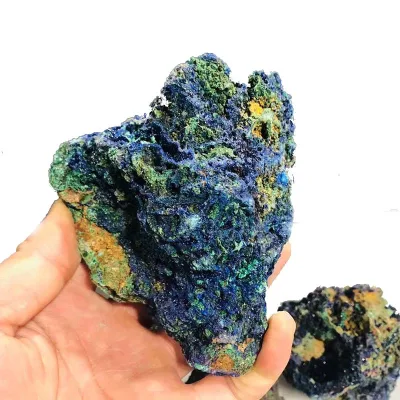
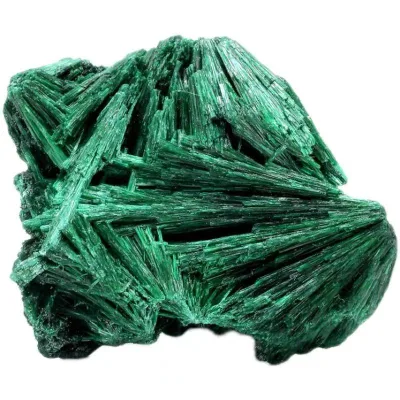
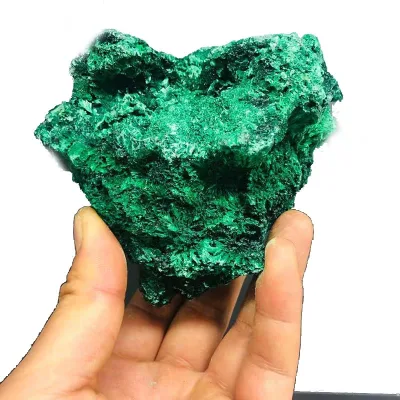
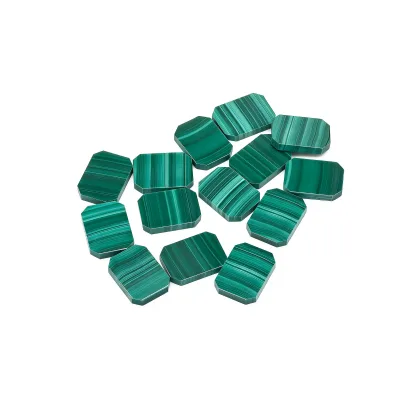
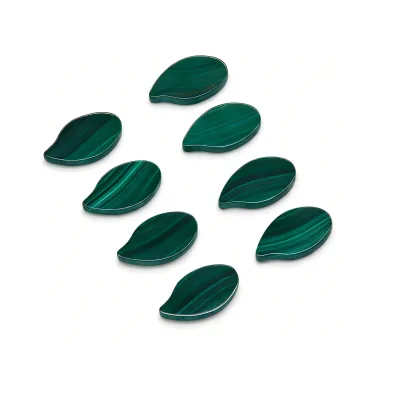
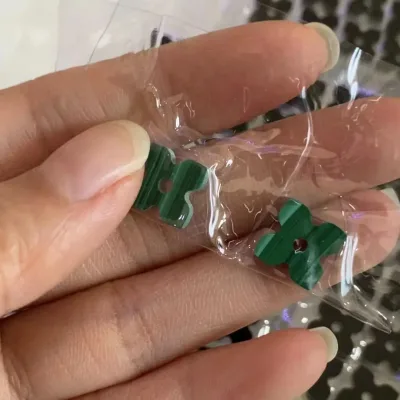
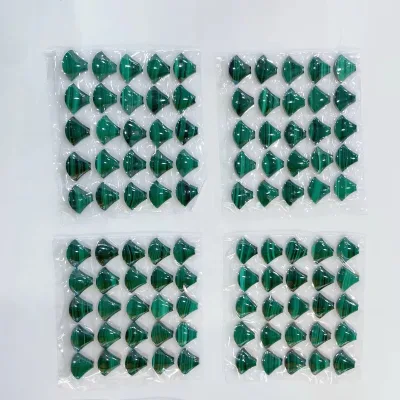
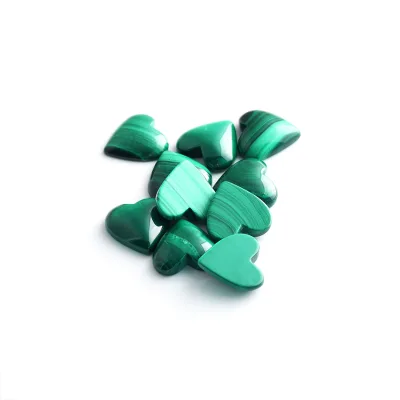
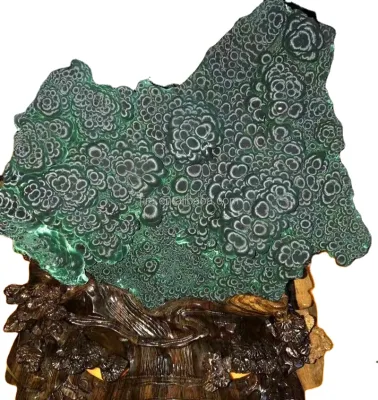
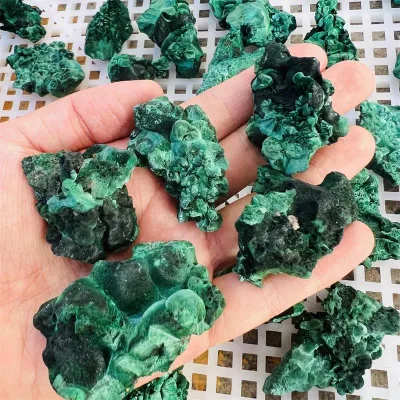
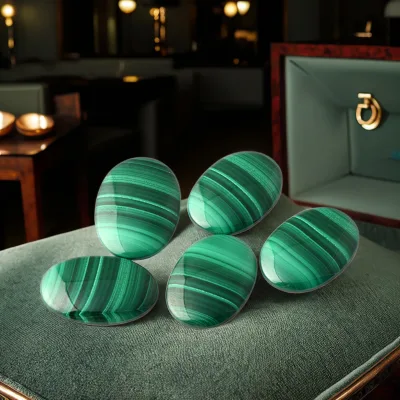
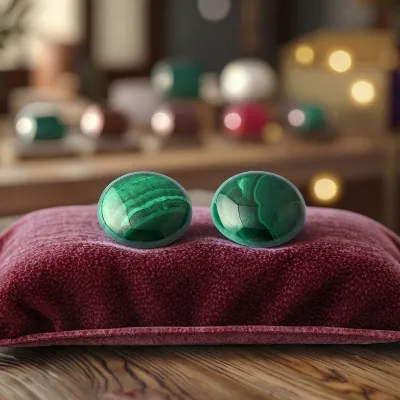
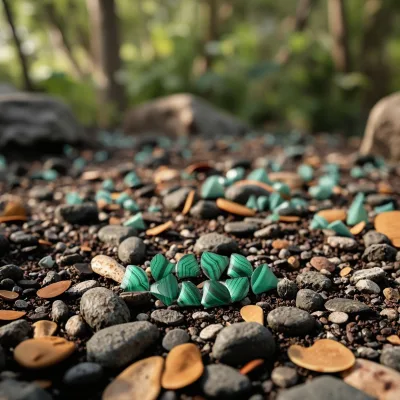
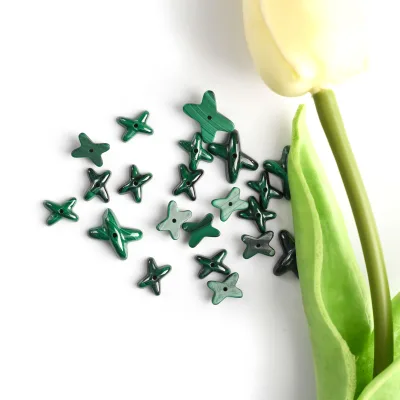
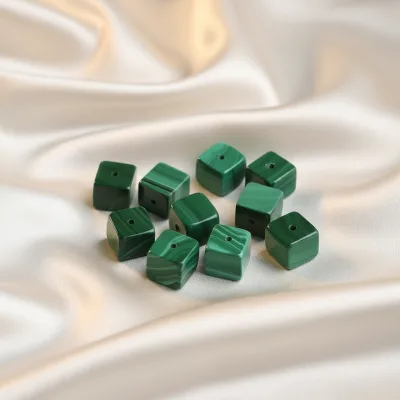
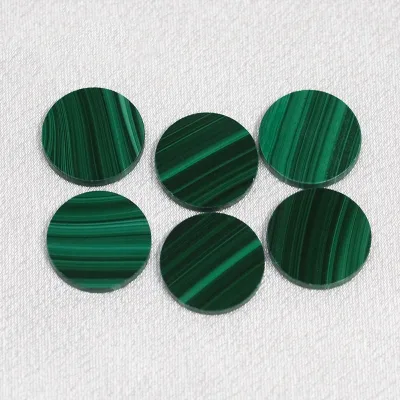
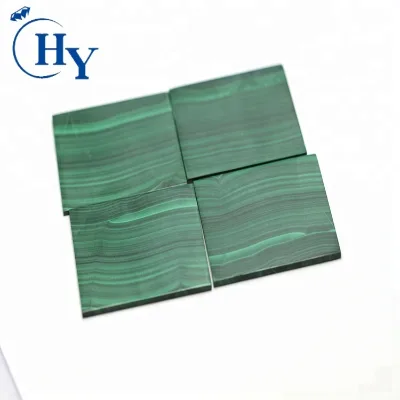
Wholesale Factory Price Square Natural Malachite Flat Back Slice Malachite for Jewelry Making
$5.1416 - $20.5633
MOQ: 100 Minimum
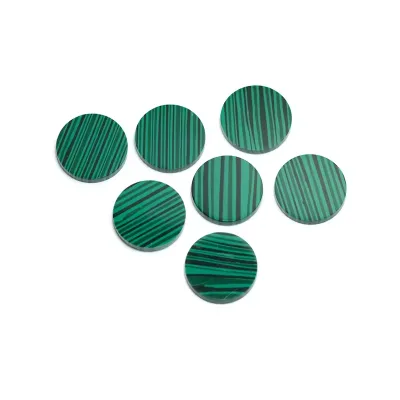
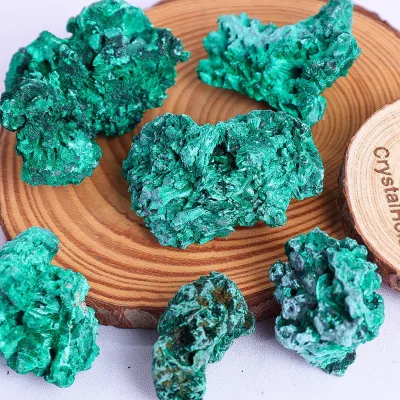
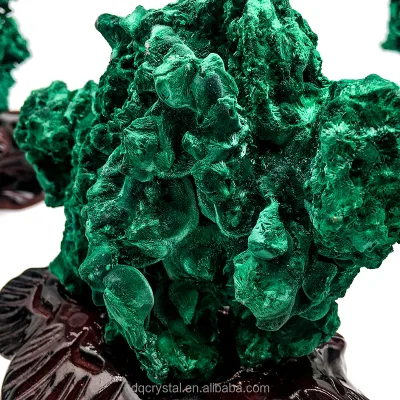
Comprehensive Sourcing Guide
Taiwan Malachite Green Sourcing Guide
Sourcing green malachite requires careful navigation of global supply chains, as the term "Taiwan malachite" often refers to aesthetic preferences rather than a specific geological origin. The supplied data indicates that primary production hubs for these crystal images are located in Jiangsu, China, and Zambia. Buyers must distinguish between marketing terminology and actual place of origin to ensure accurate customs classification and material authenticity. Understanding this distinction is critical for managing expectations regarding color saturation and structural integrity in bulk orders.
Procurement teams should focus on verifying the specific product attributes listed by suppliers, such as the "Natural" feature and "High" grade classifications. The market offers a wide variety of forms, from rough stones and carved mascots to polished spheres and azurite symbiosis specimens. Each form presents different handling and quality control challenges. Aligning your internal specifications with the supplier’s actual capabilities, such as their ability to provide "Customization" or specific packaging like polybags, will streamline the initial sourcing phase and reduce miscommunication.
Product Scope and Observed Listing Signals
The observed product range includes diverse items such as Malachite Rough Stones, Crystal Images, and Nice Spheres, with colors ranging from green malachite to high-quality variants. Listings frequently highlight styles like Feng Shui, Luxury, and Mascot, indicating strong demand in decorative and gift sectors. The presence of "Eco-Friendly" features and "Natural" attributes suggests that buyers are prioritizing authenticity and sustainable sourcing narratives. These signals help narrow the search to suppliers who specialize in natural stone processing rather than synthetic imitations.
Technical observations reveal significant variation in product dimensions and packaging. Single package sizes range from 10X15X20 cm to 15X15X10 cm, with gross weights around 1.3 kg for certain items. Model numbers such as DS80563, GM00813, and TMQ26-7-6-1 appear across different listings, suggesting a fragmented supplier base with unique SKUs. Buyers should map these model numbers to specific physical attributes, such as the 20mm diameter for spheres or the "One Size" designation for irregular stones, to ensure precise inventory matching.
Technical Specifications to Verify
Verification of physical dimensions and material composition is paramount when sourcing malachite. Buyers must confirm whether the product is a polished ball, a rough stone, or a carved item, as the technique significantly impacts durability and aesthetic value. The supplied data lists techniques including "Carved," "RAW STONE," and "Polished," each requiring different quality checks. For instance, polished spheres require surface integrity assessments, while rough stones need evaluation for structural cracks and color consistency.
Packaging and weight specifications also require strict verification to prevent logistics errors. The observed single gross weight of 1.3 kg and specific packing methods, such as "One Pieces in One Polybag," must be confirmed against your shipping requirements. Additionally, the "Customization: Available" attribute suggests flexibility in branding or sizing, but buyers must clarify the technical limits of such customization. Ensuring that the "Grade: High" designation is backed by tangible quality metrics prevents discrepancies between sample approval and bulk production.
Compliance and Safety Documentation
While the supplied facts do not list specific certifications, buyers must proactively request documentation to ensure regulatory compliance. Natural stone products may require testing for heavy metal content, particularly if intended for jewelry or close-contact applications. Although the data mentions "Eco-Friendly" features, this claim should be substantiated by third-party laboratory reports or material safety data sheets. Buyers should verify that the supplier can provide certificates of origin, especially given the diverse places of origin like China and Zambia.
Safety standards for decorative items, such as Feng Shui mascots or home decorations, often involve lead and cadmium limits. Buyers must ensure that any "Polished" or "Carved" finishes do not introduce hazardous substances. Even if the product is labeled as a "MASCOT" or "Holiday Decoration," compliance with international safety standards is essential for market entry. Requesting test results for chemical composition and physical durability helps mitigate liability risks and ensures the product meets the safety expectations of end consumers.
Cost Drivers and Commercial Terms
Cost structures for malachite products are influenced by material grade, processing technique, and packaging complexity. The observed MOQ range of 1-300 units and specific MOQs like 1kg or 2kg indicate flexible entry points for buyers. However, higher grades and intricate techniques like "Carved" or "Polished" will command premium pricing. Buyers should analyze the cost per unit against the "High" grade designation to ensure value alignment. Understanding the relationship between customization requests and price increases is crucial for budgeting.
Commercial terms must be clearly defined to avoid hidden costs. The "Selling Units: Single item" attribute suggests that pricing may be per piece rather than per kilogram, which affects cost calculations for bulk orders. Buyers should verify whether shipping costs are included or excluded, especially given the varied single package sizes and weights. Negotiating clear terms for customization, such as branding or specific packaging, will prevent unexpected charges. Transparent pricing models based on verified specifications ensure accurate total cost of ownership assessments.
Supplier Qualification and Quality Control
Supplier qualification should focus on their ability to consistently deliver "Natural" and "High" grade products. Buyers must assess the supplier’s production capabilities, particularly for techniques like "RAW STONE" processing and "Polished" finishing. The presence of multiple model numbers and styles suggests a versatile supplier base, but buyers should verify their quality control processes for each product type. Requesting samples with detailed specifications helps evaluate the consistency of color, shape, and finish.
Quality control protocols must address the inherent variability of natural stones. Buyers should establish clear acceptance criteria for color saturation, structural integrity, and surface defects. The "Customization: Available" attribute requires robust communication channels to ensure that specific requirements are met without compromising quality. Implementing pre-shipment inspections for key attributes, such as weight and dimensions, ensures that the delivered goods match the approved samples. Regular audits of supplier practices help maintain long-term quality standards.
Long-Term Procurement Checks
Long-term procurement success depends on continuous monitoring of supplier performance and market trends. Buyers should track the consistency of product attributes, such as the "Green malachite" color and "Irregular" or "BALL" shapes, across multiple orders. Maintaining open communication with suppliers regarding any changes in material sourcing or processing techniques is essential. Regular reviews of supplier capabilities ensure that they can meet evolving demand for styles like "European and American" or "Feng Shui" designs.
Sustainability and ethical sourcing practices should be integrated into long-term strategies. Buyers must verify that suppliers adhere to responsible mining and processing standards, particularly given the diverse origins of the materials. Building strong relationships with suppliers who prioritize quality and compliance reduces risk and enhances supply chain resilience. Periodic reassessment of commercial terms and product specifications ensures that procurement strategies remain aligned with business goals and market demands.
FAQs
How can I verify the green color of Taiwan Malachite Green rough stones before ordering?
Request detailed photos or videos of the green malachite rough stones under natural light before ordering, since listings describe the color as green high quality malachite. You can also ask for a small sample quantity, as some listings allow a 1kg MOQ, to inspect banding and shade in person before committing to bulk quantities.
What shapes and finishes are available for Taiwan Malachite Green products?
Available forms include irregular carved rough stones and polished ball spheres, with a listed 20mm item diameter for sphere products. Technique options cover raw stone, polished, and carved finishes, so buyers can choose between natural rough material for lapidary work and finished polished pieces for home decoration or holiday gift applications.
Can I order Taiwan Malachite Green products in small quantities first?
Yes, minimum order quantities on listed products start as low as 1kg, and some items are sold as single items. Rough stone products commonly list MOQs of 1kg or 2kg, making it practical to test material quality, color, and weight before placing larger orders for home decoration or gift resale purposes.
What packaging and shipping details should I confirm for Taiwan Malachite Green orders?
Listed packing includes one piece per polybag, and single package sizes range from 15X15X10 cm to 10X15X20 cm with single gross weight around 1.3 kg. Confirm whether your quantity ships by carton, since some listings specify 1kg per carton, and verify final shipping weight because natural stones vary in density and size.
Which Taiwan Malachite Green product types suit home decoration versus gifting?
Polished ball spheres and carved mascot-style pieces suit home decoration and feng shui themed displays, while irregular rough stones work for craft and lapidary use. Listed applications include holiday decoration and gift, and products are marked suitable for unisex buyers, with styles spanning feng shui, luxury, and mascot categories.
How do I choose between natural raw and polished Taiwan Malachite Green material?
Choose raw stone material when you need natural irregular shapes for carving, collection, or further processing, since these preserve the original surface. Choose polished balls when you need finished decorative pieces with a smooth surface, as polishing highlights the green banding. Both options are listed as natural, eco-friendly crystal material.
Can Taiwan Malachite Green products be customized for my brand or project?
Customization is listed as available on some malachite products, though the extent depends on the specific listing and model number. Before ordering, confirm which specifications can be adjusted, such as size, shape, or carving type, and whether customization affects the minimum order quantity, unit price, or lead time for your order.
What model numbers and specifications help identify Taiwan Malachite Green listings?
Listings carry model numbers such as wr20211110-17, TMQ26-7-6-1, DS80563, GM00813, B1020, GM00519, gm0097, gm0094, and SM2105112B00277. Use these identifiers when requesting quotes so the correct product type, size, finish, and packaging are matched, reducing the risk of receiving a different malachite variant than expected.