Source Tattoo Eyebrow PMU Remover for eyeliner, lips, and brows
Find 25 Tattoo Eyebrow PMU Remover options including repair creams and removal liquids for eyeliner, eyebrows, and lips. Compare specifications, prices, and MOQs from verified suppliers in China to find the best solution for your permanent makeup needs today; compare the available evidence and request quotations based on your requirements.
Updated
Key considerations
Products List


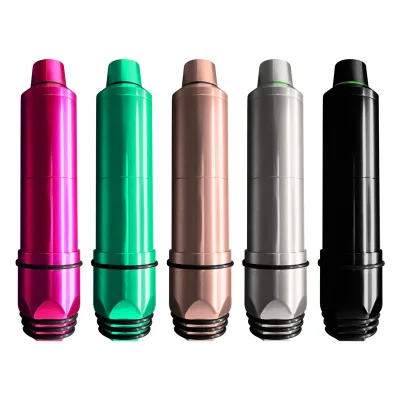
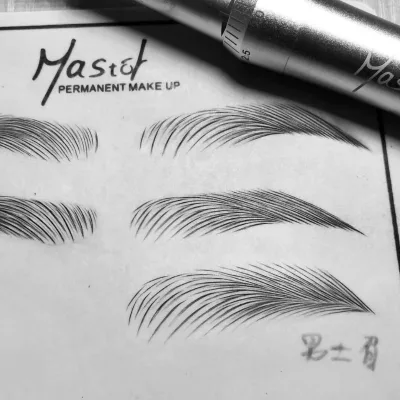
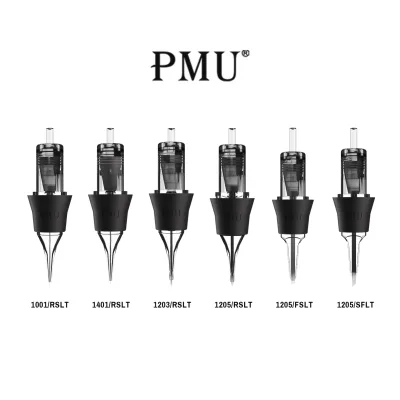
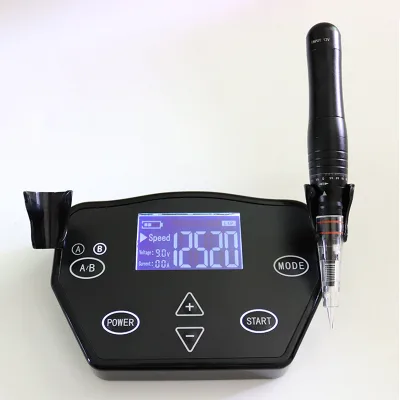
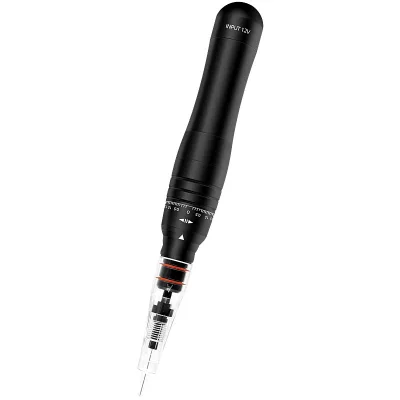


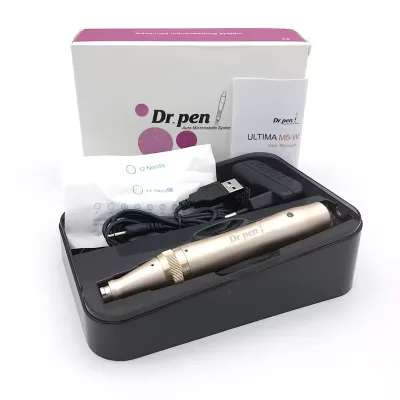
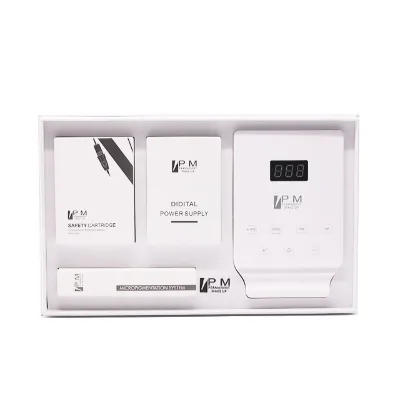
Permanent Make up Tattoo Machine Gun Permanent Makeup Professional Beauty
$599.00 - $999.00
MOQ: 1 Pieces
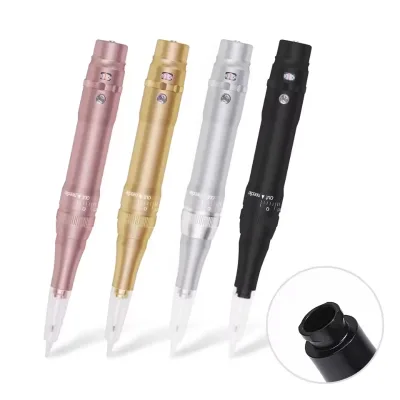
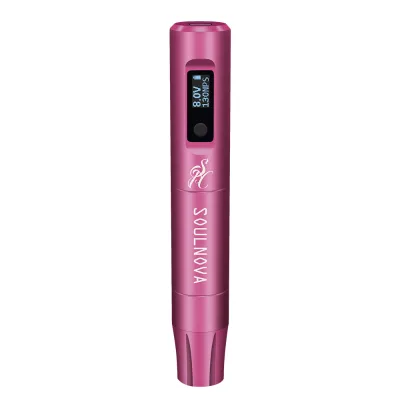
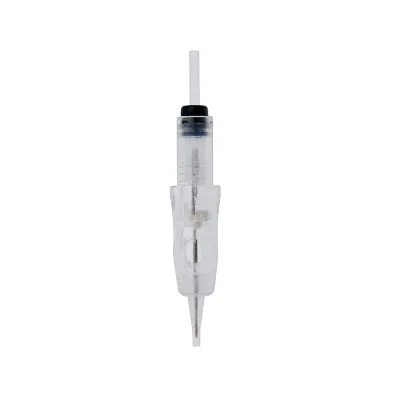
Wireless SPMU Dermographis Permanent Makeup Lip Eyebrows Tattoo Machine
$25.6689 - $32.8551
MOQ: 5 Minimum
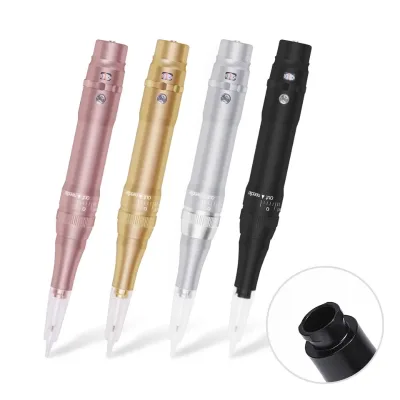
2023 Newest Wireless Tattoo Pen Professional PMU Machine Tattoo Studio Supplies
$20.5918 - $36.0345
MOQ: 1 pieces
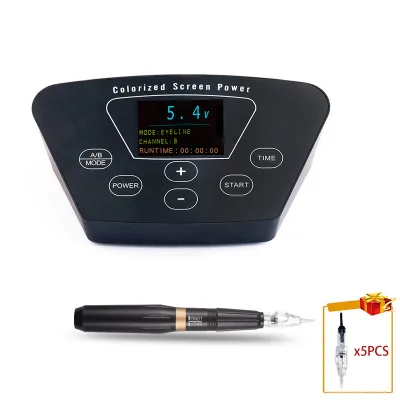


Comprehensive Sourcing Guide
Tattoo Eyebrow PMU Remover Sourcing Guide
Sourcing Tattoo Eyebrow PMU Remover products requires a clear distinction between chemical removal agents and physical removal tools, as the market offers both categories under similar search terms. Buyers must first identify whether they need a topical cream for fading pigment or a mechanical device for physical extraction. The supplied data indicates a strong presence of auxiliary repair creams and professional tattoo guns, which serve different stages of the permanent makeup process. Understanding this functional divide is critical for aligning procurement with specific clinical or studio needs.
Procurement teams should also evaluate the intended usage context, such as repair for eyeliner, eyebrows, or lips, versus the removal of incorrect or unwanted lines. Some products are formulated as mild, plant-extract-based repair creams, while others are designed for timely removal of wrong tattoo eyebrow lines. This distinction dictates the chemical composition, regulatory classification, and safety protocols required. Buyers must verify the exact mechanism of action to ensure the product meets the intended therapeutic or corrective outcome without causing adverse skin reactions.
Product Scope and Observed Listing Signals
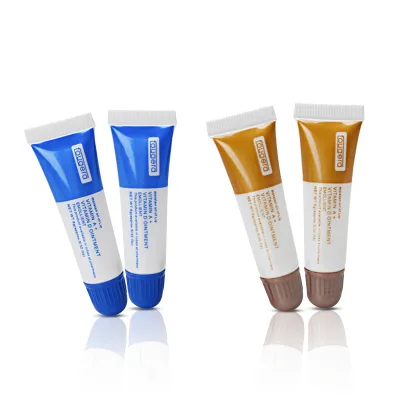
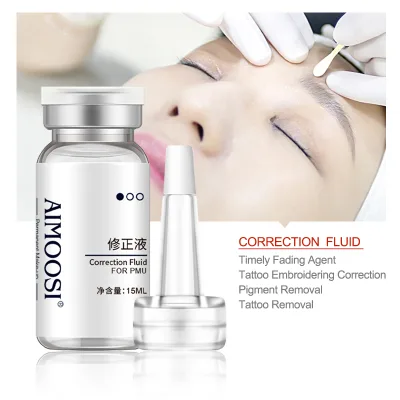
The observed product landscape includes a variety of items ranging from small repair creams to professional tattoo machines, indicating a broad scope within the permanent makeup sector. For instance, one observed product is a tattoo repair cream with a single package size of 6X6X5 cm and a weight of 5g, suitable for auxiliary repair purposes. Another item is a liquid product in a 15ml bottle, designed to remove wrong tattoo eyebrow lines, with a significantly larger single gross weight of 0.410 kg. These variations highlight the need for precise specification matching during the sourcing phase.
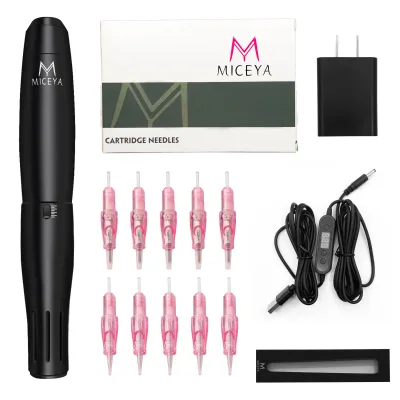
Additionally, the market includes hardware such as the MICEYA Professional Eyebrow Set M2, which is constructed from alloy and stainless steel materials, with a single package size of 30X20X7 cm. This product is classified as a tattoo gun with an adjustable stroke and a battery life of 6-10 hours, operating on an output voltage of 4-12V. The presence of both consumable creams and durable equipment suggests that buyers often source from suppliers offering comprehensive solutions. Procurement strategies should account for this mix of disposable and non-disposable items to optimize inventory and operational efficiency.
Technical Specifications to Verify
When evaluating chemical removers or repair creams, buyers must verify key physical attributes such as net content, packaging dimensions, and material composition. For example, a 15ml bottle product has a net content of 0.5 fl.oz and a transparent color, which may affect visibility of the remaining product. The single gross weight of 0.410 kg for this item suggests substantial packaging or liquid density, which impacts shipping costs and storage requirements. Buyers should confirm these metrics to ensure accurate logistics planning and cost estimation.
For hardware like tattoo guns, technical verification focuses on electrical specifications, battery performance, and mechanical adjustability. The MICEYA M2 model features an adjustable stroke and an output current of 1.5A, which are critical for precision work. The battery life of 6-10 hours ensures operational continuity during long sessions. Buyers must verify these specifications against their studio’s power requirements and usage intensity. Additionally, checking the model number, such as AP1L-21 or max pro, helps in identifying compatible accessories and replacement parts for long-term maintenance.
Compliance and Safety Documentation
Safety documentation is paramount when sourcing products that interact with human skin, whether they are chemical removers or mechanical devices. Buyers should request detailed ingredient lists for creams to identify potential allergens or irritants, especially for products marketed as containing plant extracts. The mild nature and environmental safety claims observed in some listings require substantiation through safety data sheets (SDS) and toxicological reports. Without these documents, buyers risk introducing products that may cause adverse reactions or regulatory non-compliance.
For electronic devices like tattoo guns, compliance with electrical safety standards is essential. Although a CE certification is mentioned in the background context, buyers must verify the validity and scope of such certifications for the specific model and region of sale. Documentation should include proof of conformity for output voltage and current limits to prevent electrical hazards. Additionally, buyers should ensure that the manufacturer provides clear instructions for use and maintenance, which are crucial for safe operation and longevity of the equipment.
Cost Drivers and Commercial Terms
Cost drivers for tattoo eyebrow PMU removers include material composition, packaging complexity, and order volume. Products with specialized packaging, such as blister packing or carton boxes with plastic seals, may incur higher manufacturing costs. The observed MOQ of 10pcs for some items suggests flexibility for small buyers, while larger orders may benefit from economies of scale. Buyers should negotiate based on the total landed cost, including shipping, which is influenced by the single gross weight and package dimensions.
Commercial terms also involve OEM/ODM availability, which allows for brand customization and private labeling. The availability of OEM services for both creams and hardware enables buyers to create unique product offerings. However, customization may increase lead times and initial setup costs. Buyers should clarify the minimum order quantities for customized products and the associated tooling fees. Understanding these commercial dynamics helps in balancing brand differentiation with cost efficiency and supply chain reliability.
Supplier Qualification and Quality Control
Supplier qualification begins with verifying the place of origin and manufacturing capabilities. The supplied data indicates origins in Guangdong and Zhejiang, China, regions known for their manufacturing expertise in cosmetics and electronics. Buyers should assess the supplier’s production capacity and quality control processes to ensure consistent product quality. For chemical products, this includes batch testing for purity and stability. For hardware, it involves functional testing of electrical components and mechanical durability.
Quality control should also extend to packaging integrity and labeling accuracy. Products must be clearly labeled with ingredients, usage instructions, and safety warnings. Buyers should request samples to verify the physical attributes, such as weight and dimensions, against the specifications. Additionally, establishing a clear communication channel for addressing defects or discrepancies is crucial. Regular audits or third-party inspections may be necessary for high-volume orders to maintain quality standards and mitigate supply chain risks.
Long-Term Procurement Checks
Long-term procurement success depends on continuous monitoring of product performance and supplier reliability. Buyers should track customer feedback and adverse event reports for chemical products to identify any emerging safety issues. For hardware, monitoring battery degradation and mechanical wear helps in planning replacement cycles and spare parts inventory. Establishing a feedback loop with end-users ensures that product improvements align with market needs and regulatory changes.
Additionally, buyers should regularly review supplier certifications and compliance status to ensure ongoing adherence to safety and quality standards. Market trends in permanent makeup technology may necessitate updates to product offerings, such as new formulations or advanced hardware features. Maintaining a diversified supplier base can mitigate risks associated with single-source dependencies. By proactively managing these aspects, buyers can sustain a competitive and safe product portfolio in the evolving tattoo and permanent makeup industry.
FAQs
What is the primary usage of AIMOOSI Tattoo Repair Cream?
It is designed for repairing eyeliner, eyebrows, and lips after permanent makeup procedures. The formula contains plant extracts that are mild, safe, and environmentally friendly. This auxiliary product helps maintain the quality of the tattooed area during the healing process.
Can I remove wrong tattoo eyebrow lines with this product?
Yes, specific formulations are available to remove wrong tattoo eyebrow lines timely. These products are suitable for permanent makeup correction on eyebrows, eyeliner, and lips. They help address mistakes or unwanted results from previous cosmetic tattooing sessions effectively.
What are the packaging details for the tattoo repair cream?
The product comes in a product box with a plastic seal, blister packing, and carton options. Single package sizes vary, such as 6x6x5 cm or 9x4x4 cm, depending on the specific item. The gross weight is typically around 0.006 kg to 0.410 kg.
Is OEM service available for tattoo eyebrow products?
OEM and ODM services are available for these tattoo repair and removal products. Buyers can request customization for branding and packaging. This allows businesses to create private label solutions for their specific market needs and distribution channels.
What is the MOQ for ordering tattoo repair cream?
The minimum order quantity is typically 10 pieces. This low MOQ allows buyers to test the product quality before placing larger orders. It supports small businesses and startups looking to source auxiliary permanent makeup products with minimal initial investment.
Where are these tattoo products manufactured?
These products are manufactured in Guangdong, China, with specific origins in Guangzhou and Zhejiang. The manufacturing locations ensure access to established supply chains for cosmetic and body art accessories. Buyers can verify the place of origin for quality assurance.