Source Thermoforming Customized Auto Body Kit for cars, buses, and electric vehicles
Explore 30 listings for Thermoforming Customized Auto Body Kit options including ABS and PP materials. Compare specifications, certifications, and pricing for automotive and industrial applications. View details on vacuum forming processes, custom surface textures, and OEM services available from Guangdong suppliers. Check MOQs, lead times, and packaging requirements for bulk orders.
Updated
Key considerations
Products List
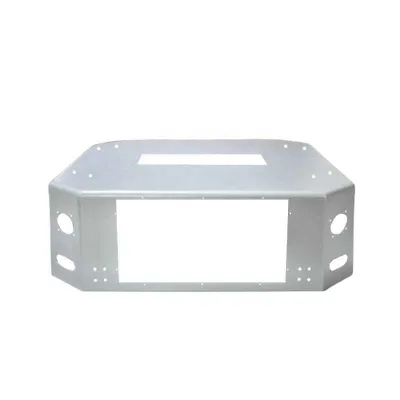
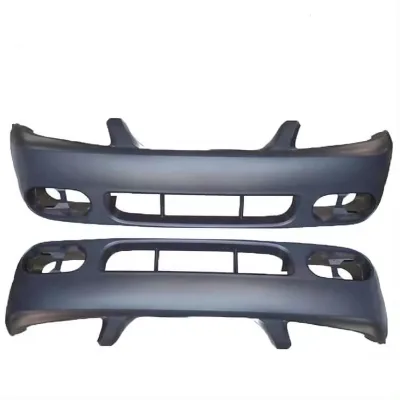
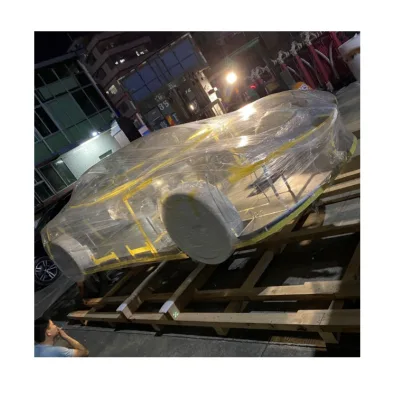
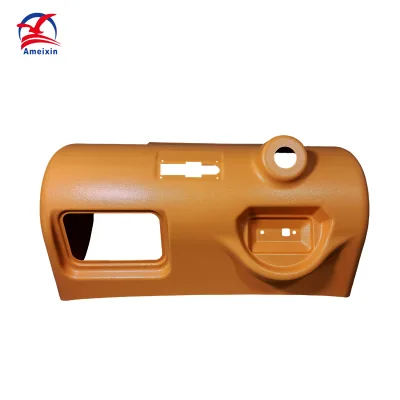
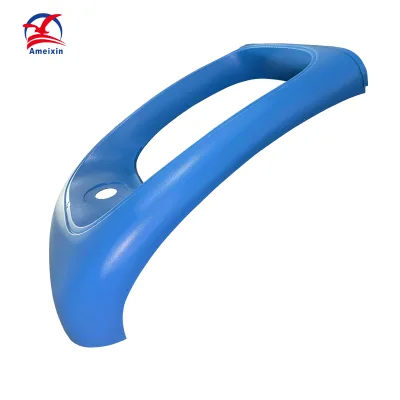
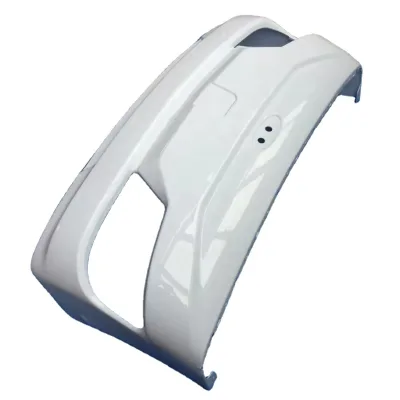
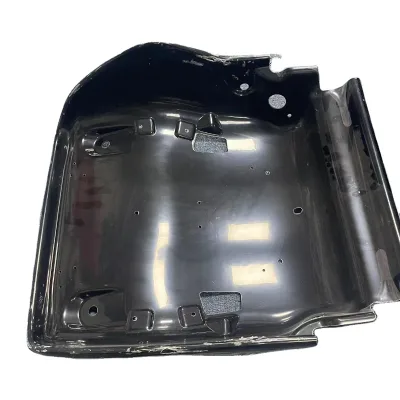
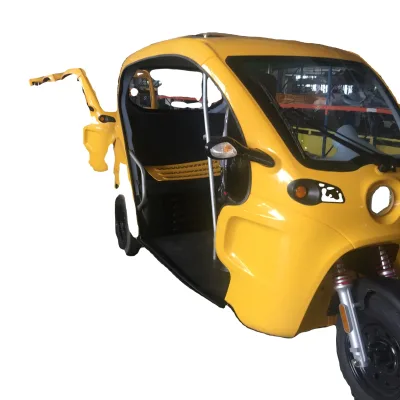
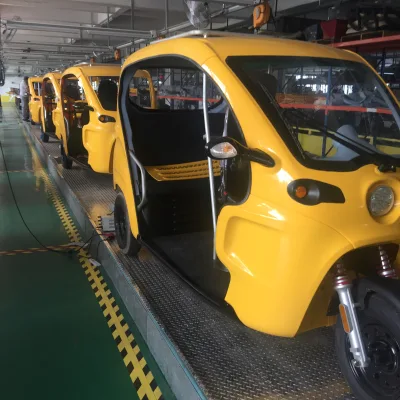
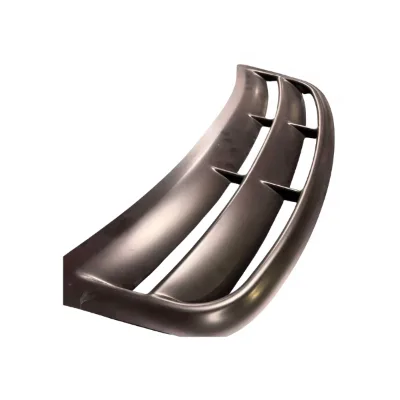
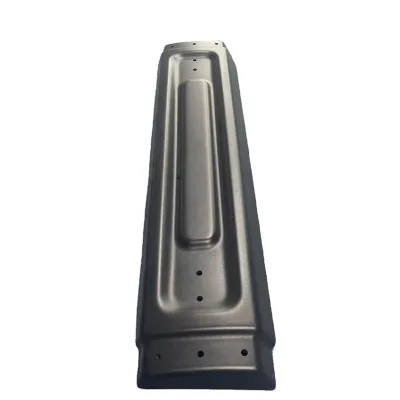
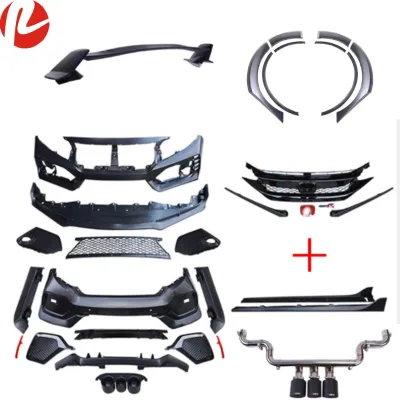
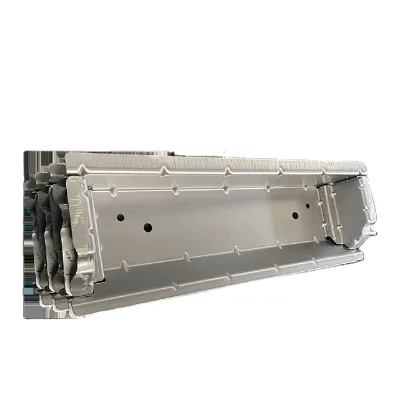
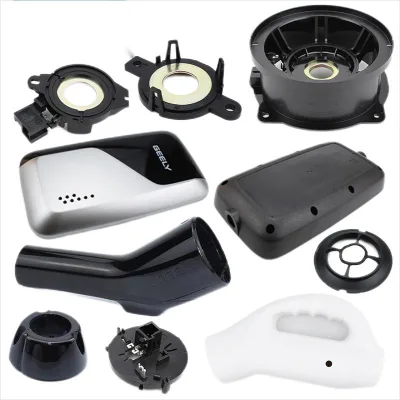


Auto Modification Body Kit Full Car Plastic Body Kit with Excellent Fit
$1500.00 - $2600.00
MOQ: 1 Pieces


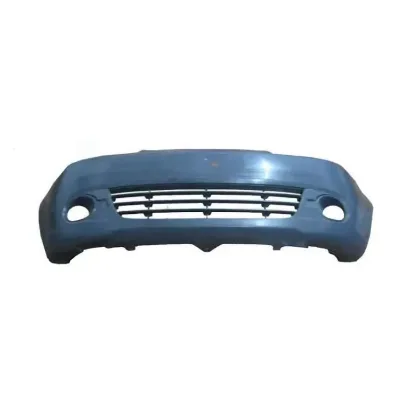
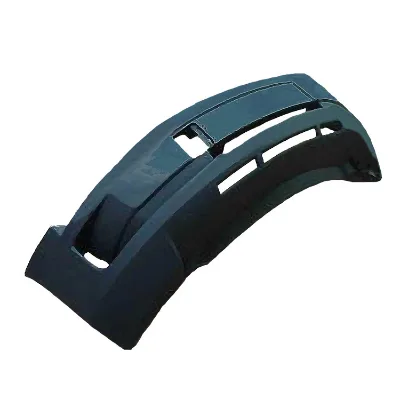
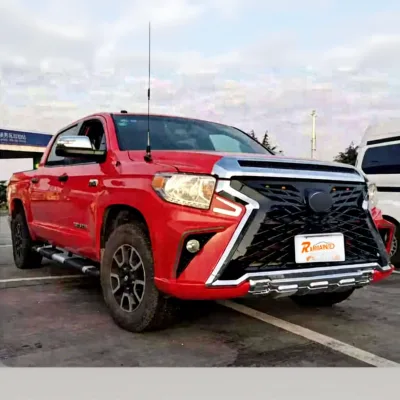
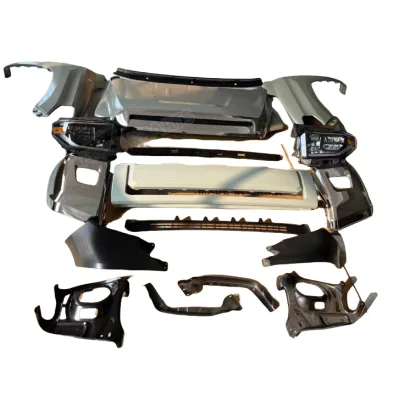


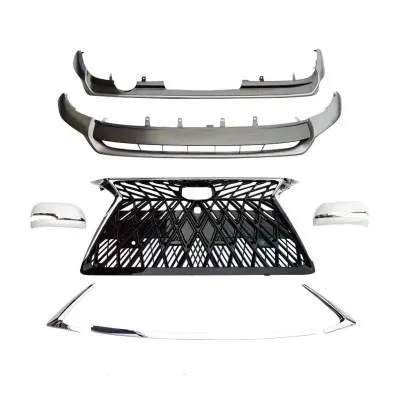

Comprehensive Sourcing Guide
Thermoforming Customized Auto Body Kit Sourcing Guide
Sourcing thermoformed customized auto body kits requires a strategic approach to balancing aesthetic fidelity with structural integrity. Buyers must recognize that these components, often fabricated from ABS, PP, or HDPE, serve diverse roles ranging from motorcycle body systems to electric car modifications. The manufacturing process typically involves vacuum forming or thermoforming, allowing for complex geometries and custom surface textures that meet specific design visions. Understanding the material properties and processing capabilities is essential for ensuring that the final product meets both functional and visual requirements.
The procurement landscape for these parts is characterized by significant variability in customization levels and supply chain logistics. Suppliers frequently offer OEM and ODM services, enabling brands to tailor products to their unique market needs. Key attributes such as anti-scratch functionality and customizable colors play a crucial role in the final application. Buyers should focus on verifying the supplier’s ability to handle specific drawing formats, such as STEP files, and their capacity to deliver consistent quality across varying order quantities.
Product Scope and Observed Listing Signals
The observed market signals indicate a wide range of product applications, including industrial machinery, automotive interiors, and exterior body kits for buses and electric vehicles. Listings highlight materials like ABS and plastic composites, with specific mentions of rear bumpers and interior modification parts. The presence of terms like "customizable" and "OEM" suggests that buyers can expect tailored solutions rather than off-the-shelf items. This flexibility is critical for brands seeking unique design elements or specific functional improvements in their vehicle components.
Price points and minimum order quantities (MOQs) vary significantly, reflecting the complexity of the thermoforming process and the level of customization required. Some listings show low entry barriers with small MOQs, while others imply higher volume commitments for specialized parts. Buyers should note that single package sizes and weights differ, impacting shipping costs and inventory management. Understanding these logistical details is vital for accurate cost forecasting and supply chain planning, especially when dealing with bulky or heavy components.
Technical Specifications to Verify
Verifying technical specifications is paramount when sourcing thermoformed parts, particularly regarding material thickness and dimensional accuracy. Listings often specify thicknesses like 5MM, but buyers must confirm if this applies to the entire component or specific areas. The drawing format, typically STEP, should be reviewed for compatibility with the supplier’s manufacturing equipment. Additionally, the plastic molding type, whether vacuum forming or other methods, directly influences the part’s structural integrity and surface finish quality.
Surface treatment options, such as polishing, etching, or texturing, add another layer of complexity to the verification process. Buyers should ensure that the supplier can achieve the desired surface texture and color consistency, as these factors significantly impact the final aesthetic. The availability of customized sizes and colors is a key selling point, but it requires clear communication of tolerances and color matching standards. Confirming these details early in the sourcing process helps prevent costly revisions and ensures the final product meets design expectations.
Compliance and Safety Documentation
Compliance with international standards is a critical aspect of sourcing auto body kits, particularly for automotive applications. Many suppliers claim certifications such as ISO9001, TS16949, and ISO14001, which indicate adherence to quality and environmental management systems. Buyers should request valid certification documents to verify these claims, as they are essential for ensuring consistent product quality and regulatory compliance. The presence of ISO9001:2008 in some listings suggests that buyers should check for more recent updates, such as ISO 9001:2015, if required by their market.
Safety and material compliance, including REACH standards, are also important considerations, especially for parts that may come into contact with occupants or the environment. While some background information mentions REACH, buyers must confirm that the specific materials used, such as ABS or PP, meet all relevant safety regulations. Documentation should include material safety data sheets (MSDS) and test reports to verify the absence of harmful substances. Ensuring compliance not only mitigates legal risks but also enhances brand reputation in regulated markets.
Cost Drivers and Commercial Terms
Several factors influence the cost of thermoformed auto body kits, including material selection, mold complexity, and order volume. The supply ability, often cited as 5000 pieces per week, indicates that larger orders may benefit from economies of scale. Buyers should negotiate pricing based on the total volume and the level of customization required. Packaging details, such as the use of EPE, polyfoam, or carton, also impact costs, as specialized packaging is necessary to protect delicate thermoformed parts during transit.
Commercial terms, including the port of dispatch and lead times, play a significant role in the overall procurement strategy. Most suppliers dispatch from ports in Shenzhen, which is a major manufacturing hub in China. Buyers should clarify lead times for mold creation and production, as these can vary based on the complexity of the design. Understanding the payment terms and warranty policies is also essential for managing financial risk and ensuring that the supplier is committed to delivering high-quality products on time.
Supplier Qualification and Quality Control
Qualifying suppliers for thermoformed parts requires a thorough assessment of their manufacturing capabilities and quality control processes. Buyers should verify the supplier’s experience with similar materials and applications, such as automotive or industrial parts. The ability to provide custom surface textures and colors is a key indicator of their technical proficiency. Requesting samples and conducting physical inspections can help assess the quality of the finish, dimensional accuracy, and material consistency.
Quality control measures should include in-process inspections and final product testing to ensure that parts meet specified tolerances. Buyers should inquire about the supplier’s defect rate and their procedures for handling non-conforming products. The availability of OEM and ODM services suggests that the supplier is flexible, but buyers must ensure that they have the necessary expertise to manage these custom projects effectively. Establishing a clear communication channel and regular quality audits can help maintain high standards throughout the production process.
Long-Term Procurement Checks
Long-term procurement success depends on establishing a reliable and scalable supply chain for thermoformed auto body kits. Buyers should monitor the supplier’s ability to maintain consistent quality over time, especially as order volumes increase. Regular reviews of performance metrics, such as on-time delivery and defect rates, are essential for identifying potential issues early. Building a strong relationship with the supplier can also facilitate better collaboration on design improvements and cost-saving initiatives.
Adapting to market changes and technological advancements is crucial for staying competitive in the auto body kit industry. Buyers should stay informed about new materials and manufacturing techniques that could enhance product performance or reduce costs. Continuous evaluation of the supplier’s innovation capabilities and their willingness to adopt new technologies can provide a strategic advantage. By maintaining a proactive approach to supplier management, buyers can ensure a steady supply of high-quality, customized parts that meet evolving market demands.
FAQs
What materials are used for thermoforming auto body kits?
The kits are primarily made from ABS, PP, and HDPE plastics. These materials support vacuum forming and thermoforming processes to create durable parts for automotive and industrial applications with customizable colors and textures.
Can I order customized sizes and colors for these parts?
Yes, you can order customized sizes and colors for these parts. The products support OEM and ODM services with tailored packaging, surface textures, and dimensions to meet specific industrial or automotive modification requirements.
What is the minimum order quantity for these plastic parts?
The minimum order quantity is typically 200 pieces for these plastic parts. Some listings indicate an MOQ of 1 piece, while others require up to 500 pieces depending on the specific product and supplier capacity.
Which certifications do the manufacturers hold for these products?
Manufacturers hold certifications including ISO9001, TS16949, QS, and ISO14001. Some specific listings also reference ISO9001:2008 standards to ensure quality management and environmental compliance for the thermoformed plastic components.
How are these thermoformed body kits packaged for shipping?
These kits are packaged using EPE, polyfoam, cartons, or other required materials to ensure safety. Customized packing options are available to meet special requirements, with single package sizes varying based on the specific item dimensions.
Where are these auto body parts manufactured and shipped from?
These parts are manufactured in Guangdong, China, and shipped from ports in Shenzhen. The supply ability can reach 5000 pieces per week, depending on the order quantity and specific production scheduling.