food grade wear-resistant plastic board Suppliers and Manufacturers
Compare 15 verified suppliers of food grade wear-resistant plastic board across China Hebei and Henan. Review response times, lead times, certifications, and pricing to source custom PE cutting boards with anti-skidding and antibacterial features; review the available evidence before requesting comparable quotations from suitable candidates.
Updated
Suppliers List

Hebei Peliou New Materials Technology Co., Ltd
- Verified by TUVRHEINLAND
- Combined
- China Hebei
- Lead time15 days
- Avg. response≤ 3h
Main productsUHMWPE Sheet, HDPE Sheet, PP Sheet, PE1000 Sheet, Ground Protection Mats and Outrigger Pads, UHMWPE Guide Rail, Nylon Sheet, Plastic CNC Parts, PE Cutting Boards, PE Plastic Rod
Main marketsSoutheast Asia/ Mideast

Henan Okay Plastic Industry Co., Ltd.
- Verified by TUVRHEINLAND
- Combined
- China Henan
- Lead time23 days
- Avg. response≤ 12h
Main productsHDPE Sheet, UHMWPE Sheet, Ground Protection Mat, Synthetic Ice, Temporary Road, Borated Polyethylene, Cutting Board, Chopping Board, UHMW Sheet, Plastic Road Plates
Main marketsEast Asia(Japan/ South Korea),Australia,North America


Food Grade Plastic Cutting Board with 10mm Thickness and Colorful PE Cutting Board
$2.00 - $5.00
MOQ: 100 Pieces


Henan Yiqi Plastic Products Co., Ltd
- Verified by CTI
- Trading Company
- China Henan
- Lead time60 days
- Avg. response≤ 3h
Main productsHDPE Sheet, PP Sheet, Plastic Cutting Board, HDPE Conveyor Roller, Temporary Road Mat, Crane Outrigger Pad, Plastic Pallet, Plastic Irregular Part, Fender Facing Pad
Main marketsSouth America,Southeast Asia/ Mideast,East Asia(Japan/ South Korea),Europe,Australia,North America
Dezhou Meirun Wear-Resistant Materials Co., Ltd.
- Verified by TüVRheinland
- Manufacturer, Trading Company
- Lead time10 days
- Avg. response≤ 1h
Main productsPlastic Sheet, Plastic Rod, Outrigger Pad, Ground Protection Mat, Customized Plastic Parts
Main marketsNorth America(20%), Mid East(20%), South America(10%)
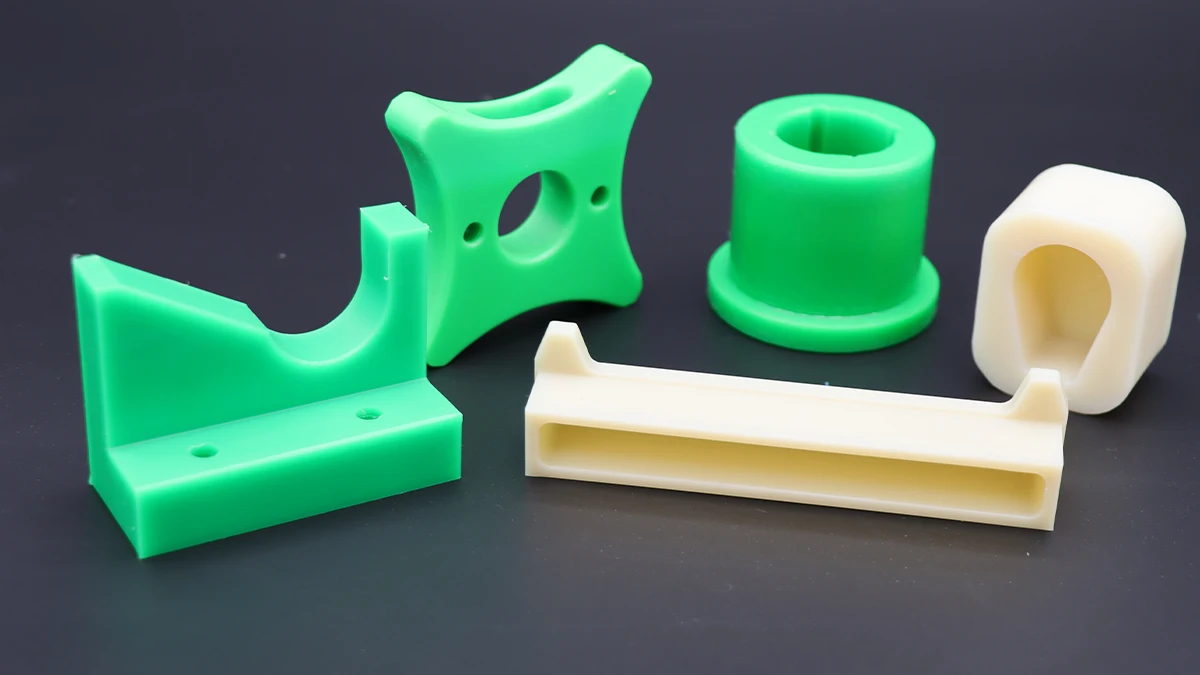
Dezhou Jiasheng Rubber And Plastic Products Co., Ltd.
- Manufacturer, Trading Company
- Shandong, China
- Lead time30 days
- Avg. response≤ 16h
Main productsHDPE Sheet & Rod,UHMW-PE Sheet & Rod,PP/Nylon Sheet & Rod,Roller Chain Guides,Synthetic Ice Rink
Main marketsSouth America(30.00%), North America(30.00%), Domestic Market(20.00%), Eastern Europe(20.00%)
Hebei Peliou New Materials Technology Co., Ltd.
- Verified by SGS Group
- Manufacturer, Trading Company
- Lead time5 days
- Avg. response≤ 3h
Main productsUHMWPE Sheets, HDPE Sheets, Ground Protection Mats, Plastic CNC Parts, Plastic Rods
Main marketsNorth America(27%), South America(27%), Eastern Europe(18%)
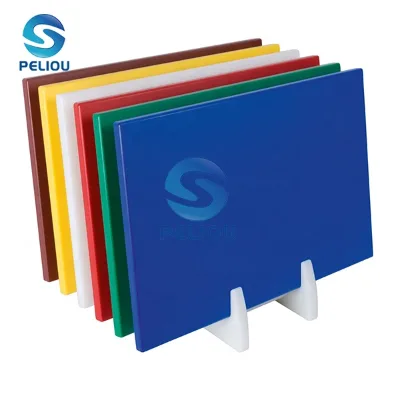
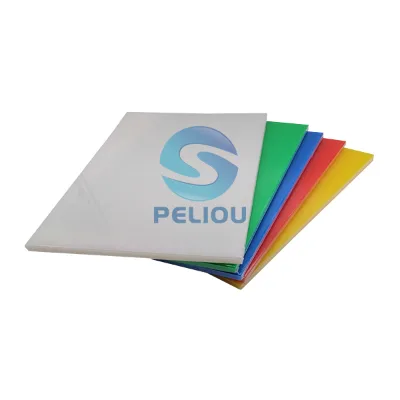
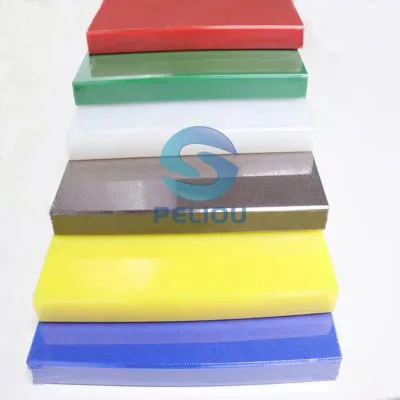
High Quality Anti-mildew Food Grade Cutting Board Wear-resistant Chopping Boards
$1.7137 - $2.0508
MOQ: 50 pieces

Most Popular Colored Food Grade Plastic Cutting Boards Non-slip Plastic Cutting Boards Butcher
$1.7137 - $2.0508
MOQ: 50 pieces

- Combined
- China Hebei
- Lead time15 days
- Avg. response≤ 2h
Main productsPlastic Sheet, Plastic Rod, PE Rod, PE Sheet, PP Rod, PP Sheet, PVC Sheet, ABS Sheet, POM Rod, PA Rod
Main marketsDomestic

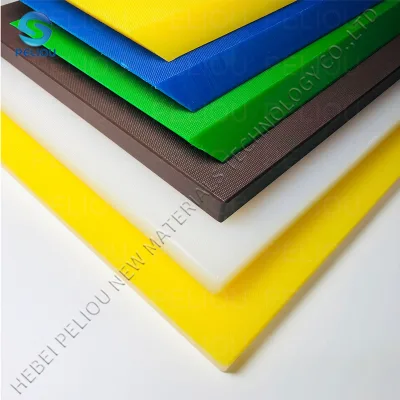
Food Grade Safety Wear-Resistant PE ABS Polypropylene Board for Food Processing
$1.80 - $2.70
MOQ: 1000 kg

Dezhou Shengtong Rubber And Plastic Co., Ltd.
- Verified by TüVRheinland
- Manufacturer, Trading Company
- Lead time15 days
- Avg. response≤ 2h
Main productsPolyethylene Board, Paving Board, Polyethylene Processing Parts, Outrigger Board, Rubber & Plastics Product
Main marketsDomestic Market(80%), North America(3%), South America(3%)
Jinan Beiyuan Import And Export Trading Co., Ltd.
- Verified by Intertek
- Manufacturer, Trading Company
- Lead time0 days
- Avg. response≤ 2h
Main productsUltra-high Molecular Weight Polyethylene Sheet, Ultra-high Molecular Weight Polyethylene Rods, High-density Polyethylene Sheet, Ultra-high Molecular Weight Polyethylene Products
Hebei Jixiang Plastic Products Co., Ltd.
- Manufacturer, Trading Company
- Hebei, China
- Lead time10 days
- Avg. response≤ 4h
Main productsUHMWPE Dock Fender pads,PE sheet,PE rod,Machined UHMW-PE Parts,PE Chopping Board
Main marketsNorth America(30.00%), Western Europe(25.00%), Domestic Market(20.00%), Southeast Asia(5.00%), South America(5.00%), Eastern Asia(5.00%), Oceania(5.00%), Africa(5.00%)
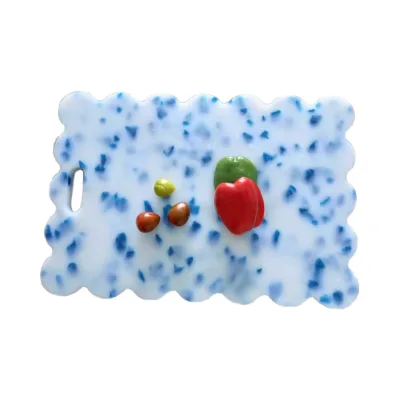
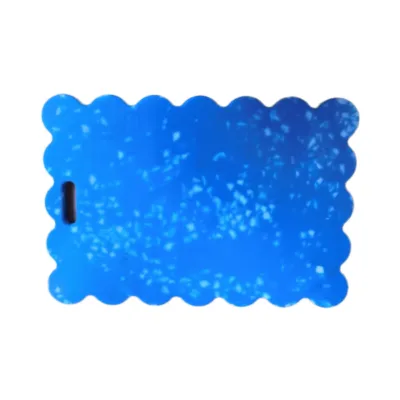
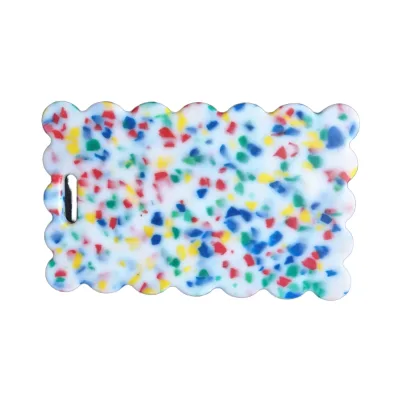
New Design Colored Food Grade Polyethylene Plastic Chopping Board Plastic Sheets
$2.90 - $3.00
MOQ: 1 Minimum
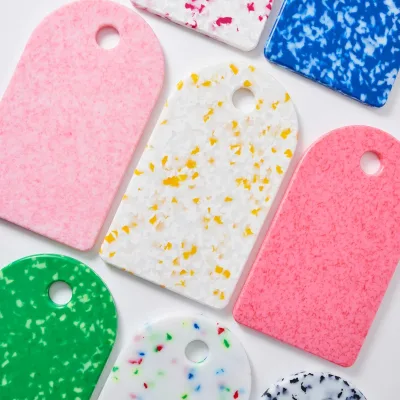
$2.90 - $3.00
MOQ: 1 Minimum
Henan Okay Plastic Industry Co., Ltd.
- Verified by TüVRheinland
- Manufacturer, Trading Company
- Lead time20 days
- Avg. response≤ 4h
Main productsHDPE Sheets, UHMWPE Sheets, Ground Protection Mats, Dual Color HDPE, PE Cutting Boards
Main marketsNorth America(30%), Oceania(20%), Domestic Market(20%)
Qingdao Zhongsi Rubber & Plastic Products Co., Ltd.
- Verified by SGS Group
- Manufacturer, Trading Company
- Lead time15 days
- Avg. response≤ 1h
Main productsHdpe Sheet, UHMWPE Sheet, CNC OEM Plastic Products, Synthetic Ice Rink, Soccer Rebound Board
Main marketsNorth America(20%), South America(20%), Mid East(20%)

Qingdao Aohai Ruitai Industrial Co., Ltd.
- Combined
- China Shandong
- Lead time15 days
- Avg. response≤ 4h
Main productsPP Hollow Sheet, PP Corrugated Box, PP Corrugated Billboard, PP Corrugated Sheet, PP Edge Protectors, PP Corrugated Sign
Main marketsDomestic

Corfluted PP Plastic Corrugated Hollow Board for Food Fruit Packing Supporting
$0.50 - $2.00
MOQ: 200 Pieces

Low-Weight Food-Grade PP Corrugated Protection Underboarding Plate with Different Shape
$2.05 - $2.50
MOQ: 1 Tons

- Verified by BV
- Trading Company
- China Guangdong
- Lead time23 days
- Avg. response≤ 2h
Main productsPE1000 Sheet, HDPE Sheet, PP Sheet, Ground Protection Mat, Outrigger Pad, Sythetic Ice Rink, CNC Parts, Guide Rail, Plastic Rod, Soccer Rebound Sheet
Main marketsNorth America

Baoding Lida Plastic Industry Co., Ltd.
- Manufacturer
- China Hebei
- Lead time15 days
- Avg. response≤ 25h
Main productsPVC Sheet, PP Sheet, HDPE Sheet, PVC Rod, PVC Pipe, PP-U Profile, PP Pipe, HDPE Pipe, Welding Rod, Piipe Fitting
Main marketsSoutheast Asia/ Mideast,Australia






Comprehensive Sourcing Guide
Food Grade Wear-Resistant Plastic Board Supplier Concentration and Factory Types
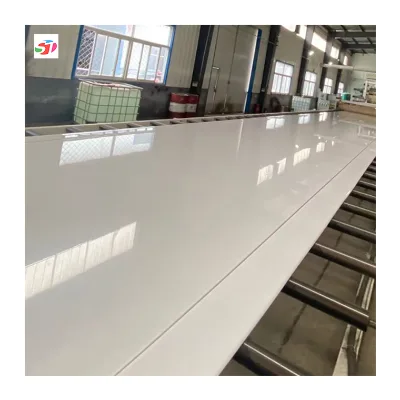
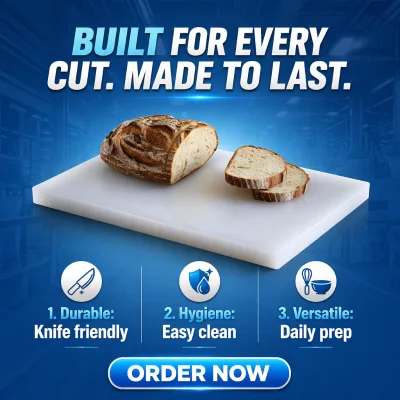
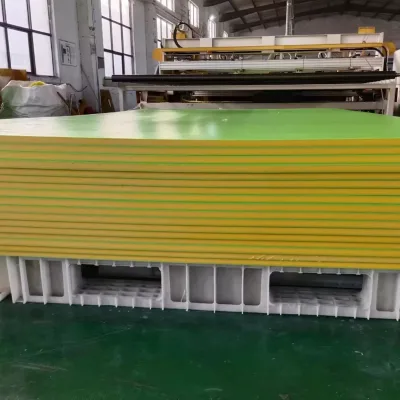
The current supplier landscape for food grade wear-resistant plastic boards reveals a distinct geographic concentration within China, specifically highlighting manufacturing hubs in Hebei and Henan provinces. These regions serve as primary centers for the production of high-density polyethylene (HDPE) and ultra-high-molecular-weight polyethylene (UHMWPE) sheets, which are the foundational materials for durable cutting boards and kitchen accessories. Suppliers located in these areas often leverage local access to raw polymer materials, enabling efficient production cycles for items such as PE chopping boards, ground protection mats, and various plastic CNC parts. The presence of these specific regional clusters suggests that buyers seeking bulk quantities of wear-resistant plastic boards will find a robust network of manufacturers capable of handling large-scale orders. Understanding this geographic distribution is crucial for logistics planning, as shipping from these inland provinces may involve different transit routes compared to coastal manufacturing zones. Buyers should prioritize suppliers with verified physical presence in these known industrial centers to ensure authenticity and reduce the risk of dealing with intermediaries who may lack direct factory oversight.
In terms of organizational structure, the market features a mix of combined manufacturing entities and specialized trading companies. Some suppliers operate as combined firms that handle both production and sales, offering capabilities such as OEM, ODM, and own-brand development. This vertical integration allows for greater control over product specifications, including customization of colors, sizes, and surface textures like anti-skidding or antibacterial treatments. Conversely, other suppliers are identified strictly as trading companies, which may offer a broader portfolio of related plastic products, such as conveyor rollers, temporary road mats, and plastic pallets, alongside cutting boards. While trading companies can provide convenience through consolidated sourcing, they may introduce additional layers in the supply chain. Buyers must carefully distinguish between these entity types to determine whether they are engaging directly with a factory or a reseller. This distinction impacts pricing structures, communication efficiency, and the ability to request specific technical modifications to the plastic board designs.
How to Verify Food Grade Wear-Resistant Plastic Board Suppliers
Verification of supplier credibility is a critical step in mitigating procurement risks, particularly when dealing with food-contact materials that require strict adherence to safety standards. Buyers should prioritize suppliers who have undergone third-party verification processes, such as those conducted by TÜV Rheinland or CTI. These verification badges indicate that the supplier’s business legitimacy and operational capabilities have been assessed by independent experts. For instance, some suppliers in the current results display TÜV Rheinland verification, while others hold CTI verification, signaling different levels of audit rigor. Beyond basic business verification, it is essential to examine the specific certifications claimed for the products themselves. The data indicates that some manufacturers provide certifications such as ISO, FDA, SGS, LFGB, and QS permissions. These documents are vital for proving that the plastic boards meet international food safety regulations. Buyers should request copies of these certificates and verify their validity through the issuing bodies to ensure that the materials are indeed food-grade and free from harmful contaminants.
In addition to certification checks, buyers should assess the supplier’s responsiveness and transparency as indicators of reliability. Response time metrics provide insight into the supplier’s operational efficiency and customer service quality. Suppliers with faster response times, such as those averaging under three hours, are often more agile in addressing inquiries and resolving issues. Conversely, slower response times may indicate potential bottlenecks in communication. Buyers should also look for evidence of product customization capabilities, such as the ability to accept OEM color and size specifications. The availability of free samples, such as 100x100mm test pieces, allows buyers to physically inspect the material quality, density, and surface finish before committing to a large order. Furthermore, checking the supplier’s main product list can reveal their expertise; a focus on plastic sheets and cutting boards suggests specialized knowledge, whereas a broad mix of unrelated industrial plastics might indicate a generalist trading approach. Combining these verification methods creates a comprehensive profile of supplier trustworthiness.
What to Compare Across Food Grade Wear-Resistant Plastic Board Suppliers
When evaluating multiple suppliers, buyers must systematically compare key operational metrics to identify the most suitable partner for their specific needs. Lead time is a primary differentiator, with some suppliers offering production cycles as short as 15 days, while others may require up to 60 days. This variance can significantly impact inventory management and order fulfillment strategies. Buyers with urgent requirements should prioritize suppliers with shorter lead times, whereas those with flexible schedules might opt for suppliers offering more competitive pricing or specialized features. Minimum Order Quantity (MOQ) is another critical factor; some suppliers accept orders as low as one piece, facilitating easy sampling or small-batch testing, while others enforce MOQs of 100 pieces or more. Understanding these thresholds helps buyers align their procurement volumes with supplier capabilities, avoiding unnecessary costs associated with high MOQs or inefficient use of low-MOQ options.
Price and customization options also play a pivotal role in the comparison process. The price range for food grade plastic boards varies, with some products starting at approximately $1.90 per unit and others reaching higher price points depending on thickness, color, and certification requirements. Buyers should analyze the price-to-value ratio, considering factors such as material density, surface texture, and included certifications. Customization availability is another key comparison point; suppliers that offer flexible design options, such as custom logos, specific color palettes, or unique dimensions, provide greater adaptability for brand-specific requirements. Additionally, comparing the range of main products offered can reveal a supplier’s versatility. Some suppliers focus exclusively on cutting boards and plastic sheets, while others offer a wider array of plastic solutions, including ground protection mats and outrigger pads. This breadth of product knowledge can be advantageous for buyers seeking a single source for multiple plastic components. By weighing these factors, buyers can make informed decisions that balance cost, speed, and quality.
Common Food Grade Wear-Resistant Plastic Board Sourcing Risks
One significant risk in sourcing food grade wear-resistant plastic boards is the potential discrepancy between claimed certifications and actual product compliance. While suppliers may list certifications such as FDA, SGS, or LFGB, buyers must verify that these apply to the specific product being ordered, not just the company’s general portfolio. There is a risk that a supplier might hold certifications for one type of plastic product but not for the specific cutting board variant requested. Additionally, the term "food grade" is not universally regulated in the same way across all jurisdictions, leading to potential confusion about material safety standards. Buyers should be cautious of suppliers who cannot provide detailed test reports or material safety data sheets (MSDS) for their plastic boards. Another risk involves the quality of raw materials; some suppliers may use recycled plastics or lower-grade polymers that do not meet the durability or safety expectations of virgin polyethylene. This can result in products that are prone to cracking, staining, or leaching harmful substances, compromising both product longevity and consumer safety.
Logistical and communication risks also pose challenges in the sourcing process. Variations in lead times can lead to delays in order fulfillment, impacting downstream operations. Suppliers with longer lead times may struggle to meet urgent deadlines, while those with shorter lead times might compromise on quality control to maintain speed. Furthermore, the use of trading companies can introduce communication barriers, as messages may be filtered through multiple layers before reaching the actual manufacturer. This can lead to misunderstandings regarding product specifications, packaging requirements, or shipping instructions. Buyers should also be aware of potential inconsistencies in product descriptions, such as variations in thickness, color accuracy, or surface texture. For example, a board described as "anti-skidding" might have a different grip level than expected. To mitigate these risks, buyers should establish clear communication channels, request detailed product specifications, and consider using escrow services or secure payment methods to protect their financial interests until the goods are received and verified.
Food Grade Wear-Resistant Plastic Board Regional Sourcing and Logistics
Sourcing food grade wear-resistant plastic boards from specific regions in China, such as Hebei and Henan, involves distinct logistical considerations that can impact overall procurement costs and delivery timelines. Hebei, being a major industrial province, often hosts manufacturers with established supply chains for raw materials like HDPE and UHMWPE. This proximity to raw material sources can reduce production costs and lead times, making it an attractive option for buyers seeking efficient manufacturing. However, logistics from Hebei may require coordination with inland transportation networks before goods are shipped via major ports. Henan, another key manufacturing hub, offers similar advantages with its focus on plastic sheet production and cutting board manufacturing. Buyers should evaluate the proximity of the supplier’s factory to major shipping ports, as this can significantly influence freight costs and transit times. Suppliers located closer to ports like Qingdao or Tianjin may offer more streamlined export processes, reducing the risk of delays associated with inland transit.
Additionally, buyers should consider the packaging and handling requirements of plastic boards during transportation. Proper packaging is essential to prevent damage, such as cracking or surface scratches, during transit. Suppliers often use carton or shrink film packaging, but the robustness of this packaging can vary. Buyers should inquire about the specific packing methods used by each supplier to ensure that the products arrive in pristine condition. Furthermore, the weight and volume of the plastic boards can affect shipping costs, especially for air freight or less-than-container-load (LCL) shipments. Understanding the dimensional weight and total cargo volume allows buyers to optimize shipping methods and negotiate better freight rates. Buyers should also be aware of any regional trade regulations or export restrictions that might apply to plastic products. Ensuring that suppliers comply with these regulations helps avoid customs delays or penalties. By carefully planning logistics based on the supplier’s location and packaging standards, buyers can minimize risks and ensure timely delivery of their orders.
Food Grade Wear-Resistant Plastic Board Commercial Terms and Order Planning
Effective order planning for food grade wear-resistant plastic boards requires a thorough understanding of commercial terms, including pricing structures, payment conditions, and sample policies. Suppliers may offer different pricing tiers based on order volume, with lower prices available for larger quantities. Buyers should request detailed quotations that break down costs for materials, customization, and packaging to ensure transparency. Some suppliers offer free samples, such as 100x100mm pieces, which can be invaluable for quality assessment. However, buyers should clarify whether shipping costs for samples are covered or if they need to be paid upfront. Understanding the sample time, which can range from a few days to a week, helps in planning the evaluation process. Additionally, buyers should inquire about the availability of customization options, such as logo printing or specific color matching, and any associated costs or minimum order requirements for these services.
Payment terms and order flexibility are also critical components of commercial planning. Buyers should negotiate payment conditions that align with their cash flow needs, such as partial payments or escrow arrangements. Some suppliers may require full payment upfront, while others might offer more flexible terms for repeat customers. It is also important to understand the supplier’s policy on order modifications or cancellations, as changes in specifications or quantities can impact production schedules. Buyers should ensure that the supplier’s lead time estimates are realistic and account for potential delays in raw material procurement or production bottlenecks. Furthermore, buyers should verify the supplier’s capacity to handle large orders without compromising quality, especially if they plan to scale up their procurement. By establishing clear commercial terms and maintaining open communication, buyers can build a reliable supply chain that supports their business goals and ensures consistent access to high-quality food grade wear-resistant plastic boards.
FAQs
What materials are commonly used for food grade wear-resistant plastic boards?
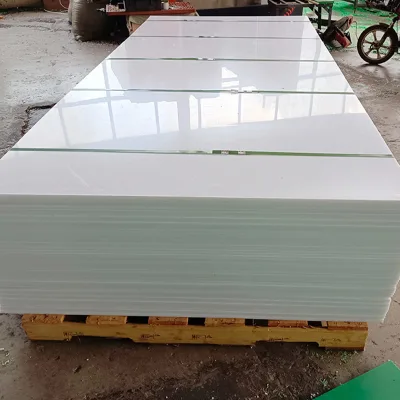
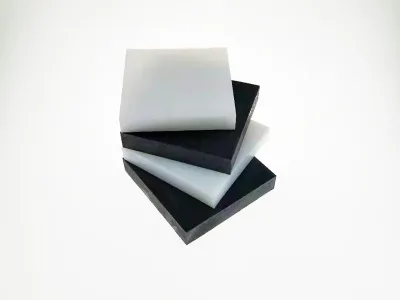
Most boards in this category are made from HDPE or UHMWPE sheet stock, both valued for low moisture absorption and high abrasion resistance. Food-contact versions are typically described as food grade, non-toxic, and tasteless. Always request the supplier's food-grade certification documents, such as FDA, LFGB, or ISO declarations, before placing a production order.
Can I order a custom size or color cutting board?
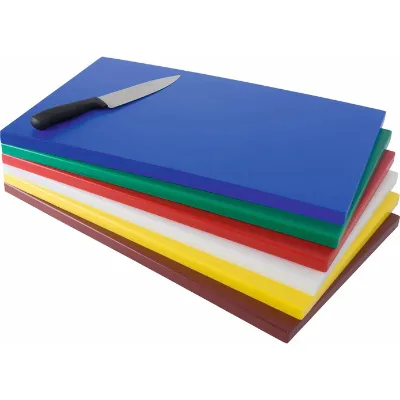
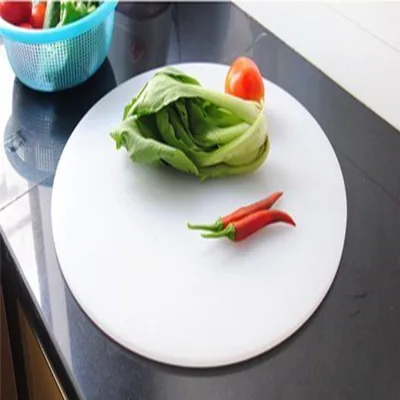
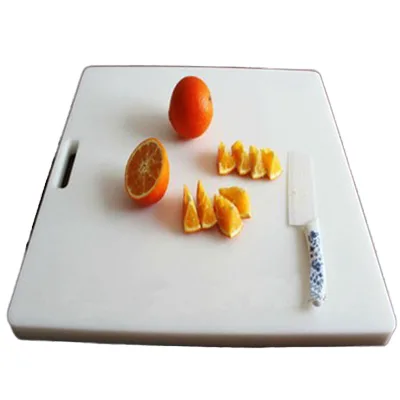
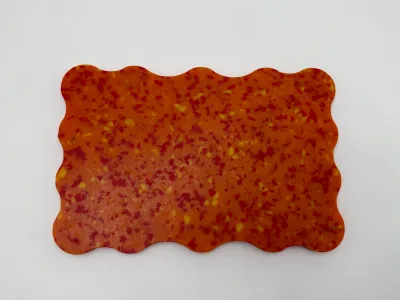
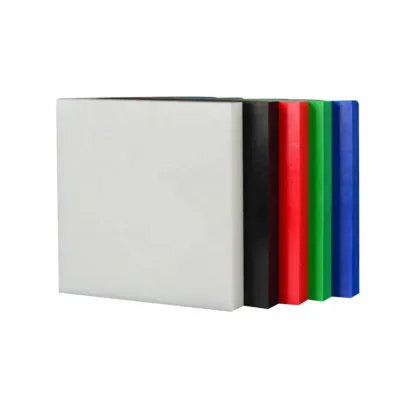
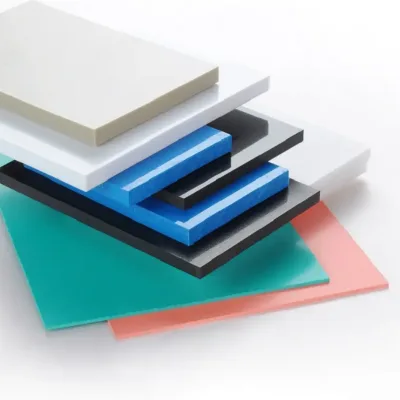
Yes, customization is widely available. Suppliers list options for custom sizes beyond standard dimensions like 300x200x15mm or Dia400x50mm, plus colors including white, red, blue, green, yellow, and brown. Customized logos and color labels are also offered. Confirm tooling fees, sample costs, and minimum quantities for custom specifications in writing before committing.
What is the typical MOQ for these plastic boards?
Minimum order quantities vary significantly by supplier and product listing. Some boards are listed with an MOQ as low as 1 piece, while other suppliers require 100 pieces per order. Trading companies and factories set different thresholds. Always verify the exact MOQ for your chosen size, thickness, and color combination directly with the supplier.
How long do production and delivery usually take?
Lead times differ substantially between suppliers. Quoted lead times in current listings range from around 15 days to 60 days depending on the manufacturer, order volume, and customization level. Sample production can be faster, with some suppliers offering samples within a few working days. Confirm the lead time for your specific order before paying a deposit.
What certifications should I ask suppliers for?
Request food-contact documentation such as FDA, LFGB, SGS, or ISO food-grade certificates for the specific board material. Some suppliers also hold system-level certifications like ISO9001 and ISO14001. Verify that certificates are current and apply to the exact material and production batch you are buying, not just to the supplier's general product range.
How much do food grade wear-resistant plastic boards cost?
Listed unit prices range widely, from roughly $1.90 to $14.50 per piece depending on size, thickness, material grade, and order quantity. Larger, thicker boards command higher prices. Custom colors or logos may add cost. Request formal quotations based on your exact specifications and volumes, since listed prices usually reflect standard configurations only.
Are samples available before placing a bulk order?
Yes, several suppliers offer sample pieces, with at least one offering a free 100x100mm sample. Sample lead times can be as short as within a few working days. Expect to cover shipping costs in most cases. Test samples for thickness, surface texture, and odor before approving them as the reference standard for your production order.
Where are most of these boards manufactured?
The suppliers represented on this page are based in China, with factories located in provinces including Hebei and Henan. These regions have established plastics-sheet manufacturing clusters producing HDPE, UHMWPE, and PP sheet products. Factor shipping time and customs clearance into your planning, and confirm the exact production location with each supplier.