Source Tila Beads for Jewelry, Crafts, and Garment Decoration
Compare 30 Tila Beads listings from global suppliers with varying sizes, materials, and origins. Buyers can evaluate glass, stone, and crystal options for jewelry, crafts, and garment decoration projects; compare the available evidence and request quotations based on your requirements.
Updated
Key considerations
Products List
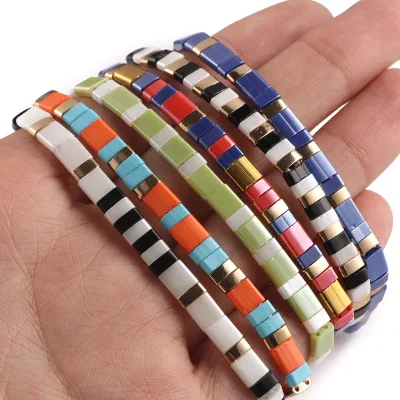
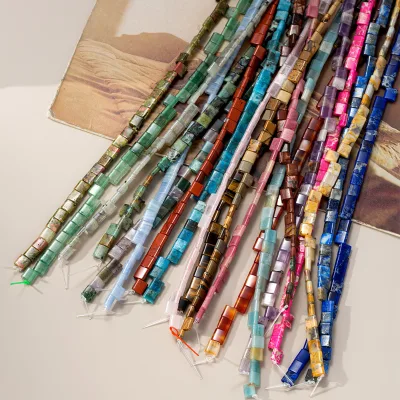


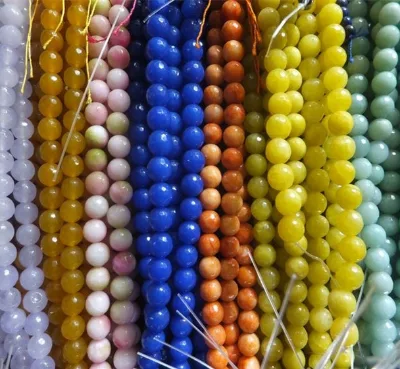
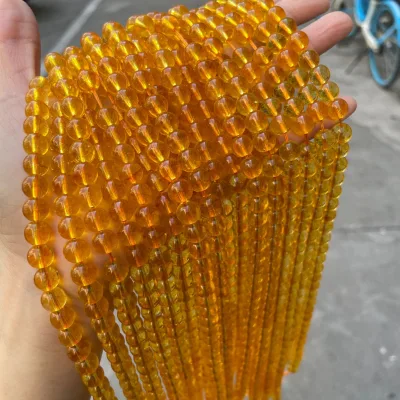
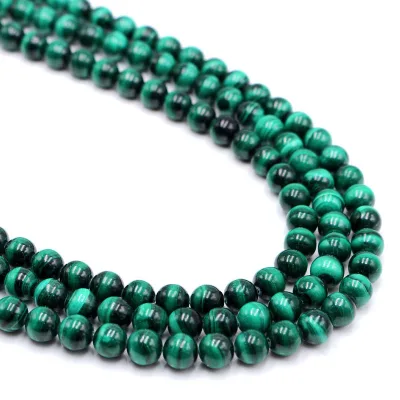
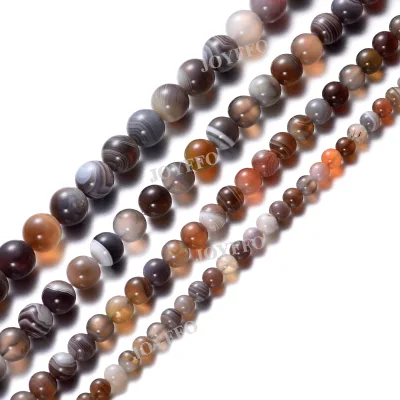


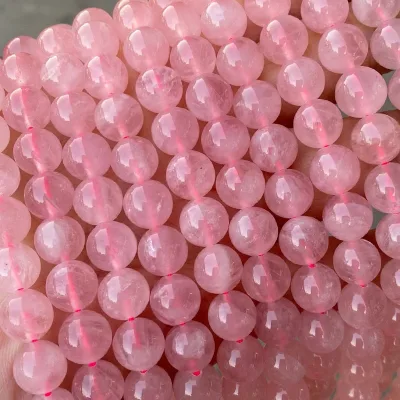

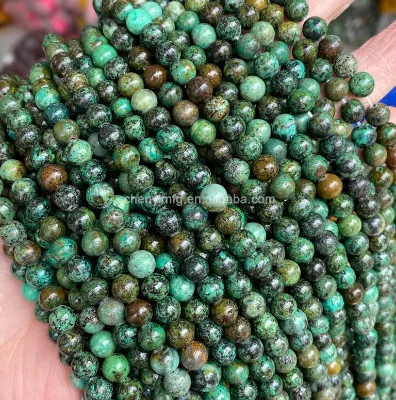

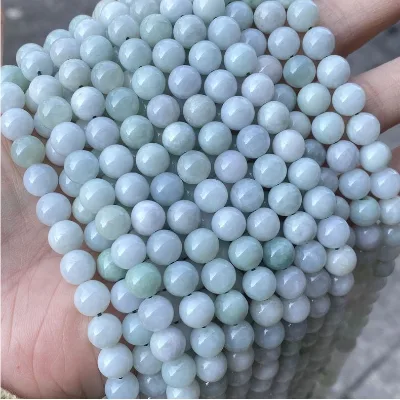
Genuine Real Smooth Round Natural Stone Beads Burma Jade Crystal Beads for DIY
$4.8745 - $12.1802
MOQ: 5 Minimum
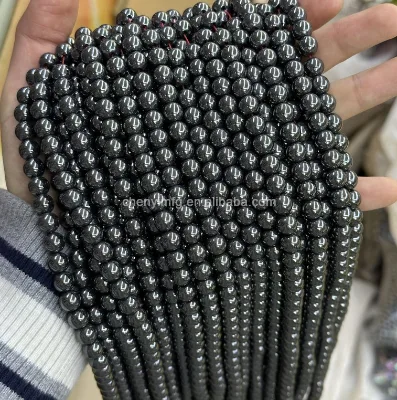
Wholesale Natural Stone Beads Jade Hematite Crystal Gemstone Bead for Jewelry Making
$0.391 - $1.5804
MOQ: 10 Minimum

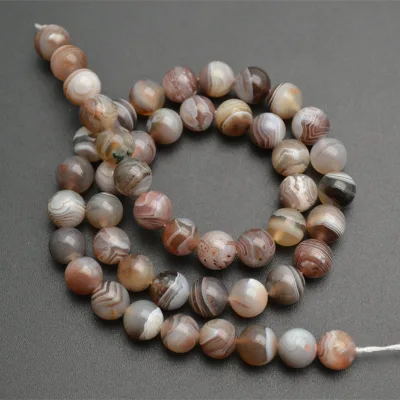
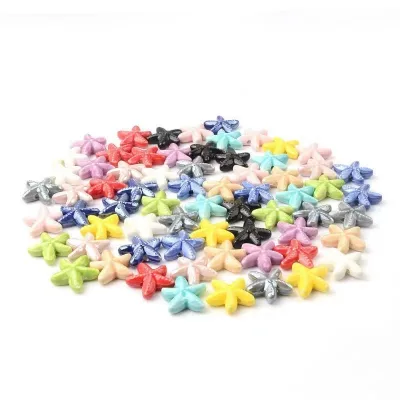

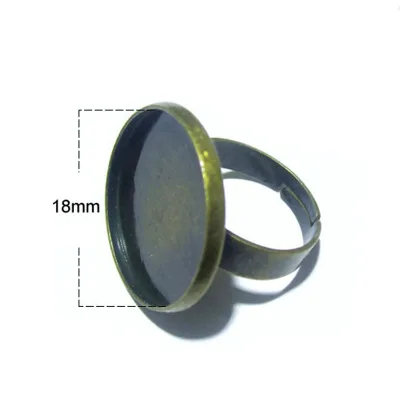
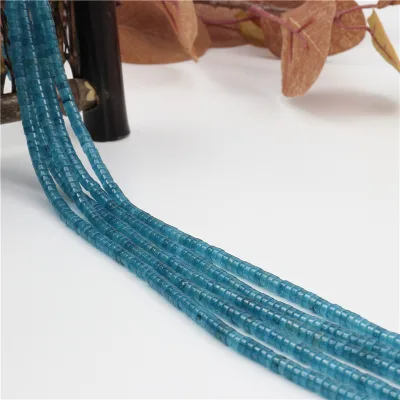
Beadsnice Ceramic Clay Porcelain Gemstone Beads for Jewelry Premium Stone Beads
$3.2147 - $3.4214
MOQ: 1 pieces

Comprehensive Sourcing Guide
Tila Beads Sourcing Guide
The market for Tila Beads presents a diverse landscape where procurement decisions hinge on specific material compositions and geometric forms. While the core keyword suggests a focus on flat, square, or rectangular glass beads, the available data reveals a broader inventory including round glass seed beads and stone-based loose beads. Buyers must distinguish between these distinct product categories, as the sourcing requirements for Japanese glass seed beads differ significantly from those for Chinese stone or crystal lampwork varieties. Understanding these material distinctions is the first critical step in defining a successful procurement strategy.
Procurement teams should also note the variability in packaging and unit definitions across different listings. Some suppliers offer products in small OPP bags with single-item selling units, while others provide bulk options like 25kg loose packages or cartons with polybags. This variation directly impacts logistics planning and inventory management. A buyer seeking small-batch prototyping will face different commercial terms than one sourcing for mass production, making it essential to align the initial search parameters with the specific operational scale and packaging needs of the project.
Product Scope and Observed Listing Signals
The observed product scope includes a wide array of shapes and materials, ranging from round glass seed beads to square stone beads and flat-style glass options. Listings indicate specific model numbers such as DB, LB0193, and SCC0020, each associated with distinct attributes like brand names Miyuki, SM, and JOFO. These signals suggest that the market is fragmented, with different manufacturers specializing in unique color palettes, from multi-color mixes to specific opaque dye colors and natural stone hues like red agate and lapis lazuli. Buyers must carefully cross-reference these model numbers with their design requirements to ensure the correct aesthetic and physical properties are secured.
Color availability is another critical signal, with listings showing extensive ranges from numbered color codes to specific gemstone names. Some products offer a simple multi-color mix, while others provide detailed lists including Amazonite, Rose quartz, and Tiger eye. This diversity allows for highly customized jewelry and artistic applications, but it also requires precise verification during the ordering process. Procurement teams should verify that the visual representation in the product picture matches the actual color description, as discrepancies between "picture show" attributes and text descriptions can lead to significant quality issues in the final assembled product.
Technical Specifications to Verify
Dimensional accuracy is paramount when sourcing Tila Beads, as the data shows specific size variations like 5x2x2mm, 1.3mmx2mmx1.9mm, and 2.4mmx2mmx1.9mm. Buyers must verify the hole size, which is listed as 0.8mm in some specifications, to ensure compatibility with the intended thread or wire gauge. The shape is equally critical, with listings specifying Round Shape, Square, and Flat Style. Confirming these exact dimensions and hole sizes is essential for maintaining the structural integrity of the final jewelry or garment, as even minor deviations can affect the drape and finish of the finished piece.
Weight and packaging dimensions also require strict verification to prevent logistical surprises. The data indicates gross weights ranging from 0.01 kg for single items to 0.800 kg per batch, with package sizes varying from 5X2X2 cm to 10X15X5 cm. These figures are vital for calculating shipping costs and storage requirements. Buyers should request detailed weight and dimension data for the specific batch they intend to purchase, as the "Selling Units" can range from single items to multiples of 100, significantly altering the total volume and weight of the shipment received.
Compliance and Safety Documentation
Safety and compliance documentation is a key consideration, particularly when sourcing beads intended for jewelry or children's products. The available data mentions a "Third Party Appraisal" certificate type, which suggests that some suppliers may provide external validation of their product quality. However, buyers should not assume that all listed products automatically meet international safety standards without explicit verification. It is crucial to request specific test reports regarding lead content, cadmium levels, and other heavy metals, especially for glass and stone beads that may be used in close contact with skin.
Certification status should be treated as a variable attribute rather than a guaranteed standard across all listings. While some products are associated with brands like Miyuki, which often implies a higher standard of quality control, others are generic or associated with different brand names. Buyers must explicitly ask for the certificate type and the scope of the appraisal before placing an order. Relying on general product descriptions without concrete documentation can expose the buyer to regulatory risks, particularly in markets with strict safety regulations for consumer goods and accessories.
Cost Drivers and Commercial Terms
Pricing and commercial terms vary widely based on the material, brand, and packaging configuration. The observed price range spans from $0.01 to $1850, reflecting the difference between single-item purchases and bulk industrial orders. The Minimum Order Quantity (MOQ) also fluctuates significantly, ranging from 1 bag to 10,000 units, which directly influences the unit cost and the feasibility of small-batch sourcing. Buyers must balance their budget constraints with the MOQ requirements to optimize their procurement strategy, ensuring they do not overstock or under-order relative to their production needs.
Payment methods and selling units further complicate the commercial landscape. Listings indicate acceptance of PayPal, Western Union, and online payment options, but the "Selling Units" can be defined as single items or multiples of 100. This variability requires careful negotiation to align payment terms with the order volume. Buyers should clarify whether the price includes packaging costs and shipping, as the "Package" details range from 450g per bag to 25kg loose packages. Understanding these commercial nuances is essential for accurate cost modeling and avoiding unexpected expenses during the transaction process.
Supplier Qualification and Quality Control
Supplier qualification involves verifying the place of origin and the specific manufacturing capabilities of the vendor. The data shows origins in Japan, Zhejiang, China, and Jiangsu, China, each potentially offering different quality profiles and production standards. Buyers should investigate the specific factory capabilities associated with each location, as Japanese glass beads may offer different precision compared to stone beads from other regions. Establishing a clear understanding of the supplier's location and production capacity is the first step in building a reliable supply chain for Tila Beads.
Quality control measures must be tailored to the specific product attributes observed, such as the "Loose Beads Material" which includes Crystal, Lampwork, and Glass. Buyers should implement a rigorous inspection process that checks for consistency in color, shape, and hole size, as these are common points of variation in bead manufacturing. Requesting pre-shipment samples is a critical step to validate that the actual product matches the "picture show" and the listed specifications. This proactive approach helps mitigate the risk of receiving substandard goods that could compromise the final product's quality and appearance.
Long-Term Procurement Checks
Sustaining a successful procurement relationship requires ongoing monitoring of supplier performance and product consistency over time. Buyers should establish a schedule for regular quality audits and performance reviews to ensure that the supplier continues to meet the agreed-upon specifications for size, color, and material. The variability in "Beads Colour" and "Shape" across different batches necessitates a robust system for tracking changes and addressing any deviations immediately. Consistent communication with the supplier is key to maintaining the high standards required for professional jewelry and craft applications.
Future procurement strategies should also account for potential changes in supply chain dynamics and material availability. As the market for Tila Beads evolves, buyers must remain vigilant about shifts in production locations, certification requirements, and pricing trends. Developing a diversified supplier base can help mitigate risks associated with single-source dependencies. By continuously evaluating the market and maintaining open lines of communication with multiple vendors, buyers can ensure a stable and reliable supply of high-quality Tila Beads for their long-term projects.
FAQs
What materials are used for Tila Beads?
Tila Beads are primarily crafted from glass material, offering a durable and versatile option for jewelry making. Some listings also feature loose beads made from crystal, lampwork, and glass combinations. Additionally, stone-based options such as agate, jasper, and lapis lazuli are available for decorative and artistic applications, providing diverse aesthetic choices for buyers.
Which shapes are available for Tila Beads?
Tila Beads are available in various shapes to suit different design needs. Common options include round shapes and square configurations. Some specific models feature flat styles or unique dimensions like 5x2x2mm. Buyers can also find mixed color options that match picture references, ensuring flexibility for crafting necklaces, bracelets, and earrings with precise geometric requirements.
Can Tila Beads be customized for specific projects?
Yes, customization is available for many tila bead products. Suppliers offer tailored solutions for specific project requirements, including custom colors and packaging details. Options range from small OPP bags to larger carton and polybag packages. Buyers can specify preferences for mixed colors or specific stone types, ensuring the final product aligns perfectly with their artistic or commercial jewelry designs.
What are the typical packaging details for Tila Beads?
Packaging for Tila Beads varies by supplier and product type. Common methods include OPP bags for individual items and larger carton plus polybag combinations for bulk orders. Specific weights are noted, such as 0.800 kg per batch or 450g per bag. Package sizes per batch often measure around 10x15x5 cm, ensuring secure transport and easy inventory management for wholesale buyers.
Where are Tila Beads typically manufactured?
Tila Beads originate from various global locations, with Japan and China being prominent sources. Specific origins include Zhejiang and Jiangsu provinces in China, known for glass and stone bead production. Japanese manufacturers also supply high-quality glass seed beads. This geographic diversity allows buyers to select suppliers based on preferred material quality, certification standards, and logistical convenience for their specific sourcing needs.
What is the minimum order quantity for Tila Beads?
Minimum order quantities for Tila Beads vary significantly by supplier. Some vendors accept orders as low as one bag, catering to small-scale crafters. Other suppliers may require larger bulk purchases, with MOQs reaching up to 10,000 units. Buyers should check specific product listings for exact MOQ requirements, as options range from single items to multiple hundreds, depending on the material and brand.