Source Titanium Alloy Surgical Scissors for ENT, Neurosurgery, and Microsurgery
Find 30 Titanium Alloy Surgical Scissors options for ENT, neurosurgery, and microsurgery applications. Compare CE, FDA, and ISO13485 certified models from Jiangsu, China, featuring reusable designs and online technical support; compare the available evidence and request quotations based on your requirements.
Updated
Key considerations
Products List




Stainless Steel Surgical Scissors Cosmetic Scissors
$1.03 - $1.29
MOQ: 300 Pieces
Jinhua Hengyang Cross-Border Trade Limited Liability Company
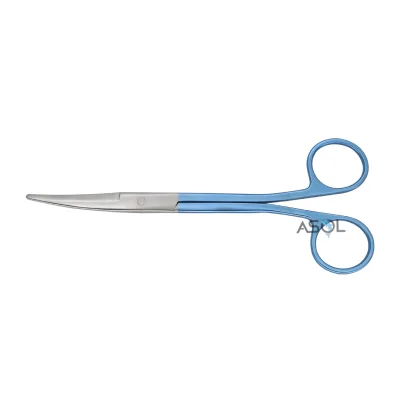
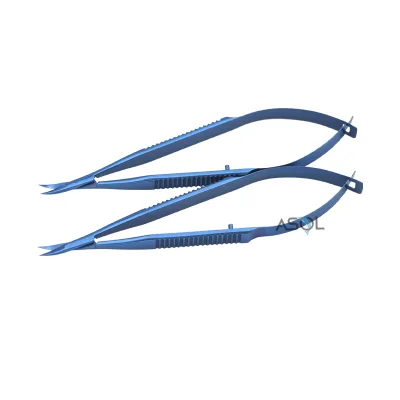
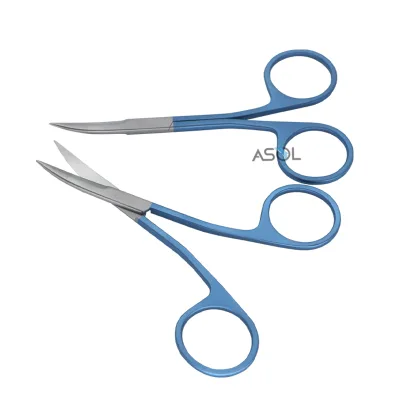
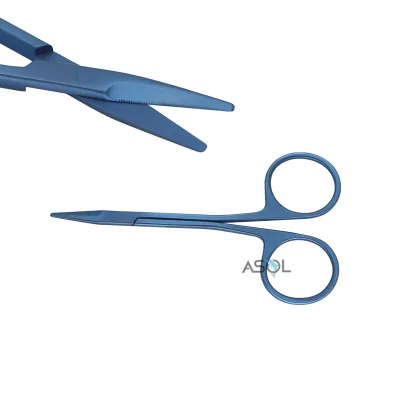
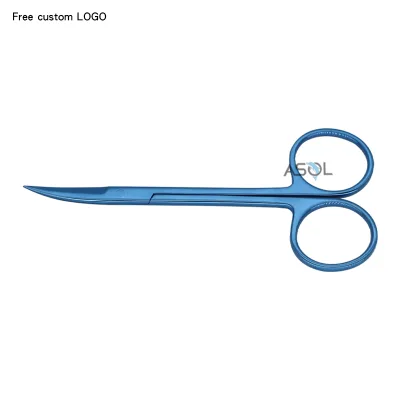
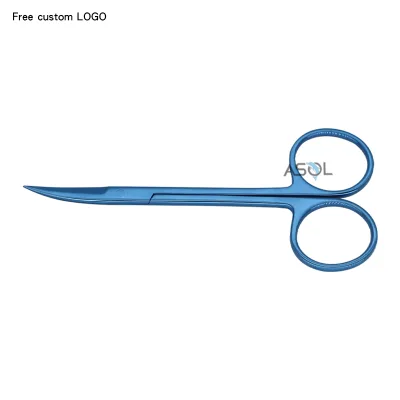
Titanium Surgery Ophthalmic Micro Curved Scissors Eye Surgical Scissors 4.3inches Long
$20.4937 - $22.5432
MOQ: 1 pieces
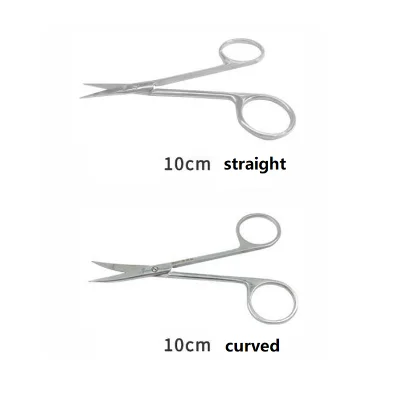
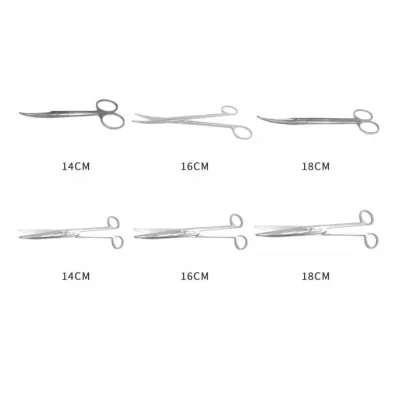
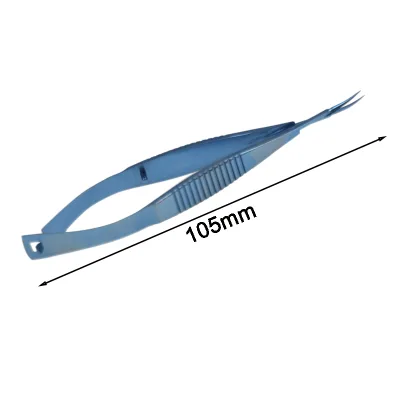
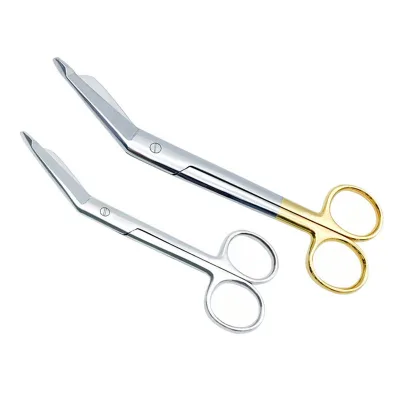


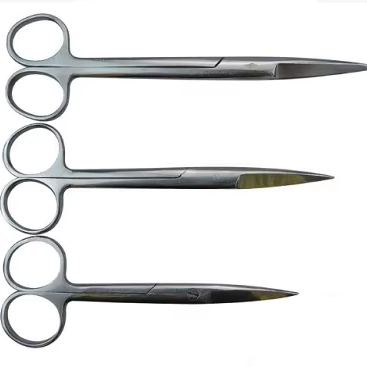

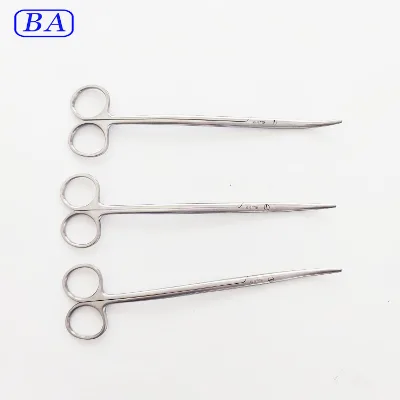
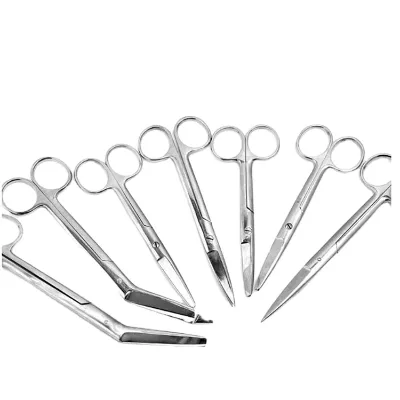
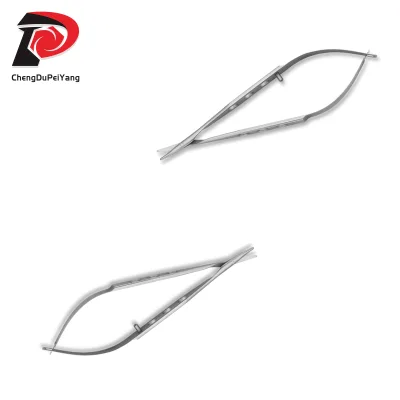
Microsurgical Instruments Medical Suture Removal Scissors Gum Surgery Suture Removal Scissors
$17.3491 - $24.3893
MOQ: 1 Minimum

Comprehensive Sourcing Guide
Titanium Alloy Surgical Scissors Sourcing Guide
Procuring Titanium Alloy Surgical Scissors requires a disciplined approach to material verification and supply chain transparency. Buyers must prioritize suppliers who can demonstrate consistent metallurgical quality, as the performance of these instruments hinges on the integrity of the titanium or titanium alloy composition. The observed market data indicates a strong presence of manufacturers from Jiangsu, China, offering a range of models that cater to specialized surgical needs. Understanding the specific alloy grade and manufacturing finish is essential for ensuring that the instruments meet the rigorous demands of sterile, high-precision surgical environments.
This guide outlines the critical steps for evaluating suppliers, verifying technical specifications, and ensuring regulatory compliance. By focusing on observable listing signals and documented quality standards, procurement teams can mitigate risks associated with counterfeit materials or substandard finishes. The following sections provide a structured framework for assessing product scope, technical details, compliance documentation, commercial terms, supplier qualifications, and long-term procurement strategies. This approach ensures that buyers make informed decisions based on verified facts rather than unverified marketing claims.
Product Scope and Observed Listing Signals
The current market for Titanium Alloy Surgical Scissors includes a diverse array of products, primarily categorized under Class I surgical instruments and biological diagnostics. Listings frequently highlight specific applications such as ENT, neurosurgery, and microsurgery, with some products explicitly labeled as ophthalmic microsurgical tools. The observed product range includes variations in size, with common dimensions noted at 8.5cm and 11.5cm, and model numbers ranging from ANJ-INS to KHL3790. These signals suggest a market segment focused on precision instruments where size and shape, such as straight or curved configurations, are critical for specific surgical procedures.
Buyers should note that while many listings claim high-quality standards and reusable features, the actual material composition varies between pure titanium and titanium alloy. Color options observed include blue and silver white, which may indicate different surface treatments or coating processes. The packaging details often specify single-item boxes with carton outer packaging, and shelf life claims of three years are present in some listings. These details provide a baseline for understanding the product variety, but buyers must verify that the specific item ordered matches the intended surgical application and material requirements.
Technical Specifications to Verify
Technical verification begins with confirming the exact material composition, as listings may use "titanium" and "titanium alloy" interchangeably without specifying the grade. Buyers should request mill certificates or material test reports to ensure the alloy meets the required strength and corrosion resistance standards for surgical use. The observed weight specifications, such as 0.100 kg for rough weight or 10g for individual units, provide a quick check for consistency, but the single package dimensions, often around 10x1x1 cm or 11.5x1x1 cm, are crucial for logistics planning. Verifying these physical attributes helps prevent discrepancies between ordered and delivered goods.
Finish quality is another critical technical parameter, with polishing being a common specification observed in the market. Buyers should inspect samples for surface smoothness to ensure that the instruments do not harbor bacteria or cause tissue damage during use. The model numbers, such as 2025122201 or KHL3790, should be cross-referenced with the supplier’s catalog to confirm the exact geometry, including straight or curved designs. Additionally, the power source is consistently listed as manual, which is standard for these instruments, but buyers should confirm that the mechanical action of the scissors is smooth and precise, with no play or resistance in the pivot point.
Compliance and Safety Documentation
Regulatory compliance is non-negotiable for surgical instruments, and buyers must verify that suppliers hold valid certifications such as CE, FDA, and ISO13485. These certifications indicate that the manufacturer adheres to international quality management and safety standards, which is essential for importing and using the instruments in regulated markets. Buyers should request copies of these certificates and check their validity dates and scope to ensure they cover the specific product lines being purchased. Without proper documentation, the risk of customs delays or regulatory penalties increases significantly.
In addition to certifications, buyers should inquire about the quality standards and testing protocols used by the supplier. While some listings claim "high-quality standard," this is a vague term that requires clarification. Buyers should ask for specific test results related to material durability, edge retention, and sterilization compatibility. The warranty periods observed, ranging from one to two years, provide some assurance of product reliability, but buyers should ensure that the warranty terms are clearly defined and enforceable. Proper documentation and clear warranty terms are essential for protecting the buyer’s investment and ensuring patient safety.
Cost Drivers and Commercial Terms
Cost drivers for Titanium Alloy Surgical Scissors include the raw material price fluctuations, manufacturing complexity, and certification maintenance costs. Buyers should expect price variations based on the specific alloy grade, finish quality, and order volume. The observed MOQ range of 1 to 2000 units allows for flexibility, but larger orders may offer better unit pricing. Buyers should negotiate based on total cost of ownership, including shipping, tariffs, and potential return costs, rather than focusing solely on the unit price. Understanding these cost drivers helps in budgeting and negotiating favorable terms with suppliers.
Commercial terms such as payment methods, lead times, and shipping options should be clearly defined in the purchase agreement. While specific lead times are not provided in the observed data, buyers should request estimated production and delivery schedules to plan their inventory effectively. The selling units are typically single items, but packaging details may vary, so buyers should confirm the packaging requirements to avoid damage during transit. Clear commercial terms reduce the risk of misunderstandings and ensure a smooth transaction process, allowing buyers to focus on other aspects of their procurement strategy.
Supplier Qualification and Quality Control
Supplier qualification involves assessing the manufacturer’s production capabilities, quality control processes, and after-sales support. Buyers should verify the supplier’s facility through virtual tours or third-party audits to ensure that they adhere to good manufacturing practices. The observed after-sales services, including online technical support and warranty coverage, are important indicators of supplier reliability. Buyers should evaluate the responsiveness and expertise of the support team to ensure that any issues can be resolved promptly. A qualified supplier will have robust quality control measures in place to minimize defects and ensure consistent product quality.
Quality control should extend to the incoming inspection of raw materials and the final inspection of finished products. Buyers should request quality control reports and inspection records to verify that the supplier’s processes are effective. The customization options available, such as custom logos or specific packaging, should be evaluated for their impact on quality and lead times. Buyers should also consider the supplier’s track record and reputation in the market, as this can provide insights into their reliability and commitment to quality. A thorough supplier qualification process helps mitigate risks and ensures a long-term partnership.
Long-Term Procurement Checks
Long-term procurement checks involve regular audits, performance reviews, and continuous improvement initiatives. Buyers should establish key performance indicators (KPIs) to monitor supplier performance, including on-time delivery, product quality, and responsiveness to issues. Regular audits of the supplier’s quality management system and production processes help ensure ongoing compliance with regulatory standards. Buyers should also engage in open communication with suppliers to address any emerging issues and collaborate on solutions. Continuous improvement initiatives can lead to better product quality and more efficient supply chain operations.
Buyers should also monitor market trends and technological advancements in surgical instruments to stay competitive. This includes keeping abreast of new materials, finishes, and design innovations that may offer better performance or cost savings. Regularly reviewing and updating procurement strategies based on market changes and supplier performance helps maintain a resilient and efficient supply chain. By focusing on long-term relationships and continuous improvement, buyers can ensure that they receive high-quality Titanium Alloy Surgical Scissors that meet their evolving needs.
FAQs
What certifications do Titanium Alloy Surgical Scissors have?
These instruments carry CE, FDA, and ISO13485 certifications. This ensures compliance with international medical device standards for safety and quality. Buyers can verify these credentials to meet regulatory requirements in their respective markets. The products are classified as Class I surgical instruments, suitable for various surgical applications including ENT and microsurgery procedures.
Can Titanium Alloy Surgical Scissors be customized?
Yes, customization is available for these surgical scissors. Buyers can request custom logos and specific packaging details to suit their brand needs. The products support various model numbers and standard sizes. This flexibility allows medical suppliers to tailor the instruments to their specific distribution channels and customer preferences effectively.
What is the warranty period for these scissors?
The warranty period varies by product type. Some models offer a two-year warranty, while others provide a one-year warranty. This coverage ensures product reliability and supports after-sales service through online technical support. Buyers should check the specific warranty terms for the exact model they intend to purchase to understand the coverage details.
Where are Titanium Alloy Surgical Scissors manufactured?
These instruments are manufactured in Jiangsu, China. The place of origin is clearly stated as China for all listed products. This location serves as the primary source for these titanium and titanium alloy surgical tools. Buyers can rely on this consistent origin for supply chain planning and logistics coordination when sourcing these medical devices.
What materials are used in these surgical scissors?
The scissors are made from titanium and titanium alloy materials. These materials provide durability and resistance to corrosion, which is essential for surgical instruments. The finish is polished to ensure smooth operation. The use of high-quality titanium ensures the instruments meet the high-quality standard required for repeated use in surgical rooms and medical procedures.
What is the minimum order quantity for these scissors?
The minimum order quantity ranges from 1 to 2000 pieces. This wide range accommodates both small trial orders and large bulk purchases. Buyers can select the MOQ that best fits their inventory needs. The selling unit is a single item, allowing for flexible ordering. This flexibility supports various procurement strategies for medical suppliers and hospitals.
How are Titanium Alloy Surgical Scissors packaged?
The packaging details include one piece per box. The single package size varies, such as 10x1x1 cm or 11.5x1x1 cm. The standard packaging is carton, ensuring safe transport. The rough weight is approximately 0.100 kg per item. This standardized packaging facilitates efficient storage and shipping for international buyers sourcing these surgical instruments.