Source USB 4G WiFi Modem for Servers, Routers, and Modems
Compare 30 listings of USB 4G WiFi Modem from verified suppliers in Guangdong, China. Review specifications like frequency bands, transmission speeds, and certifications to find the right device for servers, routers, and wireless modems; compare the available evidence and request quotations based on your requirements.
Updated
Key considerations
Products List
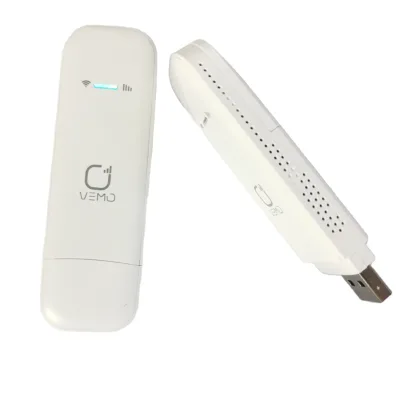
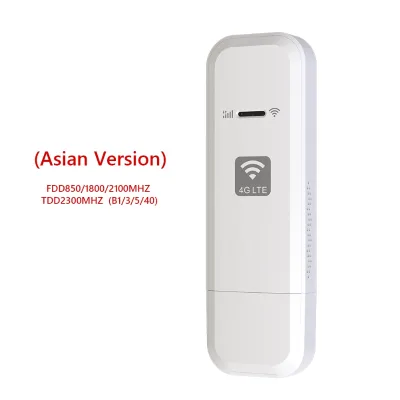
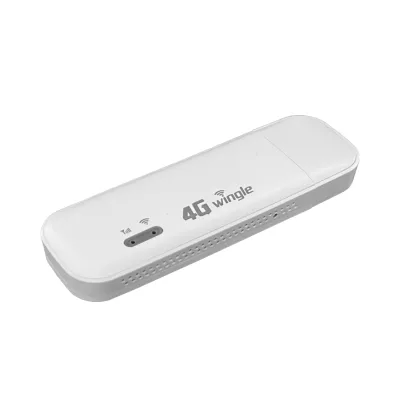
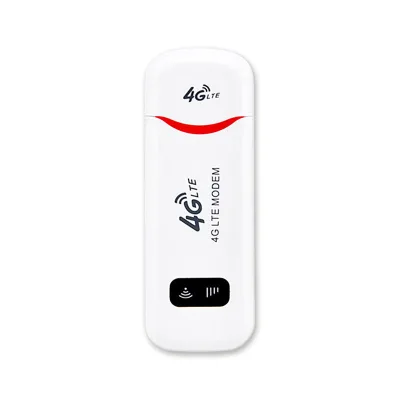
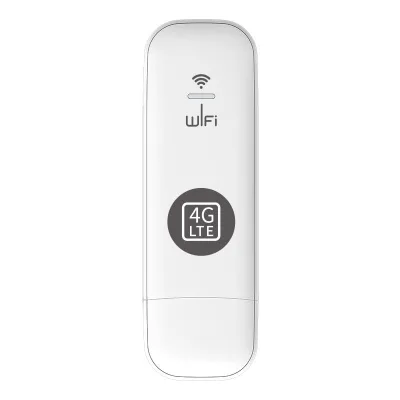
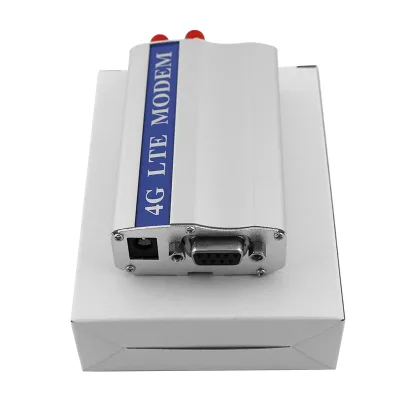


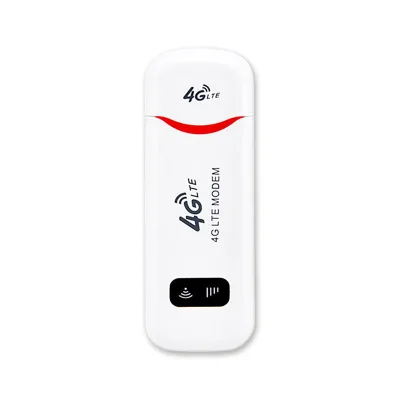
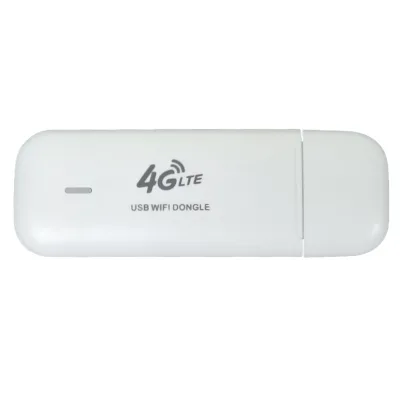
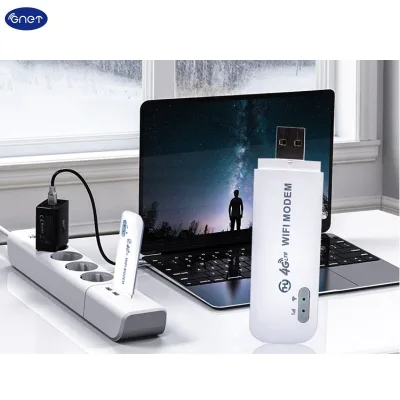
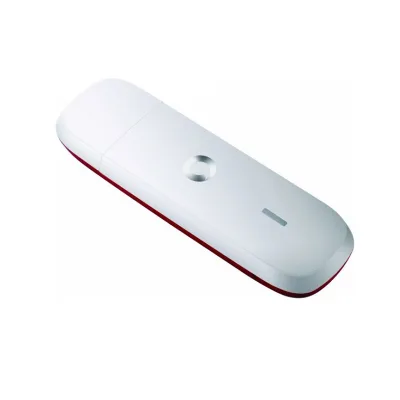
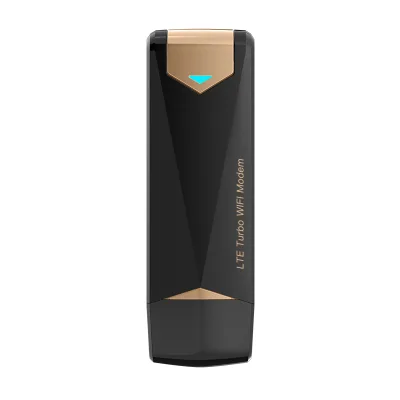
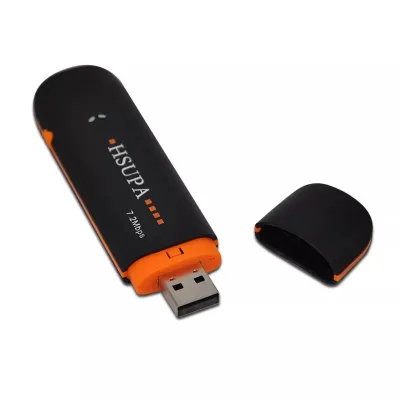
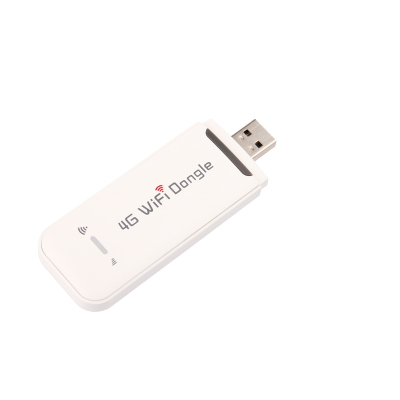
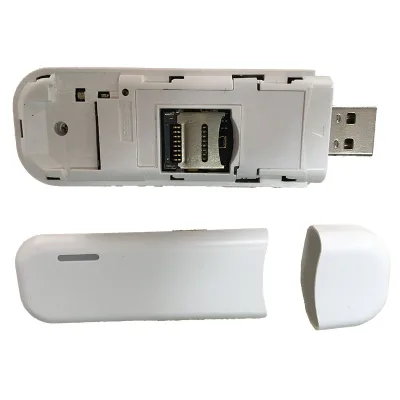
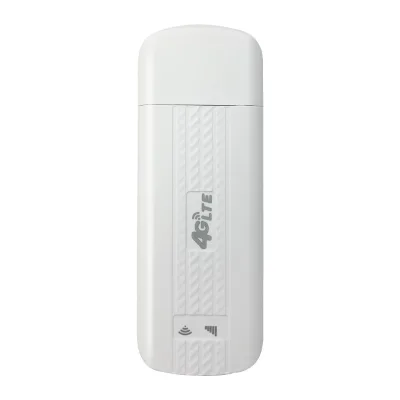
Unlocked 4G Wifi Network Card 150Mbps 4G USB Modem Mini Portable 4G Wireless Dongle
$9.2144 - $11.181
MOQ: 2 pieces
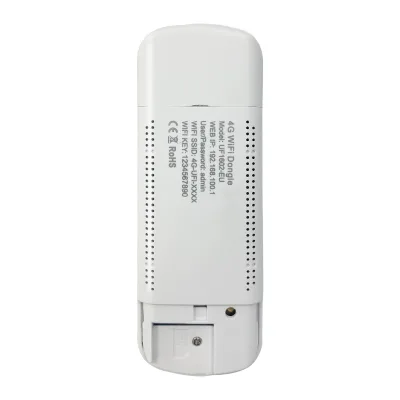
3G 4G LTE 5G USB Modem Sim Card Wireless 150Mbps Mini Ufi Dongle 4G WiFi Dongle
$9.1319 - $11.0821
MOQ: 2 pieces
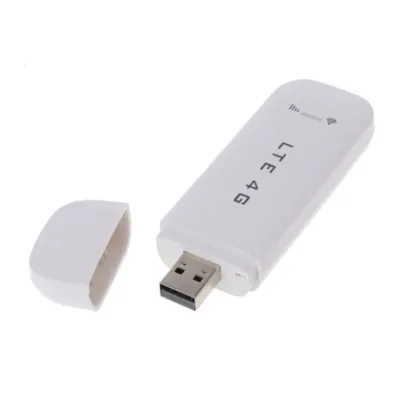
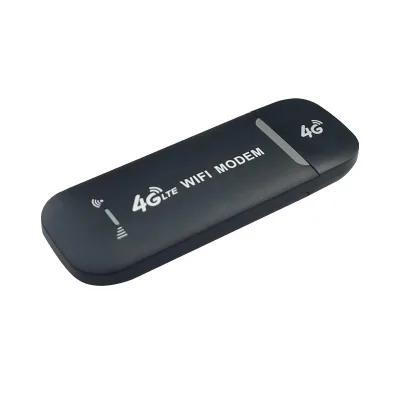
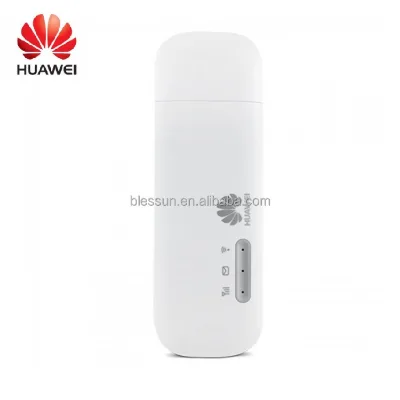
LTE Universal 4G USB MODEM WIFI Mobile 4g E8372h-820/153 Unlocked HW E8372 150Mbps Modem Wingle
$38.4898 - $46.8123
MOQ: 20 pieces


OEM 3G 4G LTE USB Modem Dongle High Speed 150Mbps SIM Card 2.4G WiFi Router
$19.00 - $22.00
MOQ: 1000 Pieces

High Speed 3G Wireless USB Dongle 4G LTE Modem WiFi Router with SIM Card Portable Hotspot
$19.00 - $22.00
MOQ: 1000 Pieces

3G 4G LTE Wireless Hotspot Modem 2.4G&5g Portable SIM Card WiFi Router
$32.00 - $38.00
MOQ: 1000 Pieces

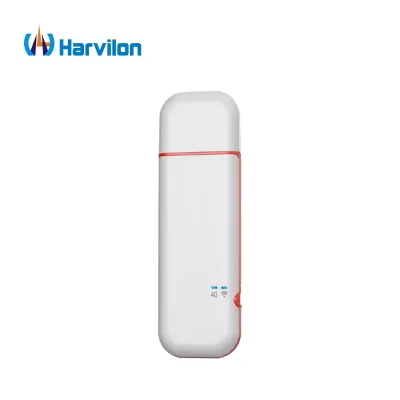
Comprehensive Sourcing Guide
USB 4G WiFi Modem Sourcing Guide
Procuring USB 4G WiFi modems requires careful evaluation of hardware form factors and network compatibility to ensure seamless integration into your specific operational environment. These devices serve as critical bridges between cellular networks and local wireless infrastructure, enabling reliable data transmission for diverse applications ranging from server connectivity to mobile office setups. Buyers must distinguish between external and internal antenna configurations, as this choice directly impacts signal stability and device placement flexibility. The observed market offers a variety of models, including dongles and routers, each with distinct physical dimensions and weight profiles that influence portability and installation requirements.
Understanding the specific frequency bands supported by each unit is essential for global or regional deployment success. Suppliers list various band combinations, such as B1, B3, B5, B7, B8, B20, and B28, which determine compatibility with different carriers across Asia, Europe, and other regions. Buyers should verify that the selected modem supports the exact LTE bands used by their target service providers to avoid connectivity issues. Additionally, the distinction between single-item selling units and bulk packaging affects logistics planning, with package sizes ranging from compact dongles to slightly larger router-style units. This variation necessitates precise specification matching to prevent procurement errors and ensure that the hardware meets the intended technical and physical constraints of the end-use case.
Product Scope and Observed Listing Signals
The current market landscape for USB 4G WiFi modems presents a wide array of product names and keyword variations that can complicate initial sourcing efforts. Listings frequently use terms such as "4G LTE USB wifi modem," "wireless usb modem," and "wifi router" to describe similar hardware, reflecting the dual functionality of cellular reception and local WiFi distribution. Buyers should note that while some products are explicitly labeled as dongles, others may be categorized under broader wireless adapter or modem classifications. This semantic diversity requires careful scrutiny of the actual product images and detailed specifications rather than relying solely on title keywords to identify the correct hardware type for your needs.
Observed listing signals indicate a strong presence of OEM and OME branded products, suggesting that many suppliers offer white-label or custom branding opportunities for bulk purchasers. The place of origin is predominantly Guangdong, China, a major hub for electronics manufacturing that offers competitive pricing and rapid production cycles. Products are generally listed as being in stock, which facilitates quicker order fulfillment compared to made-to-order items. However, buyers must verify the specific model numbers, such as MF89 or LDW931, as these identifiers often correlate with regional firmware versions or hardware revisions. Understanding these listing nuances helps in filtering search results effectively and identifying suppliers who can meet specific branding or technical requirements.
Technical Specifications to Verify
Verifying the transmission speed and network generation support is a critical step in ensuring the modem meets your bandwidth requirements. Many listed units support 4G, 3G, and 2G networks, providing backward compatibility for areas with varying signal strengths. Specific speed ratings, such as downlink speeds of 150Mbps and uplink speeds of 50Mbps, should be confirmed against your application’s data throughput needs. It is important to distinguish between theoretical maximum speeds and real-world performance, which can be affected by network congestion and signal quality. Buyers should request detailed datasheets that outline the actual throughput capabilities under standard testing conditions to avoid overestimating the device's performance in live deployments.
Interface type and operating system compatibility are equally vital considerations for seamless integration into existing IT infrastructure. The primary interface for these devices is USB, which allows for easy plug-and-play installation on various computing platforms. Compatibility lists often include Windows 7, 8, 10, Mac, and Vista, ensuring broad support for common desktop and laptop environments. Additionally, the wireless protocol support, typically 802.11a/g, dictates the local WiFi performance and range. Buyers must also check the antenna configuration, whether built-in or external, as this impacts signal reception and stability. Confirming these technical details early in the sourcing process prevents compatibility issues and ensures the hardware integrates smoothly with your current systems.
Compliance and Safety Documentation
Ensuring that the USB 4G WiFi modems comply with relevant safety and environmental standards is mandatory for legal importation and safe operation. The most commonly cited certifications in the market are CE and RoHS, which indicate conformity with European health, safety, and environmental protection standards. Buyers should request valid certification documents from suppliers to verify that the products have undergone the necessary testing procedures. These certifications are crucial for demonstrating that the devices do not contain hazardous substances and meet electromagnetic compatibility requirements. Without proper documentation, shipments may be held at customs, leading to delays and additional costs, so verifying compliance status is a non-negotiable step in the procurement workflow.
Beyond regulatory compliance, buyers should assess the warranty terms and product status to mitigate long-term operational risks. A standard one-year warranty is frequently offered, providing a safety net against manufacturing defects and early failures. Products listed as "in stock" generally offer more predictable lead times, but buyers should confirm whether the warranty covers replacement parts or full unit swaps. Additionally, understanding the private mold status can provide insights into the supplier's manufacturing capabilities and exclusivity options. If a product uses a private mold, it may indicate a higher level of customization or proprietary design, which could be beneficial for branding purposes. Clarifying these commercial and compliance details ensures a smoother transaction and reduces the risk of post-purchase disputes.
Cost Drivers and Commercial Terms
The pricing structure for USB 4G WiFi modems is influenced by several factors, including order volume, customization requirements, and specific technical configurations. The observed price range spans from approximately $4.58 to $260, reflecting the diversity in product complexity and brand positioning. Lower-priced items are typically basic dongles with standard specifications, while higher-priced units may offer enhanced features, better build quality, or specialized regional band support. Buyers should analyze the cost per unit in the context of the minimum order quantity (MOQ), which ranges from 1 to 1000 pieces. Understanding the price-break tiers allows for better budget forecasting and negotiation leverage when placing larger orders with suppliers.
Commercial terms such as packaging dimensions and weight directly impact shipping costs and logistics planning. Single package sizes vary, with dimensions like 10x5x15 cm or 15x12x3 cm affecting how many units can be shipped in a single container. Gross weights, ranging from 0.134 kg to 0.200 kg per unit, also contribute to the overall freight cost. Buyers should calculate the total landed cost, including shipping, insurance, and potential tariffs, to determine the true value of each supplier's offer. Additionally, confirming the selling unit structure, whether single items or bulk packs, helps in optimizing inventory management and storage. Transparent communication about these commercial details ensures accurate cost estimation and prevents unexpected expenses during the importation process.
Supplier Qualification and Quality Control
Evaluating supplier qualifications is essential to ensure reliability and consistency in the supply of USB 4G WiFi modems. Buyers should prioritize suppliers who demonstrate a strong manufacturing base in established electronics hubs like Guangdong, China, as these regions often have mature supply chains and skilled labor forces. Verifying the supplier's ability to handle OEM orders is crucial for businesses seeking custom branding or specific technical modifications. Suppliers with private mold capabilities may offer greater flexibility in product design, but buyers must assess their quality control processes to ensure that customized units meet the same standards as standard products. Requesting samples before placing bulk orders allows for hands-on evaluation of build quality and performance.
Quality control measures should be explicitly discussed with potential suppliers to mitigate the risk of receiving defective units. Buyers should inquire about the testing procedures used for each batch, including functional tests for network connectivity and data transmission speeds. Confirming that the products are currently in stock reduces the risk of production delays, but buyers should also verify the supplier's inventory management practices to ensure stock accuracy. Additionally, understanding the supplier's after-sales support structure is vital for addressing any technical issues that may arise post-delivery. Establishing clear communication channels and defining quality expectations upfront helps in building a robust supplier relationship and ensures that the procurement process runs smoothly from order placement to final delivery.
Long-Term Procurement Checks
Establishing long-term procurement checks involves regular monitoring of supplier performance and product lifecycle updates. Buyers should track key performance indicators such as on-time delivery rates, defect rates, and responsiveness to technical queries. Consistent performance in these areas indicates a reliable supplier capable of supporting ongoing business needs. Additionally, staying informed about updates in cellular network technologies and frequency band regulations is crucial, as older modem models may become obsolete or incompatible with future network expansions. Regularly reviewing the supplier's product catalog can help identify newer models with improved specifications or better regional compatibility, ensuring that your procurement strategy remains aligned with technological advancements.
Continuous engagement with suppliers can also uncover opportunities for cost optimization and product enhancement. By maintaining a collaborative relationship, buyers may gain access to early notifications of new product releases or promotional pricing tiers. It is also advisable to periodically re-evaluate the total cost of ownership, including warranty claims and support costs, to ensure that the chosen supplier continues to offer the best value. Documenting all interactions and performance metrics creates a historical record that can be used for future negotiations or supplier selection processes. Proactive management of these long-term factors helps in sustaining a resilient supply chain and minimizes disruptions in your operational workflow.
FAQs
What are the key specifications for the MF89 4G USB WIFI Dongle?
The MF89 model features an external style with USB interface and supports FDD bands B1, B3, B5, B7, B8, B20, and B28. It operates on 4G, 3G, and 2G networks with a download speed of 150Mbps and upload speed of 50Mbps. The device includes built-in antennas and weighs 0.200 kg per single package.
Can I find OEM branded 4G LTE USB wifi modems in stock?
Yes, OEM branded 4G LTE USB wifi modems are available as stock items. These devices support Windows 7/8/10, Mac, and Vista operating systems. They offer wireless data transmission capabilities and come with a one-year warranty. The products are manufactured in Guangdong, China, and include CE and RoHS certifications for compliance.
Which models support the LDW931 Asia version specification?
The LDW931 Asia version is a specific model specification for 4G WIFI modems. This variant typically supports standard 4G LTE bands and includes built-in antennas for reliable connectivity. It is designed for server applications and data transmission. Buyers should verify the exact frequency band support and package dimensions, which may vary slightly from other regional versions.
What is the typical weight and packaging size for these USB dongles?
The single gross weight ranges from 0.134 kg to 0.200 kg depending on the specific model. Packaging sizes vary, with common dimensions being 10x5x15 cm or 15x12x3 cm. The selling unit is a single item, making it easy to handle for small orders. These compact dimensions facilitate efficient shipping and storage for B2B buyers.
Are these devices compatible with standard USB ports for data transmission?
Yes, these devices utilize a standard USB interface for direct connection to computers or routers. They function as wireless USB modems, enabling data transmission over 4G, 3G, and 2G networks. The plug-and-play design supports multiple operating systems, ensuring broad compatibility for various business and personal networking needs without requiring complex setup procedures.