Source Used Adult Dirt Bike for trails, farms, and off-road
Compare 30 Used Adult Dirt Bike listings from verified suppliers. Explore models with 2-stroke and 4-stroke engines, varying speeds, and customization options to find the right off-road vehicle for your needs; compare the available evidence and request quotations based on your requirements.
Updated
Key considerations
Products List


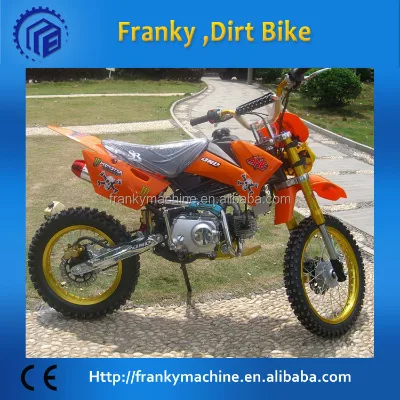

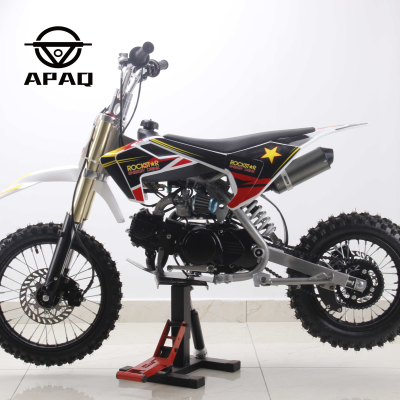
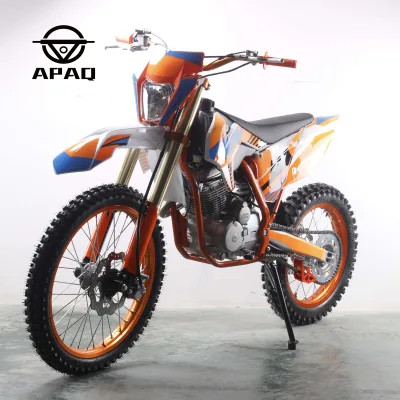
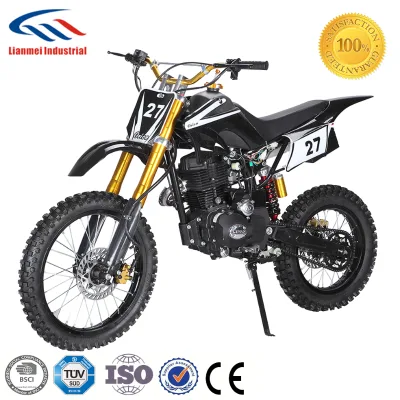
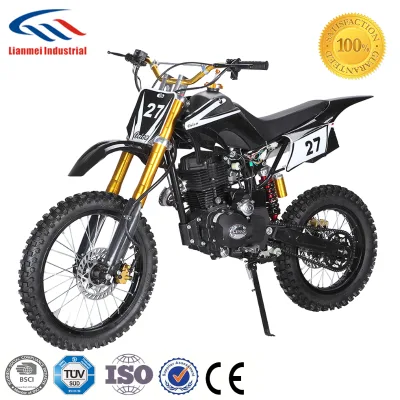
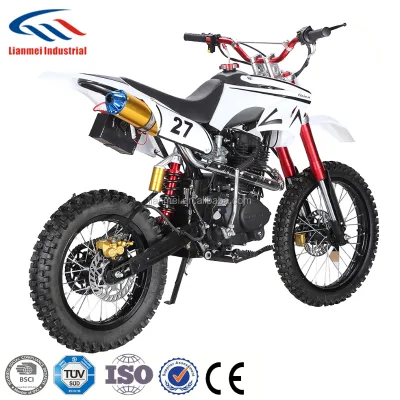
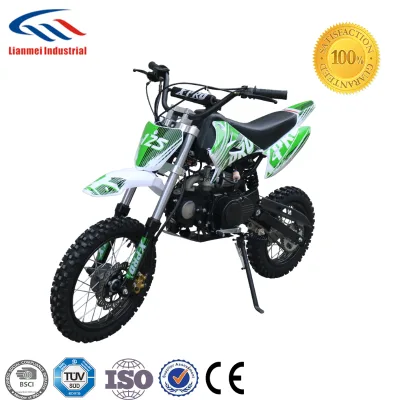
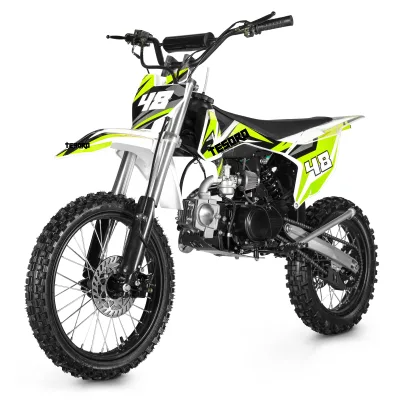
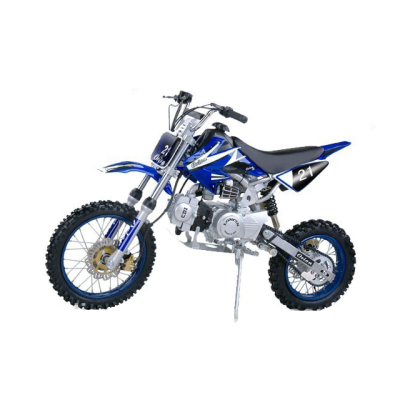
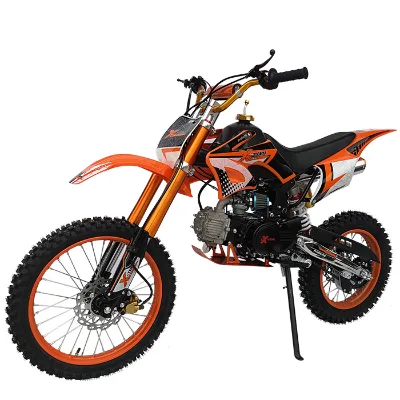
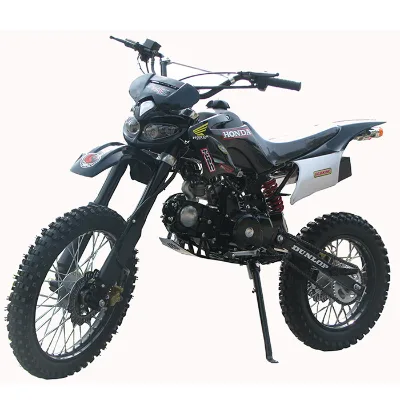
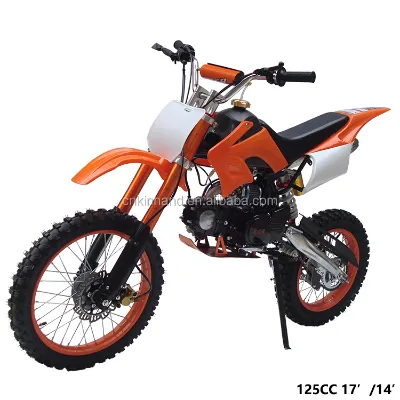
Wholesale 4 Stroke Adult Dirt Bike 125cc Kick Start Manual Clutch Cross Bike
$262.1706 - $287.874
MOQ: 20 pieces


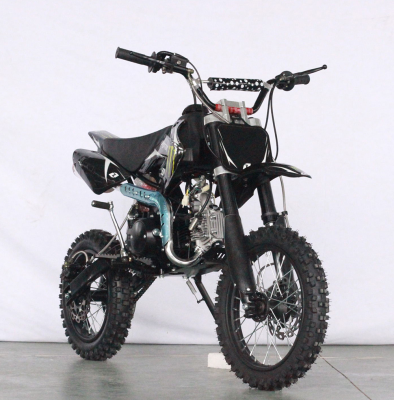
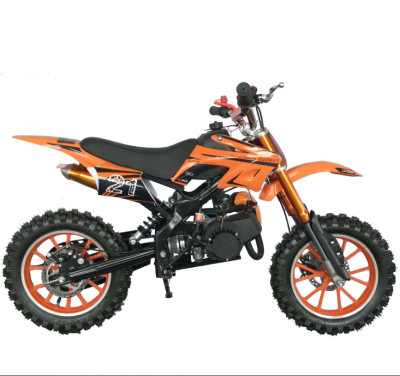
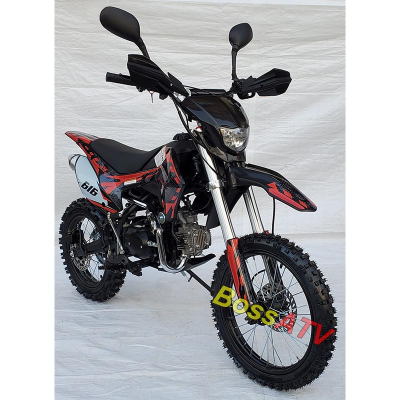
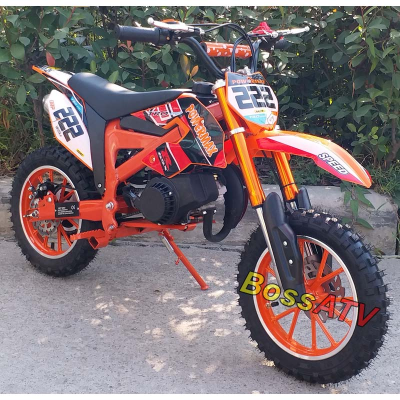
Comprehensive Sourcing Guide
Used Adult Dirt Bike Sourcing Guide
Procuring used adult dirt bikes requires a disciplined approach to verifying mechanical integrity and legal compliance, as the secondary market often lacks the rigorous quality assurance found in new equipment. Buyers must navigate a complex landscape where historical maintenance records are frequently incomplete, making physical inspection and third-party verification essential before committing capital. The core challenge lies in distinguishing between well-maintained units and those with hidden wear, particularly in high-stress components like engines, suspensions, and drivetrains. This guide provides a structured framework for evaluating listings, ensuring that procurement decisions are based on observable data rather than seller assertions.
Successful sourcing begins with understanding the specific operational context of the intended use, whether for recreational off-road riding, competitive racing, or commercial fleet operations. Each application imposes different stress profiles on the machinery, influencing which components require the most scrutiny during the acquisition phase. By aligning technical verification steps with the intended duty cycle, buyers can prioritize inspections that matter most to their specific risk profile. This strategic alignment helps prevent costly post-purchase repairs and ensures that the acquired assets deliver the expected performance and reliability throughout their remaining service life.
Product Scope and Observed Listing Signals
The current market for used adult dirt bikes presents a diverse array of models, ranging from entry-level 49cc units to high-performance 250cc+ engines, each catering to distinct rider skill levels and terrain requirements. Observed listing signals indicate a wide variation in specifications, including engine strokes, starting systems, and maximum speeds, which directly impact usability and regulatory compliance. For instance, some units feature electric starts and higher speed capabilities, while others rely on manual pull-starts and are limited to lower velocity ranges, reflecting their intended use cases. Buyers must carefully cross-reference these observed attributes with their operational needs to avoid acquiring mismatched equipment.
Listing data also reveals significant variability in packaging, weight, and origin, which are critical factors for logistics planning and total cost of ownership. Products originating from manufacturing hubs like Zhejiang, China, often come with specific packaging details such as steel frames or iron cartons, influencing shipping costs and handling requirements. Additionally, observed loading capacities and gross weights provide essential data for determining freight logistics and storage solutions. Understanding these logistical signals allows buyers to accurately estimate landed costs and ensure that the physical dimensions of the bikes fit within their operational constraints, from warehouse storage to transport vehicles.
Technical Specifications to Verify
Verifying engine specifications is paramount when acquiring used dirt bikes, as mechanical condition directly dictates performance and longevity. Buyers should confirm the engine type, whether it is a two-stroke or four-stroke configuration, and check for signs of excessive wear, oil leaks, or compression loss. The presence of features like air cooling and specific displacement ranges, such as 49cc or over 250cc, should be validated against the seller’s claims. Additionally, inspecting the starting system, whether hand-pull or electric, ensures that the ignition mechanism functions correctly, as faulty starters can lead to significant repair costs and operational downtime for the end user.
Beyond the engine, drivetrain and braking systems require thorough inspection to ensure safe and reliable operation. The drive mechanism, typically a chain drive, should be checked for proper tension, lubrication, and wear on sprockets. Braking systems, often featuring front and rear disc brakes, must be tested for responsiveness and pad thickness. Tire condition, including tread depth and structural integrity, is another critical area, as worn tires can compromise handling and safety. Verifying these mechanical components through physical inspection or detailed video evidence helps mitigate the risk of acquiring units with hidden defects that could impair performance.
Compliance and Safety Documentation
Regulatory compliance is a non-negotiable aspect of sourcing used dirt bikes, particularly when importing or operating in jurisdictions with strict emissions and safety standards. Buyers must verify that the units possess relevant certifications, such as CE or EPA marks, which indicate adherence to specific environmental and safety regulations. The absence of proper documentation can lead to customs delays, fines, or the inability to legally operate the bikes in certain regions. Therefore, obtaining and validating these certificates from the seller is a crucial step in the procurement process, ensuring that the equipment meets the legal requirements of the destination market.
Safety features and design standards also play a vital role in determining the suitability of a used dirt bike for its intended application. Buyers should review the product standards, such as dimensional specifications, to ensure the bike fits within expected operational parameters. Additionally, checking for the presence of essential safety components, like robust tires and effective braking systems, is essential for minimizing accident risks. Understanding the legal implications of operating non-compliant machinery helps buyers avoid potential liabilities and ensures that their procurement activities align with both local laws and international safety norms.
Cost Drivers and Commercial Terms
Understanding the cost drivers associated with used dirt bikes is essential for accurate budgeting and negotiation. Factors such as engine displacement, brand reputation, and overall condition significantly influence the market price, with higher-performance models commanding premium rates. Buyers should analyze the observed price ranges and minimum order quantities (MOQs) to determine the most cost-effective sourcing strategy. Additionally, considering the supply ability of suppliers, such as monthly production or inventory levels, helps in planning procurement timelines and avoiding stockouts during peak demand periods.
Commercial terms, including payment methods, shipping arrangements, and warranty policies, also impact the total cost of acquisition. Buyers should negotiate favorable terms that protect their interests, such as escrow services for large transactions or clear return policies for defective units. Understanding the port of dispatch, such as Qingdao or Ningbo, allows for better estimation of freight costs and transit times. By carefully evaluating these commercial factors, buyers can optimize their procurement strategy, ensuring that they achieve the best value for their investment while minimizing financial risks associated with the purchase.
Supplier Qualification and Quality Control
Evaluating supplier qualifications is critical to ensuring a reliable sourcing partnership, particularly in the used equipment market where quality consistency can vary. Buyers should assess suppliers based on their track record, customer reviews, and ability to provide detailed product information and documentation. Verifying the supplier’s capacity to handle logistics, including packaging and shipping, is also important to ensure that the bikes arrive in good condition. Additionally, checking for any relevant business licenses or trade assurances can provide an extra layer of security, reducing the risk of fraud or non-delivery.
Implementing robust quality control measures is essential to mitigate the risks associated with purchasing used machinery. Buyers should request comprehensive inspection reports, high-resolution images, or video demonstrations of the bikes in operation before finalizing the purchase. If possible, conducting third-party inspections or utilizing escrow services can provide additional assurance of product quality. Establishing clear communication channels with suppliers to address any concerns or discrepancies promptly helps maintain a transparent and trustworthy procurement process, ensuring that the acquired assets meet the expected standards of performance and reliability.
Long-Term Procurement Checks
Establishing long-term procurement checks is vital for maintaining a sustainable and efficient sourcing strategy for used adult dirt bikes. Regularly reviewing supplier performance, including delivery times, product quality, and customer service, helps identify potential issues early and fosters continuous improvement. Buyers should also monitor market trends and price fluctuations to adjust their procurement strategies accordingly, ensuring they remain competitive and cost-effective. By maintaining a dynamic approach to supplier management, buyers can adapt to changing market conditions and secure the best possible deals over time.
Additionally, implementing a systematic approach to asset lifecycle management ensures that the acquired dirt bikes deliver maximum value throughout their operational life. This includes tracking maintenance schedules, monitoring performance metrics, and planning for eventual replacement or refurbishment. By integrating these long-term checks into their procurement processes, buyers can optimize their total cost of ownership and ensure that their fleet of used dirt bikes remains reliable, safe, and compliant with evolving regulatory standards. This proactive stance helps mitigate risks and supports the long-term success of their off-road operations.
FAQs
What certifications are available for used adult dirt bikes?
Certifications such as CE and EPA are available for these machines. Buyers should verify specific compliance documents with the supplier before purchase. These certifications ensure the product meets regional safety and environmental standards, which is critical for import and registration in various global markets.
Can I customize the color of the dirt bike?
Yes, customization is available for the color options. Buyers can choose from Dark Green, Camo, Red, or Black finishes. This flexibility allows businesses to align the product appearance with their brand identity or specific market preferences, enhancing the visual appeal of the inventory.
What is the maximum speed of the 49cc model?
The 49cc model has a maximum speed of less than 40km/h. This specification makes it suitable for entry-level riders or specific recreational use cases. Buyers requiring higher performance should consider models with larger displacements, such as those exceeding 250cc, which offer greater velocity.
What is the minimum order quantity for these bikes?
The minimum order quantity ranges from 1 to 63 units depending on the specific model and supplier terms. This flexible MOQ allows small businesses to test the market with lower initial investment. Larger orders may unlock better pricing tiers or shipping efficiencies for bulk procurement.
Where are these dirt bikes manufactured and shipped from?
These bikes are manufactured in Zhejiang, China, and shipped from ports like Qingdao or Ningbo. The origin location influences logistics costs and lead times. Buyers should factor in shipping distances and port availability when calculating the total landed cost for their specific destination market.
What packaging details are provided for the dirt bikes?
Packaging typically includes an Iron Frame and Carton or Steel Frame plus Carton. This robust packaging protects the bike during transit and handling. Buyers should confirm the exact packaging details with the supplier to ensure the product arrives undamaged and meets their storage or display requirements.