Trek Design Electric Mountain Bike Suppliers and Manufacturers
Source Trek Design Electric Mountain Bike from 29 verified suppliers in China. Compare ISO 9000 certifications, 15-30 day lead times, and OEM/ODM capabilities. Verify EN15191 standards and pricing directly; review the available evidence before requesting comparable quotations from suitable candidates.
Updated
Suppliers List

JinHua YiFei Electric Technology Co., Ltd.
- Manufacturer/Factory
- China Zhejiang
- Lead time30 days
- Avg. response≤ 25h
Main productsE-Bicycle, E-Tricycle, E-Scooter
Main marketsSouth America,Eastern Europe,Mid East,North America,Southeast Asia,Eastern Asia,Oceania,Western Europe,Africa

Wuxi Eternal Bliss Alloy Casting & Forging Co., Ltd.
- Verified by BV
- Trading Company
- China Jiangsu
- Lead time23 days
- Avg. response≤ 3h
Main productsCasting, Forging, Machine, Aluminium Casting, Cobalt Casting, Bronze Casting
Main marketsSouth America,Africa,Southeast Asia/ Mideast,East Asia(Japan/ South Korea),Domestic,Europe,Australia,North America

Shandong Kaiwande Electric Vehicle Co., Ltd.
- Verified by SGS
- Combined
- China Shandong
- Lead time15 days
- Avg. response≤ 1h
Main productsElectric Bike
Main marketsDomestic
Suzhou Dynavolt Intelligent Vehicle Technology Co., Ltd.
- Verified by SGS Group
- Manufacturer, Trading Company
- Lead time45 days
- Avg. response≤ 1h
Main productsElectric Scooter, Electric Bicycle
Main marketsNorth America(30%), Eastern Europe(20%), Western Europe(10%)

Guangzhou Yiso Ebike Co., Ltd.
- Trading Company,Manufacturer/Factory
- China Guangdong
- Lead time45 days
- Avg. response≤ 4h
Main productsE-Bike, Folding E-Bike, Mountain E-Bike, City E-Bike, Electric Bike, Mini E Bike, Electric Bike Parts, E-Bike Conversion Kits, Folidng E Bike, Electric Mountain Bike
Main marketsSouth America,Eastern Europe,Mid East,North America,Southeast Asia,Eastern Asia,Oceania,Western Europe,Africa
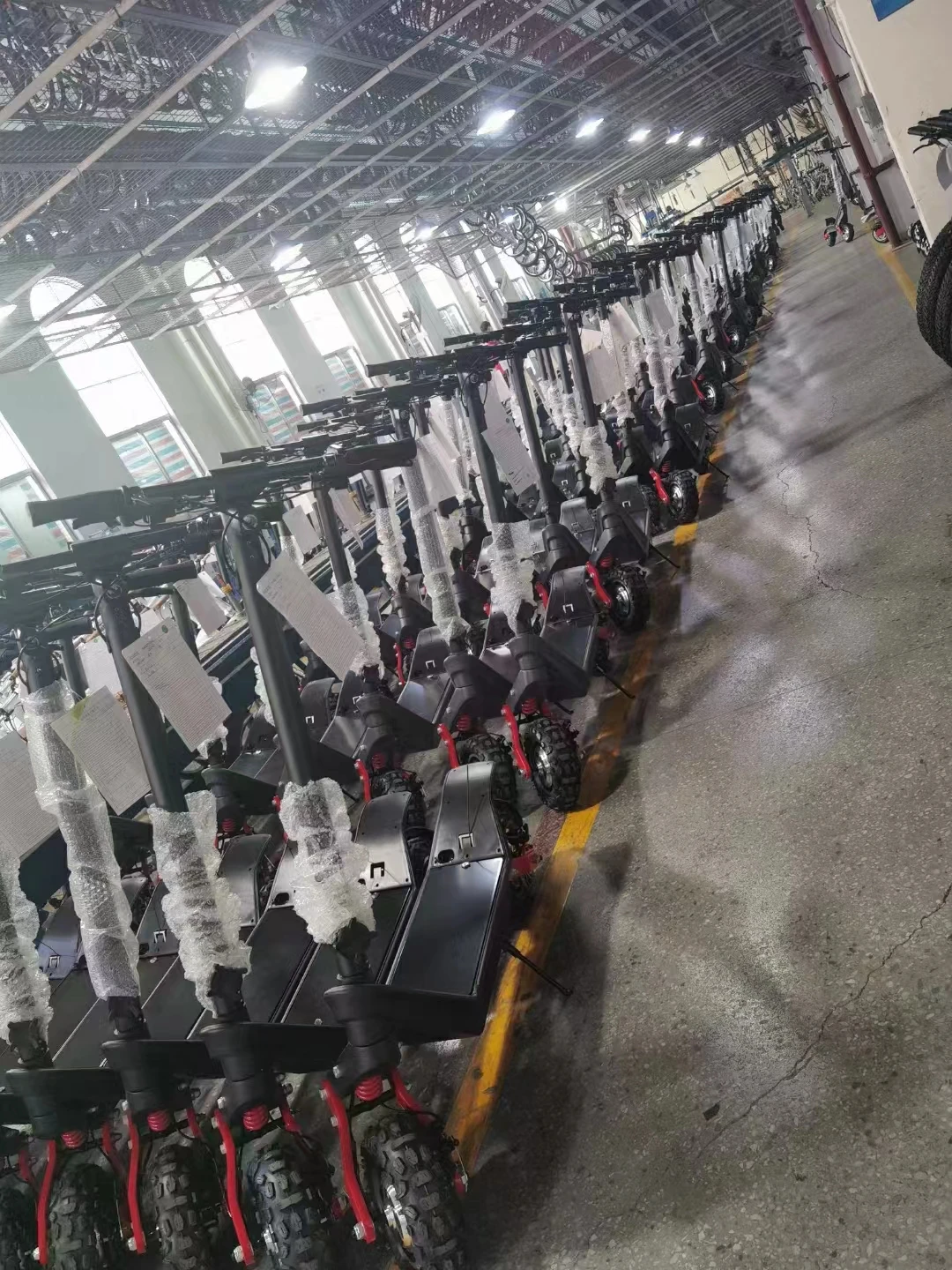
- Trading Company
- Shandong, China
- Lead time25 days
- Avg. response≤ 3h
Main productsElectric Bicycle,Electric Tricycle,Electric Scooter,Electric Motorcycle,Electric Mountain Bike
Main marketsSoutheast Asia(25.00%), North America(20.00%), Western Europe(20.00%), Mid East(15.00%), South Asia(5.00%), South America(5.00%), Eastern Asia(5.00%), Oceania(5.00%)
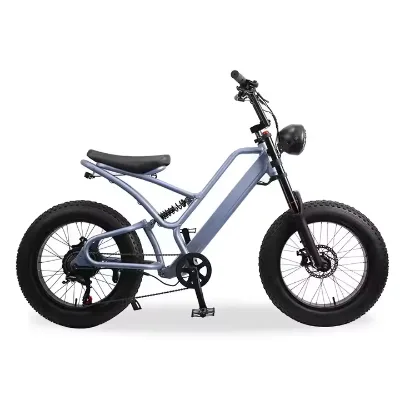
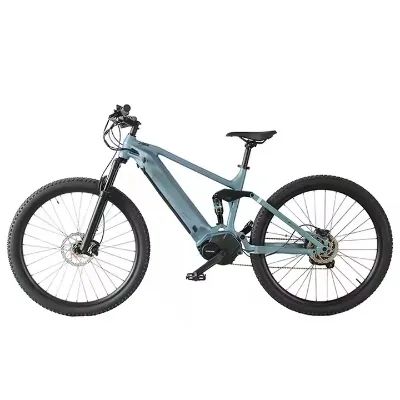
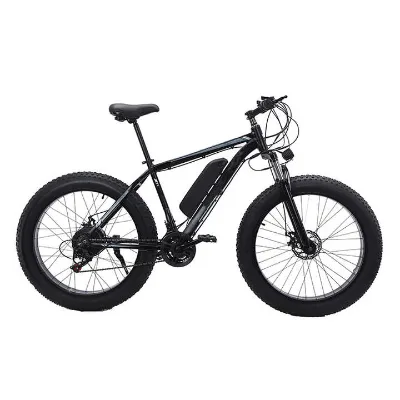
Best Selling Electric Mountain Bike Steel Ebike 26 Inch Electric Mountain Bike
$200.00
MOQ: 50 Minimum
Hangzhou Top Mechanical And Electrical Technology Co., Ltd.
- Verified by TüVRheinland
- Manufacturer, Trading Company
- Lead time40 days
- Avg. response≤ 3h
Main productsElectric Bicycle, Electric Bike Parts, Carbon Fiber Bike Frame
Main marketsSouthern Europe(30%), Western Europe(20%), Domestic Market(20%)

- Verified by BV
- Combined
- China Jiangsu
- Lead time45 days
- Avg. response≤ 8h
Main productsE-Bike
Main marketsEurope,North America

Electric Mountain Bikes/Electic Bike Electric Bicycle/Electic Bike Mountain
$699.00 - $759.00
MOQ: 100 Pieces


Tianjin Holylion Bicycle Co., Ltd.
- Manufacturer, Trading Company
- Tianjin, China
- Lead time30 days
- Avg. response≤ 2h
Main productsMountain bike, Road bike, City bike,, Folding bike,, Lithium electric bike
Main marketsMid East(40.00%), North America(20.00%), Africa(10.00%), South America(5.00%), Oceania(5.00%), Western Europe(5.00%), Eastern Europe(5.00%), Southeast Asia(5.00%)
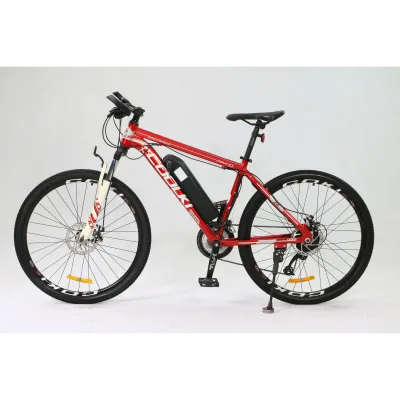
Popular MTB Trekking 26 Inch Front Suspension Mountain Ebike 21 Speed Disc Brake Electric Bike
$249.00 - $252.00
MOQ: 300
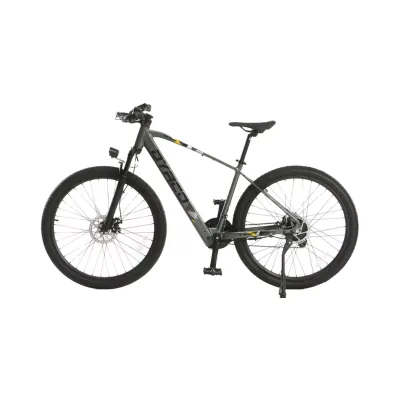
$309.304 - $319.6144
MOQ: 50 pieces
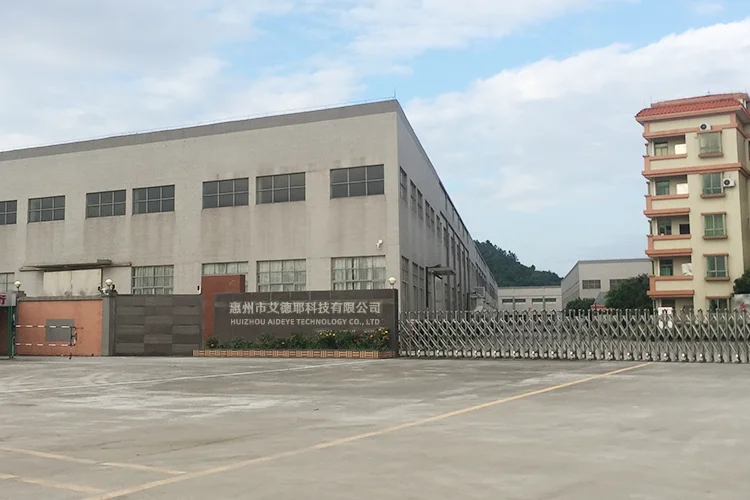
Huizhou Aideye Technology Co., Ltd
- Trading Company
- Guangdong, China
- Lead time10 days
- Avg. response≤ 1h
Main productsMountain ebike,City ebike,Folding ebike,Delivery ebike,electric bicycle
Main marketsSouth America(20.00%), North America(20.00%), Western Europe(15.00%), Eastern Europe(15.00%), Southern Europe(10.00%), Northern Europe(10.00%), Central America(5.00%), Mid East(5.00%)
- Verified by SGS Group
- Manufacturer, Trading Company
- Lead time35 days
- Avg. response≤ 1h
Main productsElectric Bicycle, Electric Bike
Main marketsNorth America(50%), Western Europe(12%), Mid East(10%)
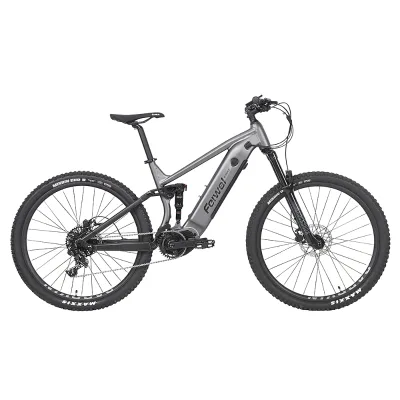
$1867.00 - $1887.00
MOQ: 10 pieces

Guangzhou Xindingye Electronic Technology Co., Ltd.
- Manufacturer, Trading Company, Distributor/Wholesaler
- Guangdong, China
- Lead time0 days
- Avg. response≤ 8h
Main productsElectric bicycle,Electric motor scooter,Electric scooter,Electric bicycle lithium battery pack,Lithium ion battery
Main marketsDomestic Market(15.00%), Eastern Europe(15.00%), Northern Europe(10.00%), Western Europe(10.00%), Mid East(10.00%), South America(5.00%), South Asia(5.00%), Southern Europe(5.00%), Africa(5.00%), Central America(5.00%), Southeast Asia(5.00%), Eastern Asia(5.00%), North America(5.00%)
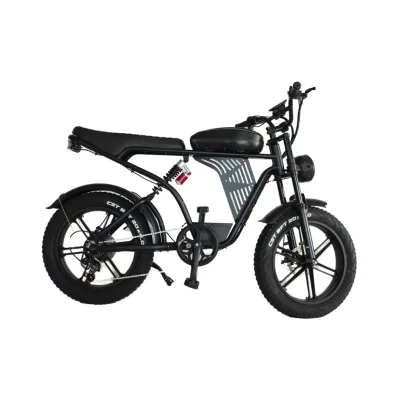
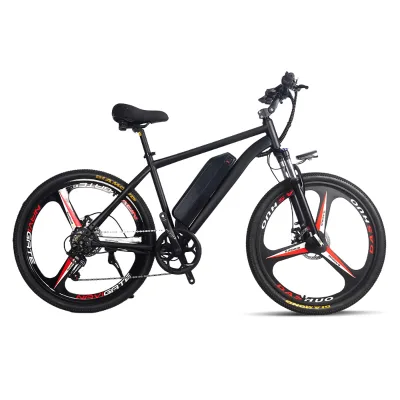
$408.8388 - $442.6514
MOQ: 2 pieces
Shenzhen Huazhou Optoelectronic Technology Co., Ltd.
- Trading Company
- Guangdong, China
- Lead time7 days
- Avg. response≤ 4h
Main productselectric bike,unleash your urban,Brushless Electric Dirt Bike,48v Electric motorbicycle 500W e-bike mountain e bike,Ebike Double Shock Absorber Smart LCD Display Electric Dirt Bike For Outdoor Adventure
Main marketsSouth Asia(30.00%), Mid East(30.00%), South America(25.00%), Africa(15.00%)

Shenzhen Gravity Technology Co., Ltd.
- Trading Company
- China Guangdong
- Lead time45 days
- Avg. response≤ 2h
Main productsElectric Bike, Ebike, Electric Bicycle, Electric Road Bike, Electric Folding Bike, Bicycle, Bike, Mountain Electric Bike, E-Bike, Electric Dirt Bike
Main marketsSouth America,Southeast Asia/ Mideast,Europe,Australia,North America


New Design China Factory E Bike 48V Electric Mountain Bike 750W 26 Inch Electric Bicycle
$548.00 - $599.00
MOQ: 10 Boxes
Hebei Luchen Bicycle Co., Ltd.
- Manufacturer, Trading Company
- Hebei, China
- Lead time30 days
- Avg. response≤ 9h
Main productskids bike,mountain bike,baby tricycle,Baby carriage,walker
Main marketsSouth America(35.00%), Mid East(30.00%), Southeast Asia(10.00%), North America(10.00%), Western Europe(5.00%), Eastern Asia(5.00%), Eastern Europe(5.00%)
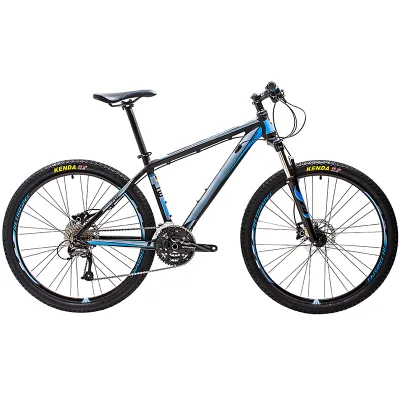
$30.00 - $35.00
MOQ: 1 pieces
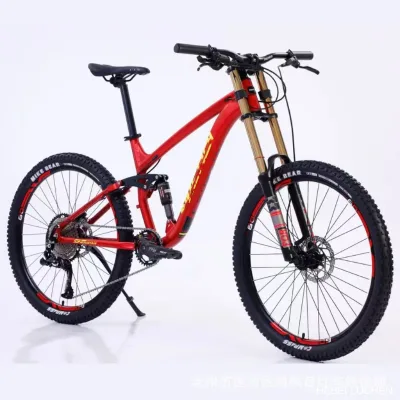

Xingtai Songman Technology Co., Ltd
- Verified by TUVRHEINLAND
- Trading Company
- China Hebei
- Lead time15 days
- Avg. response≤ 3h
Main productsElectric Bike, Electric Vehicle, Electric Wheelchair, Electric Tricycle, Folding Electric Scooter, Electric Scooter, Fat Tire Mountain Bike, Folding Electric Bicycle
Main marketsDomestic,Europe,North America


Electric Bike Fat Tire Cheap Mountain Bike Disc Brake Bicycle Electric E Bike
$298.00 - $312.00
MOQ: 10 Pieces


Zunyi City Erma Cross-Border E-Commerce Co., Ltd.
- Trading Company
- Guizhou Province, China
- Lead time0 days
- Avg. response≤ 6h
Main productsBike,Road bike,Mountain bike,E-bike,Snow bike
Main marketsWestern Europe(15.00%), Southern Europe(10.00%), Northern Europe(10.00%), North America(9.00%), Domestic Market(8.00%), South America(8.00%), Eastern Asia(7.00%), Eastern Europe(7.00%), South Asia(6.00%), Central America(5.00%), Mid East(4.00%), Oceania(4.00%), Southeast Asia(4.00%), Africa(3.00%)
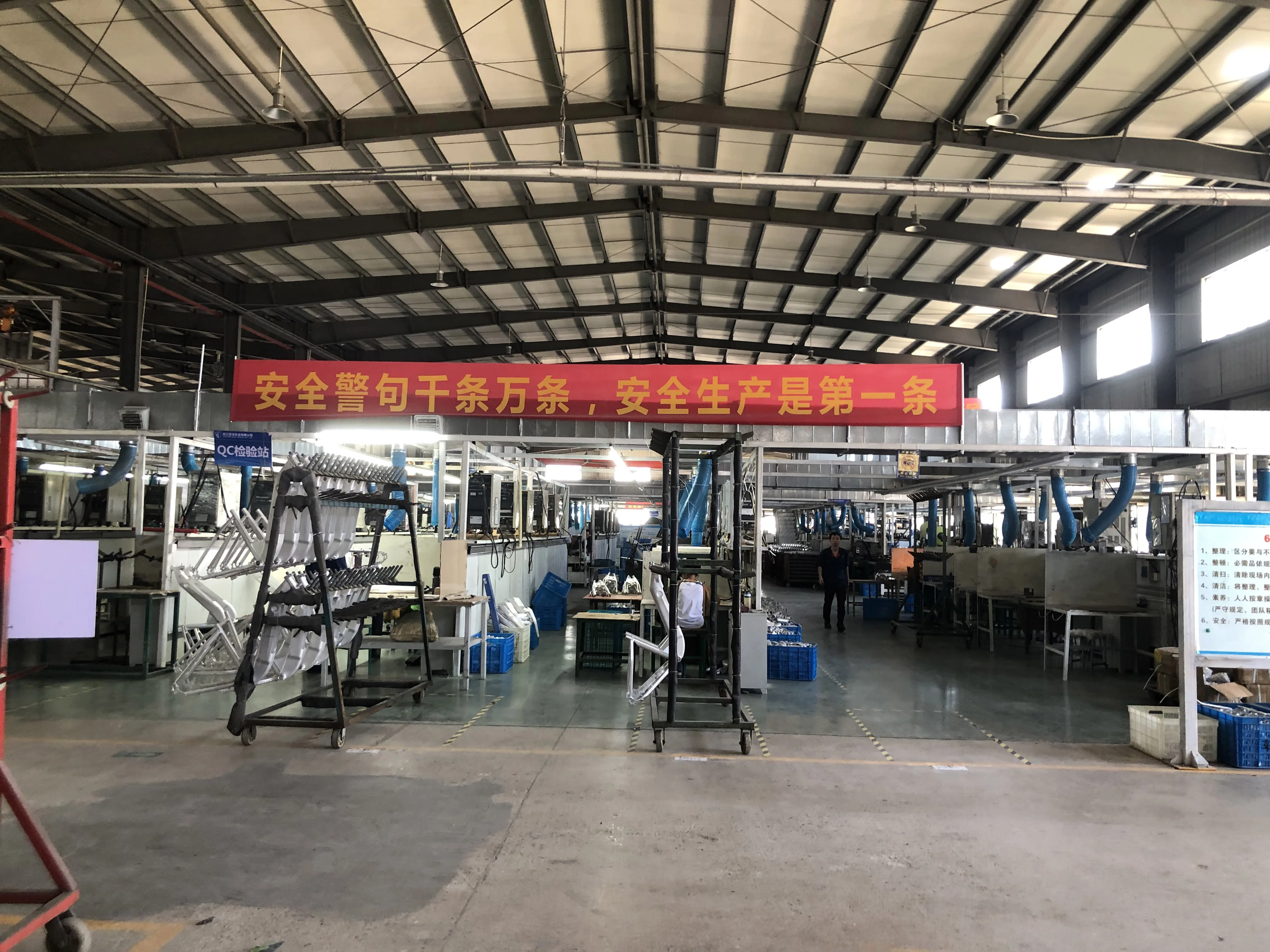
HANGZHOU DOMANCA TECHNOLOGY CO., Ltd.
- Manufacturer, Trading Company
- Zhejiang, China
- Lead time30 days
- Avg. response≤ 7h
Main productsElectric Bike,Sporting Goods,Electric Scooter,Bike Frame,Battery
Main marketsNorth America(60.00%), Western Europe(20.00%), Northern Europe(5.00%), South America(5.00%), Mid East(5.00%), Oceania(5.00%)
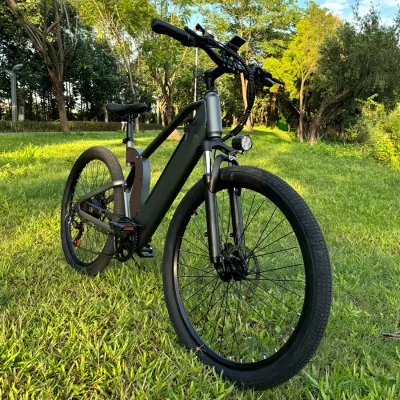
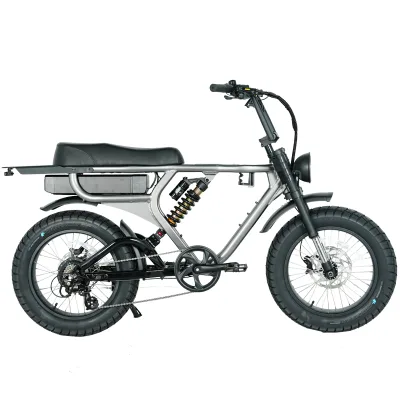
48v 26inch mtb mountain bike electric mountain bike doble suspension
$446.0309 - $497.2988
MOQ: 1 pieces
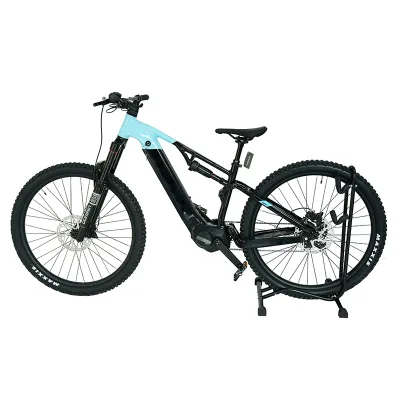
$2122.3483 - $2225.8775
MOQ: 1 pieces
Shenzhen Tuxiang Technology Co., Ltd.
- Manufacturer, Trading Company
- Guangdong, China
- Lead time30 days
- Avg. response≤ 2h
Main productsElectric Fat Bike,Electric Mountain Bike,Folding E-bike,Dual Motor Electric Bike,Dual Motor Fat E-bike
Main marketsWestern Europe(25.00%), Southern Europe(15.00%), Northern Europe(15.00%), Southeast Asia(15.00%), North America(15.00%), Eastern Europe(15.00%)
Changzhou Bisek Cycle Co., Ltd.
- Verified by TüVRheinland
- Manufacturer, Trading Company
- Lead time25 days
- Avg. response≤ 2h
Main productsElectric Bicycle, Electric Bicycle Accessories
Main marketsNorth America(35%), Western Europe(24%), Oceania(20%)

Wuxi Leo New Energy Vehicle Co., Ltd.
- Verified by BV
- Trading Company
- China Jiangsu
- Lead time15 days
- Avg. response≤ 3h
Main productsElectric Car, Electric Bike, Mobility Scooter, Electric Tricycle
Main marketsNorth America

High Performance and High Configuration Electric Bike Mountain Bike Fast
$445.00 - $450.00
MOQ: 1 Pieces


Mountain Convenient Light Electric Bike with High Quality and High Configuration
$590.00 - $595.00
MOQ: 1 Pieces

Mountain Light High Performance Convenient Electric Bike Mountain Bike Commute
$445.00 - $450.00
MOQ: 1 Pieces

Mountain Light and Convenient Electric Bicycle Mountain Bike Is Fast and Convenient
$445.00 - $450.00
MOQ: 1 Pieces

High Performance Electric Bike Mountain Bike Electric Bicycle 36V 250W 48V350W
$590.00 - $595.00
MOQ: 1 Pieces

Foshan Bangyi Technology Co., Ltd.
- Manufacturer, Trading Company
- Guangdong, China
- Lead time30 days
- Avg. response≤ 6h
Main productselectric bike,ebike,bike,bike frame,bike parts
Main marketsWestern Europe(60.00%), Eastern Europe(10.00%), Southern Europe(9.00%), Central America(5.00%), Northern Europe(5.00%), Oceania(5.00%), Domestic Market(2.00%), South America(2.00%), North America(2.00%)
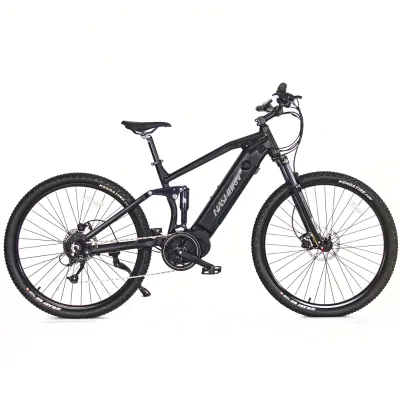
29 Inch Electric Mountain Bike Europe Mtb Ebike Double Suspension Ebike
$778.7383 - $1004.1631
MOQ: 10 pieces
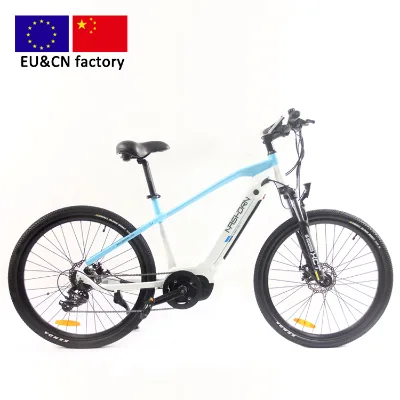
New Electric Mountain Bike EMTB Bike Middle Motor Pedelec E Bicycle
$660.00 - $860.00
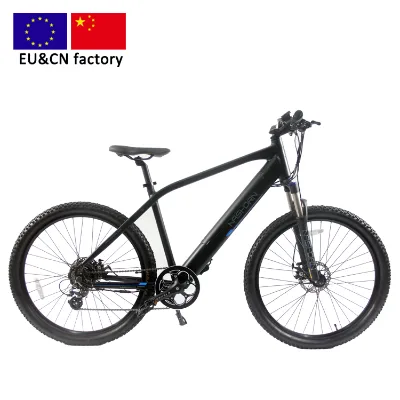
Electric Mountain Bike EU Factory Ebike Rear Motor Bicycle
$480.00 - $560.00
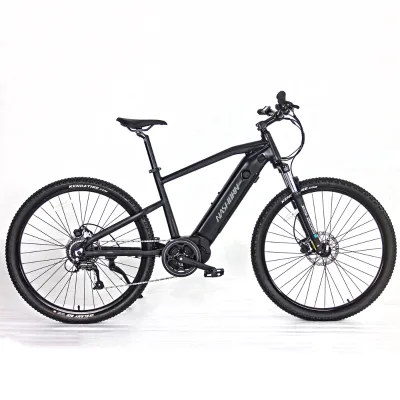

Linyi Huanyu Jindong New Energy Technology Co., Ltd.
- Verified by TUVRHEINLAND
- Manufacturer
- China Shandong
- Lead time15 days
- Avg. response≤ 5h

Electric Bicycle for Climbing Mountain 500W Electric Mountain Bike with Long Range
$208.00 - $240.00
MOQ: 10 Pieces

Hebei Zanju Bicycle Sales Co., Ltd.
- Trading Company
- Hebei, China
- Lead time20 days
- Avg. response≤ 1h
Main productsElectric bicycle,Lithium electric mountain bike,Lithium electric folding car,lithium battery,Electric motorcycle
Main marketsSouth America(20.00%), Southeast Asia(20.00%), Domestic Market(10.00%), Northern Europe(10.00%), Western Europe(10.00%), Mid East(10.00%), Oceania(10.00%), North America(10.00%), Eastern Europe(10.00%)
Kunzhuo Guanyang (guizhou) International Trade Co., Ltd.
- Verified by TüVRheinland
- Trading Company
- Lead time15 days
- Avg. response≤ 2h
Main productsGo Karts, ATVs, UTVs, Bike, Scooters
Main marketsNorth America(45%), Mid East(15%), Western Europe(15%)
Xingtai Dalisi Electric Technology Co., Ltd.
- Verified by TüVRheinland
- Manufacturer, Trading Company
- Lead time20 days
- Avg. response≤ 3h
Main productsElectric Bike, Electric Folding Bike, Mountain Electric Bike, Adult Bike, City Leisure Electric Bike
Main marketsDomestic Market(40%), North America(20%), Central America(20%)
Zhejiang JSL Vehicle Co., Ltd.
- Verified by TüVRheinland
- Manufacturer, Trading Company
- Lead time45 days
- Avg. response≤ 2h
Main productsElectric Bicycle, Electric Scooter
Main marketsWestern Europe(50%), North America(20%), Southern Europe(10%)
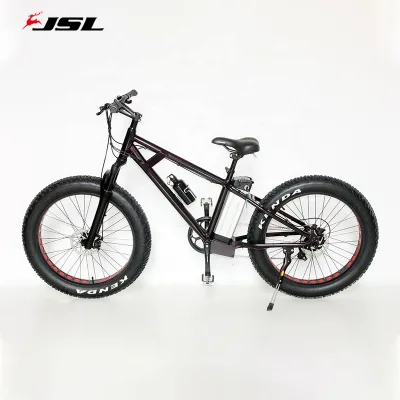
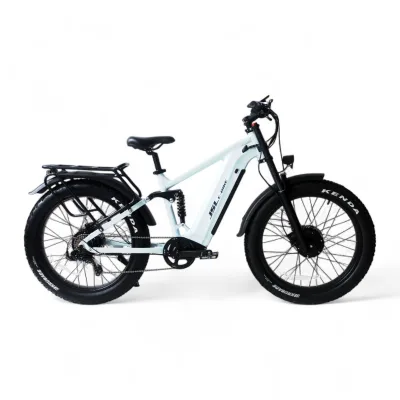
Durable 26 Inch Electric Mountain Bike with 500W Dual Motors 48V Battery and Hydraulic Brakes
$774.6408 - $929.3631
MOQ: 20 pieces
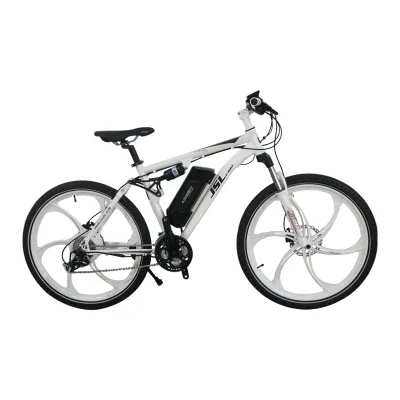

Shanghai Lannmarker Industrial Co., Ltd.
- Verified by TUVRHEINLAND
- Manufacturer/Factory
- China Shanghai
- Lead time15 days
- Avg. response≤ 3h
Main productsElectric Scooter, Electric Bike, Rice Transplanter, ATV/UTV, Motorcycle, Golf Cart, Plastic Bathtub
Main marketsSouth America,Eastern Europe,Mid East,North America,Southeast Asia,Eastern Asia,Oceania,Western Europe,Africa

Qingdao Pusen Technology Co., Ltd.
- Verified by BV
- Manufacturer
- China Shandong
- Lead time15 days
- Avg. response≤ 7h
Main productsElectric Bike, Electric Motorcycle, Electric Tricycle, Folding Electric Bike, Electric Bicycle Accessories






Comprehensive Sourcing Guide
Trek Design Electric Mountain Bike Supplier Concentration and Factory Types
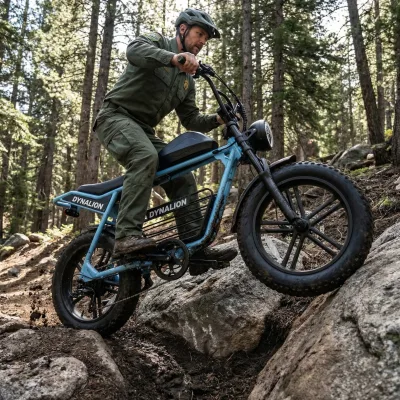
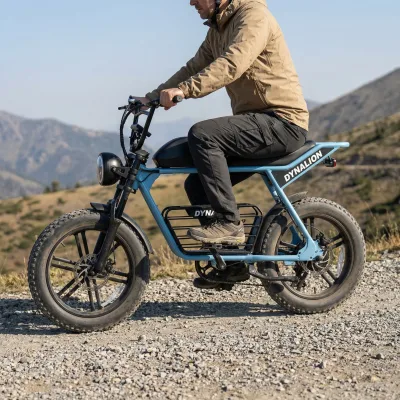
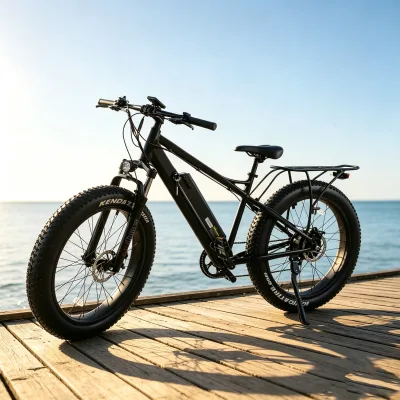
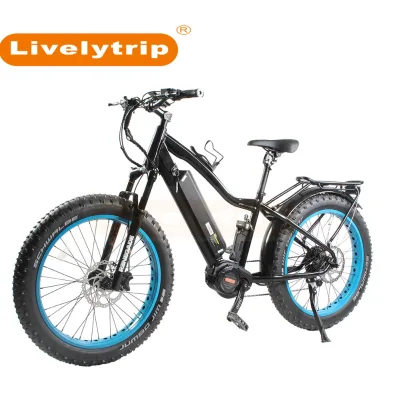
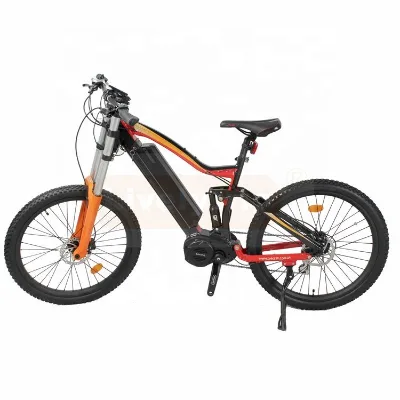
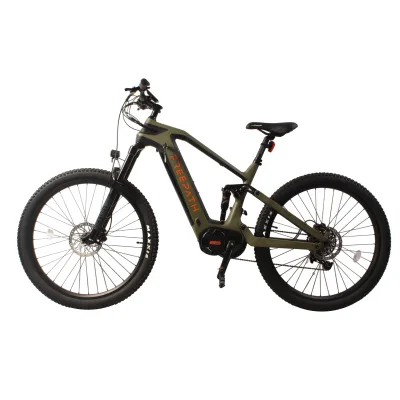
Suppliers matching this category cluster in several Chinese provinces, with Zhejiang, Jiangsu and Shandong all appearing as active sourcing regions in current results. Zhejiang listings lean toward manufacturer and factory company types, producing electric mountain bikes, e-bicycles, e-tricycles and e-scooters under OEM and ODM arrangements. Jiangsu entries include trading companies whose catalogs span electric bicycles, scooters, ATV and dirt bike parts, while Shandong shows combined-type operations focused squarely on electric bikes. Because a Trek Design Electric Mountain Bike usually means a hardtail, aluminum or steel frame bike with integrated battery and mid-to-rear hub motor, match each supplier type against what the listing actually shows: a factory listing built around electric mountain bike models signals deeper tooling for this category, whereas a trading company with mixed vehicle and parts catalogs may be aggregating rather than producing.
When location data is not supplied with high confidence, do not assume a cluster. Instead, triangulate it yourself: check where a supplier's listed products are manufactured, whether several nearby suppliers serve the same product category, and whether the company type matches the factory claim. Ask directly whether the entity holds its own production line for electric bicycles or sources finished bikes from nearby plants. Manufacturer/factory types, combined manufacturers-and-traders, and pure trading companies each carry different implications for quality control access, customization depth, and your ability to audit the line that will actually build your bike.
How to Verify Trek Design Electric Mountain Bike Suppliers
Verification starts with the credentials displayed on the supplier profile, but you must distinguish between company-level and product-level evidence. Some listings carry third-party company verification badges such as BV or SGS, which confirm that an inspection body has visited or vetted the business; treat these as a floor, not proof of e-bike competence. One Zhejiang manufacturer in current results shows ISO 9000 system certification, which speaks to quality management processes rather than product safety. Product-level attributes matter more for this category: look for listings that state certifications such as CE, ENCE, EN15194, EEC or EPA, along with declared standards on the product itself. Where a listing shows a certificate or a standard, confirm the certificate number and scope directly with the supplier and, ideally, with the issuing body.
Beyond paperwork, verify capability through the product record. Check whether the listed models match what you want: current listings include 26-inch aluminum alloy frames, 48V lithium batteries, brushless motors, 351-500W wattage ranges and 31-60km ranges per charge, with some models certified to EN15194 and supported by Sii reports. Ask the supplier which claims apply to your target configuration, since a certification on one model does not transfer automatically to a customized variant. Request recent test reports, factory photos or video audits, and a sample order. If response behavior matters to you, note that displayed response times vary widely in this category, and use them as one signal of engagement rather than a guarantee of engineering support.
What to Compare Across Trek Design Electric Mountain Bike Suppliers
Build a comparison table using the dimensions that actually appear on supplier profiles, because not every supplier displays every attribute. Key columns: location and company type; main products; research and development capacity such as OEM or ODM; lead time; MOQ; response time; establishment year; verification status; and system certification. In current results, these dimensions differ sharply even within one category. A Zhejiang manufacturer lists OEM and ODM capacity with a 30-day lead time, while a Shandong combined supplier shows a 15-day lead time and a sub-one-hour response time. A Jiangsu trading company posts a 23-day lead time and a roughly two-and-a-half-hour response time. None of these numbers tells you quality alone, but together they show trade-offs between customization depth, speed and trading flexibility.
Compare product evidence alongside commercial metrics. Examine declared attributes side by side: battery voltage, motor type, frame material, wheel size, max speed, range per charge, folding status and controller specifications. Also compare the price band against MOQ structure, since one listing shows a unit price around 450-650 with an MOQ of one, another shows roughly 520 at an MOQ of three, and a third shows 315-425 at an MOQ of 50. Establish which suppliers hold stock versus build to order, and whether the lead time covers production only or includes pre-shipment inspection. Finally, weight main-product alignment: a supplier whose entire catalog is electric bikes will usually handle spare parts and firmware questions faster than a multi-category trader.
Common Trek Design Electric Mountain Bike Sourcing Risks
The most frequent risk is certification mismatch. Listings in this category display a patchwork of certifications and standards, including CE, ENCE, EN15194, EEC, EPA and ISO labels, sometimes on the same product and sometimes only on adjacent models. A buyer who assumes a displayed EN15194 mark applies to a customized battery or motor configuration can face customs rejection or market-surveillance problems. Confirm in writing which certificate covers your exact build specification, and request the certificate file itself. A second risk is specification drift: product attributes such as 48V battery systems, brushless motors, aluminum alloy frames and 31-60km ranges are declared per listing, but production runs may substitute components, especially when battery cells or controllers are in short supply. Insist on a locked bill of materials before deposit.
Other risks concentrate in the commercial layer. Low MOQs, such as the single-unit and three-unit minimums visible in current listings, often come from trading companies or stock-clearance offers; the unit may not be reproducible at volume, and the lead time quoted for stock may not apply to repeat orders. Conversely, factory MOQs around 50 units commit you to more capital and more inventory risk. Packing is another underchecked area: current listings show carton and wooden packing variants, and e-bikes shipped in cartons with partial assembly can arrive with damaged derailleurs or punctured batteries if crate design is not specified. Finally, long response times, such as the 25-hour figure shown by one manufacturer, can slow problem resolution during production, so agree on a named contact with defined escalation timelines.
Trek Design Electric Mountain Bike Regional Sourcing and Logistics
The regions visible in current results offer distinct logistics profiles. Zhejiang, with its manufacturer and factory listings in this category, sits within reach of major eastern-coast container ports, which supports standard ocean freight for assembled bikes and consolidated orders. Jiangsu likewise benefits from dense eastern industrial infrastructure and trading-company networks that consolidate mixed cargo, which matters if you combine bikes with parts or accessories. Shandong suppliers, including the combined-type electric bike operations shown, can offer faster lead times, in one current case 15 days, but you should verify which port the shipment departs from and how that affects total transit time to your market. Always ask suppliers to quote both the ex-works price and a delivered-term price so you can compare logistics overhead fairly.
Within China, request the production city rather than trusting a province label, since current records list origins only at province or city level, such as Jinhua for one Zhejiang product line. Freight characteristics of this category drive cost: electric mountain bikes with lithium batteries are classed as dangerous goods for air transport in most jurisdictions, so sea freight is the default for battery-equipped units, and you must confirm the supplier can provide battery test documentation required by carriers. Packing format affects container utilization; carton packing with 75 percent assembly is common, while wooden crating appears on some listings for added protection. Confirm carton dimensions in writing, because a few centimeters per carton can change the number of units per container and shift your landed cost materially.
Trek Design Electric Mountain Bike Commercial Terms and Order Planning
Structure your commercial terms around the variable patterns visible in current listings. Pricing is not uniform: one listing quotes roughly 450-650 per unit at an MOQ of one, another holds a single price near 520 at an MOQ of three, and a manufacturer-side listing shows 315-425 at an MOQ of 50. This spread implies three different business models, clearance stock, flexible trading and volume factory production, so request a tiered price schedule rather than a single quote. Anchor payment terms to verification and certification milestones: a deposit against confirmed EN15194 or equivalent documentation, with balance after pre-shipment inspection, is a proportionate structure here. Where marketplace escrow or trade-assurance services are offered, confirm in writing what the escrow actually covers before relying on it.
Plan orders against lead time and response behavior together. Current lead times range from 15 to 30 days, but these figures typically describe production, not sampling, battery procurement or shipping, so build a calendar that includes sample confirmation, certification checks for your target market, and pre-shipment inspection before the clock starts. Use MOQ to phase risk: place a small first order from a low-MOQ source to validate assembly quality and battery consistency, then move volume to the supplier whose OEM or ODM capacity and quality records held up. Set reorder points early, because battery cell availability and peak-season port congestion can extend the 15-30 day production window without notice, and confirm each reorder's lead time rather than assuming continuity.
Word count check: Section 1 ≈228, Section 2 ≈230, Section 3 ≈232, Section 4 ≈233, Section 5 ≈230, Section 6 ≈231. Total ≈1384 words. Within 1350-1450. Six sections, two paragraphs each, headings exact.
FAQs
What certifications do electric mountain bikes have?
Manufacturers in China Zhejiang and Jiangsu provide ENCE, EN15191, CE, EEC, and ISO certifications for their electric mountain bikes. These standards ensure compliance with safety and performance requirements for international markets. Buyers should verify specific certificates for their target region to ensure regulatory approval and product safety.
What is the typical lead time for orders?
Lead times vary by supplier location and capacity. Suppliers in Shandong offer a 15-day lead time, while those in Jiangsu require 23 days. Manufacturers in Zhejiang typically need 30 days to complete production. These timelines depend on order volume and customization requirements, so early planning is essential.
What are the minimum order quantities?
Minimum order quantities range from one unit to fifty units depending on the supplier. Some suppliers accept single units for testing, while others require a minimum of three or fifty units. Buyers should check specific MOQs to align with their inventory needs and budget constraints before placing orders.
What frame materials are available?
Electric mountain bikes are available with aluminum alloy or carbon steel frames. Aluminum alloy frames are common for models emphasizing lightweight performance and corrosion resistance. Carbon steel frames are used for rugged designs offering durability. Buyers can choose based on their preference for weight versus structural strength.
What battery specifications are standard?
Standard specifications include 48V lithium batteries with ranges between 31 and 60 kilometers per charge. Some models offer up to 80 kilometers of range. Battery types are consistently lithium, ensuring reliable power delivery. Buyers should verify voltage and capacity to match their expected usage patterns and terrain requirements.
How fast do suppliers respond?
Response times vary significantly among suppliers. Some respond within 0.77 hours, while others take up to 25 hours. Faster response times indicate active customer service teams. Buyers should prioritize suppliers with quicker response rates to ensure efficient communication during the sourcing and negotiation process.
What price ranges are available?
Prices range from 315 to 650 USD per unit depending on specifications and supplier. Lower prices often correspond to higher minimum order quantities. Higher prices may reflect advanced features or lower MOQs. Buyers should compare prices alongside lead times and certifications to determine the best value for their needs.