Source Used Electric Forklift Pallet Truck for warehouses, factories, and logistics
Compare 30 Used Electric Forklift Pallet Truck options from verified Chinese suppliers. Browse models like CBD and CPD with varying capacities and motor types to find the right material handling equipment for your facility; compare the available evidence and request quotations based on your requirements.
Updated
Key considerations
Products List


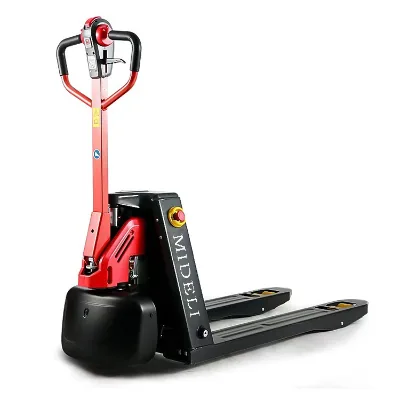
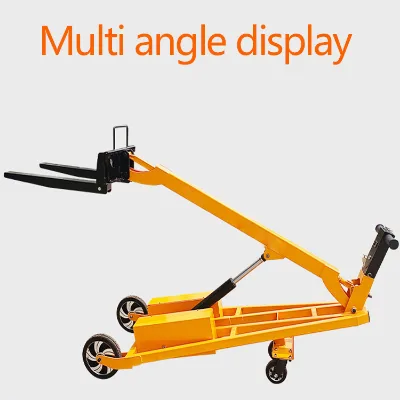
Electric Stacker Forklift 3.5m Forklift Truck Price Electric Forklift
$6500.00 - $6800.00
MOQ: 1 Pieces



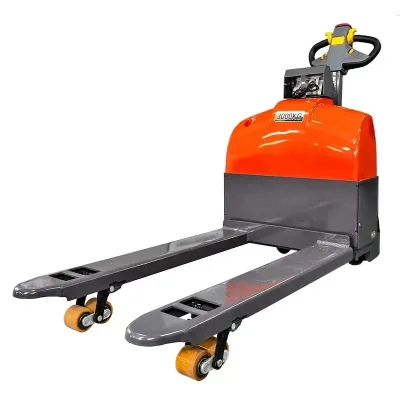
China Used Heavy Duty Full Electric Pallet Truck with Lithium Battery Forklift
$6300.00 - $8000.00
MOQ: 1 Pieces



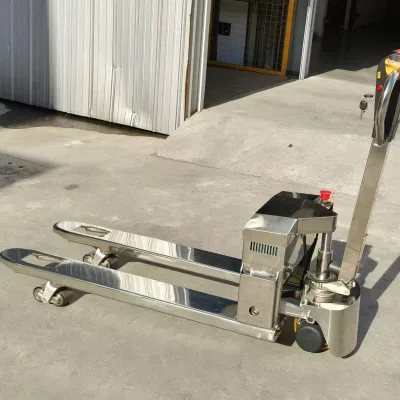
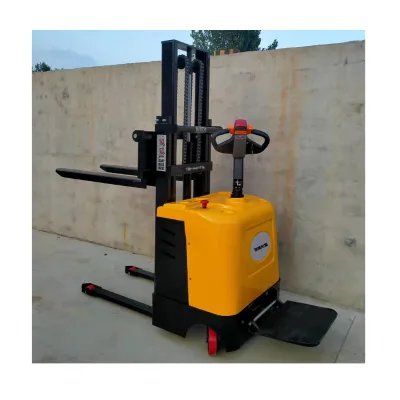


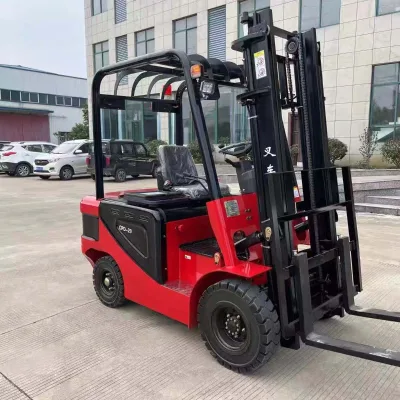
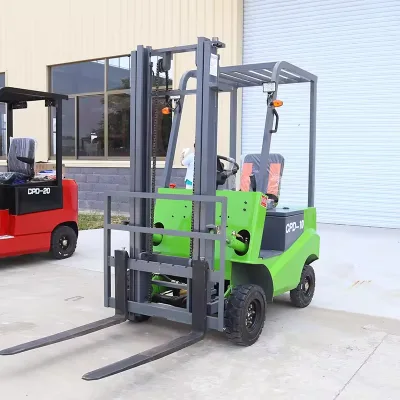

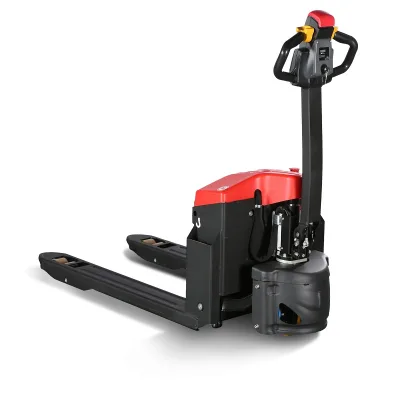
3000kg 2000kg Electric Hand Pallet Lift Jack Truck Hydraulic Hand Pallet Truck
$600.00 - $700.00
MOQ: 1 pieces

Comprehensive Sourcing Guide
Used Electric Forklift Pallet Truck Sourcing Guide
Procuring used electric forklift pallet trucks requires a disciplined approach to verifying equipment history and mechanical integrity. Buyers must prioritize units with documented maintenance logs to ensure that critical components, such as the hydraulic oil cylinder and drive motors, have not exceeded their operational lifespan. The market offers a variety of configurations, including walkie-style units and powered pallet trucks, each serving distinct material handling needs in warehouse environments. Understanding the specific condition of the battery and charger is essential, as these are high-wear items that significantly impact total cost of ownership.
Sourcing decisions should also account for the physical dimensions and load capacity requirements of your facility. Observed listings indicate a load capacity range of 1T to 5T, with some models supporting up to 5000kg, which dictates the necessary floor space and aisle width. Buyers should verify the fork width and length, typically ranging from 550mm to 1200mm, to ensure compatibility with existing pallet standards. Additionally, the condition of the wheels, whether nylon or polyurethane, affects floor protection and maneuverability, making visual inspection of tire wear a critical step in the evaluation process.
Product Scope and Observed Listing Signals
The current market for used electric pallet trucks displays a wide spectrum of product types, primarily focusing on powered pallet trucks and electric forklifts. Listings frequently highlight models such as the CBD and CPD series, which cater to different operational intensities and load requirements. Buyers will encounter units described with specific attributes like AC or DC motors, indicating variations in power delivery and control precision. The presence of customization options suggests that suppliers may offer tailored solutions for specific warehouse layouts, although buyers must confirm the feasibility and cost implications of such modifications for used equipment.
Visual and structural indicators provide immediate insights into the equipment's suitability for your operations. Many units are described with a hydraulic jack structure and a walkie operating style, which is ideal for manual steering combined with electric lift functions. Color options such as yellow, red, or blue are common, often adhering to safety standards for visibility in busy industrial settings. The net weight of these machines varies significantly, from lightweight units around 68kg to heavier models exceeding 164kg, which influences the ease of transport and installation within your facility.
Technical Specifications to Verify
When evaluating technical specifications, the motor type is a primary differentiator between AC and DC systems, each offering distinct maintenance profiles and performance characteristics. Buyers should verify the power source and ensure that the battery health is optimal, as degraded batteries can severely limit operational efficiency. The lifting height and load center distance, often standardized at 500mm, must align with your racking system and pallet dimensions to prevent instability during transport. Additionally, the overall dimensions of the truck, typically between 550mm and 1200mm in length, must fit within your designated operational zones without causing bottlenecks.
The structural integrity of the chassis and the condition of the wheels are critical for long-term reliability. Nylon or polyurethane wheels offer different trade-offs in terms of floor marking and durability, requiring inspection for cracks or excessive wear. The drive type, whether standard or 4WD, impacts traction and maneuverability on various floor surfaces, so buyers should match this specification to their facility's floor conditions. Furthermore, the cab location, whether adjustable or fixed, affects operator comfort and visibility, which can influence productivity and safety over extended shifts.
Compliance and Safety Documentation
Compliance with safety standards is non-negotiable when sourcing used material handling equipment. Buyers must request certificates such as CE certification to ensure that the equipment meets European safety directives, which often serve as a benchmark for global quality. The presence of a machinery test report is a strong indicator of recent functional verification, providing evidence that critical systems like brakes, hydraulics, and electrical connections have been rigorously tested. Without these documents, the risk of acquiring non-compliant or unsafe machinery increases significantly, potentially leading to regulatory penalties or workplace accidents.
Documentation should also include detailed maintenance records and battery health reports. These records help trace the service history of the unit, revealing any recurring issues or major repairs that may indicate underlying problems. Buyers should verify that all safety labels and warning signs are intact and legible, as missing labels can pose significant risks to operators. Additionally, confirming that the equipment was manufactured in recognized industrial hubs like Jiangsu or Hebei in China can provide some assurance of manufacturing quality, though this should not replace direct technical verification.
Cost Drivers and Commercial Terms
Cost drivers for used electric pallet trucks include the age of the unit, battery condition, and the extent of previous usage. Buyers should anticipate a price range that reflects these variables, with costs varying based on the specific model and configuration. The minimum order quantity (MOQ) for used equipment is often flexible, typically ranging from one to ten units, allowing for scalable procurement strategies. However, buyers must consider additional costs such as shipping, customs duties, and potential refurbishment expenses, which can significantly impact the total landed cost.
Commercial terms should clearly define the warranty period and after-sales support available for used machinery. Buyers should negotiate for a limited warranty on critical components like the motor and hydraulic system to mitigate the risk of immediate failure. Payment terms, such as letters of credit or advance payments, should be structured to protect cash flow while ensuring supplier commitment. Additionally, the packing method, whether nude, carton, or wooden case, affects shipping costs and protection during transit, so buyers should clarify these details to avoid unexpected logistics charges.
Supplier Qualification and Quality Control
Supplier qualification is paramount when dealing with used equipment, as the reliability of the seller directly impacts the quality of the product. Buyers should verify the supplier's business license and history in the material handling industry to ensure they have the expertise to inspect and refurbish used units. Checking for certifications and past performance records can provide insights into the supplier's commitment to quality and customer satisfaction. It is advisable to request references from previous buyers to gauge the supplier's reputation and reliability in the market.
Quality control measures should be established before finalizing any purchase agreement. Buyers should insist on pre-shipment inspections or third-party verification services to assess the condition of the equipment. This includes checking the structural integrity, electrical systems, and hydraulic functions to ensure they meet agreed-upon standards. Clear communication regarding the condition of the battery and any visible wear and tear is essential to manage expectations and avoid disputes. Establishing a robust quality control process helps minimize the risk of receiving substandard equipment.
Long-Term Procurement Checks
Long-term procurement success depends on establishing a framework for ongoing equipment evaluation and supplier relationship management. Buyers should implement a regular maintenance schedule for acquired used pallet trucks to extend their operational lifespan and prevent costly breakdowns. Tracking performance metrics such as uptime, battery efficiency, and repair frequency can provide valuable data for future purchasing decisions. This data-driven approach helps in identifying trends and making informed decisions about when to replace or upgrade equipment.
Building a strong relationship with reliable suppliers ensures access to high-quality used equipment and better commercial terms over time. Buyers should engage in continuous dialogue with suppliers to stay updated on new inventory and market trends. Regular feedback on equipment performance can also help suppliers improve their inspection and refurbishment processes. By maintaining a proactive approach to procurement and supplier management, buyers can optimize their material handling operations and achieve long-term cost savings.
FAQs
What is the load capacity range for these electric pallet trucks?
The load capacity ranges from 1 ton to 5 tons. This range covers most standard material handling needs. You can select a model based on your specific weight requirements. The equipment is designed for efficient lifting and transport in warehouse environments.
Can the cab location be adjusted on these models?
Adjustability depends on the specific model type. Some powered pallet trucks feature a non-adjustable cab location. However, certain electric forklift models offer an adjustable cab location. You should verify the cab configuration for the exact unit you intend to purchase.
What certifications do these electric pallet trucks hold?
These products hold CE certification. This ensures compliance with relevant safety and quality standards. The certification is a key factor for many international buyers. It provides assurance regarding the manufacturing quality and operational safety of the equipment.
How is the product packed for shipping?
Packing methods vary by supplier and model. Options include nude packages fixed in containers, export standard packing, or wooden cases. Some units are packed in cartons or on pallets. The specific packing method ensures safe transit and protects the machinery during long-distance shipping.
What is the typical weight of these electric pallet trucks?
Weights vary significantly by model type. Powered pallet trucks typically weigh between 164 and 195 kilograms. Electric forklifts can range from 820 to 5600 kilograms. Walkie style units may weigh around 170 kilograms. Always check the specific weight specification for the model you are sourcing.
Are customization options available for these electric trucks?
Yes, customization is available for many models. Buyers can often select specific colors like yellow, red, or blue. Other customizations may include fork width or length adjustments. Contact suppliers directly to discuss your specific customization requirements and feasibility.