PU Foam Snow Tire Suppliers and Manufacturers
Source PU Foam Snow Tire options from 27 verified suppliers in China. Compare ISO certifications, lead times, and MOQs to find the right partner. Contact suppliers directly to request quotes and verify production capabilities; review the available evidence before requesting comparable quotations from suitable candidates.
Updated
Suppliers List

JIANGSU TOPOWER TYRE CO., LTD.
- Verified by BV
- Combined
- China Jiangsu
- Lead time30 days
- Avg. response≤ 4h
Main productsSolid Tire, Solid Tyre, Tyre, Tire, Forklift Tire, Forklift Tyre, Boom Lift Tire, Awp Tyre, Scissor Lift Tire, Scissor Lift Tyre
Main marketsSouth America,Southeast Asia/ Mideast,East Asia(Japan/ South Korea),Domestic,Europe,Australia,North America

Jiaxing Xingjie Machinery Co., Ltd.
- Verified by BV
- Trading Company
- China Zhejiang
- Lead time30 days
- Avg. response≤ 3h
Main productsCaster Wheel, Castor, Wheel, PU Foam Wheel, Shopping Cart, Shopping Basket, Foldable Trolley, Rack, Medical Equipment, Customized Products
Main marketsSouth America,Africa,Southeast Asia/ Mideast,Domestic,Europe,North America

DOUBLE CAMEL INDUSTRY CO., LIMITED
- Manufacturer/Factory
- China Shandong
- Lead time23 days
- Avg. response≤ 2h
Main productsTyre, Tire, OTR Tyre, Forklift Tyre, Industrial Tyre, Motorycle Tyre, Truck Tyre, Car Tyre, Agricultural Tyre, Tractor Tyre
Main marketsSouth America,Eastern Europe,Mid East,North America,Southeast Asia,Eastern Asia
Qingdao Lixiang Yutai Innovation Technology Co., Ltd
- Manufacturer, Trading Company
- Shandong, China
- Lead time30 days
- Avg. response≤ 6h
Main productsWheels
Main marketsNorth America(30.00%), South America(30.00%), Eastern Europe(20.00%), Northern Europe(10.00%), Southeast Asia(10.00%)
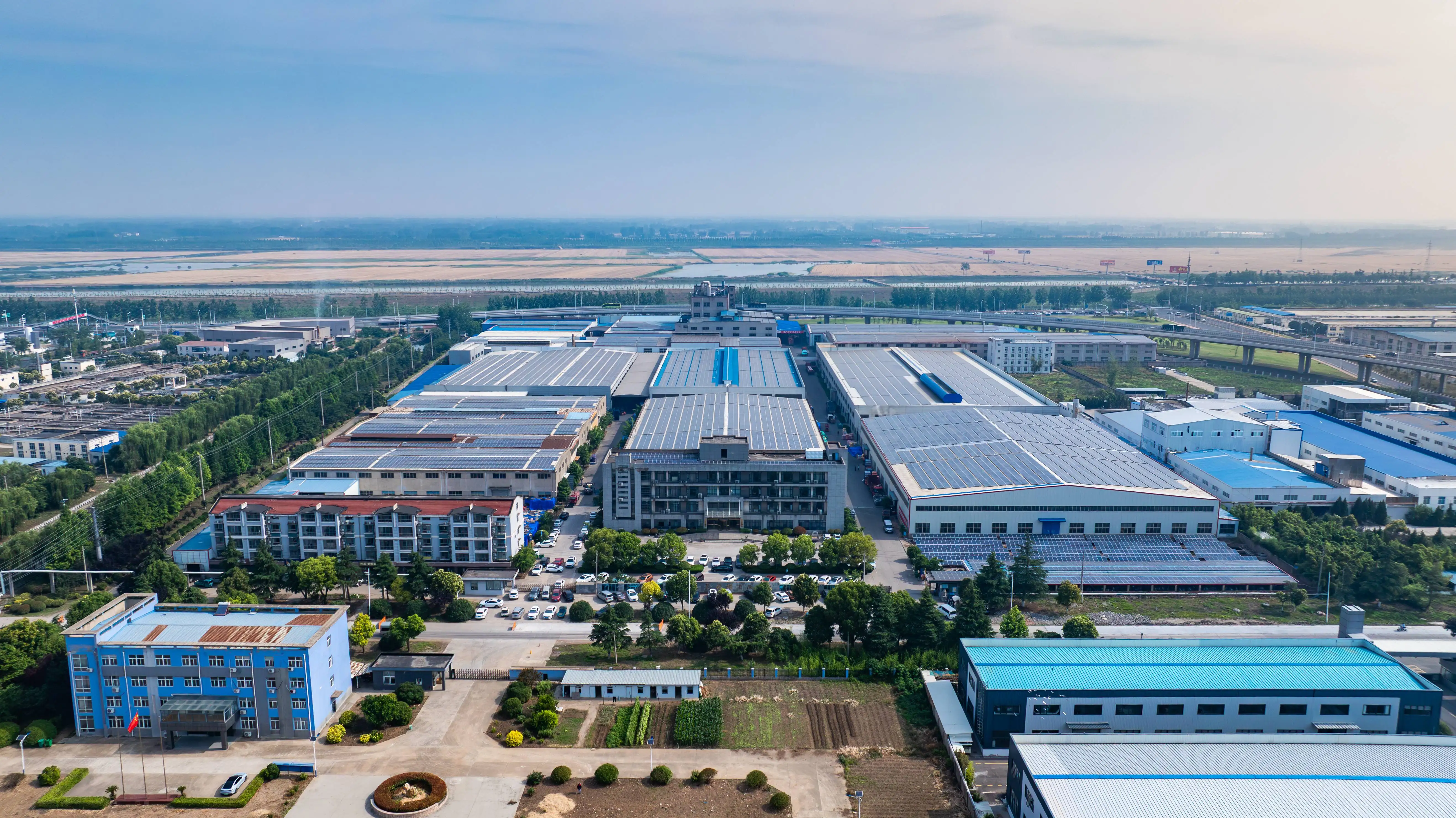
Qingdao Bostone Tyre Co., Ltd.
- Manufacturer, Trading Company
- Shandong, China
- Lead time15 days
- Avg. response≤ 2h
Main productsPneumatic Sprayer Tyres,Solid Rubber Wheels,pneu plein 205 25,tractor wheel narrow tires,tractor tires
Main marketsSoutheast Asia(20.00%), Eastern Europe(20.00%), Domestic Market(10.00%), Western Europe(10.00%), Mid East(10.00%), Oceania(10.00%), North America(10.00%), Eastern Asia(5.00%), South America(5.00%)
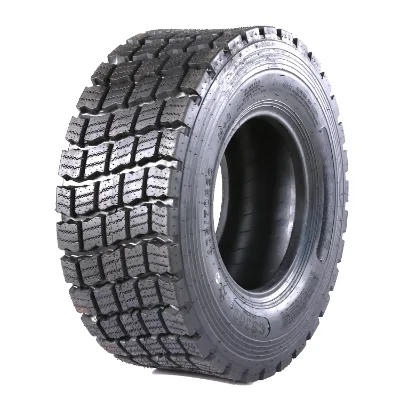
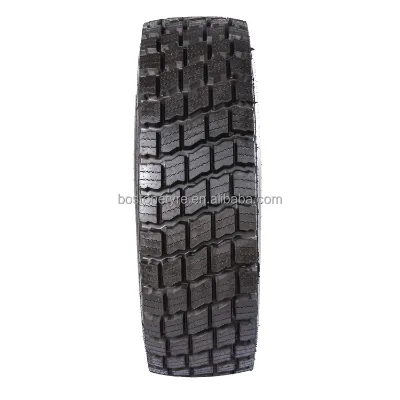
Bostone Winter 405/70R20 16/70r20 Tires Snow Tyre
$206.00 - $275.00
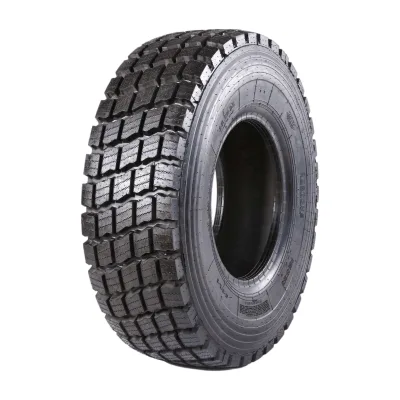
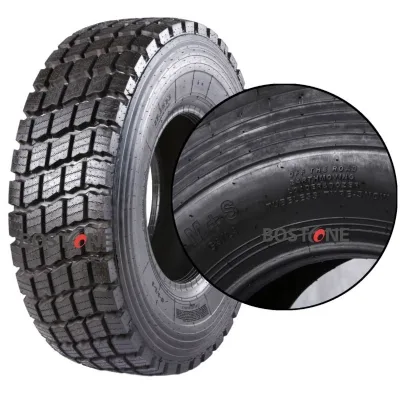
17.5 20.5 23.5R25 Sizes Snow Tires for Norway Other Wheels Tires & Accessories
$452.00 - $459.00
MOQ: 20
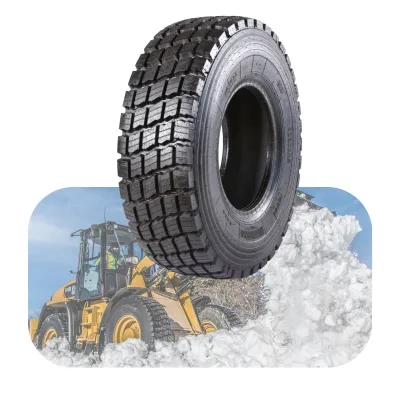
China Winter Loader Tires 15.5x25 17.5-25 23.5-25 Snow Tire for Loaders Winter Accessories
$129.00 - $659.00
MOQ: 6
Qingdao Atera Industrial Co., Ltd.
- Manufacturer, Trading Company
- Shandong, China
- Lead time0 days
- Avg. response≤ 2h
Main productsPCR Tires,TBR Tires,Motorcycle Tires,Bicycle Tires,Tire Studs
Main marketsSouth Asia(10.00%), Southern Europe(10.00%), Central America(10.00%), Eastern Asia(10.00%), Mid East(10.00%), Oceania(10.00%), Africa(10.00%), Southeast Asia(10.00%), Eastern Europe(10.00%), South America(10.00%)

Qingdao Wanlong Tire Technology Co., Ltd.
- Verified by TUVRHEINLAND
- Trading Company
- China Shandong
- Lead time15 days
- Avg. response≤ 7h
Main productsTire, Truck and Bus Radial Tires, Passenger Car Tires, Radial OTR Tires, Bias Tires, Tire Accessories
Main marketsSouth America,Africa,Southeast Asia/ Mideast,Europe,Australia,North America

SUV Offroad Tire Tyre Snow Winter Snow Car Tire Radial Passenger Car Tire
$14.00 - $15.00
MOQ: 600 Pieces

Winter Tire, Snow Tyre, Summer Tires, All Season Tires, Studdable Tyres for Car Tire
$14.00 - $15.00
MOQ: 600 Pieces

Qingdao Kingsender Enteprise Co., Ltd.
- Manufacturer
- Shandong, China
- Lead time20 days
- Avg. response≤ 1h
Main productsBARROW,GARDEN CART,LAWN CART,TOOL,RUBBER WHEEL
Main marketsNorthern Europe(30.00%), Eastern Europe(20.00%), South America(15.00%), Mid East(10.00%), Southeast Asia(10.00%), Africa(6.00%), North America(5.00%), Domestic Market(4.00%)
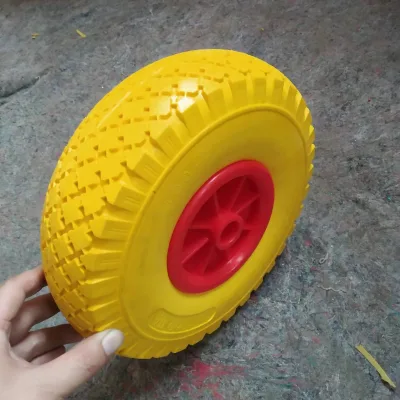
3.00-4 Hot Sale No air Tire 260x85 PU Foam Tire
$4.35 - $4.85
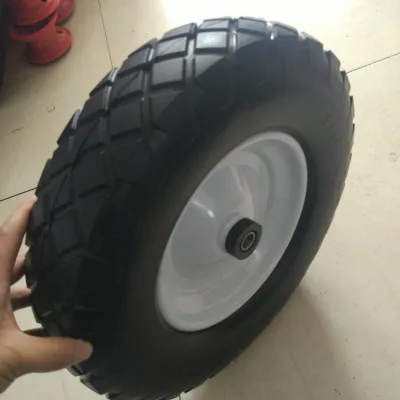
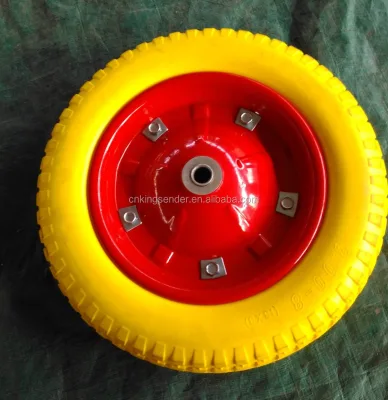
13 Inches Pu Foam Tyre Tyre for Dolly or Tool Cart
$4.15 - $4.35
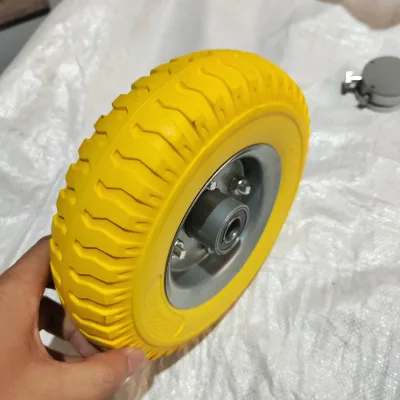
8-inch Pu Foam Lightweight Carriage Wheel Tire Wheel
$2.60 - $2.70

Qingdao Maxtop Tools Co., Ltd.
- Verified by BV
- Trading Company,Manufacturer/Factory
- China Shandong
- Lead time23 days
- Avg. response≤ 14h
Main productsPU Foam Wheel, Wheelbarrow Wheel, Storage Shelves, PU Wheel, Rubber Wheel, Motorcycle Tyre, Butyl Tyre Inner Tube, Flat Free Wheel, Hand Trolley Wheel, Tools Carts Wheel
Main marketsSouth America,Eastern Europe,Mid East,North America,Southeast Asia,Eastern Asia,Oceania,Western Europe,Africa

- Trading Company
- SHANDONG, China
- Lead time10 days
- Avg. response≤ 4h
Main productsTyre
Main marketsAfrica(25.00%), South America(19.00%), Western Europe(15.00%), North America(11.00%), Southeast Asia(10.00%), Mid East(5.00%), Eastern Europe(3.00%), South Asia(2.00%), Southern Europe(2.00%), Northern Europe(2.00%), Central America(2.00%), Eastern Asia(2.00%), Oceania(2.00%)

Shandong Acura Group Co., Ltd.
- Verified by BV
- Trading Company,Manufacturer/Factory
- China Shandong
- Lead time15 days
- Avg. response≤ 7h
Main productsChinese Truck Bus Tire TBR Tyre, Car Tire PCR Passenger Tire, TBR, Agricultural Tire Agr Tyre, OTR Tire, Industrial Tire, PCR, Wheel Rim, Auto Parts, off Road Tire
Main marketsSouth America,Eastern Europe,Mid East,North America,Southeast Asia,Western Europe,Africa


M+S Mud Snowflake Winter Snow PCR Tire, Passenger Car Tyre/Tire (12inch-21inch)
$15.00 - $25.00
MOQ: 300 Pieces


Winter Tire Snow Tires Car Tyre 145/70r12 155/70r12 155/70r13 PCR Tyre/Tire
$11.00 - $25.00
MOQ: 300 Pieces

$12.08 - $16.03
MOQ: 500 Pieces

255/40r20 Winter Snow Car Tire - Natural Rubber High Grip Passenger Car
$12.08 - $16.03
MOQ: 500 Pieces

- Verified by BV
- Trading Company,Manufacturer/Factory
- China Shandong
- Lead time23 days
- Avg. response≤ 4h
Main productsTruck Tire, Passenger Car Tire, OTR Tire, Agricultural Tire, Mt/at/UTV, ATV Tire, Racing Tire, Semi Slick Tire, Special Tire, Motocross Tire
Main marketsSouth America,Eastern Europe,Mid East,North America,Southeast Asia,Eastern Asia,Oceania,Western Europe,Africa

Qingdao Bastone International Trading Company Limited
- Trading Company
- China Shandong
- Lead time23 days
- Avg. response≤ 4h
Main productsCar Tyre, Truck and Bus Tyre, Bias Truck Tyre, OTR Tire, Triangle Tire, Gt Radial Truck Tire, Longmarch Truck Tyre, Doublecoin Truck Tyre, Tires Tyres, Radial Truck Tyres
Main marketsSouth America,Africa,Southeast Asia/ Mideast,East Asia(Japan/ South Korea),Europe,Australia,North America
Qingdao Au-Shine Tyre Co., Ltd.
- Verified by TüVRheinland
- Trading Company
- Lead time30 days
- Avg. response≤ 6h
Main productsTyre
Main marketsEastern Europe(20%), North America(10%), South America(10%)
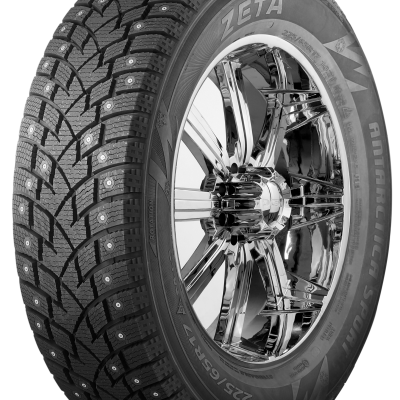
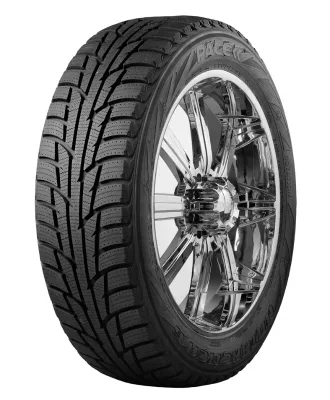
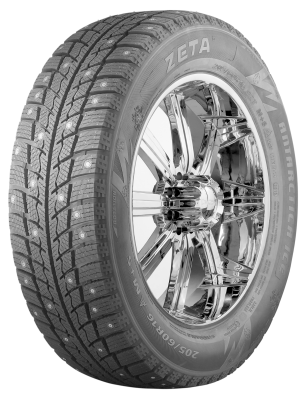
Wholesale China Winter Tires 225 65 17 Snow Car Tire Studdable 225 65 17 TYRES
$25.00
MOQ: 1000 Minimum
Hebei Jianran Trading Co., Ltd.
- Trading Company
- Hebei, China
- Lead time10 days
- Avg. response≤ 4h
Main productsmotorcycle tire,bicycle tire,motorcycle tube,inter tube
Main marketsNorth America(50.00%), South America(23.00%), Southeast Asia(10.00%), Southern Europe(2.00%), South Asia(2.00%), Northern Europe(2.00%), Central America(2.00%), Western Europe(2.00%), Mid East(2.00%), Africa(2.00%), Eastern Europe(2.00%), Eastern Asia(1.00%)
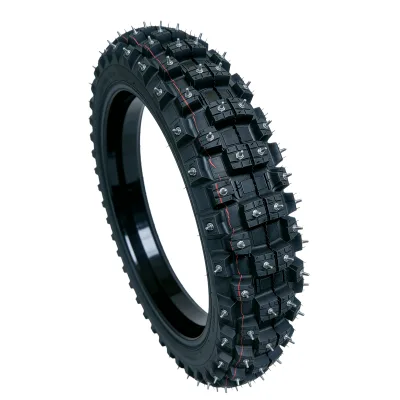
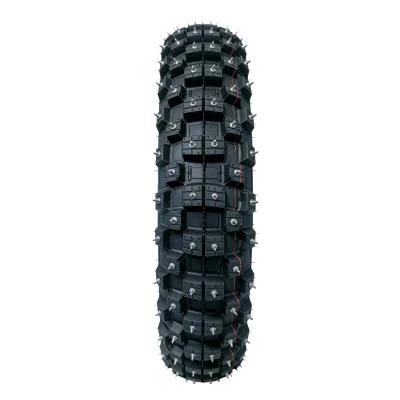
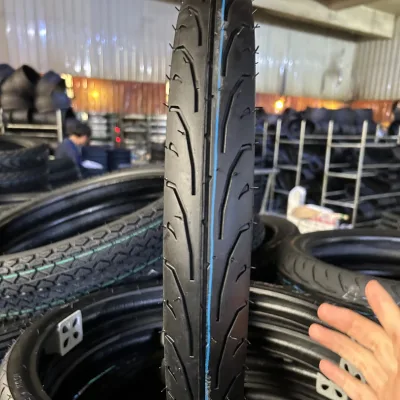
Hot Selling Anti-slip Ice Snow Tubeless Tire, Nail Style Natural Rubber Outer Tyre
$8.59 - $12.59
MOQ: 100

Joyway Industrial Company Limited
- Verified by BV
- Manufacturer/Factory
- China Shandong
- Lead time15 days
- Avg. response≤ 7h
Main productsTyre, Tire, Truck Tyre Truck Tire, Bus Tyre, Car Tyre, Loader Tyre, Radial Tyre, TBR Tyre, PCR Tyre, Nylon Tyre Bias Tyre Port Tyre
Main marketsSouth America,Eastern Europe,Mid East,North America,Southeast Asia,Eastern Asia,Oceania,Western Europe,Africa

High Performance Winter Tires, Mud and Snow Tires 185/65r15, 185 65r15
$12.00 - $38.00
MOQ: 1000 Pieces


- Trading Company
- Shandong, China
- Lead time15 days
- Avg. response≤ 9h
Main productstyre,tire,tyre rim,wheel,tyre tube
Main marketsSoutheast Asia(25.67%), Africa(18.95%), Central America(11.88%), South Asia(8.76%), South America(8.66%), Mid East(6.20%), Oceania(5.98%), North America(3.45%), Western Europe(2.44%), Eastern Asia(2.33%), Eastern Europe(2.26%), Northern Europe(1.80%), Southern Europe(1.62%)
- Verified by TüVRheinland
- Trading Company
- Lead time0 days
Main productsCar Tyre, Truck Tyre, OTR, Motocycle Tyre, ATV
Main marketsAfrica(40%), Southeast Asia(30%), South America(10%)

Shandong Yongsheng Rubber Group Co., Ltd.
- Manufacturer/Factory
- China Shandong
- Lead time23 days
- Avg. response≤ 13h
Main productsCar Tyres, Truck Tyres, OTR Tyres, Agriculture Tyre
Main marketsSouth America,Eastern Europe,Mid East,North America,Southeast Asia,Eastern Asia,Oceania,Western Europe,Africa

Winter Tire, Snow Tyre, Summer Tires, All Season Tires for Car Tire/Tires/Tyres/Tyre
$24.49
MOQ: 1000 Pieces


- Trading Company
- Shandong, China
- Lead time15 days
- Avg. response≤ 6h
Main productsTruck & Bus Tyre,Passenger Car tyre,OTR,AGRI TYRE,IND TYRE
Main marketsAfrica(45.00%), Eastern Asia(15.00%), North America(10.00%), Southeast Asia(10.00%), Central America(6.00%), Mid East(5.00%), Eastern Europe(4.00%), Northern Europe(2.00%), Oceania(1.00%), Western Europe(1.00%), Southern Europe(1.00%)
- Verified by SGS Group
- Trading Company
- Lead time20 days
- Avg. response≤ 4h
Main productsTyre
Main marketsNorth America(15%), South America(15%), Western Europe(15%)

QINGDAO BONWAY INDUSTRIAL CO., LIMITED
- Verified by BV
- Manufacturer/Factory,Group Corporation
- China Shandong
- Lead time15 days
- Avg. response≤ 4h
Main productsTruck Tyre, Car Tyre, Truck Tire, OTR Tyre, PE Pipe, PPR Pipe, PVC Pipe, Building Materials, Welding Electrode
Main marketsSouth America,Eastern Europe,Mid East,North America,Southeast Asia,Eastern Asia,Oceania,Western Europe,Africa

Winter Tire, Snow Tyre, Summer Tires, All Season Tires, Studdable Tyres for Car Tire
$12.00 - $18.00
MOQ: 200 Pieces

Guangzhou Qixingke Electronic Technology Co., Ltd.
- Manufacturer, Trading Company
- Guangdong, China
- Lead time10 days
- Avg. response≤ 3h
Main productsElectric Bicycle,Bicycle
Main marketsDomestic Market(45.00%), South America(15.00%), North America(8.00%), Africa(8.00%), Northern Europe(6.00%), Central America(6.00%), Western Europe(6.00%), Southern Europe(4.00%), Mid East(2.00%)

- Verified by CTI
- Trading Company
- China Shandong
- Lead time23 days
- Avg. response≤ 2h
Main productsTires, Tyres, Tyre, Truck Tires, Truck Tyres, Truck Tire, Truck Tyre, Pneus, Neumaticos, Llantas
Main marketsDomestic
- Trading Company
- Shandong, China
- Lead time6 days
- Avg. response≤ 4h
Main productsTYRE,CAR TYRE,TRUCK TYRE,WINTER TYRE,OTR
Main marketsSouth America(15.00%), Northern Europe(15.00%), Southern Europe(10.00%), Mid East(10.00%), Western Europe(10.00%), Eastern Europe(10.00%), Central America(8.00%), North America(5.00%), Oceania(5.00%), Southeast Asia(5.00%), Africa(2.00%)

Qingdao Greenmaster Industrial Co., Ltd.
- Verified by BV
- Trading Company
- China Shandong
- Lead time15 days
- Avg. response≤ 13h
Main productsTruck and Bus Tyre, off The Road Tyre, Agriculture Tyre, Alloy and Steel Wheel, Motorcycle Tyre, Car Battery, Car Tyre, Passenger Car Tire, PCR, Alloy Wheel
Main marketsSouth America,Africa,Southeast Asia/ Mideast,Europe,Australia,North America

Qingdao Au-Shine Tyre Co., Ltd.
- Verified by TUVRHEINLAND
- Trading Company
- China Shandong
- Lead time23 days
- Avg. response≤ 17h
Main productsTyre, Truck Tyre, Car Tyre, Forklift Tyre, ATV Tyre, Motorcycle Tyre, Gocart Tire, Bicycle Tire, Solid Tyre, Tractor Tyre
Main marketsEast Asia(Japan/ South Korea)


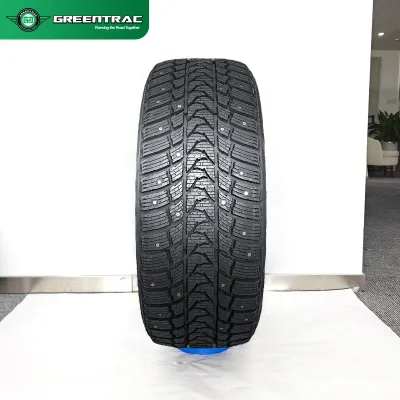
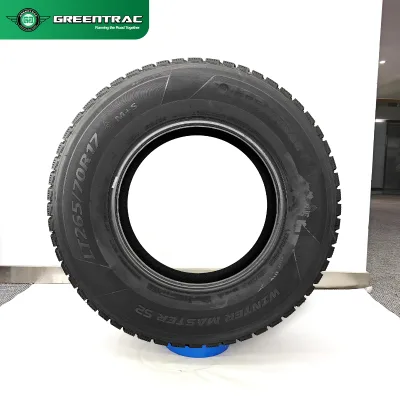
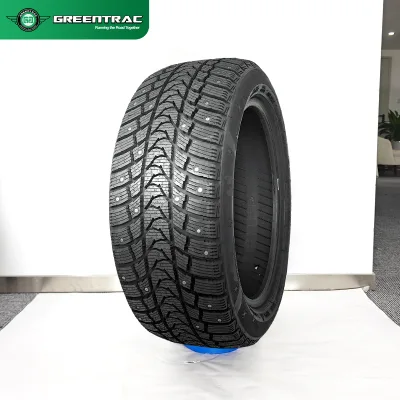
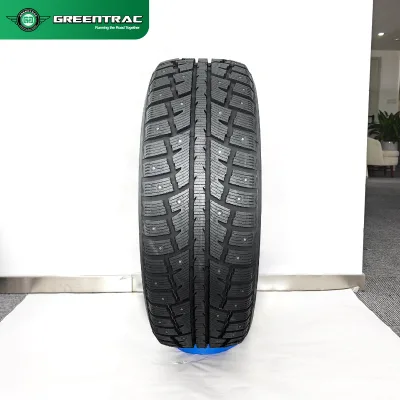
New Passenger Car Tires Wholesale Import Chinese China Price Cars Winter Tires All Sizes
Negotiable
MOQ: 50 Pieces


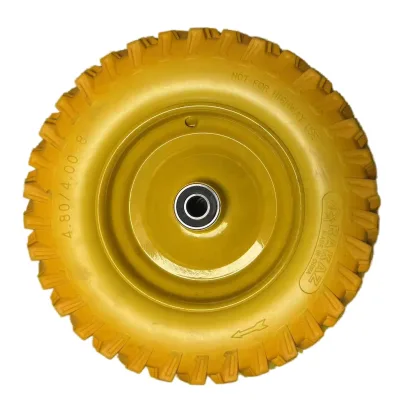
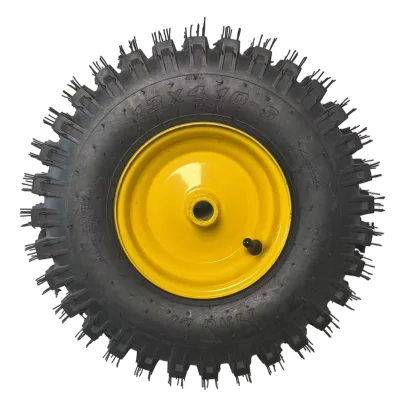
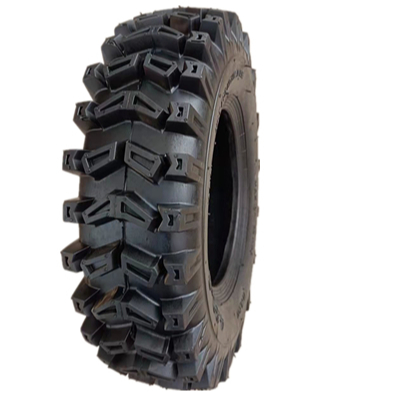
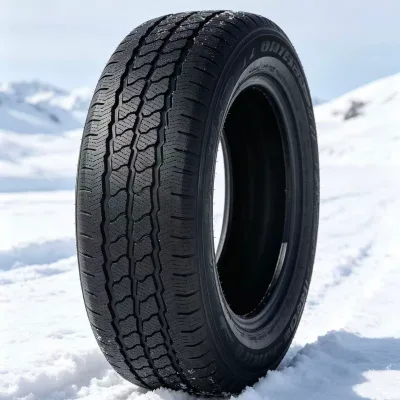









Comprehensive Sourcing Guide
PU Foam Snow Tire Supplier Concentration and Factory Types
Current supplier data indicates a concentration of manufacturers and trading entities within China, specifically highlighting Jiangsu and Zhejiang provinces as active sourcing hubs for industrial rubber and polyurethane products. While the specific keyword "PU Foam Snow Tire" does not appear in the provided product evidence, the observed inventory includes PU foam filled solid tires, caster wheels, and industrial rubber wheels originating from these regions. Buyers should recognize that Jiangsu-based suppliers often list combined company types with ODM and OEM capabilities, suggesting a manufacturing base capable of customizing tire dimensions and cord materials like nylon. In contrast, Zhejiang-based results frequently show trading companies focusing on caster wheels and shopping cart accessories, which may indicate a different supply chain structure for smaller diameter wheels rather than heavy-duty snow tires.
To identify the correct factory type for snow tire requirements, buyers must examine the "main_products" field and "company_type" attributes in supplier profiles. The evidence shows a mix of combined entities offering solid tires for forklifts and boom lifts alongside trading companies specializing in PU foam wheels for lawn mowers and hand trucks. A buyer seeking snow tires should prioritize suppliers listing "Solid Tire" or "Forklift Tire" as primary products with ODM capacity, as these entities possess the necessary rubber molding infrastructure. Conversely, trading companies with NIL system certifications or those listing only "Caster Wheel" as a main product may lack the direct manufacturing control required for specialized snow traction patterns. Verifying the physical location against the product origin field is essential to distinguish between a factory with a production line and a broker aggregating goods from multiple sources.
How to Verify PU Foam Snow Tire Suppliers
Verification of supplier credibility relies heavily on third-party audit reports and system certifications rather than self-declared claims. The available data shows that some suppliers hold BV verification status and ISO9001:2015 certificates, while others display "NIL" for system certification or only list product-specific ISO marks. For a specialized product like a PU Foam Snow Tire, buyers should demand proof of ISO9001:2015 or ISO9001&14001 certifications that cover the specific manufacturing process, rather than accepting generic product labels. The presence of BV verification is a strong indicator of a vetted supply chain, but the absence of this badge or a "NIL" status requires immediate follow-up to confirm if the supplier has undergone any recent third-party factory audits.
Buyers must also scrutinize the "response_time" metric as a proxy for operational reliability and communication efficiency. The observed response times in the dataset range from 2.68 to 3.48, which serves as a baseline for expected engagement speed. A supplier with a high response time may indicate a lack of dedicated sales support or a disorganized internal workflow, which poses risks for custom orders requiring precise technical specifications. Additionally, the "is_verified" status should be cross-referenced with the "system_certification" field; a supplier marked as verified by BV but lacking specific industry certifications may still be legitimate but potentially less specialized. Always request a copy of the current certificate and verify its validity date before proceeding with any order, as expired or generic certificates do not guarantee quality control for snow tire applications.
What to Compare Across PU Foam Snow Tire Suppliers
When evaluating potential partners, the primary comparison points should include lead time, minimum order quantity (MOQ), and price ranges, as these directly impact procurement planning and cash flow. The data reveals significant variance in lead times, with one observed value of 30 days, and MOQs ranging from as low as 2 units for large industrial tires to 500 units for smaller PU foam wheels. For a snow tire project, a supplier offering an MOQ of 2 might be suitable for sampling or small fleet replacements, whereas a supplier requiring 500 units is likely geared toward mass production of smaller wheels. Buyers must align their order volume with the supplier's capacity, noting that lower MOQs often correlate with higher per-unit costs, as seen in the price ranges from $4.00 to $1300.00 depending on the product model and size.
Price comparison must be contextualized by product specifications such as diameter, tire hierarchy, and cord material. The evidence shows prices varying from $395.00 to $1300.00 for large solid tires, while smaller PU wheels range from $4.00 to $8.00. A buyer should not compare the price of a 445/65-22.5 tire directly with a 9-inch caster wheel, as the material volume and manufacturing complexity differ vastly. Instead, focus on suppliers offering similar dimensions and specifications, such as "Radial Tyre" design or "14PR" hierarchy, to ensure an apples-to-apples cost analysis. Additionally, compare the "Customization" availability; some suppliers list "Available" while others require "Negotiation," which affects the final landed cost and the ability to tailor the tire for specific snow traction needs.
Common PU Foam Snow Tire Sourcing Risks
One significant risk in sourcing specialized tires is the discrepancy between the supplier's claimed capabilities and their actual product evidence. The dataset shows suppliers listing "Solid Tire" and "Forklift Tire" as main products, yet the specific product evidence for "PU Foam Snow Tire" is absent. This suggests that while suppliers may have the infrastructure for solid tires, they might not have the specific tread patterns or rubber compounds required for snow conditions. Buyers face the risk of receiving a standard solid tire that lacks the necessary grip or flexibility for winter environments if they do not explicitly verify the product's suitability for snow traction. Relying on generic keywords like "Solid Tire" without confirming the specific application can lead to product failure in critical winter operations.
Another critical risk involves the variability in certification standards and quality assurance processes. The observed data includes suppliers with "ISO" certifications, others with "CCC,ISO," and some with "NIL" or only product-level marks. A supplier lacking a robust system certification like ISO9001:2015 may not have consistent quality control measures, increasing the risk of defects in the final product. Furthermore, the "Quality" attribute is listed as "Optional" in some product details, indicating that quality standards may not be standardized across the supplier's catalog. Buyers must be wary of suppliers who do not explicitly state their quality control protocols or who offer "Optional" quality tiers, as this ambiguity can result in inconsistent performance of the snow tires under heavy load or extreme cold conditions.
PU Foam Snow Tire Regional Sourcing and Logistics
Geographic sourcing decisions should be guided by the specific location data provided in supplier profiles, which currently highlights Jiangsu and Zhejiang as the primary manufacturing hubs. Jiangsu-based suppliers often demonstrate capabilities in producing large-diameter tires with complex specifications, such as the 445/65-22.5 model, suggesting a strong industrial base for heavy-duty applications. In contrast, Zhejiang-based suppliers appear more focused on smaller PU foam wheels and caster products, which may limit their suitability for large snow tire requirements. Buyers should prioritize suppliers located in Jiangsu if they require large, heavy-duty tires, while acknowledging that Zhejiang suppliers might be better suited for smaller, lighter-duty applications if the snow tire design allows for it.
Logistics planning must account for the specific packing methods and shipping options listed in the product evidence. The data indicates that some suppliers offer packing "by Sea or Air," while others use "Naked" packing or "Wooden Case or Carton." For large, heavy tires, "Naked" packing might be cost-effective but risky for damage during transit, whereas "Wooden Case" provides superior protection for high-value orders. Buyers should verify the "prod_packing" details to ensure the method aligns with their shipping requirements and insurance policies. Additionally, the "prod_origin" field confirms the goods originate from China, meaning international shipping times and customs procedures will apply. Planning for sea freight is generally more economical for large volumes, but air freight may be necessary for urgent orders, depending on the supplier's lead time and the buyer's urgency.
PU Foam Snow Tire Commercial Terms and Order Planning
Commercial terms regarding payment, customization, and order volume are critical for successful procurement and must be clearly defined before placing an order. The evidence shows that customization is generally "Available" or subject to "Negotiation," indicating that buyers should expect to discuss specific requirements for tread patterns and materials. For large orders, suppliers may offer flexible terms, but for smaller quantities, the "MOQ" constraints, such as 10 units or 500 units, will dictate the feasibility of the purchase. Buyers should also note that some suppliers list "OEM" as "Negotiation," which implies that branding and specific design modifications are possible but require additional discussion and potentially higher costs.
Order planning must also consider the lead time and response time to ensure timely delivery and effective communication. With a lead time of 30 days observed in the data, buyers should factor this into their production schedules and inventory planning to avoid stockouts. A response time of around 3 days suggests a moderate level of engagement, but buyers should aim to establish clear communication channels early to address any technical queries regarding the snow tire specifications. Additionally, the price ranges provided, such as $395.00 to $1300.00 for large tires, should be used as a baseline for budgeting, but final costs may vary based on customization, volume, and shipping terms. Buyers should request a detailed proforma invoice that includes all these variables to ensure transparency and avoid unexpected expenses during the order fulfillment process.
FAQs
What is the price range for PU foam solid tires?
Prices vary significantly by size and specification. Smaller wheels start around $4 to $8, while larger industrial tires range from $314 to $1,300. Buyers should check specific product listings for exact quotes based on quantity and customization needs.
What is the minimum order quantity for these tires?
MOQs depend on the tire size and type. Small wheels may require 500 units, while larger industrial tires have lower MOQs, such as 2 to 10 units. Always verify the specific MOQ for the desired model before placing an order.
How long does production take for these tires?
Standard lead times are approximately 30 days for production. This timeline applies to most solid tire orders. Buyers should confirm specific delivery schedules with suppliers, as rush orders or custom specifications might affect the final production duration.
Are PU foam tires customizable for specific applications?
Yes, customization is available for many PU foam tire models. Suppliers offer OEM services and can adjust specifications like diameter, load capacity, and tread patterns. Buyers should discuss their specific requirements directly with the supplier to ensure a perfect fit.
What certifications do these PU foam tires have?
Many suppliers hold ISO9001:2015 and ISO certifications. Some products also feature CCC or RoHS2 certifications. Buyers should request valid certificates for specific products to ensure compliance with their local regulations and quality standards before finalizing a purchase.
Where are these PU foam tires manufactured?
These tires are primarily manufactured in China, specifically in Jiangsu and Zhejiang provinces. Buyers can verify the exact origin on product listings. Sourcing from these regions often provides access to established manufacturing hubs with competitive pricing and efficient logistics.