Stainless Steel Tubular Chain Conveyor Suppliers and Manufacturers
Source 11 verified suppliers for Stainless Steel Tubular Chain Conveyor systems. Compare key dimensions including lead times from 7 to 30 days, response speeds, and certifications like ISO14001:2015 and CE. Review pricing and customization options to identify the right partner for your bulk handling needs.
Updated
Suppliers List

Shijiazhuang Rongxin Science and Technology Co., Ltd
- Combined
- China Hebei
- Lead time30 days
- Avg. response≤ 6h
Main productsVacuum Feeder, Pneumatic Conveyor, Small Bag Feeding Station, Bag Dump Station, Discharge Station, Tubular Drag Conveyor, Bube Conveyor, Double Cone Mixer, Powder Mixer, Screw Conveyor
Main marketsDomestic,Europe


Flexible Stainless Steel Tubular Chain Conveyor for Efficient Transfer
$1500.00 - $3000.00
MOQ: 1 Pieces

Customized Stainless Steel Tubular Chain Conveyor for Food Processing
$2000.00 - $10000.00
MOQ: 1 Pieces


Henan Chunying Environmental Protection Equipment Co., Ltd.
- Verified by SGS Group
- Manufacturer, Trading Company
- Lead time7 days
- Avg. response≤ 4h
Main productsRotary vibrating screen, Linear vibrating screen, Screw conveyor, Vacuum conveyor, Mining vibrating screen
Main marketsDomestic Market(40%), Southeast Asia(20%), Mid East(10%)
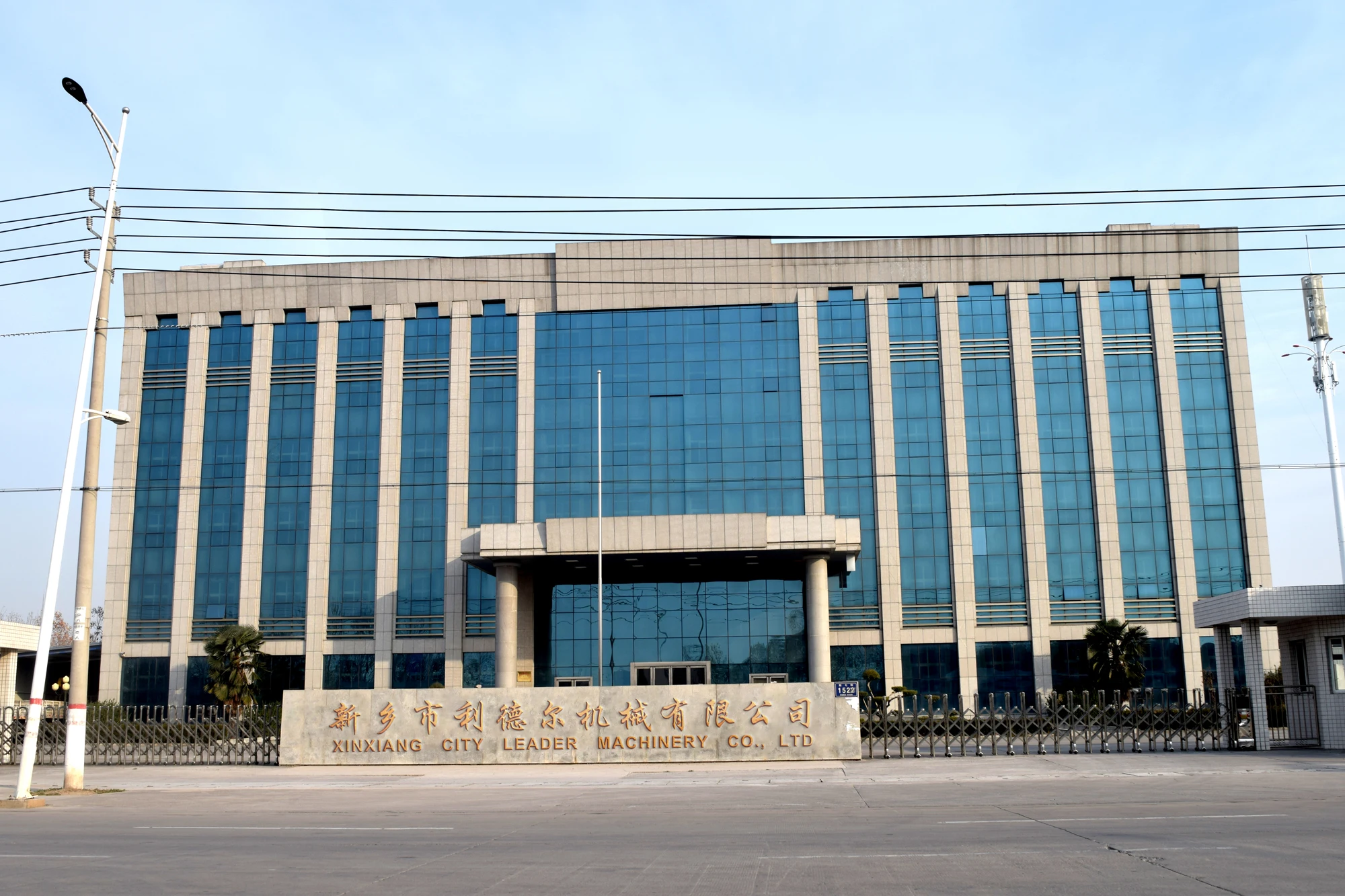
Xinxiang City Leader Machinery Co., Ltd.
- Manufacturer, Trading Company
- Henan, China
- Lead time15 days
- Avg. response≤ 2h
Main productsvibrating sieve,packing machine,mixing machine,feeder and conveyor,grinding mill
Main marketsNorthern Europe(10.00%), Eastern Asia(10.00%), Western Europe(7.00%), South Asia(5.00%), Africa(5.00%), Oceania(5.00%), North America(5.00%)
Xinxiang First Vibration Machinery Factory Co., Ltd.
- Verified by SGS Group
- Manufacturer, Trading Company
- Lead time15 days
- Avg. response≤ 2h
Main productsVibrating Screen, Vibrating Mill, Mixer, Feeder & Conveyor, Packing Machine
Main marketsNorth America(20%), Southeast Asia(15%), Oceania(10%)
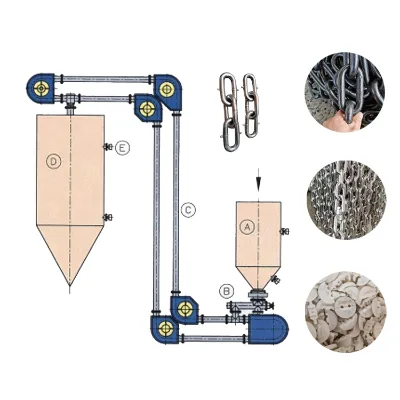
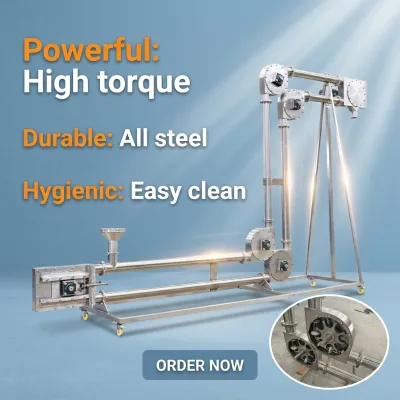
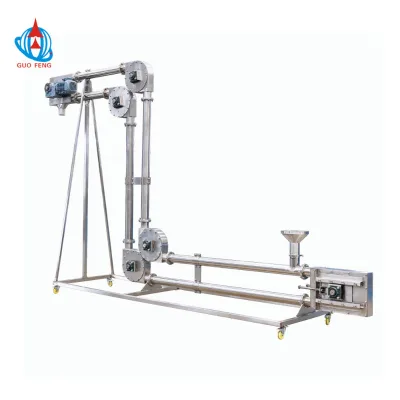
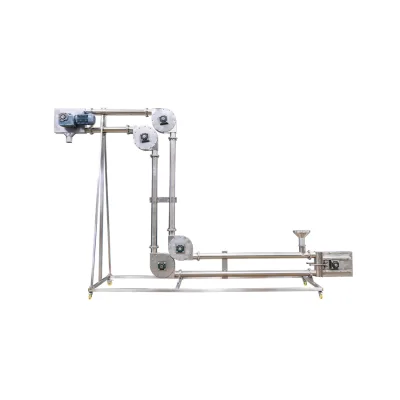
Stainless Steel 304 Pipe Type Tube Chain Conveyor for Grain/Sugar/Salt Conveying System
$4400.00 - $4600.00
MOQ: 1 units
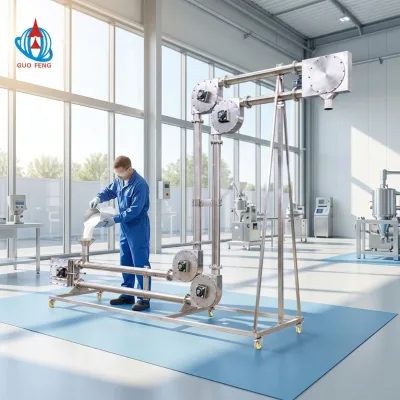
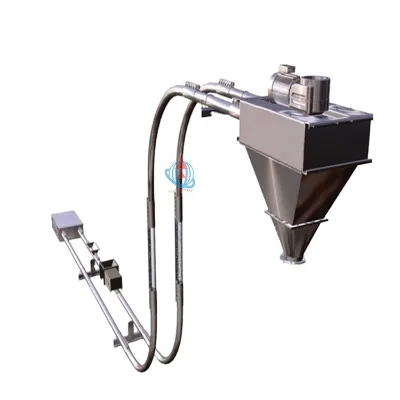
Multi Discharge Closed Transport System Tube Chain Conveyor
$1608.00 - $1800.00
Changzhou Zhenglong Intelligent Equipment Technology Co., Ltd.
- Manufacturer
- Jiangsu, China
- Lead time0 days
Main productsValve Accessories,Blending Equipment,Metering Equipment,Conveying Equipment,Feeding Equipment
Main marketsDomestic Market(40.00%), Eastern Asia(30.00%), Mid East(20.00%), North America(10.00%)
Maxsen Intelligent Equipment (Jiangsu) Co., Ltd.
- Manufacturer
- Jiangsu, China
- Lead time15 days
- Avg. response≤ 3h
Main productsConveyor, Conveyor Accessories
Main marketsDomestic Market(30.00%), North America(18.00%), Southeast Asia(18.00%), Central America(8.00%), Mid East(8.00%), Western Europe(5.00%), Northern Europe(3.00%), South Asia(2.00%), Southern Europe(2.00%), Africa(2.00%), Eastern Asia(1.00%), South America(1.00%), Oceania(1.00%), Eastern Europe(1.00%)
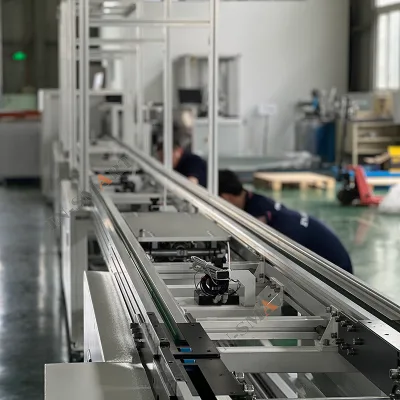
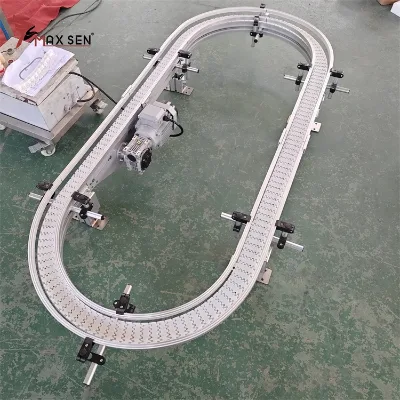
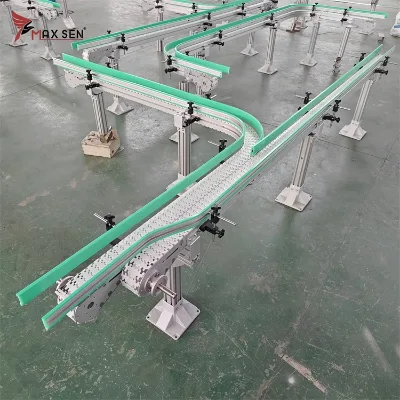
$600.00 - $1500.00
MOQ: 1 sets
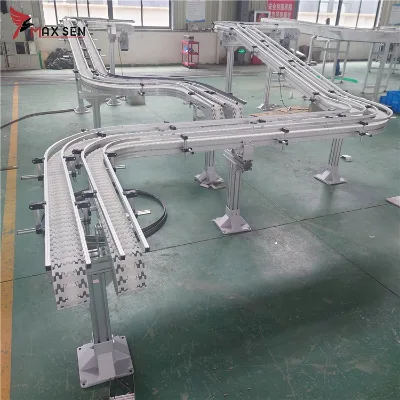
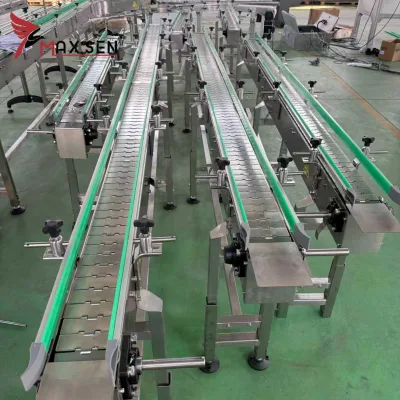
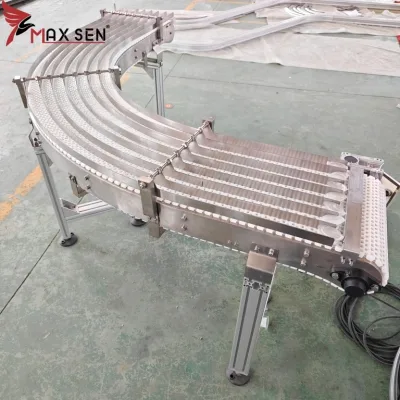
Stainless Steel Top Chain Conveyor for Food & Beverage Industry
$700.00 - $1500.00
Shandong Chenming Intelligent Equipment Co., Ltd.
- Verified by TüVRheinland
- Trading Company
- Lead time15 days
- Avg. response≤ 2h
Main productsModular Belt, Conveyor, Conveyor Belt, Canning Machine, Automated Production Line
Main marketsDomestic Market(50%), North America(22%), Southeast Asia(5%)
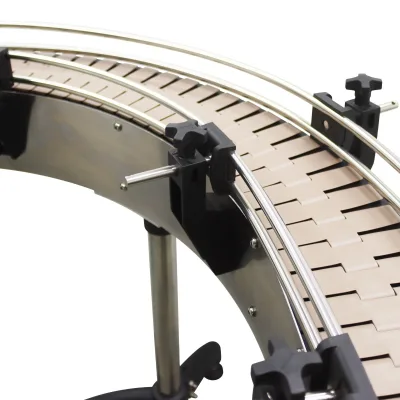
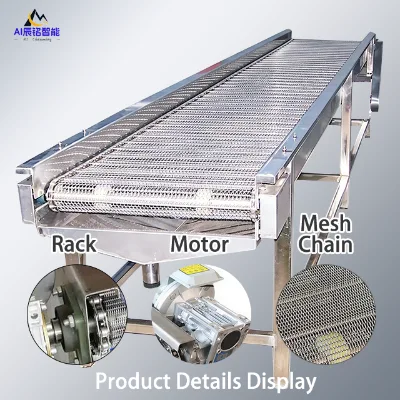
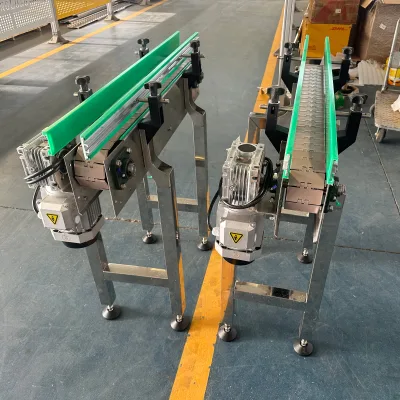
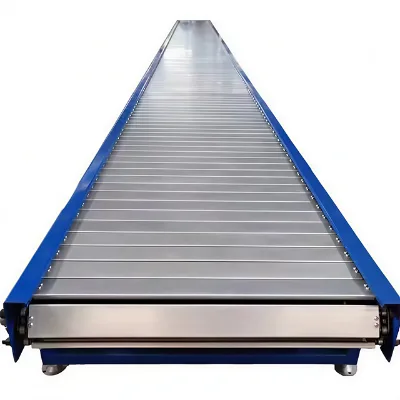
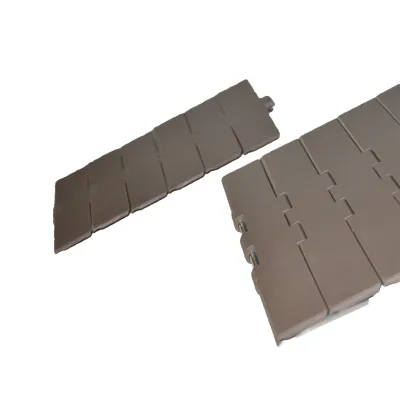
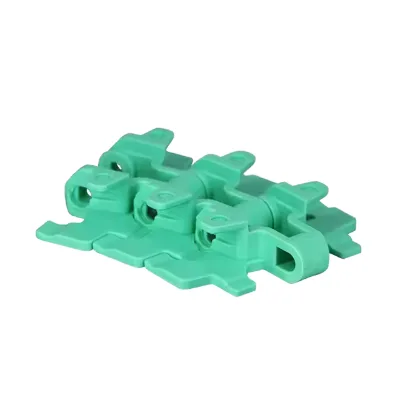
Top Chain Conveyor Slat Chain Conveyor Modular Table Top Conveyor Flat Top Chain Conveyor
$4.6902 - $4.6992
MOQ: 2 pieces
Shanghai IVZ manufacturing Co., Ltd.
- Trading Company
- shanghai, China
- Lead time60 days
- Avg. response≤ 2h
Main productsconveyors,conveyor parts,washing machine,material handling equipment,packing machine
Main marketsSouth America(16.00%), Eastern Asia(10.00%), Africa(10.00%), North America(10.00%), Northern Europe(8.00%), Central America(8.00%), Domestic Market(6.00%), Eastern Europe(6.00%), South Asia(5.00%), Southern Europe(5.00%), Southeast Asia(5.00%), Mid East(5.00%), Western Europe(5.00%), Oceania(1.00%)
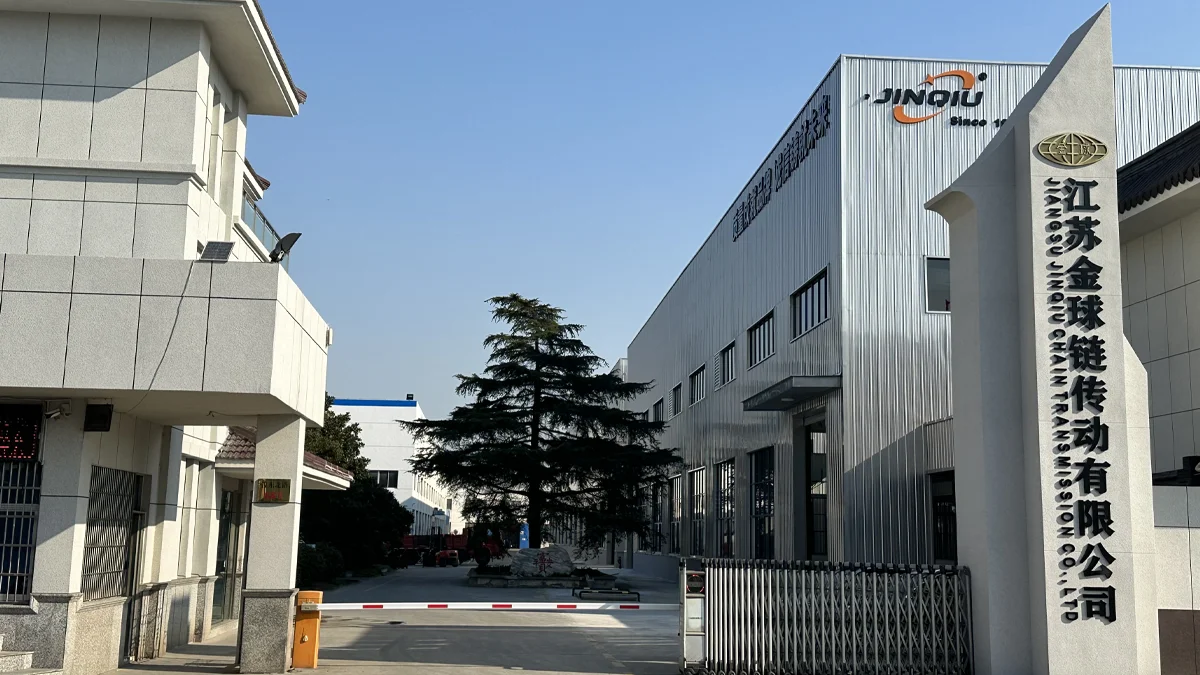
Jiangsu Jinqiu Chain Transmission Co., Ltd.
- Manufacturer, Trading Company
- Jiangsu, China
- Lead time45 days
- Avg. response≤ 8h
Main productsConveyor chain, Welded chain, Sugar chain, Palm oil chain
Main marketsNorth America(30.00%), South America(20.00%), Domestic Market(20.00%), Southeast Asia(20.00%), South Asia(1.00%), Eastern Asia(1.00%), Oceania(1.00%), Western Europe(1.00%), Southern Europe(1.00%), Central America(1.00%), Northern Europe(1.00%), Africa(1.00%), Eastern Europe(1.00%), Mid East(1.00%)
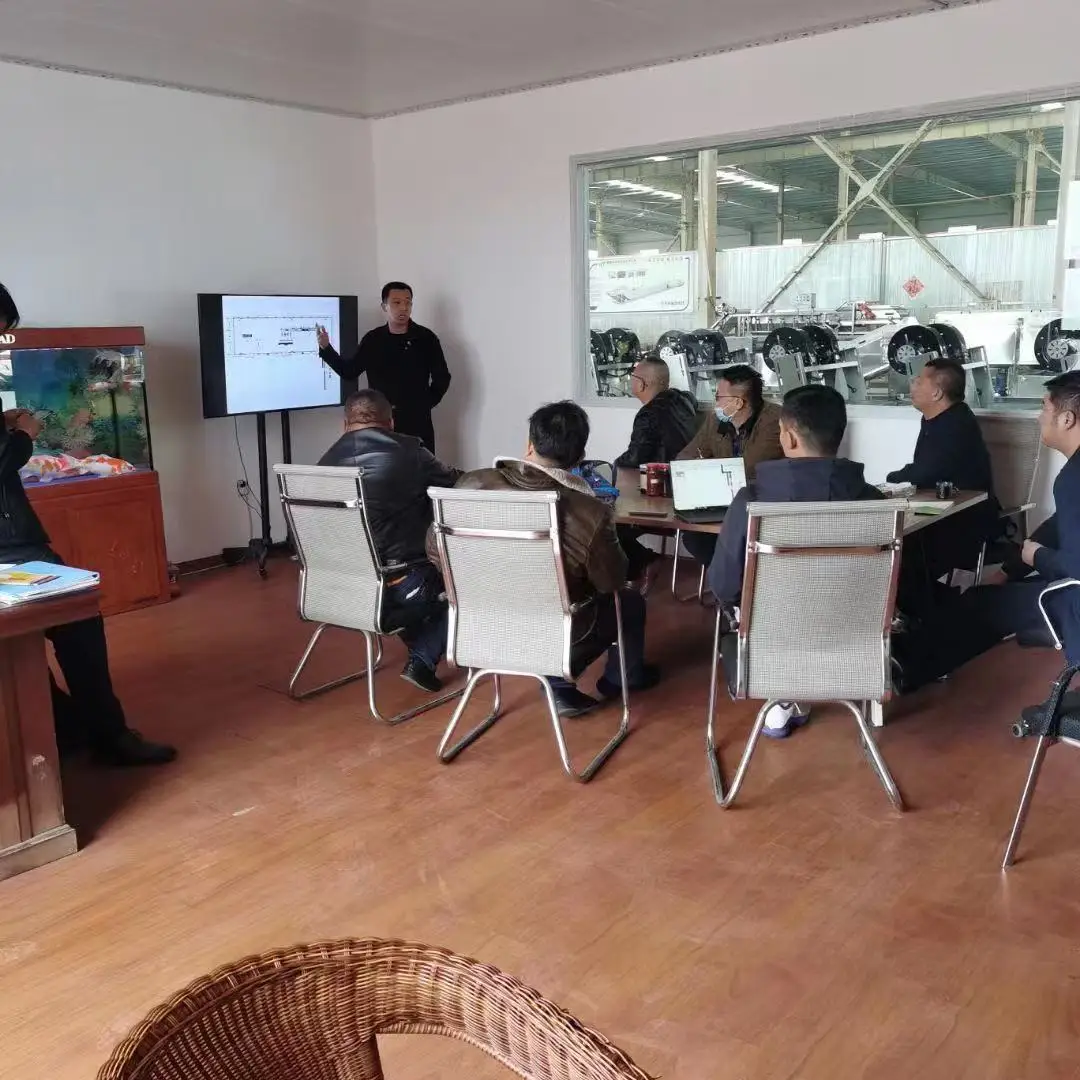
Jinan Stark Machinery Equipment Co., Ltd.
- Manufacturer, Trading Company
- Shandong, China
- Lead time15 days
- Avg. response≤ 2h
Main productsConveyors,Transmission Equipment,Conveyor belt,Robot,Production Line
Main marketsSoutheast Asia(20.00%), North America(20.00%), South America(15.00%), Western Europe(10.00%), Africa(10.00%), Eastern Asia(10.00%), South Asia(5.00%), Mid East(5.00%), Eastern Europe(5.00%)
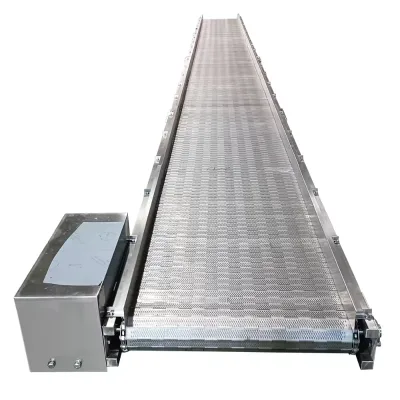
Stainless Steel Chain Plate Conveyor High Temperature Resistant Chain Plate
$1800.00 - $2230.00
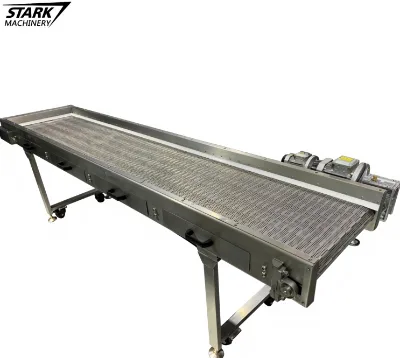


Xinxiang Unitfine Machinery Co., Ltd.
- Verified by SGS
- Trading Company
- China Henan
- Lead time45 days
- Avg. response≤ 9h
Main productsVibrating Screen, Vacuum Conveyor, Pulverizers, Tube Chain Conveyor, Drying Equipment, Mixers, Rotary Cone Mixer, Vacuum Tray Dryer, Ultrasonic Generator, Tumbler Sifter
Main marketsSouth America,Southeast Asia/ Mideast,Europe,North America


Comprehensive Sourcing Guide
Stainless Steel Tubular Chain Conveyor Supplier Concentration and Factory Types
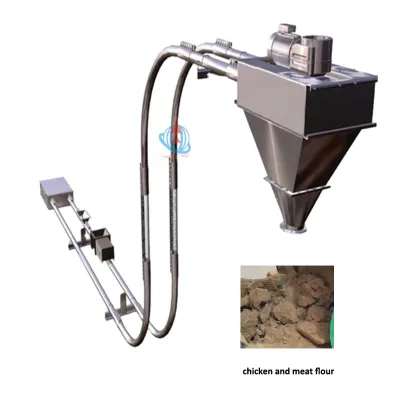
Suppliers of the Stainless Steel Tubular Chain Conveyor in current results cluster in two Chinese provinces: Hebei and Henan. Hebei-based listings emphasize a broader powder-handling portfolio, including vacuum feeders, pneumatic conveyors, bag dump stations, discharge stations, tubular drag conveyors, mixers and screw conveyors, which suggests the province is a center for enclosed powder-transfer equipment rather than conveyors alone. Henan listings come from companies whose main products span vibrating sieves, packing machines, mixing machines, feeders, conveyors and grinding mills, so conveyor capability there often sits inside a wider screening and processing line business. Buyers should treat these two clusters as the primary shortlisting geographies but still request factory evidence, since a provincial address alone does not prove manufacturing depth.
Supplier types vary in ways that matter for this category. One Hebei company is labeled a combined manufacturer-and-trader operation, while a Henan company is listed as a manufacturer with a trading-company role. Combined structures can be legitimate, but they affect who controls tolerances, weld quality and spare-part availability for tubular chain systems. Some suppliers also advertise their own brand plus ODM and OEM capacity, while others only list light customization, sample processing and graphic processing. A buyer needing a fully engineered, application-specific conveyor should prioritize suppliers demonstrating engineering capacity over those positioned for catalog-product resale or minor modification.
How to Verify Stainless Steel Tubular Chain Conveyor Suppliers
Verification should start with the credentials shown in the listing, then move to documents you request directly. In current results, one Hebei supplier holds an ISO14001:2015 system certificate, a Henan supplier is CE-listed, and one Henan company shows third-party verification by SGS Group. None of these alone proves conveyor quality, but each narrows risk differently: ISO14001 addresses environmental management, CE relates to product conformity claims for European markets, and third-party verification confirms the company exists and operates as described. Ask each shortlisted supplier for the certificate number, the certifying body and the scope of the certificate, and confirm the scope actually covers the equipment category you are buying.
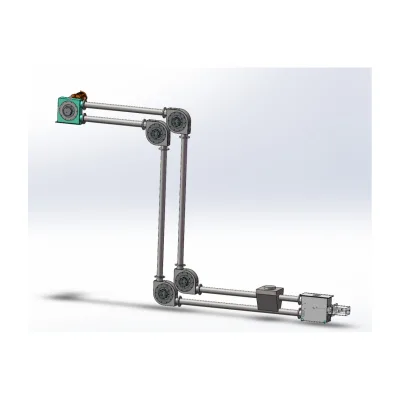
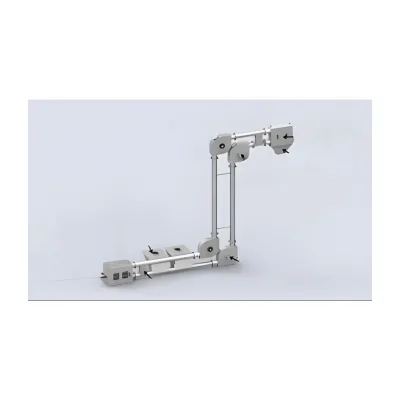
Because tubular chain conveyors are engineered against specific materials, layouts and duty cycles, product-level evidence matters as much as company credentials. One listing supplies a machinery test report as provided, which is worth requesting for every candidate. Ask for photos or video of a running unit conveying your material type, the material certificates for the stainless steel grade used, and the name of the welding and finishing process for contact surfaces. If your application is food or chemical, ask what food-contact or chemical-compatibility documentation the supplier can supply without assuming it exists. Finally, cross-check declared main products against the catalog: a supplier whose range covers mixers, feeders and conveyors alongside tubular systems is more likely to handle integrated line projects than a single-listing seller.
What to Compare Across Stainless Steel Tubular Chain Conveyor Suppliers
Compare the operational attributes the listings actually display, and treat missing attributes as items to verify rather than assume. Lead times in the current results differ sharply: one supplier lists 30 days, another 15 days, and another 7 days. For a replacement conveyor on a production line, that spread can decide the order, but always confirm whether the stated lead time applies to your customized configuration or only to a standard model. Response times also vary, from roughly 2 and 4 hours to 5.64 hours, which is a practical signal of how smoothly technical questions will be handled during engineering and commissioning.
Beyond speed, compare scope and commercial posture. One Hebei listing shows a minimum order quantity of one unit, which matters for pilot installations or single-line replacements, but do not assume every supplier accepts one-piece orders. Stated price ranges in the results span from around 1,500 to 10,000 dollars depending on model and configuration, so normalization is essential: request quotations for the same pipe diameter, chain type, disc material, layout and voltage before comparing. Also compare declared capabilities such as ODM/OEM versus light customization, main-product breadth, company type (manufacturer, trading, combined), and location, since Hebei and Henan suppliers may differ in freight distance and port access. Build a simple matrix with these dimensions so differences are visible per supplier instead of buried in email threads.
Common Stainless Steel Tubular Chain Conveyor Sourcing Risks
The most frequent risk is specification drift between quotation and delivery. These conveyors are highly configurable: current listings show different chain models (ring, wire or plate), disc materials including PP and PTFE or various materials, voltages of 220V to 600V depending on the model, and customized overall dimensions. If your purchase order does not fix chain model, disc material, tube diameter, layout curves, drive power and control method (one listing offers PLC or button control), the delivered unit may meet the seller's spec but not your process. Insist on a signed technical datasheet and a dimensioned general arrangement drawing before production starts.
A second risk is mistaking trading capability for manufacturing capability. With combined and manufacturer-plus-trader company types in the results, the entity you pay may not be the entity that welds and assembles the machine. Quality risks concentrate in the stainless steel contact surfaces and welds, where substitution or poor finishing causes contamination or premature wear, especially for food, grain or chemical applications. Also watch packaging risk: one listing specifies non-fumigated wooden boxes, another wooden boxes generally, so confirm packaging meets your destination's import rules. Finally, response-time differences of a few hours among suppliers can widen into multi-day delays during commissioning; agree on a named engineer contact and a service channel before paying, and confirm the warranty duration in writing, since one listing shows one year and another one and a half years.
Stainless Steel Tubular Chain Conveyor Regional Sourcing and Logistics
The two evidenced clusters, Hebei and Henan, differ in logistics posture that buyers should plan around. Henan is an inland province, so shipments typically move to a coastal port by road or rail before export, adding domestic transport time and cost that should appear in quoted pricing. Hebei's proximity to northern Chinese ports can simplify ocean freight, but you should confirm each supplier's declared loading port and whether the quotation includes inland haulage. One Henan listing names the place of origin directly, which is the level of specificity to require from every supplier in writing.
Plan freight around how the equipment is packed and who arranges terms. Tubular chain conveyors ship disassembled to a degree, and current listings mention wooden or non-fumigated wooden box packing, so confirm crate dimensions, gross weight and whether sections arrive pre-assembled. Ask whether the supplier can quote on FOB and CIF bases so you can compare logistics costs consistently across the Hebei and Henan candidates. For the shortest published lead time of 7 days, check whether it covers only stock models or also customized tubular systems; customized units more plausibly align with the 15- and 30-day figures also present in the results. If your schedule is tight, ask suppliers how they sequence production, testing and crating, and whether a machinery test report can be issued before shipment so acceptance does not wait for arrival.
Stainless Steel Tubular Chain Conveyor Commercial Terms and Order Planning
Structure payments and acceptance around the engineered nature of the product. A common pattern for this category is a deposit with the balance tied to pre-shipment inspection or test-report delivery, and buyers should negotiate milestones rather than accept large upfront balances. Because published prices in the results range widely by model and configuration, treat any listed figure as a starting point and require a binding quotation referencing your datasheet, including MOQ terms; one supplier displays an MOQ of one unit, which supports pilot purchases but should be confirmed in writing for your configuration. Agree on Incoterms, currency, and validity period of the quote.
Order planning should account for the lead-time spread: 7, 15 and 30 days appear across the current results, so build your installation schedule from the confirmed date for your specific build, not the fastest number on a listing. Include in the contract the warranty duration (listings show one year and one and a half years), spare parts such as chain and discs, packing specification, and delivery documents. Use secure payment or escrow-style protection where available, but verify what any platform actually offers rather than assuming coverage. Finally, plan commissioning support: remote video guidance is typical, and an on-site visit clause is worth negotiating for multi-unit or integrated-line orders involving mixers, feeders and sieves from the same supplier.
FAQs
What is the price range for stainless steel tubular chain conveyors?
Prices typically range from $1,500 to $10,000 depending on specifications. Basic models start around $1,500, while customized food-grade or heavy-duty units can reach $10,000. Buyers should verify exact costs based on voltage, dimensions, and material features like fire or oil resistance.
What is the minimum order quantity for these conveyors?
The minimum order quantity is generally one unit. Suppliers accept single-item purchases, allowing buyers to test performance before scaling. This low MOQ supports small-scale operations or initial pilot projects without requiring large upfront inventory commitments or bulk purchasing agreements.
How long does delivery take for these machines?
Lead times vary between 7 and 30 days based on the supplier. Some manufacturers offer faster turnaround of one week, while others require up to a month for production. Buyers should confirm specific schedules during negotiation to align with project deadlines effectively.
What certifications do these suppliers typically hold?
Suppliers often hold ISO14001:2015 and CE certifications. These indicate compliance with environmental management and European safety standards. Buyers should verify specific certificates for their region and request test reports to ensure the equipment meets local regulatory requirements for industrial use.
Where are these conveyors manufactured?
Manufacturing locations include Hebei and Henan provinces in China. These regions specialize in industrial machinery production. Buyers should confirm the exact place of origin to assess logistics costs and ensure the product matches their preferred supply chain geography for efficient importation.
What customization options are available for these conveyors?
Customization is widely available for dimensions, materials, and applications. Buyers can specify stainless steel grades, voltage ranges, and disc materials like PP or PTFE. OEM and ODM services allow tailored solutions for mining, grain, or chemical industry applications with specific structural needs.