Foldable Hand Truck Suppliers and Manufacturers in China
Compare 23 Foldable Hand Truck suppliers from Hubei, China, evaluating lead times, response times, certifications, and product specifications like capacity and material. Review MOQs and pricing to select the right factory for your needs; review the available evidence before requesting comparable quotations from suitable candidates.
Updated
Suppliers List

Hubei Space Double Rhombus Logistics Technology Co., Ltd.
- Manufacturer/Factory,Group Corporation
- China Hubei
- Lead time23 days
- Avg. response≤ 13h
Main productsCaster, Wheel, Airport Trolley, Check-in Counter, Queue Stand, Airport Chair, Wheelchair, Commode Chair, Walker, Walking Sticker
Main marketsSouth America,Eastern Europe,Mid East,North America,Southeast Asia,Eastern Asia,Oceania,Western Europe,Africa


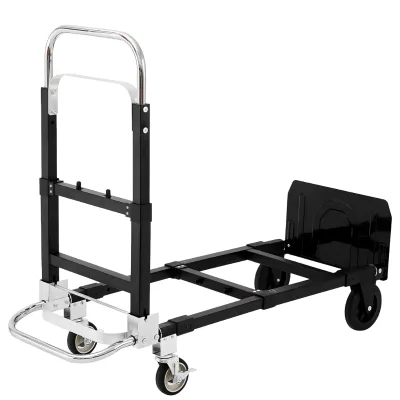
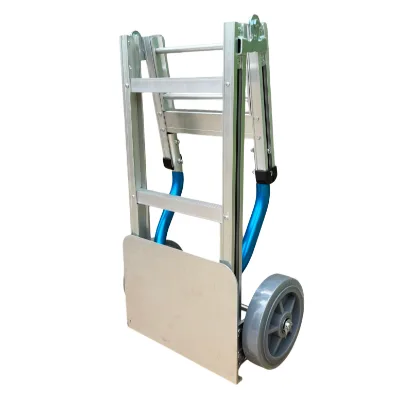
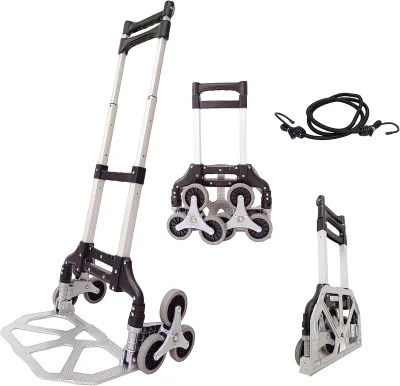
120kg Durable Aluminum Handle Foldable Hand Truck with Aluminum Bottom Plate
$22.06 - $23.25
MOQ: 500 Pieces


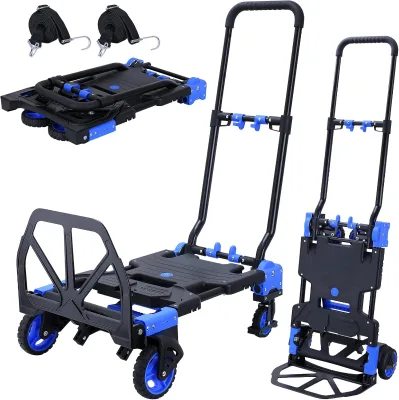
High Quality 136kg Foldable Plastic Hand Truck for Transportation Use
$21.57 - $21.85
MOQ: 1040 Pieces


YONGKANG JEK INDUSTRY AND TRADE CO., LTD
- Verified by SGS
- Combined
- China Zhejiang
- Lead time30 days
- Avg. response≤ 5h
Main marketsSouth America,Southeast Asia/ Mideast,Europe


Space-Saving 120kgs with Quick-Release Collapsible Mechanism Folding Hand Truck
$17.98 - $18.98
MOQ: 50 Pieces


Multi-Position 150kgs with 3-Way Handle Adjustment & Tool Tray Folding Hand Truck
$10.88 - $19.88
MOQ: 100 Pieces

150kgs Folding Hand Truck with Integrated Dolly & Extension Plate Folding Hand Truck
$17.78 - $18.48
MOQ: 100 Pieces

Portable 30kgs with Carrying Handle & Lightweight Frame Folding Hand Truck
$6.58 - $7.38
MOQ: 50 Pieces

Shanghai Robustworks Hardware Tools Co., Ltd.
- Verified by TUVRHEINLAND
- Combined
- China Shanghai
- Lead time23 days
- Avg. response≤ 10h
Main productsHand Truck, Folding Cart, Metal Rack, Work Bench, Folding Basket, Hand Trolley, Hand Tools, Pack and Roll, Storage Shelf, Work Table
Main marketsSouth America,Others(foreignTradeCapacity.exportBusinessCapacityMarketOther),East Asia(Japan/ South Korea),Europe,Australia,North America

- Trading Company,Manufacturer/Factory
- China Jiangsu
- Lead time30 days
- Avg. response≤ 15h
Main productsScissor Lift, Hand Pallet Truck, Pallet Jack, Lift Table, Hand Stacker, Electric Stacker, Manual Hoist, Lever Block, Roller Skate, Shop Crane
Main marketsSouth America,Eastern Europe,Mid East,North America,Southeast Asia,Eastern Asia,Oceania,Western Europe,Africa

Qingdao Zeruida Industry & Trade Co., Ltd.
- Trading Company,Manufacturer/Factory
- China Shandong
- Lead time15 days
- Avg. response≤ 5h
Main productsFiberglass Ladder, Aluminum Ramp, Aluminum Ladder, Steel Ramp, Aluminum Hand Truck, Special Hand Cart, Customized Service, Garden Cart
Main marketsSouth America,Eastern Europe,Mid East,North America,Southeast Asia,Eastern Asia,Oceania,Western Europe,Africa
Dongguan Baoyu Hardware Products Co., Ltd.
- Manufacturer, Trading Company
- Guangdong, China
- Lead time25 days
- Avg. response≤ 3h
Main productsShopping Cart; Flatbed Trolley; Luggage Cart; Storage Box; Hand Cart
Main marketsDomestic Market(60.00%), North America(20.00%), Western Europe(10.00%), Mid East(5.00%), Eastern Asia(5.00%)

Qingdao Antai Industrial Products Co., Ltd.
- Trading Company
- Shandong, China
- Lead time25 days
- Avg. response≤ 4h
Main productswagon cart,sack truck,cargo carrier,bicycle trailer cart,wheel
Main marketsWestern Europe(30.00%), Eastern Europe(30.00%), North America(15.00%), Northern Europe(10.00%), Southern Europe(10.00%), South America(5.00%)
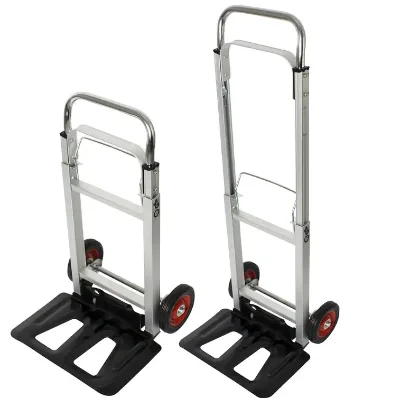
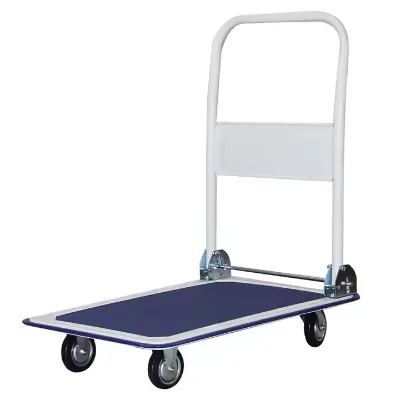
Four Wheels Folding 300kg Transportation Steel Handle Platform Hand Trolley Wheelbarrow
$13.467 - $21.4004
MOQ: 300
Qingdao Fullershine Industrial Co., Ltd.
- Manufacturer, Trading Company
- Shandong, China
- Lead time45 days
- Avg. response≤ 11h
Main productsWHEELBARROW,RUBBER WHEEL,WHEELBARROW TYRE AND TUBE,HAND TROLLEY,TOOL CART
Main marketsSouth America(15.00%), Africa(15.00%), Southeast Asia(10.00%), Oceania(10.00%), Domestic Market(5.00%), South Asia(5.00%), Southern Europe(5.00%), Northern Europe(5.00%), Central America(5.00%), Western Europe(5.00%), Eastern Asia(5.00%), Mid East(5.00%), Eastern Europe(5.00%), North America(5.00%)

- Manufacturer
- China Zhejiang
- Lead time0 days
- Avg. response≤ 4h
Main productsLadder, Multi-Purpose Ladder, Telescopic Ladder, Householder Ladder, Work Platfrom, Scaffolding Ladder, Multi-Functional Ladder, Steel Ladder, Aluminum Ladder, Step Ladder


Industrial Portable Folding Hand Truck with Steel Frame - En12586 Certified
$12.08 - $12.98
MOQ: 100 Pieces

Multi-Purpose Platform Trolley with Adjustable Handles Lightweight Foldable Hand Truck
$12.48 - $12.98
MOQ: 100 Pieces

Ningbo Jingyan Tools Co., Ltd.
- Verified by SGS
- Manufacturer/Factory
- China Zhejiang
- Lead time45 days
- Avg. response≤ 9h
Main productsWorkbench, Tool Box, Saw Horse, Foldable Trolley, Storage Cart, Plastic Mould, Storage Carts, Moratr Spray Gun, Hardware Tools, Auto Repair Tool
Main marketsSouth America,Eastern Europe,Mid East,North America,Southeast Asia,Eastern Asia,Oceania,Western Europe,Africa
Qingdao Lihongda Tools Manufacturing Co., Ltd.
- Manufacturer, Trading Company
- Shandong, China
- Lead time25 days
- Avg. response≤ 1h
Main productsWheel Chock,Mud Flap,Mudflap Hanger,Rubber Bumper,Tool Cart
Main marketsNorth America(50.00%), Western Europe(20.00%), South America(10.00%), Africa(10.00%), Domestic Market(5.00%), Mid East(5.00%)
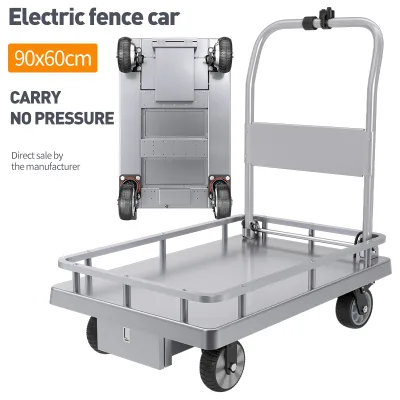
Hengshui Xunchi Trolley Manufacturing Co., Ltd.
- Manufacturer, Trading Company
- Hebei, China
- Lead time0 days
- Avg. response≤ 2h
Main productshandcart,Folding trolleys,Power pull cart
Main marketsDomestic Market(45.00%), Oceania(10.00%), Northern Europe(10.00%), North America(10.00%), Eastern Europe(10.00%), Western Europe(5.00%), Southern Europe(5.00%), Southeast Asia(5.00%)
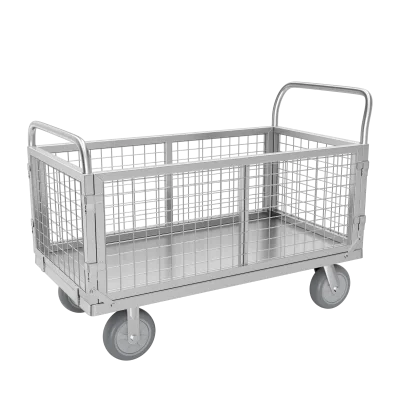
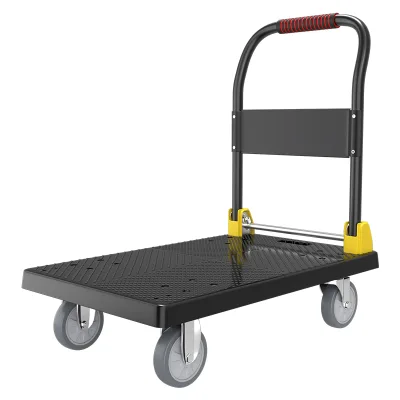
$20.3024 - $20.5076
MOQ: 10 pieces

Qingdao Jinhaotai Industry And Trade Co., Ltd.
- Manufacturer, Trading Company
- Shandong, China
- Lead time20 days
- Avg. response≤ 4h
Main productsfolding wagon,collapsible folding wagon,wagon stroller,beach wagon trolley,folding wagon cart
Main marketsWestern Europe(40.00%), Northern Europe(30.00%), North America(20.00%), Mid East(20.00%), South America(10.00%)
Qingdao Hitech Industrial Product Co., Ltd.
- Verified by SGS Group
- Manufacturer, Trading Company
- Lead time25 days
- Avg. response≤ 3h
Main productsPU Foam Wheels; , Pneumatic Rubber Wheels; , Solid Rubber Wheels
Main marketsNorth America(30%), Western Europe(30%), Northern Europe(10%)
Qingdao Ecosino Industry Co., Ltd.
- Verified by Intertek
- Manufacturer, Trading Company
- Lead time25 days
- Avg. response≤ 2h
Main productsFolding Wagon, Shelf, Lawn Mower, Tool Cart Wheel, Kids Cart
Main marketsEastern Asia(22%), Oceania(18%), North America(15%)
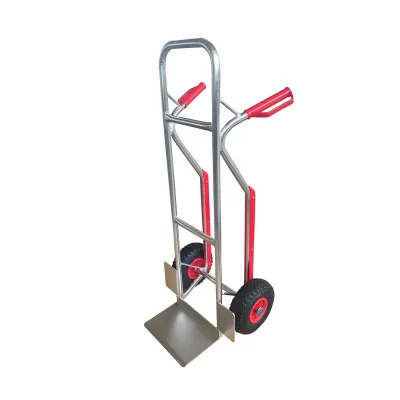
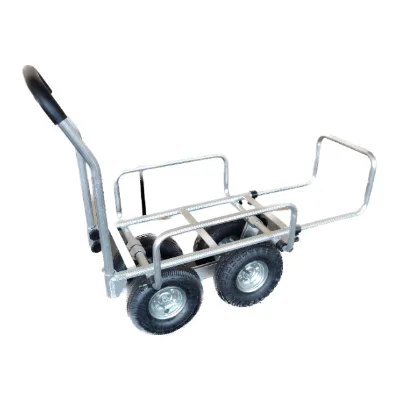
Aluminum Cart Folding Trolley Cart for Goods Pulling Foldable Economy Trolley Tool Cart
$24.50 - $26.50
MOQ: 100

- Verified by SGS
- Trading Company,Manufacturer/Factory
- China Zhejiang
- Lead time0 days
- Avg. response≤ 8h
Main productsTools, Car Equipments, Rubber Material, Auto Parts, Slipper, Construction Hand Tool, Garden Tools, Hardware Tools, Food Packing Material
Main marketsSouth America,Eastern Europe,Mid East,North America,Southeast Asia,Eastern Asia,Oceania,Western Europe,Africa

Qingdao Jinmaorun Handteuck Co., Ltd.
- Manufacturer, Trading Company
- Shandong, China
- Lead time30 days
- Avg. response≤ 6h
Main productsWheelbarrow,Hand Trolley,Rubber Wheel,Garden Roller,Dolly
Main marketsAfrica(25.00%), South America(15.00%), Western Europe(15.00%), Mid East(15.00%), Domestic Market(10.00%), Oceania(10.00%), Southeast Asia(10.00%)

Qingdao Future Tool Co., Limited
- Verified by SGS
- Combined
- China Shandong
- Lead time30 days
- Avg. response≤ 13h
Main productsWheel Barrow, Hand Trolley, Tool Cart, Air Wheel and Solid Wheel, Service Cart, Castor, Agriculture Wheel, Platform Hand Truck, Rim, Tire and Tube
Main marketsAustralia
Qingdao Huatian Hand Truck Co., Ltd.
- Verified by SGS Group
- Manufacturer, Trading Company
- Lead time30 days
Main productsHand Truck, Wheel Barrow, Platform hand truck, Tool Cart, Hand Trolley
Main marketsNorth America(40%), Eastern Asia(25%), Western Europe(10%)
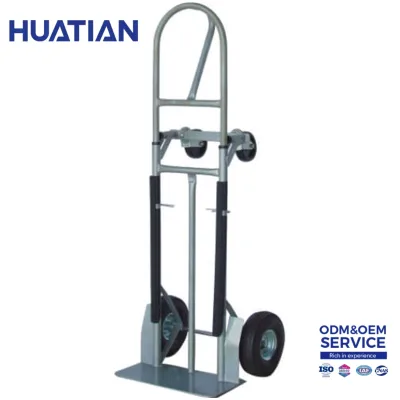

$9.2097 - $15.3485
MOQ: 100 pieces
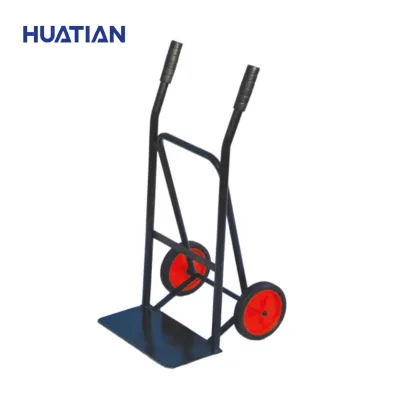
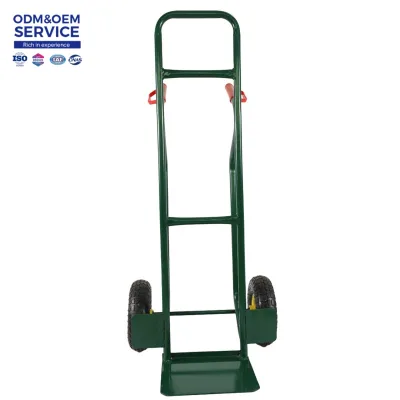
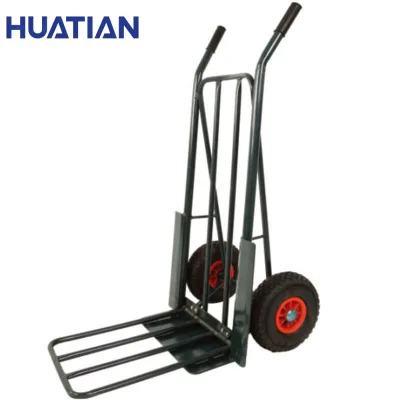
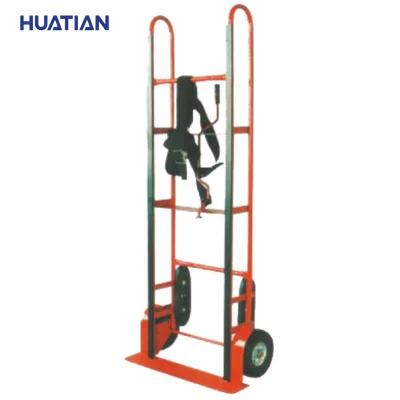
Qingdao Elite Agriculture Group Co., Ltd.
- Verified by TüVRheinland
- Trading Company
- Lead time30 days
- Avg. response≤ 3h
Main productsFlower Trolley, Pipe Rail Trolley, Harvest Trolley, Folding Wagon, Tyre Rack
Main marketsDomestic Market(45%), North America(35%), South America(5%)
Qingdao Guanyu Industrial Equipment Co., Ltd.
- Verified by TüVRheinland
- Manufacturer, Trading Company
- Lead time15 days
- Avg. response≤ 2h
Main productsPlastic Moving Crate, Plastic Folding Crate, Plastic Stack And Nest Container, Plastic Pallet, Plastic Storage Bin
Main marketsOceania(25%), North America(15%), South America(10%)
Henan Kellen Machinery Equipment Co., Ltd.
- Verified by Intertek
- Manufacturer, Trading Company
- Lead time10 days
- Avg. response≤ 2h
Main productsJaw Crusher , Hammer Crusher Machine , Sand Washing Machine, Screening Machine, Feeding Belt
Main marketsSouthern Europe(25%), North America(20%), South America(20%)
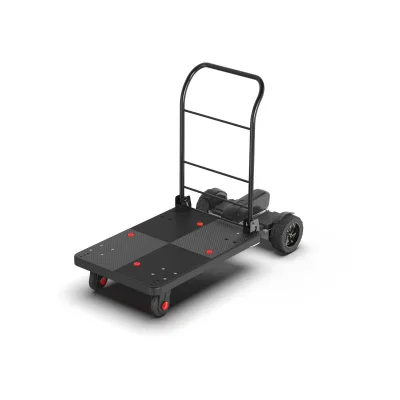
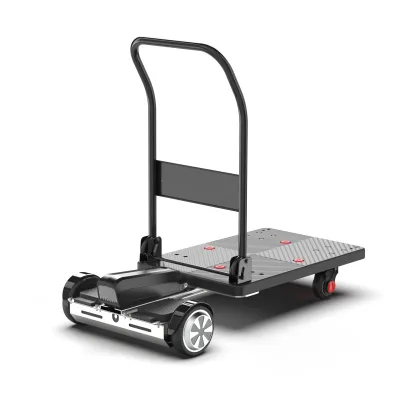
$722.6741 - $784.6179
MOQ: 1 sets
Taiyuan Jinchangsheng Hoisting Machinery Co., Ltd.
- Verified by SGS Group
- Manufacturer, Trading Company
- Lead time15 days
- Avg. response≤ 1h
Main productsElectric Tank Transporter, Crane Hoist, Hydraulic Lift Cargo Elevator, Electric Forklift, Crane Gantry
Main marketsDomestic Market(80%), Southeast Asia(10%), Western Europe(5%)


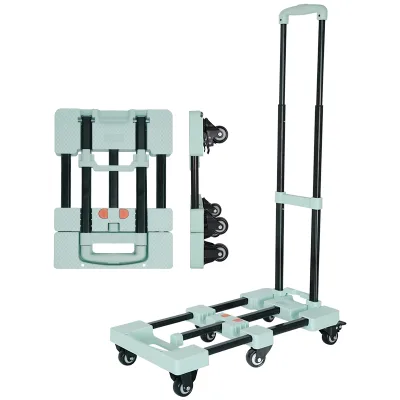
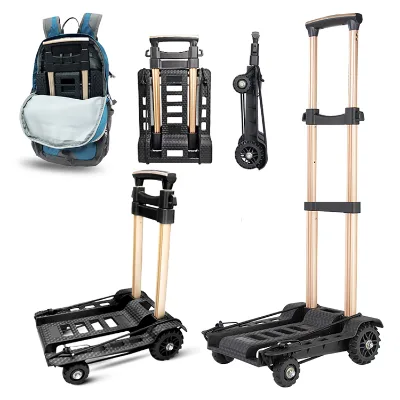
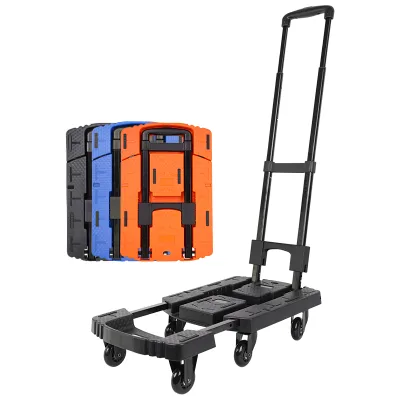
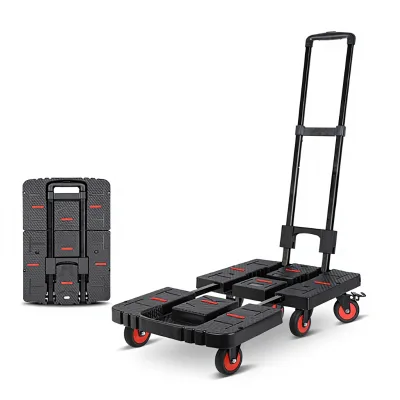
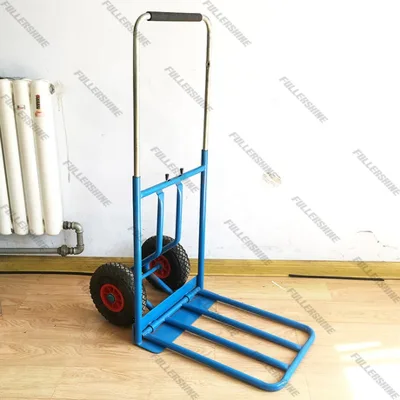
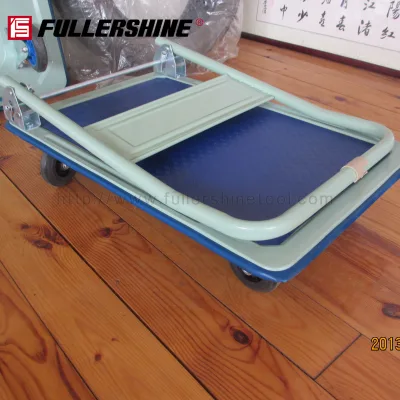


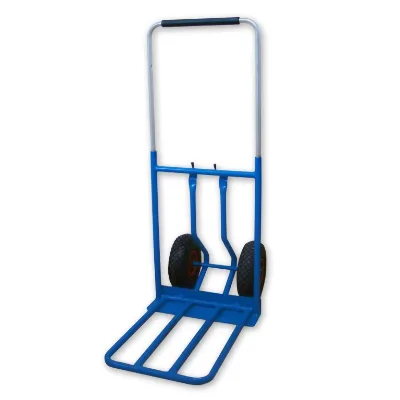
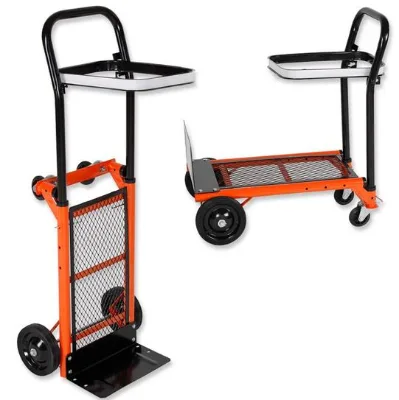
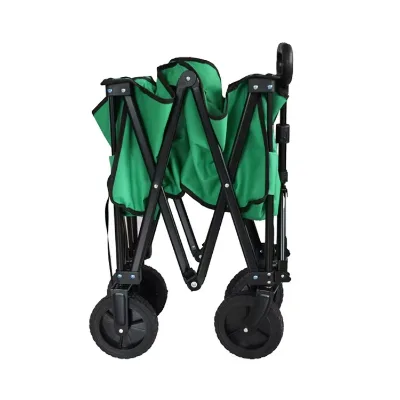
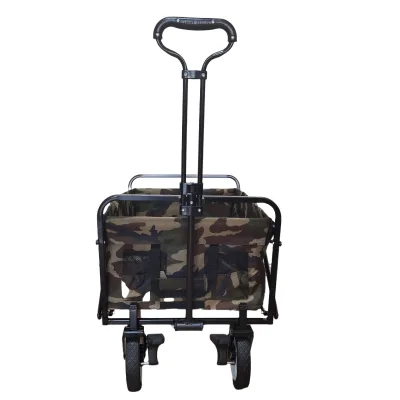


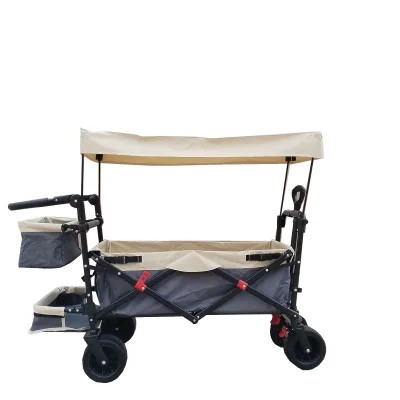
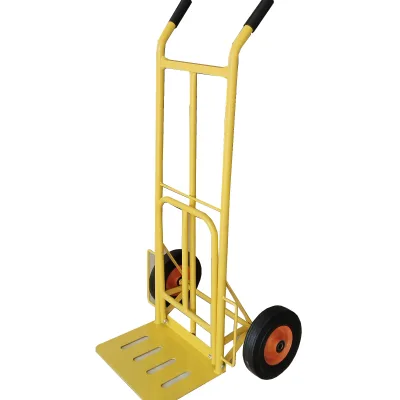
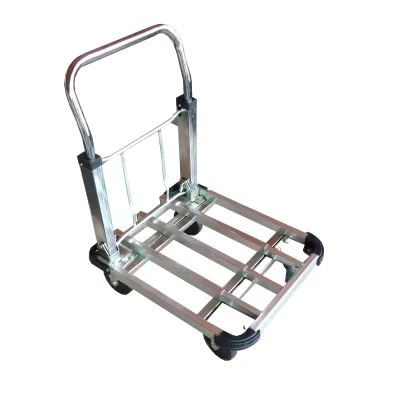


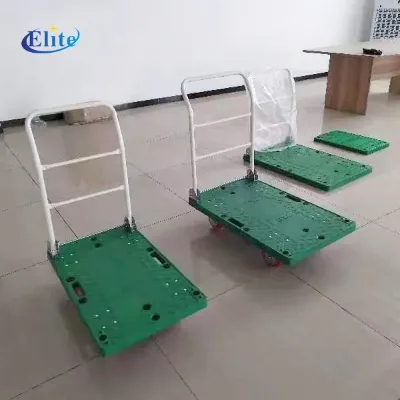
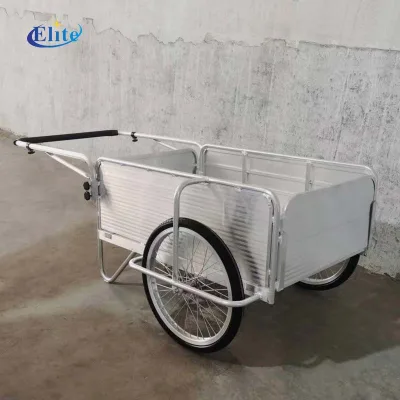
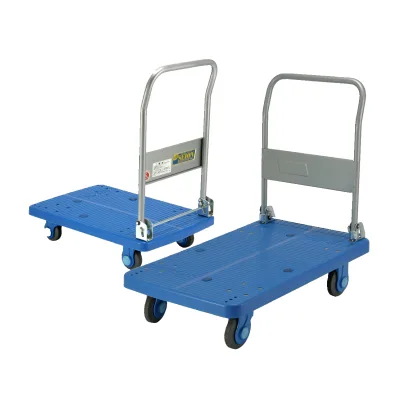
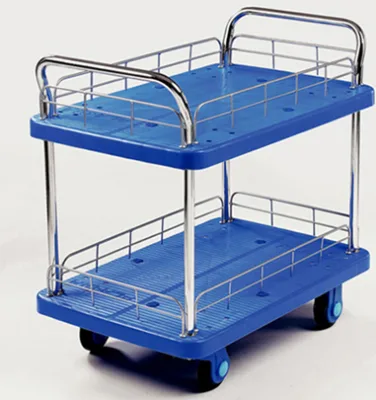
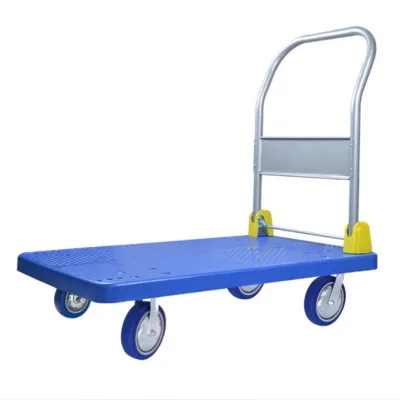
Comprehensive Sourcing Guide
Foldable Hand Truck Supplier Concentration and Factory Types
The current supplier landscape for foldable hand trucks is anchored by manufacturers and group corporations located in China, with specific operational hubs identified in Hubei. This regional concentration suggests a mature industrial cluster where supply chain efficiencies for materials like steel and aluminum are likely optimized. Buyers evaluating these suppliers should recognize that the presence of a factory or group corporation type indicates direct control over the production process, which often translates to greater flexibility in customization and quality control compared to pure trading entities. The data shows that these entities are not merely resellers but are equipped to handle OEM requests, with some listing additional capacity for other manufacturing services. This dual capability allows for a more integrated sourcing experience where the buyer can potentially consolidate orders for related items such as casters, wheels, or airport trolleys, leveraging the same logistical infrastructure. Understanding this factory-type distinction is crucial for assessing who holds the actual production leverage and who might be acting as an intermediary, as the latter may have less visibility into the real-time production status or material sourcing decisions.
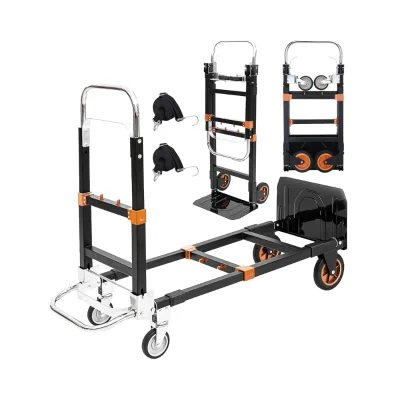
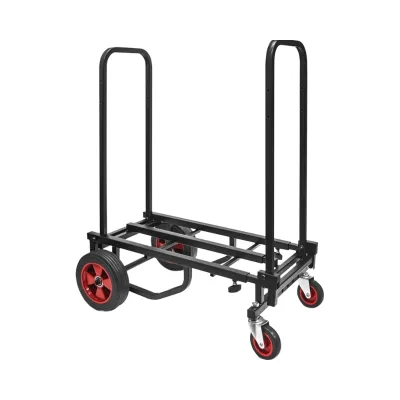
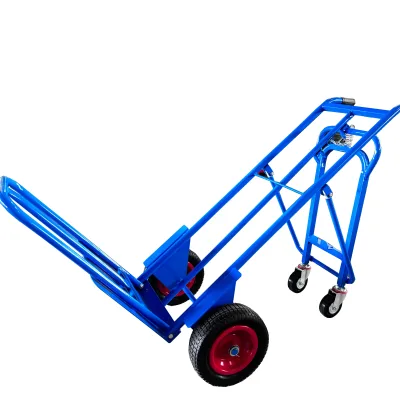
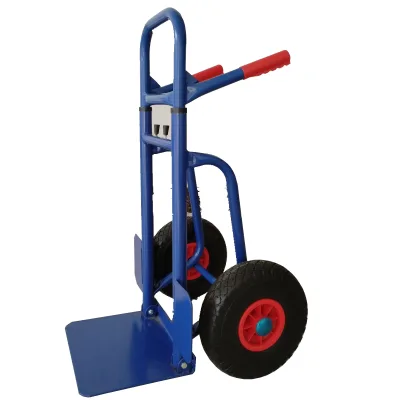
Furthermore, the product evidence reveals a diverse range of Foldable Hand Truck configurations, from steel platform models to aluminum handle variants, indicating that suppliers in this cluster possess versatile manufacturing capabilities. The existence of specific model numbers like LH06-150 and LH02-09-120 suggests standardized production lines that can be adapted for different load capacities and material preferences. Buyers should note that while the location is consistently cited as China, the specific province of Hubei provides a concrete geographic reference for logistics planning and supplier verification. This geographic specificity helps in calculating accurate freight costs and lead times, as shipping routes from Hubei ports are well-established. The variety in main products, including airport chairs and wheelchairs, implies that these factories have broad experience in metal fabrication and assembly, which is directly transferable to the production of high-quality foldable hand trucks. This breadth of experience can be a positive indicator of manufacturing maturity, suggesting that the suppliers have robust quality assurance processes in place to handle complex assemblies and varied material requirements.
How to Verify Foldable Hand Truck Suppliers
Verifying the legitimacy and capability of Foldable Hand Truck suppliers requires a multi-layered approach that goes beyond surface-level profile reviews. Buyers should prioritize checking for recognized system certifications such as ISO 9001, ISO 14001, and BSCI, which are explicitly listed in the supplier data. These certifications serve as objective evidence of a supplier’s commitment to quality management, environmental standards, and social responsibility. It is essential to request valid certificates and verify their authenticity through the issuing bodies, as counterfeit documents are a known risk in international trade. Additionally, the presence of product-specific certifications like GS, TUV, and RoHS indicates that the hand trucks meet stringent safety and environmental regulations, particularly for markets in Europe and North America. Buyers should ask for test reports corresponding to these certifications to ensure that the specific models they intend to purchase have been validated against the claimed standards. This verification step is critical for mitigating the risk of non-compliant products that could lead to customs delays or legal liabilities in the destination market.
Beyond certifications, buyers must assess the supplier’s responsiveness and operational transparency. The response time metric, observed at approximately 12.71 hours, provides a baseline for communication efficiency, but buyers should test this by sending detailed inquiries about customization options and lead times. A quick and detailed response often correlates with a well-organized internal team capable of handling complex orders. Furthermore, verifying the supplier’s establishment year and company history can provide insights into their stability and experience in the industry. Buyers should also inquire about the supplier’s escrow or trade assurance options, which offer financial protection against non-delivery or quality discrepancies. If these details are not explicitly displayed, buyers should proactively ask for them, as their absence may indicate a lack of mature business practices. Additionally, requesting references from previous clients or visiting the factory if possible can provide invaluable insights into the actual production environment and quality control processes. This due diligence helps ensure that the supplier is not only capable of producing the product but is also a reliable partner for long-term business relationships.
What to Compare Across Foldable Hand Truck Suppliers
When evaluating multiple suppliers for foldable hand trucks, buyers should systematically compare key operational metrics such as lead time, minimum order quantity (MOQ), and pricing structures. The data indicates varying lead times, with some suppliers offering a 23-day turnaround, which is a critical factor for inventory planning and meeting customer demand. Buyers should align their order schedules with these lead times to avoid stockouts or excessive inventory holding costs. Similarly, MOQs vary significantly, ranging from 500 pieces to over 1000 pieces, depending on the model and customization requirements. For buyers with smaller volume needs, identifying suppliers with lower MOQs is essential, even if it comes with a slightly higher unit price. It is also important to compare the price ranges, which span from approximately $16 to $45 per unit, reflecting differences in materials, load capacity, and features. Buyers should request detailed quotations that break down costs for materials, labor, and packaging to understand the value proposition of each supplier. This granular comparison helps in identifying the most cost-effective option without compromising on quality or service levels.
In addition to operational metrics, buyers should compare the customization capabilities and product specifications offered by different suppliers. The availability of OEM services and specific model numbers like LH01-150S and LH10-136 suggests that suppliers can tailor products to specific brand requirements. Buyers should assess the extent of customization allowed, such as changes in handle material, wheel type, or color, and the associated costs and lead time impacts. Furthermore, comparing the warranty and after-sales service terms is crucial, as some suppliers offer a one-year warranty, which provides additional protection against defects. Buyers should also evaluate the packaging standards, as options like export cartons or wooden pallets can affect shipping efficiency and product protection. By systematically comparing these factors, buyers can create a weighted scoring matrix to objectively rank suppliers based on their specific business needs. This structured approach ensures that the final selection is based on comprehensive data rather than subjective impressions, leading to a more informed and successful sourcing decision.
Common Foldable Hand Truck Sourcing Risks
One of the primary risks in sourcing foldable hand trucks is the potential discrepancy between the quoted specifications and the actual product received. Buyers must be vigilant about verifying material compositions, such as the difference between steel and aluminum components, as these significantly impact durability and weight. The data shows variations in materials, with some models using steel platforms and others featuring aluminum handles. Buyers should request material certificates or conduct third-party inspections to ensure that the products match the agreed-upon specifications. Another risk is the inconsistency in load capacity claims. While some models are rated for 150kg, others may have lower capacities, and buyers must verify these ratings through independent testing or supplier-provided test reports. Failure to do so can result in product failures in the field, leading to customer complaints and potential liability issues. Additionally, buyers should be aware of the risks associated with customization, as changes in design or materials can introduce new quality control challenges. Clear communication and detailed technical drawings are essential to mitigate these risks and ensure that the final product meets the buyer’s expectations.
Logistical and compliance risks also pose significant challenges in the Foldable Hand Truck supply chain. Buyers must ensure that the suppliers adhere to international shipping standards and provide proper documentation for customs clearance. The data indicates that products are packed in export cartons or pallets, but buyers should verify that the packaging is robust enough to withstand long-distance shipping and handling. Furthermore, compliance with environmental regulations such as REACH and ROHS is critical, especially for markets with strict chemical restrictions. Buyers should confirm that the suppliers have valid compliance certificates and that the products do not contain prohibited substances. Another risk is the potential for delays in production or shipping, which can disrupt the buyer’s supply chain. Buyers should establish clear communication channels and regular update schedules with their suppliers to monitor production progress and identify potential bottlenecks early. By proactively addressing these risks through thorough due diligence and contractual safeguards, buyers can minimize disruptions and ensure a smooth sourcing process.
Foldable Hand Truck Regional Sourcing and Logistics
Sourcing foldable hand trucks from China, particularly from the Hubei region, offers distinct logistical advantages and challenges that buyers must carefully manage. The concentration of manufacturers in this area suggests a well-developed supply chain for raw materials like steel and aluminum, which can lead to cost efficiencies and consistent quality. However, buyers must account for the inland location of Hubei when planning logistics, as goods may need to be transported to coastal ports like Shanghai or Ningbo before being shipped internationally. This additional inland transportation step can impact lead times and freight costs, so buyers should work closely with their suppliers to optimize shipping routes and consolidate shipments where possible. Understanding the specific port of loading and the associated transit times is crucial for accurate delivery planning. Buyers should also consider the impact of seasonal fluctuations in shipping capacity and rates, which can affect the overall cost and timeline of their orders. By developing a robust logistics strategy that accounts for these regional factors, buyers can ensure timely delivery and cost-effective sourcing.
In addition to transportation logistics, buyers must navigate the complexities of international trade compliance and documentation. Suppliers in China are generally experienced in exporting, but buyers should verify that the suppliers can provide all necessary documents, such as commercial invoices, packing lists, and certificates of origin. These documents are essential for customs clearance and may require specific formats or information depending on the destination country. Buyers should also be aware of any import duties, taxes, or regulatory requirements in their home market that could affect the total landed cost of the foldable hand trucks. Working with a reliable freight forwarder can help streamline the logistics process and ensure that all compliance requirements are met. Furthermore, buyers should consider the environmental impact of their shipping choices, as there is a growing emphasis on sustainable logistics. Some suppliers may offer eco-friendly packaging options or participate in carbon offset programs, which can be a valuable differentiator for buyers with sustainability goals. By integrating these logistical and compliance considerations into their sourcing strategy, buyers can enhance the efficiency and reliability of their supply chain.
Foldable Hand Truck Commercial Terms and Order Planning
Effective order planning for foldable hand trucks requires a clear understanding of commercial terms, payment structures, and inventory management strategies. Buyers should negotiate favorable payment terms, such as a deposit followed by balance payment upon shipment, to balance risk and cash flow. The data shows varying MOQs, which can influence the optimal order quantity and frequency. For buyers with limited storage space, smaller, more frequent orders may be preferable, even if they incur higher per-unit costs. Conversely, buyers with ample storage may benefit from larger orders to achieve economies of scale and lower unit prices. It is also important to consider the lead time when planning orders, as a 23-day lead time allows for relatively quick replenishment but requires accurate demand forecasting to avoid stockouts. Buyers should establish a reorder point based on their sales velocity and lead time to ensure continuous availability of products. Additionally, buyers should explore options for volume discounts or long-term contracts to secure better pricing and priority production slots. These commercial strategies help in optimizing the total cost of ownership and ensuring a stable supply of foldable hand trucks.
Furthermore, buyers should prioritize building strong relationships with their suppliers to facilitate smoother transactions and better support. Clear communication regarding product specifications, quality expectations, and delivery schedules is essential to prevent misunderstandings and disputes. Buyers should also leverage the supplier’s expertise in product development and customization to innovate and differentiate their offerings in the market. The availability of OEM services and various model
FAQs
What is the price range for foldable hand trucks?
Prices typically range from $16.00 to $45.00 per unit depending on material and capacity. Steel models start around $16.00, while aluminum options cost approximately $27.83. Higher capacity units may reach $45.00. Buyers should verify specific quotes based on order volume and customization requirements.
What is the minimum order quantity for these products?
MOQs vary by model, generally ranging from 500 to 1040 pieces. Some steel platform trucks require 500 units, while plastic versions may need 1040. Specific models like the 150kg steel cart require 950 pieces. Always confirm the exact MOQ for your selected model before placing an order.
Where are these hand trucks manufactured?
Manufacturers are primarily located in Hubei, China. Products originate from mainland China facilities. This location supports efficient logistics for international shipping. Buyers should verify specific factory addresses and shipping terms with suppliers to ensure accurate delivery timelines and cost calculations for their region.
What certifications do these hand trucks hold?
Products often hold ISO 9001, BSCI, SGS, REACH, and RoHS certifications. Some models also feature GS or TUV marks. System certifications include ISO 14001 and OHSAS 18001. Buyers should request valid certificates for specific models to ensure compliance with local safety and environmental regulations.
What is the typical lead time for orders?
Lead times average around 23 days for production. Response times are approximately 12.71 hours. These timelines depend on order quantity and customization needs. Buyers should confirm exact schedules with suppliers, as peak seasons or specific material requirements may extend production periods beyond the standard estimate.
What load capacities are available?
Capacities range from 80kg to 150kg. Light-duty models support 80kg, while heavy-duty steel and aluminum versions handle up to 150kg. Plastic models also offer 136kg capacity. Select the appropriate capacity based on your intended usage, whether for warehouse, construction, or retail environments.