Source Vintage Elegant Acrylic Beaded Lace for Dresses, Garments, Home Textiles
Compare 30 listings of Vintage Elegant Acrylic Beaded Lace from verified suppliers. Buyers can evaluate specifications like width, material, and MOQ for use in dresses, garments, and home textiles; compare the available evidence and request quotations based on your requirements.
Updated
Key considerations
Products List
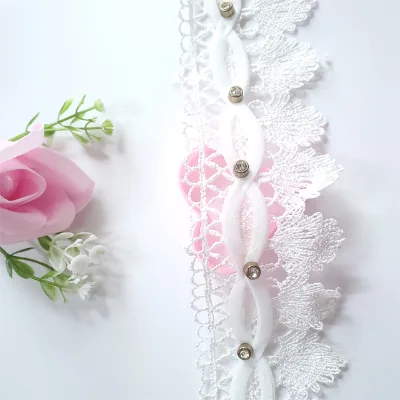
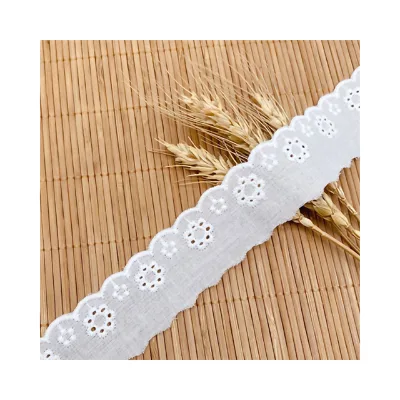
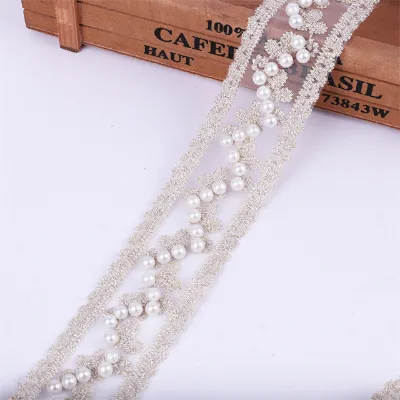


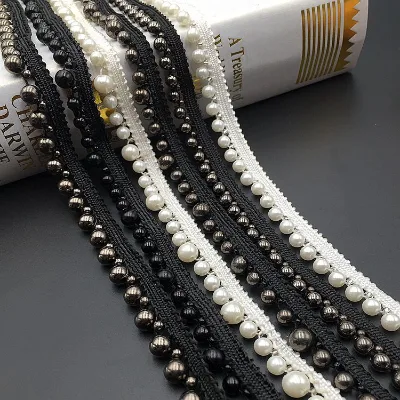
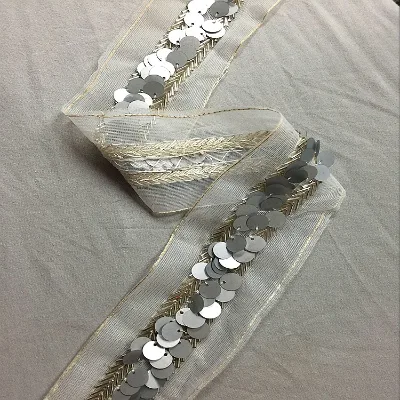
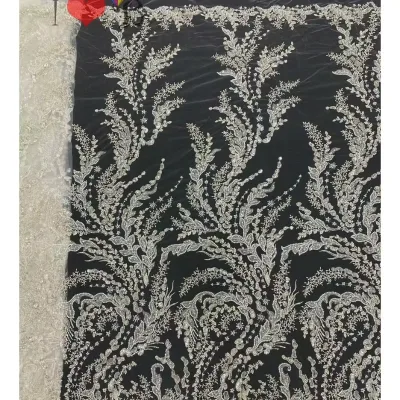
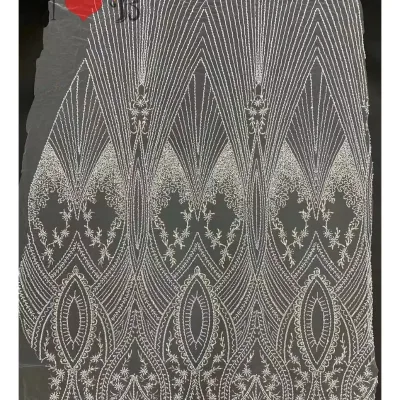
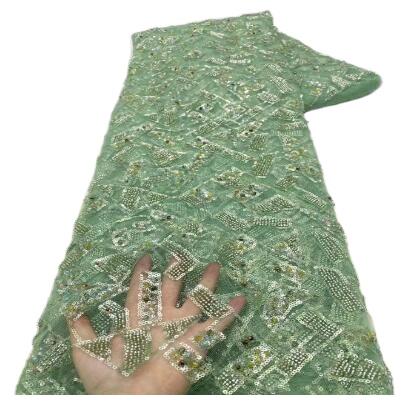
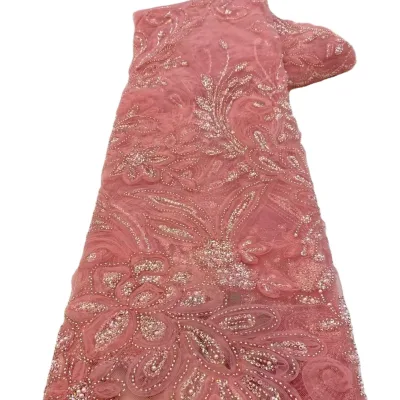
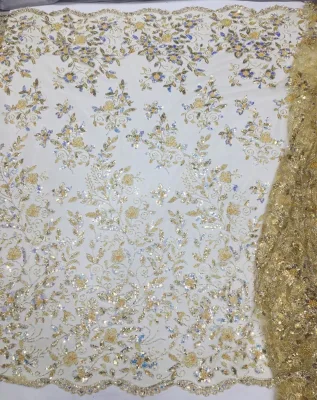
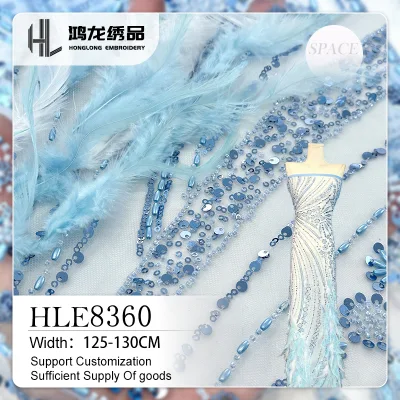
Fancy Bridal Lace Wedding Gown Lace Fabric Pearls with Cluster Beads Luxury Beaded Lace
$14.3062 - $16.1463
MOQ: 15 yards
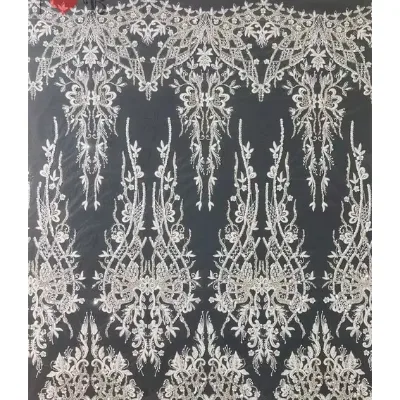
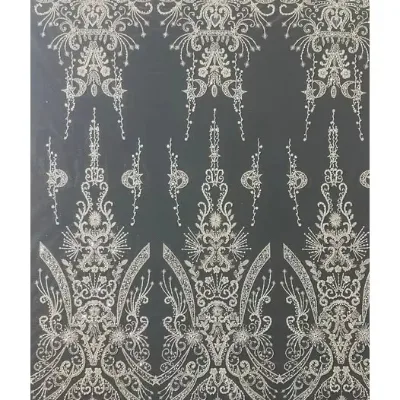
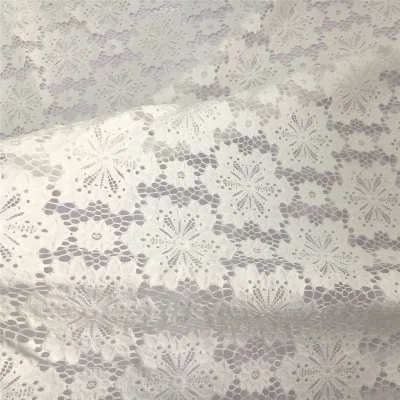
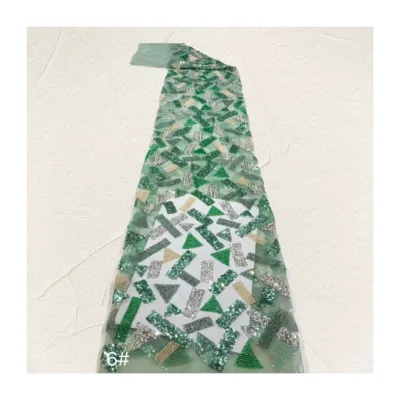
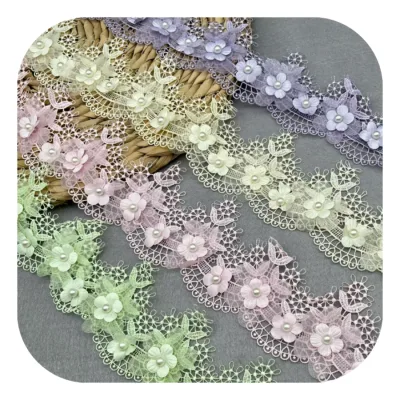
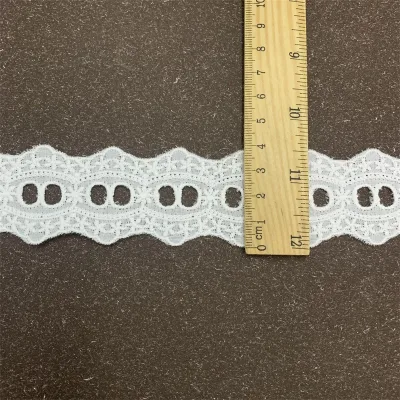

Comprehensive Sourcing Guide
Vintage Elegant Acrylic Beaded Lace Sourcing Guide
Sourcing vintage-style elegant lace with acrylic beading requires a careful balance of aesthetic fidelity and material durability. Buyers must distinguish between traditional textile lace and modern synthetic alternatives that mimic the vintage look while offering enhanced performance. The core keyword suggests a focus on decorative trim or fabric panels that feature intricate beadwork, which adds significant weight and visual complexity to the final garment or home textile application. Understanding the specific construction method is the first step in ensuring the product meets design expectations.
Procurement teams should prioritize suppliers who demonstrate expertise in both embroidery techniques and bead attachment processes. The observed market data indicates a wide range of product types, from simple trims to complex allover lace fabrics. It is crucial to verify whether the beads are sewn, glued, or integrated into the mesh structure, as this affects the longevity of the decoration. Buyers must also consider the base material, as options like spandex, nylon, or polyester tulle offer different stretch and drape characteristics that influence the final aesthetic and functional performance of the finished product.
Product Scope and Observed Listing Signals
The current market landscape for Vintage Elegant Acrylic Beaded Lace reveals a diverse array of product specifications and manufacturing origins. Data indicates that products originate primarily from regions such as Guangdong and Zhejiang in China, highlighting the concentration of specialized textile manufacturing hubs. The observed price range spans from $0.15 to $18.96 USD, reflecting significant variation in quality, bead density, and fabric complexity. This wide variance necessitates a thorough evaluation of sample quality before committing to bulk orders, as lower prices may correlate with simpler constructions or fewer beads per square inch.
Minimum Order Quantities (MOQ) vary considerably, ranging from small batches of 2 units to larger commitments of 500 units, with some suppliers specifying MOQs by color or yardage, such as 150yd or 300yd per color. This flexibility allows buyers to test market response with smaller initial orders while accommodating larger production runs for established lines. Additionally, lead times for samples are often supported within 7 days, enabling rapid iteration and design validation. Buyers should note that packaging details, such as 100 pieces per bag or reeled in bales, can impact storage and handling logistics, so these details must be confirmed during the negotiation phase to avoid unexpected costs or damage during transit.
Technical Specifications to Verify
Technical verification begins with confirming the fabric type and width, which are critical for pattern matching and cutting efficiency. Observed specifications include widths ranging from 6mm to 10cm, with some products listed as 3-10cm wide, allowing for versatile application in both narrow trims and broader fabric panels. The material composition is frequently cited as spandex/nylon blends or polyester tulle, which provide elasticity and breathability. Buyers must verify the specific blend ratio to ensure the desired stretch recovery and durability, especially for garments that undergo frequent washing or wear. The presence of acrylic beads adds weight and texture, so the tensile strength of the base mesh must be sufficient to support the decoration without tearing.
Embroidery techniques and decorative elements are equally important to validate. Products may feature 3D embroidery, floral mesh designs, or sequin accents, each requiring different handling and care instructions. The technic is often described as handmade or embroidered, which can influence consistency and production time. Buyers should request detailed technical sheets that specify the bead type, attachment method, and any glitter or sparkle effects, as these can affect the fabric's weight and drape. Additionally, features such as wrinkle resistance and waterproofing, if claimed, must be tested to ensure they meet the end-use requirements, particularly for home textiles or outdoor applications where environmental exposure is a concern.
Compliance and Safety Documentation
Compliance with international safety standards is non-negotiable for textile products, especially those involving small components like beads. Buyers must ensure that all acrylic beads and embroidery threads meet flammability and chemical safety regulations in the target market, such as CPSIA in the United States or REACH in Europe. Although specific certification statuses are not universally listed, suppliers should be able to provide test reports from accredited laboratories verifying the absence of harmful substances like lead, cadmium, or azo dyes. This is particularly important for products intended for children's wear or close-contact garments, where skin irritation or ingestion risks must be minimized.
Documentation should also cover the eco-friendly claims often associated with modern lace production. If a supplier markets their lace as eco-friendly, buyers should request evidence of sustainable sourcing practices, such as recycled polyester content or environmentally responsible dyeing processes. Packaging details, including the use of recyclable materials or reduced plastic waste, can also contribute to sustainability goals. Buyers must verify that all compliance documents are up-to-date and applicable to the specific product batch, as regulations can change frequently. Maintaining a clear audit trail of these documents is essential for passing customs inspections and maintaining brand integrity in regulated markets.
Cost Drivers and Commercial Terms
Cost drivers for Vintage Elegant Acrylic Beaded Lace are primarily influenced by material complexity, bead density, and production techniques. Handmade or intricate 3D embroidery processes significantly increase labor costs compared to machine-made alternatives. The type and quantity of beads, sequins, or glitter effects also add to the material cost, as does the base fabric quality, such as high-grade spandex or premium polyester tulle. Buyers should analyze the price per unit against the bead count and fabric weight to determine true value, rather than relying solely on the listed price. Volume discounts may be available for larger MOQs, but the initial setup costs for custom designs can be substantial.
Commercial terms, including payment methods, shipping responsibilities, and return policies, must be clearly defined in the purchase agreement. Lead times for bulk production typically range from 3 weeks after receiving the purchase order, but this can vary based on order size and complexity. Buyers should negotiate clear terms for sample orders, including whether sample costs are refundable upon bulk placement. Additionally, packaging requirements, such as OEM packaging or specific labeling, may incur additional fees. It is crucial to align commercial terms with the buyer's cash flow and inventory management strategies to avoid stockouts or excess inventory, ensuring a smooth supply chain operation.
Supplier Qualification and Quality Control
Supplier qualification involves a rigorous assessment of manufacturing capabilities, quality control processes, and past performance. Buyers should verify the supplier's production capacity and ability to handle custom orders, such as specific colorways or bead patterns. Requesting references or case studies from previous clients can provide insights into the supplier's reliability and consistency. Quality control measures should include in-process inspections and final random inspections to ensure that bead attachment is secure and fabric defects are minimized. Suppliers with established QC protocols are less likely to deliver products with loose beads or uneven embroidery, which can lead to customer returns and brand damage.
Collaboration with the supplier on quality standards is essential for long-term success. Buyers should provide detailed tech packs and approved samples to serve as benchmarks for production. Regular communication and periodic factory audits can help maintain quality standards and address any issues promptly. Additionally, suppliers should be willing to accommodate minor adjustments or corrections during the production process, demonstrating flexibility and commitment to customer satisfaction. Building a strong relationship with a qualified supplier can lead to better pricing, priority production scheduling, and access to new designs, providing a competitive advantage in the market.
Long-Term Procurement Checks
Long-term procurement checks focus on continuous improvement and risk management in the supply chain. Buyers should regularly review supplier performance metrics, including on-time delivery rates, defect rates, and responsiveness to issues. This data-driven approach helps identify potential problems early and allows for proactive measures to mitigate risks. Additionally, staying informed about market trends and material innovations can help buyers stay ahead of competitors. Exploring new suppliers or alternative materials can provide options for cost reduction or enhanced product features, ensuring the supply chain remains resilient and adaptable to changing market conditions.
Sustainability and ethical sourcing practices should be continuously evaluated and improved. Buyers should encourage suppliers to adopt more sustainable practices, such as using recycled materials or reducing water consumption in production. Regularly updating compliance documentation and staying informed about regulatory changes is essential to avoid legal issues and maintain brand reputation. Furthermore, fostering open communication with suppliers can lead to collaborative innovations and cost-saving opportunities. By maintaining a strategic and proactive approach to procurement, buyers can ensure a stable, high-quality supply of Vintage Elegant Acrylic Beaded Lace that meets evolving customer demands and business goals.
FAQs
What materials are used for the beaded lace trim?
The beaded lace trim is crafted from a blend of Spandex and Nylon. This material combination provides essential elasticity and durability for garment applications. The fabric type is categorized as other, allowing for versatile usage in dresses and home textiles. The inclusion of beads adds decorative value while maintaining the structural integrity of the lace trim during wear.
Can I order samples before bulk production?
Yes, sample orders are available to support your evaluation process. The supplier supports a seven-day sample order lead time, ensuring quick turnaround for quality checks. Samples allow you to verify the handmade technique and bead decoration before committing to larger quantities. This support helps buyers confirm the product meets their specific design requirements for garments or home textiles.
What is the minimum order quantity for this lace?
The minimum order quantity varies by product model. One listing specifies an MOQ of 15 yards, while others require 150, 200, or 300 yards per color. These thresholds depend on the specific model number and customization needs. Buyers should check the exact model requirements to determine the appropriate MOQ for their production volume and budget constraints.
Where is this lace trim manufactured?
The lace trim is manufactured in China, with origins noted in Guangdong and Zhejiang provinces. These regions are known for textile production capabilities. The products are shipped from these locations, ensuring access to established supply chains. Buyers can expect consistent manufacturing standards from these Chinese origins, supporting reliable sourcing for international garment and home textile projects.
What features does the lace fabric offer?
The lace fabric features wrinkle resistance, waterproof properties, elasticity, and breathability. These characteristics make it suitable for summer and spring/autumn seasons. The handmade technique and 3D embroidery add aesthetic value. The eco-friendly feature highlights sustainable production practices. These functional attributes ensure comfort and durability for various garment and dress applications.
How is the lace trim packaged for shipping?
The lace trim is packaged with 100 pieces per bag, with 20 to 30 bags in a carton. OEM packaging is available for customized branding needs. The product is typically reeled or rolled in bales for efficient storage and transport. This packaging method protects the delicate beaded lace during transit, ensuring it arrives in pristine condition for immediate use in manufacturing processes.