25 Bars Aluminum Alloy Chimes Suppliers and Manufacturers
Explore 28 verified options for 25 Bars Aluminum Alloy Chimes from Tianjin and Shandong factories. Compare response times, lead times, certifications, and pricing to find the right partner. Contact suppliers directly to request samples or custom orders; review the available evidence before requesting comparable quotations from suitable candidates.
Updated
Suppliers List
Tianjin Top Cool Musical Instrument Co., Ltd.
- Manufacturer, Trading Company
- Tianjin, China
- Lead time30 days
- Avg. response≤ 5h
Main productsDRUM SET,ACCESSORIES,MARCHING,HARDWARE,OTHER PERCUSSION
Main marketsDomestic Market(60.00%), Africa(20.00%), South America(5.00%), North America(5.00%), South Asia(3.00%), Southeast Asia(2.00%), Mid East(1.00%), Oceania(1.00%)
Langfang Yonghe Musical Instrument Co., Ltd.
- Verified by SGS Group
- Manufacturer, Trading Company
- Lead time20 days
- Avg. response≤ 3h
Main productsMaracas, Tambourine, Drums, Xylophones, Hand Bell
Main marketsWestern Europe(50%), Eastern Europe(20%), North America(10%)
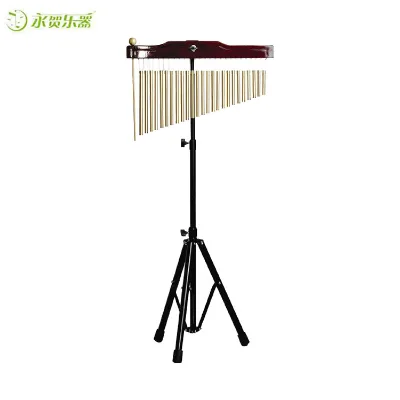
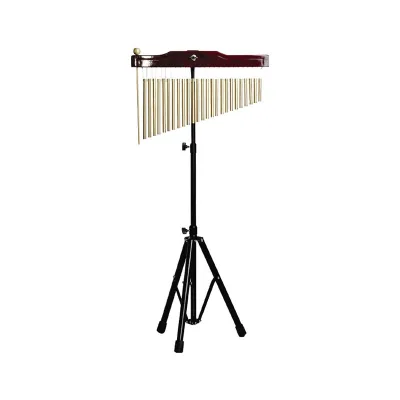
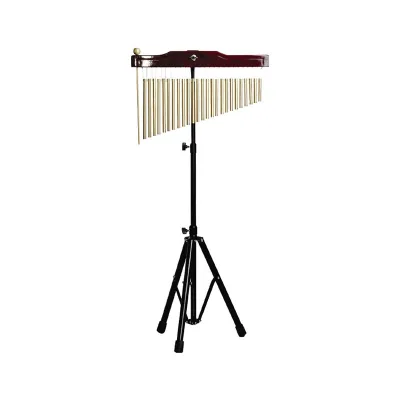
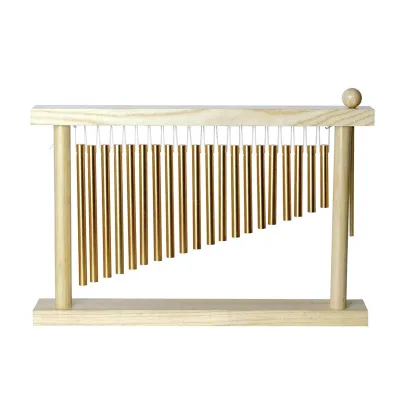
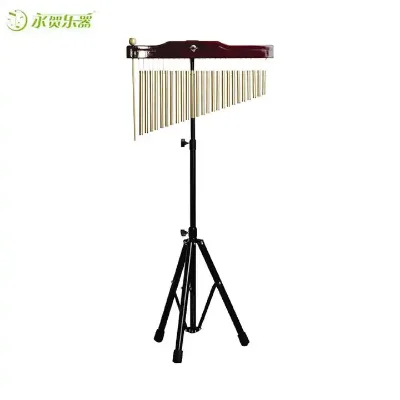
Best-selling Percussion Instrument 36-tone Beam Orff Instrument Exquisite Percussion Wind Chimes
$37.9206 - $40.1003
MOQ: 1 pieces
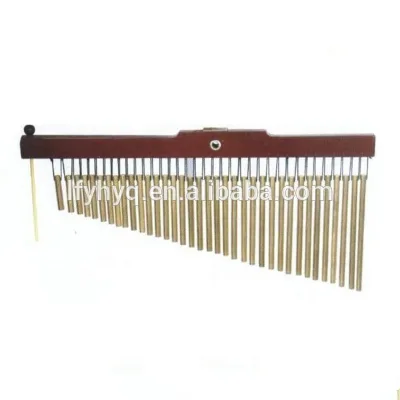
- Manufacturer, Trading Company
- Shandong, China
- Lead time15 days
- Avg. response≤ 3h
Main productsCymbal,Gong,Singing Bowl,Drumsticks,Drum Pad
Main marketsDomestic Market(25.00%), North America(18.00%), Southeast Asia(18.00%), Eastern Europe(13.00%), South America(8.00%), Western Europe(4.00%), Oceania(4.00%), South Asia(3.00%), Africa(2.00%), Eastern Asia(1.00%), Mid East(1.00%), Southern Europe(1.00%), Northern Europe(1.00%), Central America(1.00%)

Canex Musical Instrument Co., Ltd.
- Combined
- China Tianjin
- Lead time30 days
- Avg. response≤ 11h
Main productsSaxophone, Electric Guitar, Clarinet, Violin, Brass Trumpet, Flute, Oboe, Trombone, Cajon, Drum Set
Main marketsSouth America,Europe,North America
Shenzhen Lanborui Technology Co., Ltd.
- Manufacturer, Trading Company, Buying Office
- Guangdong, China
- Lead time15 days
- Avg. response≤ 5h
Main productsPooja Essentials,Decoration items,Giftware,Zinc alloy craft,Wedding decor
Main marketsNorth America(40.00%), Mid East(10.00%), Oceania(10.00%), Southern Europe(9.00%), Western Europe(8.00%), Southeast Asia(5.00%), Northern Europe(5.00%), Africa(5.00%), Eastern Europe(5.00%), South America(2.00%), Eastern Asia(1.00%)

- Manufacturer/Factory
- China Fujian
- Lead time45 days
- Avg. response≤ 13h
Main productsBamboo Chopping Board, Bamboo Box, Bamboo Tray, Bamboo Bottle, Bamboo Products, Bamboo Cutlery, Bamboo Plywood, Bamboo Furniture, Bamboo Plate, Bamboo Broom
Main marketsSouth America,Eastern Europe,Mid East,North America,Southeast Asia,Oceania,Western Europe,Africa

Natural Wind Chime Bamboo Wind Chime Outdoor Wooden Music Wind Chimes for Garden Windchime
$1.00 - $10.00
MOQ: 300 Pieces

Outdoor Bamboo Wind Chimes, Yard Antique Amazing Garden Tubes Bells Copper Yard Windchime
$1.00 - $10.00
MOQ: 300 Pieces
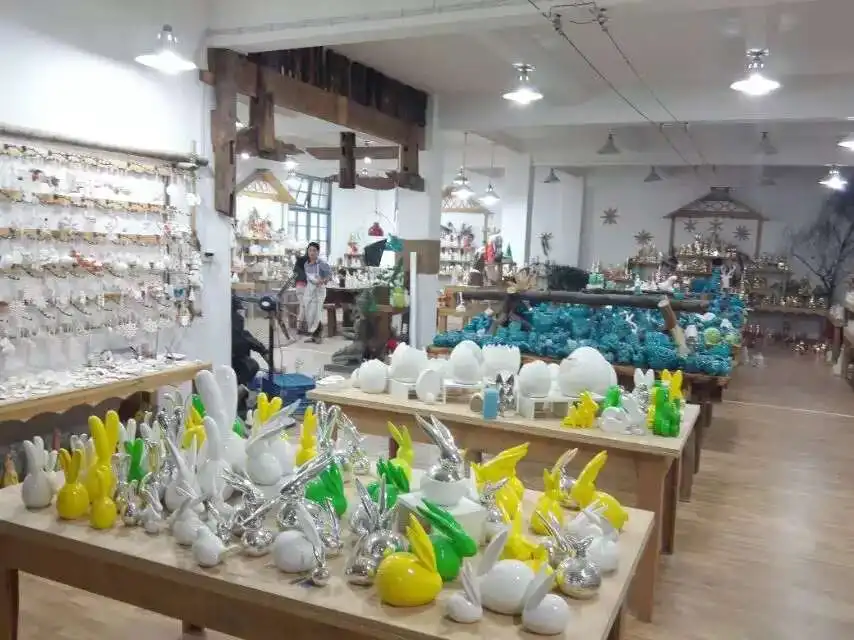
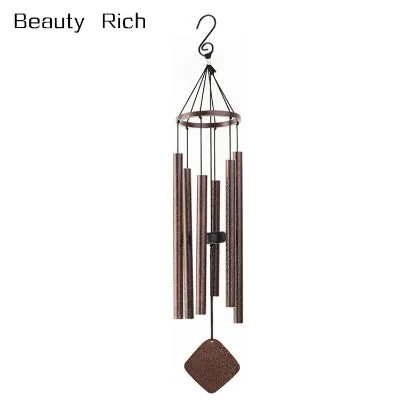
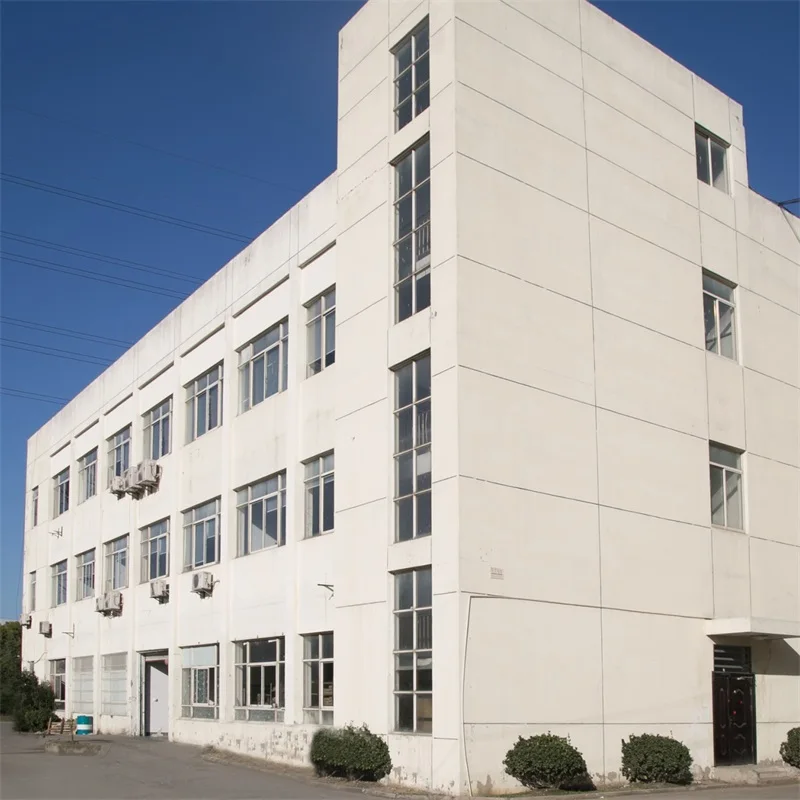
Dehua Beauty Rich Arts & Crafts Co., Ltd.
- Manufacturer, Trading Company
- Fujian, China
- Lead time30 days
- Avg. response≤ 7h
Main productsPolyresin crafts,Ceramic crafts,PVC crafts,Home decoration,Garden decoration
Main marketsEastern Europe(15.00%), North America(15.00%), South America(12.00%), Mid East(5.00%), Oceania(5.00%), South Asia(3.00%), Southern Europe(3.00%), Northern Europe(3.00%), Central America(3.00%), Western Europe(3.00%), Eastern Asia(3.00%), Domestic Market(3.00%), Southeast Asia(3.00%), Africa(2.00%)
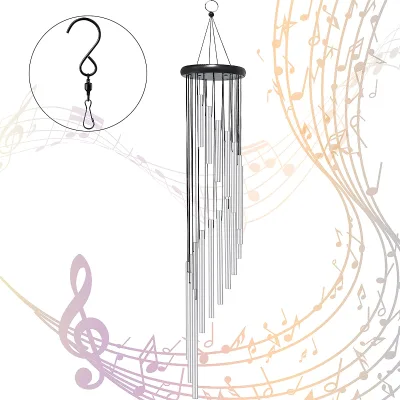
$28.59 - $39.99
MOQ: 500 pieces
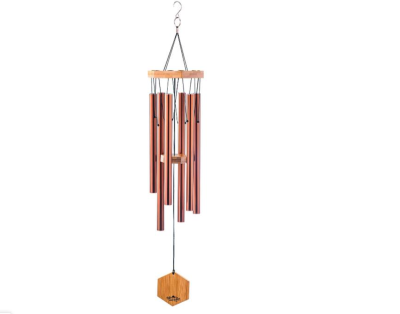
$5.7282 - $7.1628
MOQ: 500 pieces
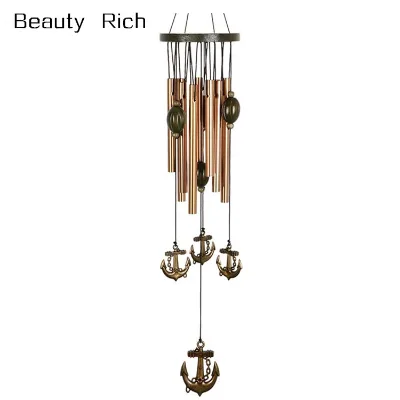
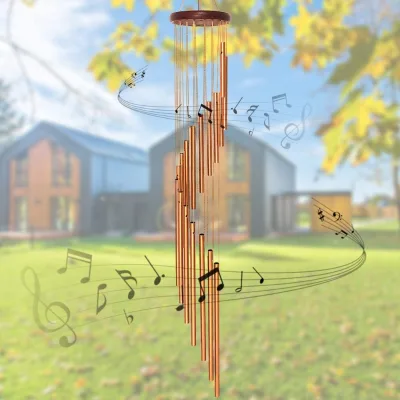
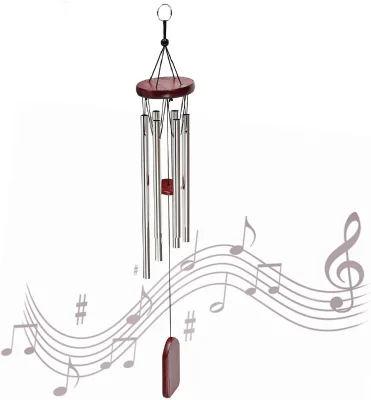
Kunshan Lingzhilong Hardware Factory
- Manufacturer, Trading Company
- Jiangsu, China
- Lead time15 days
- Avg. response≤ 3h
Main productsLapel Pin, Keychain, Medal, Challenge Coin, Cufflinks
Main marketsNorth America(70.00%), Mid East(10.00%), Domestic Market(5.00%), Western Europe(3.00%), Eastern Asia(3.00%), Eastern Europe(3.00%), Southern Europe(2.00%), Northern Europe(2.00%), Africa(1.00%), Southeast Asia(1.00%)

- Manufacturer/Factory
- China Zhejiang
- Lead time23 days
- Avg. response≤ 5h
Main productsSolar Garden Lights, Solar Security Lights, Solar Mosquito Lamp, Solar Grave Lights, Solar Fairy Lights, Mosquito Zapper, Solar Decorative Lanterns, Cemetery Lanterns, Solar Holiday Lights, Solar Street Lights
Main marketsSouth America,Eastern Europe,Mid East,North America,Southeast Asia,Eastern Asia,Oceania,Western Europe,Africa


$7.00 - $11.00
MOQ: 100 Pieces

HENAN JINBAILAI INDUSTRIAL CO., LTD.
- Verified by BV
- Trading Company
- China Henan
- Lead time23 days
- Avg. response≤ 2h
Main productsBBQ, Gas Fire Pit, Wood Fireplace, Stove, Steel Planter, Metal Decors, Garden Furniture, Garden Landscape
Main marketsEurope,North America

Yiwu Renrui E-commerce Business
- Trading Company
- China Zhejiang
- Lead time0 days
- Avg. response≤ 4h
Main productsSouvenir Gift, Craft, Scented Candle, Artificial Flower, Christmas Ornaments, Daily Use, Home Decoration, Solid Wood Carvings, Accessories, Photo Frame

Shaoxing City Xinlan Textile CO., LTD.
- Verified by TUVRHEINLAND
- Combined
- China Zhejiang
- Lead time23 days
- Avg. response≤ 2h
Main productsHome Textile, Curtain, Cushion Cover, Shower Curtain, Macrame Handmade Products, Curtain Fabric, Tablecloth, Placemat, Blankets, Bedding
Main marketsNorth America

- Verified by BV
- Trading Company,Manufacturer/Factory
- China Zhejiang
- Lead time23 days
- Avg. response≤ 5h
Main productsSpiral Slicer, Tent, Hammock, Garden Decoration, Garden Light, Kitchenware, Homeware, Camping, Travel Suitcase, Organizer
Main marketsSouth America,Eastern Europe,Mid East,North America,Southeast Asia,Eastern Asia,Oceania,Western Europe,Africa

Shenzhen Shenlinrunde Trading Co., Ltd.
- Trading Company
- Guangdong, China
- Lead time15 days
- Avg. response≤ 8h
Main productsCandles,Masturbation Products,Vibrator; Vibrating Egg,Dildo
Main marketsNorth America(70.00%), Western Europe(10.00%), South America(10.00%), Eastern Europe(5.00%), Southeast Asia(5.00%)
- Manufacturer
- Tianjin, China
- Lead time45 days
- Avg. response≤ 3h
Main productsDrum,Melodica,Accordion,Wind Instrument,Guitar
Main marketsSouth America(50.00%), Domestic Market(25.00%), Africa(25.00%)
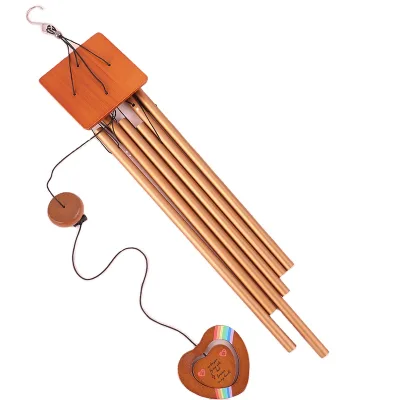
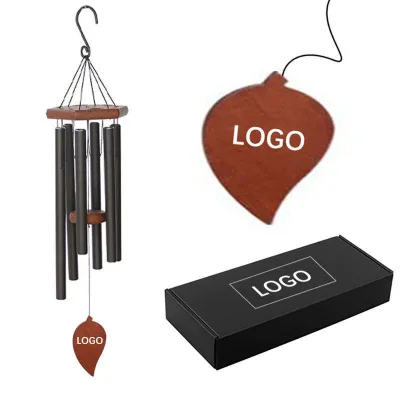
Cross Border European and American Commemorative Wind Chime Decorations with 6 Aluminum Tubes
$5.7387 - $5.8419
MOQ: 10 pieces
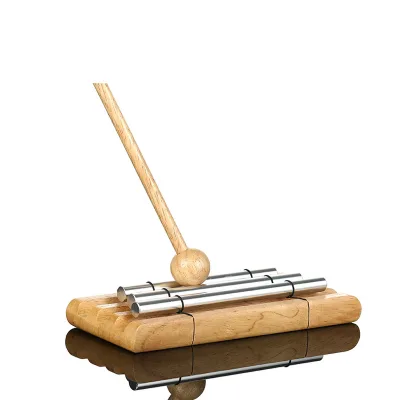
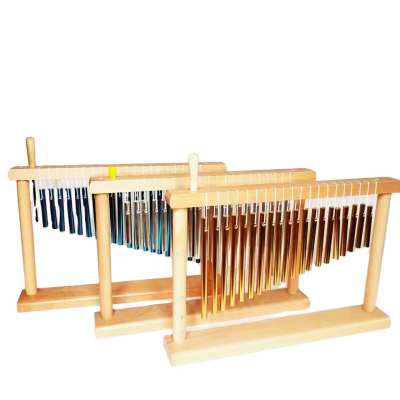
Wholesale Manufacturer Direct Wind Chimes 18 20 40 Tone Hand Carved Wind Chime
$10.20 - $11.00
MOQ: 1 pieces
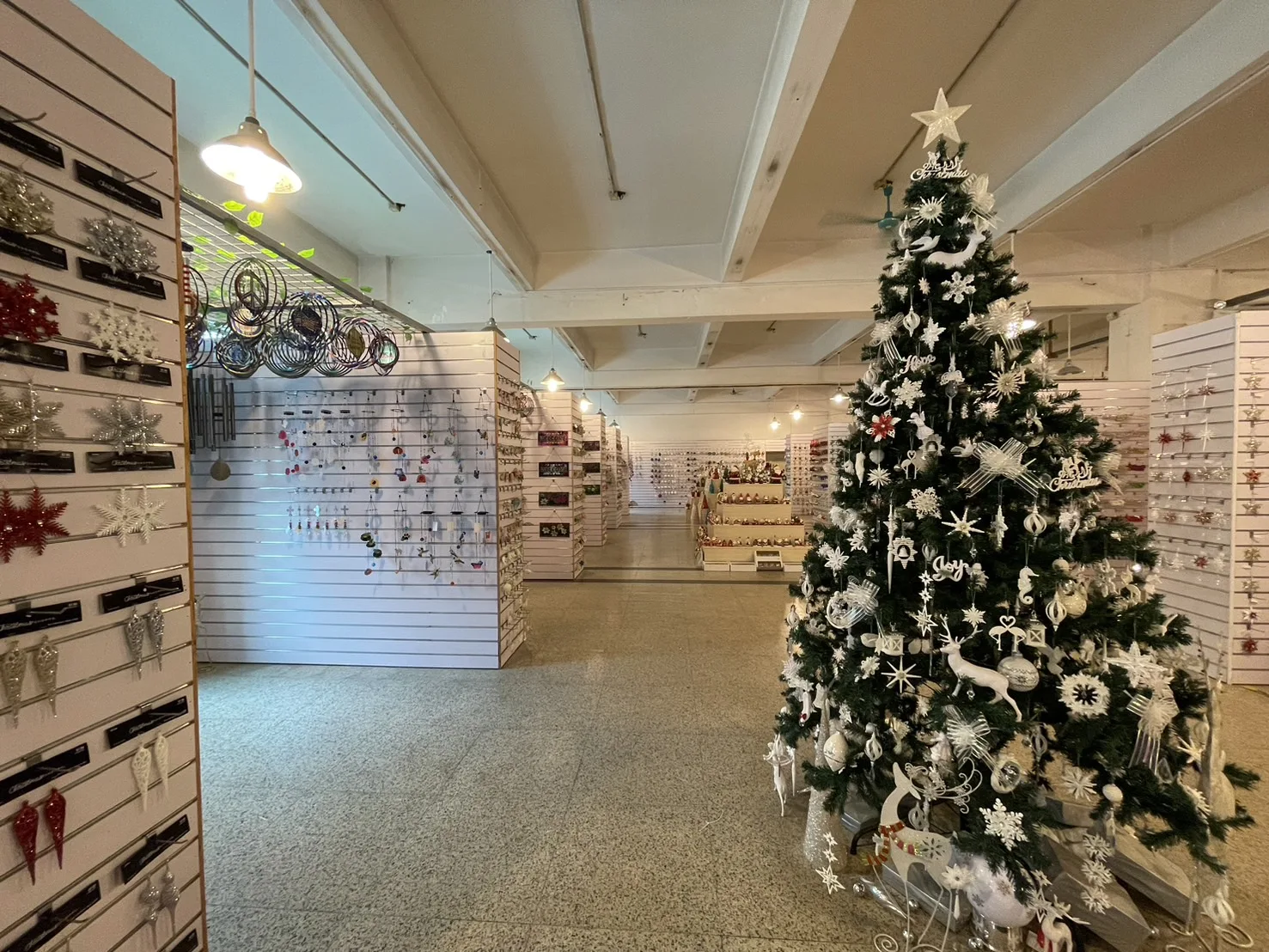
- Trading Company
- Taiwan, China
- Lead time45 days
- Avg. response≤ 3h
Main productsGARDEN DECORATION,WIND CHIMES,STAINED GLASS,CRYSTAL DECORATION,WIND SPINNERS
Main marketsNorth America(40.00%), Western Europe(20.00%), Northern Europe(10.00%), South Asia(5.00%), Southern Europe(5.00%), South America(5.00%), Central America(5.00%), Eastern Europe(5.00%), Mid East(5.00%)
Alwaysfaith International Trade Co., Ltd. (Huizhou)
- Trading Company
- Lead time旺季: "1 - 99":15,"> 99":"To be negotiated", 淡季: "1 - 99":15,"> 99":"To be negotiated"
- Avg. response≤ 6h
Main productsUkulele, Electric Guitar, Acoustic Guitar
Henan Jbett Industrial Technology Co., Ltd.
- Trading Company
- Henan, China
- Lead time0 days
- Avg. response≤ 6h
Main productsBBQ Grills,Smoking Accessories,Bar tools,kitchen gadgets,Cigar accessories
Main marketsNorth America(80.00%), Western Europe(20.00%)
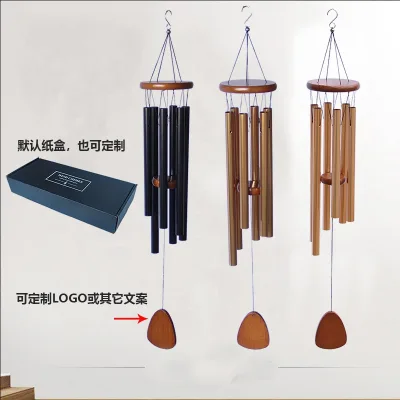
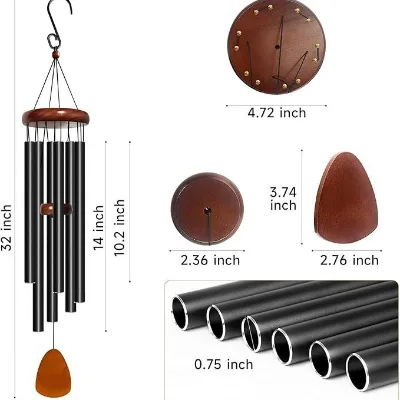
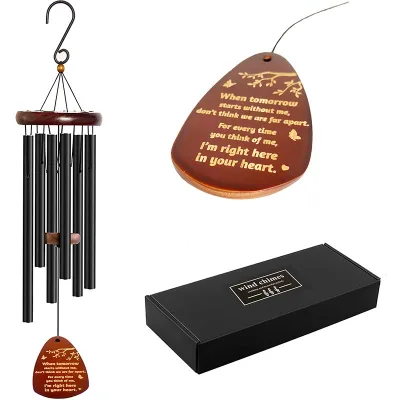
New Arrival Custom Aluminum Sympathy Wind Chimes Bereavement Gifts Outdoor 32 Inch Wind Chimes
$3.70 - $4.90
MOQ: 2 pieces
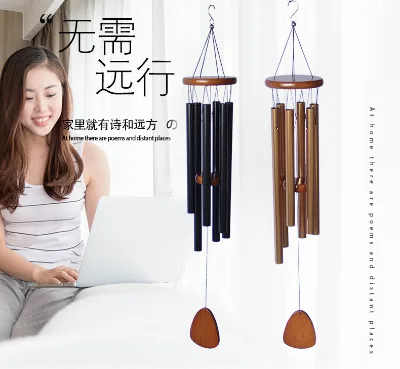
Metal Aluminum Wind Bell Outdoor Garden Decoration Black Brown Color Wind Chime
$2.90 - $4.50
MOQ: 2 sets
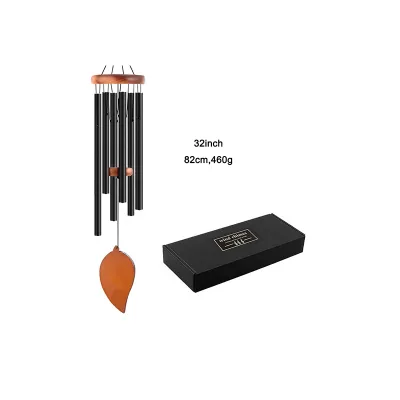
$4.20 - $5.90
MOQ: 2 pieces

Quanzhou Leader Industry Limited
- Verified by TUVRHEINLAND
- Trading Company
- China Fujian
- Lead time30 days
- Avg. response≤ 19h
Main productsPolyresin Crafts, Metal Crafts, Souvenir Gifts, Snow Globe, Fridge Magnet, Bobble Heads, Resin Figurine, Ceramic Items, Garden Statue Garden Ornament, Ceramic Mug
Main marketsEurope

$4.15 - $4.25
MOQ: 2000 Pieces

New Design Wholesale Solar Wind Chimes Metal Sun Wind Chime for Outdoor Light
$4.15 - $4.25
MOQ: 2000 Pieces


Wholesale Solar Butterfly Wind Chimes Outdoor, Solar Wind Chimes for Outside
$4.15 - $4.25
MOQ: 2000 Pieces

Fuzhou Liandesheng Trading Co., Ltd
- Verified by TUVRHEINLAND
- Manufacturer/Factory
- China Fujian
- Lead time23 days
- Avg. response≤ 5h
Main productsHome Decor, Garden Decor, Metal Truck Decor, Metal Planter, Wall Drcoration, Artificial Flowers, Metal Bookends, Metal Candlestick Holder, Garden Ornament, Art Sculpture
Main marketsSouth America,Eastern Europe,Mid East,North America,Western Europe

Promotional Wind Chimes Pendant Creative Garden Home Decoration Sunflower Wind Chimes
$4.50 - $8.90
MOQ: 64 Pieces

Quanzhou Nuojie Craft Co., Ltd.
- Verified by Intertek
- Manufacturer, Trading Company
- Lead time30 days
- Avg. response≤ 8h
Main productsBells, Metal Crafts
Main marketsNorth America(40%), Western Europe(40%), Eastern Asia(20%)
Cixi Mengkeyuan E-Commerce Co., Ltd.
- Trading Company
- Zhejiang, China
- Lead time0 days
- Avg. response≤ 4h
Main productsDream Catcher,Wind Chime,Hand-woven Boho Tapestry,Handmade Car Pendant,Crystal Pendant
Main marketsNorth America(20.00%), Northern Europe(10.00%), Western Europe(10.00%), Eastern Europe(10.00%), Mid East(10.00%), Southern Europe(5.00%), Africa(5.00%), Central America(5.00%), Southeast Asia(5.00%), Eastern Asia(5.00%), South America(5.00%), Oceania(5.00%)

Longyan Zhanling Industry and Trade Co., Ltd.
- Manufacturer/Factory
- China Fujian
- Lead time150 days
- Avg. response≤ 2h
Main productsStainless Steel Cup, Customized Cup, Stainless Steel Cup & Mug, Double Wall Stainless Steel Cup, Customized Stainless Steel Cup, Water Bottle, Tumbler, Stainless Steel Water Bottle, Stainless Steel Bottle, Whiskey Glass
Main marketsSouth America,Eastern Europe,Mid East,North America,Southeast Asia,Eastern Asia,Oceania,Western Europe,Africa

Xiamen Ebei Import & Export Co., Ltd.
- Verified by CTI
- Trading Company,Manufacturer/Factory
- China Fujian
- Lead time45 days
- Avg. response≤ 2h
Main productsEco-Friendly Products, Bamboo Tableware, Bamboo Furniture, Bamboo Kitchenware, Bamboo Office Supply, Bamboo Fibre Products, Biodegradable Products, Bamboo Towel, Solar Energy Products, Bamboo Garden Products
Main marketsSouth America,Eastern Europe,Mid East,North America,Southeast Asia,Eastern Asia,Oceania,Western Europe,Africa

Outdoor Deco Handcrafted Wooden Windchimes with Melody Deep Tone Bamboo Wind Chimes
$8.99 - $10.99
MOQ: 500 Pieces

Outdoor Wooden Wind Bell Bamboo Wind Chime with Amazing Deep Tone for Garden Patio Home Decor
$8.99 - $10.99
MOQ: 500 Pieces
Shenzhen Zhichen Trading Co., Ltd.
- Manufacturer
- Guangdong, China
- Lead time30 days
- Avg. response≤ 2h
Main productsWind chimes,Garden ornaments,Kitchen supplies,Home tools,Tableware
Main marketsNorth America(40.00%), South America(25.00%), Southeast Asia(10.00%), Southern Europe(5.00%), Eastern Europe(5.00%), Northern Europe(5.00%), Western Europe(5.00%), Mid East(5.00%)

Xiamen Athome Household Products Co., Ltd.
- Verified by SGS
- Trading Company
- China Fujian
- Lead time30 days
- Avg. response≤ 3h
Main productsXiamen Athome Household Products Co. Ltd. Is a, Custom Matcha Tea Set, Wooden &Bamboo Kitchenware, Custom Gifts & Souvenirs, Home & Seasonal Decor, Tableware &Dinner Set, Custom Candle Holer, Seasonal & Promotional Gifts, Drinkware, Sourdough & Baking Tools
Main marketsSoutheast Asia/ Mideast,East Asia(Japan/ South Korea)

Fujian Dehua Qihang Xindong Handicrafts Co., Ltd.
- Verified by TUVRHEINLAND
- Trading Company
- China Fujian
- Lead time30 days
- Avg. response≤ 1h
Main productsCeramic Vase, Wrought Iron Craft, Ceramic Ornament, Wall Art, Home Decor, Ceramic Handicraft, Resin Craft, Garden Decor, Ground Stake, Porcelain Pot
Main marketsSouth America,North America

Dongguan Yingying Hardware Products Co., Ltd.
- Verified by CTI
- Combined
- China Guangdong
- Lead time30 days
- Avg. response≤ 3h
Main productsMetal Storage Rack, Steel Structure Building/House/Workshop/Stadium, Steel Structure Warehouse/Hotel/Landscape/, Steel Constructure Chicken House/Cattel Shed, Modular Prefabricated House Villa Hotel, Hardware Furniture/Bedside Table/Nightstand, Hardware Dog Keneels Cat Cages, Hardwarecrafts Hardware Kitchenware Hardware, Garden Decoration Wind Spinner Windmill, Plastic Proiducts Bowl and Cup Glass
Main marketsDomestic

Metal Pine Cone Wind Chime Easter Decorative Hanging Wind Chime for Outdoor Yard Porch
$3.69 - $3.99
MOQ: 100 Pieces


Easter Pine Cone Wind Chime Metal Outdoor Hanging Ornament Garden Decor Wind Chime
$3.69 - $3.99
MOQ: 100 Pieces


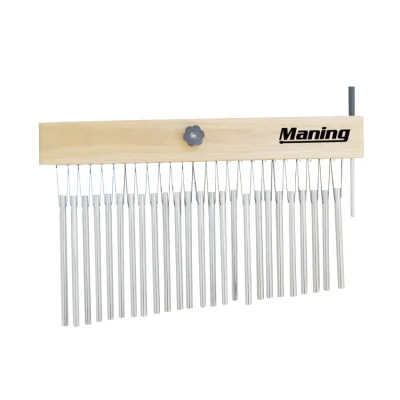
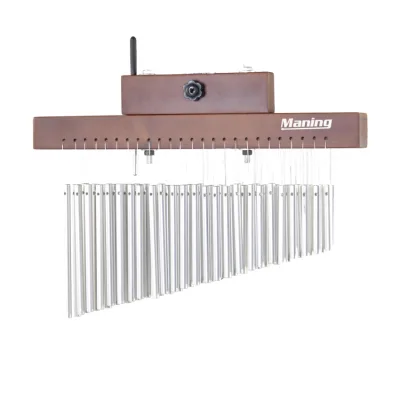










Comprehensive Sourcing Guide
25 Bars Aluminum Alloy Chimes Supplier Concentration and Factory Types
The sourcing landscape for 25 Bars Aluminum Alloy Chimes reveals a distinct concentration of manufacturing activity in specific industrial regions within China, with Tianjin emerging as a notable hub for this category. Suppliers located in Tianjin often operate as either manufacturers or trading companies, offering buyers a mix of direct factory access and flexible sourcing options. This dual nature of supplier types allows purchasers to choose between entities that control the production line and those that aggregate inventory from multiple workshops. The presence of these varied company types in Tianjin suggests a mature supply chain ecosystem where specialized percussion instrument production has clustered to benefit from shared logistics and skilled labor pools. Buyers evaluating suppliers in this region should recognize that the local industry infrastructure supports both large-scale production runs and smaller, customized orders, providing a broad spectrum of partnership models.
Beyond the specific location of Tianjin, the broader market includes suppliers from other regions such as Shandong, which also contributes to the availability of aluminum alloy chimes and related percussion instruments. While Tianjin suppliers explicitly list their location in product attributes, other regional clusters may not be as immediately visible in initial search results, requiring buyers to dig deeper into supplier profiles to identify their true manufacturing bases. The concentration of suppliers in these areas often correlates with the availability of raw materials and established export channels, which can influence lead times and shipping costs. Understanding the geographic distribution of these factories helps buyers assess the reliability of supply chains and the potential for logistical disruptions. By mapping out where these suppliers are located, purchasers can better anticipate shipping durations and evaluate the proximity of factories to major ports, which is a critical factor in determining the overall cost-efficiency of importing 25 Bars Aluminum Alloy Chimes.
How to Verify 25 Bars Aluminum Alloy Chimes Suppliers
Verifying the legitimacy and capability of suppliers requires a close examination of their certification portfolios and verification badges, which serve as objective indicators of quality management and product safety. Suppliers in this category often display a range of international and regional certifications, including ISO 9001 for quality management systems, as well as specific product safety standards like EN 71, CPSIA, ASTM F963, CE, and CPC. These certifications are particularly important for buyers targeting educational markets or regions with strict regulatory requirements for musical instruments and toys. The presence of SGS Group verification further adds a layer of trust, indicating that an independent third party has assessed the supplier’s operations or products. Buyers should prioritize suppliers who actively display these credentials, as they demonstrate a commitment to maintaining consistent quality standards and adhering to legal requirements in key export markets. Ignoring these verification markers can expose purchasers to significant compliance risks and potential product recalls.
In addition to certifications, buyers must scrutinize the specific product attributes and technical specifications provided by suppliers to ensure they match the desired 25 Bars Aluminum Alloy Chimes configuration. Detailed product data, such as the number of bars, material composition, model numbers, and package dimensions, provides concrete evidence of the supplier’s product knowledge and inventory accuracy. For instance, some suppliers explicitly list "25 bars" and "Aluminum alloy" in their product attributes, confirming the core material and structure of the chimes. Buyers should also look for information regarding OEM and ODM capabilities, as this indicates whether the supplier can customize designs or branding to meet specific business needs. Furthermore, checking the response time and lead time metrics offers insight into the supplier’s operational efficiency and customer service responsiveness. A supplier with a quick response time and reasonable lead time is more likely to handle orders efficiently and communicate effectively throughout the procurement process, reducing the risk of misunderstandings or delays.
What to Compare Across 25 Bars Aluminum Alloy Chimes Suppliers
When evaluating multiple suppliers, comparing key commercial and operational metrics is essential to identify the most suitable partner for your specific business needs. One of the primary dimensions for comparison is the minimum order quantity (MOQ), which can vary significantly across different suppliers. Some suppliers offer an MOQ of just one piece, which is ideal for small businesses or those testing the market with low-volume orders, while others may require larger quantities to achieve economies of scale. Additionally, the price range for 25 Bars Aluminum Alloy Chimes can differ based on factors such as material quality, packaging, and included accessories like stands or frames. Buyers should analyze the price per unit in relation to the MOQ to determine the true cost-effectiveness of each offer. It is also crucial to compare the lead times, as suppliers may have different production capacities and scheduling efficiencies that impact delivery dates. A shorter lead time can be advantageous for maintaining inventory levels and responding quickly to market demand.
Another critical aspect of comparison involves the main products and additional capabilities offered by each supplier. While some suppliers specialize exclusively in chimes, others may offer a broader range of percussion instruments, such as drums, cymbals, or xylophones, which could be beneficial for buyers seeking a one-stop shop for their musical instrument needs. The availability of customization services, including graphic processing and sample processing, is another important differentiator. Suppliers that offer light customization or on-demand production can provide greater flexibility for branding and product differentiation. Furthermore, comparing the response time metrics can help buyers gauge the level of customer support they can expect. A supplier with a faster response time is more likely to address inquiries promptly and resolve issues efficiently, which is vital for maintaining smooth business operations. By systematically comparing these dimensions, buyers can make informed decisions that align with their strategic goals and operational requirements.
Common 25 Bars Aluminum Alloy Chimes Sourcing Risks
One of the primary risks in sourcing 25 Bars Aluminum Alloy Chimes is the potential discrepancy between the advertised product specifications and the actual items received. Suppliers may list generic attributes such as "Aluminum alloy" without specifying the exact grade or thickness of the material, which can significantly affect the sound quality and durability of the chimes. Buyers must be vigilant in requesting detailed material certificates or samples to verify the quality before committing to large orders. Additionally, the risk of inconsistent quality across batches is a concern, especially when dealing with suppliers who have varying levels of quality control processes. Even if a supplier holds certifications like ISO 9001, the actual implementation of these standards can vary, leading to inconsistencies in product finish, bar alignment, or frame stability. To mitigate this risk, buyers should establish clear quality acceptance criteria and consider conducting pre-shipment inspections to ensure that the products meet the agreed-upon standards.
Another significant risk involves the reliability of shipping and logistics, which can be impacted by the supplier’s location and packaging practices. Suppliers located in regions with less developed infrastructure may face delays in production or shipping, leading to missed deadlines and dissatisfied customers. Furthermore, improper packaging can result in damage to the chimes during transit, particularly given the delicate nature of the aluminum bars and the frame structure. Buyers should review the packaging details provided by suppliers, such as carton dimensions and protective materials, to assess the adequacy of their shipping preparations. The risk of communication breakdowns is also prevalent, especially when dealing with suppliers who have slower response times or language barriers. Misunderstandings regarding order details, customization requirements, or delivery schedules can lead to costly errors and disputes. Establishing clear communication channels and confirming all order details in writing can help minimize these risks and ensure a smoother procurement experience.
25 Bars Aluminum Alloy Chimes Regional Sourcing and Logistics
The geographic location of suppliers plays a crucial role in determining logistics costs and delivery timelines for 25 Bars Aluminum Alloy Chimes. Suppliers based in Tianjin, China, benefit from proximity to major ports, which can facilitate faster and more cost-effective shipping to international destinations. This strategic location allows for efficient consolidation of goods and reduces the time required for customs clearance and transit. Buyers sourcing from this region can often expect more predictable shipping schedules and lower freight costs compared to suppliers located in more remote areas. However, it is important to note that logistics performance can vary based on global shipping conditions, port congestion, and seasonal demand fluctuations. Buyers should work with suppliers who have established relationships with reliable freight forwarders to ensure that their orders are handled efficiently and arrive on time. Understanding the logistical advantages of specific regions helps buyers optimize their supply chain and reduce overall procurement costs.
In addition to location, the packaging specifications provided by suppliers directly impact logistics efficiency and product protection. Suppliers often list single package sizes and gross weights, which are critical for calculating shipping volumes and costs. For example, a supplier may provide a single package size of 80x80x60 cm with a gross weight of 30 kg for a 25 bars chime set, while another may offer a more compact package for smaller units. Buyers should analyze these dimensions to determine the most cost-effective shipping method, whether it be air freight for urgent orders or sea freight for bulk shipments. Proper packaging not only protects the chimes from damage but also maximizes container space, reducing the per-unit shipping cost. Buyers should also consider the environmental impact of packaging materials and inquire about sustainable options if applicable. By carefully evaluating packaging and logistics factors, buyers can make informed decisions that balance cost, speed, and product safety.
25 Bars Aluminum Alloy Chimes Commercial Terms and Order Planning
Effective order planning for 25 Bars Aluminum Alloy Chimes requires a thorough understanding of the commercial terms offered by suppliers, including payment methods, warranty policies, and after-sales support. Buyers should negotiate clear terms regarding payment schedules, such as deposits and balance payments, to manage cash flow and mitigate financial risk. It is also important to clarify the supplier’s return and refund policies in case of product defects or non-conformance to specifications. Suppliers that offer robust after-sales support, such as 24-hour online service or responsive customer care, can provide valuable assistance in resolving issues that may arise after the purchase. Understanding these commercial terms helps buyers establish a fair and transparent business relationship, reducing the potential for disputes and ensuring a positive procurement experience. Buyers should document all agreed-upon terms in the purchase contract to protect their interests and ensure accountability.
Sample processing and customization options are also key components of order planning, particularly for buyers seeking unique or branded products. Suppliers that offer sample processing allow buyers to evaluate the quality and design of the chimes before committing to a full order, reducing the risk of receiving unsatisfactory products. Additionally, suppliers that accept OEM and ODM requests can help buyers differentiate their offerings in the market by providing custom branding, packaging, or design modifications. Buyers should inquire about the lead times and costs associated with sample production and customization to incorporate these factors into their overall budget and timeline. By leveraging these commercial terms and customization options, buyers can tailor their procurement strategy to meet specific business needs and market demands. Careful planning and negotiation of these terms ensure that the final product aligns with the buyer’s expectations and contributes to their long-term success in the musical instrument industry.
FAQs
What is the minimum order quantity for 25 Bars Aluminum Alloy Chimes?
The minimum order quantity is 1 piece. This low threshold allows buyers to test product quality and supplier reliability before committing to larger bulk orders. It is ideal for small studios or educational institutions needing single units for immediate use or evaluation purposes.
Where are these chimes manufactured?
These chimes are manufactured in Tianjin, China. This region is known for its robust manufacturing infrastructure for musical instruments. Buyers can expect consistent production capabilities and established logistics networks originating from this specific geographic location for global shipping.
What is the typical lead time for production?
The typical lead time ranges from 15 to 30 days depending on the specific supplier and order volume. Some manufacturers offer faster turnaround times of around 15 days, while others may require up to 30 days for standard production runs.
What certifications do these instruments hold?
These instruments hold ISO 9001, EN 71, CPSIA, ASTM F963, CE, and CPC certifications. These standards ensure safety and quality compliance for educational and professional use, particularly important for products intended for children or international markets with strict regulatory requirements.
What is the price range for these chimes?
The price range typically falls between $16.64 and $70.00 per unit. Lower prices apply to basic models like 25-bar single rows, while higher prices reflect features like double rows, high-frequency tuning, or specialized educational designs. Prices vary by material and configuration.
Can suppliers handle custom branding or OEM orders?
Yes, suppliers accept OEM and ODM requests. They offer light customization, sample processing, and graphic processing services. Buyers can request specific branding, packaging, or design modifications to meet their unique market needs or institutional requirements for branded educational instruments.