100 Polyester Plush Doll Suppliers and Manufacturers
Compare 28 verified suppliers offering 100 polyester plush dolls with details on location, lead times, and certifications. Review product attributes like material and age range, then request quotes for specific MOQs and response times; review the available evidence before requesting comparable quotations from suitable candidates.
Updated
Suppliers List

Shenzhen Donreay Technology Co., Ltd.
- Manufacturer, Buying Office, Distributor/Wholesaler
- Guangdong, China
- Lead time5 days
- Avg. response≤ 13h
Main productscell phone accessories,computer accessories
Main marketsWestern Europe(40.00%), Northern Europe(30.00%), Southern Europe(10.00%), Eastern Europe(10.00%), South America(10.00%)

Dongguan Lokwell Toys Co. Ltd.
- Trading Company,Manufacturer/Factory
- China Guangdong
- Lead time45 days
- Avg. response≤ 19h
Main productsPlush&Stuffed Toy, Fabrics Doll, Teddy Bear, Pet Toy, Cuddle Toy, Backpacks, Keychain, Cushion, Neck Pillow, Hand Puppets
Main marketsSouth America,Eastern Europe,Mid East,North America,Southeast Asia,Eastern Asia,Oceania,Western Europe,Africa


Plush Cartoon Character Doll Toys/ Stranger Girl Doll Toys/ Custom Plush Toys
$0.36 - $3.25
MOQ: 500 Pieces


Wholesale High Quality Christmas Gift Santa Claus Plush Doll for Decoration
$0.37 - $2.37
MOQ: 500 Pieces


Shenzhen Yanlsle Cultural and Creative Technology Co., Ltd.
- Verified by SGS
- Trading Company
- China Guangdong
- Lead time15 days
- Avg. response≤ 7h
Main productsBrooch/Coin/Badge/Medal/Pin/Keychain
Main marketsDomestic

Unisex Custom Soft Plush Toy Super Soft Animal Doll with PP Cotton Filling Polyester Washed for Kids
$5.00 - $5.50
MOQ: 100 Pieces

Hot Selling Stuffed Animal Plush Toy Plush Doll with Customization Soft Toys
$5.00 - $5.50
MOQ: 100 Pieces

Lianyungang Hongwen Toys Co., Ltd.
- Verified by SGS
- Combined
- China Jiangsu
- Lead time23 days
- Avg. response≤ 8h
Main productsCustom Plush Backpack, Stuffed Toy, Custom Plush Pillow, Custom Plush Doll, Custom Plush Toy, Custom Hold-All, Plush Pillow, Animal Plush, Stuffed Plush Toys, Plush Toy Animals
Main marketsAfrica,Southeast Asia/ Mideast,East Asia(Japan/ South Korea),Domestic,Europe,Australia,North America
- Verified by SGS Group
- Manufacturer, Trading Company
- Lead time15 days
- Avg. response≤ 3h
Main productsCustom Plush Toys, Custom Plush Doll, Custom Plush Keychain
Main marketsNorth America(40%), South America(20%), Eastern Asia(10%)
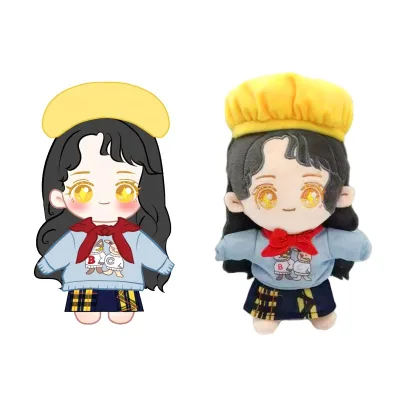
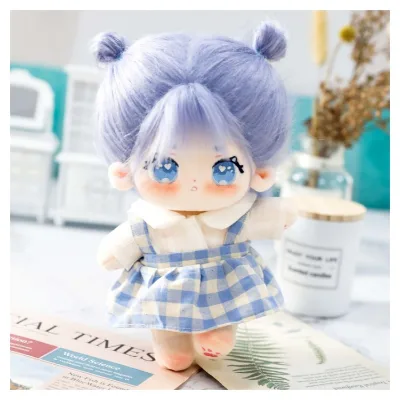
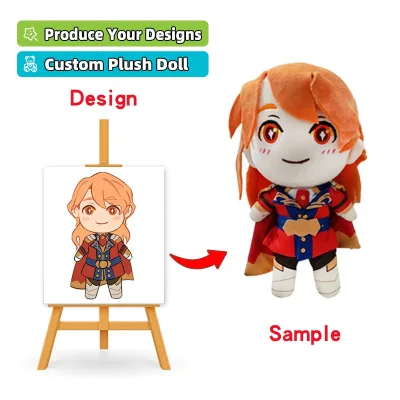
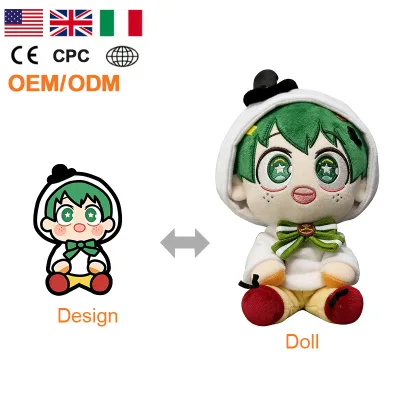
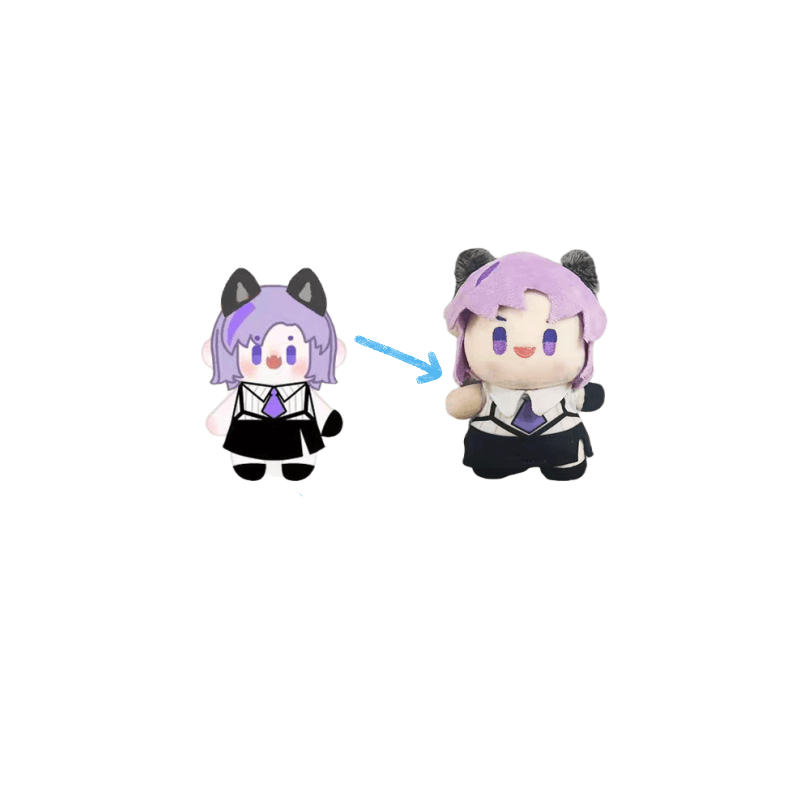
Oem/Odm Accepted Customized Designs Toy Custom 20CM Plush Game Anime Character Doll
$6.99 - $19.99
MOQ: 20
Yangzhou Jinrunan Maternal And Infant Supplies Co., Ltd.
- Trading Company
- Jiangsu, China
- Lead time15 days
- Avg. response≤ 3h
Main productsPlush Doll,Plush Cushion,Plush Slippers,Plush Bags,Plush Keychain
Main marketsSouthern Europe(10.00%), Northern Europe(10.00%), Central America(10.00%), Western Europe(10.00%), Mid East(10.00%), Southeast Asia(10.00%), Eastern Europe(10.00%), South America(10.00%), North America(10.00%), Domestic Market(5.00%), South Asia(5.00%)
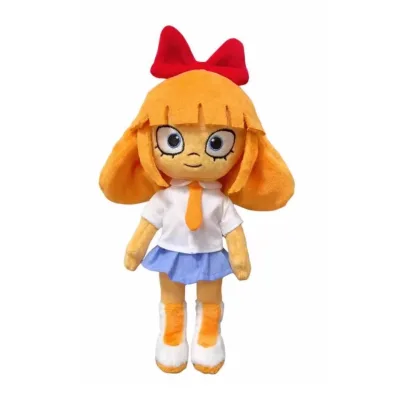
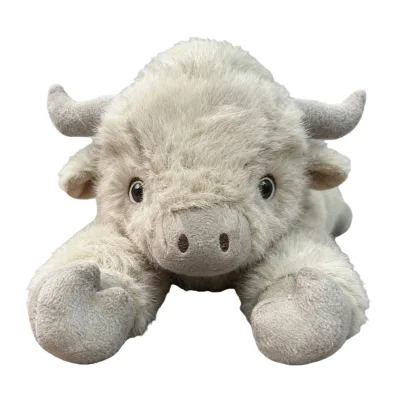
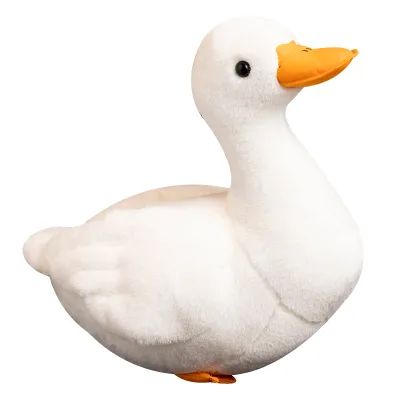
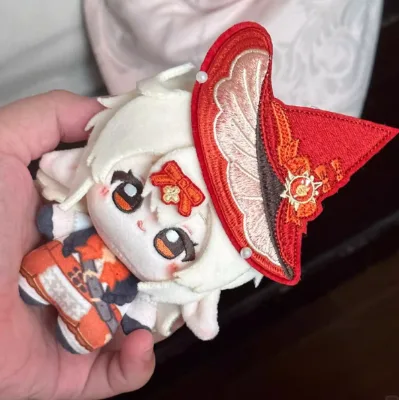
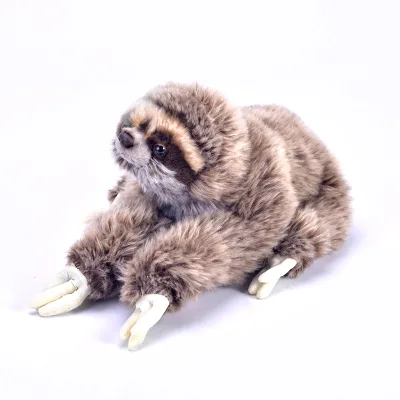
$2.9681 - $6.0379
MOQ: 50 pieces
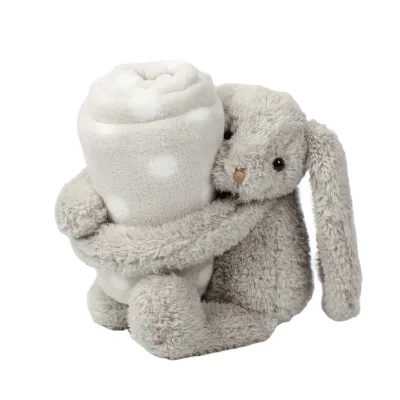
Shenzhen Brin Technology Co., Ltd.
- Verified by TüVRheinland
- Trading Company
- Lead time0 days
- Avg. response≤ 1h
Main productsPlush Toys, Educational Toys, Sensory Toys, Pet Products, Custom Products
Main marketsNorth America(40%), South America(20%), Western Europe(10%)

Yangzhou Lucky Bear Craft & Gifts Co., Ltd.
- Verified by TUVRHEINLAND
- Trading Company
- China Jiangsu
- Lead time30 days
- Avg. response≤ 3h
Main productsTeddy Bear, Plush Toy, Stuffed Animal, Toy Shoes, Baby Toy, Rocking Horse, Unstuffed Animal Skin, Indoor Slippers, Snow Boots, Promotional Toys
Main marketsEurope,North America
Guangdong Kinqee International Trade Co., Ltd.
- Verified by SGS Group
- Trading Company
- Lead time10 days
- Avg. response≤ 2h
Main productsPlush Doll/, Mascot Costume, Fiberglass, Resin Figurine, PVC Figurine

Dongguan Dingman Toy And Gift Co., Ltd.
- Verified by TUVRHEINLAND
- Combined
- China Guangdong
- Lead time30 days
- Avg. response≤ 5h
Main productsStuffed Toy, Plush Toy, Stuffed Animal, Play Mat, Soft Book, Cloth Doll, Plush Bag, Pillow, Cloth Masks, Soft Toys
Main marketsOthers(foreignTradeCapacity.exportBusinessCapacityMarketOther),Domestic

Qingdao Sanliang Yipin Network Technology Co., Ltd
- Verified by SGS
- Manufacturer/Factory
- China Shandong
- Lead time30 days
- Avg. response≤ 7h
Main productsBag, Plush Toys, Clothes, Pet Accessories, Jewellery
Main marketsSouth America,Eastern Europe,Mid East,North America,Southeast Asia,Eastern Asia,Oceania,Western Europe,Africa

- Combined
- China Jiangsu
- Lead time30 days
- Avg. response≤ 7h
Main productsCustom Plush Toy, Plush Doll
Main marketsSoutheast Asia/ Mideast,Europe,North America


Factory-Customized Plush Dolls with Cute Designs and Soft Fabric for Children
$6.44 - $8.88
MOQ: 100 Pieces
Yangzhou Creative Toys And Gifts Co., Ltd.
- Manufacturer, Trading Company
- Jiangsu, China
- Lead time50 days
- Avg. response≤ 3h
Main productsPlush Toys, Household Products, Plush Slippers, Apparel, Plush Hat
Main marketsNorth America(50.00%), Southern Europe(30.00%), Oceania(8.00%), Western Europe(5.00%), South America(3.00%), Eastern Europe(3.00%), Mid East(1.00%)
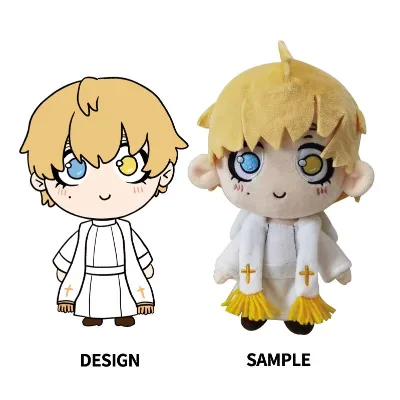
$1.9687 - $2.4669
MOQ: 100 pieces
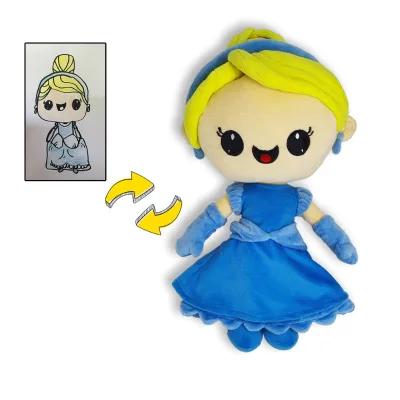
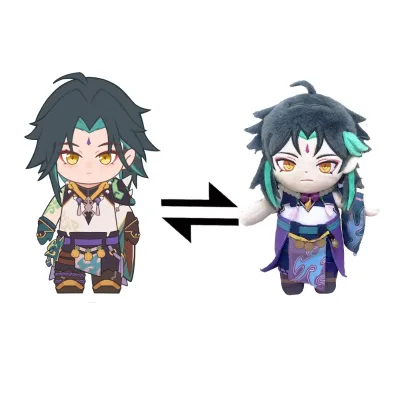

Dongguan Mayachi Gifts & Toys Co., Ltd.
- Verified by BV
- Combined
- China Guangdong
- Lead time45 days
- Avg. response≤ 4h
Main productsPlush Animals, Pillows/Cushions, Plush Dolls, Baby Toys, Shopping Bags, Plush School Bags, Pencil Bags/Holders, Phone Cases/Holders, Finger/Hand Puppets, Christmas Hat and Stockings
Main marketsDomestic,Europe,Australia,North America


Plush Doll Christmas Toys Christmas Gift Stocking Ornament Handicraft Present
$1.90 - $4.50
MOQ: 500 Pieces
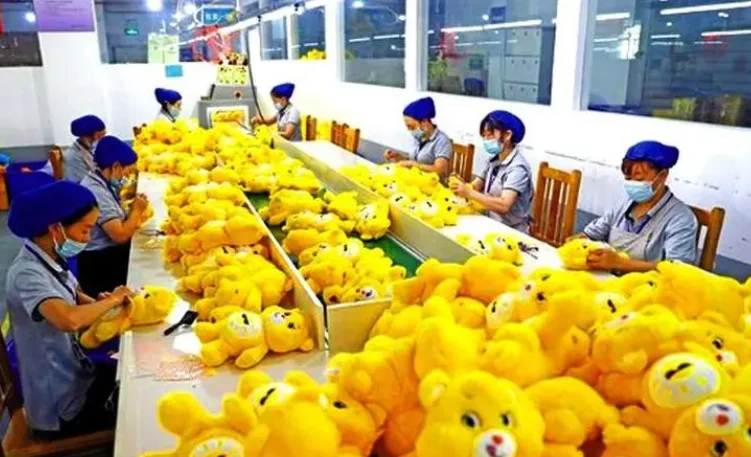
Dongguan Ai Cheng Toys Co., Ltd.
- Manufacturer
- Guangdong, China
- Lead time25 days
- Avg. response≤ 8h
Main productsplush toys,plush pillow,plush bag,plush puppet,plush slippers
Main marketsWestern Europe(20.00%), Eastern Europe(20.00%), Domestic Market(20.00%), Central America(20.00%), South America(10.00%), North America(10.00%)
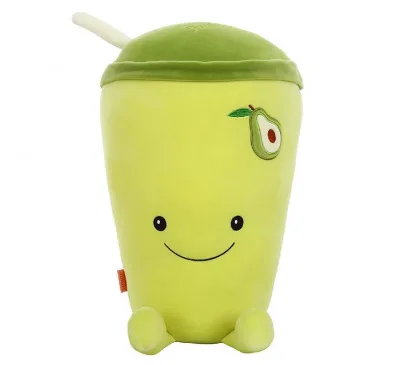
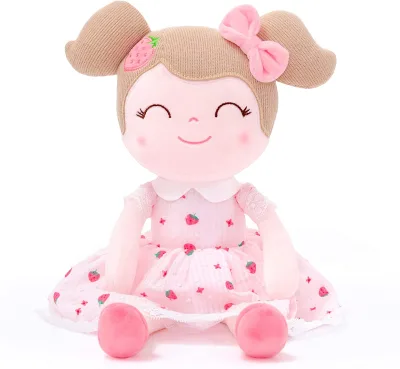
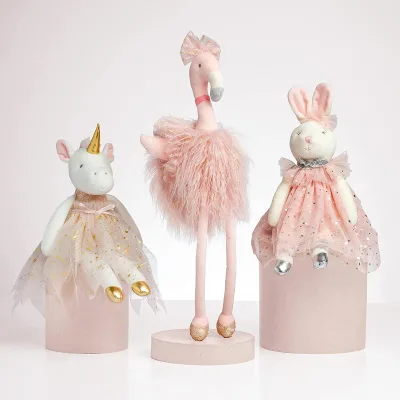
Super Soft Plush Dolls Large,stuffed Plush Doll Toys for Christmas Baby Gifts
$2.4594 - $3.0548
MOQ: 500 pieces
Yancheng Dreamon Toys Co., Ltd.
- Trading Company
- Jiangsu, China
- Lead time30 days
- Avg. response≤ 2h
Main productsToys,Art and crafts
Main marketsNorth America(50.00%), Western Europe(20.00%), Southeast Asia(10.00%), Eastern Asia(10.00%), South America(5.00%), Eastern Europe(5.00%)
Shenzhen Mingsenxing Toy Gift Co., Ltd.
- Manufacturer
- Guangdong, China
- Lead time40 days
- Avg. response≤ 6h
Main productsBaby Toy,Stuffed Animal Toy,Teddy Bear,Custom Made Toy,Christmas Decoration
Main marketsWestern Europe(60.00%), North America(20.00%), Domestic Market(5.00%), South America(5.00%), Eastern Asia(5.00%), Eastern Europe(5.00%)
Yangzhou Lutus Houseware Co., Ltd.
- Trading Company
- Jiangsu, China
- Lead time0 days
- Avg. response≤ 1h
Main productsPlush Toys,Slippers,Household Products
Main marketsNorth America(40.00%), Western Europe(10.00%), Southeast Asia(10.00%), Eastern Europe(10.00%), Mid East(10.00%), Southern Europe(5.00%), Northern Europe(5.00%), Africa(5.00%), South America(5.00%)
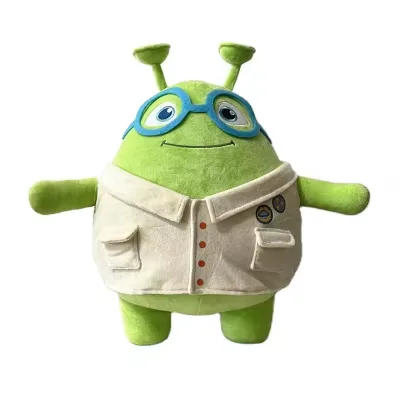
Factory Customized Cute Plush Doll Unisex Soft Stuffed Toy with Custom Logo for Kids
$4.9697 - $5.7895
MOQ: 500 pieces
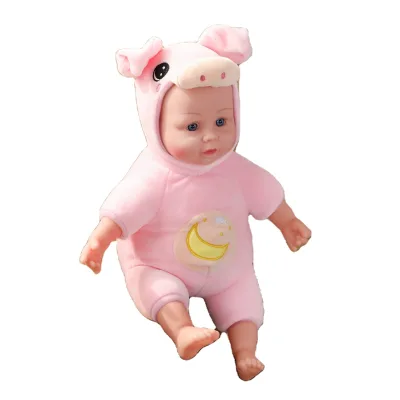
Yancheng Joy Foundationcultural Creativity Co., Ltd.
- Verified by TüVRheinland
- Manufacturer, Trading Company
- Jiangsu, China
- Lead time旺季: "1 - 2":35,"> 2":"To be negotiated", 淡季: "1 - 2":35,"> 2":"To be negotiated"
- Avg. response≤ 2h
Main productsPlush Toys, Bags, Slippers, Pillow, Festival Gifts
Main marketsNorth America(35%), Eastern Europe(10%), Southeast Asia(10%)

- Verified by TUVRHEINLAND
- Trading Company
- China Jiangsu
- Lead time30 days
- Avg. response≤ 3h
Main productsPet Products, Pet Food, Pet House, Pet Plush Toy, Pet Clothes, Pet Collar, Cat Litter, Pet Leash, Pet Harness
Main marketsNorth America


Christmas Knitted Plush Doll Christmas Eve Plush Toys Children's Festival Gift Decoration
$0.80 - $5.99
MOQ: 1000 Pieces

Creative Plush Toy Santa Claus Doll Christmas Gift Children Toys Wholesale
$0.80 - $3.00
MOQ: 500 Pieces

Pakfoon Trading Company Limited
- Verified by SGS
- Trading Company
- China Guangdong
- Lead time15 days
- Avg. response≤ 6h
Main productsPlush Toy, PVC Toy, Pet Toy, Baby Toy, Soft Toy, Functional Toy, Stuffed Toy, Stuffed Animal
Main marketsEast Asia(Japan/ South Korea)

$3.00 - $4.00
MOQ: 500 Pieces

Plush Toy Plushies New Gift Logo Kids CE Customized Doll Teddy Sale Manufacturer OEM Toy Dolls
$3.00 - $4.00
MOQ: 500 Pieces

Animal Figure Cute Children Toys Kids Plush Toy Eco Sale Soft Toy Factory Plush Plushies Doll CE
$3.00 - $4.00
MOQ: 500 Pieces

$3.00 - $4.00
MOQ: 500 Pieces

$3.00 - $4.00
MOQ: 500 Pieces

$3.00 - $4.00
MOQ: 500 Pieces

Hunan Yeemary Toy Creative Design and Manufacturing Co., Ltd.
- Verified by SGS
- Combined
- China Hunan
- Lead time30 days
- Avg. response≤ 3h
Main productsCustomized According to Drawings, Customized Acc, Custom Plush Animal, Custom Plush Doll, Custom Plush Plant, Custom Plush Keychain, Custom Plush Pillow, Custom Plush Backpack, Cotton Plush Dolls, Christmas Doll
Main marketsSouth America,East Asia(Japan/ South Korea),Domestic,Europe,North America

$1.00 - $5.00
MOQ: 100 Pieces

Custom Stuffed Plush Toy Custom Plush Soft Toy Plush Custom Human Doll Toys
$1.00 - $5.00
MOQ: 100 Pieces
Wuhan Hinzstar Technology Co., Ltd.
- Verified by Intertek
- Trading Company
- Lead time18 days
- Avg. response≤ 2h
Main productsPlush Toys, Plush Keychains, Plush Mascot Toys, Plush Dolls, Plush Cushion
Main marketsNorth America(60%), Western Europe(20%), Southeast Asia(10%)
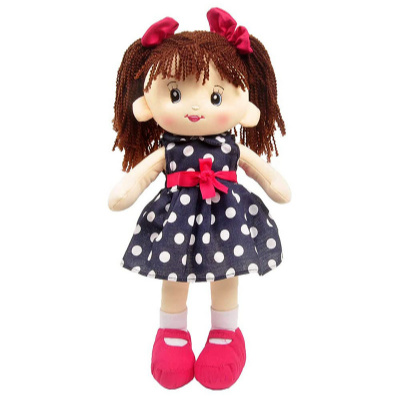
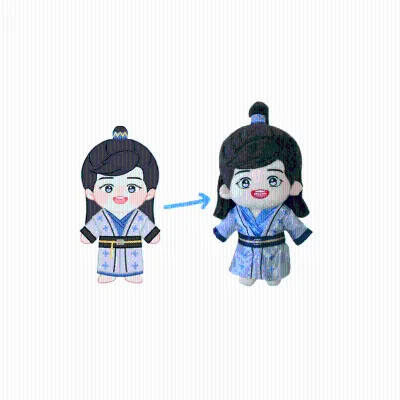
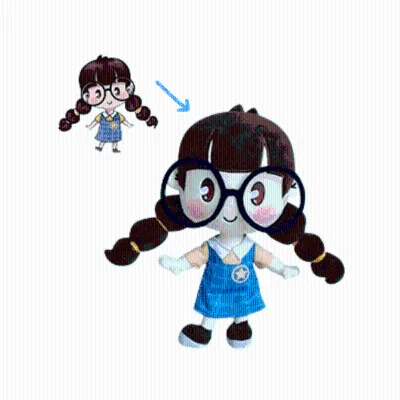
Custom Cute Soft Plush Girl Doll Plush Cartoon Girl Doll Plush Custom Plush Girl Toy
$7.6969
MOQ: 500 Minimum
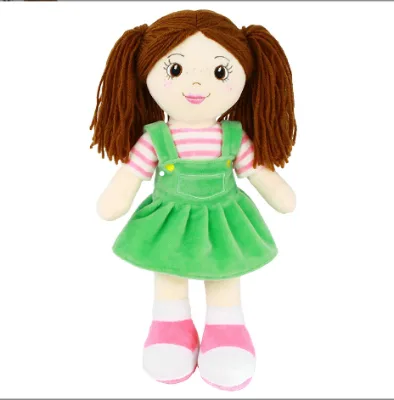

Guangdong Kinqee International Trade Co., Ltd.
- Verified by CTI
- Trading Company
- China Guangdong
- Lead time15 days
- Avg. response≤ 8h
Main productsPlush Toys, Plushies, Custom Plush Toy, Custom Plushie, Plush Figure Toys, Stuffed Animals Plush Toys, Plush Keychains Toys, Plush Toys Custom, Plushy, Soft Toys
Main marketsEast Asia(Japan/ South Korea)

Customized Soft Anime Doll Character Human Plush Stuffed Animal Toy for Girls Customized Plush Dolls
$0.99 - $2.99
MOQ: 100 pieces

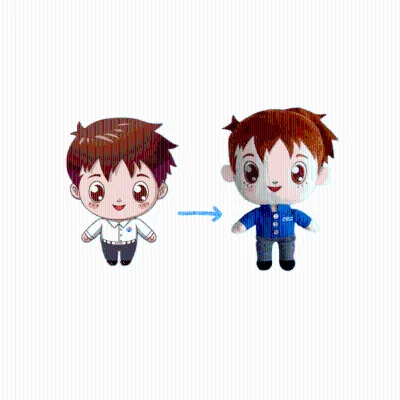
Customized High-Quality Plush Character Dolls with a One to One Restoration Custom Plush Toys
$7.20 - $8.69
MOQ: 500 pieces
Shenzhen Dcmd Cultural Goods Co., Ltd.
- Verified by TüVRheinland
- Manufacturer, Trading Company
- Lead time30 days
- Avg. response≤ 1h
Main productsBaby Cloth Book, Children's Plush Walking Chair, Plush Animal Toy, Plush Electric Toy, Wind Chimes On Children's Plush Bed
Main marketsNorth America(60%), South America(20%), Southeast Asia(10%)
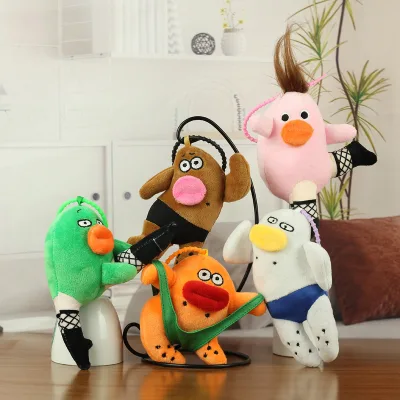
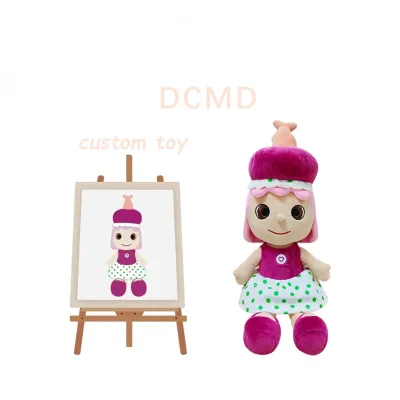
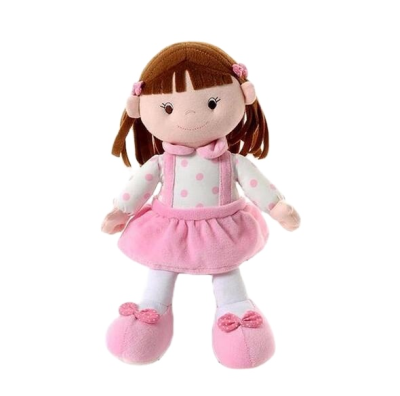
Factory Professional Custom High Quality Low MOQ Custom Girls Plush Doll
$0.5236 - $1.0472
MOQ: 300 pieces
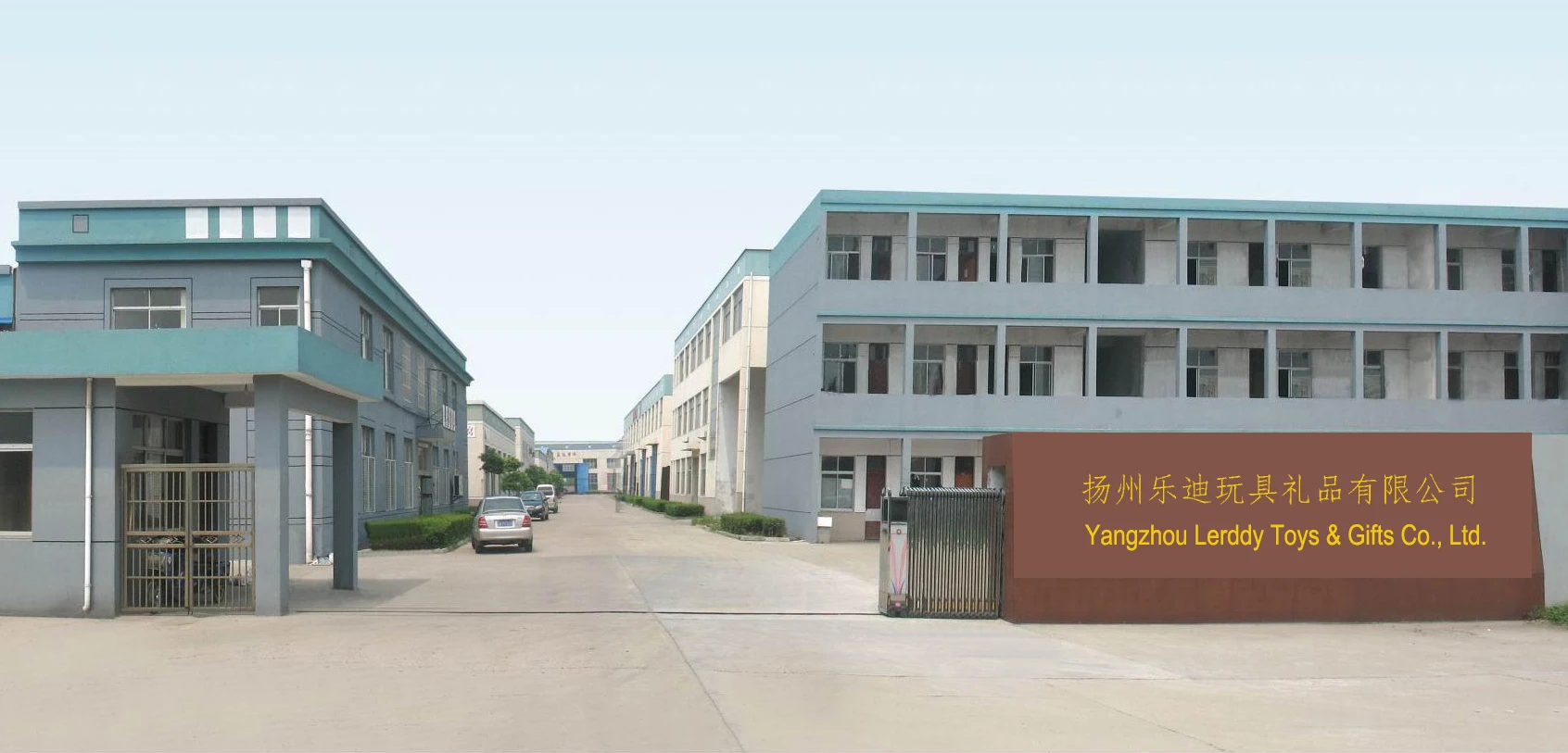
Yangzhou Lerddy Toys & Gifts Co., Ltd.
- Trading Company
- Jiangsu, China
- Lead time30 days
- Avg. response≤ 2h
Main productsPlush Toy,Stuffed toy,Stuffed animals,Plush slippers,Gifts
Main marketsNorth America(30.00%), South America(20.00%), Mid East(10.00%), Northern Europe(8.00%), Southeast Asia(8.00%), Oceania(5.00%), Central America(5.00%), Western Europe(5.00%), Southern Europe(5.00%), Eastern Europe(3.00%), South Asia(1.00%)

Yangzhou City Caisheng Handicraft Product Co., Ltd.
- Verified by TUVRHEINLAND
- Trading Company
- China Jiangsu
- Lead time30 days
- Avg. response≤ 2h
Main productsPlush Toy, Teddy Bear, Baby Toy, Pillow, Cushion, Slipper, Puppet, Doll, Plush Bag, Pet Toy
Main marketsNorth America

- Combined
- China Guangdong
- Lead time45 days
- Avg. response≤ 1h
Main productsResin Craft, Baby Doll, Christmas Tree, Christmas Wreath, Christmas Garland, Christmas Decoration, Artificial Flower, Artificial Plant, Artificial Tree, Christmas Ornaments
Main marketsSouth America,Europe,North America








Comprehensive Sourcing Guide
100 Polyester Plush Doll Supplier Concentration and Factory Types
The sourcing landscape for polyester plush dolls is heavily concentrated in specific manufacturing hubs, with Guangdong, China, emerging as a primary cluster for this category. Suppliers located in this region often benefit from established supply chains for raw materials like polyester fabric and PP cotton filling, which are critical for producing soft, durable stuffed animals. When evaluating potential partners, buyers should note that the supplier base includes a mix of manufacturer types, ranging from dedicated factories to trading companies and buying offices. This diversity means that while some entities may own the production lines and control quality directly, others might act as intermediaries, sourcing from multiple workshops to fulfill orders. Understanding this distinction is vital for determining who holds the actual leverage over production schedules and cost structures.
Company types listed in search results often include Manufacturer, Buying Office, Distributor/Wholesaler, Trading Company, and Manufacturer/Factory. Each type offers different advantages depending on the buyer’s specific needs. For instance, a direct manufacturer might offer better pricing for large volumes and more flexibility for custom OEM/ODM requests, whereas a trading company might provide a broader catalog of existing designs, such as cartoon characters or animal motifs, with lower minimum order quantities. Buyers should verify the actual nature of the business entity by reviewing their main products and company profile. If the primary focus is on plush toys, fabrics, and stuffed animals, it suggests a specialized capability. However, if the catalog is broad and includes unrelated accessories, the entity may be a general trading firm. This classification helps in assessing whether the supplier has the technical expertise to handle complex customization requests or if they are better suited for standard, off-the-shelf products.
How to Verify 100 Polyester Plush Doll Suppliers
Verifying the legitimacy and capability of a plush doll supplier requires a multi-layered approach that goes beyond surface-level profile information. One critical step is to examine the system certifications displayed on the supplier’s page, such as BSCI, ISO 9001, or SEDEX. These certifications indicate that the factory adheres to specific standards regarding social compliance, quality management, and ethical labor practices. For toys intended for children, it is equally important to check for product-specific safety certifications like CE, EN71, ASTM, or CPSIA. These standards ensure that the polyester materials and PP cotton fillings meet rigorous safety requirements for toxicity and flammability. Buyers should request copies of these certificates and verify their validity through the issuing bodies, as possessing a certificate is not the same as maintaining active compliance. This verification process helps mitigate the risk of sourcing products that might fail regulatory inspections in the destination market.
Another essential verification step involves assessing the supplier’s responsiveness and operational transparency. The response time metric provides a quantitative measure of how quickly a supplier engages with inquiries, which can be indicative of their overall operational efficiency. A faster response time often correlates with a more organized sales and customer service team, which is crucial for managing complex orders involving custom designs and packaging. Additionally, buyers should inquire about the sample process, including sample time and revision policies. Some suppliers offer unlimited sample revisions, which is a significant advantage when refining the design of a plush doll to match specific brand aesthetics. By comparing these operational metrics across different suppliers, buyers can identify partners who are not only compliant but also proactive and reliable in their communication. This due diligence ensures that the chosen supplier can handle the nuances of plush toy manufacturing, from material selection to final packaging, without unexpected delays or quality issues.
What to Compare Across 100 Polyester Plush Doll Suppliers
When comparing suppliers, the minimum order quantity (MOQ) is a pivotal factor that influences inventory risk and cash flow. MOQs for plush dolls can vary significantly, ranging from as low as 50 pieces to several hundred units, depending on the supplier’s production model and the complexity of the design. Suppliers with lower MOQs, such as those offering 50-piece minimums, are often more accessible for small businesses or those testing new product lines. In contrast, suppliers with higher MOQs, such as 500 pieces, may offer more competitive unit prices but require a larger upfront investment. Buyers should align their MOQ expectations with their sales forecast and storage capacity. It is also important to note that MOQs may vary based on the customization level; standard designs might have lower thresholds, while fully custom OEM orders with unique molds or special packaging might require higher volumes to justify the setup costs.
Beyond MOQ, buyers should compare lead times, pricing structures, and customization capabilities. Lead times can range from a few days for simple, ready-made items to several weeks for custom orders, with production times often cited between 25 to 35 days for made-to-order plush dolls. Response times, measured in hours, also serve as a proxy for operational speed and reliability. Pricing should be evaluated in the context of the materials used, such as 100% polyester fabric versus organic cotton blends, and the complexity of the stuffing and assembly. Some suppliers offer OEM/ODM services, allowing for custom toy designs and branding, which adds value but may impact the final cost and timeline. By creating a comparison matrix that includes these variables, buyers can objectively assess which suppliers offer the best balance of cost, speed, and flexibility for their specific sourcing needs. This structured comparison helps in identifying suppliers who can meet both immediate delivery requirements and long-term strategic goals.
Common 100 Polyester Plush Doll Sourcing Risks
One of the primary risks in sourcing plush dolls is the inconsistency in material quality and safety compliance. While suppliers may claim to use 100% polyester, the actual grade of the fabric and the purity of the PP cotton filling can vary, affecting the softness, durability, and safety of the final product. There is a risk that suppliers might substitute materials to reduce costs, leading to products that do not meet the buyer’s specifications or regulatory standards. This is particularly concerning for toys intended for young children, where material safety is paramount. Buyers must mitigate this risk by requesting detailed material specifications and conducting third-party lab tests on samples before placing bulk orders. Relying solely on supplier declarations without independent verification can lead to costly recalls or reputational damage in the target market.
Another significant risk is the potential for delays in production and shipping, which can disrupt supply chains and miss critical sales windows. Lead times can be affected by various factors, including raw material shortages, labor issues, or logistical bottlenecks at the port of dispatch. Suppliers located in major manufacturing hubs like Guangdong may face higher demand, leading to longer queues for production slots. Additionally, the complexity of custom designs can introduce unforeseen delays if the initial samples require multiple rounds of revision. Buyers should account for these variables by building buffer time into their procurement schedules and maintaining open communication with suppliers throughout the production process. Understanding the supplier’s production capacity and historical performance can help in anticipating potential bottlenecks. Proactive risk management involves setting clear expectations for delivery dates and having contingency plans in place, such as alternative shipping methods or backup suppliers, to ensure timely receipt of goods.
100 Polyester Plush Doll Regional Sourcing and Logistics
Sourcing plush dolls from regions like Guangdong, China, offers access to a mature manufacturing ecosystem with well-developed logistics infrastructure. The proximity to major ports, such as Shenzhen, facilitates efficient export operations, reducing transit times and costs for international buyers. However, buyers must be aware of the logistical complexities involved in shipping bulky, lightweight items like plush toys, which are often charged based on volumetric weight rather than actual weight. This can significantly impact shipping costs, especially for air freight. To optimize logistics, buyers should consider consolidating orders or using sea freight for larger volumes, despite the longer transit times. Understanding the supplier’s packing methods is crucial, as efficient packaging can reduce volumetric weight and lower shipping expenses. Some suppliers offer door-to-door delivery services, which can simplify the logistics process by handling customs clearance and final-mile delivery, providing a more seamless experience for the buyer.
The choice of shipping method also depends on the urgency of the order and the desired arrival date. Air freight is faster but more expensive, making it suitable for urgent replenishments or high-value custom items. Sea freight is more cost-effective for bulk orders but requires longer lead times, typically ranging from several weeks to a month. Buyers should coordinate closely with their suppliers to determine the most suitable shipping strategy based on their inventory needs and budget constraints. Additionally, buyers should verify the supplier’s experience with international shipping and their ability to provide necessary documentation, such as commercial invoices and packing lists. This ensures smooth customs clearance and avoids delays at the destination port. By leveraging the logistical advantages of the sourcing region and planning shipping strategies carefully, buyers can optimize their supply chain efficiency and reduce overall procurement costs.
100 Polyester Plush Doll Commercial Terms and Order Planning
Commercial terms and order planning are critical components of a successful sourcing strategy for plush dolls. Buyers should negotiate clear payment terms, such as using escrow services to protect their funds until the goods are received and verified. This adds a layer of security, ensuring that the supplier fulfills their obligations before payment is released. It is also important to define the scope of customization, including logo placement, packaging design, and any special features, in the purchase agreement to avoid misunderstandings. Suppliers may offer different packaging options, such as OPP bags or custom cartons, which can affect both the product’s presentation and shipping efficiency. Buyers should specify these details early in the negotiation process to ensure that the final product meets their branding and logistical requirements. Clear communication of these terms helps in establishing a transparent and mutually beneficial business relationship.
Order planning should also consider the sample approval process and the production timeline. Buyers should allocate sufficient time for sample development, review, and approval before committing to bulk production. Some suppliers offer rapid sample turnaround times, which can accelerate the overall procurement cycle. However, buyers should be prepared for potential revisions, especially for custom designs, and factor this into their project timeline. Additionally, buyers should plan for quality control inspections during or after production to ensure that the plush dolls meet the agreed-upon standards. This may involve hiring third-party inspection services to verify product quality, packaging, and quantity before shipment. By integrating these commercial and planning elements into their sourcing strategy, buyers can minimize risks, ensure product quality, and achieve a smooth transition from order placement to delivery. This structured approach helps in managing expectations and maintaining control over the sourcing process.
FAQs
What is the price range for polyester plush dolls?
Prices for polyester plush dolls typically range from $0.36 to $4.80 per unit. The final cost depends on the specific material composition, such as organic cotton blends, and the complexity of the custom design requested by the buyer. Minimum order quantities also influence the per-unit pricing structure significantly.
What is the minimum order quantity for these toys?
Minimum order quantities vary by supplier and product type. Some listings require a minimum of 50 pieces, while others set the threshold at 100 or 120 units. Larger custom orders often start at 500 pieces. Buyers should verify the specific MOQ for their chosen design and material specifications.
How long does production take for custom plush dolls?
Production times generally range from 25 to 35 days for custom orders. Sample creation usually takes 5 to 8 days. Some suppliers offer faster turnaround times of 5 days for standard items. Buyers should confirm the exact lead time with the manufacturer before finalizing the purchase agreement.
Are safety certifications available for these plush toys?
Yes, many manufacturers provide safety certifications including CE, EN71, ASTM, and CPSIA. These ensure the toys meet international safety standards for children. Buyers should request specific test reports to verify compliance with the regulations applicable in their target market before placing a large order.
What materials are used in these plush dolls?
Common materials include polyester, plush fabric, and organic cotton. The filling is typically PP cotton for softness and durability. Some products use specific blends to enhance texture. Buyers can choose from various materials based on their quality requirements and budget constraints for the final product.
Do suppliers offer OEM and ODM services?
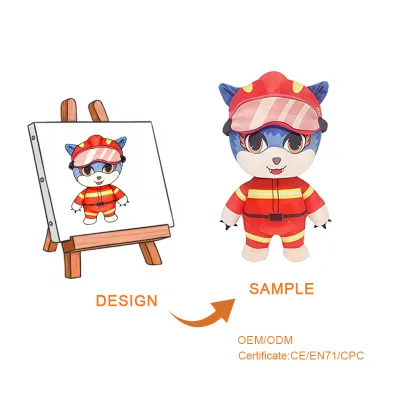
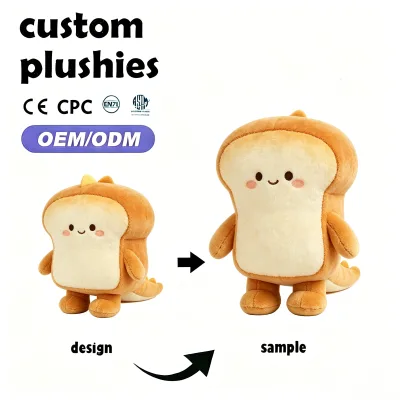
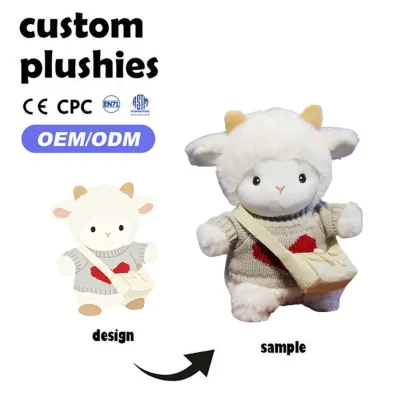
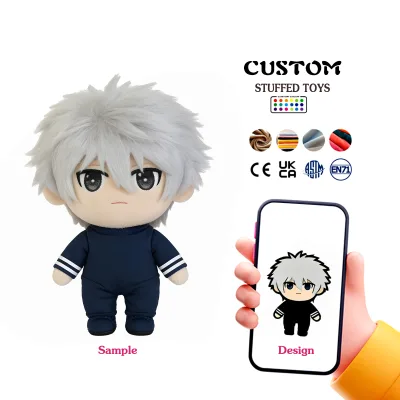
Yes, many suppliers offer both OEM and ODM services. Buyers can customize toy designs, logos, and packaging according to their specific requests. Customization options include unique shapes, colors, and sizes. This flexibility allows brands to create exclusive products that stand out in the competitive toy market.
Where are these plush doll manufacturers located?
Most manufacturers are located in Guangdong, China. This region is a major hub for toy production and offers efficient supply chains. Buyers can expect reliable shipping options from ports like Shenzhen. The concentration of suppliers in this area facilitates easier communication and faster logistics for international orders.