32-bit embedded stm32 microcontroller Suppliers and Manufacturers
Find 23 verified suppliers offering 32-bit embedded stm32 microcontroller components with varying lead times and response speeds. Compare dimensions like location, pricing, and MOQ before contacting vendors directly for quotes; review the available evidence before requesting comparable quotations from suitable candidates.
Updated
Suppliers List

Shenzhen Jin Da Peng Technology Co., Ltd.
- Trading Company
- China Guangdong
- Lead time23 days
- Avg. response≤ 13h
Main productsTransistor, IC, IGBT, Sollcon- Controlled Rectifier, Three End Comstant Voltage
Main marketsSouth America,Others(foreignTradeCapacity.exportBusinessCapacityMarketOther),Southeast Asia/ Mideast,Europe

New Original Chip Electronic Component IC Stm32f107rct6 Microcontroller
$41.00 - $43.90
MOQ: 10 Pieces


Stm32f407zet6 Stm32f407 Chip 512kb 32-Bit Microcontroller Stm Semiconductor
$0.10 - $5.00
MOQ: 100 Pieces


Shenzhen Sinosky Electronics Co., Ltd.
- Verified by SGS
- Trading Company
- China Guangdong
- Lead time15 days
- Avg. response≤ 4h
Main productsIntegrated Circuits, Semiconductor, Transistor, Relays, Connector, Capacitor, Resistor, Switch, Module, LED Diode
Main marketsSouth America,Africa,Southeast Asia/ Mideast,Europe,Australia,North America

Electronic Components Arm Embedded Microcontroller 192kb 32MHz Stm32L072czt6tr
$8.63 - $13.54
MOQ: 10 Pieces

New Original Electronic Parts MCU IC Stm32g474cbt6tr Embedded Microcontroller
$2.38 - $3.39
MOQ: 10 Pieces

Electronic Components Embedded Microcontroller MCU 32-Bit IC Stm32f207igh6
$13.89 - $17.19
MOQ: 10 Pieces

Electronic Components Embedded Microcontroller IC Stm32f102cbt6 for PCB Bom List
$5.98 - $8.87
MOQ: 10 Pieces

Integrated Circuits Embedded Microcontroller MCU IC Chips 64kb 32MHz Stm32L151c8t6a
$1.09 - $1.61
MOQ: 10 Pieces

Stmicroelectronics Brand Semiconductor Embedded Microcontroller MCU IC Stm32f302c8t6
$0.75 - $1.73
MOQ: 10 Pieces
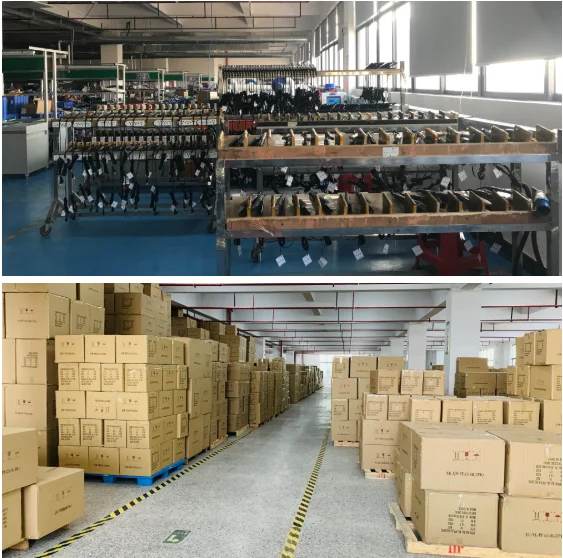
Shenzhen Jianuoxin Technology Co., Ltd.
- Trading Company
- Guangdong, China
- Lead time0 days
- Avg. response≤ 3h
Main productsMicrocontroller,PCB/PCBA,Integrated Circuits,Module/board,Electronic components
Main marketsNorth America(30.00%), Northern Europe(10.00%), Eastern Asia(10.00%), Mid East(10.00%), South Asia(5.00%), Southern Europe(5.00%), Southeast Asia(5.00%), Central America(5.00%), Western Europe(5.00%), Eastern Europe(5.00%), South America(5.00%), Africa(5.00%)
- Trading Company
- Hong Kong S.A.R.
- Lead time7 days
- Avg. response≤ 4h
Main productsResistors,Capacitors,Inductors,Passive Components,Electronic Components
Main marketsNorth America(50.00%), South America(6.00%), Central America(5.00%), Western Europe(5.00%), Eastern Asia(5.00%), Oceania(5.00%), South Asia(5.00%), Southern Europe(5.00%), Northern Europe(5.00%), Eastern Europe(5.00%), Domestic Market(1.00%), Mid East(1.00%), Africa(1.00%), Southeast Asia(1.00%)

ShenZhen Nova Semiconductor Co., Ltd.
- Verified by TUVRHEINLAND
- Trading Company
- China Guangdong
- Lead time15 days
- Avg. response≤ 7h
Main productsIC, Resistor, Capacitor, Sensor, Transistor, Diode, Triode, Passive Components, Drive IC, PCBA
Main marketsSouth America,Southeast Asia/ Mideast,East Asia(Japan/ South Korea),Europe,Australia,North America


Stm32f405rgt6 Electronic Components Integrated Circuit Microcontroller Stm32 Lqfp-64
$0.0001 - $0.10
MOQ: 1 Pieces

Stm32g030c8t6 Electronic Components Integrated Circuit Microcontroller Stm32 Lqfp-48
$0.0001 - $0.10
MOQ: 1 Pieces


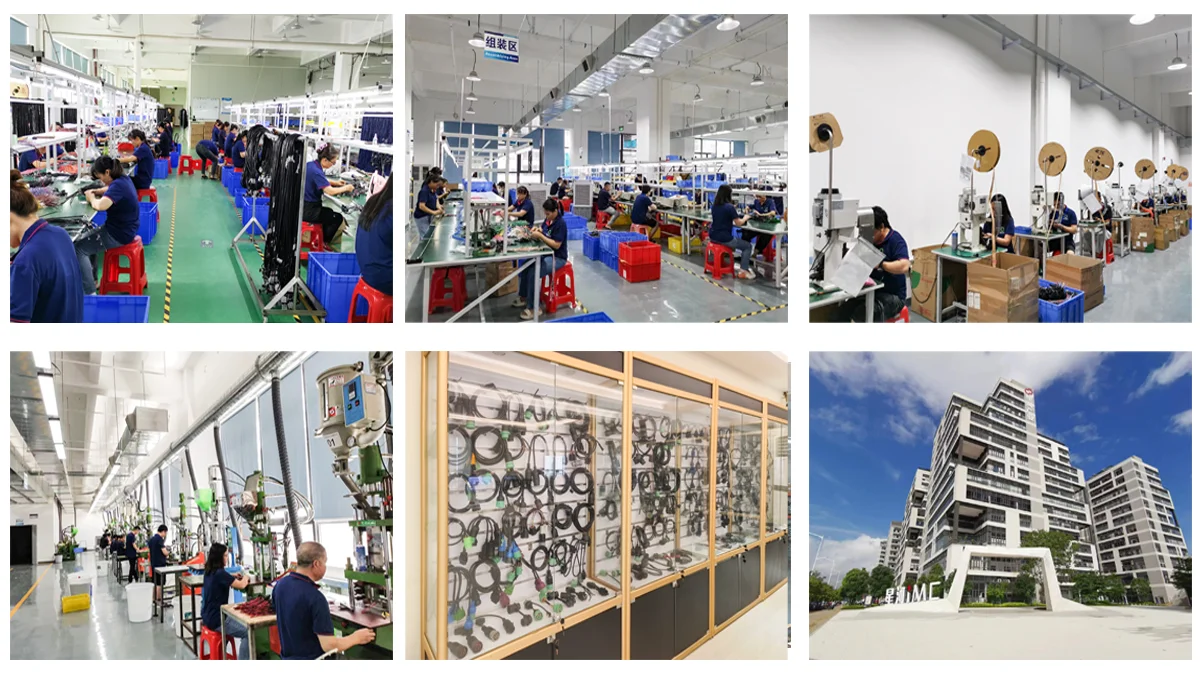
Shenzhen Cactus Electronics Co., Ltd.
- Manufacturer, Trading Company
- Guangdong, China
- Lead time15 days
- Avg. response≤ 6h
Main productsOBD2 Cable/Fleet management harness,Automotive Cables/Automotive Connectors/Antenna Cables,Connectors,Terminals,Electronic components
Main marketsNorth America(50.00%), Eastern Europe(10.00%), Western Europe(8.00%), Domestic Market(5.00%), South America(5.00%), Northern Europe(5.00%), Eastern Asia(5.00%), Southeast Asia(5.00%), South Asia(4.00%), Southern Europe(3.00%)
Shenzhen Anterwell Technology Ltd
- Trading Company
- Guangdong, China
- Lead time2 days
- Avg. response≤ 7h
Main productsIntegrated Circuits,Diodes,Capacitors,Resistors,Transistor
Main marketsSouth America(40.00%), Africa(10.00%), Southeast Asia(10.00%), Domestic Market(5.00%), South Asia(5.00%), Southern Europe(5.00%), Central America(5.00%), Eastern Asia(5.00%), Mid East(5.00%), Eastern Europe(5.00%), North America(5.00%)
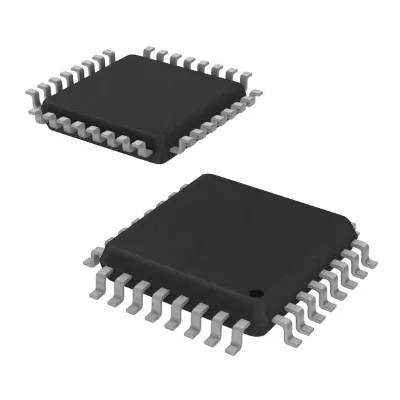
$0.0052 - $0.0062
MOQ: 10 Minimum
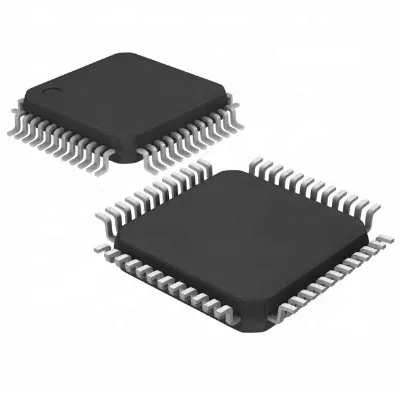
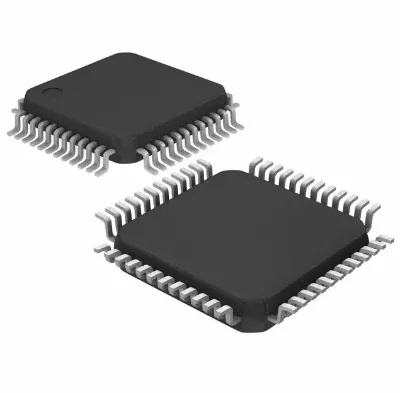
STM32F412RET6TR RISC Microcontroller 32-Bit FLASH CORTEX-M4 CPU 100MHz CMOS PQFP64
$0.0052 - $0.0062
MOQ: 10 Minimum
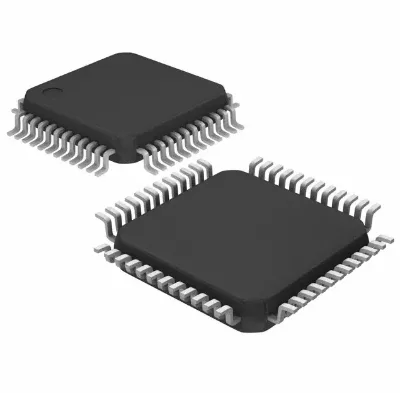
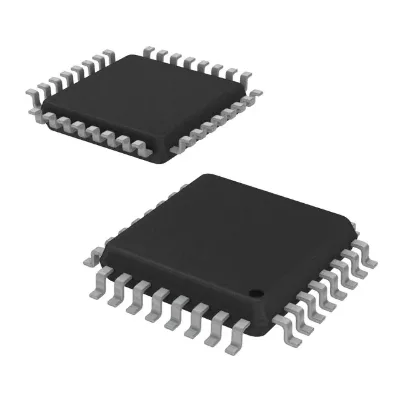
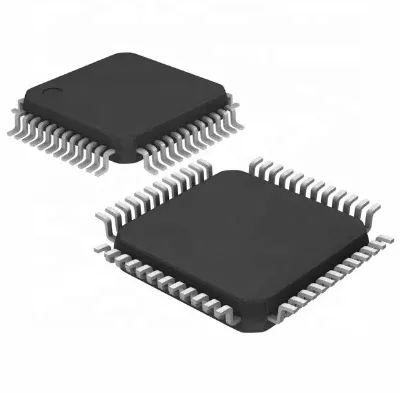
STM32F051R8T6 Operating Frequency Max:48Mhz; Program Memory Size:64Kb
$0.0052 - $0.0062
MOQ: 10 Minimum

Shenzhen Leruan Electronics Co., Ltd.
- Verified by TUVRHEINLAND
- Trading Company
- China Guangdong
- Lead time15 days
- Avg. response≤ 20h
Main productsElectronic Product, SSD, RAM
Main marketsDomestic

Electronic Component Stm32f103 Microcontroller IC MCU Integrated Circuits Stm32f103rbt6
$5.622 - $8.90
MOQ: 100 Pieces


Stm32f407zet6 Stm32f407 Chip 512kb 32-Bit Microcontroller Stm Semiconductor
$0.10 - $4.90
MOQ: 100 Pieces


Buy Electronic Components Online 32-Bit Microcontroller IC 72MHz 512kb Stm32f042f6p6
$0.19 - $0.20
MOQ: 10 Pieces

Emi International (Hk) Co. Ltd
- Verified by SGS
- Manufacturer/Factory
- China Guangdong
- Lead time38 days
- Avg. response≤ 10h
Main productsIntergrated Circuit, IC, Electronic Components, IC Chips, IGBT, Chips, MCU, Fpga, Semiconductors, Electronic Connectors
Main marketsEastern Europe,North America,Eastern Asia,Western Europe


Stm32f429iit6 Semiconductor Integrated Circuit Microcontrollers Voltage Regulators IC Chip
$0.02 - $0.05
MOQ: 1 Pieces
Shenzhen Kezhan Weite Electronics Co., Ltd.
- Trading Company
- Guangdong, China
- Lead time0 days
- Avg. response≤ 4h
Main productsIntegrated Circuit
Main marketsNorth America(40.00%), Southeast Asia(30.00%), Eastern Asia(20.00%), Northern Europe(10.00%)
$0.5172 - $5.1656
MOQ: 1 Minimum
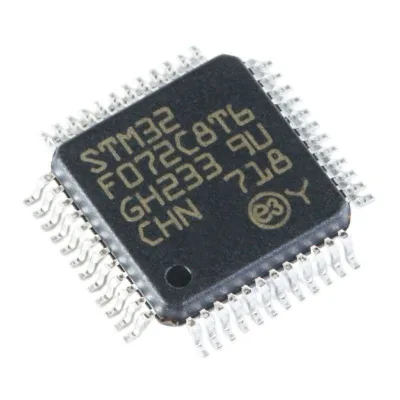
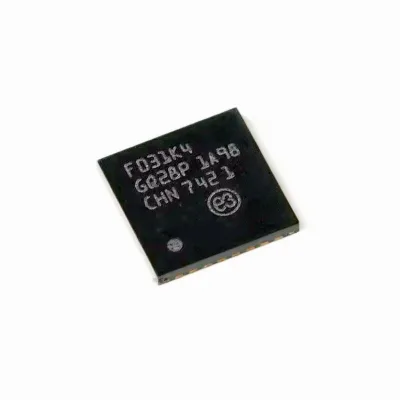
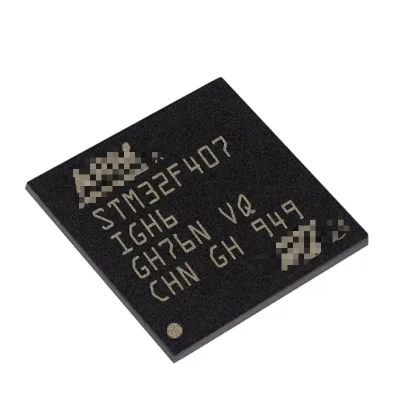
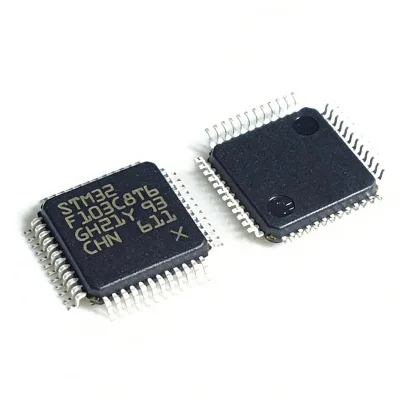
Wholesale High Quality Original Microcontrollers and Processors, Fpga STM32F STM32F407VET6
$0.724 - $1.0343
MOQ: 1 pieces

Coretek (Shenzhen) Electronics Co., Ltd
- Verified by SGS
- Trading Company,Manufacturer/Factory,Group Corporation
- China Guangdong
- Lead time15 days
- Avg. response≤ 3h
Main productsMCU /Arm MCU /Risc-V MCU/Ai Chips, Power Management Ics Pmic DC-DC Converters, Amplifier, Power Devices Mosfet IGBT, Imu CMOS Sensors/Mems/Radar/Tof Sensor, Flash/Emmc, Module, HDD / SSD, Electronic Parts, Electronic Component
Main marketsEastern Europe,Mid East,North America,Southeast Asia,Western Europe

Arm Microcontrollers MCU 32bit Stm32f103c8t6 IC Stm32f103c8t6tr Original
$1.09 - $1.49
MOQ: 2400 Pieces

Stm32f303CCT6 Microcontroller - High-Performance Electronic Component for Projects
$1.65 - $5.90
MOQ: 1000 Pieces

Stm32f303cbt6 Stm32f303cbt6tr Stm32f303 Stm32f Arm Microcontroller MCU IC
$2.10 - $59.90
MOQ: 50 Pieces

- Trading Company
- China Guangdong
- Lead time15 days
- Avg. response≤ 1h
Main productsIC, Capacitor, Resistor, Electronic Components, Integrated Circuit, Transistor, Relay, Diode, MCU, Connector
Main marketsSouth America,East Asia(Japan/ South Korea),Europe

ARM Microcontrollers MCU 32bit STM32F103C8T6 IC STM32F103C8T6TR Original
$1.10 - $1.50
MOQ: 2400 Pieces


Shenzhen Chengfangchip Electronic Technology Co., Ltd.
- Verified by Intertek
- Trading Company
- Lead time0 days
- Avg. response≤ 3h
Main productsPCBA, ICs, Transistor, IGBT, Development Board
Main marketsNorth America(40%), Southeast Asia(20%), Mid East(20%)
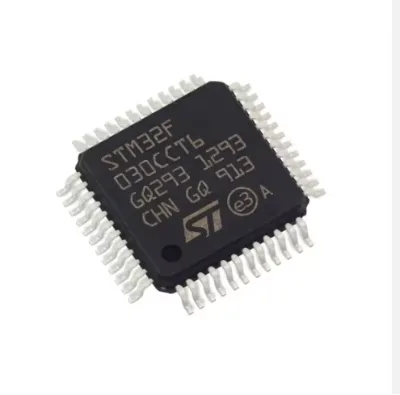
32F030CCT6 32BIT MCU IC 256KB FLASH Integrated Circuits Microcontrollers
$0.6701 - $0.805
MOQ: 10 pieces
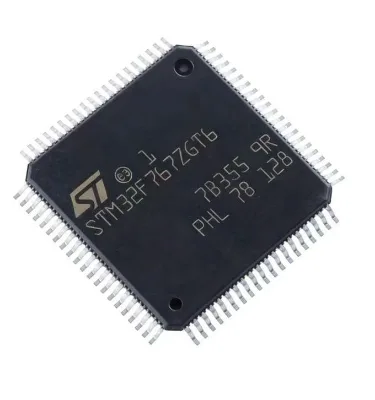
Genuine 32-Bit Microcontroller IC Chip LQFP-144 High Performance Processor Guaranteed Components
$0.2593 - $0.3013
MOQ: 10 pieces

Shenzhen Junbo Trading Co., LTD
- Verified by SGS
- Trading Company
- China Guangdong
- Lead time15 days
- Avg. response≤ 2h
Main productsIC Chip, Integrated Circuit, Electronic Components, PCB, Light Emitting Diode, Memory RAM, SMD, Relay, Resistors, Modules
Main marketsNorth America

High Quality Chips Integrated Circuits Electronic Components Microcontroller Stm32f101zet6
$0.10 - $0.39
MOQ: 1 Pieces

Stm32f072c8t6 Integrated Circuits Chip Embedded Microcontrollers 32f072c8t6 48-Lqfp Original
$0.08 - $0.65
MOQ: 1 Pieces


Stm32f051c8t6 Microcontroller IC MCU 32bit Electronic Component Integrated Circuit Chips Lqfp-48
$0.05 - $3.00
MOQ: 1 Pieces
Shenzhen Cxcw Electronic Co., Ltd.
- Verified by TüVRheinland
- Trading Company
- Lead time3 days
- Avg. response≤ 2h
Main productsIntegrated Circuit, Communication Module, Display Device, Servo Motor, Camera Modules
Main marketsNorth America(20%), Eastern Europe(20%), Southeast Asia(20%)
Shenzhen Juxingzhou Technology Co., Ltd.
- Trading Company
- Guangdong, China
- Lead time0 days
- Avg. response≤ 7h
Main productsDiode, Integrated Circuit, Transistor, Module, Capacitor
Main marketsNorth America(20.00%), Southeast Asia(15.00%), Western Europe(10.00%), Southern Europe(10.00%), Northern Europe(10.00%), Africa(10.00%), Eastern Europe(10.00%), Mid East(10.00%), Eastern Asia(5.00%)
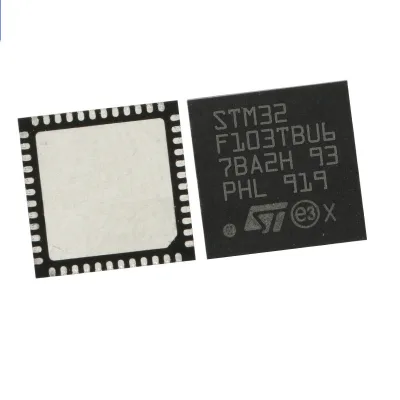
$0.21 - $0.46
MOQ: 1 pieces
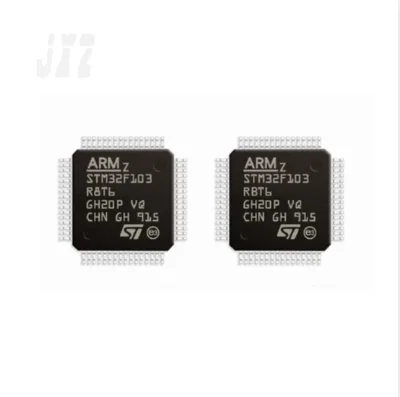
STM32F103 microcontroller MCU cheap factory price Electronic Component Good Sellinq
$0.2159 - $0.4737
MOQ: 5 pieces
Shenzhen Jingmaoyuan Electronics Co., Ltd.
- Trading Company, Agent, Distributor/Wholesaler
- Guangdong, China
- Lead time5 days
- Avg. response≤ 4h
Main productsIC,TRANSISTOR,DOIDE,RESISTOR,CONNECTOR
Main marketsSoutheast Asia(40.00%), North America(20.00%), Western Europe(10.00%), Africa(10.00%), South America(10.00%), Eastern Europe(10.00%)

Shantou City Model Clothing Industry Co., Ltd.
- Manufacturer, Trading Company
- Guangdong Province, China
- Lead time7 days
- Avg. response≤ 2h
Main productsic,MCU,FBGA,IGBT,module
Main marketsNorth America(44.00%), Southeast Asia(18.00%), Western Europe(15.00%), Southern Europe(8.00%), Northern Europe(8.00%), Eastern Europe(7.00%)
Shenzhen Futian Huanqiuxinyida Electronic Firm
- Trading Company, Agent, Distributor/Wholesaler
- Guangdong, China
- Lead time0 days
- Avg. response≤ 7h
Main productsIntegrated Circuits,Supercapacitor,Transistors,Sensors,Modules
Main marketsSouth America(20.00%), North America(20.00%), Northern Europe(10.00%), Eastern Asia(10.00%), Mid East(10.00%), Africa(10.00%), Southeast Asia(10.00%), Eastern Europe(10.00%)
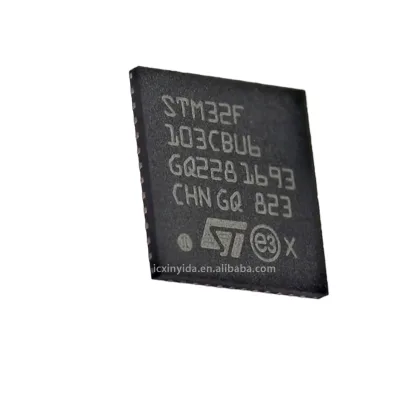
STM32F103CBU6 32-bit Microcontroller IC Chip Package QFN48 Stock Available From Supplier
$3.3203 - $4.1507
MOQ: 1 pieces
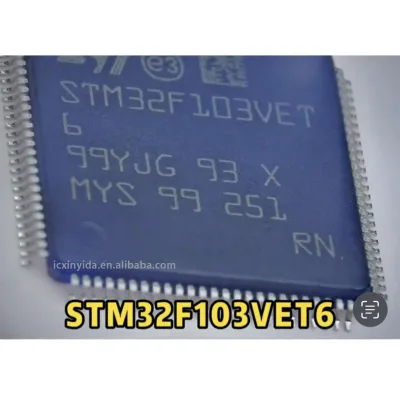
$1.6609 - $2.0761
MOQ: 1 pieces
Shenzhen Gihe Electronics Co., Ltd.
- Trading Company
- Guangdong, China
- Lead time10 days
- Avg. response≤ 9h
Main productsIntegrated Circuits,BGA Chip,Module,Ram,Transistors
Main marketsNorth America(20.00%), Eastern Asia(15.00%), South America(15.00%), Western Europe(10.00%), Mid East(10.00%), Eastern Europe(5.00%), Northern Europe(5.00%), Southeast Asia(5.00%), Southern Europe(5.00%), Africa(3.00%), Central America(3.00%), South Asia(2.00%), Oceania(2.00%)
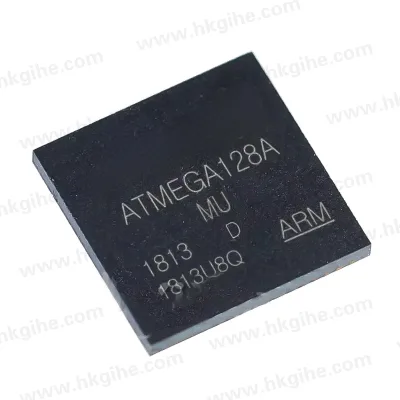
ATMEGA32 New Original Microcontroller Electronic Components Integrated Circuits QFNMCU ATMEGA32-16MU
$0.781 - $0.88
MOQ: 1 Minimum
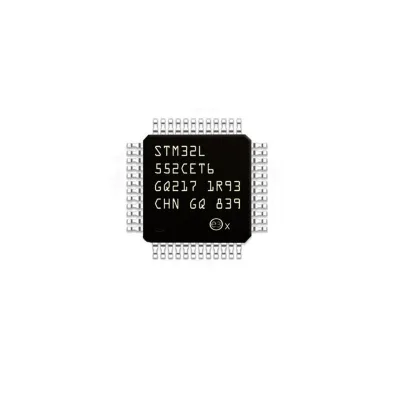
Brand new Hot sale STM32L552CET6 32BIT 512KB 32-bit MCU ARM MICROcontroller LQFP-48 BOM list
$0.50 - $0.80
MOQ: 10 Minimum

Shenzhen New Chip international Ltd
- Verified by TUVRHEINLAND
- Combined
- China Guangdong
- Lead time30 days
- Avg. response≤ 6h
Main productsPCB, PCBA, IC
Main marketsSoutheast Asia/ Mideast
Shenzhen Nanfeng Quancheng Electronics Co., Ltd.
- Agent, Distributor/Wholesaler
- Guangdong, China
- Lead time3 days
- Avg. response≤ 1h
Main productsMicrocontroller MCU,Integrated Circuits IC,RF Transceiver & Modules,PCB/PCBA,Electronic Components BOM
Main marketsEastern Europe(60.00%), Eastern Asia(10.00%), Southern Europe(10.00%), North America(10.00%), Domestic Market(5.00%), Southeast Asia(5.00%)
Shenzhen Goldeleway Electronics Technology Co., Ltd.
- Verified by Intertek
- Trading Company
- Lead time2 days
- Avg. response≤ 4h
Main productsIC Chips, Transistor Diode, IGBT Mosfet, Resistor, PCB PCBA
Main marketsNorth America(25%), South America(15%), Eastern Europe(15%)


Comprehensive Sourcing Guide
32-Bit Embedded Stm32 Microcontroller Supplier Concentration and Factory Types
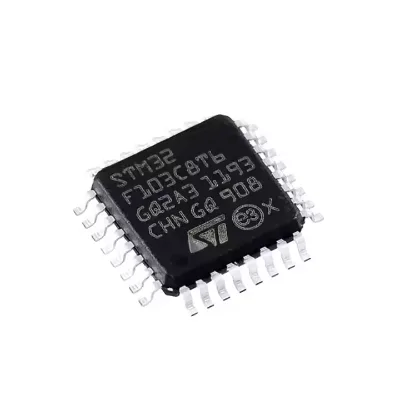
The current supplier landscape for 32-bit embedded Stm32 microcontrollers shows a distinct concentration of trading companies operating out of China Guangdong. This regional cluster is significant because it houses the primary logistics and distribution hubs for electronic components, facilitating rapid movement of goods like the STM32F107RCT6 and STM32F205RBT6. While the data confirms the presence of trading entities in this specific province, it does not explicitly list individual manufacturing factories or their specific establishment years. Buyers should recognize that a trading company structure often implies a focus on aggregation and distribution rather than direct fabrication of the silicon dies themselves.
When evaluating the factory types available, it is crucial to distinguish between pure trading firms and those with potential manufacturing capabilities. The observed data indicates a mix of companies where the primary business type is listed as a Trading Company, yet they offer a broad range of main products including transistors, ICs, and IGBTs. Some suppliers may possess ODM capacity, suggesting they can handle custom packaging or specific configuration requests, but this is not universal across all results. Buyers must verify if a supplier's location in Guangdong correlates with actual assembly lines or if they function primarily as intermediaries sourcing from various manufacturers to fulfill orders for components like the STM32L011F4P6.
How to Verify 32-Bit Embedded Stm32 Microcontroller Suppliers
Verification of suppliers dealing in 32-bit embedded Stm32 microcontrollers requires a rigorous check of their stated credentials against independent validation data. The available facts indicate that some suppliers hold SGS verification status, which serves as a tangible marker of operational legitimacy. However, other suppliers in the results show a system certification status of NIL, meaning no specific quality management certifications are currently displayed in the public record. Buyers should prioritize engaging with suppliers who have undergone third-party verification processes, as this reduces the risk of dealing with entities that lack basic operational oversight or transparency.
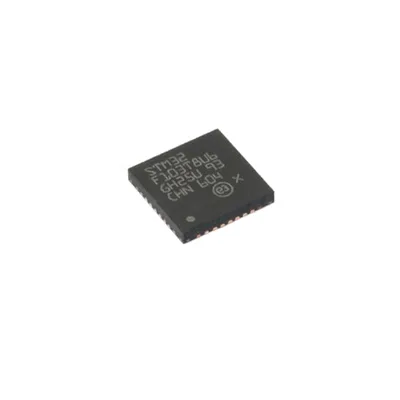
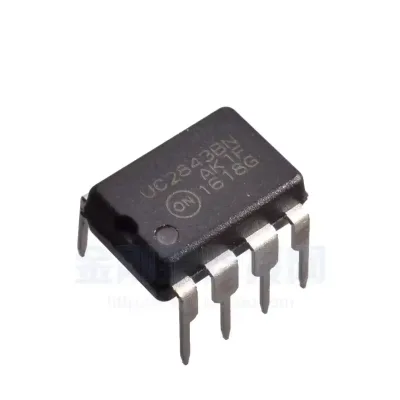
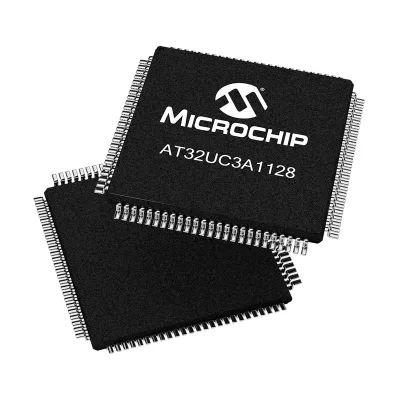
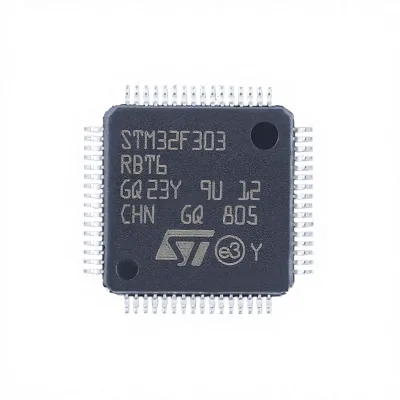
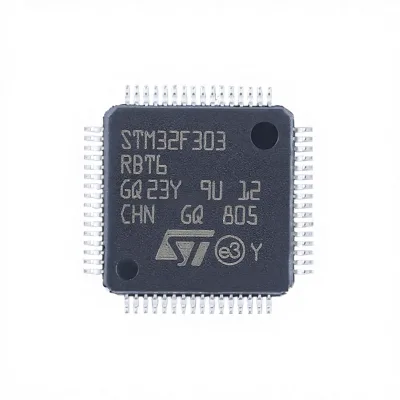
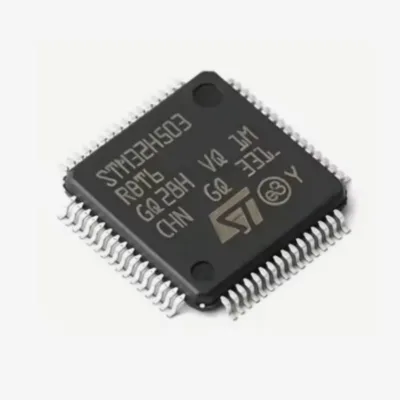
Beyond certification status, buyers must scrutinize the product evidence provided to ensure authenticity and technical accuracy. The data includes detailed attributes such as conductive types, integration levels like LSI or MSI, and specific package cases such as 176-Lqfp or DIP. It is essential to cross-reference these technical specifications with the actual datasheets for the requested microcontroller models to confirm the supplier's inventory matches the required engineering standards. For instance, verifying that a listed product matches the "Stm32f107" base product number and "Arm Cortex M3" core details prevents the receipt of incompatible or counterfeit components. Buyers should request sample documentation or batch traceability reports to validate the "Original" or "Brand New" condition claims found in product descriptions.
What to Compare Across 32-Bit Embedded Stm32 Microcontroller Suppliers
Comparing suppliers requires a systematic analysis of key operational metrics such as lead time, minimum order quantity, and response speed. The observed data reveals a lead time variance ranging from 15 days to 23 days, indicating that delivery schedules are not uniform across the supplier base. Similarly, response times fluctuate significantly, with some entities responding in approximately 3.5 hours while others take over 12 hours. These differences can critically impact project timelines, especially for urgent production runs. Buyers should create a comparison matrix that weighs the urgency of their order against the supplier's historical response and fulfillment speed to select the most reliable partner for their specific schedule.
Minimum order quantities and pricing structures also vary widely and must be evaluated in the context of the buyer's volume requirements. The data shows MOQs ranging from 10 units for certain microcontrollers to 100 units for others, with price points spanning from roughly $1.00 to over $43.00 depending on the specific model and packaging. Some listings display a price range, while others require direct contact for pricing, suggesting that volume discounts or negotiation leverage may be available. Buyers should calculate the total cost of ownership, including the impact of higher MOQs on inventory holding costs, rather than focusing solely on the unit price. Additionally, comparing the main product portfolios helps identify suppliers who specialize in the specific 32-bit microcontroller families needed, ensuring better technical support and stock availability.
Common 32-Bit Embedded Stm32 Microcontroller Sourcing Risks
One of the primary risks in sourcing 32-bit embedded Stm32 microcontrollers involves the potential mismatch between product descriptions and actual inventory quality. The data includes conflicting technical attributes, such as varying conductive types or integration levels for similar product names, which may indicate inconsistent data entry or the listing of obsolete stock. Buyers face the risk of receiving components that do not meet the strict electrical specifications required for their designs, such as the specific voltage supply ranges or operating temperatures. It is vital to verify the "Condition" field, ensuring it explicitly states "Brand New and Original" rather than generic terms that might obscure the true state of the component.
Another significant risk relates to the reliability of shipping and logistics channels, particularly when dealing with international suppliers. The product evidence lists various shipping methods including DHL, UPS, FedEx, and EMS, but does not guarantee on-time delivery or secure handling for every transaction. There is a risk that components may be damaged during transit or that customs delays could disrupt the supply chain, especially if the supplier's location is not clearly defined beyond the general region. Buyers should assess the supplier's track record for handling sensitive electronic components and verify if they offer escrow services or other payment protections to mitigate financial loss in case of non-delivery or product failure.
32-Bit Embedded Stm32 Microcontroller Regional Sourcing and Logistics
Regional sourcing strategies should focus on the confirmed presence of suppliers in China Guangdong, which acts as a central hub for electronic component distribution. This location offers logistical advantages due to its proximity to major ports and established supply chains for integrated circuits. However, buyers must be cautious not to assume that all suppliers in this region have identical capabilities or that the location guarantees superior quality. The concentration of trading companies in this area means that logistics are often managed through third-party freight forwarders rather than direct factory shipping. Buyers should inquire about the specific shipping partners used by the supplier to ensure that the chosen method aligns with their security and speed requirements.
Logistics planning must also account for the variability in lead times and the potential for delays in cross-border transactions. The observed lead times of 15 to 23 days suggest that standard shipping processes are in place, but buyers should confirm if expedited options are available for critical orders. The product evidence mentions various shipping carriers, but the actual performance of these carriers depends on the specific supplier's relationships and the current global logistics environment. Buyers should establish clear communication channels regarding tracking and status updates to monitor the progress of their orders. Additionally, understanding the packaging standards, such as "Standard Packaging" or specific防静电 measures, is essential to prevent damage during the long transit from the manufacturing cluster to the final destination.
32-Bit Embedded Stm32 Microcontroller Commercial Terms and Order Planning
Commercial terms for 32-bit embedded Stm32 microcontrollers vary significantly based on the supplier's pricing model and order volume. The data indicates a wide price range, with some items listed at fixed minimums while others require direct contact for a quote. This variability suggests that buyers should be prepared to negotiate terms that reflect their specific volume needs and long-term partnership potential. It is important to clarify whether the quoted prices include taxes, duties, and shipping costs, as these factors can substantially alter the final cost of the order. Buyers should also verify if the supplier offers any volume discounts or tiered pricing structures that could reduce the unit cost for larger procurement cycles.
Order planning must be aligned with the supplier's minimum order quantities and lead time commitments to ensure a smooth procurement process. With MOQs ranging from 10 to 100 units, buyers need to balance their inventory requirements against the risk of overstocking or understocking. The lead times of 15 to 23 days require careful scheduling to avoid production bottlenecks, especially if the microcontrollers are critical path items. Buyers should establish a buffer stock strategy to account for potential delays and should confirm the supplier's ability to handle rush orders if necessary. Additionally, verifying the payment terms and any escrow options available can provide financial security and ensure that the transaction proceeds smoothly from order placement to final delivery.
FAQs
What is the price range for STM32 microcontrollers?
Prices for STM32 microcontrollers typically range from $0.10 to $43.90 per unit. The final cost depends on the specific model, integration level, and order quantity. Buyers should check the minimum order quantity to determine the exact unit price for their production needs.
What is the minimum order quantity for these chips?
The minimum order quantity varies by product, ranging from 10 to 100 units. Specific models like the STM32F107RCT6 require a minimum of 10 pieces, while the STM32F407ZET6 requires 100 pieces. Buyers must verify the MOQ for their selected component.
How long does delivery take for these components?
Lead times for these electronic components generally range from 15 to 23 days. Suppliers located in China Guangdong typically offer these delivery windows. Buyers should confirm the exact lead time with the supplier before placing an order to ensure production schedules are met.
What is the typical response time for suppliers?
Supplier response times vary, with observed averages ranging from 3.50 to 12.33 hours. Faster response times indicate more active trading companies. Buyers should expect replies within this window when inquiring about stock availability or pricing for specific STM32 microcontroller models.
Are these microcontrollers verified as original components?
Product listings often describe the components as brand new and original. Some suppliers hold SGS verification status. Buyers should request specific test reports or certificates of authenticity to confirm the condition and origin of the integrated circuits before finalizing any purchase agreement.
What packaging options are available for STM32 chips?
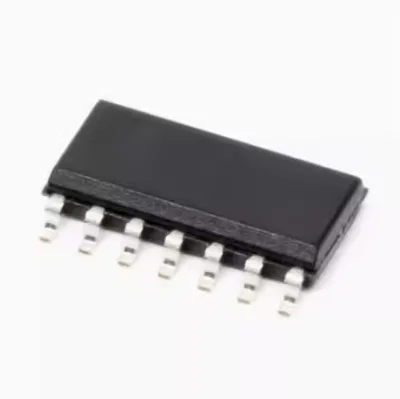
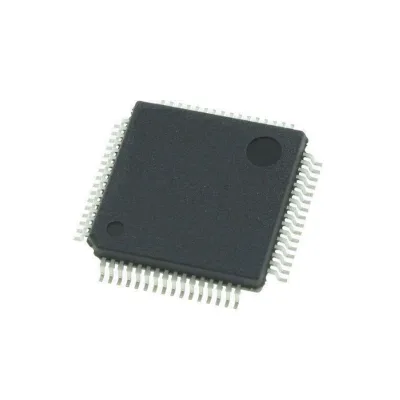
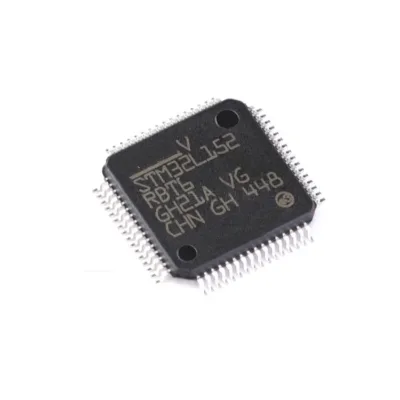
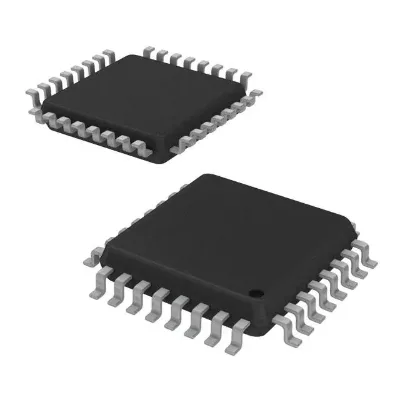
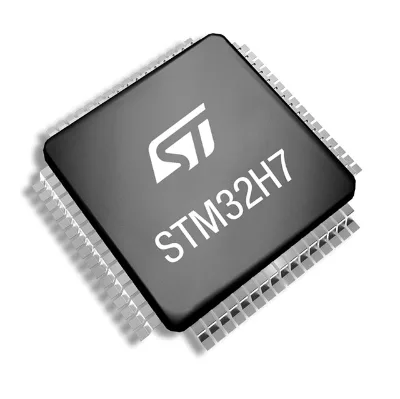
Common packaging styles include LQFP, DIP, and surface mount configurations. Specific models like the STM32F107RCT6 use 176-LQFP packages, while others may use flatpack or low-profile styles. Buyers should verify the package type matches their PCB design requirements when selecting a supplier.