Standard MOSFET Suppliers and Manufacturers in China
Compare 23 verified suppliers of Standard MOSFET based on location, lead time, and certifications like ISO and RoHS. Review product specs such as TO-247AC packaging and response times to select the right source for your needs; review the available evidence before requesting comparable quotations from suitable candidates.
Updated
Suppliers List

Dongguan Merry Electronic Co., Ltd.
- Verified by SGS
- Manufacturer/Factory
- China Guangdong
- Lead time15 days
- Avg. response≤ 3h
Main productsDiode Bridge Rectifier Mosfet Transistor, IGBT Tube IGBT Module Sic Integrated Circuits, Capacitor Resistor and Other Semiconductor, SPD PCBA Sic, Rectifier Schottky Thyristor Crimped Diodemodule, IC Power Silicon Carbide Mosfet, Schottky Diodes Zenner Diodes, Small Signal Diode Power Zenner Diode, Sic Mosfet Diode Modules, Varistor AC/DC DC/DC Converter
Main marketsSouth America,Eastern Europe,Mid East,North America,Southeast Asia,Eastern Asia,Oceania,Western Europe,Africa
Shenzhen Hyst Technology Co., Ltd.
- Trading Company
- Guangdong, China
- Lead time3 days
- Avg. response≤ 4h
Main productsIC Chip, Transistors, Diodes, Electronic Components, Connector
Main marketsDomestic Market(15.00%), Eastern Europe(11.00%), North America(10.00%), South America(10.00%), Western Europe(10.00%), Southeast Asia(8.00%), Southern Europe(6.00%), Mid East(6.00%), South Asia(5.00%), Eastern Asia(5.00%), Northern Europe(5.00%), Central America(4.00%), Oceania(3.00%), Africa(2.00%)
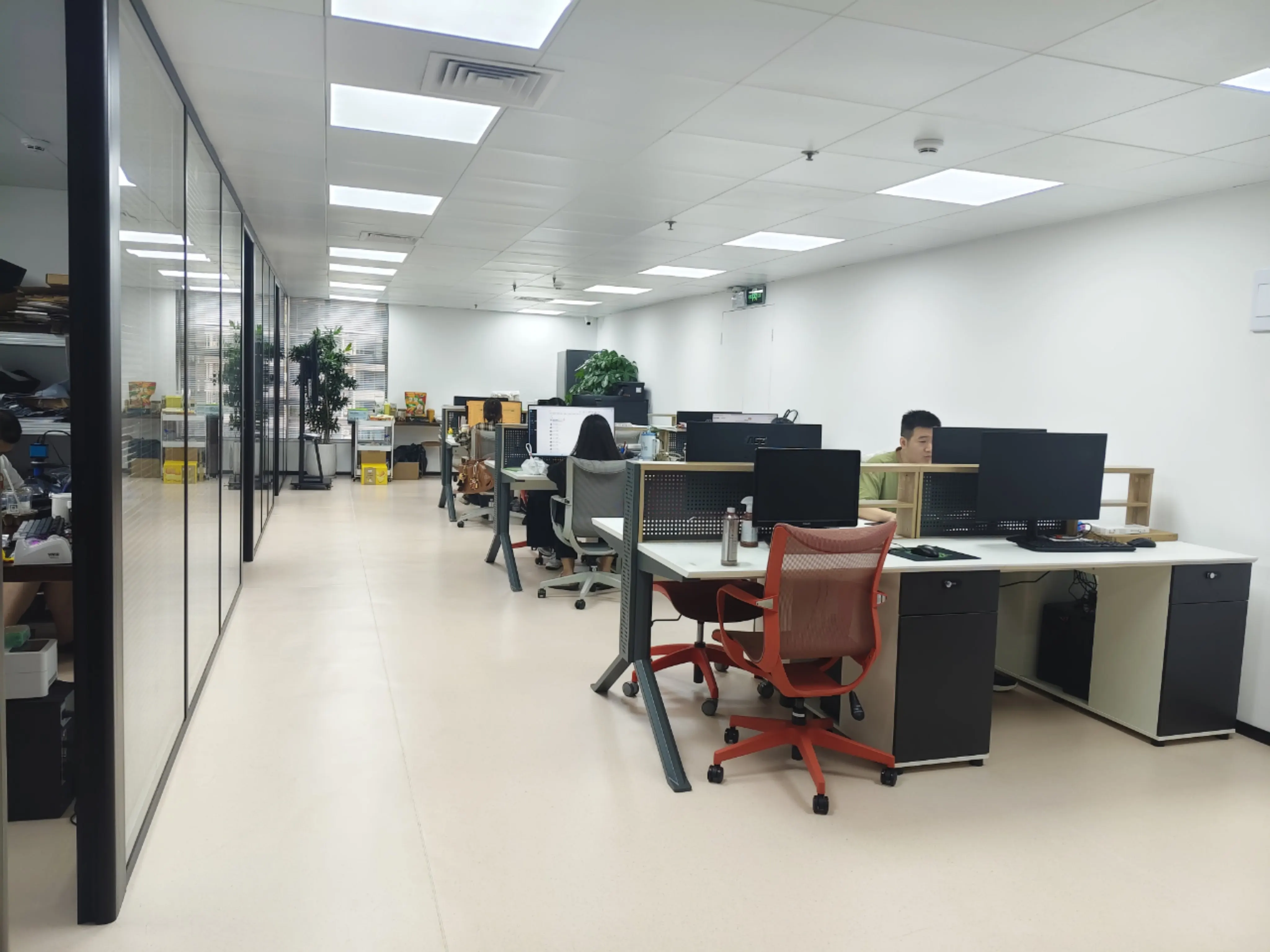
Shenzhen Kezhan Weite Electronics Co., Ltd.
- Trading Company
- Guangdong, China
- Lead time0 days
- Avg. response≤ 4h
Main productsIntegrated Circuit
Main marketsNorth America(40.00%), Southeast Asia(30.00%), Eastern Asia(20.00%), Northern Europe(10.00%)
Shenzhen Chengfangchip Electronic Technology Co., Ltd.
- Verified by Intertek
- Trading Company
- Lead time0 days
- Avg. response≤ 3h
Main productsPCBA, ICs, Transistor, IGBT, Development Board
Main marketsNorth America(40%), Southeast Asia(20%), Mid East(20%)
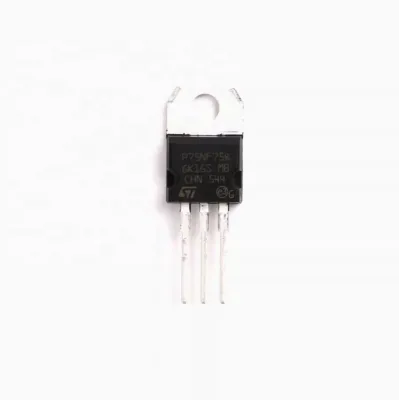
Original P75NF75 75 Volt 80 Amp N-Ch Electronic MOSFET ICs FET MOSFET to 220
$0.19 - $0.21
MOQ: 1 pieces
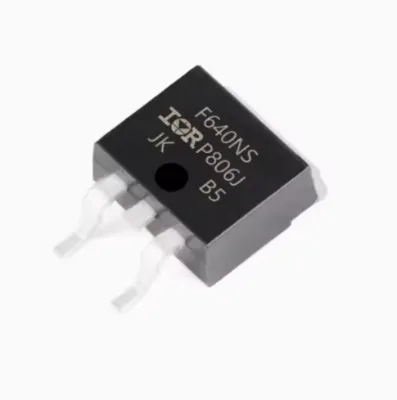
Original N-channel MOSFET IRF640NSTRLPBF (Silk Screen F640NS) TO-263 Package
$0.4122 - $0.5157
MOQ: 10 pieces
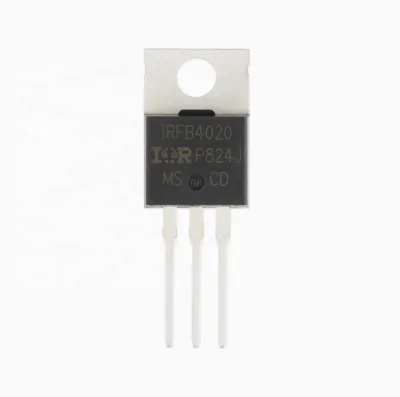
New Original Digital Audio Mosfet Transistor IRFB4020PBF ICs Product Category
$0.0836 - $0.1994
MOQ: 1 pieces

- Trading Company
- China Guangdong
- Lead time15 days
- Avg. response≤ 5h
Main productsElectronic Components, Semiconductor, Charger/Adapter Power Mangement Solution, Integrated Circuit, House Appliance Control Broad Solution Design, PCBA, CKD SKD Components, Mobile Accessories, LED Driver IC, Mosfet/IGBT
Main marketsSoutheast Asia/ Mideast

Shenzhen New Chip international Ltd
- Verified by TUVRHEINLAND
- Combined
- China Guangdong
- Lead time30 days
- Avg. response≤ 6h
Main productsPCB, PCBA, IC
Main marketsSoutheast Asia/ Mideast

- Trading Company
- China Guangdong
- Lead time15 days
- Avg. response≤ 1h
Main productsIC, Capacitor, Resistor, Electronic Components, Integrated Circuit, Transistor, Relay, Diode, MCU, Connector
Main marketsSouth America,East Asia(Japan/ South Korea),Europe

IRF7480MTRPBF IRF7480M MOSFET 40V Single N-Channel HEXFET Power MOSFET
$0.75 - $200.00
MOQ: 1000 Pieces


Nova Import & Export Trade Co., Ltd
- Verified by SGS
- Trading Company
- China Jiangsu
- Lead time15 days
- Avg. response≤ 1h
Main productsMosfet, IGBT, Sic, Transistor, Passive Component
Main marketsEurope


Ssb60r090s2 Electronic Component Industrial Component Mosfet for Battery Management
$5.04 - $10.51
MOQ: 1 Pieces

Shenzhen JiaYiFa Electronics Co., Ltd.
- Trading Company
- Guangdong, China
- Lead time2 days
- Avg. response≤ 2h
Main productsIntegrated Circuit, Diode, Triode, Capacitor, Resistor
Main marketsEastern Asia(8.00%), North America(8.00%), South America(8.00%), Western Europe(8.00%), Southern Europe(8.00%), Central America(8.00%), Northern Europe(8.00%), Africa(8.00%), Eastern Europe(8.00%), Mid East(8.00%), Southeast Asia(8.00%), South Asia(7.00%), Oceania(4.00%), Domestic Market(1.00%)

Shenzhen Leruan Electronics Co., Ltd.
- Verified by TUVRHEINLAND
- Trading Company
- China Guangdong
- Lead time15 days
- Avg. response≤ 20h
Main productsElectronic Product, SSD, RAM
Main marketsDomestic
Jinan Lujing Semiconductor Co., Ltd.
- Manufacturer, Trading Company
- Shandong, China
- Lead time0 days
- Avg. response≤ 2h
Main productsDiode,Transistor,Mosfet,SIC Schottky diode,siicon controlled rectifier
Main marketsSoutheast Asia(50.00%), Domestic Market(30.00%), North America(10.00%), Western Europe(5.00%), South America(3.00%), Eastern Europe(2.00%)

Shenzhen Dannuohong Electronics Co., Ltd.
- Manufacturer, Trading Company, Buying Office, Agent, Distributor/Wholesaler, Other
- Guangdong, China
- Lead time5 days
- Avg. response≤ 7h
Main productsIGBT Module,Smart Module,Rectifier Bridge,Thyristor,IC
Main marketsSouth Asia(15.00%), Eastern Asia(15.00%), Eastern Europe(15.00%), South America(15.00%), North America(15.00%), Western Europe(10.00%), Southeast Asia(10.00%), Southern Europe(10.00%), Northern Europe(10.00%), Domestic Market(10.00%), Africa(5.00%), Mid East(5.00%), Oceania(5.00%), Central America(5.00%)
Shenzhen Mingdewei Electronics Limited
- Verified by Intertek
- Trading Company
- Lead time7 days
- Avg. response≤ 2h
Main productsIntegrated Circuits, PWM Speed Controller Regulator, Power Modules, Gas Sensor , IGBT
Main marketsNorth America(20%), Southeast Asia(15%), South America(10%)

Dongguan Meizhao Electronics Co., Ltd.
- Verified by TUVRHEINLAND
- Manufacturer/Factory
- China Guangdong
- Lead time15 days
- Avg. response≤ 3h
Main productsDiode Bridge Rectifier Mosfet Transistor, IGBT Tube IGBT Module Sic Integrated Circuits, Capacitor Resistor and Other Semiconductor
Main marketsSouth America,Eastern Europe,Mid East,North America,Southeast Asia,Eastern Asia,Oceania,Western Europe,Africa
Shenzhen Ketao Zhengpin Electronics Co., Ltd.
- Trading Company, Buying Office, Agent, Distributor/Wholesaler, Government ministry/Bureau/Commission, Association, Business Service (Transportation, finance, travel, Ads, etc)
- Guangdong, China
- Lead time15 days
- Avg. response≤ 2h
Main productsIC,Diode,Modules,Capacitors,Resistors
Main marketsWestern Europe(25.00%), Central America(15.00%), North America(15.00%), Northern Europe(10.00%), Eastern Europe(10.00%), South America(10.00%), Mid East(10.00%), South Asia(5.00%)
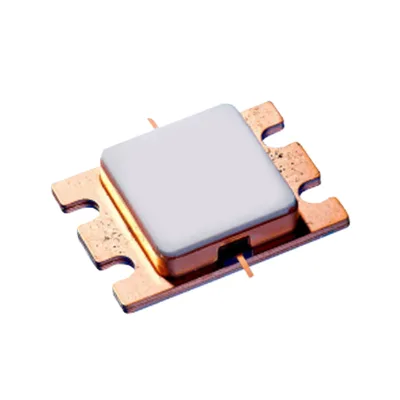
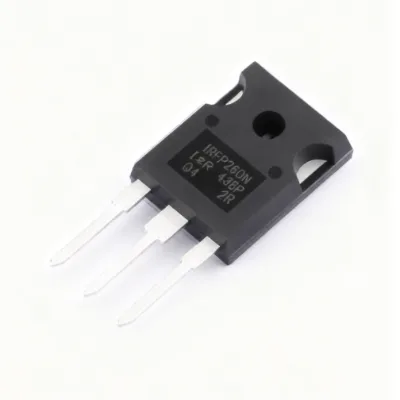
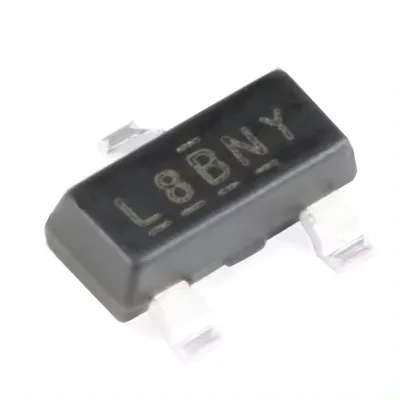
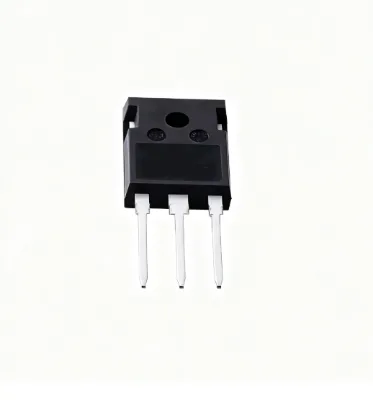
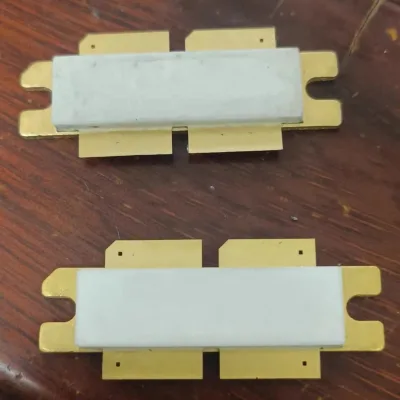
Kotaoblf188xru Transistors Rf Mosfet Ldmos 50v 40ma 108mhz 24.4db 1400w Sot539a Xr
$35.8861
MOQ: 1 Minimum

Shenzhen BST E-Technology Co., Ltd.
- Manufacturer, Trading Company
- Guangdong, China
- Lead time3 days
- Avg. response≤ 2h
Main productsSmart Card Reader,USB Hub,Mouse Jiggler,Integrated Circuit,18650 /21700 battery
Main marketsNorth America(40.00%), Western Europe(20.00%), Eastern Asia(10.00%), Southern Europe(5.00%), Oceania(5.00%), Northern Europe(5.00%), Eastern Europe(5.00%), South America(3.00%), Southeast Asia(3.00%), Domestic Market(2.60%), South Asia(1.00%), Central America(0.20%), Mid East(0.10%), Africa(0.10%)
Shenzhen Allnewsemi Electronic Co., Ltd.
- Trading Company
- Guangdong, China
- Lead time3 days
- Avg. response≤ 7h
Main productsIC -Integrated Circuits-CHIP supplier,Electronic component supplier,BOM list One stop supporting services,Cooling fan,Smart accessories
Main marketsWestern Europe(30.00%), North America(20.00%), South America(10.00%), Domestic Market(5.00%), Eastern Europe(5.00%), Northern Europe(5.00%), Southern Europe(5.00%), Southeast Asia(5.00%), Eastern Asia(3.00%), Mid East(3.00%), South Asia(3.00%), Oceania(2.00%), Central America(2.00%), Africa(2.00%)

Shenzhen Jin Da Peng Technology Co., Ltd.
- Trading Company
- China Guangdong
- Lead time23 days
- Avg. response≤ 13h
Main productsTransistor, IC, IGBT, Sollcon- Controlled Rectifier, Three End Comstant Voltage
Main marketsSouth America,Others(foreignTradeCapacity.exportBusinessCapacityMarketOther),Southeast Asia/ Mideast,Europe


Electronic Components Field Effect Transistor Mosfet Irlr2905trpbf Irlr2950
$0.10 - $0.42
MOQ: 1000 Pieces

Shenzhen Chipworld Electronic Technology Co., Ltd.
- Trading Company, Agent, Distributor/Wholesaler
- Guangdong, China
- Lead time3 days
- Avg. response≤ 1h
Main productsPCB,PCBA,Components,RF
Main marketsSouth America(30.00%), Eastern Europe(30.00%), Southeast Asia(20.00%), North America(20.00%)

Shenzhen Donghan System Technology Co., Ltd.
- Verified by SGS
- Trading Company
- China Guangdong
- Lead time15 days
- Avg. response≤ 3h
Main productsElectronic Components, Integrated Circuits, Microcontrollers, Diodes, Transistors, Capacitors, Resistors, PCBA, IC, PCB
Main marketsDomestic
Shenzhen Beswho Electronic Technology Co., Ltd.
- Verified by TüVRheinland
- Trading Company
- Lead time3 days
- Avg. response≤ 2h
Main productsElectron Component, PLC, RF
Main marketsNorth America(20%), Eastern Europe(15%), Western Europe(15%)
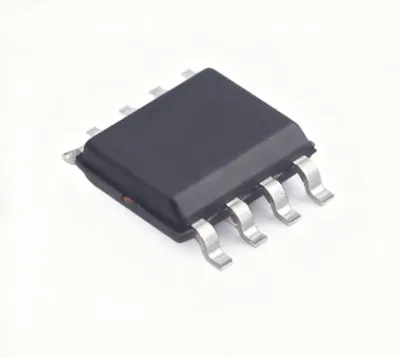
$0.102 - $0.2054
MOQ: 1 Minimum
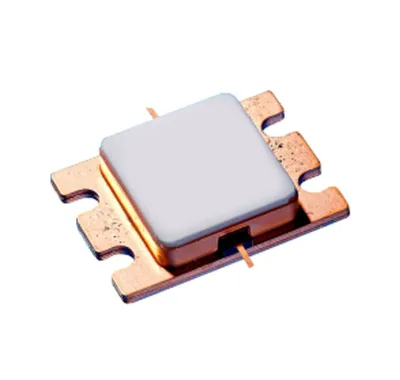
RF Mosfet 40V 1A 7.9GHz ~ 9.6GHz 10.2dB 131W 440210 CGHV96100F2
$1405.9691 - $1509.3491
MOQ: 1 Minimum

Coretek (Shenzhen) Electronics Co., Ltd
- Verified by SGS
- Trading Company,Manufacturer/Factory,Group Corporation
- China Guangdong
- Lead time15 days
- Avg. response≤ 3h
Main productsMCU /Arm MCU /Risc-V MCU/Ai Chips, Power Management Ics Pmic DC-DC Converters, Amplifier, Power Devices Mosfet IGBT, Imu CMOS Sensors/Mems/Radar/Tof Sensor, Flash/Emmc, Module, HDD / SSD, Electronic Parts, Electronic Component
Main marketsEastern Europe,Mid East,North America,Southeast Asia,Western Europe

ShenZhen Nova Semiconductor Co., Ltd.
- Verified by TUVRHEINLAND
- Trading Company
- China Guangdong
- Lead time15 days
- Avg. response≤ 7h
Main productsIC, Resistor, Capacitor, Sensor, Transistor, Diode, Triode, Passive Components, Drive IC, PCBA
Main marketsSouth America,Southeast Asia/ Mideast,East Asia(Japan/ South Korea),Europe,Australia,North America

Ao4427 Ao4430 Ao4435 Ao4437 Ao4438 Ao4440 Ao4441 Ao4442 Ao4443 Mosfet P-CH 30V 12.5A 8soic
$0.0001 - $0.10
MOQ: 1 Pieces

Ao8807 Ao8808A Ao8810 Ao8814 Ao8818 Ao8820 Ao8822 Ao8830 Mosfet 2p-CH 12V 6.5A 8tssop
$0.0001 - $0.10
MOQ: 1 Pieces

Ao6409A Ao6420 Ao6422 Ao6424 Ao6424A Ao6601 Ao6602 Ao6604 Mosfet P-CH 20V 5.5A 6tsop
$0.0001 - $0.10
MOQ: 1 Pieces

Ao6401A Ao6402 Ao6402A Ao6403 Ao6404 Ao6405 Ao6408 Ao6409 Mosfet P-CH 30V 5A 6tsop
$0.0001 - $0.10
MOQ: 1 Pieces




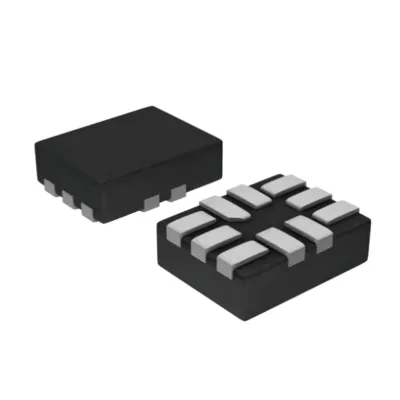
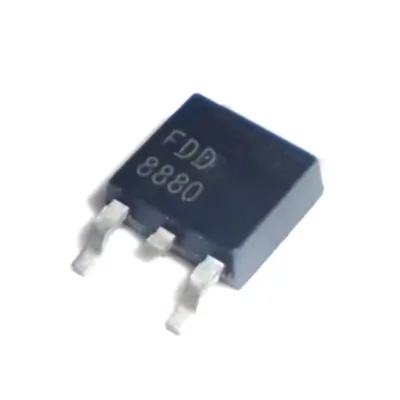


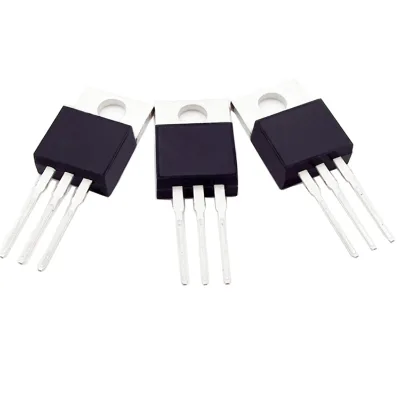
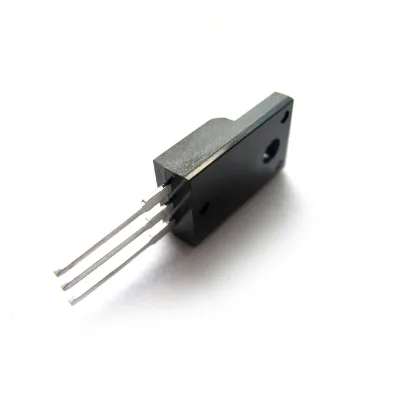
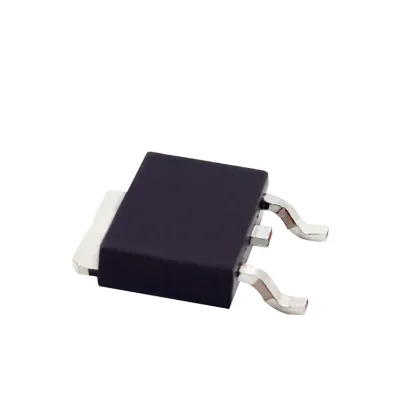
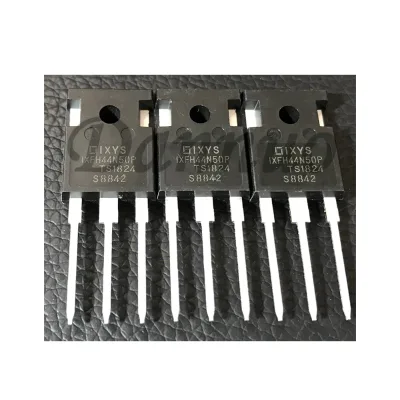
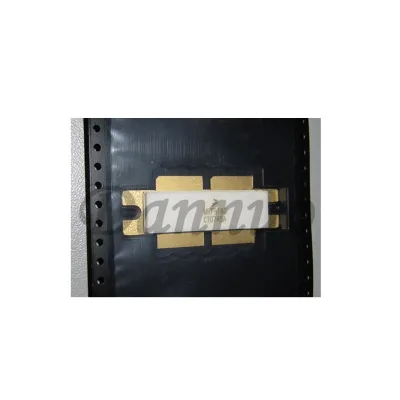
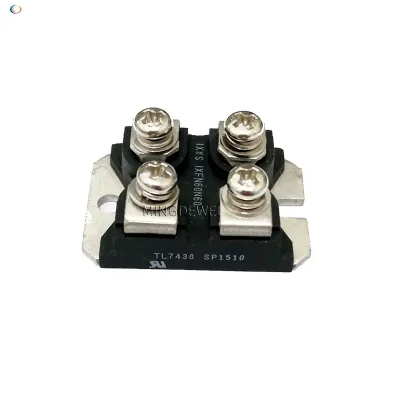
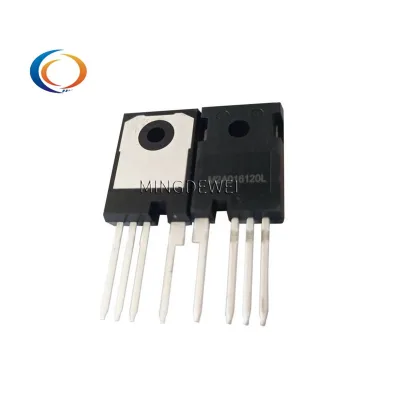


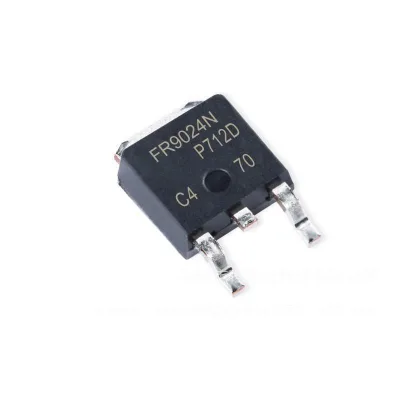
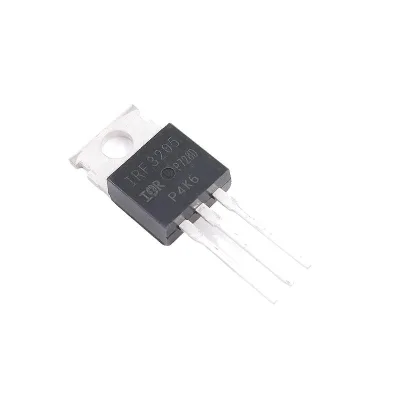
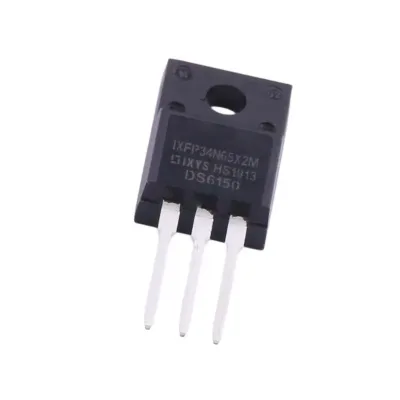
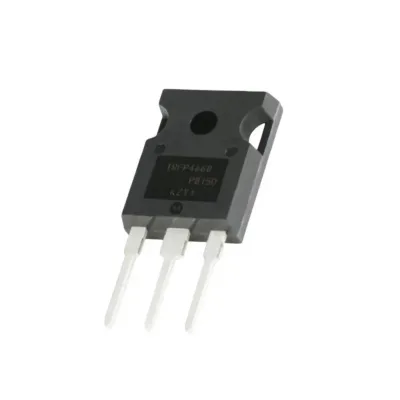
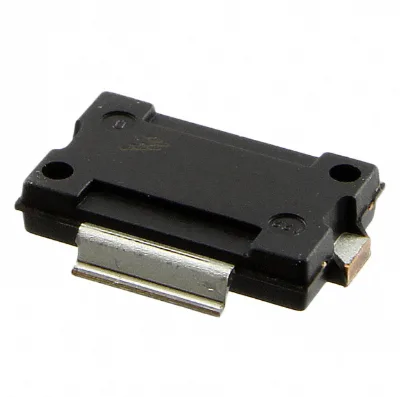
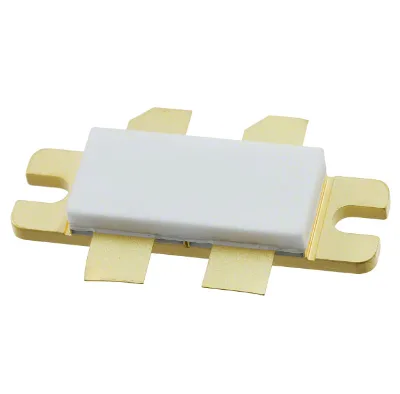


Comprehensive Sourcing Guide
Standard MOSFET Supplier Concentration and Factory Types
The current supplier landscape for standard MOSFETs reveals a distinct split between manufacturing entities and trading companies, each offering different value propositions for procurement teams. Evidence indicates that a significant portion of the available supply originates from manufacturers located in China, specifically within the Guangdong region. These factories are equipped to handle Original Equipment Manufacturer (OEM) and Original Design Manufacturer (ODM) requests, suggesting a capability for customizing components to meet specific engineering requirements. The presence of SGS verification on some of these manufacturing profiles adds a layer of credibility regarding their operational standards and quality control processes. Buyers seeking direct factory relationships often prioritize these entities for long-term volume contracts, as they typically have more control over production schedules and raw material sourcing. The main products listed by these manufacturers often include a broad range of semiconductor devices, such as diode bridge rectifiers, IGBT modules, and various transistor types, indicating a diversified production line that can support complex electronic assembly needs. This concentration in Guangdong highlights the region's established infrastructure for electronic component manufacturing, providing buyers with access to a mature supply chain ecosystem.
In contrast, trading companies also play a crucial role in the Standard MOSFET market, often acting as intermediaries that aggregate inventory from multiple sources. These entities are typically located in major commercial hubs like Shenzhen, leveraging their proximity to logistics networks to facilitate faster distribution. Unlike manufacturers, trading companies may not possess direct production facilities but instead focus on sourcing, quality inspection, and customer service. Their primary advantage lies in flexibility and breadth of inventory, allowing them to fulfill orders for diverse part numbers that a single factory might not stock. For buyers requiring immediate availability of specific standard MOSFETs or those needing to consolidate orders from various semiconductor types, trading companies offer a streamlined procurement experience. However, this model introduces an additional layer in the supply chain, which can impact pricing structures and lead times. Understanding the distinction between these two supplier types is essential for buyers to align their sourcing strategy with their specific operational needs, whether they prioritize direct factory engagement for cost efficiency or the logistical convenience of a trading partner.
How to Verify Standard MOSFET Suppliers
Verifying the authenticity and reliability of Standard MOSFET suppliers requires a rigorous examination of their certification profiles and verification badges. Buyers should prioritize suppliers who display recognized third-party verification marks, such as SGS, which indicates that an independent body has assessed their business operations. Additionally, product-level certifications are critical indicators of compliance and quality. Many standard MOSFETs in the current results are listed with ISO, CE, and RoHS certifications, ensuring that the components meet international standards for safety, environmental regulations, and electromagnetic compatibility. The presence of CCC certification on certain P-channel advanced power MOSFETs further demonstrates adherence to specific regional regulatory requirements. Buyers must carefully review these certifications to ensure they match the intended market and application standards. It is also important to verify that the certifications are current and applicable to the specific product models being sourced, as generic claims may not reflect the actual quality of the batch being delivered.
Beyond certifications, buyers should scrutinize the supplier's response time and communication efficiency as indicators of operational reliability. The data shows response times varying between approximately 2.86 and 4 hours, which serves as a practical metric for assessing how quickly a supplier can address technical queries or order inquiries. A faster response time often correlates with a more responsive customer service team, which is vital for resolving issues related to part specifications or shipping delays. Furthermore, buyers should examine the product attributes listed, such as material composition and encapsulation structure, to ensure they align with technical requirements. For instance, silicon-based planar structures are common, but specific features like glass passivated chips or low forward voltage drops may be necessary for high-performance applications. By cross-referencing these technical details with the supplier's verification status and response metrics, buyers can build a comprehensive profile of each potential partner, reducing the risk of engaging with unreliable vendors.
What to Compare Across Standard MOSFET Suppliers
When evaluating multiple suppliers for standard MOSFETs, lead time and minimum order quantity (MOQ) are pivotal factors that directly impact inventory management and cash flow. The available data reveals a wide range in lead times, with some suppliers offering as little as 3 days, while others require up to 15 days. This variance allows buyers to select partners based on their urgency requirements, balancing speed against cost. Similarly, MOQs vary significantly, with some suppliers requiring as few as 1 unit, which is ideal for prototyping or small-batch production, while others mandate orders of 1000 or even 21,000 units. Understanding these thresholds is crucial for aligning supplier capabilities with production volumes. Buyers should also compare the main products offered by each supplier to ensure they can provide a comprehensive range of components, potentially simplifying the sourcing process by consolidating orders. Suppliers listing diverse product lines, such as ICs, diodes, and connectors, may offer better bundling opportunities and logistical efficiencies.
Price and customization options are another critical dimension for comparison. The price range for standard MOSFETs in the current results spans from as low as $0.01 to over $1.20, reflecting differences in specifications, packaging, and volume discounts. Buyers must analyze these prices in the context of the MOQ and lead time to determine the true cost of ownership. Additionally, the availability of customization services, such as OEM and ODM capabilities, can be a decisive factor for projects requiring unique specifications. Suppliers that explicitly state customization is available offer greater flexibility for tailored solutions. Buyers should also consider the packaging standards, such as plastic packages or specific SMD formats, as these can affect assembly processes. By systematically comparing these attributes, buyers can identify suppliers that offer the best balance of cost, speed, and flexibility, ensuring that their sourcing strategy supports both immediate production needs and long-term scalability.
Common Standard MOSFET Sourcing Risks
One of the primary risks in sourcing standard MOSFETs is the potential mismatch between advertised specifications and actual product performance. Buyers must be vigilant about verifying technical attributes such as breakdown voltage, current ratings, and switching speeds, as these parameters are critical for circuit reliability. The data shows various models with specific features like low gate-to-drain charge or high surge current capability, but buyers should ensure these claims are backed by detailed datasheets and test reports. Another risk is the variability in certification validity; while many suppliers list ISO, CE, and RoHS certifications, buyers must confirm that these apply to the specific parts being ordered. Counterfeit or substandard components can lead to field failures, warranty claims, and reputational damage. Additionally, the reliance on trading companies introduces the risk of opaque supply chains, where the original manufacturer may be unknown or unverified. This lack of transparency can complicate quality assurance efforts and make it difficult to trace defects back to their source.
Logistical and communication risks also pose significant challenges in the sourcing process. Inconsistent response times, as observed in the data, can lead to delays in addressing critical issues such as stockouts or technical discrepancies. Buyers should establish clear communication protocols and expect timely updates on order status. Furthermore, the variability in lead times can disrupt production schedules if not properly managed. Suppliers claiming short lead times may not consistently meet these promises, leading to bottlenecks in the manufacturing process. Buyers should also be cautious of price fluctuations, as quoted prices may not reflect final costs due to shipping, tariffs, or currency exchange rates. To mitigate these risks, buyers should conduct thorough due diligence, including site visits or third-party audits where possible, and establish robust quality control checks upon receipt of goods. By proactively addressing these potential pitfalls, buyers can build a more resilient and reliable supply chain for their Standard MOSFET needs.
Standard MOSFET Regional Sourcing and Logistics
The geographic concentration of Standard MOSFET suppliers in China, particularly in Guangdong and Shenzhen, offers significant logistical advantages for global buyers. This region is a major hub for electronic component manufacturing, providing access to a dense network of suppliers, raw material providers, and logistics services. The proximity of these suppliers to major ports and international shipping routes facilitates efficient export processes, reducing transit times and costs. Buyers sourcing from this region can benefit from the established infrastructure and expertise in handling electronic components, which are often sensitive to static discharge and physical damage. However, buyers must also consider the implications of international shipping, including customs clearance procedures and potential delays due to regulatory inspections. Understanding the specific location of each supplier is crucial for estimating accurate delivery times and calculating total landed costs.
Logistics planning should also account for the packaging and handling requirements of standard MOSFETs. The data indicates that many components are shipped in plastic packages or specific SMD formats, which require careful handling to prevent damage. Buyers should ensure that their suppliers use appropriate packaging standards to protect the components during transit. Additionally, the choice between air and sea freight can impact lead times and costs, with air freight offering speed but higher expenses, and sea freight providing cost savings for larger volumes. Buyers should evaluate these options based on their inventory strategies and production schedules. Furthermore, working with suppliers who have experience in international logistics can help navigate complex shipping regulations and documentation requirements. By leveraging the regional strengths of Guangdong and Shenzhen, buyers can optimize their supply chain for efficiency and reliability, ensuring timely delivery of high-quality standard MOSFETs.
Standard MOSFET Commercial Terms and Order Planning
Effective order planning for standard MOSFETs requires a careful analysis of commercial terms, including payment conditions, warranty policies, and return procedures. Buyers should negotiate clear terms that protect their interests, such as escrow services for secure transactions and defined warranty periods for component reliability. The data shows varying MOQs, which can influence payment structures; larger orders may qualify for better pricing or flexible payment terms. Buyers should also consider the total cost of ownership, including shipping, insurance, and potential duties, when evaluating quotes. Establishing a long-term relationship with a supplier can lead to more favorable commercial terms, such as extended payment periods or priority production slots. It is essential to document all agreed-upon terms in a formal contract to avoid disputes and ensure mutual understanding.
Inventory management is another critical aspect of order planning, as it directly impacts cash flow and production continuity. Buyers should align their order quantities with their production forecasts to minimize excess inventory and reduce holding costs. The availability of low MOQs from some suppliers allows for just-in-time ordering, reducing the need for large stockpiles. However, buyers must balance this with the risk of supply disruptions, which can be mitigated by maintaining relationships with multiple suppliers. Regular communication with suppliers regarding demand forecasts can help ensure consistent availability and potentially secure better pricing. Additionally, buyers should monitor market trends and price fluctuations to optimize purchasing decisions. By implementing a strategic approach to commercial terms and order planning, buyers can enhance their supply chain resilience and achieve greater operational efficiency in sourcing standard MOSFETs.
FAQs
What certifications do Standard MOSFET suppliers provide?
Suppliers typically offer ISO, CE, and RoHS certifications to ensure product quality and environmental compliance. Some manufacturers also provide CCC certification for specific regional markets. These credentials verify that the electronic components meet international safety and performance standards for industrial and consumer applications.
What is the typical lead time for orders?
Lead times generally range from three to fifteen days depending on the supplier type and order volume. Manufacturers often require up to fifteen days for production, while trading companies may deliver within three days using existing stock. Buyers should confirm specific timelines before placing orders.
What is the minimum order quantity for MOSFETs?
Minimum order quantities vary significantly, ranging from one unit for samples to thousands for bulk purchases. Some suppliers require a minimum of one thousand units, while others may set thresholds at twenty-one thousand units. Buyers should check specific product listings to determine the exact MOQ requirements.
Where are Standard MOSFET manufacturers located?
Most suppliers are located in Guangdong, China, particularly in Shenzhen. This region is a major hub for electronic component manufacturing and trading. Buyers can find both manufacturers and trading companies in this area, offering diverse sourcing options for standard MOSFETs and related semiconductor devices.
How quickly do suppliers respond to inquiries?
Response times typically average around three to four hours for most suppliers. Some manufacturers may respond slightly faster, within two to three hours. Prompt communication is essential for clarifying technical specifications and negotiating terms. Buyers should expect timely replies during standard business hours.
What is the price range for standard MOSFETs?
Prices vary widely based on specifications and volume, ranging from approximately zero point zero one to two dollars per unit. Lower-cost options are available for basic components, while specialized high-performance MOSFETs may cost more. Bulk orders often secure better pricing tiers for buyers.