304 Stainless Steel Golden Teapot Suppliers and Manufacturers
Explore 27 verified options for 304 Stainless Steel Golden Teapot from Guangdong and Shantou. Compare response times, lead times, certifications, and pricing to find the right partner. Contact suppliers directly to request samples and confirm MOQs; review the available evidence before requesting comparable quotations from suitable candidates.
Updated
Suppliers List
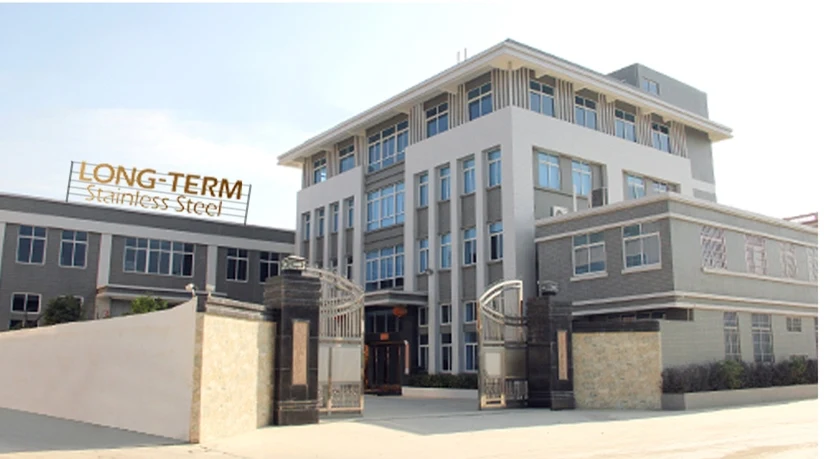
Chaozhou Chaoan Long-Term Stainless Steel Products Co., Ltd.
- Manufacturer, Trading Company
- Guangdong, China
- Lead time30 days
- Avg. response≤ 21h
Main productsStainless Steel Water Kettles, Coffee Pots, Milk Pots, Cookware
Main marketsMid East(60.00%), Mid East(60.00%), North America(20.00%), North America(20.00%), Eastern Europe(15.00%), Eastern Europe(15.00%), Oceania(3.00%), Oceania(3.00%), Southeast Asia(2.00%), Southeast Asia(2.00%), South Asia(0.00%), Eastern Asia(0.00%), South America(0.00%), Western Europe(0.00%), Southern Europe(0.00%), Central America(0.00%), Northern Europe(0.00%), Africa(0.00%), Domestic Market(0.00%), South Asia(0.00%), Eastern Asia(0.00%), South America(0.00%), Western Europe(0.00%), Southern Europe(0.00%), Central America(0.00%), Northern Europe(0.00%), Africa(0.00%), Domestic Market(0.00%)

Shantou Zhiwei Electronic Technology Co., Ltd.
- Combined
- China Guangdong
- Lead time15 days
- Avg. response≤ 9h
Main productsElectronic Prayer Mat
Main marketsOthers(foreignTradeCapacity.exportBusinessCapacityMarketOther),Europe

Chaozhou city Yuechen Stainless Steel Products Co., Ltd.
- Verified by SGS
- Combined
- China Guangdong
- Lead time30 days
- Avg. response≤ 1h
Main productsStainless Steel Kettle
Main marketsDomestic

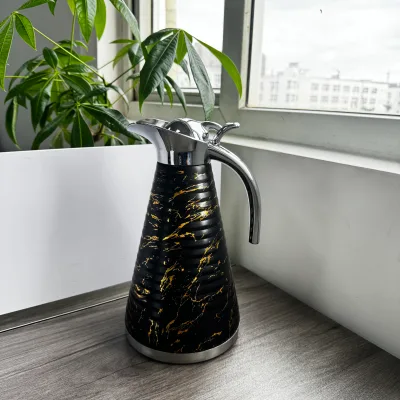
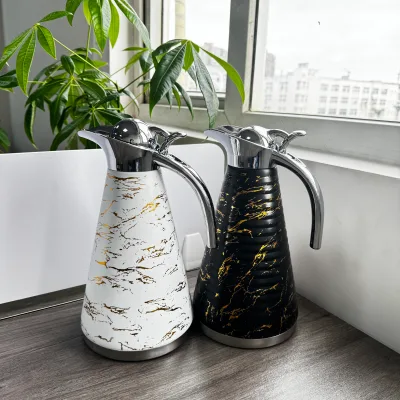
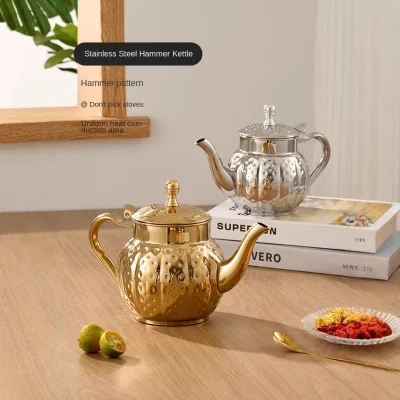
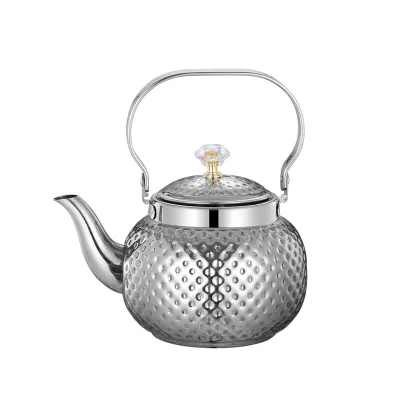
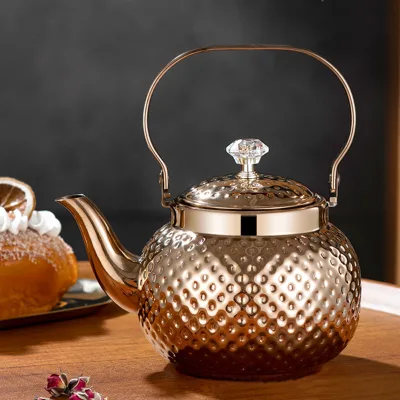
1.5L Elegant Stainless Steel Tea Pot with Golden Accents for Stylish Serving
$3.06 - $4.37
MOQ: 1000 Pieces

1.0L Elegant Stainless Steel Tea Pot with Golden Accents for Stylish Serving
$3.06 - $4.37
MOQ: 1000 Pieces

2.5L Elegant Stainless Steel Tea Pot with Golden Accents for Stylish Serving
$3.06 - $4.37
MOQ: 1000 Pieces

2.0L Elegant Stainless Steel Tea Pot with Golden Accents for Stylish Serving
$3.06 - $4.37
MOQ: 1000 Pieces


Shenzhen Bogart Kitchenware Co., Ltd.
- Verified by TüVRheinland
- Trading Company
- Lead time15 days
- Avg. response≤ 2h
Main productsCoffee & Tea Sets, Matcha Tools, Portable Coffee Maker, Coffee Tumbler & Mugs, Coffee Accessories
Main marketsMid East(30%), North America(20%), Western Europe(13%)
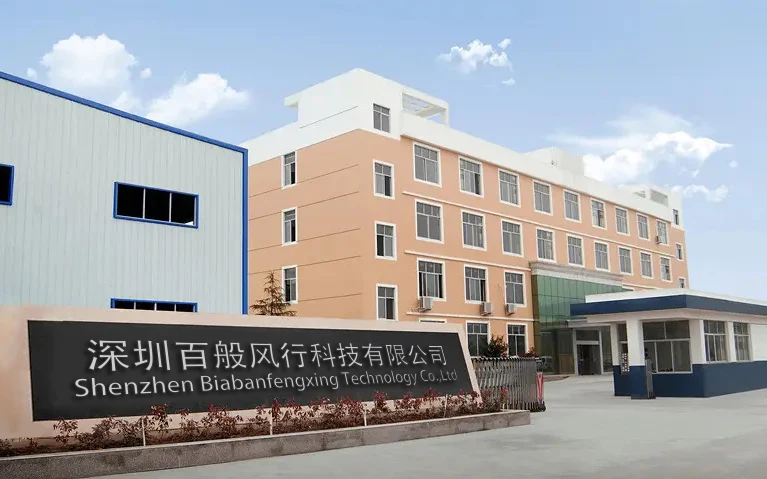
Shenzhen Baibanfengxing Technology Co., Ltd.
- Manufacturer, Trading Company
- Guangdong Province, China
- Lead time5 days
- Avg. response≤ 3h
Main productshousehold products,Kitchen supplies
Main marketsDomestic Market(20.00%), Eastern Europe(15.00%), North America(15.00%), Western Europe(10.00%), Southern Europe(10.00%), Northern Europe(10.00%), South America(5.00%), Mid East(5.00%), Southeast Asia(5.00%), Central America(5.00%)
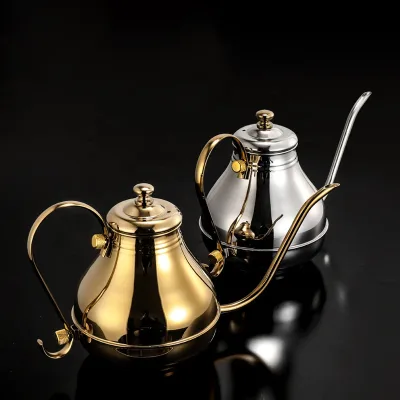
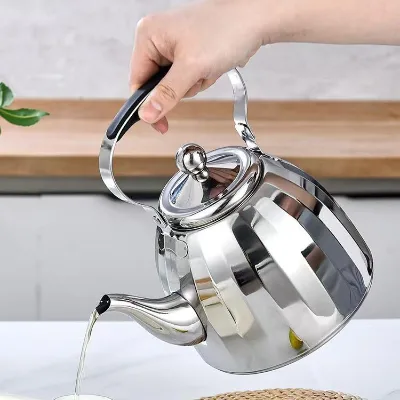
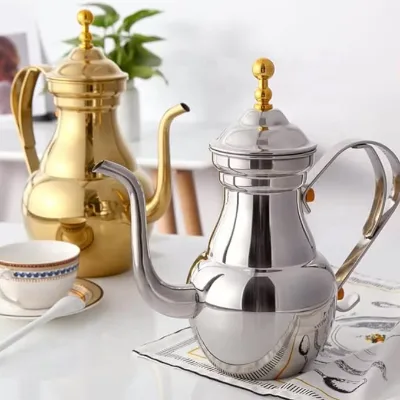
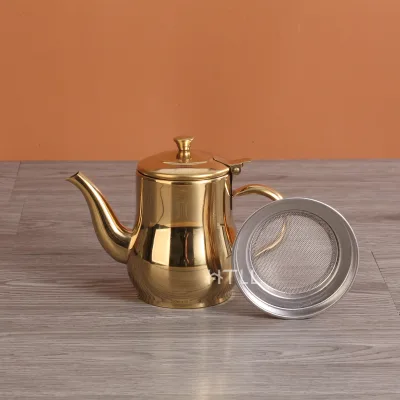
Thickened Stainless Steel Teapot Long Spout with Filter Screen Flower Teapot
$9.89 - $15.99
MOQ: 10 Minimum
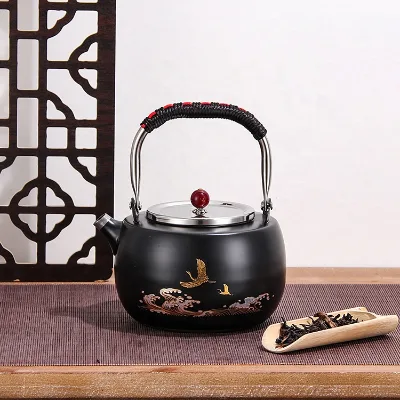
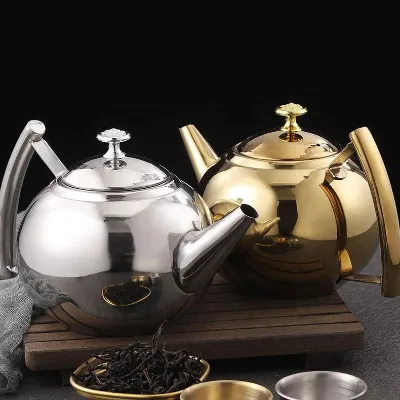
- Trading Company
- Lead time旺季: "1 - 1000":61,"> 1000":"To be negotiated", 淡季: "1 - 1000":61,"> 1000":"To be negotiated"
- Avg. response≤ 4h
Main productsStainless Steel Cups/Stainless Steel Wine Glasses/Stainless Steel Ice Bucket
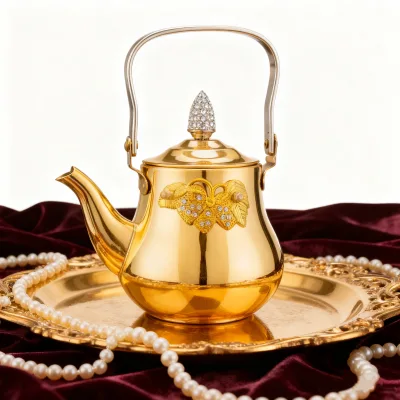
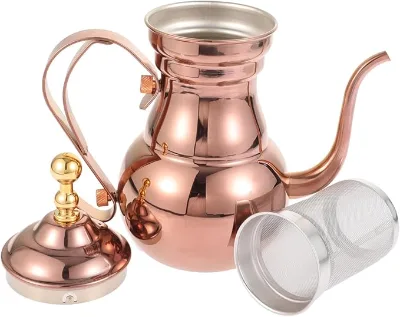
304 Stainless Steel Tea Pot with Lid Heat Resistant Stovetop Safe Teapot for Loose Leaf Tea
$6.6751 - $7.1215
MOQ: 100 pieces

Shenzhen Timlife Industry Limited
- Verified by TUVRHEINLAND
- Manufacturer/Factory
- China Guangdong
- Lead time60 days
- Avg. response≤ 3h
Main productsKitchenware, Homeware, Electrical Appliances
Main marketsSouth America,Eastern Europe,Mid East,North America,Southeast Asia,Eastern Asia,Oceania,Western Europe,Africa


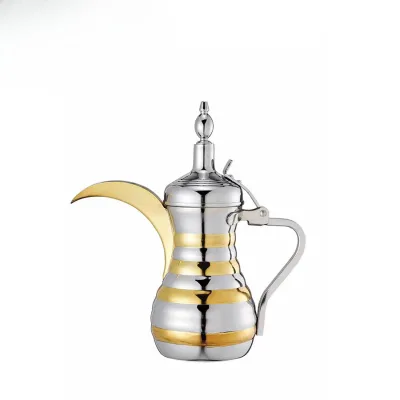
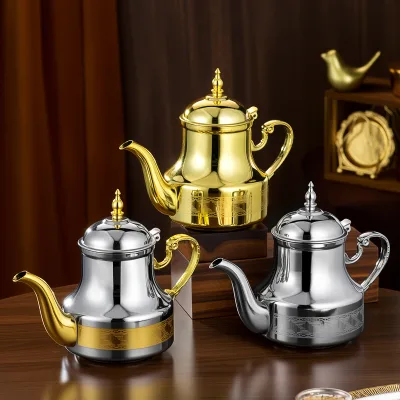
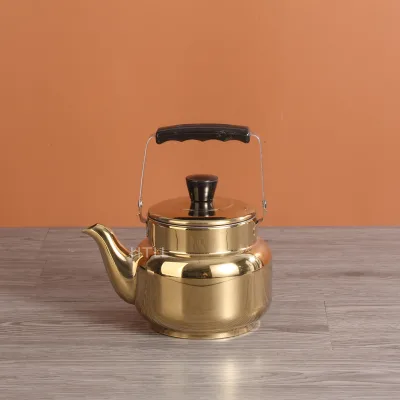
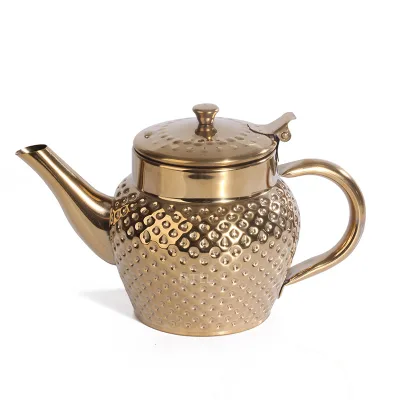
Stainless Steel Gold Tea Pot Coffee Pot Arabic Turkish Morocco Tea Kettle
$3.00 - $4.00
MOQ: 1000 Pieces

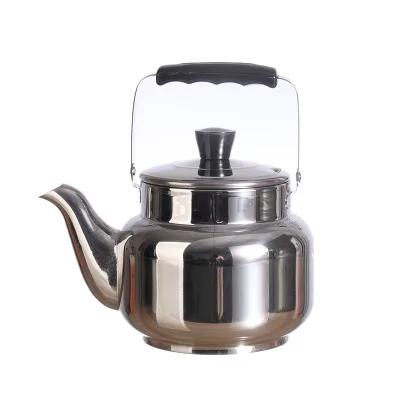
Silver Stainless Steel Teapot Hot Selling Inox Tea Kettle Arabic Coffee Pot Wholesales
$3.00 - $4.00
MOQ: 1000 Pieces
Chaozhou Chaoan Caitang Guangcheng Stainless Steel Product Factory
- Verified by SGS Group
- Manufacturer, Trading Company
- Lead time20 days
- Avg. response≤ 5h
Main productsSteam Pot, Storage Boxes & Bins; Food Container, Kettle, Soup Pot, Food Container
Main marketsEastern Asia(30%), Southeast Asia(15%), North America(10%)
Ekephy Industrial Co., Limited
- Trading Company
- Hong Kong S.A.R.
- Lead time40 days
- Avg. response≤ 13h
Main productsCookware, Coffeeware, Kitchenware, Bakeware, Houseware
Main marketsNorth America(40.00%), Eastern Europe(20.00%), Southern Europe(10.00%), Western Europe(10.00%), Northern Europe(5.00%), South America(5.00%), Eastern Asia(5.00%), Central America(4.00%), Africa(1.00%)
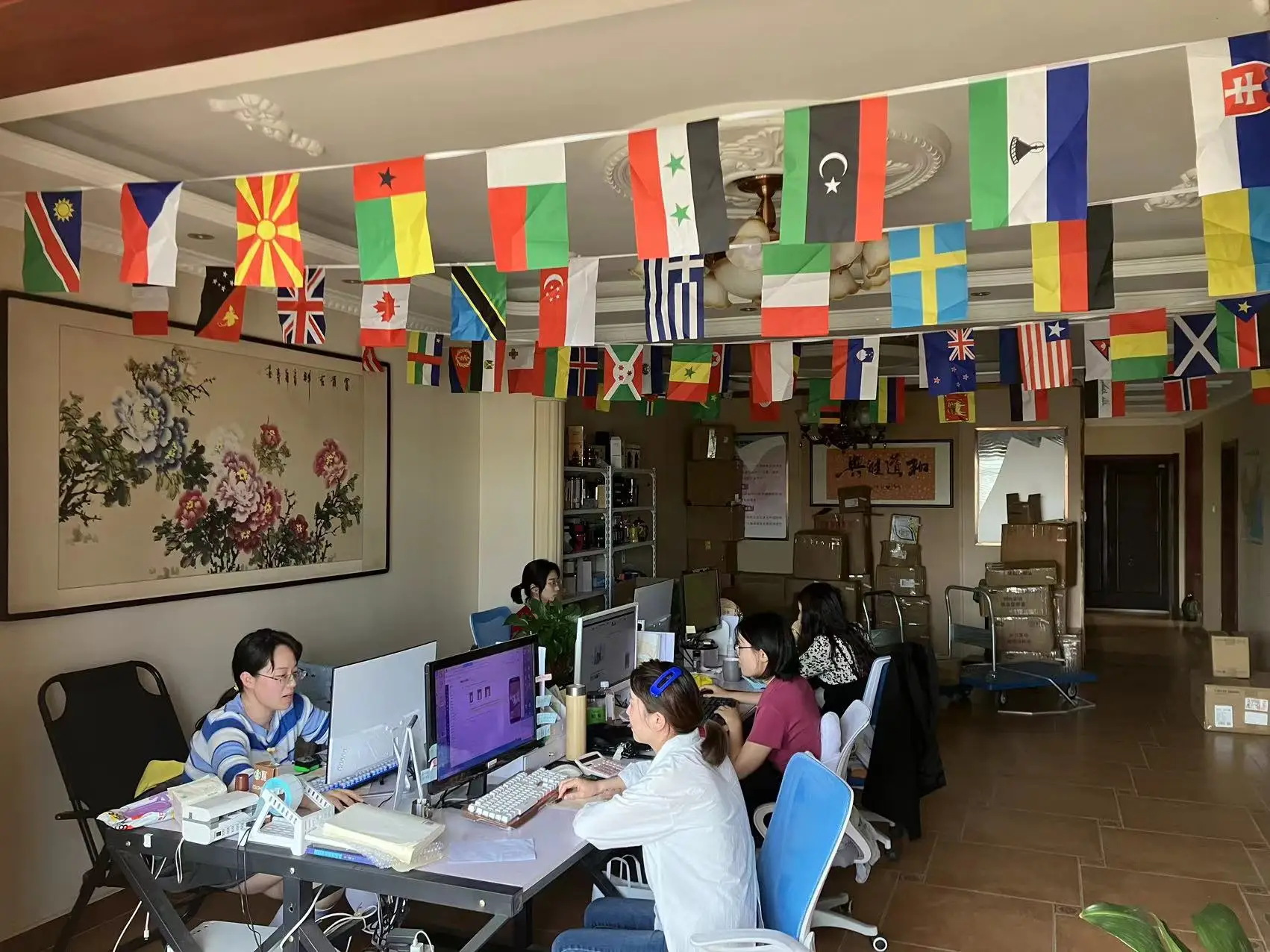
Henan Jbett Industrial Technology Co., Ltd.
- Trading Company
- Henan, China
- Lead time0 days
- Avg. response≤ 6h
Main productsBBQ Grills,Smoking Accessories,Bar tools,kitchen gadgets,Cigar accessories
Main marketsNorth America(80.00%), Western Europe(20.00%)

Foshan Dumi Building Material Co., Limited
- Verified by SGS
- Trading Company,Manufacturer/Factory
- China Guangdong
- Lead time0 days
- Avg. response≤ 4h
Main productsPVC Profiles, Window and Door Accessories, Metal Products, Plastic Products, Building Materials, Corner Beads, Tile Trims, Silicone Sealant, Rivet, Rubber Seal Strip
Main marketsEastern Europe,Southeast Asia,Oceania,Western Europe,Africa

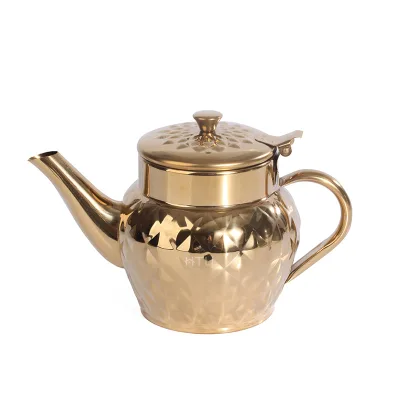
Classic Gold Copper Colored 1.1L 1.4L 1.6L Stainless Steel Coffee Pot Teapot
$4.75 - $5.00
MOQ: 100 Pieces

Drinkware Tea Serving Gold Color Turkish Tea Pot 1.3L 1.6L 1.8L Stainless Steel Teapot for Home
$4.75 - $5.00
MOQ: 100 Pieces

High Quality Stainless Steel Arabia Teapot Tea Sets Tea Kettle Gold Tea Pot
$4.75 - $5.00
MOQ: 100 Pieces

Luxury Fine Quality High-End Marketstainless Steel SS304 Agadir Gold Set Teapot
$4.75 - $5.00
MOQ: 100 Pieces


- Verified by TUVRHEINLAND
- Trading Company,Manufacturer/Factory
- China Guangdong
- Lead time45 days
- Avg. response≤ 4h
Main productsStainless Steel Cookware, Stainless Steel Untensil, Stainless Steel Kitchenware, Stainless Steel Colander Bowl, Stainless Steel G. N Pan, Stainless Steel Pressure Cooker, Stainless Steel Buckets, Stainless Steel Dishes Rack, Stainless Steel Chafing Dishes, Stainless Steel Fittings
Main marketsSouth America,Eastern Europe,Mid East,North America,Southeast Asia,Eastern Asia,Oceania,Western Europe,Africa

Chaozhou Chao'an Caitang Caibao Stainless Steel Products Factory
- Manufacturer, Trading Company
- Guangdong, China
- Lead time15 days
- Avg. response≤ 2h
Main productsStainless steel barrel,Stainless steel cup,Stainless steel pot,Stainless steel plate,Stainless steel tableware
Main marketsEastern Asia(30.00%), Oceania(20.00%), Northern Europe(20.00%), Mid East(15.00%), North America(15.00%), Africa(15.00%), Southeast Asia(15.00%), Southern Europe(10.00%), Western Europe(10.00%), Eastern Europe(10.00%), Domestic Market(5.00%), South Asia(5.00%), Central America(5.00%), South America(5.00%)
Shenzhen Albus Industry And Trade Co., Ltd.
- Manufacturer, Trading Company, Distributor/Wholesaler
- Guangdong, China
- Lead time20 days
- Avg. response≤ 2h
Main productsBaking pan,Metal Rack,Bar tools,kitchen utensils
Main marketsWestern Europe(30.00%), North America(20.00%), Northern Europe(10.00%), Mid East(10.00%), Eastern Europe(10.00%), Southeast Asia(5.00%), Eastern Asia(5.00%), South Asia(2.00%), Southern Europe(2.00%), Africa(2.00%), Central America(2.00%), Oceania(2.00%), South America(2.00%)

Hebei Xingchen Glass Technology Co., Ltd.
- Verified by CTI
- Combined
- China Hebei
- Lead time30 days
- Avg. response≤ 9h
Main productsGlass Cup, French Press, Coffee Pot, Glass Jar, Teapot, Syphon Coffee Maker, Glass Cooking Pot, Glass Pitcher, Glass Straw, Glass Teacup
Main marketsSouth America,Africa,Others(foreignTradeCapacity.exportBusinessCapacityMarketOther),Southeast Asia/ Mideast,East Asia(Japan/ South Korea),Europe,Australia,North America


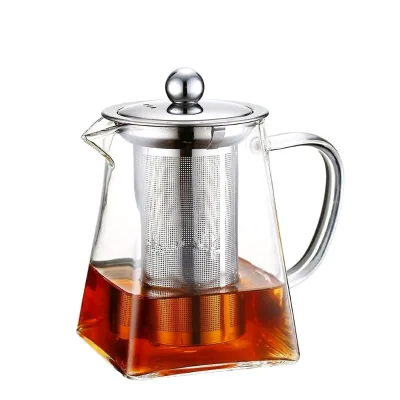
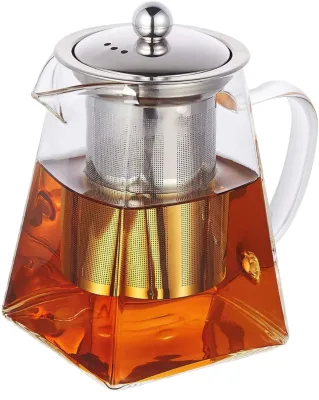
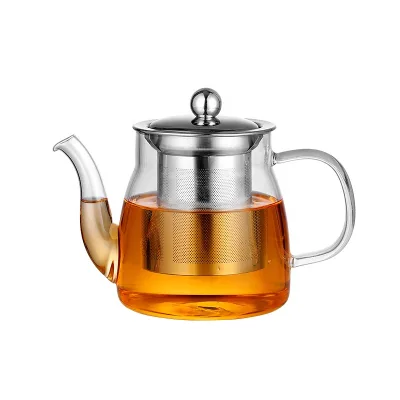
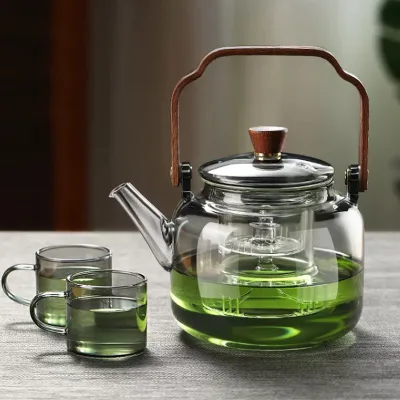
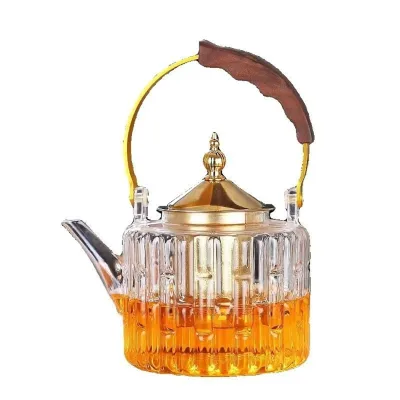
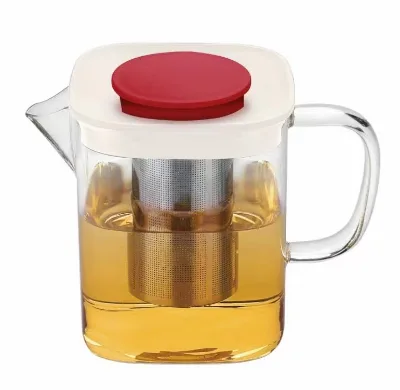
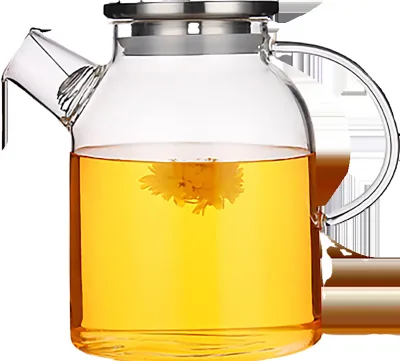
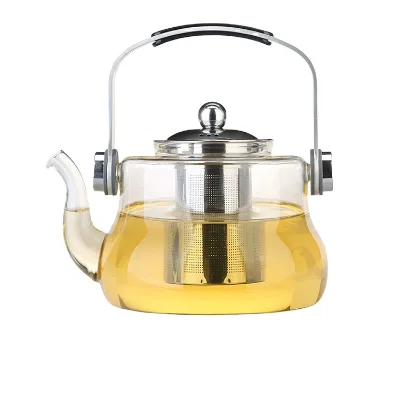
Hot Sale Custom Heat Resistant Glass Teapot with Removable Stainless Steel Infuse
$2.95 - $5.35
MOQ: 500 Pieces

High Quality Stainless Steel Handcrafted Borosilicate Glass Teapot with Removable Infuser
$2.38 - $3.15
MOQ: 500 Pieces
Jiangmen Xinhui Yitai Stainless Steel Co., Ltd.
- Verified by TüVRheinland
- Manufacturer
- Lead time45 days
- Avg. response≤ 10h
Main productsFrench Press, Moka Pot, Teapot, Coffee Kettle, Whistling Kettle
Main marketsNorth America(50%), Western Europe(20%), South America(10%)
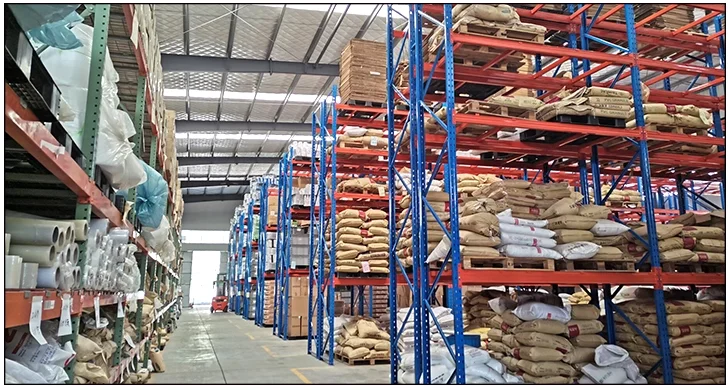
Zhengzhou Estarlink coffee Co., Ltd
- Trading Company
- Henan, China
- Lead time0 days
- Avg. response≤ 6h
Main productsCoffee Grinder,Coffee Pot,Coffee Machine,Coffee Makers,Coffee Tools
Main marketsNorth America(21.00%), Mid East(17.00%), Western Europe(15.00%), Oceania(10.00%), Southeast Asia(10.00%), Domestic Market(7.00%), Northern Europe(5.00%), Eastern Asia(5.00%), South America(4.00%), Eastern Europe(3.00%), Southern Europe(3.00%)
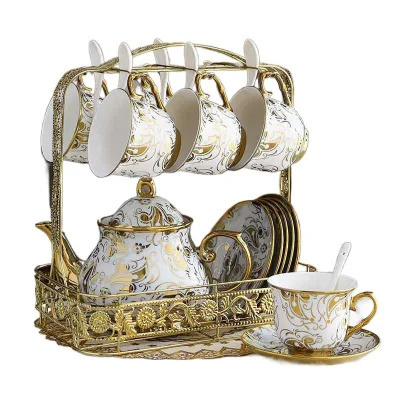
$5.8048 - $11.4223
MOQ: 10 sets
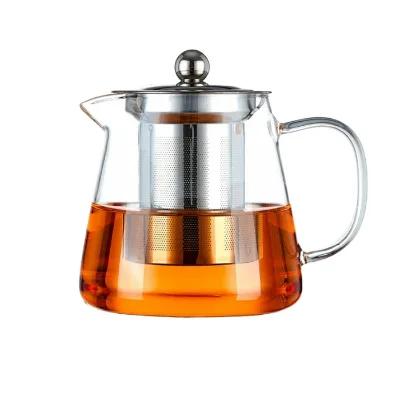
Stovetop Safe Blooming and Loose Leaf Tea Maker Set Glass Teapot with Infuser Tea Pot Tea Kettle
$1.4875 - $2.9436
MOQ: 20 pieces
Hebei Zhuo Zhongxi Glass Products Co., Ltd.
- Manufacturer, Trading Company
- Hebei Province, China
- Lead time0 days
- Avg. response≤ 2h
Main productsjuice cups,coffee cups,beer cups,double-layer glass cups
Main marketsNorth America(300.00%), Domestic Market(29.00%), Eastern Europe(21.00%), Oceania(10.00%), Southeast Asia(5.00%), South Asia(5.00%)

Shenzhen Rocket Industry Co., Ltd.
- Trading Company,Manufacturer/Factory
- China Guangdong
- Lead time30 days
- Avg. response≤ 2h
Main productsCookware, Kettle, Steamer, Lunch Box, Cutlery, Kitchenware, Casserole, Kitchen Knife, Kitchen Utensil
Main marketsSouth America,Eastern Europe,Mid East,North America,Southeast Asia,Eastern Asia,Oceania,Western Europe,Africa

$3.05 - $3.43
MOQ: 1000 Pieces

Classic Tea Pot Stainless Steel Whisling Teapot with Moving Bakelite Handle
$1.99 - $2.25
MOQ: 1200 Pieces
Hejian Jia Teng Glass Products Co., Ltd.
- Verified by TüVRheinland
- Manufacturer, Trading Company
- Lead time20 days
- Avg. response≤ 2h
Main productsDouble Wall Glass Cup, Glass Teapot, Glass Jar, Glass Pitcher, Wine Decanter Set
Main marketsNorth America(30%), Domestic Market(30%), South America(10%)
Jiangmen Highwin Industrial Ltd.
- Verified by TüVRheinland
- Manufacturer, Trading Company
- Lead time30 days
- Avg. response≤ 4h
Main productsFrench Press, Moka Pot, Espresso Accessories, Coffee Brewing Ware, Teapot
Main marketsWestern Europe(23%), Eastern Europe(20%), North America(10%)
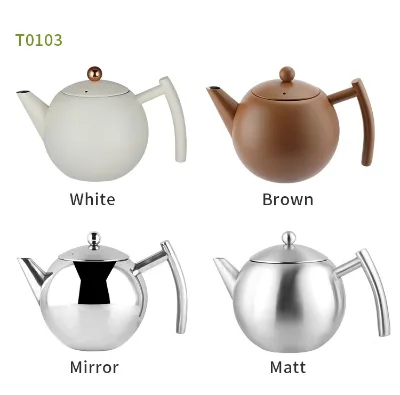
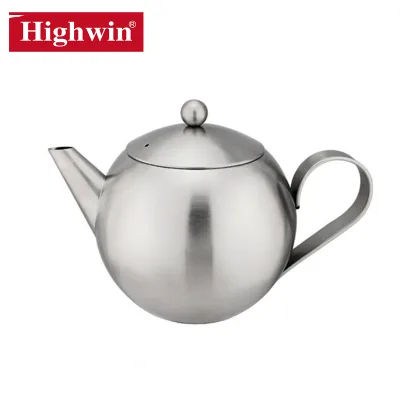
Stainless Steel Material Professional Arabic Tea Pot Satin Finished Water Pot
$6.20 - $6.50
MOQ: 500 pieces
Chaozhou Chaoan Yunfan Stainless Steel Product Co., Ltd.
- Trading Company
- Guangdong, China
- Lead time30 days
- Avg. response≤ 5h
Main productsStainless Steel Cookware Sets, Stainless Steel Stock Pot, Stainless Steel Lunch Box, Stainless Steel Chafing Dishes, Stainless Steel Tray
Main marketsMid East(36.00%), Eastern Asia(20.00%), Southeast Asia(20.00%), North America(15.00%), Africa(5.00%), South America(4.00%)

Xiamen Yoyo Ceramic Trading Co., Ltd.
- Verified by BV
- Combined
- China Fujian
- Lead time23 days
- Avg. response≤ 11h
Main productsCeramic Mugs, Ceramic Plates, Teawares, Ceramic Canisters, Ceramic Vases, Ceramic Flower Planters, Ceramic Coin Bank, Flowerpot, Canisters, Resin Crafts
Main marketsSouth America,Africa,Southeast Asia/ Mideast,East Asia(Japan/ South Korea),Europe,Australia,North America


Modern White Large Capacity Ceramic Teapot with Stainless Steel Infuser
$0.80 - $2.98
MOQ: 1000 Pieces

Simple Black and White China Porcelain Teapot with Stainless Steel Infuser
$0.46 - $3.16
MOQ: 1000 Pieces


- Verified by SGS
- Trading Company
- China Yunnan
- Lead time15 days
- Avg. response≤ 2h
Main marketsSoutheast Asia/ Mideast
Zhongshan Jiameihua Daily Products Co., Ltd.
- Manufacturer
- Guangdong, China
- Lead time35 days
- Avg. response≤ 16h
Main productsGlass Teapot,Glass Coffee Press,Glass Carafe,Glass Cup,Glass Jar
Main marketsEastern Europe(35.00%), North America(10.00%), Western Europe(10.00%), Mid East(10.00%), Eastern Asia(10.00%), Northern Europe(10.00%), Central America(5.00%), Domestic Market(5.00%), South Asia(5.00%)

Shanghai Jspeed Industry Co.Ltd
- Verified by TUVRHEINLAND
- Trading Company
- China Shanghai
- Lead time30 days
- Avg. response≤ 2h
Main productsWater Bottle, Stainless Steel Bottle, Vacuum Bottle, Thermal Mug, Vacuum Flask, Thermal Cup, Insulated Cup, Vacuum Cup
Main marketsSouth America

Xiamen Monake Import and Export Co., Ltd.
- Verified by TUVRHEINLAND
- Trading Company
- China Fujian
- Lead time30 days
- Avg. response≤ 5h
Main productsEngine Mounting, Strut Mount, Rubber Bush, Center Bearing, Control Arm, Arm Bushing, Auto Parts, Fan Blade, Auto Spare Parts, Car Parts
Main marketsOthers(foreignTradeCapacity.exportBusinessCapacityMarketOther),Domestic




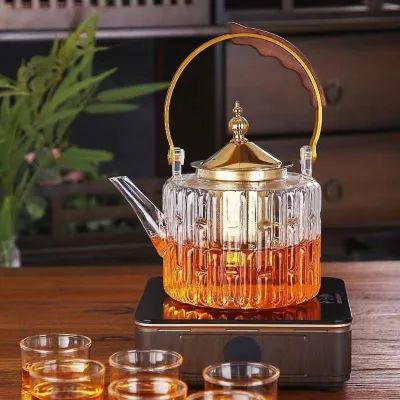
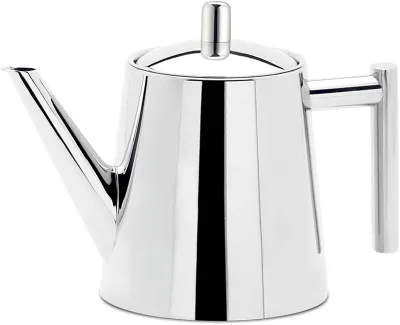
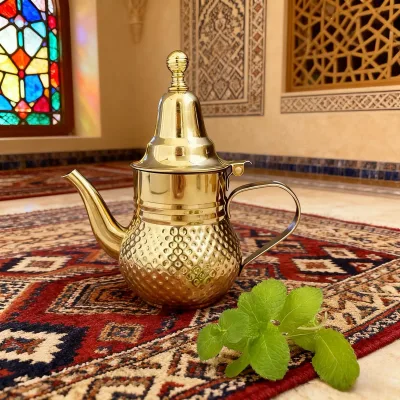
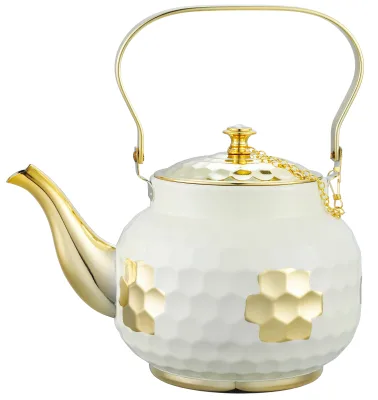




Comprehensive Sourcing Guide
304 Stainless Steel Golden Teapot Supplier Concentration and Factory Types
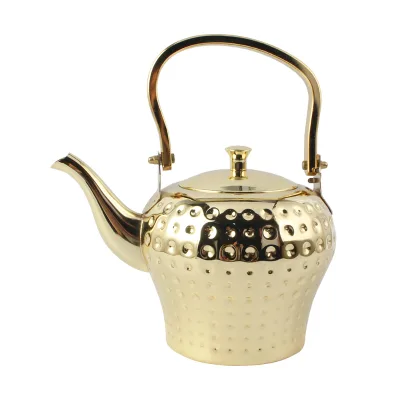
The sourcing landscape for 304 stainless steel golden teapots reveals a distinct concentration of manufacturing capabilities within specific industrial regions, with Guangdong, China, emerging as a primary hub for these goods. This geographic clustering is not arbitrary but reflects a mature supply chain ecosystem where raw material access, specialized finishing techniques, and logistical infrastructure converge to support high-volume production. Buyers evaluating suppliers will often find that factories located in this region possess the necessary infrastructure to handle complex surface treatments, such as mirror polishing and gold plating, which are critical for achieving the aesthetic appeal of golden teapots. The presence of both manufacturers and trading companies in this area allows for a diverse range of sourcing options, catering to different business models and order sizes. Manufacturers in this cluster typically offer greater control over the production process, ensuring consistent quality in the stainless steel grade and the durability of the golden finish. In contrast, trading companies may provide a broader portfolio of designs and faster access to stock items, though they might have less direct oversight over the manufacturing specifics. Understanding this concentration helps buyers narrow their search to suppliers who are physically located in established industrial zones, reducing the risk of dealing with intermediaries who lack direct factory ties. The density of suppliers in Guangdong suggests a competitive market where innovation in design and efficiency in production are constantly driven by local competition. This environment fosters rapid iteration on product features, such as the integration of heat-resistant glass or specific infuser designs, allowing buyers to find suppliers who can meet evolving market demands. By focusing on suppliers in this known manufacturing cluster, buyers can leverage the region’s expertise in metalworking and kitchenware production to secure reliable partners for their 304 Stainless Steel Golden Teapot needs.
Supplier types in this sector vary significantly, ranging from pure manufacturers to combined entities that handle both production and trading. Manufacturers typically specialize in specific product lines, such as stainless steel water kettles, coffee pots, or milk pots, allowing them to develop deep expertise in metal forming and finishing. These factories often have dedicated R&D capabilities, enabling them to offer OEM and ODM services for buyers seeking custom designs or private labeling. The ability to customize logos and packaging is a common feature among these manufacturers, with some offering low minimum order quantities for branding, such as a MOQ of 1 piece for logo application. This flexibility is particularly valuable for buyers looking to establish their own brand identity in the kitchenware market. On the other hand, trading companies may aggregate products from multiple factories, offering a wider variety of styles and capacities in a single order. While this can simplify logistics for buyers, it may introduce complexities in quality control and communication. Some suppliers are classified as combined entities, blending manufacturing and trading functions to offer end-to-end solutions. These companies often have established relationships with multiple factories, allowing them to scale production quickly and manage inventory more effectively. Buyers should carefully assess the supplier’s primary business model to ensure it aligns with their specific needs, whether that requires deep customization, rapid stock availability, or a broad product range. The distinction between these supplier types is crucial for determining the level of control, communication, and flexibility a buyer can expect throughout the sourcing process.
How to Verify 304 Stainless Steel Golden Teapot Suppliers
Verifying the authenticity and capability of 304 Stainless Steel Golden Teapot suppliers requires a rigorous approach to credential assessment and physical capability validation. Buyers must prioritize suppliers who can provide verifiable evidence of their manufacturing processes and quality control measures. One critical aspect is the verification of material composition, specifically the use of genuine 304 stainless steel for components like lids and handles. Suppliers should be able to provide material test reports or certifications that confirm the grade of stainless steel used, ensuring it meets food safety standards and corrosion resistance requirements. Additionally, buyers should inquire about the specific finishing processes used to achieve the golden appearance, such as PVD coating or electroplating, and request samples to assess the durability and adhesion of the finish. The presence of certifications such as CE or EU compliance is another important indicator of a supplier’s adherence to international safety and quality standards. These certifications often require rigorous testing of the product’s electrical components, if applicable, or its overall structural integrity and material safety. Buyers should request copies of these certificates and verify their validity through the issuing bodies. Furthermore, assessing the supplier’s response time and communication efficiency can provide insights into their operational maturity. A supplier with a quick response time, such as under 10 hours, often indicates a well-organized team that is attentive to buyer inquiries and capable of managing orders efficiently. This responsiveness is particularly important for resolving issues related to product specifications, shipping details, or quality concerns.
Beyond documentation, physical verification of the supplier’s capabilities is essential for ensuring long-term reliability. Buyers should consider requesting factory audits or video tours to observe the production lines, quality control checkpoints, and storage facilities. This direct observation can reveal the scale of operations, the condition of machinery, and the overall organization of the factory. Suppliers with dedicated R&D capacities, such as those offering OEM and ODM services, should have visible design teams and prototyping facilities. Buyers can also assess the supplier’s inventory management by inquiring about their stock levels and lead times for both stocked and custom items. A supplier with a robust inventory system can offer faster delivery for standard products, while those with strong R&D capabilities can accommodate complex custom orders. Additionally, buyers should verify the supplier’s establishment year and business history to gauge their experience and stability in the market. Long-standing suppliers are often more reliable in terms of consistent quality and service. It is also advisable to check for any past disputes or negative feedback, although this information may not always be readily available. By combining document verification with physical assessment and historical analysis, buyers can build a comprehensive profile of each supplier, reducing the risk of partnering with unreliable or unqualified vendors. This multi-faceted verification process ensures that the selected supplier has the necessary resources, expertise, and commitment to deliver high-quality 304 stainless steel golden teapots that meet the buyer’s specifications and expectations.
What to Compare Across 304 Stainless Steel Golden Teapot Suppliers
When evaluating multiple suppliers for 304 stainless steel golden teapots, buyers must systematically compare key operational metrics to identify the most suitable partner for their specific business needs. Lead time is a critical factor that directly impacts inventory management and market responsiveness. Suppliers may offer varying lead times, ranging from 15 days for stocked items to 30 days or more for custom orders. Buyers should align their order planning with the supplier’s stated lead times to avoid stockouts or delays in product launches. Additionally, the minimum order quantity (MOQ) is a significant consideration, especially for new buyers or those testing the market. Some suppliers offer low MOQs, such as 24 pieces for certain glass teapot models, while others may require higher volumes for stainless steel items. Comparing MOQs across suppliers helps buyers determine which partners can accommodate their initial order sizes and scaling plans. Response time is another vital metric that reflects the supplier’s customer service quality. A supplier with a rapid response time, such as under 9 hours, is more likely to address inquiries and resolve issues promptly, facilitating smoother communication throughout the procurement process. Buyers should also compare the range of main products offered by each supplier to assess their versatility and potential for future collaboration. Suppliers with a broad product portfolio, including stainless steel water kettles, coffee pots, and milk pots, may offer better opportunities for bundling orders and diversifying the product line.
Price and customization options are equally important dimensions for comparison. Buyers should request detailed quotations that break down costs for materials, labor, and finishing processes to understand the value proposition of each supplier. While some suppliers may offer competitive prices for standard items, others may provide better value through customization services, such as logo printing or unique packaging designs. The availability of OEM and ODM services is a key differentiator for buyers seeking to establish a unique brand identity. Suppliers that warmly welcome customization requests and offer flexible design options can provide a significant competitive advantage in the market. Additionally, buyers should compare the quality of materials and finishes offered by each supplier. For instance, some suppliers may use 201 stainless steel for handles, while others use 304 stainless steel for lids, impacting the overall durability and safety of the product. Surface finishing options, such as mirror polishing or gold plating, should also be evaluated for consistency and aesthetic appeal. By systematically comparing these operational metrics, buyers can make informed decisions that balance cost, quality, and service. This comparative analysis helps identify suppliers who not only meet the basic requirements but also offer strategic advantages in terms of flexibility, responsiveness, and product innovation. Ultimately, a thorough comparison ensures that the selected supplier aligns with the buyer’s business goals and can support long-term growth in the 304 Stainless Steel Golden Teapot market.
Common 304 Stainless Steel Golden Teapot Sourcing Risks
Sourcing 304 stainless steel golden teapots involves several inherent risks that buyers must proactively manage to ensure product quality and supply chain stability. One significant risk is the potential for material substitution, where suppliers may use lower-grade stainless steel, such as 201, instead of the specified 304 grade, particularly for components like handles or lids. This substitution can compromise the product’s corrosion resistance and food safety, leading to customer dissatisfaction and potential liability issues. Buyers must implement strict quality control measures, including material testing and third-party inspections, to verify the authenticity of the stainless steel used. Another risk is the inconsistency of the golden finish, which may fade, peel, or discolor over time due to poor coating quality or improper application processes. This aesthetic defect can severely impact the product’s marketability, especially for premium items. Buyers should request samples and conduct durability tests, such as heat resistance and scratch resistance, to assess the longevity of the finish. Additionally, the risk of production delays is prevalent, particularly for custom orders that require complex manufacturing steps. Suppliers may face bottlenecks in raw material sourcing or production capacity, leading to missed deadlines. Buyers should establish clear communication channels and regular progress updates to monitor production status and address potential delays early.
Packaging and logistics risks are also critical considerations, as improper handling can result in product damage during transit. Glass teapots, in particular, are fragile and require robust packaging solutions to prevent breakage. Buyers should verify that suppliers use appropriate packaging materials, such as color boxes and cartons, and conduct drop tests to ensure package integrity. Furthermore, the risk of intellectual property infringement exists, especially for suppliers offering OEM services. Buyers must ensure that their designs and branding are protected through proper legal agreements and confidentiality clauses. Another risk is the variability in supplier reliability, where some suppliers may fail to meet quality standards or delivery commitments consistently. This inconsistency can disrupt the buyer’s supply chain and damage their brand reputation. Buyers should conduct regular supplier audits and performance reviews to identify and address any issues promptly. Additionally, the risk of regulatory non-compliance is a concern, particularly for exports to markets with strict safety standards. Buyers must ensure that suppliers comply with relevant certifications, such as CE or EU standards, and provide necessary documentation for customs clearance. By identifying and mitigating these common risks, buyers can build a more resilient supply chain and ensure the successful delivery of high-quality 304 stainless steel golden teapots to their customers. Proactive risk management is essential for maintaining competitive advantage and customer trust in the kitchenware market.
304 Stainless Steel Golden Teapot Regional Sourcing and Logistics
Regional sourcing plays a pivotal role in determining the efficiency and cost-effectiveness of procuring 304 stainless steel golden te
FAQs
What does a 304 Stainless Steel Golden Teapot typically cost?
Golden teapots in stainless steel and related styles generally list between roughly 1.65 and 5.26 US dollars per unit depending on material and capacity. Glass teapots with infusers sit at the lower end, while mirror-polished stainless models cost more. Confirm final pricing with each supplier because quotes vary by finish, order volume, and packaging requirements.
What is the usual minimum order quantity for golden teapots?
Observed minimums on current listings range from 24 pieces per carton for glass teapots, 36 pieces per carton for hammered and infuser models, up to 120 pieces for customized gold floral designs. Some stainless steel suppliers advertise custom logo orders starting from a single piece. Always confirm the MOQ for your chosen model before requesting samples.
How long is the typical production lead time?
Listed lead times among the current suppliers range from about 15 to 30 days. Shorter timelines usually apply to stocked glass teapot models, while stainless steel items may require closer to a month. Lead time can extend during peak seasons or when custom logos, gold finishes, or special packaging are requested, so plan orders accordingly.
How quickly do teapot suppliers respond to inquiries?
Response times on the current supplier results range from roughly 8.7 hours to 21 hours. Suppliers offering ODM and OEM services tend to reply on the faster end. Send a detailed inquiry covering model number, capacity, quantity, and customization needs to receive accurate quotes within the first response rather than several exchanges.
Can I order golden teapots with a custom logo or design?
Yes, customization is widely available. Stainless steel suppliers state that OEM and ODM orders are warmly welcomed, with custom logo options starting at low quantities. Glass teapot listings also mark customization as available, including gold floral prints and gift packaging. Provide your artwork and branding requirements early so the supplier can confirm feasibility and cost.
Do these teapots meet any product certifications?
Several glass and hammered teapot models list CE / EU certification in their product attributes, and many are marked eco-friendly and suitable for all heaters. Certification coverage differs by model and supplier, so request the actual certificate documents for the specific item you intend to buy rather than relying on category claims alone.
Where are the teapot suppliers mainly located?
The current suppliers are based in Guangdong, China, with some product origins listed specifically in Shantou. Guangdong is a major manufacturing hub for stainless steel cookware and glass drinkware, which supports varied product options and competitive pricing. When comparing suppliers, factor in local logistics to your preferred port and ask about export experience.
What capacities and materials are available for golden teapots?
Current listings cover glass teapots from 950 ml to 1.4 L with 201 stainless steel or gold floral print infusers, and hammered stainless steel models in 1.2 L, 1.6 L, and 2.0 L capacities. Mirror-polished golden stainless steel teapots with infusers are also available. Choose based on use case, since household and hotel settings often prefer larger capacities.