SMD Machine Screen Printing Transistor Suppliers and Manufacturers
Explore 25 verified options for SMD Machine Screen Printing Transistor components from China. Compare response times, lead times, certifications like ISO and RoHS, and pricing ranges to find suitable partners. Contact suppliers directly to request samples or custom orders; review the available evidence before requesting comparable quotations from suitable candidates.
Updated
Suppliers List

Shenzhen Leruan Electronics Co., Ltd.
- Verified by TUVRHEINLAND
- Trading Company
- China Guangdong
- Lead time15 days
- Avg. response≤ 20h
Main productsElectronic Product, SSD, RAM
Main marketsDomestic


Fdn337n SMD Transistor Screen Printing 337 MOS Field Effect Transistor Sot-23
$2.00 - $3.02
MOQ: 1000 Pieces

Supply Mmbt2907A Screen Printing 2f Sot-23 PNP Patch PNP Power Transistor Transistor
$0.06 - $0.07
MOQ: 1000 Pieces


Shenzhen New Chip international Ltd
- Verified by TUVRHEINLAND
- Combined
- China Guangdong
- Lead time30 days
- Avg. response≤ 6h
Main productsPCB, PCBA, IC
Main marketsSoutheast Asia/ Mideast
Jinan Lujing Semiconductor Co., Ltd.
- Manufacturer, Trading Company
- Shandong, China
- Lead time0 days
- Avg. response≤ 2h
Main productsDiode,Transistor,Mosfet,SIC Schottky diode,siicon controlled rectifier
Main marketsSoutheast Asia(50.00%), Domestic Market(30.00%), North America(10.00%), Western Europe(5.00%), South America(3.00%), Eastern Europe(2.00%)

Shenzhen Jin Da Peng Technology Co., Ltd.
- Trading Company
- China Guangdong
- Lead time23 days
- Avg. response≤ 13h
Main productsTransistor, IC, IGBT, Sollcon- Controlled Rectifier, Three End Comstant Voltage
Main marketsSouth America,Others(foreignTradeCapacity.exportBusinessCapacityMarketOther),Southeast Asia/ Mideast,Europe

Fdn337n SMD Transistor Screen Printing 337 MOS Field Effect Transistor Sot-23
$2.00 - $3.02
MOQ: 1000 Pieces


Supply Mmbt2907A Screen Printing 2f Sot-23 PNP Patch PNP Power Transistor Transistor
$0.06 - $0.07
MOQ: 1000 Pieces


Shenzhen Hetian Puda Technology Co., Ltd.
- Trading Company
- Guangdong, China
- Lead time3 days
- Avg. response≤ 4h
Main productsElectronic Component,Integrated Circuits,Sensors,Digital Signage Display,Industrial Display
Main marketsSouthern Europe(30.00%), North America(20.00%), Western Europe(20.00%), Eastern Europe(10.00%), Southeast Asia(10.00%), Oceania(5.00%), South America(5.00%)
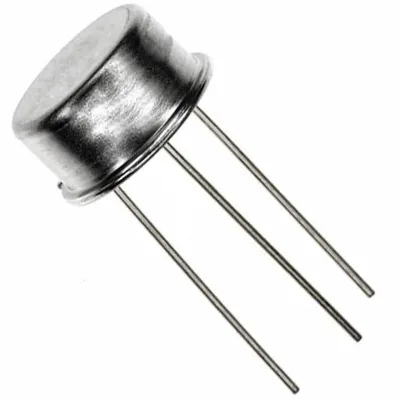
Original new SE5023 transistor
$10.00 - $20.00
Shenzhen Goldtech Electronics Co., Limited
- Verified by SGS Group
- Trading Company
- Lead time7 days
- Avg. response≤ 7h
Main productsPCB, PCBA, IC, Capacitor, Circular Connector
Main marketsMid East(30%), Western Europe(30%), Eastern Europe(20%)
Shenzhen Chengfangchip Electronic Technology Co., Ltd.
- Verified by Intertek
- Trading Company
- Lead time0 days
- Avg. response≤ 3h
Main productsPCBA, ICs, Transistor, IGBT, Development Board
Main marketsNorth America(40%), Southeast Asia(20%), Mid East(20%)

Dongguan Merry Electronic Co., Ltd.
- Verified by SGS
- Manufacturer/Factory
- China Guangdong
- Lead time15 days
- Avg. response≤ 3h
Main productsDiode Bridge Rectifier Mosfet Transistor, IGBT Tube IGBT Module Sic Integrated Circuits, Capacitor Resistor and Other Semiconductor, SPD PCBA Sic, Rectifier Schottky Thyristor Crimped Diodemodule, IC Power Silicon Carbide Mosfet, Schottky Diodes Zenner Diodes, Small Signal Diode Power Zenner Diode, Sic Mosfet Diode Modules, Varistor AC/DC DC/DC Converter
Main marketsSouth America,Eastern Europe,Mid East,North America,Southeast Asia,Eastern Asia,Oceania,Western Europe,Africa
Shenzhen Jingmaoyuan Electronics Co., Ltd.
- Trading Company, Agent, Distributor/Wholesaler
- Guangdong, China
- Lead time5 days
- Avg. response≤ 4h
Main productsIC,TRANSISTOR,DOIDE,RESISTOR,CONNECTOR
Main marketsSoutheast Asia(40.00%), North America(20.00%), Western Europe(10.00%), Africa(10.00%), South America(10.00%), Eastern Europe(10.00%)
Shenzhen Hainayu Electronics Co., Ltd.
- Verified by Intertek
- Trading Company
- Lead time2 days
- Avg. response≤ 1h
Main productsRadiator Parts, Chip, Regulator IC, Transistor, Microcontroller
Main marketsNorth America(25%), South Asia(15%), Central America(10%)
- Trading Company
- Hubei, China
- Lead time3 days
- Avg. response≤ 7h
Main productselectronic components,semiconductor,active components,passive components,Integrated Circuits (ICs)
Main marketsNorth America(19.00%), Eastern Europe(13.00%), South America(13.00%), South Asia(13.00%), Southeast Asia(10.00%), Southern Europe(9.00%), Mid East(5.00%), Western Europe(5.00%), Domestic Market(4.00%), Eastern Asia(2.00%), Northern Europe(2.00%)
Shenzhen Ketao Zhengpin Electronics Co., Ltd.
- Trading Company, Buying Office, Agent, Distributor/Wholesaler, Government ministry/Bureau/Commission, Association, Business Service (Transportation, finance, travel, Ads, etc)
- Guangdong, China
- Lead time15 days
- Avg. response≤ 2h
Main productsIC,Diode,Modules,Capacitors,Resistors
Main marketsWestern Europe(25.00%), Central America(15.00%), North America(15.00%), Northern Europe(10.00%), Eastern Europe(10.00%), South America(10.00%), Mid East(10.00%), South Asia(5.00%)

- Trading Company
- China Guangdong
- Lead time15 days
- Avg. response≤ 1h
Main productsIC, Capacitor, Resistor, Electronic Components, Integrated Circuit, Transistor, Relay, Diode, MCU, Connector
Main marketsSouth America,East Asia(Japan/ South Korea),Europe

MMBT2907ALT1G MMBT2907AL Series 60V 600mA SMT PNP General Purpose Transistor
$0.05 - $200.00
MOQ: 500 Pieces


Shenzhen Hengshiji Electronic Co., Ltd,
- Verified by TüVRheinland
- Trading Company
- Lead time1 days
- Avg. response≤ 4h
Main productsIntegrated Circuit, Microcontroller, IC Chip, Printed Circuit Board
Main marketsEastern Europe(32%), Southern Europe(20%), North America(10%)
Transistor High Quality TO-92 BT169D 126
$0.1994 - $0.3658
Shenzhen CXS Electronic Co., Ltd
- Manufacturer, Trading Company, Distributor/Wholesaler
- Guangdong, China
- Lead time0 days
- Avg. response≤ 6h
Main productsIC,Capacitor,Resistor,module,LED
Main marketsSouth America(20.00%), North America(20.00%), Northern Europe(10.00%), Western Europe(10.00%), Mid East(10.00%), Southern Europe(10.00%), Southeast Asia(10.00%), Domestic Market(5.00%), Africa(5.00%)

Shenzhen Sinosky Electronics Co., Ltd.
- Verified by SGS
- Trading Company
- China Guangdong
- Lead time15 days
- Avg. response≤ 4h
Main productsIntegrated Circuits, Semiconductor, Transistor, Relays, Connector, Capacitor, Resistor, Switch, Module, LED Diode
Main marketsSouth America,Africa,Southeast Asia/ Mideast,Europe,Australia,North America


Electronic Components Diode Thyristor Relay IGBT Module Transistor for PCB
$0.90 - $1.00
MOQ: 10 Pieces
Shenzhen Kaisheng Century Electronics Co., Ltd.
- Verified by TüVRheinland
- Trading Company
- Lead time1 days
- Avg. response≤ 2h
Main productsSemiconductor Electronic Components, RF Wireless Network Modules, Unmanned Machinery Components, Development Board Application Kits
Main marketsSouth America(18%), Eastern Asia(18%), North America(15%)
Shenzhen Yihexin Electronic Technology Co., Ltd.
- Distributor/Wholesaler
- Guangdong, China
- Lead time3 days
- Avg. response≤ 2h
Main productsElectronic Components,Integrated Circuit IC,integrated module,chip,electronic module
Main marketsWestern Europe(10.00%), Southeast Asia(10.00%), Mid East(10.00%), Eastern Europe(10.00%), South America(10.00%), North America(10.00%), Domestic Market(5.00%), South Asia(5.00%), Southern Europe(5.00%), Northern Europe(5.00%), Central America(5.00%), Oceania(5.00%), Eastern Asia(5.00%), Africa(5.00%)
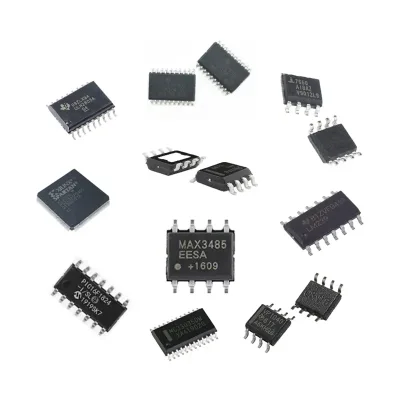
YHX OPA349NA/3K OPA349NA OPA349 A349 SOT23-5 Low Power Op Amp SMD Transistor OPA349NA/3K
$0.1033 - $10.2277
MOQ: 5 Minimum
Shenzhen Nanfeng Quancheng Electronics Co., Ltd.
- Agent, Distributor/Wholesaler
- Guangdong, China
- Lead time3 days
- Avg. response≤ 1h
Main productsMicrocontroller MCU,Integrated Circuits IC,RF Transceiver & Modules,PCB/PCBA,Electronic Components BOM
Main marketsEastern Europe(60.00%), Eastern Asia(10.00%), Southern Europe(10.00%), North America(10.00%), Domestic Market(5.00%), Southeast Asia(5.00%)
Shenzhen I-Circuit Electronics Co., Ltd.
- Trading Company, Buying Office
- Guangdong, China
- Lead time3 days
- Avg. response≤ 5h
Main productsIC,Semiconductor,PCB,Development board,IGBT
Main marketsEastern Europe(30.00%), Southeast Asia(30.00%), Mid East(20.00%), North America(20.00%)

ShenZhen Nova Semiconductor Co., Ltd.
- Verified by TUVRHEINLAND
- Trading Company
- China Guangdong
- Lead time15 days
- Avg. response≤ 7h
Main productsIC, Resistor, Capacitor, Sensor, Transistor, Diode, Triode, Passive Components, Drive IC, PCBA
Main marketsSouth America,Southeast Asia/ Mideast,East Asia(Japan/ South Korea),Europe,Australia,North America
Shenzhen Futian Huanqiuxinyida Electronic Firm
- Trading Company, Agent, Distributor/Wholesaler
- Guangdong, China
- Lead time0 days
- Avg. response≤ 7h
Main productsIntegrated Circuits,Supercapacitor,Transistors,Sensors,Modules
Main marketsSouth America(20.00%), North America(20.00%), Northern Europe(10.00%), Eastern Asia(10.00%), Mid East(10.00%), Africa(10.00%), Southeast Asia(10.00%), Eastern Europe(10.00%)

Shenzhen Chipall Electronics Co., Ltd.
- Trading Company
- Guang Dong, China
- Lead time15 days
- Avg. response≤ 4h
Main productsintegrated circiut,diode,AI glasses,Camera,contector
Main marketsSoutheast Asia(12.00%), Northern Europe(10.00%), Central America(10.00%), South Asia(10.00%), Eastern Europe(10.00%), Western Europe(10.00%), Southern Europe(10.00%), Mid East(5.00%), Oceania(5.00%), North America(5.00%), South America(5.00%), Africa(3.00%), Eastern Asia(3.00%), Domestic Market(2.00%)

Shenzhen Shengdian Electronic Equipment Co., Ltd.
- Combined
- China Guangdong
- Lead time15 days
- Avg. response≤ 10h
Main productsSMT Machine, Reflow Soldering Oven, Ng /Okfully Automatic Loading Machine., Conveyor, Pick and Place Machine, Wave Soldering, Solder Paste Printing Machine, SMT Loader/ Unloader, Semi-Automatic Printing Press, Shuttle
Main marketsSouth America,Africa,Southeast Asia/ Mideast,East Asia(Japan/ South Korea),Domestic,Europe,Australia,North America

PCB Solder Paste Screen Printer SMT Manual High Precision Screen Printing Machine
$398.00 - $520.00
MOQ: 1 Set

Wholesale SMT Screen Printer /Silk Screen and PCB Automatic Press Printing Machines Screen Printer
$1800.00 - $2000.00
MOQ: 1 Set

Screen Printing Machine SMD Solder Paste Stencil Printer for PCB LED Circuit Board Assembly
$1500.00 - $1900.00
MOQ: 1 Set

SMT Machine Fully Automatic Stencil Printer /SMT PCB Solder Paste Screen Printer
$24915.00 - $38000.00
MOQ: 1 Set

$24915.00 - $38000.00
MOQ: 1 Set


Better Technology Group Limited
- Verified by CTI
- Manufacturer/Factory
- China Fujian
- Lead time23 days
- Avg. response≤ 4h
Main productsTurnkey Solution for Battery Manufacturing, Battery Production Equipment, Automatic Battery Assembly Line, Solar Home Energy Storage Battery, Small-Scale I&C Energy Storage Cabinet, Lithium Battery Manufacturing Machine, 4G+GPS Smart Start-Stop Lithium Battery, Lead-Acid to Lithium Battery Conversion, Portable Power Station, Lead Acid Batteries
Main marketsSouth America,Eastern Europe,Mid East,North America,Southeast Asia,Eastern Asia,Oceania,Western Europe,Africa


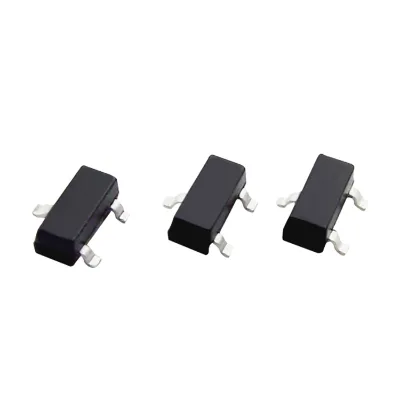
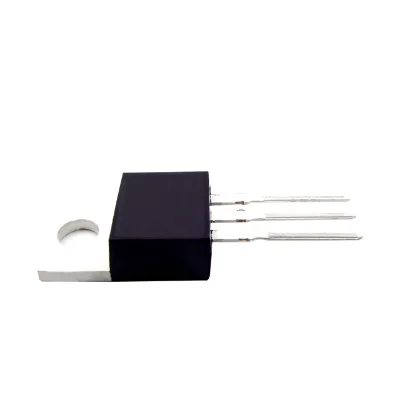
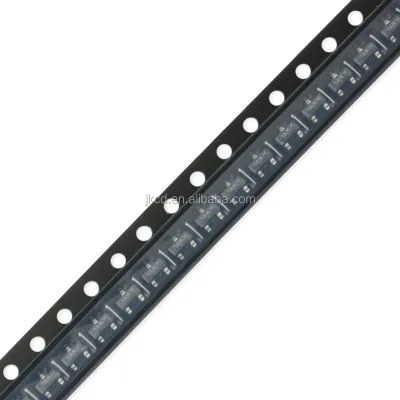
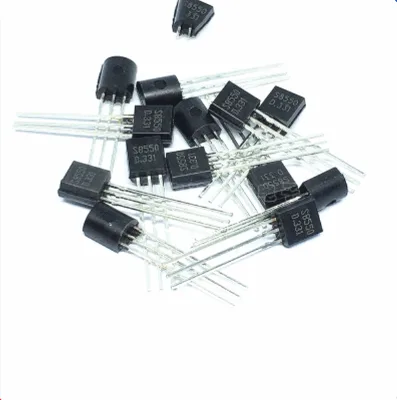
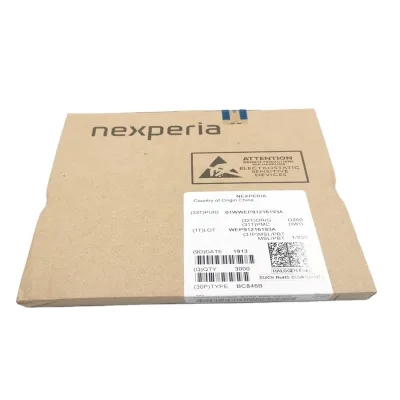
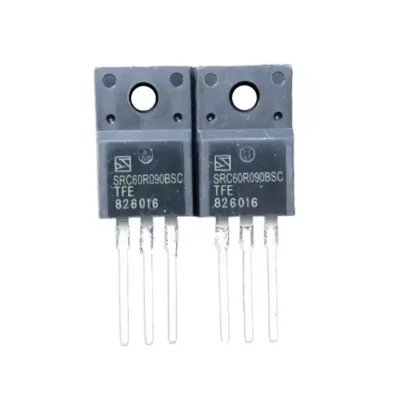
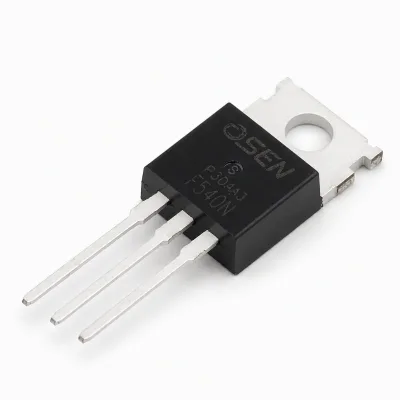


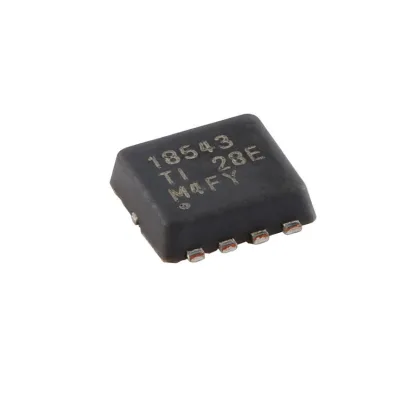
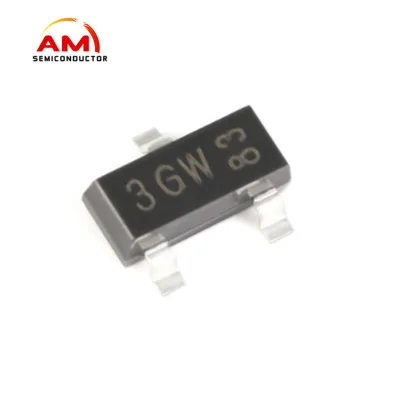
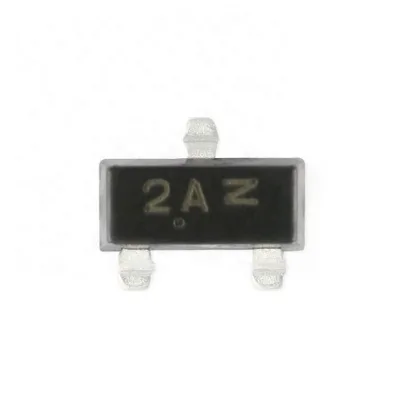
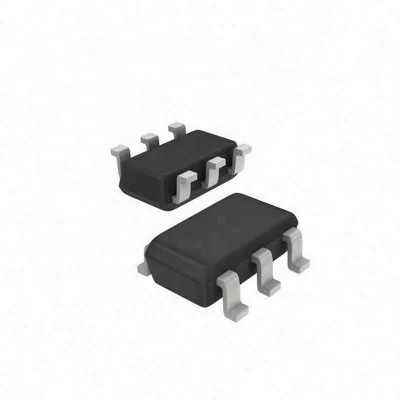
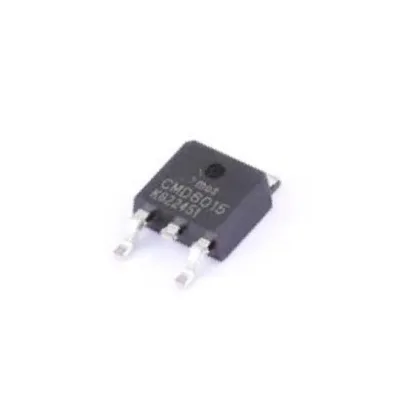
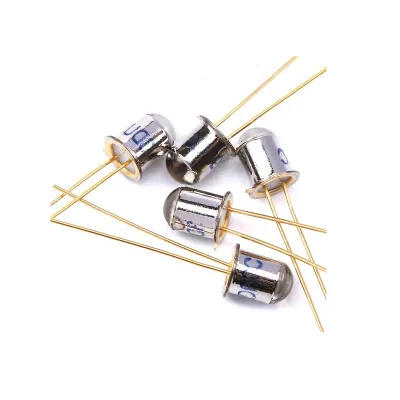




Comprehensive Sourcing Guide
SMD Machine Screen Printing Transistor Supplier Concentration and Factory Types
Current data indicates that suppliers for SMD Machine Screen Printing Transistor components are concentrated in specific regions, with Guangdong, China, appearing as a verified location for multiple trading companies and manufacturers. These entities often list main products including electronic products, SSDs, RAM, and discrete semiconductors like transistors. The supplier types observed range from pure trading companies to combined entities that function as both manufacturers and traders. This dual role is significant because combined suppliers may offer direct factory access for customizations while trading companies might provide broader inventory aggregation. Some suppliers in the dataset are located in Shandong, China, suggesting a secondary cluster for diodes, transistors, and MOSFETs. When evaluating potential partners, buyers should verify if the supplier's stated location matches their actual production or warehousing facilities. The presence of a trading company status does not preclude direct manufacturing capabilities, but it requires careful distinction during the vetting process.
Buyers must identify the specific factory type to understand the supply chain depth. A supplier labeled as a manufacturer typically controls the production process, which can influence lead times and customization options. In contrast, a trading company may source from multiple factories, potentially offering more variety but less direct control over quality assurance. The observed data shows suppliers offering ODM capabilities, which implies a higher level of manufacturing integration. For SMD Machine Screen Printing Transistor components, the distinction between a pure trader and a combined manufacturer-trader is critical for assessing reliability. Buyers should request proof of facility ownership or long-term partnership agreements if the supplier claims manufacturing status. This verification ensures that the claimed production capacity aligns with the actual ability to fulfill large orders without excessive delays.
How to Verify SMD Machine Screen Printing Transistor Suppliers
Verification of SMD Machine Screen Printing Transistor suppliers requires checking specific credentials and operational metrics provided in the supplier profile. One key indicator is the verification status, such as TUVRHEINLAND, which suggests an external audit has been conducted. Buyers should look for this badge or similar third-party validation to confirm the supplier's business legitimacy. Additionally, response times are a measurable metric of operational efficiency; observed data shows response times varying from 2 to 19.22 hours. A faster response time often correlates with better customer service and more active account management. However, a slow response does not automatically disqualify a supplier, but it warrants further inquiry into their communication protocols. Buyers should prioritize suppliers with response times under 10 hours for urgent component needs.
Certifications and product standards are another vital layer of verification. The data indicates that some suppliers hold ISO, CE, and RoHS certifications, which are essential for compliance in international markets. For SMD Machine Screen Printing Transistor components, RoHS compliance is particularly important to ensure the absence of hazardous substances. Buyers must confirm that the specific product model, such as the FDN337N or MMBT2907A, carries these certifications rather than just the company holding a general certificate. Furthermore, checking the "is_verified" status against the supplier's claimed location and main products helps prevent fraud. If a supplier claims to be a manufacturer but lacks specific production certifications, buyers should request factory audit reports. This due diligence minimizes the risk of receiving non-compliant or counterfeit electronic components.
What to Compare Across SMD Machine Screen Printing Transistor Suppliers
When comparing suppliers, buyers should focus on lead times, minimum order quantities (MOQ), and pricing structures to determine the best fit for their production schedule. The observed data reveals lead times ranging from 0 to 30 days, with some suppliers offering immediate availability while others require a month for production. For SMD Machine Screen Printing Transistor components, a lead time of 0 days is rare and may indicate stock availability, whereas a 30-day lead time suggests a custom manufacturing process. Buyers must align these timelines with their project deadlines to avoid production bottlenecks. Additionally, MOQs vary significantly, with some suppliers requiring as few as 1 unit for PCBs but up to 3000 units for specific transistors like the SS8050. Understanding these thresholds is crucial for budgeting and inventory planning.
Pricing and customization options are also critical comparison points. The data shows price ranges for transistors from $0.01 to $3.02, depending on the model and specifications. Buyers should compare the price per unit against the MOQ to calculate the total cost of ownership. Some suppliers offer customization, which can be a deciding factor for specialized applications. For instance, the TT2142 model lists customization as available, allowing for tailored encapsulation or packaging. Buyers should verify if the customization fee is included in the unit price or charged separately. Furthermore, comparing the main products offered by each supplier helps ensure they specialize in the required component type. A supplier focusing on PCBs and ICs might not have the same depth of expertise in discrete transistors as a specialized semiconductor manufacturer.
Common SMD Machine Screen Printing Transistor Sourcing Risks
One significant risk in sourcing SMD Machine Screen Printing Transistor components is the discrepancy between claimed certifications and actual product compliance. While some suppliers list ISO, CE, and RoHS certifications, buyers must ensure these apply to the specific batch or model being ordered. Counterfeit or substandard components can enter the supply chain if the supplier fails to maintain rigorous quality control. The data shows various product attributes like "High Power" or "Microwave Transistor" functions, which require precise manufacturing standards. If a supplier cannot provide test reports or batch-specific certificates, the risk of receiving non-functional parts increases. Buyers should insist on pre-shipment inspections or third-party testing to mitigate this risk, especially for high-frequency or high-power applications.
Another risk involves the reliability of lead times and the potential for supply chain disruptions. The observed lead times vary widely, and a supplier claiming a 0-day lead time might be selling from limited stock rather than having immediate production capacity. If a buyer places a large order based on an estimated lead time, any delay can halt production lines. The data indicates that some suppliers have a lead time of 30 days, which is substantial for urgent projects. Buyers should verify the supplier's current inventory levels and production capacity before committing to an order. Additionally, the use of different packaging methods, such as "Roll" or "Plate Loading," can affect the handling and storage of components. Improper packaging can lead to damage during transit, resulting in further delays and increased costs.
SMD Machine Screen Printing Transistor Regional Sourcing and Logistics
Regional sourcing plays a pivotal role in the logistics of SMD Machine Screen Printing Transistor components, with China emerging as a primary hub. The data confirms locations in Guangdong and Shandong, which are known for their robust electronics manufacturing ecosystems. Suppliers in these regions often benefit from established supply chains and proximity to raw material sources. However, buyers must consider the logistics implications of sourcing from these areas, including shipping times and customs procedures. The observed data mentions shipping options like DHL, UPS, FedEx, Air, and Sea, indicating flexibility in delivery methods. For urgent orders, air freight might be necessary, while sea freight is more cost-effective for bulk shipments. Buyers should calculate the total landed cost, including duties and taxes, to ensure the final price remains competitive.
Logistics also involve the handling and packaging of sensitive electronic components. The data shows various packaging types, such as "Roll" for transistors and "Foam Packing" for PCBs. Proper packaging is essential to prevent damage during transit, especially for small surface-mount devices. Buyers should verify that the supplier uses anti-static packaging and secure methods to protect components from moisture and physical shock. Additionally, the choice of shipping carrier can impact the speed and reliability of delivery. Some suppliers offer multiple shipping options, allowing buyers to choose based on their urgency and budget. For international orders, buyers should ensure the supplier has experience with export documentation and compliance with destination country regulations. This preparation helps avoid delays at customs and ensures a smooth delivery process.
SMD Machine Screen Printing Transistor Commercial Terms and Order Planning
Commercial terms for SMD Machine Screen Printing Transistor components include payment methods, escrow services, and warranty policies, all of which affect the overall risk profile. While the data does not explicitly detail escrow availability, buyers should inquire about secure payment options to protect their funds. Escrow services can provide a safety net by holding payment until the goods are received and verified. Additionally, understanding the warranty terms is crucial for long-term reliability. Some suppliers may offer a guarantee on product quality, which should be clearly defined in the contract. Buyers should also check if the supplier offers sample availability, as this allows for testing before committing to a large order. The data indicates that samples are available for some products, which is a positive sign for quality assurance.
Order planning requires careful consideration of MOQs and pricing tiers to optimize costs. The observed data shows MOQs ranging from 1 to 3000 units, with prices varying accordingly. Buyers should negotiate volume discounts if they plan to place large orders, as this can significantly reduce the unit cost. Additionally, understanding the production capacity of the supplier is essential for planning future orders. Some suppliers list a capacity of 1,000,000 units, indicating they can handle large-scale production. Buyers should align their order quantities with the supplier's capacity to ensure timely delivery. Finally, buyers should establish a clear communication channel with the supplier to track order progress and address any issues promptly. This proactive approach helps maintain a smooth supply chain and minimizes the risk of disruptions.
FAQs
What is the price range for SMD transistors?
SMD transistor prices vary by model and quantity. For example, the MMBT2907A ranges from $0.06 to $0.07 per unit, while the FDN337N costs between $2.00 and $3.02. The SS8050 is priced at $0.05 per unit. Buyers should check specific model listings for exact pricing tiers based on order volume.
What are the minimum order quantities for these parts?
MOQs depend on the specific component type. The MMBT3906 requires a minimum of 100 units, whereas the FDN337N requires 1000 units. The SS8050 has an MOQ of 3000 units. Some PCB services start at just 1 unit. Always verify the MOQ on the product page before placing an order.
Where are these SMD transistors manufactured?
The supplied SMD transistors originate from China. Specific locations include Guangdong and Shandong provinces. Products like the TT2142 and FDN337N list China as their origin. Buyers sourcing these components should expect manufacturing from these Chinese regions when reviewing supplier details.
What certifications do these transistors hold?
Many listed transistors carry RoHS certification. The FDN337N also holds ISO and CE certifications. Other models like the MMBT2907A and MMBT3906LT1G are RoHS compliant. Buyers requiring specific environmental or safety standards should verify the certification details listed for each individual product model.
How fast do suppliers respond to inquiries?
Response times vary among suppliers. One supplier responds in approximately 19.22 hours, while another responds in just 2 hours. A third supplier has a response time of 5.47 hours. Buyers seeking quick communication should filter by response speed to find the most responsive vendors.
What is the typical lead time for orders?
Lead times differ by supplier and product. One supplier offers a 15-day lead time for transistors. Another supplier providing PCB and PCBA services has a 30-day lead time. Some suppliers list a 0-day lead time for specific discrete semiconductors. Check the specific product page for accurate delivery estimates.