3D Model BB Hammer Suppliers and Manufacturers in China
Compare 20 verified suppliers offering 3D Model BB Hammer with details on location, lead times, and certifications. Review product attributes like material and standards before contacting vendors for quotes; review the available evidence before requesting comparable quotations from suitable candidates.
Updated
Suppliers List

Wenzhou Meters Int'l Trade Co., Ltd.
- Trading Company,Manufacturer/Factory
- China Zhejiang
- Lead time23 days
- Avg. response≤ 18h
Main productsHose Clamp, Utility Knife, Safety Products, Cutting Tools, Strike Tools, Fastening Tools, Safety Helmet, Hammer, Warming Tape, Plastic Injection
Main marketsSouth America,Eastern Europe,Mid East,North America,Southeast Asia,Eastern Asia,Oceania,Western Europe,Africa

Shanghai AMC International Trading Co., Ltd.
- Verified by BV
- Trading Company
- China Shanghai
- Lead time30 days
- Avg. response≤ 13h
Main productsHandware, Hinges, Hardware, Hand Tools, Tools, Hammer, Plier, Measuring Tape, Screwdriver, Screws
Main marketsSouth America,Africa,Europe,North America
Linyi Tuopu Import & Export Co., Ltd.
- Trading Company
- Shandong, China
- Lead time15 days
- Avg. response≤ 3h
Main productsHammer,Axe,Adze,Outdoor Axe,Garden Tools
Main marketsEastern Europe(24.00%), Domestic Market(20.00%), Mid East(16.00%), South America(13.00%), North America(12.00%), Southern Europe(5.00%), Northern Europe(5.00%), Western Europe(5.00%)
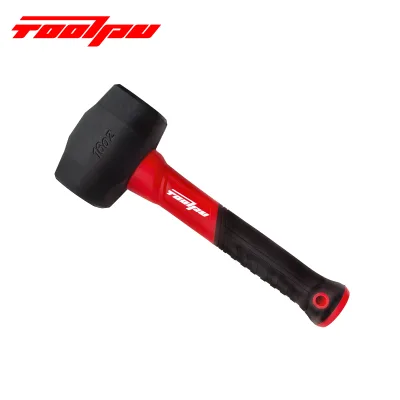
$1.80 - $2.00
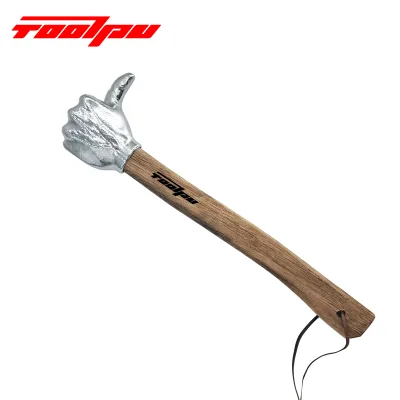
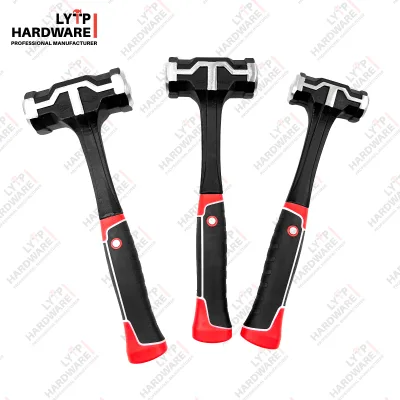
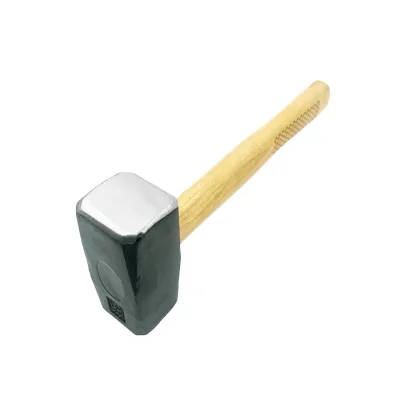
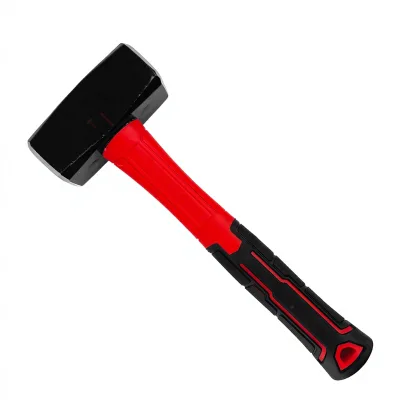
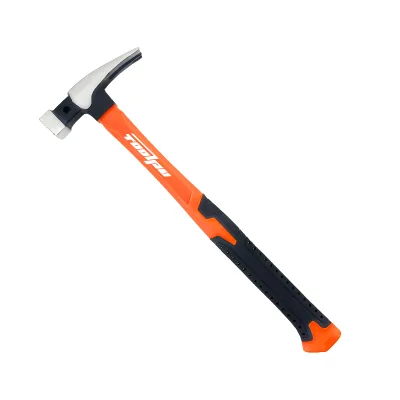
$1.00 - $3.00

Tangshan Las Import & Export Co., Ltd.
- Trading Company,Manufacturer/Factory
- China Hebei
- Lead time45 days
- Avg. response≤ 18h
Main productsHandle Shovel, Pick, Hoe, Fork, Axe and Hammer, Shovel Head, Nails, Sickle, Wire Mesh, Machete
Main marketsSouth America,Mid East,Southeast Asia,Eastern Asia,Africa

Linyi Xinda Hardware Tool Co., Ltd.
- Manufacturer, Trading Company
- Shandong, China
- Lead time30 days
- Avg. response≤ 4h
Main productsscraper,link chain,trowel,hammer,axe
Main marketsSoutheast Asia(50.00%), North America(10.00%), South America(10.00%), Eastern Europe(10.00%), Africa(10.00%), Mid East(5.00%), Eastern Asia(3.00%), Western Europe(2.00%)
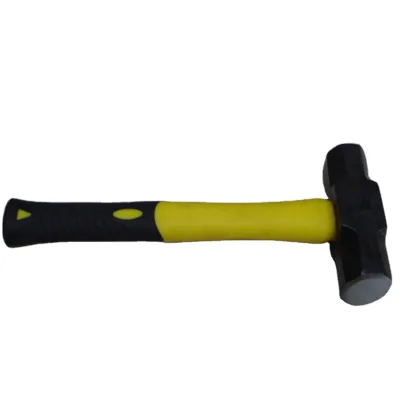
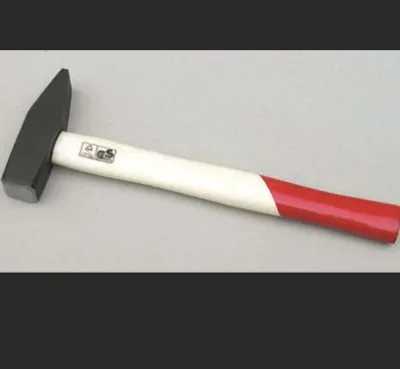
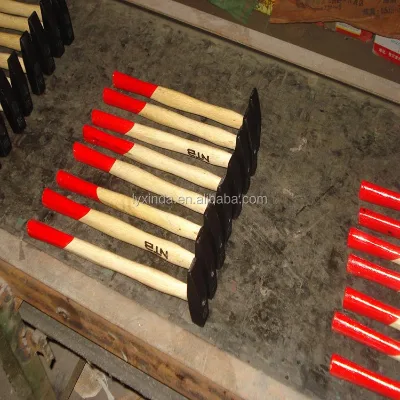
Machinist Hammer With Wooden Handle Hammer Blacksmith Power Forging Hammer for Sale
$0.20 - $0.30
MOQ: 2 pieces
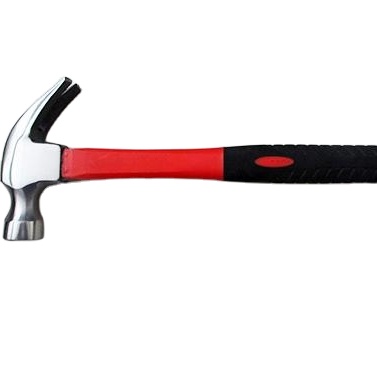
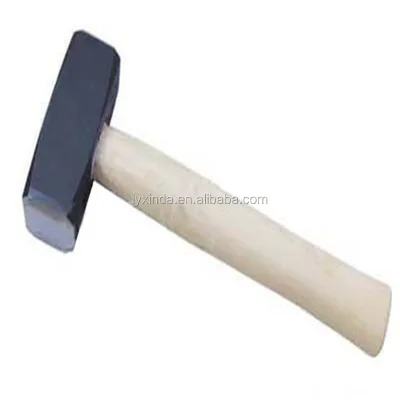
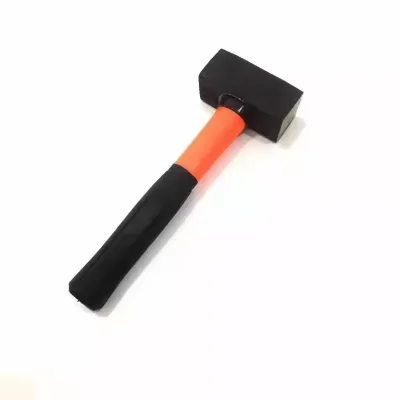
Best Selling Stone Hammer with Wooden Handle
$1.00 - $1.20

Shandong Enming Building Materials Co., Ltd.
- Trading Company,Manufacturer/Factory
- China Shandong
- Lead time45 days
- Avg. response≤ 5h
Main productsRoofing Tiles, Roof Tiles, Stone Coated Roof Tile, Bond Tile, Stone Coated Metal Roof Tile, Shingle Tile, Roman Tile, Wood Tile, Milan Tile, Rainbow Tile
Main marketsSouth America,Mid East,Southeast Asia,Eastern Asia,Africa
Qingdao Jiesheng Kaili Industry And Trade Co., Ltd.
- Trading Company
- Shandong, China
- Lead time45 days
- Avg. response≤ 3h
Main productsPaint rolle,Nail class,hand tools,nail gun,Tool set
Main marketsSouth Asia(32.00%), Mid East(28.00%), Eastern Asia(15.00%), North America(11.00%), South America(9.00%), Oceania(5.00%)
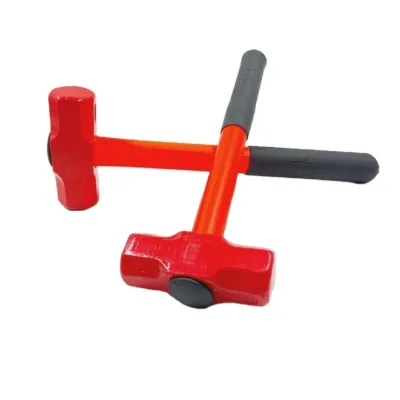
Shock resistant PP material handle High quality carbon steel 2LB3LB 4LB octagonal hammer
$0.9474
MOQ: 10 Minimum

Changsha Sollroc Engineering Equipments Co., Ltd.
- Verified by CTI
- Trading Company,Manufacturer/Factory
- China Hunan
- Lead time15 days
- Avg. response≤ 17h
Main productsDTH Bit, DTH Hammer, Button Bit, Rock Drilling Tools, Drill Rod, Reverse Circulation(RC) Hammer, Reverse Circulation(RC) Bit, Odex System, Symmetrix System, Diamond Core Bit
Main marketsSouth America,Eastern Europe,Mid East,North America,Southeast Asia,Eastern Asia,Oceania,Western Europe,Africa

Changsha Chaojingang Machinery Manufacturing Co., Ltd.
- Verified by SGS
- Combined
- China Hunan
- Lead time30 days
- Avg. response≤ 6h
Main productsDTH Hammer, DTH Bit, Reverse Circulation Hammer, Reverse Circulation Bit, High Air Pressure DTH Hammer, Top Hammer Drill Bit, Casing Drilling System, Drill Pipes and Rods
Main marketsSouth America,Africa,Southeast Asia/ Mideast,Domestic,Europe,Australia

Yantai Hope Precision Machinery Co.,Ltd.
- Verified by SGS
- Combined
- China Shandong
- Lead time23 days
- Avg. response≤ 2h
Main marketsSouth America,Others(foreignTradeCapacity.exportBusinessCapacityMarketOther),Southeast Asia/ Mideast,East Asia(Japan/ South Korea)
Jining Shengheng Heavy Industry Machinery Co., Ltd.
- Manufacturer
- Shandong, China
- Lead time3 days
- Avg. response≤ 2h
Main productsDismantling equipment,Mowing and logging,Road maintenance,Drilling machine,Loading and unloading screening
Main marketsSouth America(20.00%), Mid East(15.00%), Western Europe(15.00%), Eastern Europe(15.00%), North America(15.00%), Africa(12.00%), Domestic Market(8.00%)
Shandong Jinfu Tools Co., Ltd.
- Manufacturer, Trading Company
- Shandong, China
- Lead time40 days
- Avg. response≤ 8h
Main productsHand tools,Firefighting tools,Machine Knives
Main marketsSouth Asia(7.69%), Southern Europe(7.69%), Northern Europe(7.69%), Central America(7.69%), Western Europe(7.69%), Eastern Asia(7.69%), Mid East(7.69%), Oceania(7.69%), Africa(7.69%), Southeast Asia(7.69%), Eastern Europe(7.69%), South America(7.69%), North America(7.69%)

Glorytek Industry (Beijing) Co., Ltd.
- Verified by CTI
- Manufacturer/Factory
- China Beijing
- Lead time15 days
- Avg. response≤ 5h
Main productsDrilling Rig, Drill Bits, DTH Drill Rig, Drill Machine, Downhole Motor, Water Well Drill Rig, Tricone Bits, DTH Hammer, Anchor Drill Rig, Button Bits
Main marketsSouth America,Eastern Europe,Mid East,North America,Southeast Asia,Eastern Asia,Oceania,Western Europe,Africa

Yantai Chengtai Construction Machinery Co., Ltd.
- Manufacturer, Trading Company
- Shandong, China
- Lead time10 days
- Avg. response≤ 4h
Main productsHydraulic Breaker hammer,Post Driver,Sheet Pile Hammer,Quick hitch,Hydraulic Plate Compactor
Main marketsDomestic Market(60.00%), Mid East(10.00%), Oceania(8.00%), Africa(5.00%), Eastern Asia(5.00%), Central America(3.00%), Eastern Europe(3.00%), North America(1.00%), South Asia(1.00%), Southern Europe(1.00%), Northern Europe(1.00%), South America(1.00%), Southeast Asia(1.00%)
Henan Jane Machinery Co., Ltd.
- Manufacturer, Trading Company
- Henan, China
- Lead time0 days
- Avg. response≤ 2h
Main productsroof tile making machine,cz purlin making machine,light steel keel making machine,metal embossing machine,metal embossing machine
Main marketsSouth America(30.00%), Southeast Asia(20.00%), Northern Europe(10.00%), Central America(10.00%), North America(10.00%), Eastern Europe(10.00%), Western Europe(5.00%), Africa(5.00%)
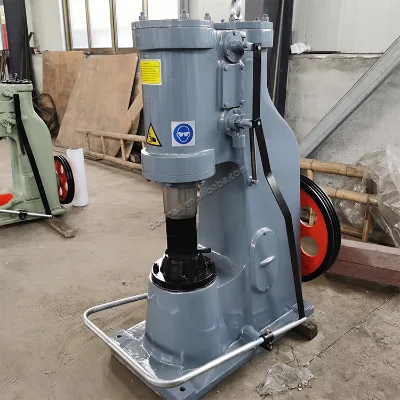
C41 Metal Forged Powered Air Hammer - a Hot-Selling Model From a Chinese Factory
$1759.8815 - $2277.4937
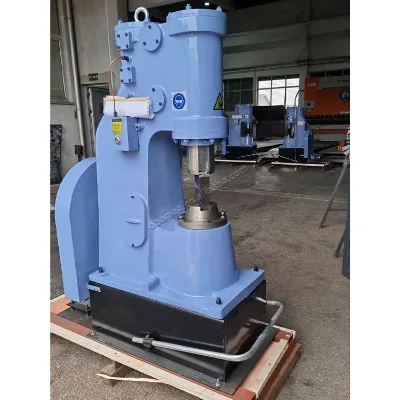

Yantai Zhuoxin Machinery Technology Co., Ltd.
- Verified by BV
- Combined
- China Shandong
- Lead time23 days
- Avg. response≤ 1h
Main productsHydraulic Breaker, Quick Hitch Coupler, Hydraulic Pile Hammer, Hydraulic Shear, Hydraulic Pulverizer, Hydraulic Compactor, Hydraulic Breaker Hammer, Excavator Hydraulic Bucket, Excavator Earth Augers, Hydraulic Breaker Parts
Main marketsEurope

NINGBO YINZHOU GET MACHINERY LTD.
- Verified by CTI
- Trading Company,Manufacturer/Factory
- China Zhejiang
- Lead time15 days
- Avg. response≤ 7h
Main productsHydraulic Breaker Chisel, Hydraulic Breaker, Hydraulic Breaker Spare Parts, Hydraulic Breaker Pistons, Hydraulic Breaker Bushes, Hydraulic Breaker Pins, Hydraulic Breaker Front Heads and Back Heads, Hydraulic Breaker Seal Kits, Hydraulic Breaker Diaphragms, Hydraulic Breaker Bolts
Main marketsSouth America,Eastern Europe,Mid East,North America,Southeast Asia,Eastern Asia,Oceania,Western Europe,Africa


China Manufacturer High Quality Hydraulic Breaker Hammer All Models for Digger
$1200.00 - $10000.00
MOQ: 1 Pieces
Shandong Best Import & Export Co., Ltd.
- Verified by SGS Group
- Manufacturer, Trading Company
- Lead time20 days
- Avg. response≤ 3h
Main productsHardware tools, Plastering trowel, Hammer, Axe
Main marketsNorth America(40%), Africa(20%), Eastern Europe(10%)

Shandong Best Import and Export Co., Ltd.
- Verified by SGS
- Trading Company
- China Shandong
- Lead time30 days
- Avg. response≤ 7h
Main productsPlastering Trowel, Hammer, Axe, Carpenter Pencil, Wrecking Bar, Bricklaying Trowel, Solar Panel, Other Hardware Tools
Main marketsSouth America,Africa,Southeast Asia/ Mideast,East Asia(Japan/ South Korea),Domestic,Europe,North America

Wenzhou Joint Swords Co., Ltd.
- Combined
- China Zhejiang
- Lead time30 days
- Avg. response≤ 24h
Main productsSwords, Katana, Samurai Swords, Movie Swords, Shields, Axe, Medieval Helmets, Tanto, Lord of Ring, Key Ring
Main marketsDomestic


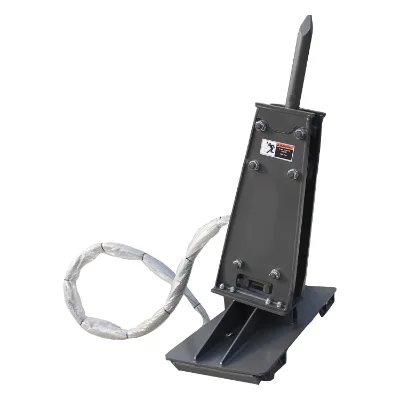
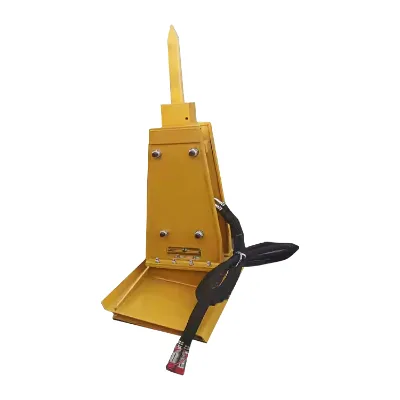






Comprehensive Sourcing Guide
3D Model BB Hammer Supplier Concentration and Factory Types
The current supplier landscape for hammer-related hardware reveals a distinct geographic and operational concentration that buyers must navigate carefully. Evidence indicates that manufacturing entities are primarily located in China, with specific clusters identified in Zhejiang and Shandong provinces, as well as Shanghai. These regions serve as the primary hubs for the production of various hammer types, including rubber hammers, claw hammers, and machinist hammers. The presence of suppliers in Zhejiang suggests a strong industrial base for plastic injection and tool manufacturing, while Shandong is noted for steel-based hammer production. Shanghai appears to host trading companies that facilitate the export of these goods. This geographic distribution is critical for buyers to understand, as it influences logistics, communication, and the specific technical capabilities available. The concentration in these areas implies that buyers can expect a high density of suppliers offering similar product lines, which increases competition but also requires diligent vetting to ensure quality and reliability.
Regarding company types, the market includes both manufacturers and trading companies. Factories in Zhejiang and Shandong are often equipped to handle OEM and ODM requests, indicating a capacity for custom manufacturing and private labeling. These entities typically possess the physical infrastructure for production, such as forging and assembly lines. In contrast, trading companies, particularly those based in Shanghai, may focus on aggregating products from multiple factories to offer a broader catalog to international buyers. These trading entities often provide additional services such as quality control consolidation and logistics management. Understanding this distinction is vital for buyers who need to decide whether they require direct factory engagement for cost savings and customization or the convenience and variety offered by a trading partner. The mix of these company types creates a diverse sourcing environment where buyers must align their specific needs with the appropriate supplier model to achieve optimal results.
How to Verify 3D Model BB Hammer Suppliers
Verifying the legitimacy and capability of suppliers requires a multi-layered approach that goes beyond simple profile reviews. Buyers should prioritize suppliers who display third-party verification badges, such as BV certification, which serves as an external validation of the company’s business operations. This verification is a strong indicator of a supplier’s commitment to transparency and operational integrity. Additionally, checking for system certifications like ISO 9001 is essential, as it demonstrates that the supplier adheres to international quality management standards. These certifications are not merely decorative; they reflect a structured approach to production control and continuous improvement. Buyers should request copies of these certificates and verify their validity through the issuing bodies to ensure they are current and applicable to the specific products being sourced. This step is crucial for mitigating the risk of dealing with unverified entities that may lack the necessary quality control systems.
Beyond certifications, buyers must assess the supplier’s responsiveness and production capacity as indicators of reliability. Response time is a key metric, with some suppliers demonstrating rapid communication capabilities, such as responding within a few hours. This speed often correlates with efficient internal processes and a customer-centric approach. Furthermore, examining the supplier’s stated lead times provides insight into their production scheduling and inventory management. Suppliers with shorter lead times, such as those offering fifteen-day turnaround, may have more agile production lines or better stock management. Buyers should also inquire about the supplier’s ability to handle custom orders, as indicated by their OEM and ODM capabilities. Confirming these details through direct communication helps buyers gauge the supplier’s flexibility and readiness to meet specific project requirements. This holistic verification process ensures that buyers select partners who are not only legally compliant but also operationally capable of delivering on their promises.
What to Compare Across 3D Model BB Hammer Suppliers
When evaluating multiple suppliers, buyers must compare key operational metrics to determine the best fit for their procurement strategy. One of the most critical factors is the minimum order quantity (MOQ), which varies significantly across different suppliers and product lines. For instance, some suppliers may require an MOQ of one thousand units for certain hammer models, while others might accept orders as low as seven hundred twenty units. This variation allows buyers to align their orders with their inventory needs and cash flow constraints. Additionally, price points are another essential comparison factor. Prices can range from less than one dollar to over three dollars per unit, depending on the material, complexity, and customization options. Buyers should analyze these price differences in the context of the product specifications to ensure they are getting value for money. It is important to note that lower prices may sometimes correlate with lower MOQs or standard packaging, so buyers must weigh these trade-offs carefully.
Lead time and response speed are also pivotal in supplier comparison. Suppliers with lead times as short as fifteen days offer faster turnaround, which is beneficial for urgent orders or just-in-time inventory strategies. In contrast, suppliers with thirty-day lead times may be better suited for planned, large-scale procurement. Response time, measured in hours, indicates how quickly a supplier can address inquiries and resolve issues. A supplier responding within three hours demonstrates high availability and efficiency, which can be crucial for maintaining smooth communication throughout the procurement process. Buyers should also compare the main products offered by each supplier to ensure they specialize in the specific hammer types they need. Some suppliers focus on rubber hammers, while others specialize in steel claw hammers or machinist hammers. Aligning the supplier’s expertise with the buyer’s specific product requirements ensures higher quality and better technical support.
Common 3D Model BB Hammer Sourcing Risks
Sourcing hammers from international suppliers introduces several risks that buyers must proactively manage. One significant risk is the variability in product standards and certifications. While some suppliers offer products compliant with GS or CE standards, others may only meet nominal standards or lack specific certifications altogether. Buyers must ensure that the products they order meet the regulatory requirements of their target markets. Failure to verify these standards can lead to customs delays, product rejections, or legal liabilities. Additionally, the risk of receiving products that do not match the specified materials or dimensions is prevalent. For example, a hammer specified as having a rubber head might be delivered with a different material if quality control is lax. Buyers should request detailed product specifications and samples before placing large orders to mitigate this risk. This due diligence helps ensure that the final products align with the buyer’s expectations and quality standards.
Another common risk is the inconsistency in packaging and labeling, which can affect logistics and retail readiness. Suppliers may use different packing methods, such as individual OPP bags, master cartons, or custom packaging, which can impact shipping efficiency and product protection. Buyers must clearly communicate their packaging requirements to avoid misunderstandings. Furthermore, the risk of communication breakdowns is heightened when dealing with trading companies that act as intermediaries. Miscommunication can lead to errors in order specifications, delivery dates, or payment terms. Buyers should establish clear and documented communication channels with their suppliers to minimize these risks. Regular follow-ups and confirmation of order details are essential practices. Additionally, buyers should be aware of the potential for supply chain disruptions, which can affect lead times and availability. Having contingency plans and alternative suppliers can help mitigate the impact of such disruptions.
3D Model BB Hammer Regional Sourcing and Logistics
The geographic location of suppliers significantly influences logistics costs and delivery times. Suppliers located in Zhejiang and Shandong provinces benefit from proximity to major ports and industrial infrastructure, which can facilitate efficient export processes. Buyers sourcing from these regions should consider the specific logistics advantages and potential challenges associated with each location. For instance, suppliers in Shandong may have different shipping routes compared to those in Zhejiang, affecting transit times and costs. Understanding these regional differences allows buyers to optimize their logistics strategies and select suppliers that offer the most favorable shipping conditions. Additionally, buyers should consider the impact of regional trade policies and tariffs on their overall procurement costs. Some regions may have favorable trade agreements that reduce duties, while others may face higher tariffs. Buyers must stay informed about these factors to make cost-effective sourcing decisions.
Logistics planning also involves coordinating with freight forwarders and ensuring proper documentation. Buyers should work closely with their suppliers to ensure that all export documents, such as commercial invoices, packing lists, and certificates of origin, are accurate and complete. Inaccurate documentation can lead to customs delays and additional fees. Furthermore, buyers should consider the mode of transportation, whether by sea or air, based on the urgency and volume of the order. Sea freight is generally more cost-effective for large orders, while air freight is suitable for urgent, smaller shipments. Buyers should also evaluate the supplier’s ability to handle different Incoterms, such as FOB or CIF, to determine who is responsible for shipping and insurance costs. Clear agreement on these terms helps avoid disputes and ensures a smooth logistics process. By carefully planning logistics and understanding regional nuances, buyers can enhance the efficiency and reliability of their supply chain.
3D Model BB Hammer Commercial Terms and Order Planning
Commercial terms and order planning are critical components of successful supplier engagement. Buyers must negotiate clear payment terms that protect their interests while accommodating the supplier’s financial requirements. Common payment methods include telegraphic transfer (TT) and letters of credit (LC), each with its own advantages and risks. Buyers should assess the supplier’s preference and negotiate terms that balance security and cash flow. Additionally, buyers should clarify the warranty and return policies for defective products. Understanding these terms helps buyers manage potential losses and maintain quality standards. Buyers should also consider the impact of currency fluctuations on pricing, especially for long-term contracts. Establishing fixed prices or hedging strategies can mitigate this risk. Clear commercial terms provide a solid foundation for a stable and productive business relationship.
Order planning involves forecasting demand and aligning it with supplier capacity. Buyers should analyze historical sales data and market trends to estimate future requirements accurately. This forecasting helps in determining the optimal order quantity and timing. Buyers should also consider the supplier’s production capacity and lead times when planning orders. Placing orders well in advance of the required delivery date ensures that the supplier has sufficient time to produce and ship the goods. Additionally, buyers should establish a regular ordering schedule to maintain consistent inventory levels and avoid stockouts. This proactive approach helps in managing supply chain risks and ensuring product availability. Buyers should also communicate any changes in demand or specifications promptly to allow the supplier to adjust production plans. Effective order planning and clear commercial terms are essential for achieving operational efficiency and customer satisfaction.
FAQs
What is the price range for rubber hammers?
Prices for rubber hammers typically range from $1.20 to $2.00 per unit. Specific models like the Link-Style Dead Blow Rubber Hammer are priced at $1.20, while other variants may cost $2.00. Buyers should verify exact pricing based on quantity and customization requirements before placing orders.
What is the minimum order quantity for hammers?
Minimum order quantities vary by supplier and product type. For example, rubber hammers may require a minimum of 1000 units, while short handle hammers might need 1500 units. Machinist hammers can have a lower MOQ of 720 units. Always confirm the specific MOQ with the supplier.
Where are these hammer suppliers located?
Suppliers are primarily located in China, specifically in Zhejiang, Shanghai, and Shandong provinces. Zhejiang and Shandong are key manufacturing hubs for tools, while Shanghai hosts trading companies. Buyers can filter results by these locations to find suppliers closest to their logistics preferences.
How fast do suppliers respond to inquiries?
Response times vary significantly among suppliers. Some suppliers respond within 3 hours, while others may take up to 17.32 hours. Faster response times, such as 12.48 hours, are also available. Buyers should prioritize suppliers with quicker response times for efficient communication.
What certifications do these hammer suppliers have?
Certifications include ISO 9001 for quality management systems. Some products meet GS standards, while others comply with CE regulations. Verification services like BV are also available for certain suppliers. Buyers should request specific certification documents to ensure compliance with their market requirements.
What is the typical lead time for orders?
Lead times generally range from 15 to 30 days. Suppliers in Shandong may offer faster lead times of 15 days, while others might take up to 30 days. Buyers should confirm lead times with suppliers to align with their project schedules and inventory needs.