4 Players Indoor Shooting Simulator Suppliers and Manufacturers
Explore 17 verified suppliers offering 4 Players Indoor Shooting Simulator units with ODM and OEM capabilities. Compare response times, lead times, certifications like ISO and CE, and pricing ranges to find the right partner. Contact suppliers directly to request quotes and verify product specifications.
Updated
Suppliers List

Guangzhou Movie Power Technology Co., Ltd
- Verified by BV
- Combined
- China Guangdong
- Lead time15 days
- Avg. response≤ 5h
Main productsVr Simulator, Vr Equipment, Vr Game Machine, Vr Arcade Machine, Vr Machine, Naked-Eye 3D Flying Cinema, Arcade Game Machine, Dome Flying Cinema, 5D/9d Cinema, Vr Game Simulator
Main marketsSouth America,Africa,Others(foreignTradeCapacity.exportBusinessCapacityMarketOther),Southeast Asia/ Mideast,East Asia(Japan/ South Korea),Europe,Australia,North America

Guangzhou EPARK Electronic Technology Co., Ltd.
- Verified by SGS
- Combined
- China Guangdong
- Lead time15 days
- Avg. response≤ 3h
Main products9d Vr, Racing Game Machines, Boxing Machine, Kids Game Machine, Claw Machine, Arcade Game Machine, Vr Simulator Series, Kiddie Ride, Basketball Game Machine, Amusement Game Machine
Main marketsSouth America,Africa,Southeast Asia/ Mideast


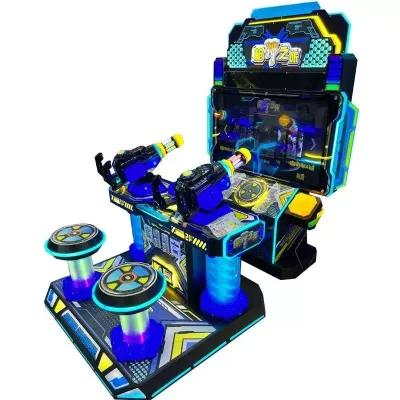
4 Shooters Game Machine Interactive Play Shooting Gun Simulator Indoor Adult Shooting Games
$23000.00 - $24000.00
MOQ: 1 set


Jamma Amusement Technology Co., Ltd
- Combined
- China Guangdong
- Lead time23 days
- Avg. response≤ 14h
Main productsVr Simulator
Main marketsAfrica,Southeast Asia/ Mideast,North America
Guangzhou Jin Xi Animation Technology Co., Ltd
- Verified by Intertek
- Manufacturer, Trading Company
- Guangdong, China
- Lead time7 days
- Avg. response≤ 2h
Main productsArcade Gifts Machines, Simulation Game Machine, Interactive Game Equipment, VR Game Machine, Kids Game Machine
Main marketsNorth America(50%), South America(20%), Southeast Asia(12%)
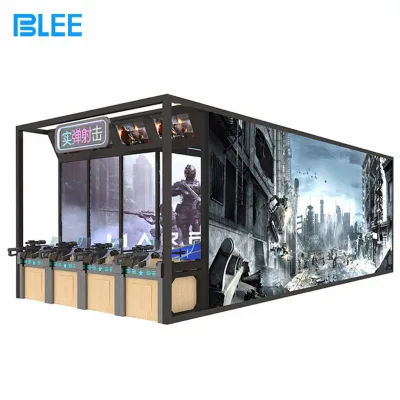
Indoor Shooting Target Game Machines Sports Amusement Park Shooting Simulator Shooting Target Game
$8800.00 - $9800.00
MOQ: 1
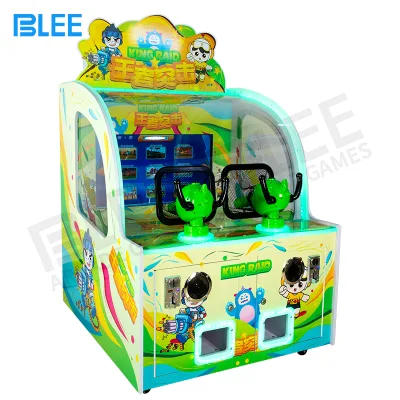
$615.00 - $703.00
MOQ: 1 pieces

Guangzhou Elong Animation Technology Company Limited
- Manufacturer, Trading Company
- Guangdong, China
- Lead time15 days
- Avg. response≤ 1h
Main productsCommercial arcade machines,Racing simulators,Shooting arcade machines,Redemption machines,Claw machines
Main marketsAfrica(15.00%), Southeast Asia(15.00%), Mid East(13.00%), Western Europe(10.00%), Northern Europe(10.00%), Eastern Asia(8.33%), South Asia(8.00%), Domestic Market(5.00%), Eastern Europe(5.00%), North America(5.00%), Southern Europe(2.00%), Central America(2.00%), South America(1.00%), Oceania(1.00%)
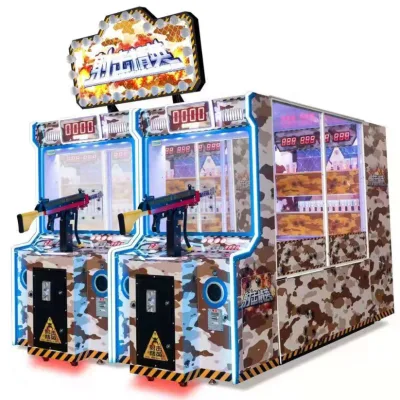
Shooting Game Indoor Target Arcade Shooting Game Machines Simulator Equipment
$8479.7753 - $8898.5296
MOQ: 2 pieces
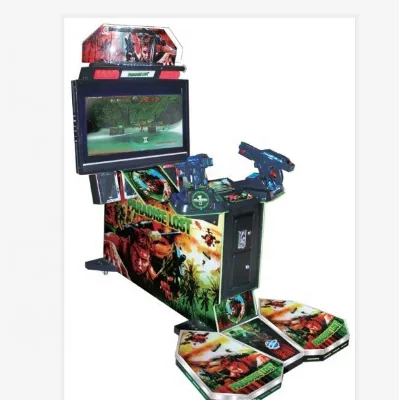
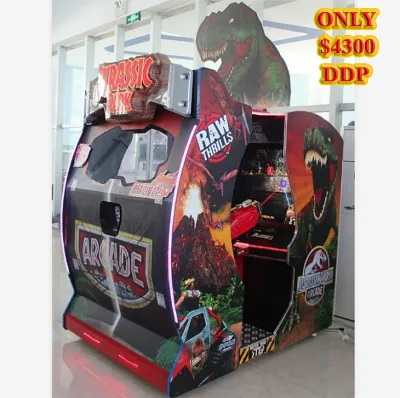
Moving Seats Relic Simulator Shooting Game Machine Shooting Game Machine
$24300.00 - $47600.00

- Verified by TUVRHEINLAND
- Combined
- China Guangdong
- Lead time30 days
- Avg. response≤ 2h
Main productsVr Game Simulator, Naked-Eye 3D Flying Cinema, Vr Simulator, Dome Flying Cinema, Vr Equipment/Machine, Cinema/ Theater Equipment, Vr Game Machine, 5D/12D Theater System, Arcade Game Machine, 5D/7D/9d/12D Cinema
Main marketsOthers(foreignTradeCapacity.exportBusinessCapacityMarketOther),Europe,North America

Indoor Playground Equipment Vr Shooting Game Vr Multiplayer Game Shooter Simulator
$7800.00 - $8300.00
MOQ: 1 Pieces


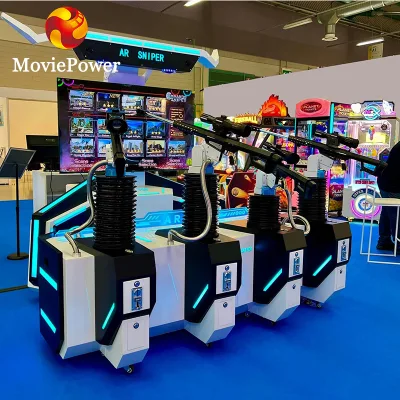
4 Players Game Machine 9d Vr Shooting Gallery Arcade Machine Simulator
$12000.00 - $13000.00
MOQ: 1 Pieces

Multiplayer Online Shooting Game Arcade Machine Shooting Gallery Simulator
$12000.00 - $13000.00
MOQ: 1 Pieces

Indoor Playground Arcade Machine Shooting Simulator with Shooting Game in Amusement Park
$13000.00
MOQ: 1 Pieces
Guangzhou Waimar Animation Technology Co., Ltd.
- Verified by SGS Group
- Manufacturer, Trading Company
- Lead time7 days
- Avg. response≤ 2h
Main productsBumper Car, Coin-operated Game Consoles
Main marketsNorth America(50%), Southeast Asia(40%), Eastern Europe(10%)
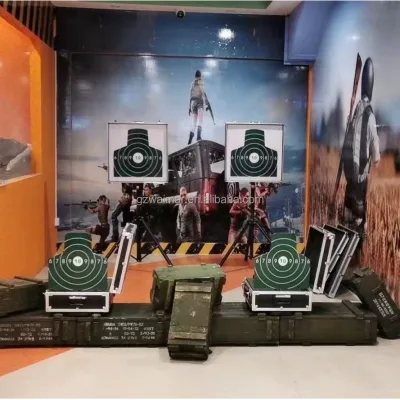
Shooting Practice Target Shooting Range Simulator for Arcade Game Center
$564.7206 - $790.6091
MOQ: 1 pieces
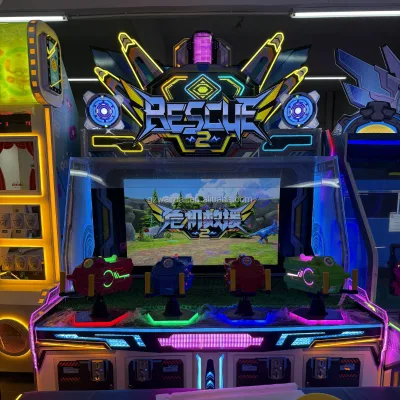
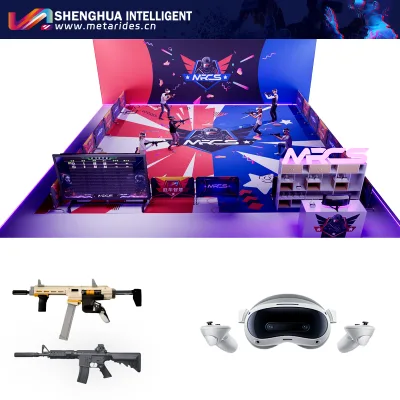
Guangdong Shenghua Intelligent Technology Co., Ltd.
- Manufacturer
- Guangdong, China
- Lead time0 days
- Avg. response≤ 2h
Main productsMixed Reality,Amusement rides,Mixed reality game,AR game racing kart,VR game racing
Main marketsNorth America(30.00%), Northern Europe(10.00%), Western Europe(10.00%), Mid East(10.00%), Oceania(10.00%), Southeast Asia(10.00%), Eastern Europe(10.00%), South America(10.00%)
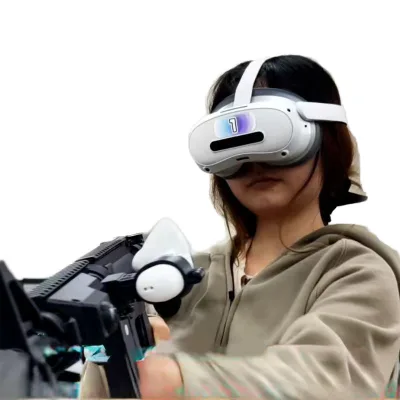
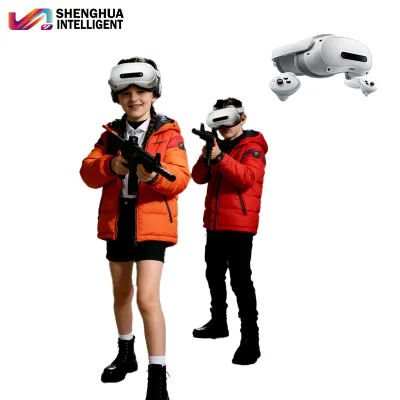
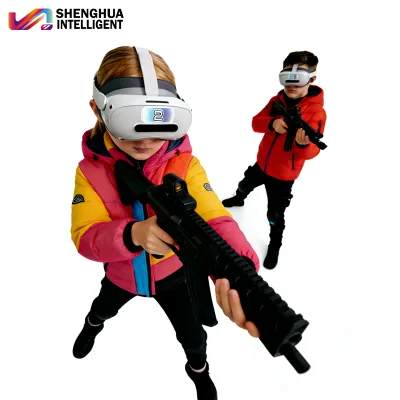
$3078.1846 - $3693.8215
MOQ: 1 Minimum
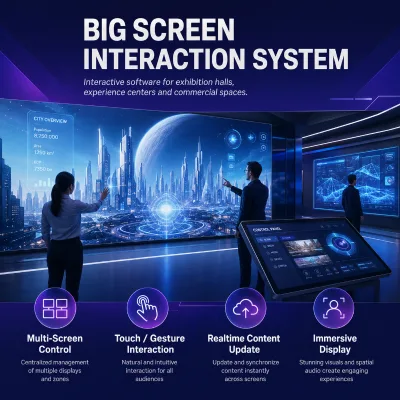
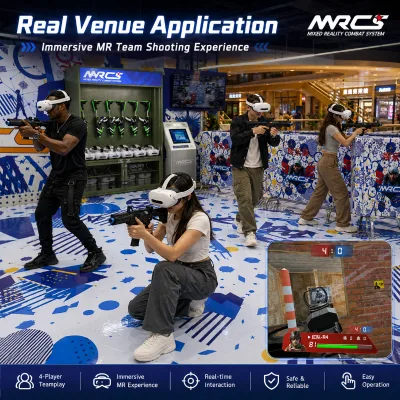
Guangzhou Chuangyi Network Media Co., Ltd.
- Trading Company
- Guangdong, China
- Lead time5 days
- Avg. response≤ 2h
Main productsInteractive Projector, AR Products, All-In-One Projector Interactive Machine, Interactive Floor Projector, 3D 5D 7D Motion Cinema
Main marketsNorth America(30.00%), Mid East(20.00%), Southeast Asia(20.00%), South America(5.00%), Western Europe(5.00%), Southern Europe(5.00%), Central America(5.00%), Northern Europe(5.00%), Eastern Europe(5.00%)
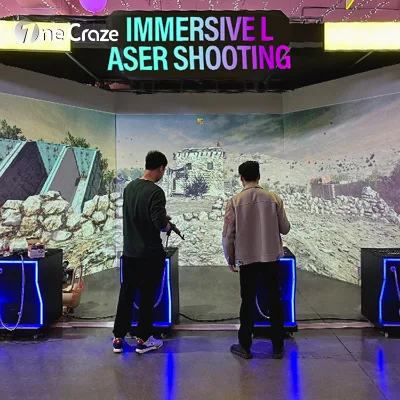
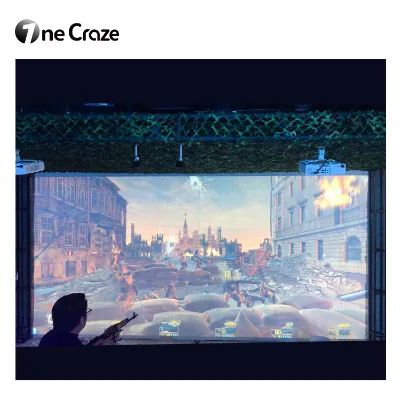
$4950.00 - $5000.00
MOQ: 1 Minimum
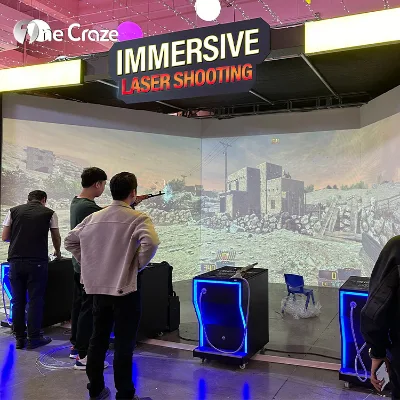
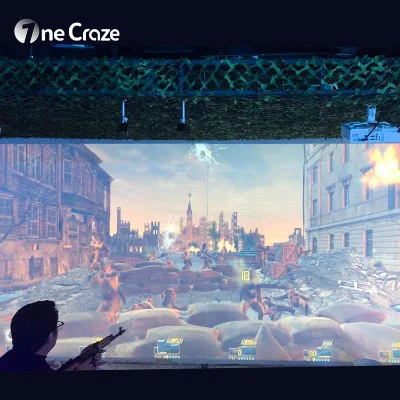
LIANGJIA SPORTS TECHNOLOGY (GUANGZHOU) CO., LTD.
- Manufacturer
- Guangdong, China
- Lead time20 days
- Avg. response≤ 3h
Main productsfootball simulator,tennis simulator,skiing simulator,indoor archery range,indoor shooting range
Main marketsSoutheast Asia(40.00%), Mid East(30.00%), Western Europe(10.00%), Eastern Europe(10.00%), North America(10.00%)
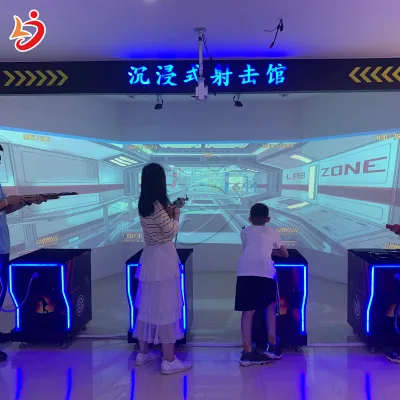
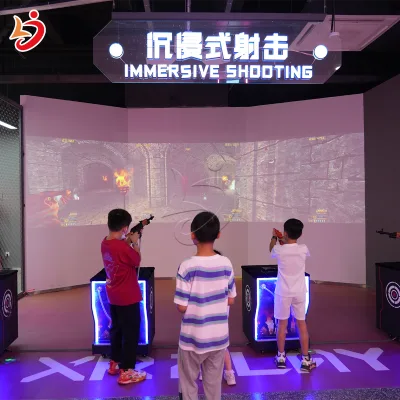
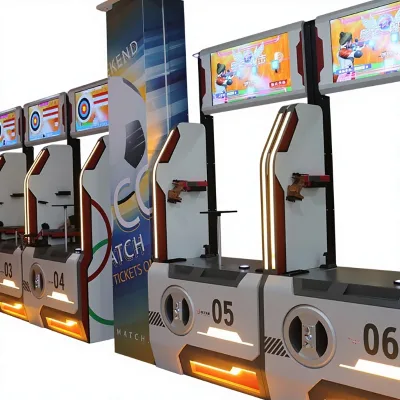
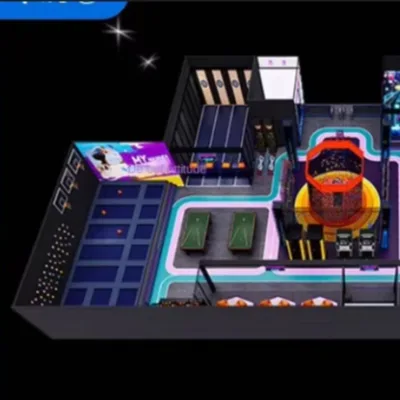
$927.2791 - $1030.3102
MOQ: 1 units
Shanghai Easi Computer Technology Corporation
- Verified by TüVRheinland
- Manufacturer, Trading Company
- Lead time5 days
- Avg. response≤ 1h
Main productsInteractive Projection, Immersive Projection, Interactive Whiteboard, Laser Touch Kit, Shooting Game
Main marketsDomestic Market(40%), North America(15%), South America(15%)
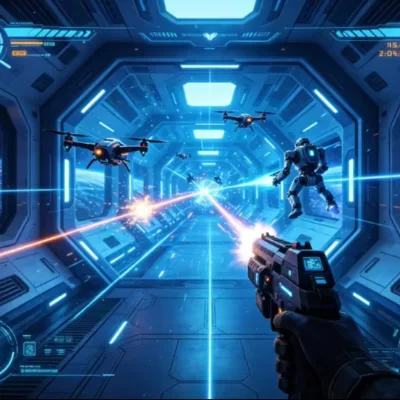
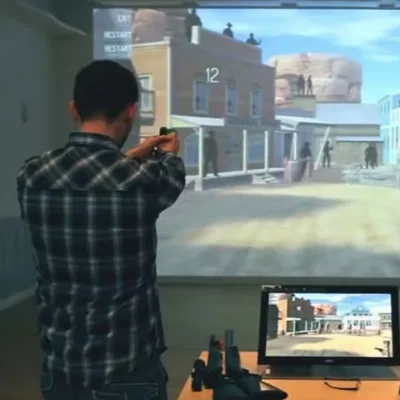
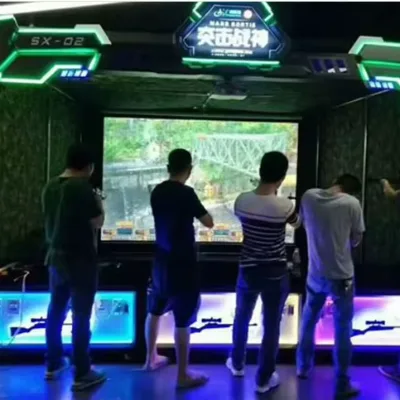
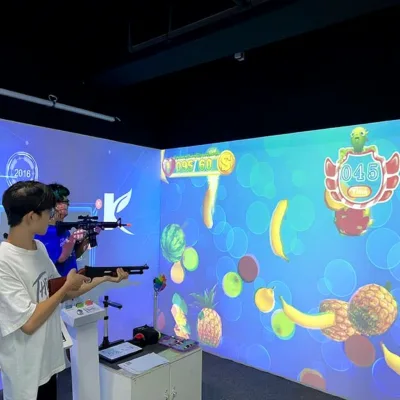
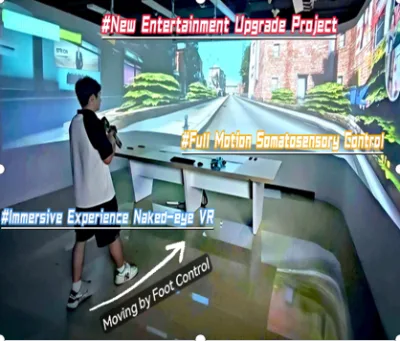
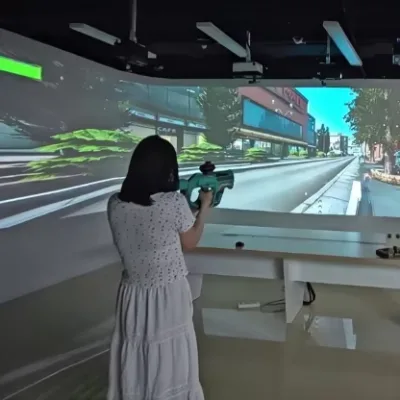
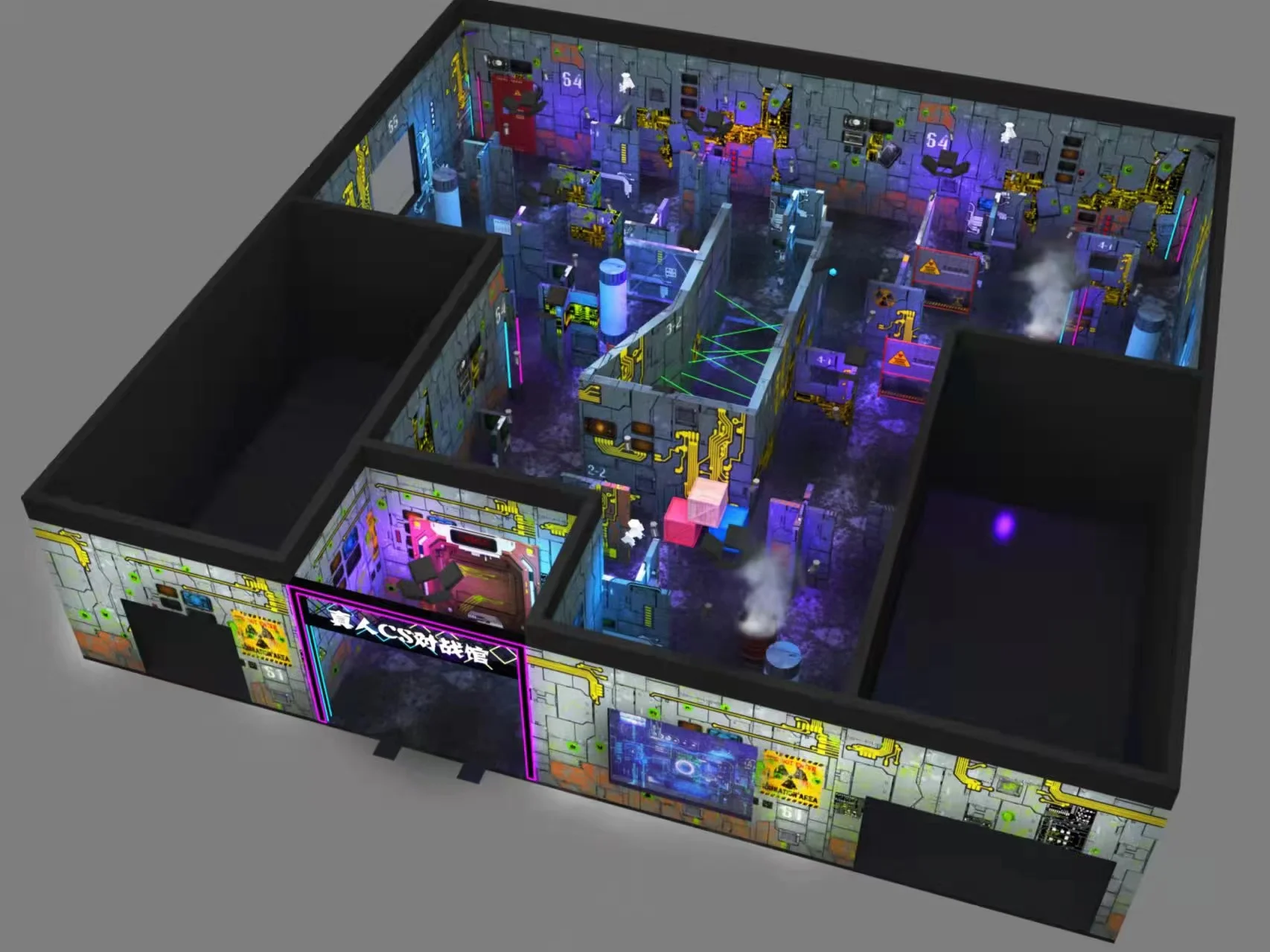
Shooting Simulator in Three Screen Real CS Shooting Motion Sensor Interactive Shooting Games
$545.117 - $580.9806
MOQ: 1 sets
Guangzhou Bodiluo Technology Co., Ltd.
- Manufacturer
- Guangdong, China
- Lead time20 days
- Avg. response≤ 2h
Main productsshooting game machines,AR/VR shooting machines,full-motion driving machines,digital shooting,digital archery
Main marketsMid East(30.00%), North America(20.00%), Western Europe(15.00%), Eastern Europe(10.00%), Africa(7.00%), Southern Europe(5.00%), Oceania(5.00%), Domestic Market(2.00%), Southeast Asia(1.00%), South America(1.00%), South Asia(1.00%), Northern Europe(1.00%), Central America(1.00%), Eastern Asia(1.00%)
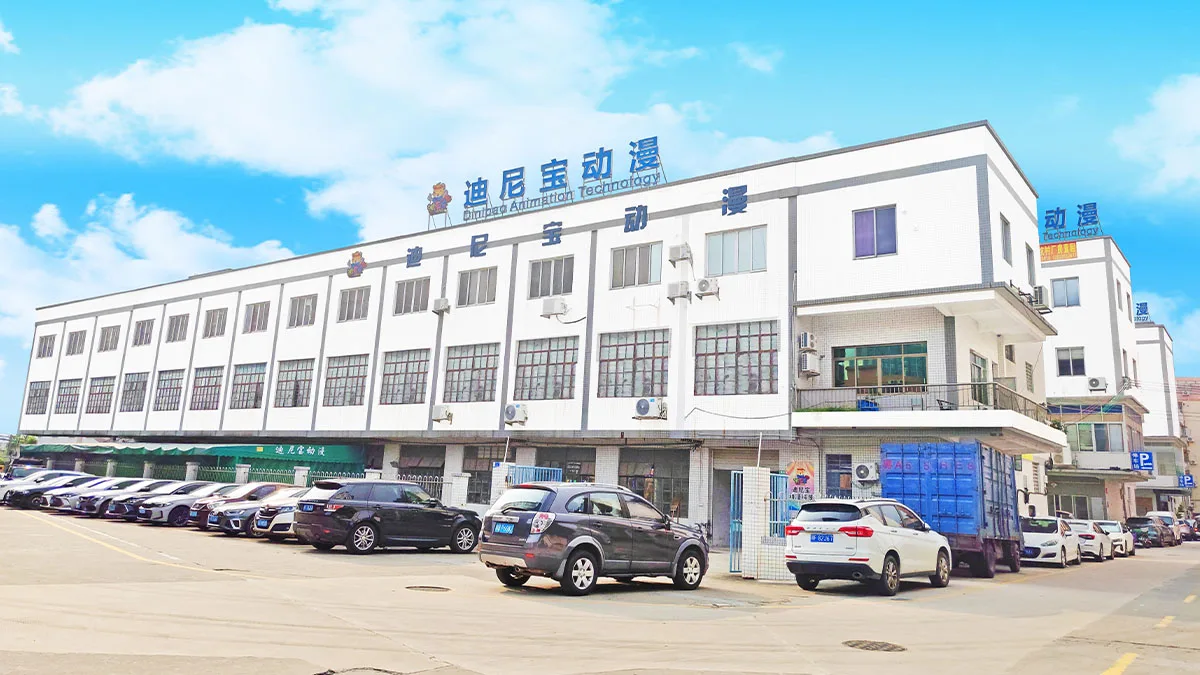
Guangzhou Dinibao Animation Technology Co., Ltd.
- Manufacturer
- Guangdong, China
- Lead time10 days
- Avg. response≤ 2h
Main productssimulator shooting game machine,simulator racing game machine,redemption game machine,basketball game machine,toy crane game machine
Main marketsSouth Asia(15.00%), Eastern Asia(14.00%), Mid East(12.00%), Africa(10.00%), Southeast Asia(8.00%), Domestic Market(6.00%), Southern Europe(5.00%), North America(5.00%), Eastern Europe(5.00%), Central America(4.00%), Western Europe(3.00%), Northern Europe(3.00%), Oceania(2.00%), South America(2.00%)
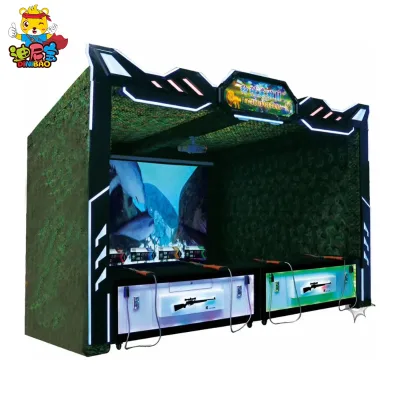
$4600.00 - $4800.00
MOQ: 1 pieces
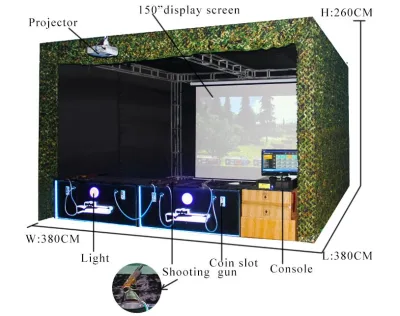
$4706.9456 - $4911.5954
MOQ: 1 pieces
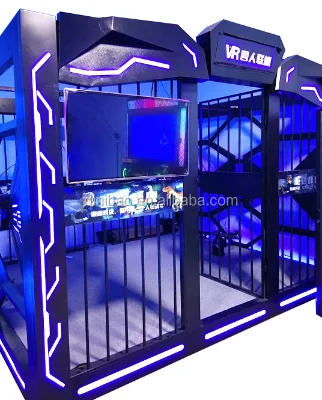
$14800.00 - $15200.00
MOQ: 1 pieces
Guangzhou Fuhua Animation Technology Co., Ltd.
- Manufacturer
- Guangdong, China
- Lead time0 days
- Avg. response≤ 1h
Main productsFOCON,Game Machines,Boxing & Basketball,Arcade Machine Manufacturer,OEM/ODM Service
Main marketsDomestic Market(12.00%), Southern Europe(7.00%), Southeast Asia(7.00%), Eastern Asia(7.00%), North America(6.00%), South America(6.00%), Eastern Europe(2.00%), Mid East(2.00%), Western Europe(1.00%), Northern Europe(1.00%), Oceania(1.00%)

Guangzhou Ama Amusement Equipment Co, . Ltd
- Verified by SGS
- Combined
- China Guangdong
- Lead time30 days
- Avg. response≤ 5h
Main productsCoin Operated Game Meachine, Toy Crane Machine, Swing Machine, Kiddie Ride, Cotton Candy Machine, Kiddy Ride, Amusement Game, Prize Game, Soft Play, Arcade Game Machine
Main marketsSouth America,Africa,Southeast Asia/ Mideast,East Asia(Japan/ South Korea),Europe,Australia,North America

Ama Indoor Shooting Machine Video Game Interactive TV Gun PC Simulator Play Zone Shooting Game
$6500.00 - $6800.00
MOQ: 1 piece

$2980.00 - $3200.00
MOQ: 1 piece
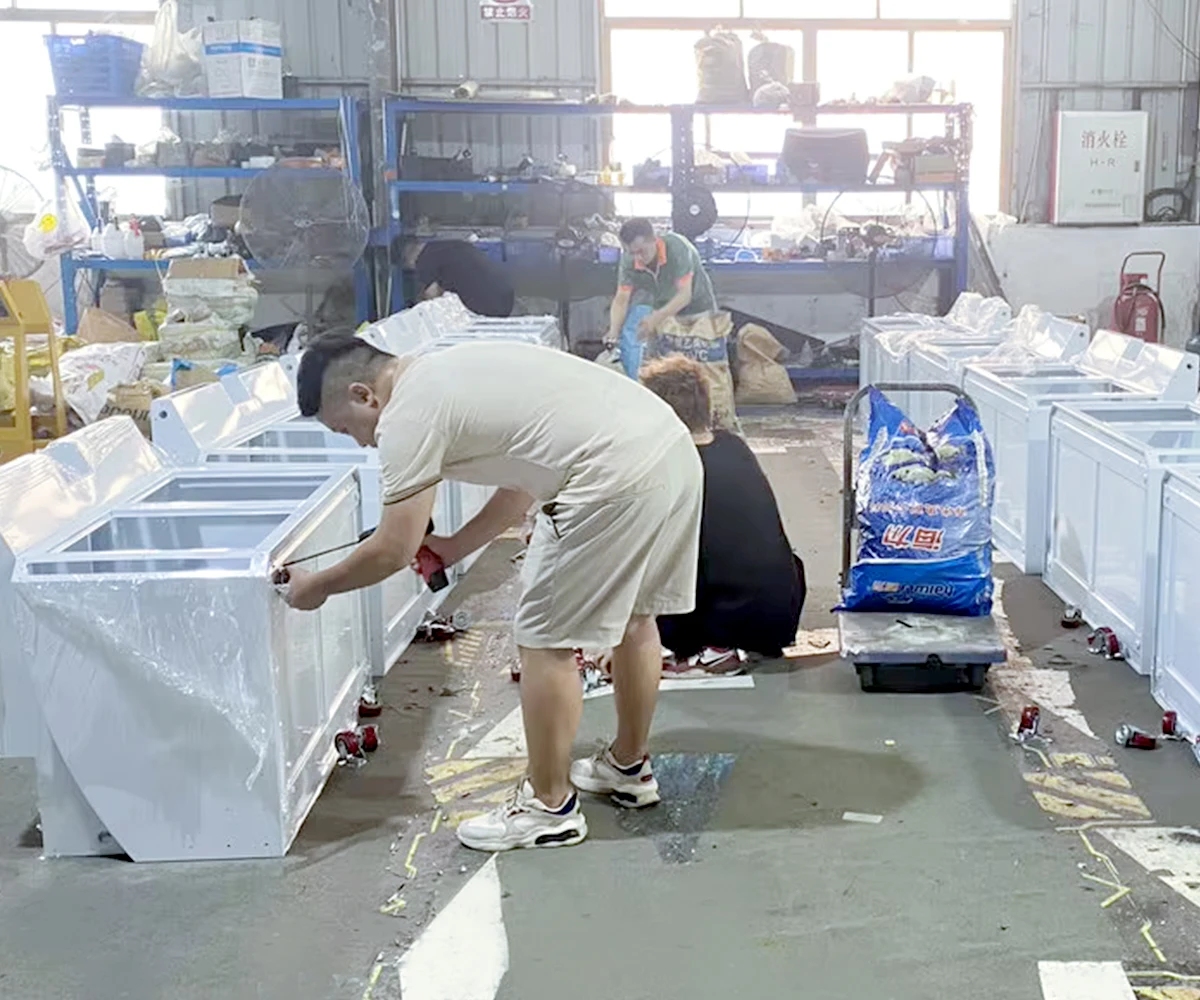
Guangzhou Jinxin Electronic Trade Co., Ltd.
- Manufacturer, Trading Company, Distributor/Wholesaler
- Guangdong, China
- Lead time15 days
- Avg. response≤ 12h
Main productsGift Claw Crane Machine,Game Board,Arcade Game Machine,Karting Car,Driving Game Machine
Main marketsSouth Asia(10.00%), Southern Europe(10.00%), Northern Europe(10.00%), Central America(10.00%), Western Europe(10.00%), Eastern Asia(10.00%), Mid East(10.00%), Oceania(10.00%), Southeast Asia(10.00%), Eastern Europe(10.00%), South America(10.00%), North America(10.00%)
Guangzhou Movie Power Technology Co., Ltd.
- Verified by Intertek
- Manufacturer, Trading Company
- Lead time10 days
- Avg. response≤ 2h
Main productsVR Game Machine, VR Simulator, VR Machine, Arcade Game Machine, Flying Cinema Equipment
Main marketsNorth America(26%), Mid East(23%), Eastern Europe(15%)


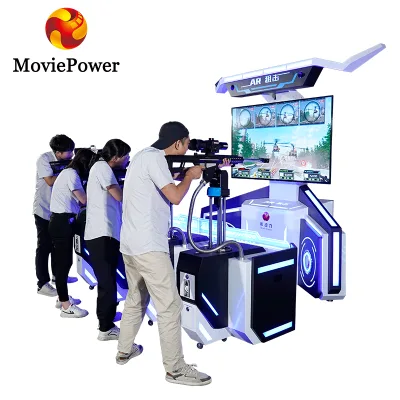
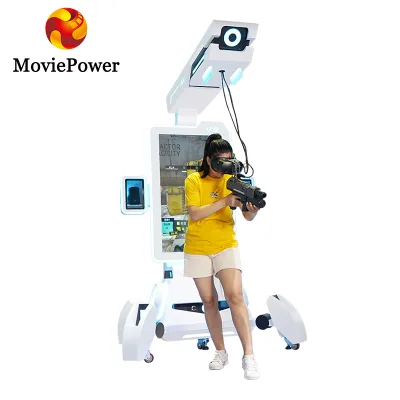
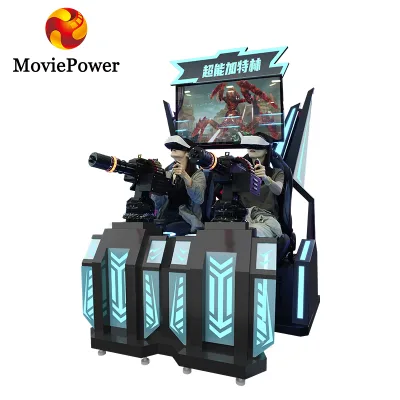
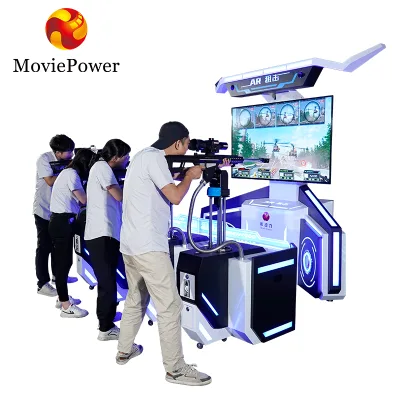
Comprehensive Sourcing Guide
4 Players Indoor Shooting Simulator Supplier Concentration and Factory Types
The current supplier landscape for 4 players indoor shooting simulators reveals a distinct concentration of manufacturing capabilities within specific industrial regions. Evidence indicates that a significant portion of these suppliers are located in China Guangdong, a region known for its robust electronics and amusement equipment supply chains. This geographic clustering suggests that buyers seeking these specific arcade machines will likely encounter manufacturers who have established infrastructure for producing complex electronic and mechanical systems. The presence of suppliers in this area often correlates with access to specialized components, such as high-resolution displays, motion sensors, and custom arcade cabinets, which are critical for high-quality VR and shooting simulator units. Buyers should recognize that this concentration is not random but rather a result of historical industrial development and supply chain efficiency in the region.
Regarding company types, the market features a mix of combined entities that operate as both manufacturers and trading companies. These combined suppliers often offer the advantage of direct factory pricing while maintaining the flexibility of a trading company to handle logistics and customer service. Some suppliers are identified as having ODM and OEM capabilities, allowing for significant customization of the 4 Players Indoor Shooting Simulator units. This includes the ability to modify the physical dimensions, integrate specific game software, or adjust the hardware configuration to meet unique venue requirements. Other suppliers may focus on their own brands, offering standardized products with established reputations. Understanding whether a supplier is primarily a manufacturer, a trader, or a combined entity is crucial for determining the level of control a buyer has over the production process and the potential for cost savings.
How to Verify 4 Players Indoor Shooting Simulator Suppliers
Verifying the legitimacy and capability of suppliers requires a multi-layered approach that goes beyond simple profile reviews. One critical step is to check for third-party verification badges, such as BV or SGS, which indicate that an independent agency has assessed the supplier’s business operations. These verifications provide a baseline level of trust regarding the company’s legal existence and operational stability. Additionally, buyers should examine the system certifications held by the supplier, such as ISO9001:2015 and ISO14001:2015 certificates. These certifications demonstrate a commitment to quality management and environmental standards, which are particularly important for manufacturers producing electronic amusement equipment that must meet international safety and performance criteria. The presence of these certificates suggests that the supplier has established processes for consistent quality control and regulatory compliance.
Another essential verification method is to assess the supplier’s responsiveness and communication efficiency. Response times, such as those recorded at 4.02 or 2.51 hours, can serve as an indicator of the supplier’s operational readiness and customer service quality. A faster response time often correlates with a more organized internal team that can address technical queries and negotiation points promptly. Buyers should also look for evidence of product certifications, such as CE or RoHS, which are mandatory for selling amusement equipment in many international markets. These certifications ensure that the 4 Players Indoor Shooting Simulator meets specific electrical and safety standards. Furthermore, examining the supplier’s main products and production capacity can provide insights into their specialization. Suppliers focusing exclusively on VR and arcade machines are likely to have deeper expertise and better quality control than generalist traders.
What to Compare Across 4 Players Indoor Shooting Simulator Suppliers
When evaluating multiple suppliers, buyers must compare key operational metrics to identify the most suitable partner for their needs. Lead time is a critical factor, with some suppliers indicating a production period of 15 days. This timeframe can significantly impact project planning, especially for buyers with tight installation deadlines. Comparing lead times across different suppliers helps buyers assess the reliability of delivery schedules and the potential for rush orders. Additionally, the Minimum Order Quantity (MOQ) is a vital consideration, as some suppliers may require a MOQ of 1 unit, making them accessible for smaller venues or testing purposes. Others might have higher MOQs, which could be more cost-effective for large-scale deployments. Understanding these thresholds allows buyers to align their procurement strategy with their budget and space requirements.
Price and customization options are also central to the comparison process. The price range for 4 players indoor shooting simulators can vary, with some units listed between $11,900 and $13,900, while others may be priced higher depending on features and specifications. Buyers should compare not just the base price but also the value added through customization services. Suppliers offering ODM and OEM capabilities can tailor the simulator’s hardware, software, and aesthetics to match specific brand identities or venue themes. The availability of customization, such as different display types, sound systems, or cabinet materials, can significantly influence the final product’s appeal and functionality. Additionally, comparing warranty terms, such as 12 months or 2 years, and after-sales support, including lifetime technical assistance, provides insight into the long-term value and risk mitigation offered by each supplier.
Common 4 Players Indoor Shooting Simulator Sourcing Risks
Sourcing 4 players indoor shooting simulators involves several inherent risks that buyers must proactively manage to ensure a successful procurement outcome. One significant risk is the potential mismatch between product specifications and actual delivery. Since these machines are complex electronic devices, variations in component quality, software performance, or hardware durability can lead to operational issues post-installation. Buyers must ensure that the technical specifications, such as voltage requirements, power consumption, and display types, are clearly defined and agreed upon before production begins. Failure to do so can result in units that are incompatible with the venue’s electrical infrastructure or fail to deliver the expected immersive experience. This risk is particularly acute when dealing with suppliers who offer extensive customization options, as deviations from standard designs can introduce unforeseen technical challenges.
Another common risk is the reliability of after-sales support and warranty claims. Amusement equipment requires regular maintenance and occasional repairs, and the availability of spare parts and technical support is crucial for minimizing downtime. Buyers should verify the supplier’s warranty terms and the scope of their technical support services. Some suppliers offer lifetime technical support, which is a valuable asset, but the effectiveness of this support depends on the supplier’s responsiveness and expertise. Additionally, there is a risk related to intellectual property and software licensing. Buyers must ensure that the game software included in the simulator is legally licensed and can be updated or modified as needed. Without proper verification, buyers may face legal issues or be unable to update the game content, reducing the long-term viability of the investment.
4 Players Indoor Shooting Simulator Regional Sourcing and Logistics
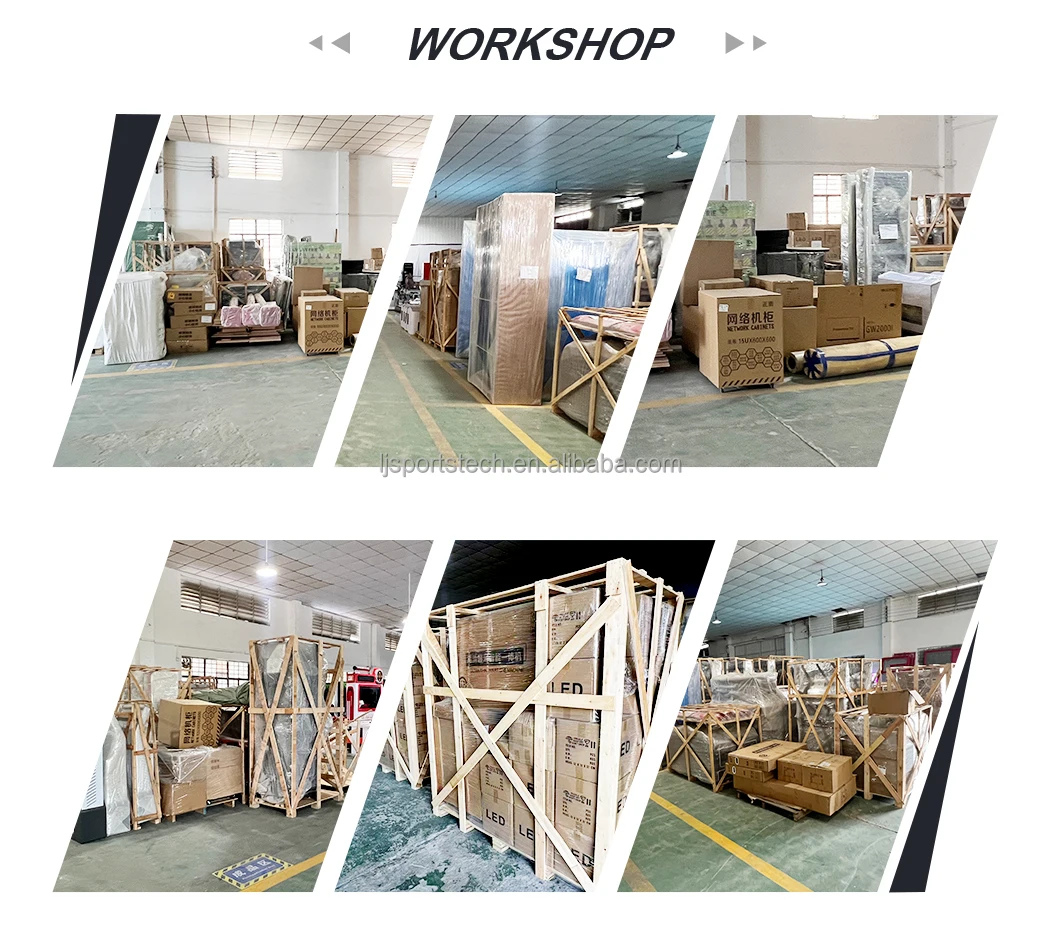
The regional sourcing of 4 players indoor shooting simulators, particularly from China Guangdong, introduces specific logistical considerations that buyers must address. Shipping heavy and bulky amusement equipment requires careful planning to ensure safe transit and cost-effective delivery. The packaging methods used by suppliers, such as air bubble film, stretch films, and wood frames, are designed to protect the units during transit, but buyers should verify that these methods meet international shipping standards. The dimensions and weight of the simulators, which can range from 200kg to 500kg depending on the model, impact freight costs and handling requirements. Buyers need to coordinate with freight forwarders to arrange appropriate transportation modes, whether by sea or air, based on their urgency and budget constraints.
Customs clearance and import regulations are another critical aspect of regional sourcing. Different countries have varying requirements for the import of electronic amusement equipment, including safety certifications and duty classifications. Buyers must ensure that the supplier provides all necessary documentation, such as commercial invoices, packing lists, and certificates of origin, to facilitate smooth customs clearance. Additionally, buyers should be aware of any local regulations regarding the installation and operation of VR and shooting simulators, such as space requirements and safety barriers. Understanding these logistical and regulatory nuances helps buyers avoid delays, additional costs, and compliance issues, ensuring that the 4 Players Indoor Shooting Simulator is delivered and installed efficiently in the target market.
4 Players Indoor Shooting Simulator Commercial Terms and Order Planning
Effective order planning for 4 players indoor shooting simulators requires a clear understanding of commercial terms and payment structures. Buyers should negotiate payment terms that balance risk and cash flow, such as using escrow services or letter of credit arrangements for larger orders. These financial instruments provide security for both parties, ensuring that payment is released only upon satisfactory delivery and inspection of the goods. Additionally, buyers must clarify the Incoterms, such as FOB or CIF, to determine who is responsible for shipping costs and insurance. This clarity is essential for accurate cost estimation and risk allocation. Understanding the supplier’s return and refund policies is also crucial, as it provides a safety net in case the delivered units do not meet the agreed-upon specifications.
Long-term commercial relationships can be fostered by establishing clear communication channels and performance metrics. Buyers should define key performance indicators, such as on-time delivery rates, product quality standards, and response times, and incorporate them into the contract. Regular performance reviews can help identify areas for improvement and strengthen the partnership. Furthermore, buyers should consider the potential for future orders and negotiate volume discounts or preferential terms for repeat business. This approach not only reduces costs but also ensures a stable supply chain for future expansions or replacements. By focusing on comprehensive commercial terms and strategic order planning, buyers can mitigate risks and maximize the value of their investment in 4 players indoor shooting simulators.
FAQs
What is the price range for a 4 Players Indoor Shooting Simulator?
The price range for a 4 Players Indoor Shooting Simulator typically falls between 11,900 and 24,000. Costs vary based on specific features, display types, and included game packages. Buyers should verify exact pricing for their desired configuration and order quantity.
What certifications are available for these simulators?
Available certifications for these simulators include CE, RoHS, ISO9001:2015, and ISO14001:2015. These ensure compliance with safety and quality standards. Buyers should request specific certificates for their target market to confirm regulatory adherence before finalizing procurement decisions.
What is the typical lead time for manufacturing?
The typical lead time for manufacturing is approximately 15 days. This duration allows for production and quality checks. Buyers should confirm specific timelines with suppliers, as rush orders or custom modifications may affect the final delivery schedule.
What is the minimum order quantity for these machines?
The minimum order quantity is generally one unit. This allows buyers to test the product before placing larger orders. Suppliers often support OEM and ODM services, making it easy to start with a single customized machine.
Where are these simulators manufactured?
These simulators are manufactured in Guangdong, China. This region is known for its strong manufacturing infrastructure for arcade and VR equipment. Buyers can verify specific factory locations and logistics options during the sourcing process.
What warranty and support are provided?
Warranty periods typically range from one to two years, with some suppliers offering lifetime technical support. Buyers should clarify the exact warranty terms and support availability for their specific model to ensure long-term operational reliability.