4 Axis Programmable Collaborative Robot Suppliers and Manufacturers
Source 25 verified suppliers for 4 Axis Programmable Collaborative Robot units. Compare key dimensions including payload, reach, and lead times to identify the right fit for your automation needs. Review specifications and request quotes directly from the platform; review the available evidence before requesting comparable quotations from suitable candidates.
Updated
Suppliers List
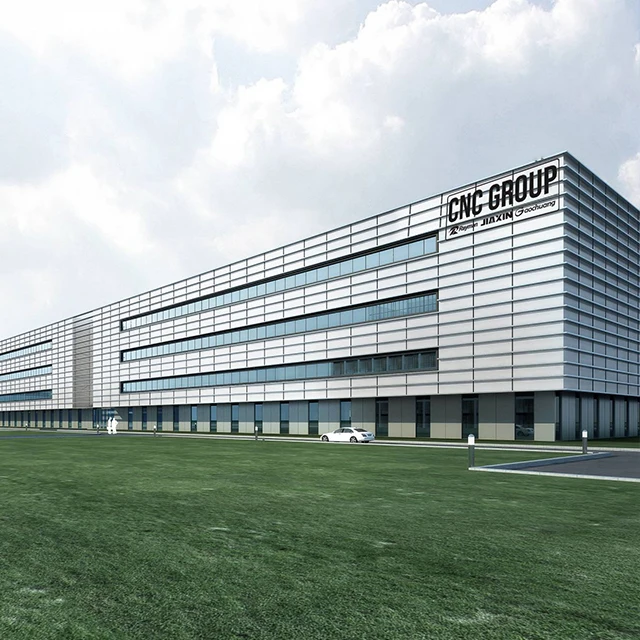
Shandong Cyber CNC Group Co., Ltd.
- Manufacturer, Trading Company
- Shandong, China
- Lead time15 days
- Avg. response≤ 2h
Main productsRobot, CNC Cutting Machine
Main marketsSouth America(15.00%), Domestic Market(15.00%), Central America(10.00%), Africa(10.00%), Mid East(8.00%), North America(8.00%), Southeast Asia(7.00%), Eastern Asia(6.00%), South Asia(5.00%), Northern Europe(5.00%), Oceania(3.00%), Eastern Europe(3.00%), Western Europe(3.00%), Southern Europe(2.00%)
Jiangsu Dongguan Robotics Co., Ltd.
- Trading Company
- China Jiangsu
- Lead time30 days
- Avg. response≤ 25h
Main productsRobot Arm, Collaborative Robot, Industrial Robot, Humanoid Robot, Agv/AMR, Welding Robot, Working Cells, Manipulator, Scara Robot, Delta Robot
Main marketsSouth America,North America,Southeast Asia,Oceania,Western Europe

Wuhan Donglisheng M&E Technology Co., Ltd.
- Combined
- China Hubei
- Lead time45 days
- Avg. response≤ 5h
Main productsAgv, Electric Towing Tractor, Electric Forklift, Vehicle Intellective Reformation, Ceiling Fan, Laser Marker&Cutter, Industrial / Service Robot, Trailer Parts
Main marketsSoutheast Asia/ Mideast,East Asia(Japan/ South Korea),Domestic,Europe,North America
Guangdong Huayan Robotics Co., Ltd.
- Verified by TüVRheinland
- Manufacturer, Trading Company
- Lead time20 days
Main productsCollaborative Robot, AGV
Main marketsDomestic Market(27%), North America(14%), Western Europe(9%)
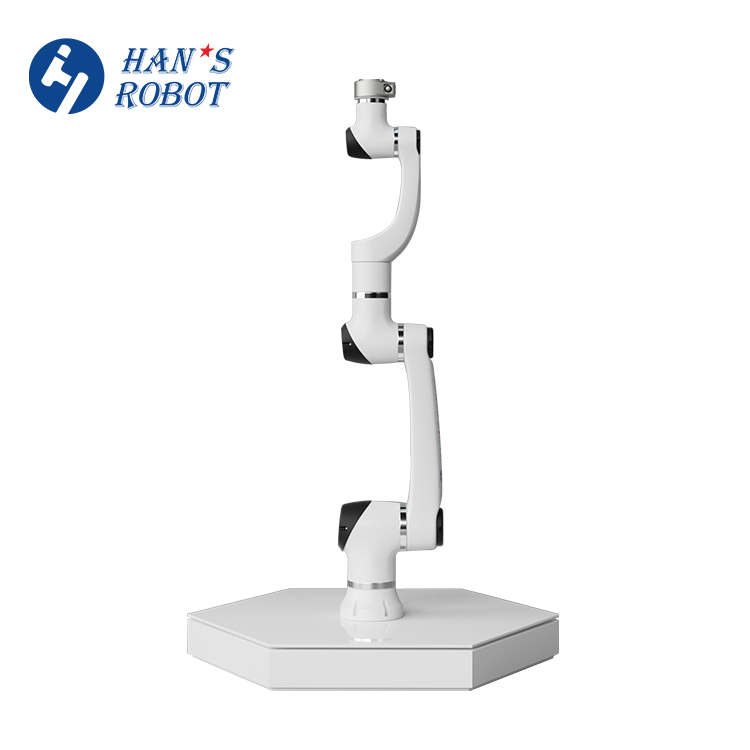
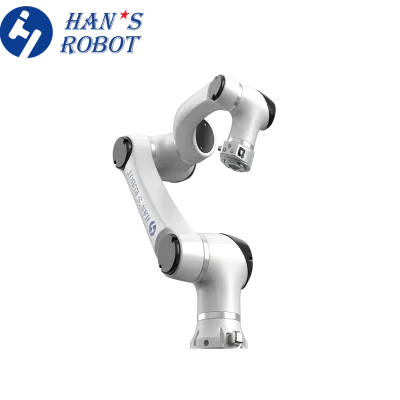
Multifunction Commercial Payload 3.5kg 6 Axis Collaborative Robot
$15000.00 - $20000.00
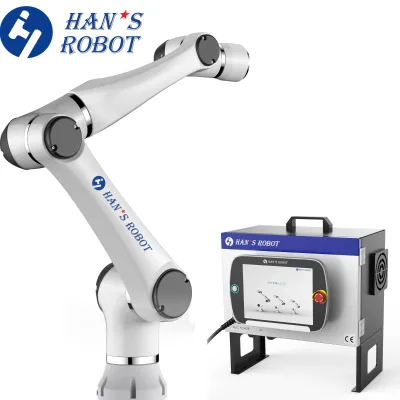
Innovative High Quality 6 Axis Hand Bionic Robot Manipulator Collaborative Robots
$18017.3074 - $36034.6147
MOQ: 1 sets
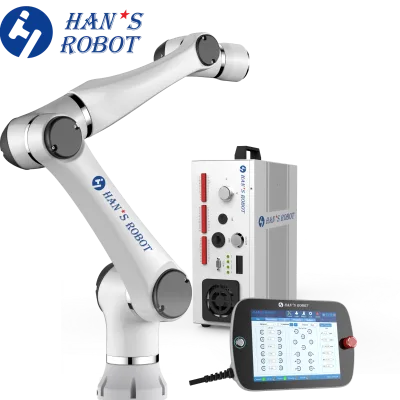

Shenzhen Guanhong Technology Co., Ltd.
- Verified by BV
- Combined
- China Guangdong
- Lead time23 days
- Avg. response≤ 4h
Main productsMini Lathe Machine, CNC Machine, CNC Milling Machine, Small Turn-Mill Machine, CNC Lathe Machine, CNC Machining, CNC Machinery, Metal Processing Machinery, Metal Processing Machinery Parts, CNC Controller
Main marketsSouth America,Southeast Asia/ Mideast,Europe


Collaborative Robot with Support for Multilingual Programming Interface
$6000.00 - $7143.00
MOQ: 1 Pieces

6 Axis Robotic Arm Collaborative Robot Factory Sales Robot Arm High Quality Mechanical Arm
$6999.00 - $8015.00
MOQ: 1 Pieces


Shenzhen Guanhong Automation Co., Ltd.
- Verified by SGS
- Manufacturer
- China Guangdong
- Lead time15 days
- Avg. response≤ 4h
Main productsRobotic Arm, Industrial Robot Arm, Welding Robot Arm, Collaborative Robot Arm, CNC Milling /Drilling Machine, CNC Lathe /Turning Machine, CNC Machine Center, CNC Control System, CNC Milling Controller 2-18 Axis, CNC Lathe Controller 2-18 Axis
Main marketsEurope


Automatic Cobot Robot Collaborative Robot 6 Axis Industrial Collaborative Robotic Arm
$1999.00 - $15999.00
MOQ: 1 Sets


Automatic Cobot Robot Collaborative Robot New Design Collaborative Robot Arm 6 Axis
$1999.00 - $15999.00
MOQ: 1 Sets
Ounaian Electronic Technology (fuzhou) Co., Ltd.
- Verified by SGS Group
- Manufacturer, Trading Company
- Lead time0 days
- Avg. response≤ 3h
Main productsRobot Arm, Cobot, Articulated Robot, SCARA Robot, Parallel Robot
Main marketsSoutheast Asia(30%), Eastern Europe(20%), Southern Europe(20%)

Jiangsu Aolong Electric Technology Co., Ltd.
- Verified by BV
- Manufacturer/Factory
- China Jiangsu
- Lead time30 days
- Avg. response≤ 1h
Main productsWelding Machine, Plasma Cutting Machine, MIG/Mag Gas Shielded Welder, TIG Argon Arc Welder, MMA Manual Metal-Arc Welder, Stud Welding Machine, Saw Submerged Arc Welder, Welding Robot, Portable Welder, Industrial Welder
Main marketsSouth America,Eastern Europe,North America,Southeast Asia,Western Europe
Bremetz (shandong) Machinery Co., Ltd.
- Manufacturer, Trading Company
- Shandong, China
- Lead time15 days
- Avg. response≤ 6h
Main productsPalletizer,depalletizer,truck bag loader,filling machine,Large production line
Main marketsNorth America(20.00%), Southeast Asia(15.00%), Africa(11.00%), Eastern Europe(11.00%), Mid East(9.00%), Southern Europe(8.00%), Western Europe(5.00%), Central America(5.00%), South America(5.00%), Oceania(4.00%), Eastern Asia(3.00%), Northern Europe(3.00%), South Asia(1.00%)
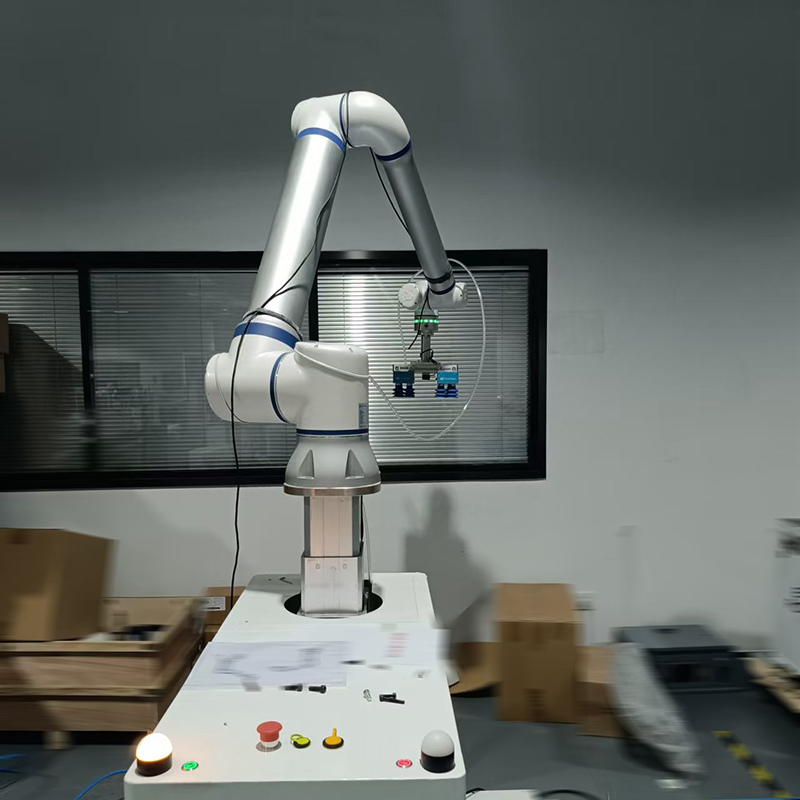
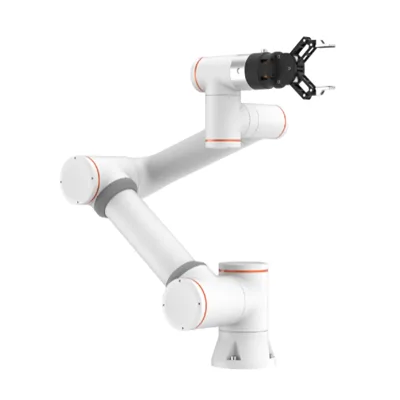
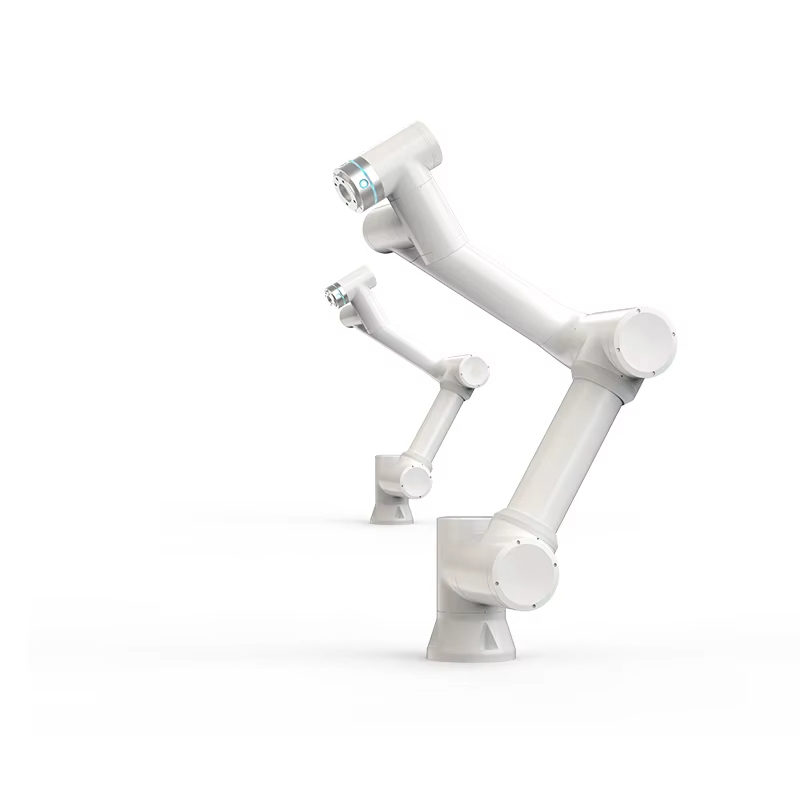
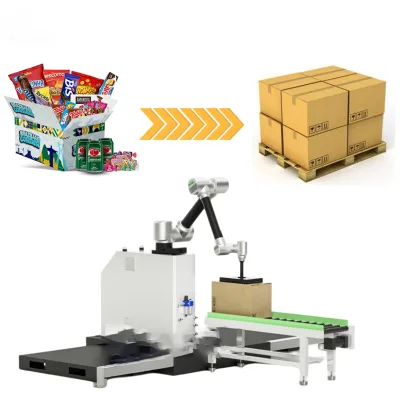
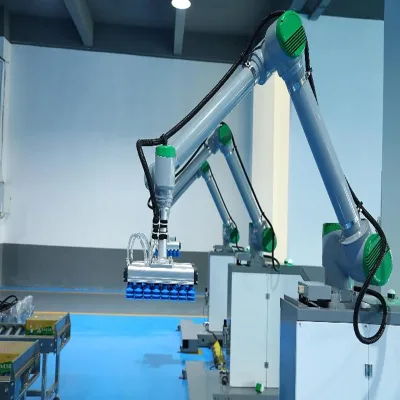
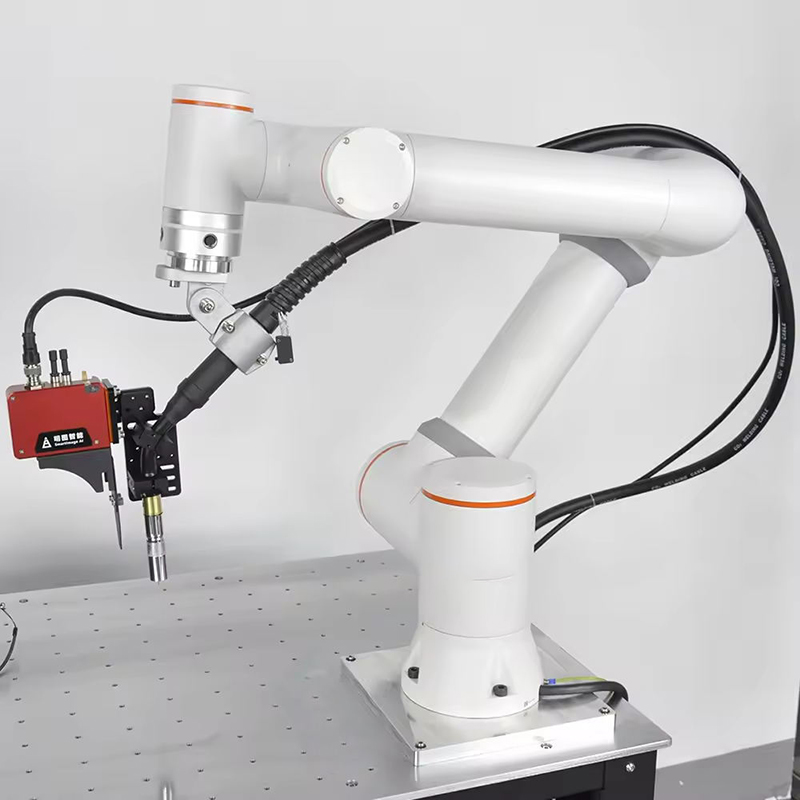
5kg Rotary Axis Robot Automated Take-and-place Manipulator Collaborative Robotic Arm
$6199.00
MOQ: 1 Minimum
- Manufacturer
- Zhejiang, China
- Lead time0 days
- Avg. response≤ 7h
Main productsAuto Carton Erector,Robotic Carton Packer,Carton sealer,Robotic Palletizer,Pallet Wrapping Machine
Main marketsDomestic Market(80.00%), North America(5.70%), Eastern Asia(5.40%), Western Europe(4.20%), Southern Europe(2.70%), Southeast Asia(2.50%), Eastern Europe(0.60%), South America(0.50%), Northern Europe(0.20%)

Jiangsu Greatway Electrical Co., Ltd.
- Trading Company
- Jiangsu, China
- Lead time25 days
- Avg. response≤ 3h
Main productsCables and Wires,Power Line Fittings,power equipment for transmission lines,LV MV & HV electrical apparatus,machinery equipment
Main marketsAfrica(30.00%), Southeast Asia(15.00%), Domestic Market(10.00%), Northern Europe(5.00%), Western Europe(5.00%), Eastern Asia(5.00%), Mid East(5.00%), South Asia(5.00%), Eastern Europe(5.00%), North America(5.00%), South America(5.00%), Oceania(2.00%), Southern Europe(2.00%), Central America(1.00%)

- Verified by SGS
- Trading Company
- China Liaoning
- Lead time23 days
- Avg. response≤ 5h
Main productsStand up Pouch, Filter Cloth, Dust Filter Bag, Car Seat Cover, Control Room Console, Meeting Table, Food Packaging Bag, Zipper Bag, Modern Smart Console, Coffee Desk
Main marketsSouth America,Africa,Southeast Asia/ Mideast,North America

SHANDONG UNITY ROBOTICS CO., LTD.
- Verified by SGS
- Manufacturer
- China Shandong
- Lead time30 days
- Avg. response≤ 1h
Main productsIndustrial Robot, Parallel Robot, Boxing Machine, Parallel Robot Boxing Workstation, Collaborative Palletizing Workshop, Intelligent Packing System, Four Axis Palletizing and Unpacking Machine, Pasteurization Line, Robot Arm, Upgrating of Producing Line

Advanced 6-Axis Collaborative Robot for Streamlined Automation Solutions
$15000.00 - $50000.00
MOQ: 1 Pieces

Industrial Robot 5kg Payload 6 Axis Handling Robot Collaborative Robot Arm
$9000.00 - $25000.00
MOQ: 1 Pieces


Benson Intelligent Equipment (Shandong) Co., Ltd.
- Verified by BV
- Combined
- China Shandong
- Lead time23 days
- Avg. response≤ 1h
Main productsPacking Machinery, Packaging Machinery
Main marketsDomestic,North America


Versatile 6-Axis Collaborative Robot for Enhanced Manufacturing Efficiency
$3500.00 - $12000.00
MOQ: 1 Pieces


Innovative Collaborative Robots for Precision and Flexibility in Operations
$3500.00 - $12000.00
MOQ: 1 Pieces

Advanced Industrial Collaborative Robots for Efficient Automation Solutions
$3500.00 - $12000.00
MOQ: 1 Pieces

- Combined
- China Guangdong
- Lead time15 days
- Avg. response≤ 8h
Main productsCNC Controller, Industrial Robot, Servo Drive, Servo Motor, Machine Tools, Electric Injection Molding Machine, Automation Solution, CNC System, Production Line Controller
Main marketsSouth America,Africa,Southeast Asia/ Mideast,East Asia(Japan/ South Korea),Domestic,Europe,Australia,North America

Henan Suhong Intelligent Technology Co., Ltd.
- Verified by SGS
- Trading Company
- China Henan
- Lead time15 days
- Avg. response≤ 1h
Main productsMetal Detector, Check Weigher, Carton Sealer, Collaborative Robot, Carton Box Strapping Machine, Industrial Inkjet Printer
Main marketsSoutheast Asia/ Mideast

Factory Price Easy Programming 24 Hours Continuous Running Collaborative Robot
$7500.00 - $8000.00
MOQ: 1 Pieces

High Efficiency Intelligent Programming Customizable Stacking Pattern Collaborative Robot
$7500.00 - $8000.00
MOQ: 1 Pieces

Shandong Tengyang Intelligent Equipment Co., Ltd
- Verified by TUVRHEINLAND
- Combined
- China Shandong
- Lead time15 days
- Avg. response≤ 1h
Main productsRobot, Industrial Robot, Palletizing Robot, Palletizer, Sweeper, Electric Sweeper, Robot Arm, Robot Palletizer, Priduction Line, Pallet Wrapping Machine
Main marketsDomestic


Intelligent Collaborative 4-Axis Robot for Handling and Palletizing in Factories
$7000.00 - $22000.00
MOQ: 1 Sets


Flexible & Safe Automation: High-Precision Collaborative Robot Solutions
$6000.00 - $70000.00
MOQ: 1 Sets


Jinan Lingyu International Trade Co., Ltd.
- Trading Company
- Shandong, China
- Lead time30 days
- Avg. response≤ 1h
Main productsCNC equipment,Laser Engraver Machine,Automatic tool change spindle motor,High-Speed ATC Spindle Systems,Spindle Motor
Main marketsSouthern Europe(30.00%), Eastern Europe(30.00%), North America(30.00%), Western Europe(10.00%)
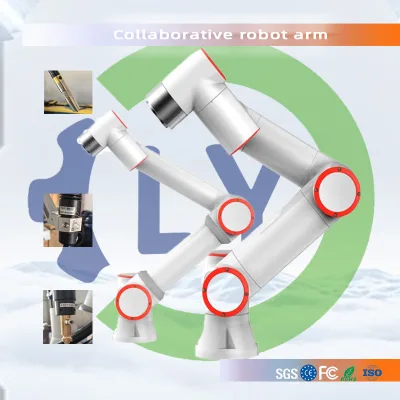
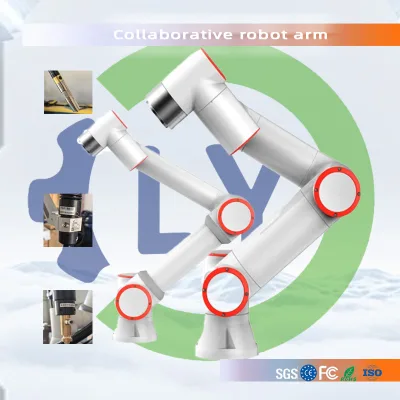
$8052.1979 - $13447.9355
MOQ: 1 sets
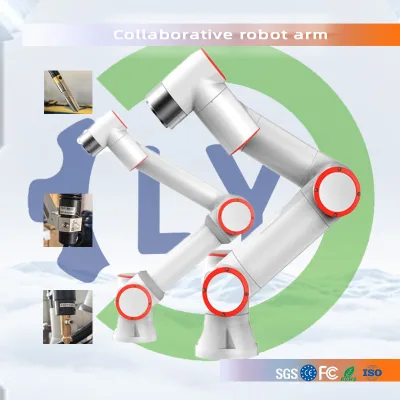
$5152.4534 - $15518.4411
MOQ: 1 sets
Jiangxi Longen Intelligent Equipment Co., Ltd.
- Verified by SGS Group
- Manufacturer, Trading Company
- Lead time0 days
- Avg. response≤ 2h
Main productsIndustrial Machinery, Material Handling
Main marketsDomestic Market(100%)
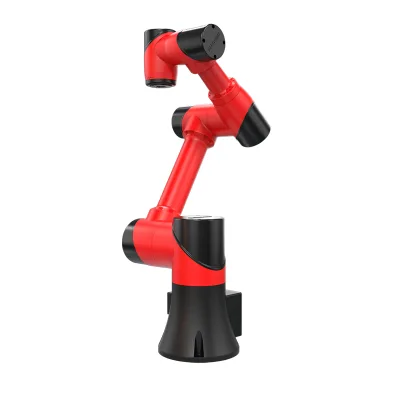
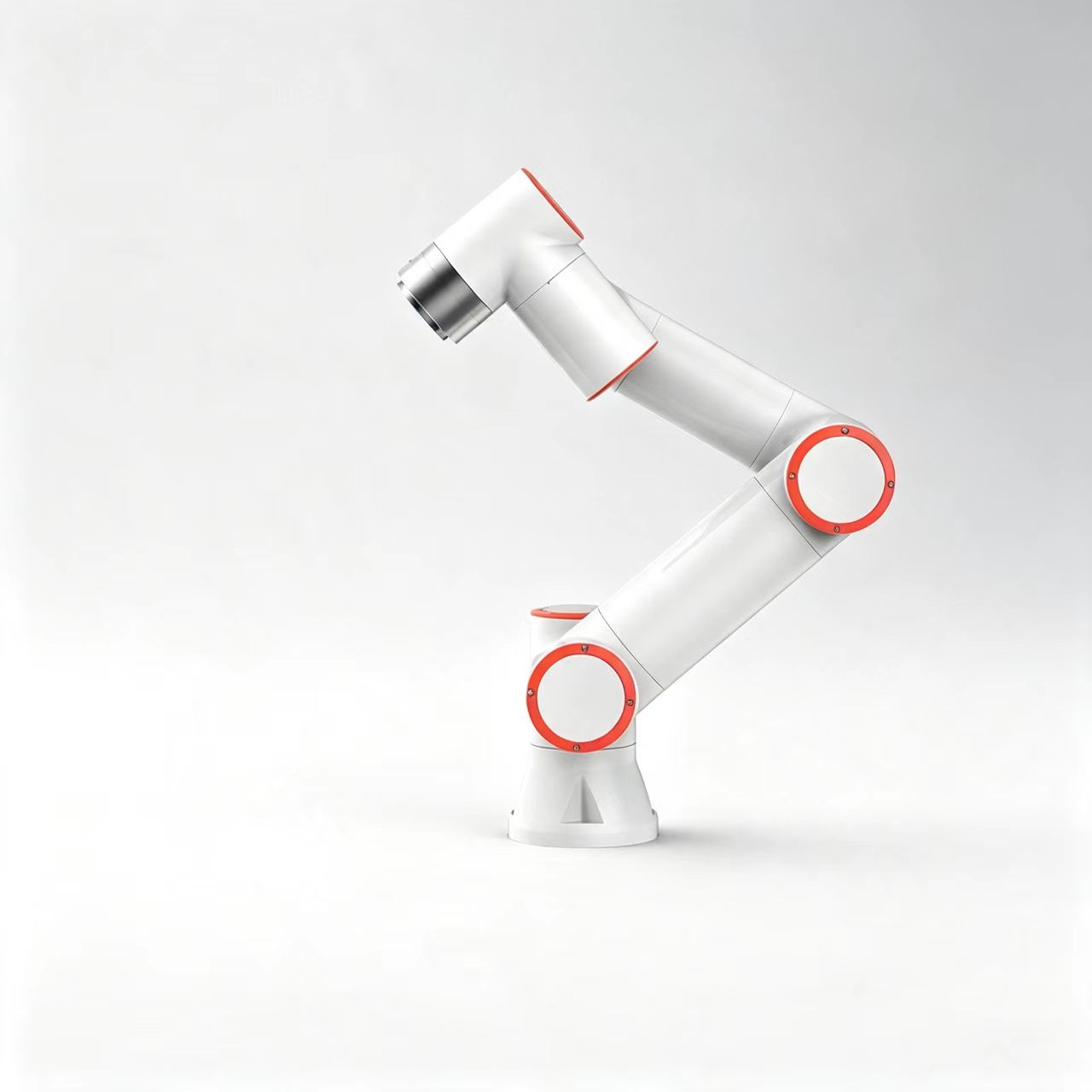
$3500.00 - $4000.00
MOQ: 1 sets
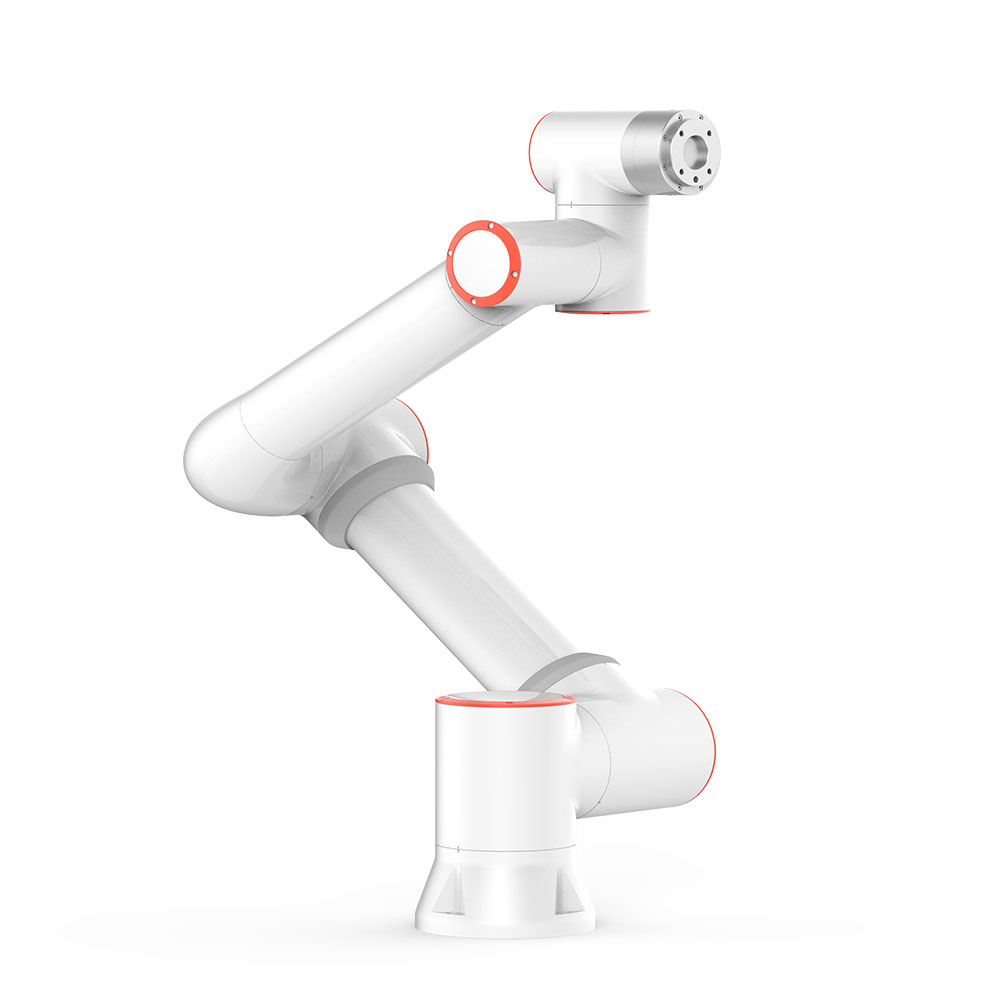
$3700.00 - $3800.00
MOQ: 1 sets
Jinan Chuangyi Intelligent Equipment Co., Ltd.
- Manufacturer, Trading Company
- Shandong, China
- Lead time10 days
- Avg. response≤ 2h
Main productslaser cutting equipment,laser welding equipment,laser cleaning equipment,auto loading system,automation equipment
Main marketsWestern Europe(30.00%), Eastern Europe(20.00%), Central America(10.00%), Southern Europe(10.00%), South Asia(5.00%), South America(5.00%), Northern Europe(5.00%)
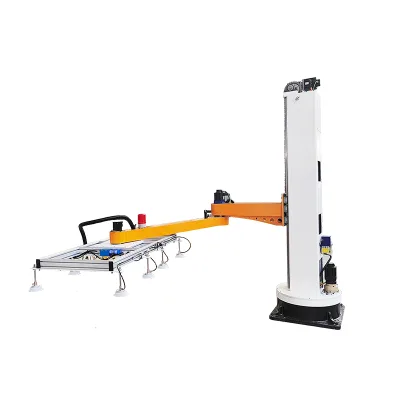
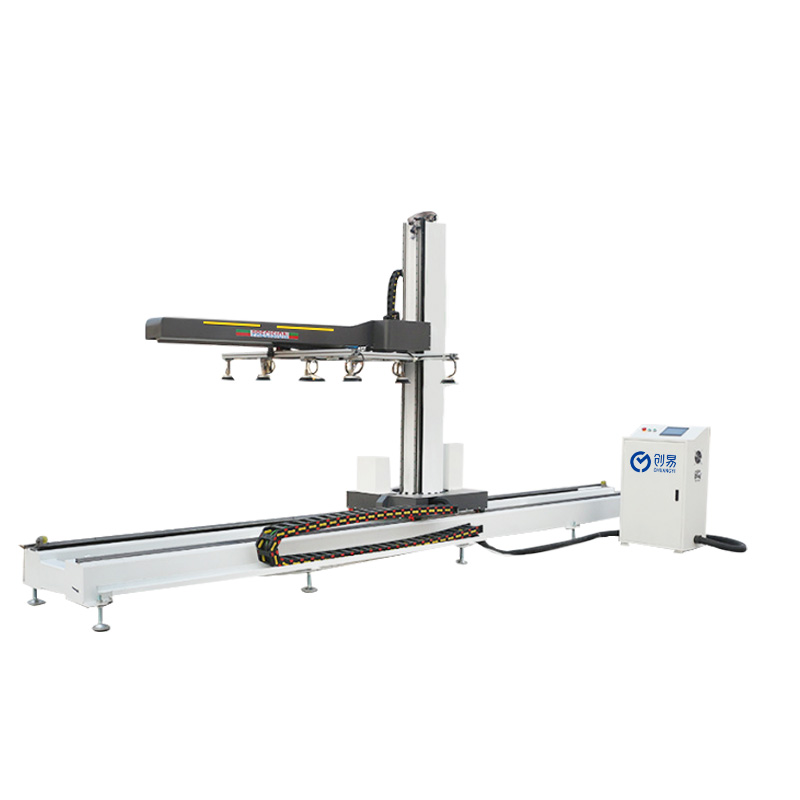
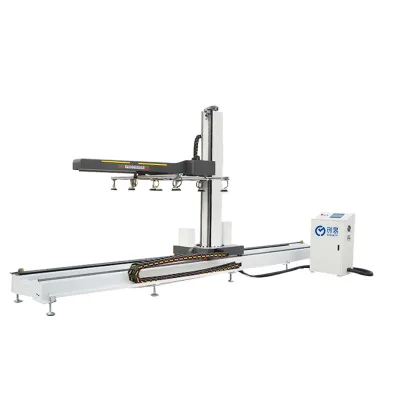
Multifunctional High Safety Level Four Axis Collaborative Robot for Sale
$10000.00 - $11500.00
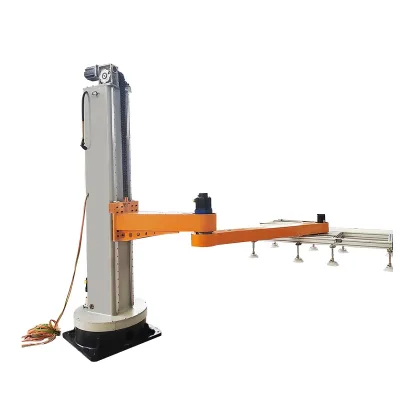
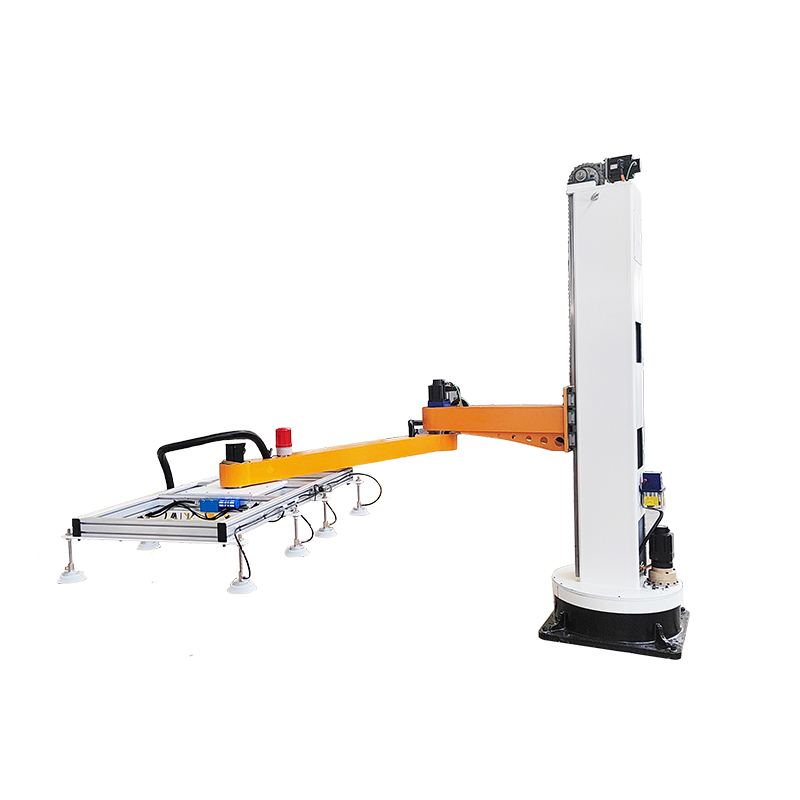
High Safety Level Collaborative Robot for Plate Loading and Unloading
$8800.00 - $9000.00
Changzhou Heavth Science & Technology Co., Ltd.
- Verified by Intertek
- Manufacturer, Trading Company
- Lead time10 days
- Avg. response≤ 5h
Main productsCNC Plasma Cutting Machine, Robot Welding Machine, Laser Cutting Machine, Robot Arm, Laser Welding Machine
Main marketsDomestic Market(58%), North America(9%), Southeast Asia(9%)

Shenzhen Era Automation Co., Ltd.
- Manufacturer, Trading Company
- Guangdong, China
- Lead time0 days
- Avg. response≤ 2h
Main productscollaborative robot,Cobot Arm,palletizing cobot,welding robot,pick&place cobot
Main marketsNorth America(30.00%), South America(20.00%), South Asia(15.00%), Eastern Europe(15.00%), Eastern Asia(10.00%), Western Europe(10.00%)

Huizhou Micclan Technology Industry Co., Ltd
- Verified by SGS
- Trading Company,Manufacturer/Factory
- China Guangdong
- Lead time23 days
- Avg. response≤ 1h
Main productsLinear Actuators, Industrial Robots 7th Axis Linear Tracks, Used Industrial Robots, Gantry Systems
Main marketsSouth America,Eastern Europe,Mid East,North America,Southeast Asia,Eastern Asia,Oceania,Western Europe,Africa
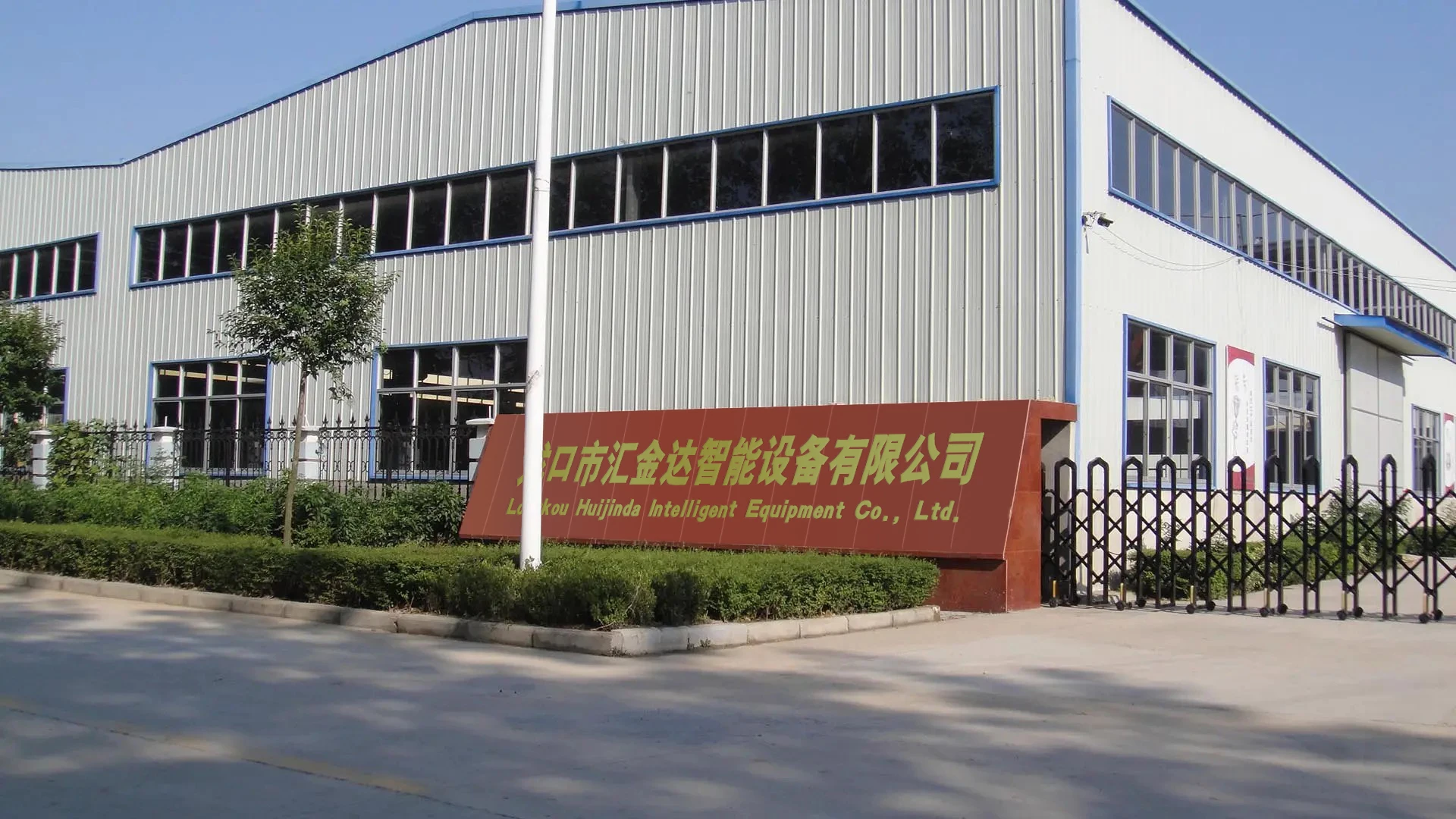
Longkou Huijinda Intelligent Equipment Co., Ltd.
- Manufacturer, Trading Company
- Shandong, China
- Lead time10 days
- Avg. response≤ 2h
Main productsdrilling machine,Fruit net cover machine,PE foaming machine,CNC drilling machine,CNC lathe
Main marketsSoutheast Asia(30.00%), Eastern Asia(20.00%), Western Europe(15.00%), Mid East(15.00%), Eastern Europe(10.00%), North America(5.00%), Africa(5.00%)
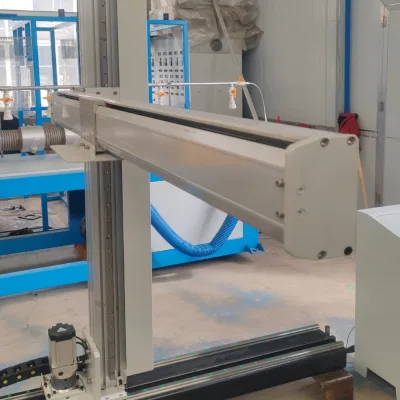
Industrial Robotic Arm Robot Seventh Axis Operator Programmable Industrial Robot
$13486.1345 - $14523.5294
MOQ: 1 sets
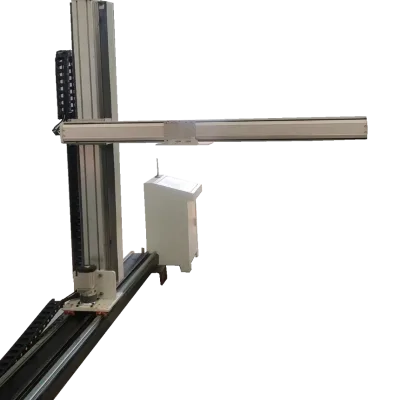
$12579.425 - $13627.7105
MOQ: 1 sets
$5705.6723 - $6224.3698
MOQ: 1 sets
Angnuo (jining) Machinery Equipment Co., Ltd.
- Trading Company
- Sandong, China
- Lead time0 days
- Avg. response≤ 1h
Main productsCutting machine,Welding machine,Robot,Marking Machine,Engraving Machine
Main marketsSouth America(15.00%), Mid East(15.00%), Africa(10.00%), Southeast Asia(10.00%), Domestic Market(10.00%), Southern Europe(7.00%), Western Europe(6.00%), Central America(5.00%), North America(5.00%), Northern Europe(5.00%), Eastern Europe(4.00%), Eastern Asia(3.00%), Oceania(3.00%), South Asia(2.00%)











Comprehensive Sourcing Guide
4 Axis Programmable Collaborative Robot Supplier Concentration and Factory Types
The current supplier landscape for 4 axis programmable collaborative robots reveals a distinct concentration of manufacturing activity in specific industrial regions of China, with Shandong emerging as a primary hub for production. Factories located in this province often specialize in industrial machinery and robotic arms, offering a mix of manufacturer and trading company structures that cater to diverse buyer needs. These entities typically list main products such as collaborative robots, CNC cutting machines, and various industrial automation tools, indicating a robust local supply chain for core components like motors and PLCs. The presence of both manufacturers and trading companies in these clusters allows buyers to access a wider range of product specifications, from basic 6-axis arms to more specialized welding and palletizing units. This geographic clustering facilitates easier verification of production capabilities, as many suppliers provide machinery test reports and video outgoing inspections to demonstrate their manufacturing quality. Buyers should note that while Shandong is a verified location for these suppliers, other regions like Jilin and Jiangsu also host relevant entities, each with different specializations ranging from humanoid robots to standard articulated arms. Understanding this distribution helps in targeting suppliers who align with specific technical requirements, such as payload capacity or reach, which are often standardized across factories in the same region. The concentration of these factories suggests a mature ecosystem where competition drives innovation in features like programming-free operation and drag teaching capabilities, which are increasingly common in the collaborative robot segment.
In addition to geographic concentration, the types of companies operating in this space vary significantly in their operational focus and service offerings. Manufacturers in Shandong often emphasize their ability to produce custom solutions, with production capacities ranging from small batches to larger volumes depending on the specific factory setup. These entities frequently highlight their core components, such as motors and gearboxes, to assure buyers of the robot's durability and performance in industrial environments. Trading companies, on the other hand, may offer a broader portfolio of products, including human-robot collaboration systems and safety-focused lightweight robots, catering to buyers who need integrated solutions rather than just hardware. The distinction between these company types is crucial for buyers, as manufacturers may offer more direct technical support and customization options, while trading companies might provide faster response times and a wider selection of brands. Some suppliers in Jiangsu, for instance, are identified as trading companies with ISO 9001 certification, indicating a focus on quality management systems that may appeal to buyers seeking standardized processes. This diversity in company types ensures that buyers can find partners that match their specific procurement strategies, whether they prioritize direct factory engagement or the convenience of a multi-brand trading partner. The interplay between these different supplier models creates a dynamic market where buyers must carefully assess which type of partner best suits their long-term automation goals.
How to Verify 4 Axis Programmable Collaborative Robot Suppliers
Verifying the legitimacy and capability of suppliers for 4 axis programmable collaborative robots requires a meticulous examination of the documentation and certifications they provide. Buyers should prioritize suppliers who offer machinery test reports and video outgoing inspections, as these serve as tangible evidence of the product's quality and functionality before shipment. The presence of a machinery test report indicates that the supplier has subjected their robots to rigorous testing protocols, ensuring that specifications such as repeatability, payload, and reach meet industry standards. Similarly, video outgoing inspections allow buyers to visually confirm the condition of the robot, its packaging, and any included accessories, reducing the risk of receiving damaged or non-compliant goods. In addition to these product-specific verifications, buyers should check for system certifications such as ISO 9001, which demonstrates that the supplier adheres to international quality management standards. This certification is particularly relevant for trading companies and manufacturers alike, as it reflects a commitment to consistent quality control processes. Buyers should also verify the supplier's response time, as a quick and professional response can indicate a well-organized customer service team that is capable of handling technical inquiries and post-sales support effectively. A response time of 24 hours or less is generally a positive sign, suggesting that the supplier is attentive and responsive to buyer needs. By focusing on these verifiable metrics, buyers can build a profile of reliable suppliers who are transparent about their operations and committed to delivering high-quality collaborative robots.
Beyond documentation and response times, buyers should also assess the supplier's production capacity and lead times to ensure they can meet project deadlines. Suppliers often list their production capacity in units per month or year, which helps buyers gauge whether the factory can handle large orders without compromising quality. For instance, some manufacturers may have a production capacity of 20 units per month, while others might scale up to 1000 units, depending on their facility size and automation level. Lead times are another critical factor, with some suppliers offering delivery within 15 days, while others may require 30 days or more. Buyers should compare these figures against their own project schedules to avoid delays. Additionally, the place of origin listed in the product details can provide insights into the supplier's supply chain resilience. Factories located in established industrial hubs like Shandong or Jilin may have better access to raw materials and skilled labor, potentially leading to more stable production cycles. Buyers should also look for details on the robot's core components, such as whether they use motors, PLCs, or engines, as this can impact the robot's performance and maintenance requirements. By combining these verification steps, buyers can create a comprehensive assessment of each supplier's ability to deliver reliable 4 axis programmable collaborative robots that meet their specific technical and logistical requirements.
What to Compare Across 4 Axis Programmable Collaborative Robot Suppliers
When evaluating multiple suppliers for 4 axis programmable collaborative robots, buyers must compare a range of technical and commercial attributes to identify the best fit for their operations. Key technical specifications to compare include the robot's payload, reach, and axes, as these determine the robot's suitability for specific tasks such as welding, palletizing, or handling. For example, some suppliers offer robots with payloads ranging from 3kg to 20kg, while others may provide models with a maximum payload of 7kg for lighter applications. The reach of the robot, often measured in millimeters, is another critical factor, with options like 900mm, 1200mm, or even 1800mm available depending on the workspace requirements. Buyers should also compare the robot's repeatability, which is a measure of its precision, with values like 0.02mm indicating high accuracy for delicate tasks. Additionally, the power consumption and voltage requirements should be assessed to ensure compatibility with the buyer's existing infrastructure, as some robots operate on 220V while others may require different electrical setups. By systematically comparing these technical parameters, buyers can narrow down their options to suppliers whose robots align with their specific application needs. This detailed comparison helps in avoiding mismatches between the robot's capabilities and the intended use case, ensuring that the investment yields the desired operational efficiency.
In addition to technical specifications, buyers should compare commercial terms such as price, MOQ, and warranty to ensure a favorable procurement outcome. Prices for 4 axis programmable collaborative robots can vary significantly, with some models starting at around $3,600 and others reaching up to $98,000 for more advanced or specialized units. The MOQ, or minimum order quantity, is another important factor, with many suppliers offering an MOQ of 1 unit, which is ideal for small-scale testing or pilot projects. Buyers should also compare the warranty periods offered by different suppliers, as some provide a 1-year warranty while others may offer 2 years or more, indicating confidence in their product's durability. Response times and lead times should also be factored into the comparison, as faster response times and shorter lead times can accelerate the procurement process and reduce downtime. Furthermore, buyers should consider the supplier's main products and company type, as manufacturers may offer more customization options, while trading companies might provide a broader selection of brands. By weighing these commercial factors alongside technical specifications, buyers can make a well-informed decision that balances cost, quality, and service. This holistic approach to comparison ensures that buyers select a supplier who not only provides a suitable robot but also offers the best overall value and support for their automation initiatives.
Common 4 Axis Programmable Collaborative Robot Sourcing Risks
Sourcing 4 axis programmable collaborative robots from international suppliers introduces several risks that buyers must proactively manage to ensure a successful procurement. One significant risk is the potential mismatch between the supplier's stated specifications and the actual product delivered, which can lead to operational inefficiencies or safety hazards. Buyers should be cautious of suppliers who do not provide detailed machinery test reports or video outgoing inspections, as these documents are crucial for verifying the robot's performance and quality. Without such evidence, buyers may receive robots that do not meet their required payload, reach, or precision standards, resulting in costly returns or modifications. Another risk is the variability in lead times, which can disrupt production schedules if suppliers fail to deliver within the agreed timeframe. Some suppliers may list lead times of 15 days, while others may take 30 days or more, and delays can occur due to supply chain disruptions or production bottlenecks. Buyers should also be aware of the risk associated with different company types, as trading companies may not have direct control over manufacturing quality, potentially leading to inconsistencies in product performance. Additionally, the lack of standardized certifications across suppliers can make it difficult to assess the reliability of the robot's components, such as motors or PLCs. Buyers should verify that the core components are of high quality and sourced from reputable manufacturers to mitigate the risk of premature failure. By identifying these risks early, buyers can implement mitigation strategies such as requesting samples, conducting factory audits, or using escrow services to protect their investment.
A further risk in sourcing collaborative robots is the potential for inadequate post-sales support and technical assistance, which can hinder the robot's integration and operation. Buyers should assess the supplier's responsiveness and technical expertise before placing an order, as a lack of support can lead to prolonged downtime if issues arise. Suppliers with slow response times, such as those taking 25 hours or more to reply, may struggle to provide timely assistance, which can be detrimental to time-sensitive projects. Additionally, the risk of incompatible accessories or software is another concern, as some robots may require specific grippers, vision systems, or programming tools that are not readily available or compatible with the buyer's existing setup. Buyers should verify the compatibility of these accessories with the robot model before purchasing to avoid integration challenges. Furthermore, the risk of currency fluctuations and shipping costs can impact the total cost of ownership, especially for international buyers. Buyers should factor in these additional costs when comparing prices from different suppliers to ensure a accurate assessment of the total investment. By anticipating these risks and conducting thorough due diligence, buyers can minimize the potential for disruptions and ensure a smooth procurement process. This proactive approach helps in building a resilient supply chain that can withstand the complexities of international trade and technological integration.
4 Axis Programmable Collaborative Robot Regional Sourcing and Logistics
Regional sourcing plays a pivotal role in determining the logistics and cost structure for 4 axis programmable collaborative robots, with China being a dominant hub for production. Factories located in provinces like Shandong, Jilin, and Jiangsu offer distinct advantages in terms of supply chain efficiency and manufacturing expertise. Shandong, in particular, is known for its concentration of industrial machinery manufacturers, providing buyers with access to a wide range of collaborative robots and related components. The proximity of these factories to major ports and logistics networks facilitates faster shipping and reduces transit times, which is beneficial for buyers seeking quick delivery. Buyers should consider the logistical implications of sourcing from different regions, as transportation costs and customs procedures can vary significantly. For
FAQs
What can a 4 Axis Programmable Collaborative Robot do in a workshop?
A 4 Axis Programmable Collaborative Robot typically handles pick-and-place, palletizing, machine tending, and light assembly tasks. Four axes cover most horizontal and vertical motions needed for repetitive work, though welding or complex contouring may require six-axis models. Program offsets, grippers, and payload ratings should be matched to your specific application before ordering.
What payload and reach should I specify when sourcing a collaborative robot arm?
Payload and reach depend on the weight of your parts and the working envelope of your cell. Listings in this category range from 1 kg units for light tasks to 20 kg models with reaches around 900mm to 1800mm. Measure the farthest point your gripper must reach and add margin, then confirm repeatability specifications in writing.
Do suppliers offer programmable collaborative robots without on-site programming experience?
Yes, several listings market programming-free or drag-teaching models intended for users without robotics backgrounds. These cobots are positioned for welding, handling, cutting, and painting applications and typically run on 220V power. Before ordering, ask the supplier to demonstrate the teach interface on a video call and confirm whether offline programming software is included.
What is the typical minimum order quantity and lead time for collaborative robots?
Suppliers in these results list a minimum order quantity of 1 unit, which suits pilot lines and small workshops. Lead times reported by listed suppliers range from 15 to 30 days depending on the company and configuration. Confirm the exact lead time in your purchase contract, since custom end-effectors or tooling can extend production schedules.
Are test reports and warranties available with collaborative robot purchases?
Many listings state that a machinery test report and video outgoing inspection are provided before shipment. Warranties range from 1 year to 2 years across current offers. Ask which components the warranty covers, whether motor and gearbox replacements are included, and request the test report specific to your unit serial number rather than a sample document.
How do collaborative robots differ from traditional industrial robot arms for buyers?
Collaborative robots are designed for man-machine collaboration, allowing them to operate near staff with force sensing and lighter structures. They generally cost less, install faster, and need less guarding than traditional industrial arms. However, verify that safety certifications and risk assessments meet your local regulations, because collaborative designation alone does not guarantee a compliant installation.
What voltage and installation requirements should I plan for a cobot workstation?
Most collaborative robots in this category run on standard 220V power, so no special industrial supply is usually needed. Unit weights range from roughly 50 kg to 120 kg, so plan for a stable mounting table or floor anchoring. Confirm power draw, which varies from about 0.3 kW to 4 kW, and check compatible grippers and vision systems with the supplier.
How should I compare prices when sourcing a programmable collaborative robot?
Current listings span roughly $3,300 to $98,500 depending on axes, payload, and brand positioning. Entry-level six-axis welding-capable cobots cluster near $3,300 to $8,000, while 7-axis units quoted at over $91,000 sit at a premium tier. Compare like-for-like specifications, including repeatability, test reports, warranty length, and shipping terms before judging price fairness.