4 Way Stretch Underwear Fabric Suppliers and Manufacturers
Compare 24 verified suppliers offering 4 Way Stretch Underwear Fabric with details on location, lead times, and certifications. Review product attributes like weight and color options to select the right partner for your needs; review the available evidence before requesting comparable quotations from suitable candidates.
Updated
Suppliers List
- Manufacturer, Trading Company
- Taiwan, China
- Lead time35 days
- Avg. response≤ 3h
Main productsFunctional fabric,Wicking fabric,Filament fabric,Nylon fabric,Spandex fabric
Main marketsWestern Europe(15.00%), Eastern Asia(15.00%), Oceania(10.00%), Northern Europe(10.00%), North America(10.00%), Domestic Market(5.00%), South Asia(5.00%), Southern Europe(5.00%), Southeast Asia(5.00%), Central America(5.00%), South America(5.00%), Eastern Europe(5.00%), Mid East(5.00%)
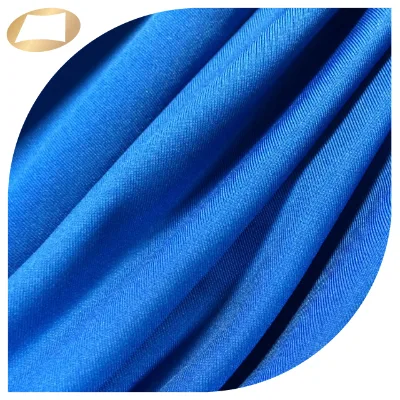
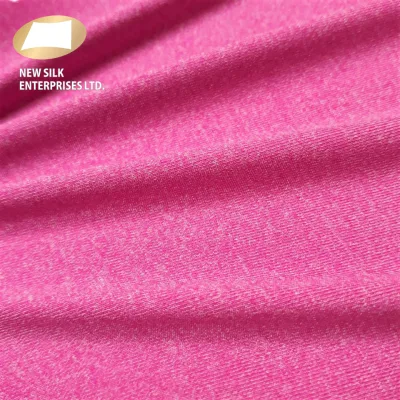
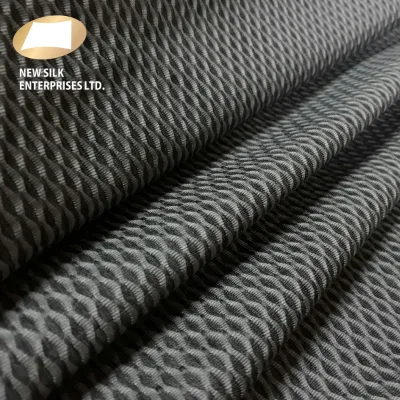
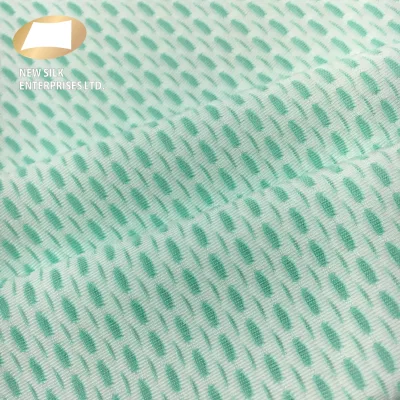
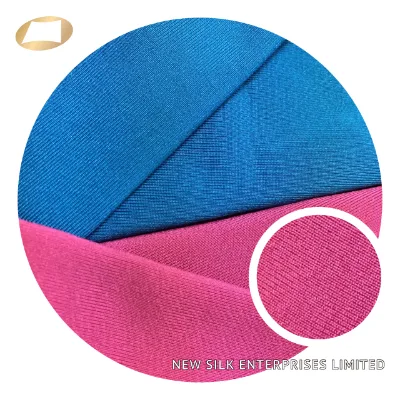
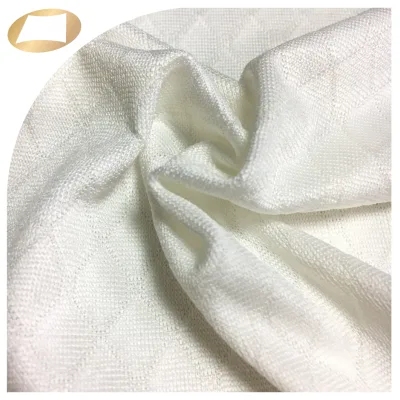
Stretch polyester spandex mesh fabric for lingerie
$2.60 - $3.40
Haining Fengcai Textile Co., Ltd.
- Manufacturer
- Zhejiang, China
- Lead time20 days
- Avg. response≤ 8h
Main productspolyester fabric,warp knitting fabric,tricot fabric,velboa fabric,super poly fabric
Main marketsDomestic Market(53.00%), Southeast Asia(16.00%), Mid East(11.00%), Eastern Asia(8.00%), South America(7.00%), Western Europe(5.00%)
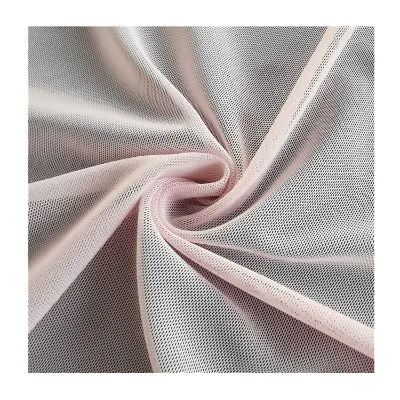
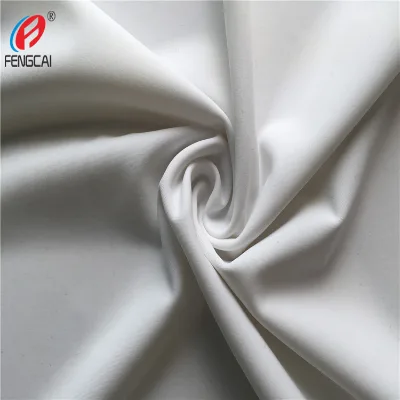
Plain Dyed Spandex Polyester 4 Way Stretch Fabric , Elastane Fabric for Underwear
$1.57 - $1.62
MOQ: 300
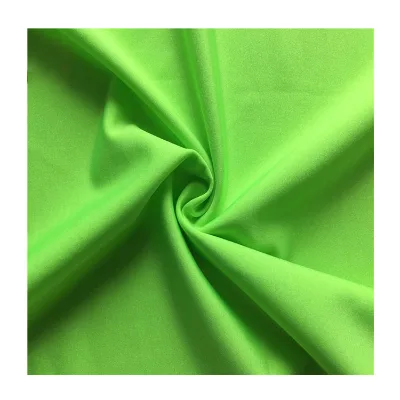
China Manufacturer 80% Nylon 20% Spandex Elastic Underwear Fabric for Dress
$1.98 - $2.21
MOQ: 200 meters

Shaoxing Dalian Imp. & Exp. Co., Ltd.
- Trading Company,Manufacturer/Factory
- China Zhejiang
- Lead time23 days
- Avg. response≤ 3h
Main productsFleece Fabric, Soft Shell Fabric, Stretch Fabric, Scrubs Fabric, Spandex Fabric, Outdoor Fabric
Main marketsSouth America,Eastern Europe,Mid East,North America,Southeast Asia,Eastern Asia,Oceania,Western Europe,Africa

Nylon Spandex Elastane 4 Way Stretch Fabric for Shapewear Underwear Leggings
$3.68 - $6.00
MOQ: 200 Meters


High Elastic Nylon Spandex Four Way Stretch Fabric for Underwear Bra Swimwear
$5.60 - $7.00
MOQ: 300 kg


Suzhou Zhengkai Textile Co., Ltd.
- Verified by BV
- Trading Company,Manufacturer/Factory
- China Jiangsu
- Lead time15 days
- Avg. response≤ 18h
Main productsPolyester Fabric, Oxford Fabrics, Coated Fabric, Nylon Fabric, Lining Fabric, Satin Fabric, Microfiber Peach Skin, Chiffon Fabric, Anti-Static Fabric, Pongee Fabric
Main marketsEastern Europe,North America,Southeast Asia,Eastern Asia,Oceania,Western Europe,Africa

Comfortable 4 Way Stretch Jersey Spandex Fabric for Sale Quick Dry Underwear Sportswear Fabric
$0.98 - $1.66
MOQ: 1000 Meters

Nylon Spandex Elastane 4 Way Stretch Fabric for Shapewear Underwear Leggings
$1.20 - $2.56
MOQ: 1000 Meters

4-Way Stretch Skin-Friendly Lingerie Underwear Nylon Spandex Ribbed Fabric
$0.98 - $1.66
MOQ: 1000 Meters


High Stretchable Nylon Spandex Woven Functional Nylon Yoga Pants Underwears Shapewear Fabric
$0.98 - $1.66
MOQ: 1000 Meters
Dongguan Jiadatai Textile Co., Ltd.
- Verified by SGS Group
- Manufacturer, Trading Company
- Lead time15 days
- Avg. response≤ 3h
Main productsPrinted Fabric, Swimwear Fabric, Sportswear Fabric, Underwear Fabric, Recycled Fabric
Main marketsDomestic Market(60%), North America(17%), Southeast Asia(10%)
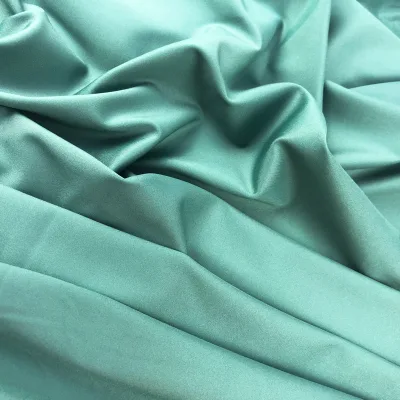

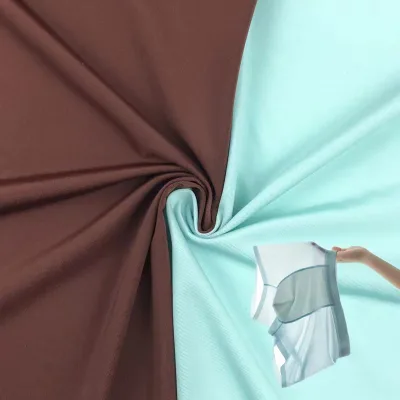
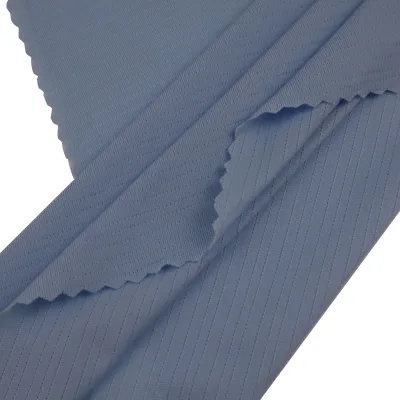
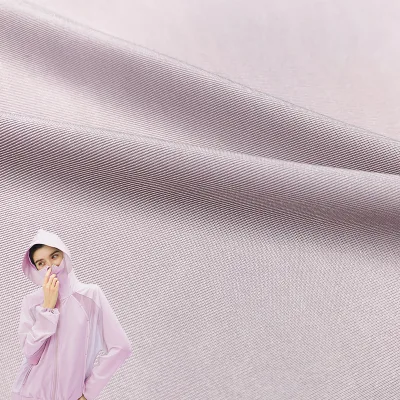
$2.2545 - $2.4594
MOQ: 700 yards


Zhongfangji (Xiamen) Textile Co., Ltd.
- Verified by TUVRHEINLAND
- Manufacturer/Factory
- China Fujian
- Lead time23 days
- Avg. response≤ 7h
Main productsPolyester Fabric, Nylon Fabric, Stretch/Spandex Fabrics, Fleece Fabric, Printed Fabric, Grs Recycled Fabrics, Jacquard Fabric, Knitted Fabric, Woven Fabric, Apparel & Accessories
Main marketsSouth America,Eastern Europe,Mid East,North America,Southeast Asia,Eastern Asia,Oceania,Western Europe,Africa


Soft Nylon Spandex Power Net Lingerie Corsetry Elastic Tulle 4 Way Stretch Mesh Underwear Fabric
$8.80 - $9.00
MOQ: 100 kg


4 Way Stretch Lining Underwear Silky Tulle Nylon Spandex Light Mesh Fabric
$1.97 - $2.10
MOQ: 1000 Yards

Dongguan Jiadatai Textile Co., Ltd.
- Manufacturer, Trading Company
- Lead time旺季: "1 - 2000":15,"2001 - 3000":20,"> 3000":"To be negotiated", 淡季: "1 - 2000":15,"2001 - 3000":20,"> 3000":"To be negotiated"
- Avg. response≤ 2h
Main productsPrinted Fabric, Swimwear Fabric, Sportswear Fabric, Underwear Fabric, Recycled Fabric
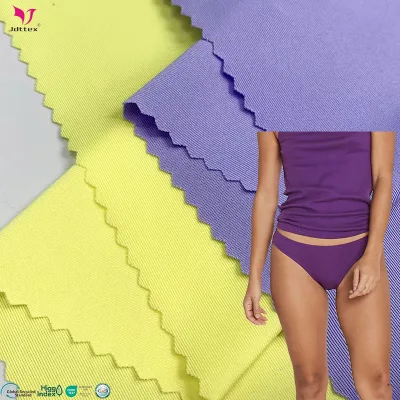
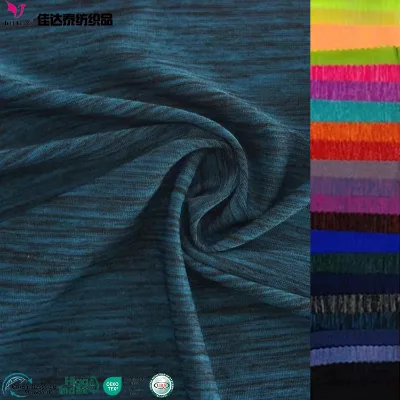
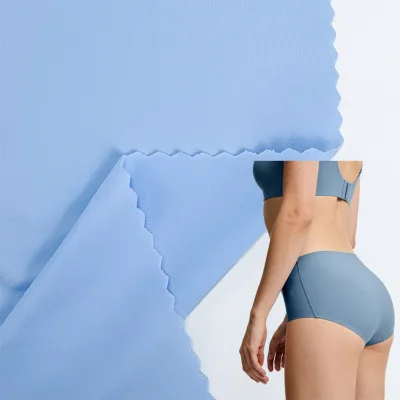
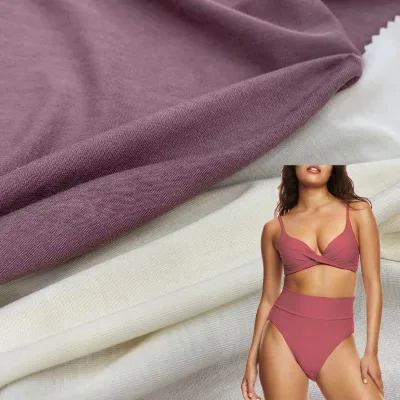
4 Way Stretch Breathable Spandex7% Polyester Nylon93% Fabric for Underwear Sportswear and Swimwear
$2.9636 - $3.9928
MOQ: 1 yards

Haining Henry Textile Co., Ltd.
- Trading Company
- Zhejiang, China
- Lead time15 days
- Avg. response≤ 3h
Main productsSwimwear Fabrics,Yoga Clothing Fabrics,Sportswear Fabrics
Main marketsDomestic Market(80.00%), South America(5.00%), North America(5.00%), Southeast Asia(5.00%), Eastern Europe(3.00%), Western Europe(2.00%)

Nantong Shuhuan Textile Co., LTD.
- Verified by SGS
- Trading Company
- China Jiangsu
- Lead time23 days
- Avg. response≤ 4h
Main productsRecycled Fabric, Organic Cotton Fabric, Lace Fabric, Cotton Fabric, Polyester Fabric, Yarn Dyed Fabric, Printed Fabric, Stock Goods, Functional Fabric, Embroidery Fabric
Main marketsSoutheast Asia/ Mideast

Guangzhou Yangda Knitting Co., Ltd.
- Verified by SGS
- Trading Company,Manufacturer/Factory
- China Guangdong
- Lead time15 days
- Avg. response≤ 7h
Main productsNylon Spandex Fabric, Polyester Spandex Fabric, Cotton Fabric, Rayon Fabric
Main marketsSouth America,Mid East,North America,Southeast Asia,Eastern Asia,Oceania,Africa
- Verified by SGS Group
- Trading Company
- Lead time15 days
- Avg. response≤ 2h
Main productsSwimwear Fabric, Gymnastics Metallic Foil Fabric, Yoga Fabric , Sportswear Fabric , Gymnastics Leotard
Main marketsWestern Europe(28%), North America(20%), Oceania(15%)

Shantou Zhifa Knitting Industry Co., Ltd.
- Combined
- China Guangdong
- Lead time15 days
- Avg. response≤ 12h
Main productsCotton Fabric, Polyester Fabric, Modal Fabric, Spandex Fabric, Nylon Spandex Fabric
Main marketsSoutheast Asia/ Mideast,Domestic,Europe,North America


94% Polyester 6% Spandex Stretch Fabric 120/20 Milk Silk Double Elastic Underwear, Bra Fabric
$3.58 - $3.74
MOQ: 500 kg


Soft Mesh Grid Fabric 80 Nylon 20 Spandex Elastic Underwear Lined with Knitted Fabric for Women
$13.80 - $14.00
MOQ: 100 kg

Shaoxing Yewang Textile Co., Ltd.
- Verified by SGS
- Trading Company
- China Zhejiang
- Lead time15 days
- Avg. response≤ 18h
Main productsRayon Print&Dye Fabric, Cotton Print&Dyed Fabric, Polyester Print and Dyed Fabric, Digital Printing Fabric, Nida Fabric and Abaya Fabric, Garment Fabric and Knitted Fabric, Linen Fabric and Hawaii Design Fabric, Velvet Fabric and Cey Fabric, Flano Fabric and Denim Fabric, Woven Fabric
Main marketsDomestic

Phoenix Flame Holdings Limited
- Verified by BV
- Manufacturer/Factory,Group Corporation
- China Guangdong
- Lead time15 days
- Avg. response≤ 9h
Main productsWebbing Cords Buttons Zipper Drawcord & Shoelace, Label Lace Lanyard Wristband, Embroidery Patches Beaded Applique Belt, Underwear Accessories TPU Rubber Tape
Main marketsSouth America,Eastern Europe,North America,Southeast Asia,Oceania,Western Europe,Africa

$2.35 - $2.65
MOQ: 1000 Meters

$2.35 - $2.65
MOQ: 1000 Meters

Stretch Elastic Lightweight Polyester Nylon Spandex Mesh Fabric for Intimate Underwear Lingerie
$2.35 - $2.65
MOQ: 1000 Meters

Best Price 4-Way Stretch Skin-Friendly Lingerie Underwear Nylon Spandex Ribbed Fabric
$2.35 - $2.65
MOQ: 1000 Meters

OEM Wholesale Stretch Cotton Nylon Spandex Blended Fabric for Women Underwear Homewear
$2.35 - $2.65
MOQ: 1000 Meters

OEM Wholesale Textile Material Breathable Stretch Soft Modal Cotton Spandex Underwear Fabric
$2.35 - $2.65
MOQ: 1000 Meters

Shaoxing Lanfex Import and Export Co., Ltd.
- Verified by SGS
- Trading Company
- China Zhejiang
- Lead time23 days
- Avg. response≤ 2h
Main productsFabric, Knitted Fabric, Thermal Fabric, Sports Fabric, Polyester Fabric, Garment Fabric, Woven Fabric, Textile Fabric, Clothing Fabrics, Sunscreen Fabric
Main marketsSouth America,North America

Premium Stretch Polyester Fabric for Comfortable Underwear and Activewear
$0.20 - $0.35
MOQ: 30 Meters


Shantou Jianxin Weaving Co., Ltd.
- Verified by TüVRheinland
- Manufacturer, Trading Company
- Lead time30 days
- Avg. response≤ 2h
Main productsLeggings Fabric, Underwear Fabric, Yoga Wear Fabric, Swimwear Fabric & Sportswear Fabric, Ribbon & Webbing
Main marketsSoutheast Asia(30%), Domestic Market(30%), Mid East(15%)

Dongguan Xinlang Textile Technology Co., Ltd.
- Verified by BV
- Combined
- China Guangdong
- Lead time15 days
- Avg. response≤ 2h
Main marketsSoutheast Asia/ Mideast,Domestic,Europe,Australia,North America


$2.18 - $2.45
MOQ: 500 Yards


Dongguan Haofa Knitting Co., Ltd.
- Trading Company
- Guangdong, China
- Lead time30 days
- Avg. response≤ 13h
Main productsKnitted Fabric
Main marketsDomestic Market(70.00%), South America(21.00%), Western Europe(3.00%), North America(3.00%), Northern Europe(2.00%), Southern Europe(1.00%)
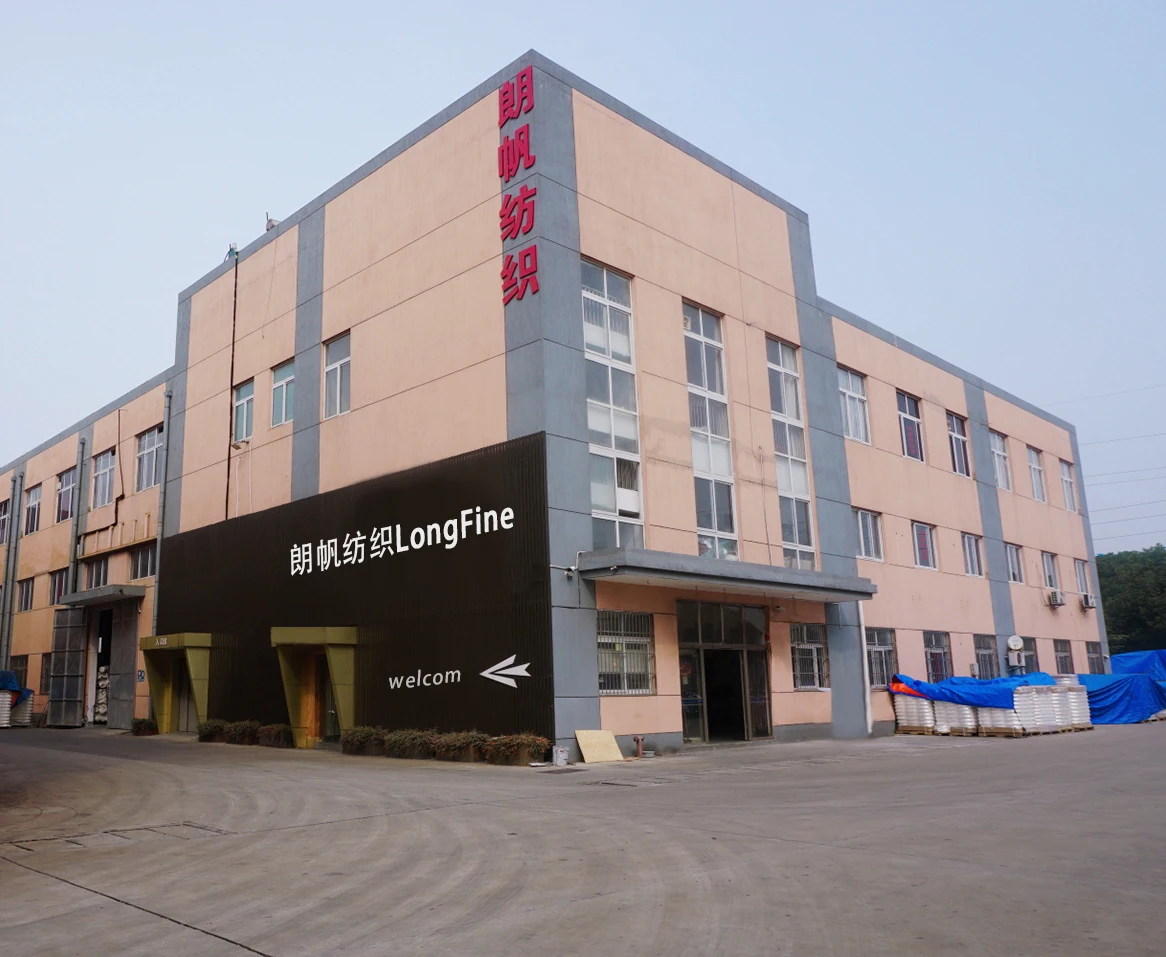
Suzhou Longfine Textiles Technology Ltd.
- Manufacturer, Trading Company
- Jiangsu, China
- Lead time20 days
- Avg. response≤ 9h
Main productsFaux fur fabric,Home Textile,Blankets,Rugs,PLush Fabric
Main marketsAfrica(100.00%), Domestic Market(100.00%), Eastern Asia(100.00%), Northern Europe(100.00%), Central America(100.00%), South America(40.00%), North America(20.00%), South Asia(10.00%), Southeast Asia(5.00%), Southern Europe(5.00%), Eastern Europe(5.00%), Oceania(5.00%), Mid East(5.00%), Western Europe(5.00%)

- Verified by CTI
- Trading Company
- China Fujian
- Lead time30 days
- Avg. response≤ 25h
Main products100% Polyester Yarn, Polyester Spun Yarn, DTY, FDY, POY, T/C Yarn, T/R Yarn, Viscose Yarn, Polyester Staple Fiber, Blended Yarn
Main marketsSoutheast Asia/ Mideast,East Asia(Japan/ South Korea),Europe
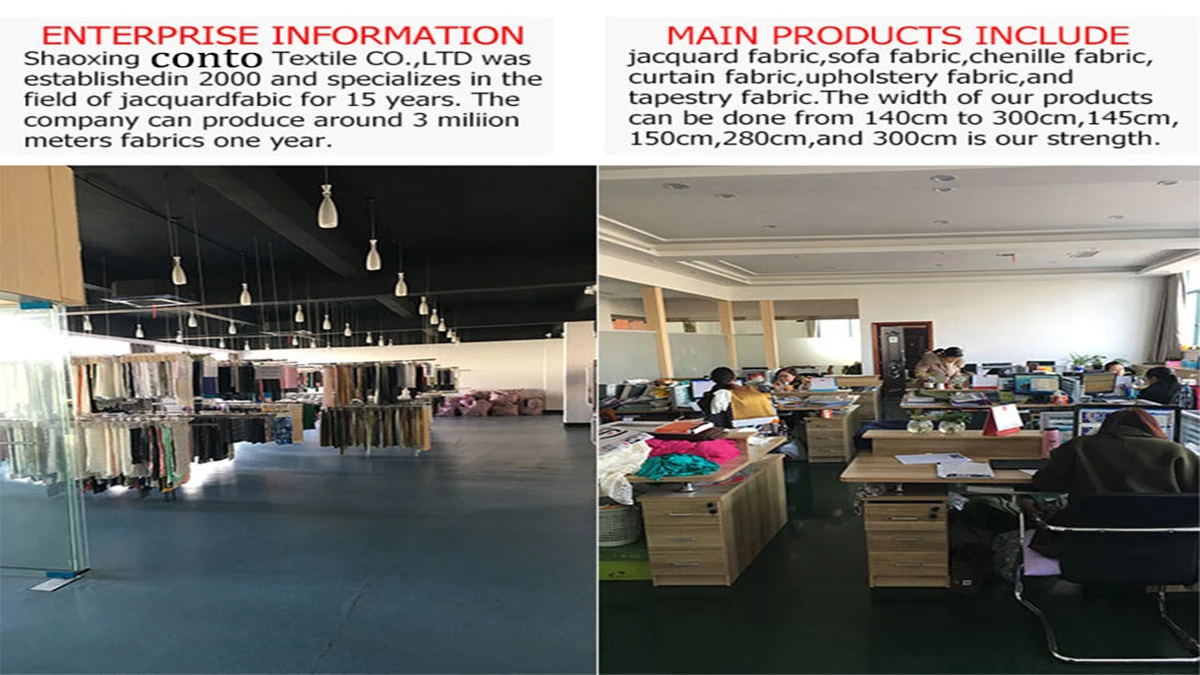
Shaoxing Keqiao Conto Textile Co., Ltd.
- Trading Company
- Zhejiang, China
- Lead time60 days
- Avg. response≤ 7h
Main productssofa fabric,garment fabric,flannel blanket,pu/pvc fabric,curtain
Main marketsSouth Asia(15.00%), Southern Europe(10.00%), North America(10.00%), Eastern Europe(10.00%), Northern Europe(10.00%), Domestic Market(5.00%), Africa(5.00%), Southeast Asia(5.00%), South America(5.00%), Central America(5.00%), Western Europe(5.00%), Eastern Asia(5.00%), Mid East(5.00%), Oceania(5.00%)

- Verified by BV
- Trading Company,Manufacturer/Factory
- China Zhejiang
- Lead time23 days
- Avg. response≤ 6h
Main productsGarment Accessories, Zipper, Button, Lace Trim, Metal Zipper, Nylon Zipper, Plastic Zipper, Metal Button, Snap Button, Cotton Lace
Main marketsNorth America,Africa

Shaoxing Keqiao Canqi Textile Co., Ltd.
- Trading Company
- China Zhejiang
- Lead time15 days
- Avg. response≤ 2h
Main productsLace Mesh Elastic Lace Fabric
Main marketsDomestic

Shanghai Jspeed Industry Co., Ltd.
- Verified by BV
- Trading Company
- China Shanghai
- Lead time60 days
- Avg. response≤ 7h
Main productsMen/Women Swimwear, Underwear, Bra, Socks, Men/Women Pants, Men/Women Jackets, Dress, Sportwear, Skirt, Shirt
Main marketsEurope













Comprehensive Sourcing Guide
4 Way Stretch Underwear Fabric Supplier Concentration and Factory Types
The current supplier landscape for 4 Way Stretch Underwear Fabric reveals a distinct geographic concentration in Taiwan and Zhejiang, China, which serves as a primary indicator for sourcing strategy. These regions host a mix of manufacturers and trading companies, offering buyers a range of operational models to evaluate. Manufacturers in these areas typically control the entire production chain, from yarn spinning to final fabric finishing, which can provide greater consistency in quality control and material composition. Trading companies, on the other hand, may offer a broader portfolio of styles and faster access to diverse inventory, though they might rely on third-party production facilities. Understanding this distinction is crucial for buyers who prioritize direct factory communication versus the flexibility of a multi-supplier catalog. The presence of both entity types in these specific locations suggests a mature industrial ecosystem where specialized knowledge in functional fabrics, such as wicking, filament, and spandex blends, is readily available. Buyers should assess whether their project requires the deep technical expertise of a dedicated manufacturer or the logistical convenience of a trading partner.
Within these manufacturing clusters, the product offerings often emphasize specific functional attributes tailored for intimate apparel and activewear. Common main products include functional fabrics, wicking materials, and nylon-spandex blends designed for four-way stretch capabilities. These materials are frequently categorized under spandex fabric or polyester fabric sub-segments, indicating a high degree of specialization in elastic textiles. The concentration of suppliers in Taiwan and Zhejiang implies that local supply chains for raw materials like polyester, nylon, and elastane are well-established, potentially reducing lead times and improving cost efficiency. Buyers evaluating these regions should look for suppliers who explicitly list their core competencies in stretch knits, as this specialization often correlates with better performance in critical areas like recovery, durability, and comfort. The geographic clustering also facilitates easier verification of factory capabilities, whether through virtual audits or site visits, allowing buyers to confirm that the claimed manufacturing capacity aligns with their order volume requirements.
How to Verify 4 Way Stretch Underwear Fabric Suppliers
Verifying the legitimacy and capability of 4 Way Stretch Underwear Fabric suppliers requires a multi-layered approach that goes beyond basic company profiles. Buyers should prioritize suppliers who demonstrate transparent response times, as a quick and professional reply often indicates an organized sales and production team. In the current results, response times vary, with some suppliers responding within three days and others taking up to eight days. While a faster response is generally preferable, it is not the sole indicator of reliability. Buyers must also cross-reference the supplier’s claimed location with their operational history and facility details. For instance, suppliers located in Taiwan or Zhejiang, China, should be able to provide verifiable evidence of their manufacturing or trading operations in those specific regions. This verification process helps mitigate the risk of dealing with intermediaries who may misrepresent their origin or capacity. Additionally, checking for established business credentials and long-term operational history can provide confidence in the supplier’s stability and commitment to the industry.
Product evidence serves as another critical verification tool, allowing buyers to assess the technical accuracy of supplier claims. Detailed product attributes, such as weight, yarn count, and certification status, should be scrutinized for consistency and realism. For example, some suppliers list OEKO-TEX Standard 100 certification, which is a valuable indicator of safety and quality compliance for underwear fabrics. Buyers should request documentation for such certifications to ensure they are valid and current. Furthermore, examining the supply type, such as Make-to-Order versus stock availability, helps determine if the supplier can meet specific customization needs. Suppliers who provide comprehensive product specifications, including width, thickness, and feature sets like stretch or moisture-wicking, are more likely to be knowledgeable and reliable. Buyers should also verify the accuracy of pricing and MOQ information, as discrepancies here can signal potential issues with transparency or operational efficiency. By combining these verification steps, buyers can build a more accurate picture of each supplier’s true capabilities.
What to Compare Across 4 Way Stretch Underwear Fabric Suppliers
When evaluating multiple suppliers for 4 Way Stretch Underwear Fabric, buyers must systematically compare key operational metrics to identify the best fit for their specific needs. Lead time is a critical factor, with some suppliers offering turnaround times as short as 20 days, while others may require up to 35 days. This variation can significantly impact inventory planning and time-to-market, especially for seasonal collections. Buyers should align their order schedules with the supplier’s stated lead times to avoid delays. Similarly, Minimum Order Quantity (MOQ) requirements vary, with some suppliers setting thresholds at 300 kilograms per color, while others may have different unit-based MOQs. Understanding these thresholds is essential for determining the feasibility of initial orders and potential long-term partnerships. Buyers with smaller volume requirements may need to seek suppliers with lower MOQs, even if it means accepting slightly higher unit prices or longer lead times.
Another important dimension for comparison is the range of main products and technical specifications offered by each supplier. Some suppliers specialize in functional fabrics like wicking and filament materials, while others focus on specific blends such as polyester-spandex or nylon-spandex combinations. Buyers should assess whether the supplier’s product portfolio aligns with their desired fabric characteristics, such as weight, stretch recovery, and color options. For instance, some products are available in a wide range of colors, including custom options, which can be crucial for brand differentiation. Additionally, comparing pricing structures is necessary, as costs can range from approximately $1.55 to $5.20 per unit depending on the fabric type and specifications. Buyers should not solely focus on the lowest price but rather evaluate the value proposition, considering factors like quality, certification, and service level. By systematically comparing these attributes, buyers can make informed decisions that balance cost, quality, and operational efficiency.
Common 4 Way Stretch Underwear Fabric Sourcing Risks
Sourcing 4 Way Stretch Underwear Fabric from international suppliers introduces several risks that buyers must proactively manage to ensure successful procurement. One significant risk is the potential discrepancy between sample quality and bulk production output. Suppliers may provide high-quality samples that do not reflect the consistency of mass-produced fabric, leading to dissatisfaction upon delivery. To mitigate this, buyers should establish clear quality standards and request pre-shipment inspections or third-party verification services. Another risk involves the accuracy of product specifications, such as weight, width, and stretch properties. Miscommunication or lack of detailed specifications can result in receiving fabric that does not meet the intended performance criteria. Buyers should provide comprehensive technical sheets and confirm all details with the supplier before placing orders. Additionally, variations in dye lots and color consistency can pose challenges, especially for large orders requiring multiple batches. Establishing strict color matching protocols and requesting lab dips can help minimize these issues.
Supply chain disruptions and logistical delays are also common risks, particularly when sourcing from regions with complex export procedures. Lead times may extend due to raw material shortages, production bottlenecks, or shipping constraints. Buyers should maintain open communication with suppliers to stay informed about potential delays and adjust their plans accordingly. Furthermore, there is a risk of non-compliance with international standards and regulations, such as safety certifications for textiles. Suppliers claiming certifications like OEKO-TEX Standard 100 must provide valid documentation to prove compliance. Buyers should verify these credentials independently to avoid legal or reputational risks. Another risk is the financial exposure associated with large upfront payments or unfavorable payment terms. Buyers should negotiate secure payment methods, such as escrow services, to protect their interests until goods are received and verified. By identifying and addressing these risks early in the sourcing process, buyers can enhance the reliability and success of their procurement efforts.
4 Way Stretch Underwear Fabric Regional Sourcing and Logistics
The geographic location of suppliers plays a pivotal role in determining logistics efficiency and cost structures for 4 Way Stretch Underwear Fabric. Suppliers located in Taiwan and Zhejiang, China, offer distinct logistical advantages due to their proximity to major shipping ports and established export infrastructure. Zhejiang, in particular, is known for its robust textile industry and efficient port facilities, such as Shanghai Port, which facilitate smooth export operations. Buyers sourcing from these regions can benefit from shorter transit times and more predictable shipping schedules, which are crucial for maintaining inventory levels and meeting market demands. Additionally, the concentration of suppliers in these areas often leads to competitive freight rates due to high volume and established logistics partnerships. Buyers should consider the impact of shipping costs on their overall procurement budget and explore options for consolidating shipments to reduce expenses. Understanding the logistical landscape of these regions allows buyers to plan more effectively and anticipate potential delays or additional costs.
Logistics planning also involves considering the packaging and handling requirements of the fabric to ensure it arrives in optimal condition. Suppliers often provide detailed packaging instructions, such as using plastic bags for inner protection and woven bags for outer durability, to prevent damage during transit. Buyers should verify these packaging standards and ensure they align with their storage and handling capabilities. Furthermore, the weight and dimensions of the fabric rolls can affect shipping costs and container utilization. For example, some suppliers specify load capacities for 20-foot and 40-foot containers, which can help buyers optimize their shipping volume. Buyers should work closely with suppliers to determine the most cost-effective shipping methods, whether by sea or air, based on their urgency and budget. Additionally, understanding the import regulations and duties in the destination country is essential to avoid unexpected costs or delays. By integrating logistical considerations into their sourcing strategy, buyers can enhance supply chain resilience and operational efficiency.
4 Way Stretch Underwear Fabric Commercial Terms and Order Planning
Commercial terms and order planning are critical components of successful procurement for 4 Way Stretch Underwear Fabric, requiring careful negotiation and strategic foresight. Payment terms vary among suppliers, with some accepting T/T (Telegraphic Transfer) or L/C (Letter of Credit) as standard methods. Buyers should evaluate the security and flexibility of these payment options, considering factors like cash flow impact and risk mitigation. Escrow services can provide an additional layer of protection by holding funds until the goods are received and verified. Buyers should prioritize suppliers who offer secure payment mechanisms to safeguard their investments. Additionally, understanding the supplier’s delivery time commitments is essential for accurate order planning. Some suppliers offer delivery times of 15-20 days, while others may require up to 35 days. Buyers should align their production schedules with these timelines to avoid stockouts or excess inventory. Clear communication regarding delivery expectations and potential penalties for delays can help manage risks effectively.
Order planning also involves determining the optimal order quantity based on MOQ requirements and demand forecasts. Suppliers may have different MOQs, such as 300 kilograms per color, which can influence the buyer’s purchasing strategy. Buyers should assess whether their projected sales volume justifies the MOQ or if they need to negotiate lower thresholds for initial orders. Furthermore, considering the supply type, such as Make-to-Order, is crucial for managing inventory risks. Make-to-Order production allows for customization but may result in longer lead times. Buyers should balance the need for customization with the desire for quick turnaround times. Additionally, buyers should plan for potential variations in pricing due to raw material fluctuations or currency exchange rates. Establishing long-term partnerships with reliable suppliers can help stabilize costs and ensure consistent supply. By integrating commercial terms and order planning into their sourcing strategy, buyers can achieve greater efficiency and profitability in their procurement operations.
FAQs
What is the price range for 4 Way Stretch Underwear Fabric?
Prices typically range from $1.55 to $5.20 per unit depending on material composition and weight. Basic polyester spandex mesh options start around $1.55, while specialized nylon blends or heavier microfiber constructions can reach up to $5.20. Buyers should verify specific unit costs based on desired GSM and color customization requirements.
What are the minimum order quantities for these fabrics?
Minimum order quantities vary by supplier and product type. Some manufacturers require a minimum of 300 kilograms per color for power net mesh fabrics. Other suppliers may set a minimum of 750 units for specific knitted underwear fabrics. Buyers must confirm the exact MOQ with the supplier before placing an order.
How long does production take for custom orders?
Lead times generally range from 15 to 35 days depending on the supplier and order complexity. Some manufacturers in Zhejiang offer faster turnaround times of approximately 20 days. Others may require up to 35 days for production. Buyers should confirm specific delivery schedules with the supplier to ensure timely receipt of goods.
Are these fabrics certified for safety and quality?
Several suppliers offer fabrics certified under the Oeko-Tex Standard 100, ensuring they are free from harmful substances. This certification is particularly relevant for underwear and intimate apparel. Buyers should request valid certification documents from the supplier to verify compliance with international safety standards before finalizing procurement agreements.
What materials are commonly used in these fabrics?
Common materials include polyester, spandex, and nylon blends. Specific compositions range from 83% polyester and 17% spandex to microfiber nylon spandex melange fabrics. Some options feature 100% polyester or polyamide spandex knits. Buyers should select materials based on desired stretch, breathability, and durability for their specific garment applications.
Where are these suppliers located?
Suppliers are primarily located in Taiwan and Zhejiang, China. These regions are known for textile manufacturing capabilities. Buyers can filter results by location to prioritize suppliers based on logistical preferences or regional trade requirements. Proximity to major ports like Shanghai may also influence shipping efficiency and costs.