60V Programmable DC Power Supply Suppliers and Manufacturers
Find 24 verified suppliers offering 60V Programmable DC Power Supply units from China Jiangsu and Shandong. Compare response times, lead times, certifications, and pricing to source reliable factories for your electrical equipment needs today; review the available evidence before requesting comparable quotations from suitable candidates.
Updated
Suppliers List

Suzhou Lingfran Electric Co., Ltd
- Verified by SGS
- Trading Company,Manufacturer/Factory
- China Jiangsu
- Lead time23 days
- Avg. response≤ 5h
Main productsVoltage Stabilizer/Regulator, Transformer, Static Frequency Converter, Uninterruptible Power Supply, DC Power Supply, Variac, Ground Power Unit, Shore Power Converter
Main marketsSouth America,Eastern Europe,Mid East,North America,Southeast Asia,Eastern Asia,Oceania,Western Europe,Africa

Jinan Xinyuhua Energy Technology Co., Ltd.
- Verified by SGS
- Trading Company,Manufacturer/Factory
- China Shandong
- Lead time15 days
- Avg. response≤ 2h
Main productsStatic Frequency Converter, Solar off Grid Inverter, Voltage and Frequency Stabilizer, AC Power Source, Wind off Grid Inverter, Wind on Grid Inverter, Storage Bi-Directional Inverter, 400Hz Frequency Converter, Test Power Supply, AC to DC Charger
Main marketsSouth America,Eastern Europe,Mid East,North America,Southeast Asia,Eastern Asia,Oceania,Africa


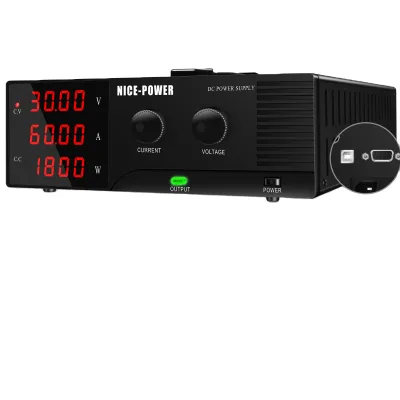
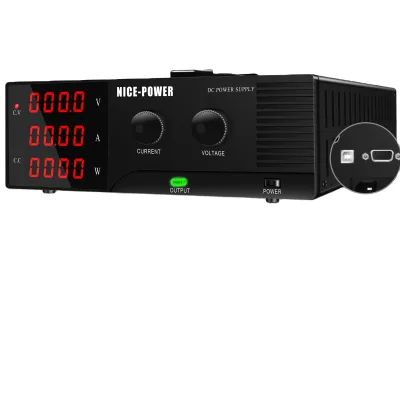
Variable Dual Output Ranges 60V 10A 60V 20A Switching Programmable DC Power Supply
$99.00 - $4390.00
MOQ: 2 Pieces

$9999.00 - $19999.00
MOQ: 2 Pieces

Programmable Power Supply 60V/50A 3000W DC High Power Adjustable Switching Power Supply Laboratory
$99.00 - $4390.00
MOQ: 2 Pieces

250VDC 18000W Programmable Adjustable 18kw AC/DC Power Supply 0-250V 0-200A
$99.00 - $4390.00
MOQ: 2 Pieces

Guangzhou Idealplusing information technology co., LTD
- Trading Company,Manufacturer/Factory
- China Guangdong
- Lead time15 days
- Avg. response≤ 4h
Main productsDC Power Supply, DC/DC Converter, Pure Sine Wave Inverter, Retifier, Battery Charger, Rectifier System, Adjustable DC Power Supply, Frequency Converter, Swiching Power Supply
Main marketsSouth America,Eastern Europe,Mid East,North America,Southeast Asia,Eastern Asia,Oceania,Western Europe,Africa

50V 60A High Power Digital Adjustable 3kw DC Programmable Power Supply
$100.00 - $300.00
MOQ: 1 Pieces


$167.68 - $558.24
MOQ: 1 Pieces

$100.00 - $300.00
MOQ: 1 Pieces

3000W 60V/50A High-Stability Industrial Use Programmable DC Power Supply with Multiple Protection
$200.00 - $500.00
MOQ: 1 Pieces

$130.72 - $675.88
MOQ: 1 Pieces
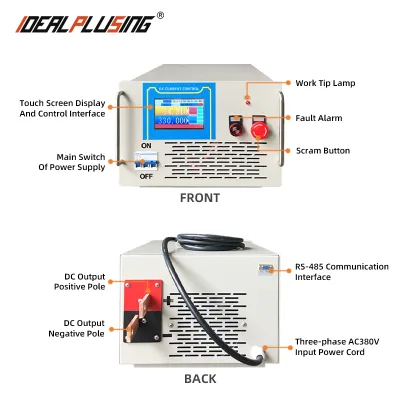
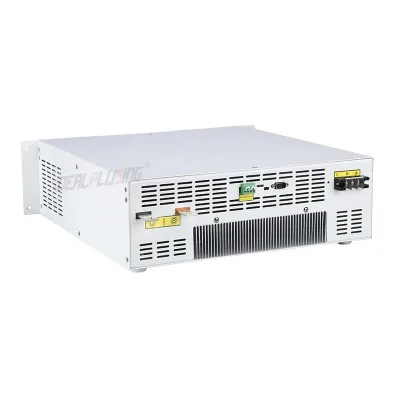
Guangzhou Idealplusing Information Technology Co., Ltd.
- Verified by TüVRheinland
- Manufacturer, Trading Company
- Lead time1 days
- Avg. response≤ 2h
Main productsDC Converter, Power Inverter, AC DC Converter, AC DC Power Supply, Switching Mode Power Supply
Main marketsEastern Europe(10%), Southeast Asia(10%), Eastern Asia(10%)
$205.342 - $513.355
MOQ: 1 Minimum
$385.1306 - $625.5132
MOQ: 1 Minimum

Ninghai Yingjiao Electrical Co., Ltd.
- Verified by BV
- Combined
- China Zhejiang
- Lead time30 days
- Avg. response≤ 23h
Main productsAdapter, Power Adapter, AC/DC Adapter, Power Supply, Battery Charger, AC Adapter, CCTV Power Supply, Linear Power Adapter, LED Driver, Switching Power Adaptor
Main marketsEurope,North America

Yangzhou Idealtek Electronics Co., Ltd.
- Verified by BV
- Trading Company
- China Jiangsu
- Lead time15 days
- Avg. response≤ 6h
Main productsDC Power Supply, AC Power Supply, Switching DC Power Supply, High Voltage Power Supply, Linear DC Power Supply, Electroplating DC Power Supply, High Voltage Capacitor Charging Power Supply, Intermediate Frequency AC Power Supply, Motor Test Power Supply, Instrumentation
Main marketsSoutheast Asia/ Mideast,Domestic,Europe,North America
Sichuan Province Tanglin Electronic Technology Co., Ltd.
- Manufacturer, Trading Company
- Sichuan, China
- Lead time15 days
- Avg. response≤ 2h
Main productsProgrammable DC Power Supply, Polarity Reverse Power Supply, High Precision Ultra-Compact DC Power Supply, Pulse Power Supply, High Power DC Power Supply
Main marketsDomestic Market(70.00%), North America(5.00%), South America(5.00%), Eastern Asia(5.00%), Eastern Europe(5.00%), Mid East(5.00%), Southeast Asia(5.00%)
Guangdong Yibenyuan Power Supply Equipment Co., Ltd.
- Verified by TüVRheinland
- Manufacturer, Trading Company
- Lead time30 days
- Avg. response≤ 3h
Main productsDC Power Supply, Switching Power Supply, Pulsed Power Supply
Main marketsDomestic Market(20%), North America(10%), Eastern Europe(10%)
ShenZhen Kuaiqu Electronic Co., Ltd.
- Verified by TüVRheinland
- Trading Company
- Lead time0 days
- Avg. response≤ 2h
Main productsDC Power Supply, Microscope, DC Electronic Load, Instrument Equipment
Main marketsNorth America(15%), Mid East(15%), South Asia(13%)
Wuhan Adj Power Technology Co., Ltd.
- Manufacturer, Trading Company
- Hubei, China
- Lead time0 days
- Avg. response≤ 1h
Main productsconstant current power supply,programmable power supply,ODM,marine power supply,DC ups
Main marketsDomestic Market(40.00%), Southeast Asia(20.00%), Mid East(15.00%), South Asia(10.00%), Eastern Asia(10.00%), Africa(5.00%)
$460.00 - $1260.00
MOQ: 1 Minimum
Dongguan Bufan Electronics Co., Ltd.
- Verified by Intertek
- Trading Company
- Lead time5 days
- Avg. response≤ 1h
Main productsHigh Power DC Power Supply, Thermal Camera, Electric Batch

Hunan Zhongyuan Technology Co., Ltd.
- Manufacturer, Trading Company
- Hunan, China
- Lead time0 days
- Avg. response≤ 9h
Main productsDC sputtering power supply,Pulsed DC sputtering power supply,MF sputtering power supply,Unipolar pulse bias power supply,DC power sources
Main marketsDomestic Market(60.00%), Western Europe(20.00%), Southeast Asia(10.00%), North America(5.00%), Eastern Europe(5.00%)
Shenzhen Jiaxinjie Technology Co., Ltd.
- Trading Company, Agent, Distributor/Wholesaler
- Guang Dong, China
- Lead time3 days
- Avg. response≤ 5h
Main productsElectronic products,Electronic module,IC Chip,Capacitance & Resistance,Medical equipment
Main marketsDomestic Market(10.00%), South Asia(10.00%), Southern Europe(10.00%), Eastern Europe(10.00%), South America(10.00%), North America(10.00%), Oceania(5.00%), Africa(5.00%), Southeast Asia(5.00%), Northern Europe(5.00%), Central America(5.00%), Western Europe(5.00%), Eastern Asia(5.00%), Mid East(5.00%)
$48.3892 - $51.4772
MOQ: 5 Minimum
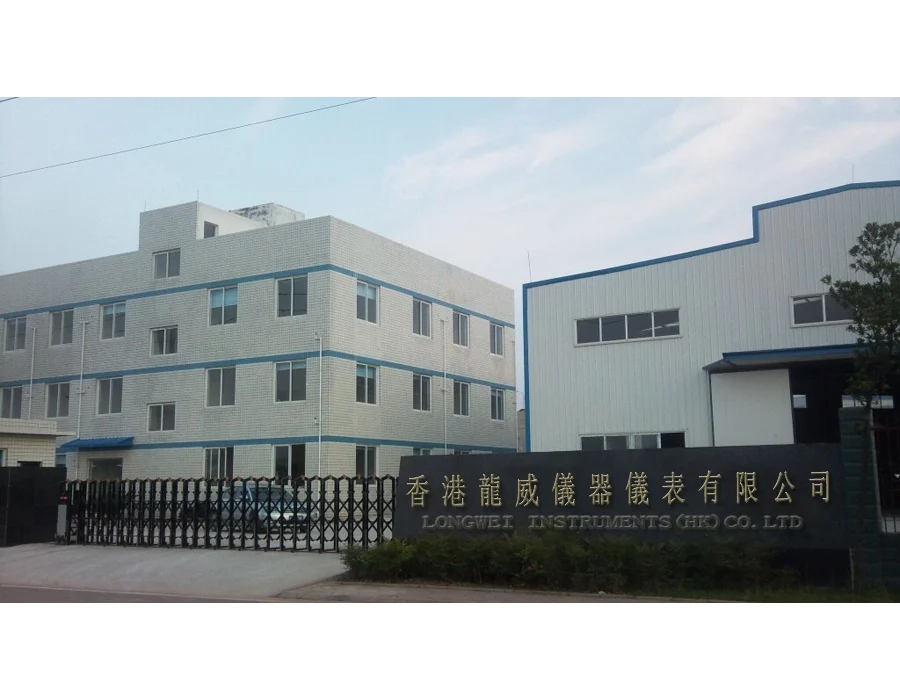
Dongguan Longwei Electronic Technology Co., Ltd.
- Manufacturer, Trading Company
- Gd, China
- Lead time10 days
- Avg. response≤ 6h
Main productsDc power supply,oscilloscope,switching power supply,function generator,digital power supply
Main marketsDomestic Market(30.00%), North America(10.00%), Northern Europe(10.00%), Western Europe(10.00%), Eastern Europe(10.00%), South America(10.00%), Southeast Asia(5.00%), Central America(3.00%), South Asia(3.00%), Eastern Asia(3.00%), Mid East(2.00%), Africa(2.00%), Southern Europe(2.00%)

Wenzhou Wode Electrical Co., Ltd.
- Trading Company,Manufacturer/Factory
- China Zhejiang
- Lead time15 days
- Avg. response≤ 4h
Main productsSwitching Power Supply, LED Driver, DIN Rail Power Supply, Power Supply, LED Power Supply
Main marketsSouth America,Eastern Europe,Mid East,North America,Southeast Asia,Eastern Asia,Oceania,Western Europe,Africa
Shenzhen Bodunbaili Electronic Co., Ltd.
- Verified by Intertek
- Trading Company
- Lead time15 days
- Avg. response≤ 3h
Main productsDC Power Supply, Microscope, Multimeter
Main marketsEastern Europe(15%), North America(10%), Southeast Asia(10%)
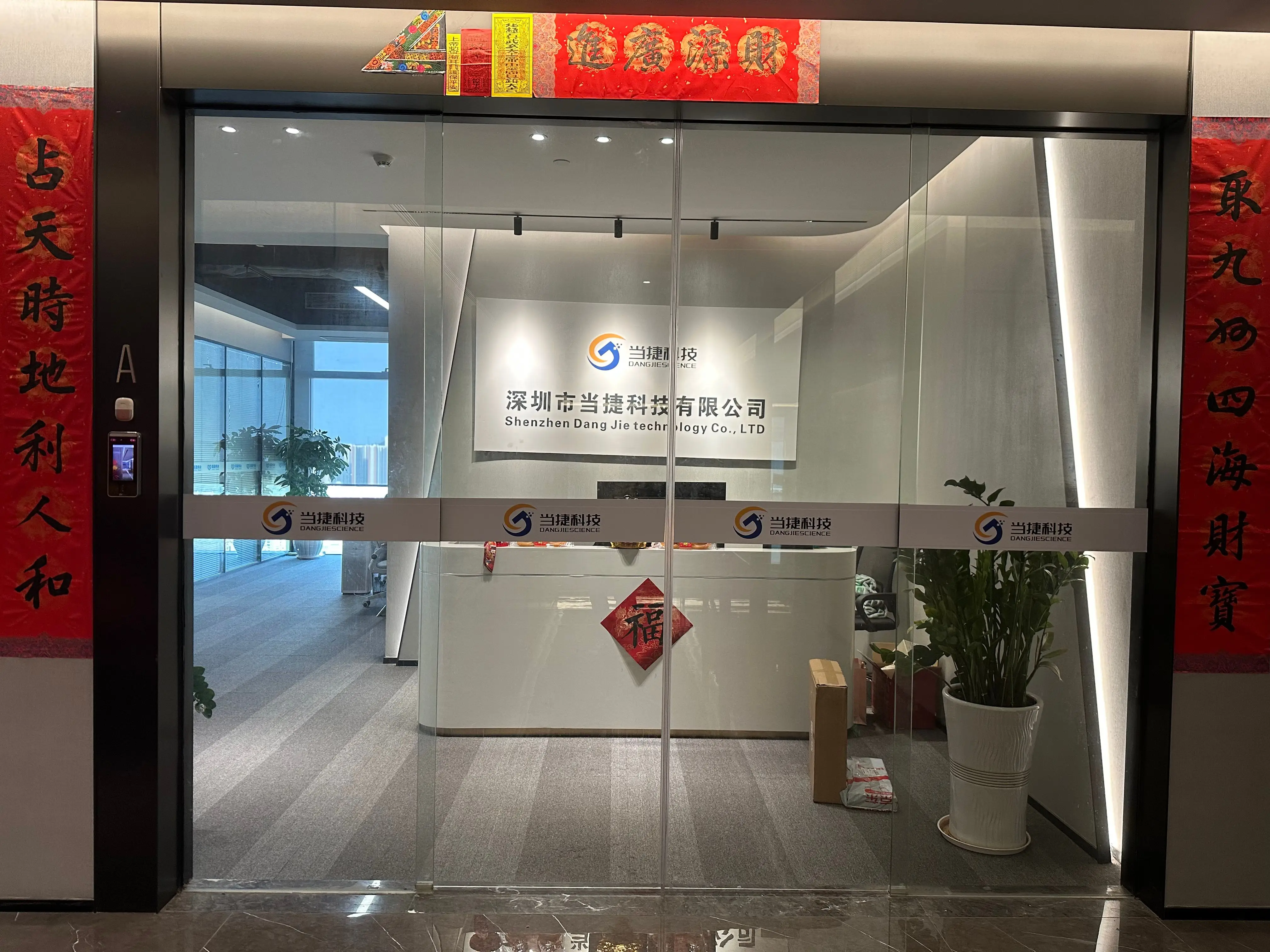
Shenzhen Dangjie Technology Co., Ltd.
- Trading Company, Agent, Distributor/Wholesaler, Other
- Guangdong, China
- Lead time10 days
- Avg. response≤ 2h
Main productscomponents and parts,Integrated circuit,resistance,capacitance,triode
Main marketsDomestic Market(20.00%), Western Europe(20.00%), Eastern Europe(20.00%), South Asia(20.00%), Oceania(20.00%), Central America(10.00%), Southeast Asia(10.00%), Southern Europe(10.00%), Mid East(10.00%), North America(10.00%), Africa(5.00%), South America(5.00%), Eastern Asia(5.00%), Northern Europe(5.00%)

Shijiazhuang Suin Instruments Co., Ltd.
- Manufacturer
- China Hebei
- Lead time15 days
- Avg. response≤ 6h
Main productsFunction Generator, Spectrum Analyzer, Frequency Counter, Power Quality Analyzer, Programmable DC Power Supply, Millivolt Meter, Digital Multimeter, RF Signal Generator, Pulse/Pattern Generator, Stopwatch Calibrator
Main marketsSouth America,Southeast Asia/ Mideast,Europe

SHENZHEN SCIEO ELECTRONICS CO., LTD.
- Verified by SGS
- Trading Company
- China Guangdong
- Lead time30 days
- Avg. response≤ 1h
Main productsPower Supply, Oscilloscope, Electronic Load, Multimeter, Signal Generators, Safety Regulation Tester, Hipot Tester, ESD Simulator, Thermal Imager, Power Meter
Main marketsDomestic,Europe


$500.00 - $25000.00
MOQ: 1 Pieces

Shenzhen Guangkuoshiji Technology Co., Ltd.
- Manufacturer, Trading Company
- Guangdong, China
- Lead time7 days
- Avg. response≤ 10h
Main productsPower Adapter,Switching Power Supply,Power Adaptor
Main marketsDomestic Market(30.00%), South America(26.00%), Eastern Europe(19.00%), Western Europe(10.00%), North America(10.00%), Oceania(5.00%)
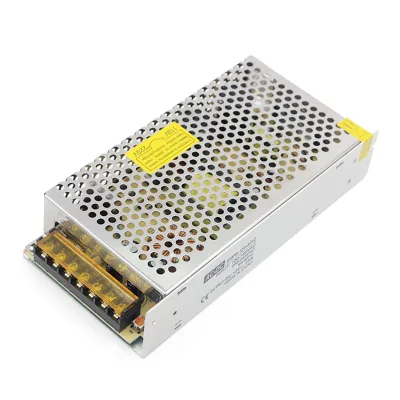
Ac 110-220v to Dc 12v3a Constant Voltage Universal Switching Power Supply 12V36W
$1.8618 - $1.9952
MOQ: 50 pieces
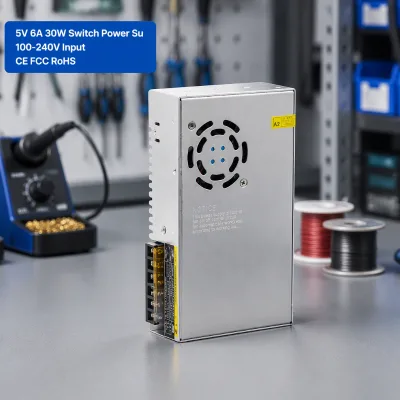
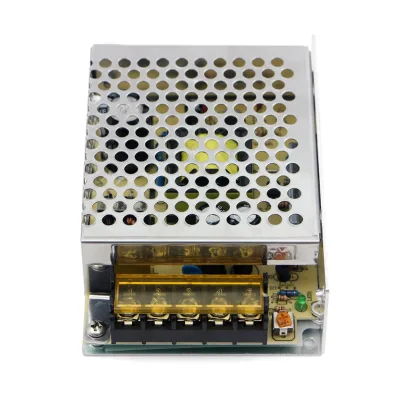
5V 6A 30W Switch Power Supply Universal
$15.60 - $16.90

Shenzhen Gofern Electronic Co., Ltd.
- Verified by BV
- Combined
- China Guangdong
- Lead time23 days
- Avg. response≤ 12h
Main productsPower Adapter, Switching Power Supply, UPS Power Supply, Power Supply, Converter, Charger
Main marketsSouth America,Europe,Australia,North America

10W 20W 36W 50W 60W Power Supply DC 24V 1A 2A 3A 5A 8A Switching Power Supply
$1.95 - $2.50
MOQ: 1 Pieces


Nanjing Huikaishun Electronic Technology Co., Ltd.
- Verified by TUVRHEINLAND
- Combined
- China Jiangsu
- Lead time15 days
- Avg. response≤ 2h
Main productsLow-Power High-Efficiency Power Supply, High-Voltage Power Supply for Air Purification, New Wind Controller, Group Control Display Controller, FFU Fan Controller, Dust Removal Complete Set of Electrical Control, UL Oil Fume Purification Power Supply
Main marketsDomestic

Guangzhou Jinyuanhua Trading Co., Ltd.
- Manufacturer, Buying Office, Distributor/Wholesaler
- Guangdong, China
- Lead time15 days
- Avg. response≤ 8h
Main productsAudio cable,wire rod,alligator clip,video line,Microphone
Main marketsAfrica(0.30%)
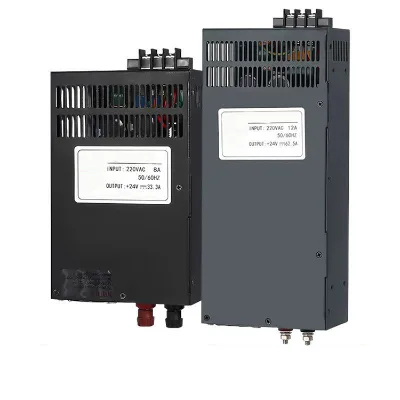
High Power Electronic Components Adjustable Switching Power Supply Adjustable Voltage
$22.7578 - $252.8393
MOQ: 50 Minimum
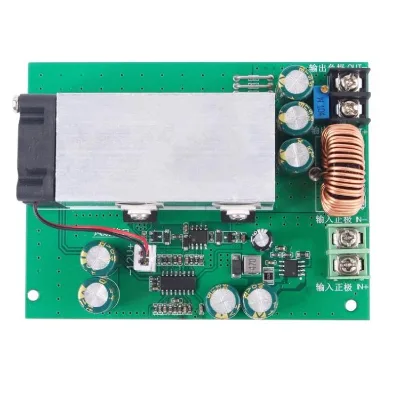
Dernfu Electronic (dongguan) Co., Ltd.
- Trading Company
- Guangdong, China
- Lead time旺季: "1 - 1000":15,"1001 - 10000":20,"10001 - 20000":30,"> 20000":"To be negotiated", 淡季: "1 - 1000":15,"1001 - 10000":20,"10001 - 20000":30,"> 20000":"To be negotiated"
- Avg. response≤ 12h
Main productsTransformer,Solenoid,Motor,Ozone,PCBA
Main marketsDomestic Market(30.00%), North America(21.00%), Eastern Asia(10.00%), Western Europe(10.00%), Mid East(6.00%), Southeast Asia(3.00%), South Asia(3.00%), Northern Europe(3.00%), South America(2.00%), Africa(1.00%), Southern Europe(1.00%), Eastern Europe(1.00%), Central America(1.00%), Oceania(0.50%)
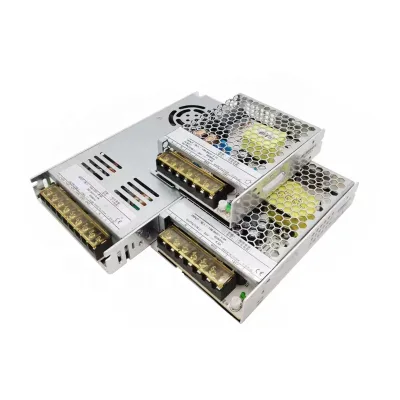
$10.2397 - $15.3588
MOQ: 1 Minimum
$15.4967 - $17.5638
MOQ: 2000 units







Comprehensive Sourcing Guide
60V Programmable DC Power Supply Supplier Concentration and Factory Types
The current supplier landscape for 60V programmable DC power supplies reveals a distinct geographic concentration in China, specifically within the Jiangsu and Shandong provinces. These regions serve as primary manufacturing hubs for electrical equipment, offering a dense network of both trading companies and direct manufacturers. Buyers evaluating this market will find that the supply chain is heavily industrialized, with factories specializing in voltage stabilizers, transformers, and static frequency converters often expanding their portfolios to include high-power DC power solutions. The presence of established industrial clusters in these provinces suggests that logistics infrastructure and component sourcing are optimized for this type of heavy electrical machinery. Understanding this geographic distribution is crucial for buyers, as it influences not only the availability of stock but also the technical support capabilities available during the procurement process.
Within these manufacturing hubs, the supplier base is diverse, comprising both trading companies and factory-direct entities. This duality offers buyers flexibility in engagement models, though it requires careful distinction between the two. Trading companies may provide broader product ranges and simplified communication, while manufacturers often offer deeper customization capabilities and direct access to production lines. Many suppliers in these regions possess the capacity for OEM and ODM services, allowing for tailored specifications that go beyond standard catalog items. The existence of own brands, such as Lingfran in Jiangsu, indicates a mature market where companies invest in brand identity alongside manufacturing prowess. This environment supports a wide spectrum of procurement needs, from immediate off-the-shelf purchases to complex, long-term manufacturing partnerships, all rooted in the same industrial ecosystems.
How to Verify 60V Programmable DC Power Supply Suppliers
Verification of suppliers in this sector requires a multi-layered approach that prioritizes third-party certifications and independent audit results. Buyers should look for evidence of ISO 9001 and ISO 14001 system certifications, which indicate adherence to quality management and environmental standards respectively. These certifications are critical for ensuring that the manufacturing processes for high-power DC supplies meet international safety and reliability benchmarks. Additionally, verification badges from recognized agencies like SGS provide an extra layer of confidence regarding the supplier’s operational legitimacy and financial stability. These credentials are not merely decorative; they serve as objective proof that the supplier has undergone rigorous scrutiny. Buyers must actively request and validate these documents rather than accepting them at face value, ensuring that the certifications are current and applicable to the specific products being ordered.
Beyond certifications, buyers should assess the supplier’s response time and communication efficiency as indicators of operational health. A rapid response time, such as those observed in the 1.59 to 4.58 hour range, suggests a well-staffed and responsive sales team capable of handling technical inquiries promptly. This is particularly important for programmable power supplies, which often require detailed technical discussions regarding voltage, current, and modulation systems. Buyers should also verify the supplier’s ability to provide custom certifications, such as CE marks, which are essential for market access in many regions. The presence of specific product attributes, like PWM modulation systems and width modulation types, should be cross-referenced with the supplier’s technical documentation. Ensuring that the supplier can provide comprehensive technical support and valid compliance documentation is a fundamental step in mitigating risk and ensuring product suitability for the intended application.
What to Compare Across 60V Programmable DC Power Supply Suppliers
When comparing suppliers, lead time and production capacity are pivotal metrics that directly impact project timelines. Suppliers in this category exhibit varying lead times, with some offering as little as 15 days while others may require up to 23 days. This variance can be significant for buyers with tight delivery schedules, making it essential to clarify production slots early in the negotiation process. Additionally, the minimum order quantity (MOQ) is a critical factor, with some suppliers accepting orders as low as one unit, while others may require a minimum of two. This flexibility allows buyers to test samples or fulfill small-scale needs without committing to large volumes. Buyers should also evaluate the supplier’s main product focus, as those specializing in related equipment like inverters or frequency converters may offer better integration support for complex power systems.
Price and warranty terms further differentiate suppliers in this competitive market. The price range for 60V programmable DC power supplies can vary widely, from entry-level models starting around $99 to high-power units exceeding $20,000. Buyers must align their budget with the required power output and current capacity, noting that higher specifications often command premium prices. Warranty periods are another key comparison point, with many suppliers offering a standard two-year warranty, which provides a baseline for after-sales support. However, buyers should verify the specifics of the warranty coverage, including whether it covers parts, labor, or shipping costs. Additionally, the availability of customization options should be assessed, as some suppliers may charge additional fees for tailored specifications. Comparing these commercial terms holistically ensures that buyers select a supplier that offers the best value proposition for their specific operational requirements.
Common 60V Programmable DC Power Supply Sourcing Risks
One of the primary risks in sourcing programmable DC power supplies is the potential mismatch between advertised specifications and actual performance. Buyers must be vigilant about verifying technical attributes such as output voltage ranges, current capacities, and modulation systems. For instance, while a supplier may advertise a 60V output, the actual range might be 0-60VDC, which could impact compatibility with certain loads. Additionally, the input voltage requirements, whether 220V or 380V, must be carefully matched to the buyer’s facility infrastructure to avoid operational failures. Misunderstandings regarding these technical details can lead to costly delays and rework. Buyers should request detailed datasheets and, if possible, conduct pre-shipment inspections to ensure that the delivered units meet the agreed-upon technical standards.
Another significant risk involves the reliability of after-sales support and warranty claims. While many suppliers offer warranties, the ease of claiming them can vary greatly depending on the supplier’s location and support structure. Buyers in regions far from the manufacturing hubs may face challenges in obtaining timely repairs or replacements. Furthermore, the quality of packaging, such as plywood cases or standard packing, can affect the condition of the equipment during transit. Damage during shipping can void warranties or lead to additional costs for repairs. Buyers should also be cautious of suppliers who do not provide clear documentation on certifications or compliance standards. Ensuring that all regulatory requirements are met is essential for avoiding legal issues or market access restrictions. Proactive risk management involves thorough due diligence and clear communication of expectations regarding support and compliance.
60V Programmable DC Power Supply Regional Sourcing and Logistics
Sourcing from China, particularly from Jiangsu and Shandong provinces, offers logistical advantages due to established export infrastructure. These regions are well-connected to major ports, facilitating efficient shipping of heavy electrical equipment. Buyers should consider the impact of logistics on lead times and costs, as larger units like 60V 1000A power supplies require specialized handling and packaging. The use of plywood cases for protection indicates an awareness of the fragility and value of these units during transit. Buyers should work with suppliers who have experience in international shipping to ensure that all export documentation is accurate and complete. This includes certificates of origin, commercial invoices, and packing lists, which are essential for smooth customs clearance.
Logistics planning should also account for the dimensional constraints of the equipment. Some programmable DC power supplies have significant physical dimensions, such as those measuring 31009002080mm, which can impact container loading and freight costs. Buyers should collaborate with their suppliers to optimize packaging and shipping methods to minimize costs and reduce the risk of damage. Additionally, understanding the local regulations in the destination country regarding electrical equipment imports is crucial. Buyers may need to provide additional documentation or undergo specific inspections upon arrival. By integrating logistics considerations into the sourcing strategy, buyers can ensure a smoother procurement process and avoid unexpected delays or expenses associated with international shipping.
60V Programmable DC Power Supply Commercial Terms and Order Planning
Effective order planning for 60V programmable DC power supplies requires a clear understanding of commercial terms and payment structures. Buyers should negotiate terms that align with their cash flow needs, such as partial payments upfront and the balance upon shipment or delivery. It is also important to clarify the Incoterms, such as FOB or CIF, to determine who is responsible for shipping and insurance costs. These terms can significantly impact the total cost of ownership and should be factored into the overall budget. Additionally, buyers should establish clear communication channels for order tracking and updates, ensuring that any changes in production or shipping schedules are communicated promptly.
Long-term order planning should also consider the supplier’s capacity for scaling production. Suppliers with OEM and ODM capabilities can accommodate larger orders or custom projects, but buyers must provide sufficient lead time for these processes. Establishing a relationship with a supplier that can grow with the buyer’s needs is beneficial for future procurement cycles. Buyers should also review the supplier’s return and refund policies in case of non-conforming products. Having a clear dispute resolution mechanism in place provides peace of mind and protects the buyer’s investment. By carefully planning commercial terms and order logistics, buyers can secure a reliable supply chain and minimize operational disruptions.
FAQs
What is the price range for a 60V Programmable DC Power Supply?
Prices for 60V programmable DC power supplies typically range from $450 to $20,000 depending on power output and customization. Higher wattage models like 60kW units command premium pricing compared to lower capacity options. Buyers should verify specific quotes based on required current ratings and input voltage configurations.
What certifications are available for these DC power supplies?
Manufacturers generally provide ISO and CE certifications for their 60V programmable DC power supplies. These certifications ensure compliance with international quality and safety standards. Some suppliers also hold ISO 9001 and ISO 14001 system certifications, indicating robust manufacturing processes and environmental management practices for reliable product performance.
What is the typical lead time for manufacturing these units?
Lead times for 60V programmable DC power supplies vary between 15 and 23 days depending on the supplier and order volume. Manufacturers in China offer these production windows for standard configurations. Buyers requiring expedited delivery should confirm specific timelines with suppliers offering faster response times and established production capacities.
What is the minimum order quantity for these power supplies?
The minimum order quantity for 60V programmable DC power supplies is typically one unit, allowing for single-unit purchases. Some suppliers may require a minimum of two units for specific configurations. This low MOQ facilitates testing and small-scale procurement without requiring large initial inventory investments from the buyer.
What input voltage options are supported by these supplies?
These power supplies support input voltages of 220V and 380V to accommodate different regional electrical standards. The 60V 1000A model specifically requires 380V input, while lower wattage units may operate on 220V. Buyers must ensure their facility power matches the specific input requirements of the selected power supply model.
What warranty is provided for these DC power supplies?
Manufacturers typically provide a two-year warranty for 60V programmable DC power supplies. This coverage protects against manufacturing defects and ensures product reliability during initial operation. Buyers should review specific warranty terms regarding coverage scope and service procedures to understand their protection for long-term industrial applications.
What customization options are available for these power supplies?
Customization is available for 60V programmable DC power supplies, including OEM and ODM services. Buyers can request specific output ranges, current ratings, and enclosure modifications. Suppliers support own-brand branding and tailored specifications to meet unique industrial testing or power distribution requirements.