8mm Filter Copper Pneumatic Fittings Suppliers and Manufacturers
Compare 28 verified suppliers of 8mm Filter Copper Pneumatic Fittings based on location, lead times, certifications, and response times. Review product specifications and request samples to proceed with sourcing; review the available evidence before requesting comparable quotations from suitable candidates.
Updated
Suppliers List

Qingdao Huadelida Metal Products Co., Ltd
- Verified by TUVRHEINLAND
- Combined
- China Shandong
- Lead time30 days
- Avg. response≤ 25h
Main productsProcessing Machinery, Manufacturing
Main marketsDomestic

NINGBO INTELL PNEUMATIC TECHNOLOGY CO., LTD.
- Verified by SGS
- Combined
- China Zhejiang
- Lead time30 days
- Avg. response≤ 3h
Main productsPneumatic Components, Pneumatic Control Components, Pneumatic Actuators, Air Condition Units
Main marketsSouth America,Africa,Southeast Asia/ Mideast,Domestic,Europe,North America

Pneumatic Part Air Copper Hose Tee Thread Air Connector Brass Pneumatic Fittings
$0.95 - $2.00
MOQ: 50 Pieces


Pneumatic Quick Connector Full Copper Straight Three-Way Air Pipe Fittings
$0.93 - $4.96
MOQ: 50 Pieces

NINGBO MATCH-LIGHT HARDWARE CO., LTD.
- Verified by TUVRHEINLAND
- Trading Company
- China Zhejiang
- Lead time30 days
- Avg. response≤ 7h
Main productsCamlock Coupling, Universal Coupling, Air Hose Coupling, Fire Hose Coupling, Guillemin Coupling, Bauer Coupling, Industrial Coupling, Hose Clamp, Garden Hose Coupling, Storz Coupling
Main marketsSoutheast Asia/ Mideast,Europe,North America

Wenzhou Hantang Telecommunication Technology Co., Ltd.
- Verified by TUVRHEINLAND
- Combined
- China Zhejiang
- Lead time15 days
- Avg. response≤ 15h
Main productsMicroduct Connector, Pneumatic Fitting, Truck Spare Parts, One Touch Fitting, Push-in Fitting, Brass Fitting, Coupler HDPE Micro Duct Connector, Telcom Fittings for Optical Fiber, Micro Duct, Compression Coupler
Main marketsDomestic

Ningbo XHnotion Pneumatic Technology Co., Ltd.
- Verified by BV
- Trading Company,Manufacturer/Factory
- China Zhejiang
- Lead time45 days
- Avg. response≤ 3h
Main productsPneumatic Fittings, Air Hoses, Pneumatic Quick Coupling, Solenoid Control Valve, Air Cylinder, Pneumatic Silencer, Pneumatic Directional Valve, Modular Hose, Air Tool Kits, Air Source Treatment Unit
Main marketsSouth America,Eastern Europe,Mid East,North America,Southeast Asia,Eastern Asia,Oceania,Western Europe,Africa
Zhejiang Chaoyu Pneumatic Technology Co., Ltd.
- Manufacturer, Trading Company
- Zhejiang, China
- Lead time20 days
- Avg. response≤ 16h
Main productsPneumatic Component,Pneumatic Fitting
Main marketsDomestic Market(59.85%), Mid East(22.27%), Southeast Asia(8.12%), Eastern Europe(4.98%), Southern Europe(4.78%)

Nanjing Xiangkerui International Trade Co., Ltd.
- Verified by SGS
- Trading Company
- China Jiangsu
- Lead time15 days
- Avg. response≤ 1h
Main marketsEurope,Australia,North America
Ningbo Fenghua Gogo Automatic Trading Company Limited
- Trading Company
- Lead time旺季: "1 - 100":31,"> 100":"To be negotiated", 淡季: "1 - 100":31,"> 100":"To be negotiated"
- Avg. response≤ 7h
Main productsPneumatic Parts, Hhydraulic Parts, Auto Parts, Valve, Pump
ZHEJIANG BALIWO PNEUMATIC TECHNOLOGY CO.,LTD
- Manufacturer, Trading Company
- Zhejiang, China
- Lead time15 days
- Avg. response≤ 6h
Main productspneumatic fittings,tubing,solenoid valve,air treatment,cylinder
Main marketsSouth Asia(5.00%), Eastern Asia(5.00%), Mid East(5.00%), Southeast Asia(5.00%)
Cixi Airmax pneumatic components co., Ltd.
- Verified by Intertek
- Manufacturer, Trading Company
- Lead time35 days
- Avg. response≤ 6h
Main productsPneumatic Components, Pneumatic Fittings, Metal Pneumatic Fittings
Main marketsDomestic Market(70%), Eastern Europe(13%), South America(10%)
Suzhou Edith Electronics Co., Ltd.
- Verified by TüVRheinland
- Trading Company
- Lead time0 days
- Avg. response≤ 1h
Main productsVacuum Suction Cup, Pneumatic Fittings, Vacum Sucker, PVC Suction Cup, Household Suction Cup
Main marketsNorth America(50%), Domestic Market(9%), South America(5%)

Ningbo Pneumatic Technical Expert Co., Ltd.
- Verified by SGS
- Combined
- China Zhejiang
- Lead time15 days
- Avg. response≤ 3h
Main productsPneumatic Fittings, Brass Fittings, Plastic Fittings, PU Hose, Speed Controllers, Mini Fittings, Check Valves, Silencers, Tube Cutter
Main marketsDomestic,North America

Ningbo Kailing Pneumatic Co., Ltd.
- Verified by TUVRHEINLAND
- Combined
- China Zhejiang
- Lead time23 days
- Avg. response≤ 5h
Main productsSolenoid Valve, Pneumatic Component, Pneumatic Fitting, Brass Solenoid Valve, Pressure Valve, Steam Solenoid Valve, F. R. L, Cylinder, Air Fittings, Air Regulator
Main marketsSouth America,Domestic,Europe
Ningbo New Jiaxing Automatic Industry Co., Ltd.
- Verified by Intertek
- Manufacturer, Trading Company
- Lead time15 days
- Avg. response≤ 3h
Main productsAir Source Treatment, Solenoid Valve, Pneumatic Cylinder, Pneumatic Fitting, Pneumatic Accessories
Main marketsNorth America(30%), Domestic Market(20%), Eastern Europe(10%)

Shanghai Minghui Technology Development Co., Ltd
- Combined
- China Shanghai
- Lead time15 days
- Avg. response≤ 11h
Main productsHandle Hole Punch, Butterfly Hole Punch
Main marketsSoutheast Asia/ Mideast,Europe,North America

Zhejiang Oulu Automatic Equipment Co., Ltd.
- Combined
- China Zhejiang
- Lead time15 days
- Avg. response≤ 9h
Main productsPneumatic Joint, Pipe Fittings, Pneumatic Components, Quick Release Coupling, Plastic Connector, Microduct Connector, Automotive Connector, Connector, Optical Fibre Connector, Brass Fitting
Main marketsSouth America,Southeast Asia/ Mideast,Domestic,Europe,North America


Copper Female Threaded Coupling Connector Pneumatic Fittings, Quick Joint Tubes
$0.35 - $1.40
MOQ: 1 Pieces

Copper Female Threaded Coupling Connector Pneumatic Fittings, Quick Joint Tubes
$0.35 - $1.40
MOQ: 1 Pieces


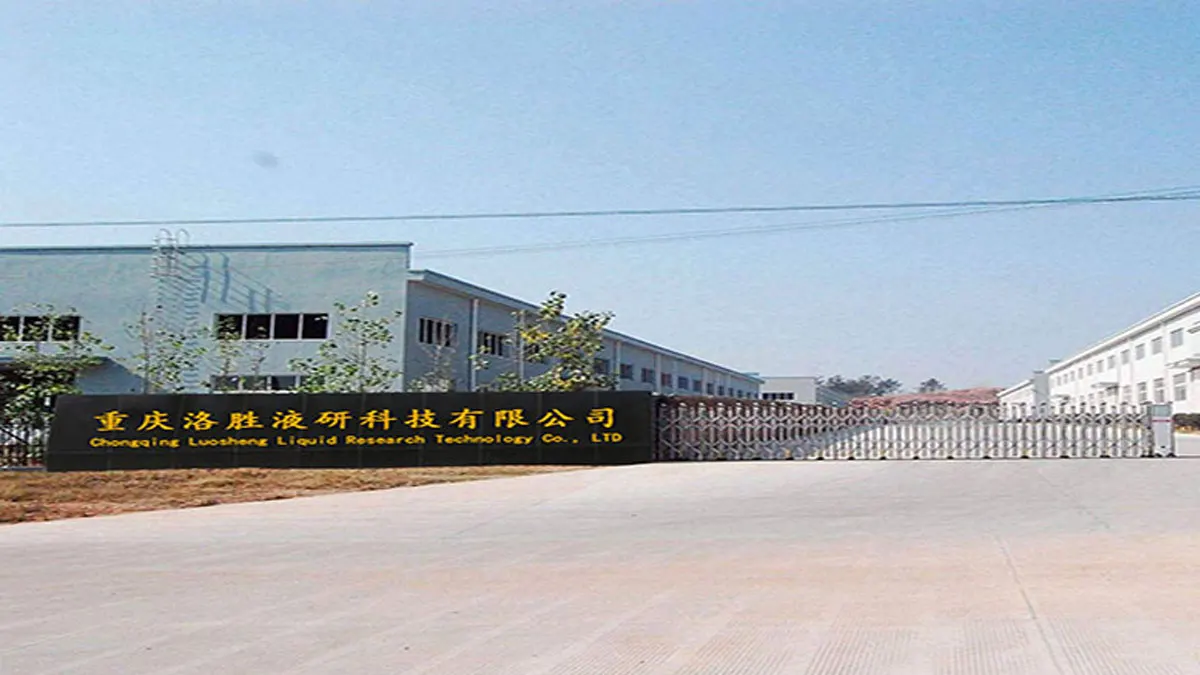
Chongqing Luosheng Liquid Research Technology Co., Ltd.
- Manufacturer, Trading Company
- Chongqing, China
- Lead time3 days
- Avg. response≤ 6h
Main productshydraulic pump,electromagnetic valve,hyadraulic motor,vane pump,gear pump
Main marketsSouth America(9.00%), Southeast Asia(9.00%), South Asia(8.40%), Mid East(8.00%), Africa(8.00%), Western Europe(8.00%), Central America(7.90%), Eastern Europe(7.70%), Eastern Asia(7.00%), Domestic Market(7.00%), North America(6.80%), Northern Europe(3.00%), Oceania(2.00%), Southern Europe(1.00%)
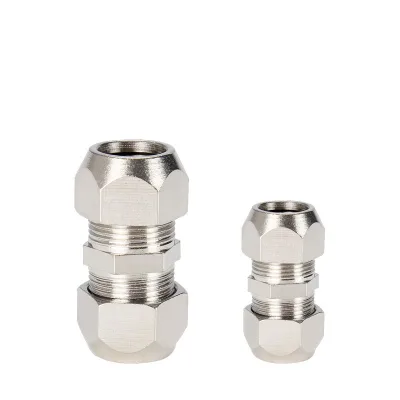
Nickel Plated Copper Straight Pneumatic Quick Fitting Copper Pipe Connector PU6/8/10/12
$0.4317 - $0.8215
MOQ: 1 Minimum
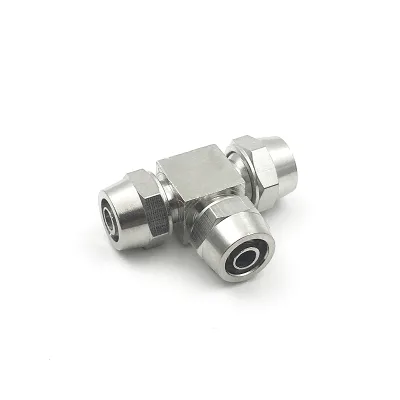
$0.4632 - $2.259
MOQ: 10 Minimum

Yueqing Hengxin Pneumatic Co., Ltd.
- Manufacturer
- Zhejiang, China
- Lead time15 days
- Avg. response≤ 1h
Main productsPneumatic Cylinder,Pneumatic Valve,Pneumatic Pressure Regulator,Pneumatic Fitting,Vacuum Generator
Main marketsSouth Asia(100.00%), Southern Europe(100.00%), Northern Europe(100.00%), Central America(100.00%), Eastern Asia(100.00%), Oceania(100.00%), Africa(100.00%), Domestic Market(50.00%), Mid East(25.00%), South America(15.00%), North America(5.00%), Southeast Asia(2.00%), Eastern Europe(2.00%), Western Europe(1.00%)
Ningbo Leihuojian Machinery Co., Ltd.
- Trading Company
- Zhejiang, China
- Lead time30 days
- Avg. response≤ 8h
Main productspneumatic joint,air duct hose,an air gun,Hydraulic quick couplings,Pneumatic Tool Accessories
Main marketsEastern Europe(20.00%), South America(20.00%), Mid East(20.00%), Northern Europe(10.00%), Central America(10.00%), North America(10.00%), Southeast Asia(10.00%)
Ningbo Angricht Auto Parts Co., Ltd.
- Verified by SGS Group
- Manufacturer, Trading Company
- Lead time20 days
- Avg. response≤ 2h
Main productsBrake Fitting; Brake Hose; Pneumatic Fitting; Rubber Hose, Electrical Cable Hose
Main marketsNorth America(50%), Eastern Europe(10%), Western Europe(10%)
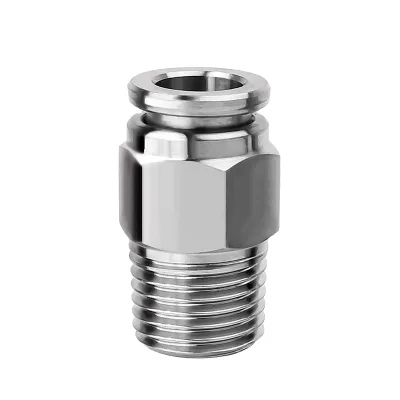
$0.81 - $0.85

Ningbo Hi-Tech Smart Machinery Co., Ltd.
- Trading Company
- China Zhejiang
- Lead time15 days
- Avg. response≤ 4h
Main productsPneumatic Cylinder, Air Cylinder, Solenoid Valve, Pneumatic Component, Pneumatic, One Touch Fitting, Pneumatic Valve, Pneumatic Fitting, Push in Fitting, Brass Fitting
Main marketsSoutheast Asia/ Mideast,Europe,North America
- Verified by SGS Group
- Manufacturer, Trading Company
- Lead time10 days
- Avg. response≤ 2h
Main productsRegulator
Main marketsSoutheast Asia(50%), Mid East(50%)
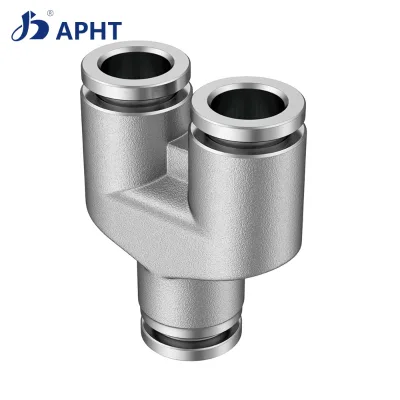
304 Stainless Steel Quick Connector Pneumatic Tools Accessories and Parts for PU Air Pipe Fittings
$0.40 - $2.00
MOQ: 1 pieces
Liuzhou Nuoanke Seal Co., Ltd.
- Verified by TüVRheinland
- Manufacturer, Trading Company
- Lead time7 days
- Avg. response≤ 4h
Main productsRubber O Rings, Oil Seal, Hydraulic Seals, Mechanical Seal, Custom Rubber Parts
Main marketsNorth America(15%), Africa(15%), Mid East(15%)
Wenzhou Yu Tai Pneumatic Hydraulic Co., Ltd.
- Verified by TüVRheinland
- Trading Company
- Lead time15 days
- Avg. response≤ 2h
Main productsPneumatic Fittings, Hand Valve, Air Pressure Reducing Filter
Main marketsNorth America(20%), Southeast Asia(15%), South America(10%)
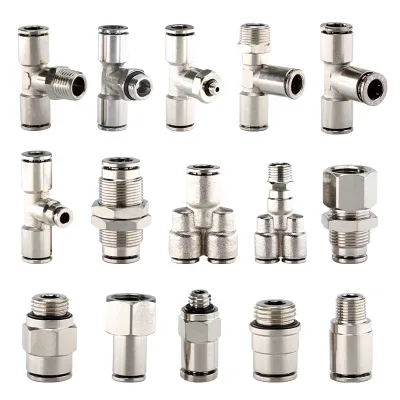
$0.10 - $4.00
MOQ: 10 Minimum
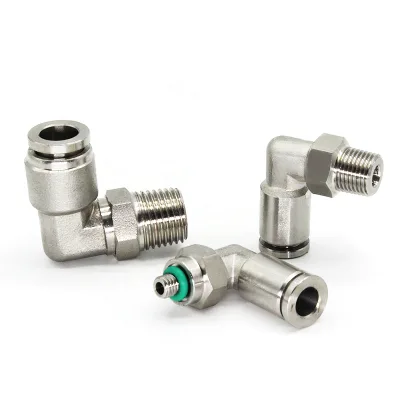
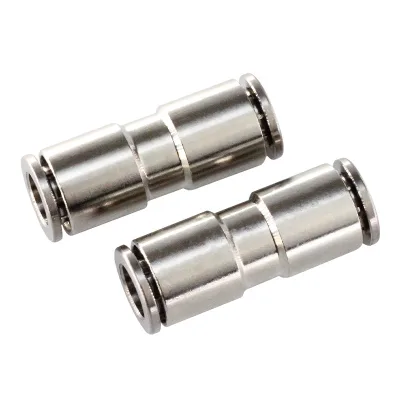
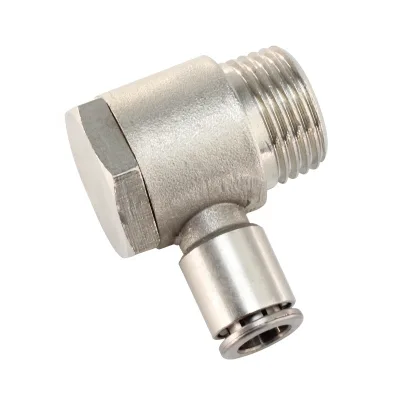
Nickel Plated Brass Copper Material Stainless Steel Pneumatic Metal Push-in Fittings Hose Connector
$0.10 - $4.00
MOQ: 10 Minimum
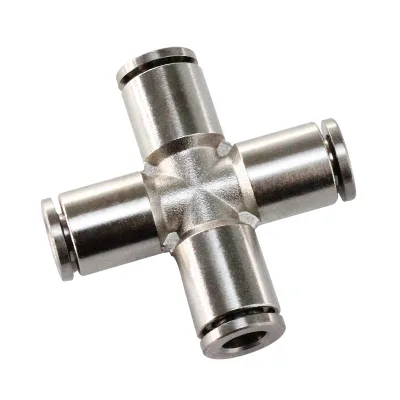
Brass Pneumatic Metal Fittings All Copper Nickel-plated Joint Quick Connector 4 Way Air Pipe Hose
$0.1025 - $4.1013
MOQ: 1 Minimum
Wenzhou Gude Automation Co., Ltd.
- Manufacturer, Trading Company
- Zhenjiang, China
- Lead time7 days
- Avg. response≤ 2h
Main productsPneumatic Fitting
Main marketsNorth America(25.00%), South America(15.00%), Mid East(15.00%), Western Europe(10.00%), Southern Europe(10.00%), Northern Europe(10.00%), Africa(5.00%), Domestic Market(5.00%), Southeast Asia(5.00%)
Fisheye Joint Pneumatic Cylinder Connector Joint Pipe Fittings Pneumatic Cylinder Accessories
$0.68 - $0.75
MOQ: 50 pieces

Wenzhou Ang Rui Machinery Co., Ltd.
- Verified by CTI
- Trading Company
- China Zhejiang
- Lead time15 days
- Avg. response≤ 3h
Main productsAir Fitting, Air Cylinder, Solenoid Valve, Pneumatic Fittng, Pneumatic Component, PU Tube, Tube Cutter, Air Source, Nylon Tube, PU Spring Tube
Main marketsSouth America,Africa,Southeast Asia/ Mideast,Europe,Australia,North America

Wenzhou HOEN Pneumatic Hydraulic Co.,Ltd
- Manufacturer, Trading Company
- Zhejiang, China
- Lead time0 days
- Avg. response≤ 6h
Main productsAir cylinder,Pneumatic valve,Air source treatment filter,Connector,Air tube
Main marketsDomestic Market(70.00%), Oceania(10.00%), Eastern Europe(5.00%), Western Europe(5.00%), North America(5.00%), Southeast Asia(5.00%)
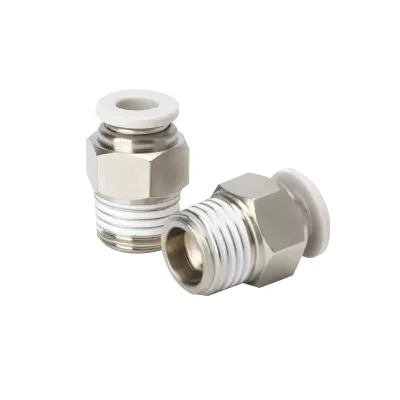
$12.51 - $125.31
MOQ: 100 Minimum
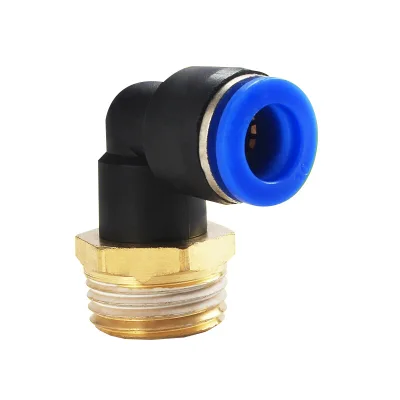
$16.63 - $143.31
MOQ: 100 Minimum
- Trading Company
- Zhejiang, China
- Lead time15 days
- Avg. response≤ 2h
Main productsPneumatic Fitting,Tubes,Pneumatic Accessories,Pneumatic Valve,Air Source Treatment
Main marketsSouth Asia(20.00%), South America(20.00%), Western Europe(15.00%), Eastern Europe(10.00%), Central America(10.00%), Mid East(10.00%), Domestic Market(10.00%), Eastern Asia(5.00%)


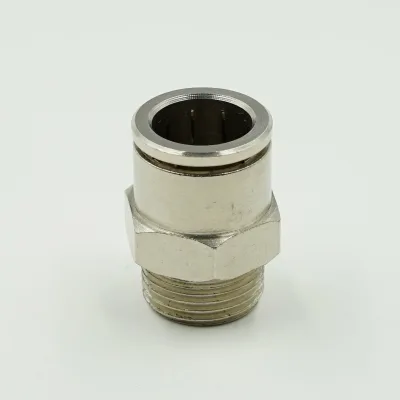
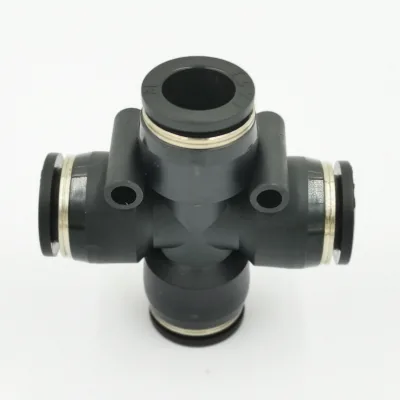
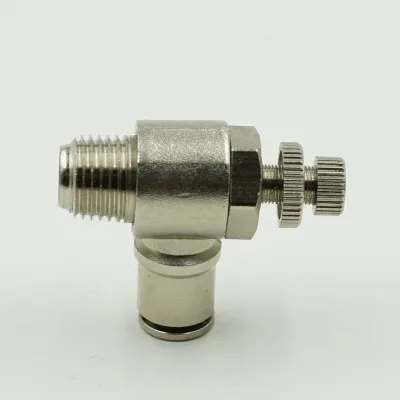
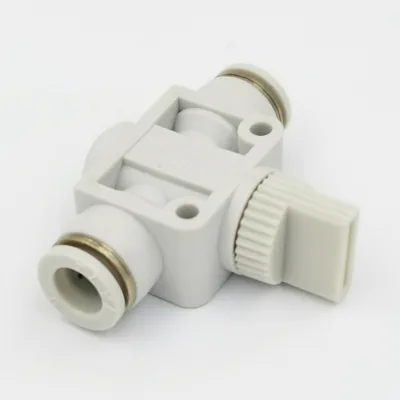
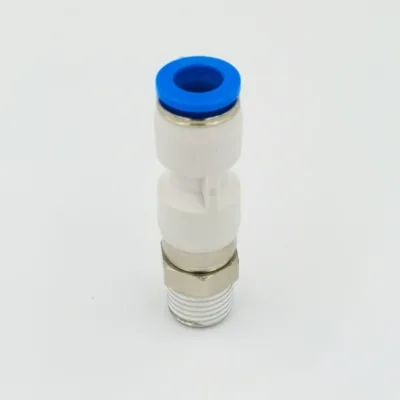



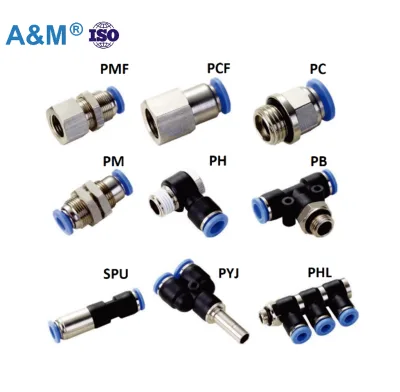
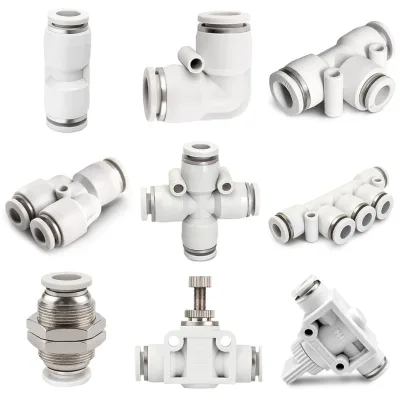
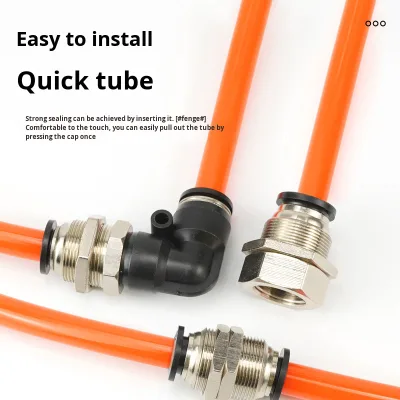


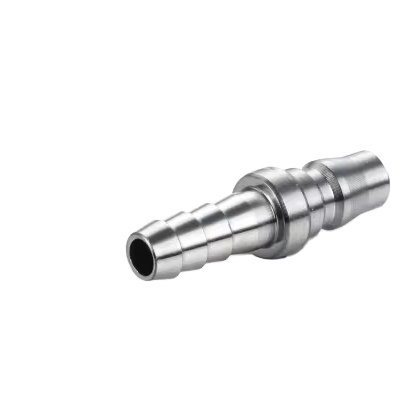




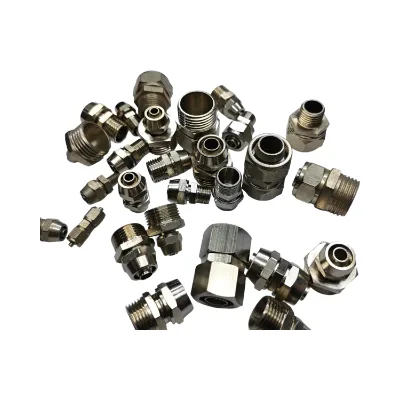
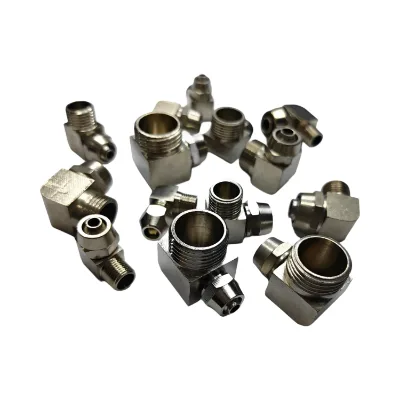


Comprehensive Sourcing Guide
8mm Filter Copper Pneumatic Fittings Supplier Concentration and Factory Types
The current supplier landscape for 8mm Filter Copper Pneumatic Fittings reveals a distinct geographic concentration in China, specifically within the Shandong and Zhejiang provinces. Factories in Shandong are primarily categorized as combined entities that handle both processing machinery and general manufacturing, often leveraging local industrial bases to produce components like CNC machined copper pneumatic fittings. These suppliers typically support a wide range of materials including iron, aluminum, copper, brass, steel, and nylon, indicating a versatile production capability that extends beyond just copper. The presence of such diverse material handling suggests that these facilities are equipped for complex machining operations, allowing them to adapt to specific customer requirements for copper-based pneumatic hardware. This regional clustering provides buyers with access to established industrial ecosystems that can support both standard and custom orders efficiently.
In contrast, suppliers located in Zhejiang, particularly around Ningbo, often specialize more narrowly in pneumatic components, actuators, and air conditioning units. These factories frequently operate with a focus on brass and copper quick connectors, emphasizing high-volume batch production for air lines, compressors, and various pneumatic tools. The distinction between these regional types is crucial for buyers, as Shandong-based combined manufacturers may offer broader mechanical processing services, while Zhejiang-based specialists might provide deeper expertise in pneumatic system integration and rapid response times. Understanding this split helps buyers align their sourcing strategy with the specific operational strengths of the supplier, whether they need heavy-duty machining capabilities or specialized pneumatic assembly and testing.
How to Verify 8mm Filter Copper Pneumatic Fittings Suppliers
Verification is a critical step when evaluating suppliers for 8mm Filter Copper Pneumatic Fittings, as the integrity of the copper material and the precision of the machining directly impact system performance. Buyers should prioritize suppliers who hold recognized third-party verification badges, such as TÜV Rheinland or SGS, which indicate that the company has undergone rigorous audits of its business operations and quality management systems. For instance, some suppliers in the current results display TÜV Rheinland verification, while others in Zhejiang hold SGS verification, providing different layers of assurance regarding their operational legitimacy. Additionally, checking for specific system certifications like ISO 9001:2015, ISO 14001:2015, and ISO 45001:2018 is essential, as these standards confirm that the factory adheres to international benchmarks for quality, environmental management, and occupational health and safety.
Beyond general certifications, buyers must verify product-specific quality controls and material traceability. Look for suppliers that explicitly state they provide Material Test Reports compliant with EN 10204-3.1, which ensures that the copper or brass used in the fittings meets strict chemical and mechanical property requirements. It is also important to confirm that the supplier performs 100% inspection before shipment and adheres to quality control standards like ISO 9001. Buyers should request samples to verify surface treatments such as powder coating, polishing, passivation, or tin plating, ensuring these processes do not compromise the pneumatic seal or introduce contaminants. By cross-referencing these verification badges and quality documentation, buyers can significantly reduce the risk of sourcing from unreliable manufacturers who may cut corners on material purity or machining precision.
What to Compare Across 8mm Filter Copper Pneumatic Fittings Suppliers
When comparing suppliers, buyers should evaluate key operational metrics such as response time, lead time, and minimum order quantities (MOQ) to determine which partner best fits their procurement timeline and volume needs. Response times vary significantly, with some suppliers offering rapid replies within 2.14 hours, while others may take up to 25 hours, which can impact project planning and issue resolution. Lead times for mass production also differ, ranging from 15 to 25 working days for bulk orders, with sample lead times typically taking 7 to 10 working days. Buyers should also compare MOQs, which can range from as low as one piece for samples to 100 pieces for bulk orders, or even 50 pieces for certain pneumatic fittings, allowing for flexibility in initial testing and subsequent large-scale production runs.
Price and customization capabilities are another vital comparison point. Prices for copper pneumatic fittings can vary widely, with some items priced between $0.59 and $2.85 per unit, while others, such as CNC machined custom fittings, may range from $10 to $200 depending on complexity and material. Buyers should assess whether the supplier offers OEM or ODM services, as this indicates their ability to customize designs, tolerances, and surface treatments to specific application requirements. Additionally, comparing the supported drawing formats, such as 2D/3D CAD, PDF, IGS, and STEP, ensures that the supplier can accurately interpret and manufacture complex geometries. By systematically comparing these operational and commercial attributes, buyers can identify suppliers that offer the best balance of cost, speed, and technical flexibility for their specific 8mm filter copper pneumatic fitting needs.
Common 8mm Filter Copper Pneumatic Fittings Sourcing Risks
One significant risk in sourcing copper pneumatic fittings is the potential for material substitution or inconsistency, where suppliers may use lower-grade alloys or impure copper that fails to meet specified standards. This can lead to premature corrosion, reduced pressure tolerance, or failure in high-pressure applications, particularly when the fittings are used in critical air lines or compressor systems. Buyers must be vigilant about verifying the material composition, ensuring that the fittings are indeed made from the specified copper or brass grades, and that they comply with relevant standards such as ASME, TEMA, JIS Code, China GB Code, EN, or GB. Without proper material certification, such as EN 10204-3.1, there is a risk of receiving products that do not perform as expected under operational stress.
Another risk involves discrepancies in machining precision and surface treatment quality. Pneumatic fittings require tight tolerances, often within ±0.01mm to ±0.05mm, to ensure proper sealing and prevent air leaks. If a supplier’s CNC machining capabilities are subpar, the resulting fittings may not fit correctly or may wear out quickly. Additionally, surface treatments like powder coating, polishing, or plating must be applied correctly to prevent corrosion without interfering with the pneumatic seal. Buyers should also be aware of the risk of delayed shipments due to production bottlenecks, especially if the supplier lacks robust batch production processes. By identifying these risks early and demanding detailed quality control documentation, buyers can mitigate the potential for costly failures and supply chain disruptions.
8mm Filter Copper Pneumatic Fittings Regional Sourcing and Logistics
Sourcing from China offers logistical advantages due to the established manufacturing clusters in Shandong and Zhejiang, which are well-connected to major ports and shipping routes. Suppliers in Shandong, often involved in broader machinery and processing, may have different logistical networks compared to those in Zhejiang, which are heavily focused on pneumatic components and export-oriented manufacturing. Buyers should consider the proximity of the supplier to key shipping hubs, as this can impact transit times and freight costs. For instance, Ningbo in Zhejiang is a major port city, potentially offering faster and more cost-effective shipping options for pneumatic fittings destined for international markets. Understanding the regional logistics infrastructure helps buyers estimate delivery timelines more accurately and plan their inventory management accordingly.
Additionally, buyers should evaluate the supplier’s packaging and handling practices to ensure that the copper fittings arrive in good condition. Proper packaging, such as wooden boxes, inner boxes, outer cartons, and pallets, is essential to prevent damage during transit, especially for precision-machined components. Suppliers that provide detailed packing specifications demonstrate a commitment to product integrity, which is crucial for maintaining the quality of pneumatic fittings. Buyers should also consider the impact of regional trade policies and tariffs on their total landed cost, as these factors can vary depending on the supplier’s location and the destination market. By carefully assessing regional logistics and packaging standards, buyers can optimize their supply chain efficiency and reduce the risk of damage or delays.
8mm Filter Copper Pneumatic Fittings Commercial Terms and Order Planning
Effective order planning requires a clear understanding of the commercial terms offered by suppliers, including payment methods, warranty policies, and after-sales support. Buyers should negotiate terms that protect their interests, such as using escrow services for secure transactions, which provide an additional layer of financial protection. It is also important to clarify the supplier’s return and replacement policies in case of defective products, ensuring that there is a clear process for addressing quality issues. Additionally, buyers should discuss the availability of technical support and documentation, such as installation guides and maintenance instructions, which can facilitate the integration of the fittings into their pneumatic systems.
Furthermore, buyers should plan for scalability by discussing volume discounts and long-term partnership opportunities with suppliers. As order volumes increase, suppliers may offer more favorable pricing and prioritized production schedules, which can enhance supply chain stability. Buyers should also consider the supplier’s capacity for handling rush orders and their ability to accommodate design changes or customizations. By establishing clear commercial terms and planning for future growth, buyers can build a resilient and cost-effective sourcing strategy for 8mm Filter Copper Pneumatic Fittings. This proactive approach ensures that the supply chain remains flexible and responsive to changing market demands and operational needs.
FAQs
What is the price range for 8mm copper pneumatic fittings?
Prices for these fittings typically range from $0.36 to $200 per unit depending on material and complexity. Brass and copper options are available at lower price points, while custom CNC machined parts cost more. Bulk orders often reduce the per-unit cost significantly compared to single sample purchases.
What is the minimum order quantity for these fittings?
The minimum order quantity varies by supplier and product type. Samples can often be ordered with a minimum of just one piece, while bulk production usually requires a minimum of 50 to 100 pieces. Some suppliers may have different MOQs for custom versus standard items.
How long does production take for these fittings?
Sample production typically takes 7 to 10 working days. Mass production lead times generally range from 15 to 30 working days. These timelines can vary based on order volume and specific customization requirements, so confirming the exact schedule with the supplier is recommended before placing an order.
Are these fittings customizable for specific applications?
Yes, customization is widely available for these fittings. Suppliers offer OEM and ODM services, allowing for custom materials, dimensions, and surface treatments. You can provide 2D or 3D CAD drawings, PDFs, or STEP files to ensure the fittings meet your exact engineering specifications and application needs.
What certifications do these pneumatic fittings have?
Many suppliers hold ISO 9001:2015 and ISO 14001:2015 certifications. Some products also comply with ASME, TEMA, JIS, EN, and GB standards. Material certifications like EN 10204-3.1 are often provided. Always verify the specific certificates held by the supplier to ensure they meet your industry requirements.
Where are these fittings manufactured?
These fittings are primarily manufactured in China, with key production hubs in Shandong and Zhejiang provinces. Suppliers in these regions specialize in pneumatic components and CNC machining. The origin is often listed as Ningbo or Shandong, indicating the specific industrial clusters where these parts are produced.