Source TUV GS Bent Nose Pliers for Electronics and DIY
Find 30 options for TUV GS Bent Nose Pliers designed for precision gripping and cutting tasks. Compare specifications including high carbon steel construction, soft grip handles, and various jaw styles to find the right tool for industrial or DIY applications.
Updated
Key considerations
Products List

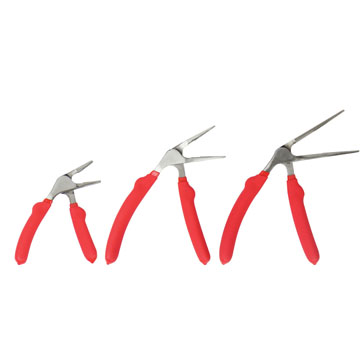


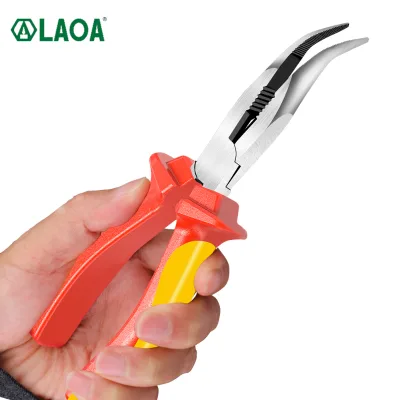
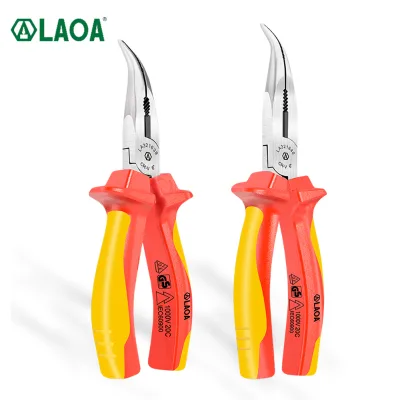


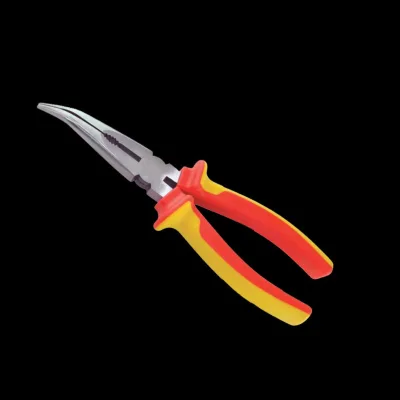
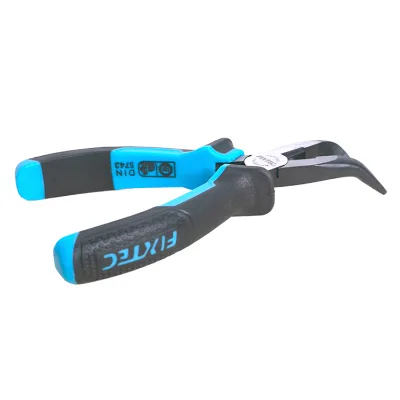


High Quality Bent Nose Plier for Building Hot Sale Jewelry Tools Economic
$1.50 - $2.50
MOQ: 1000 Pieces


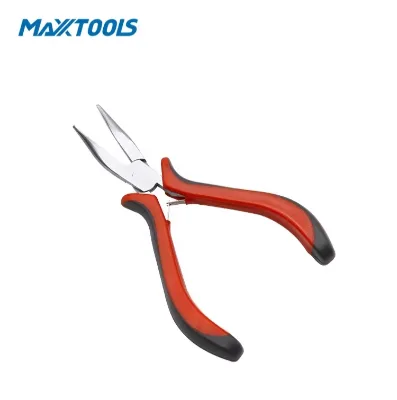
$0.6696 - $0.8449
MOQ: 1000 pieces
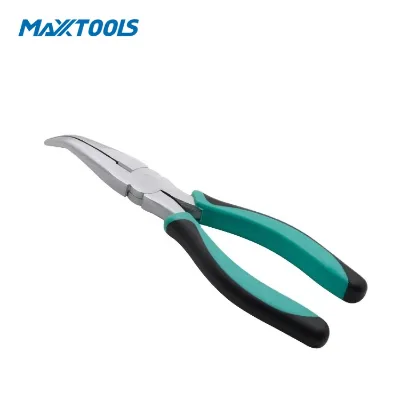
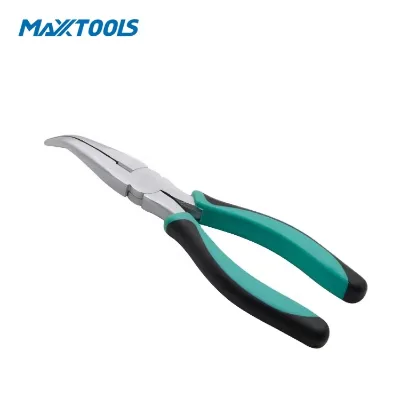



Comprehensive Sourcing Guide
TUV GS Bent Nose Pliers Sourcing Guide
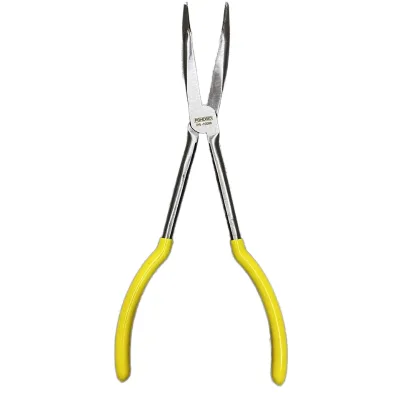
Procurement teams evaluating bent nose pliers must first distinguish between general hand tools and those specifically engineered for high-torque or specialized electrical applications. The observed market data indicates a diverse range of models, from standard industrial-grade steel variants to multi-functional tools featuring soft grip plastic handles and arched shafts. Buyers should verify that the specific "bent nose" configuration aligns with the intended working mode, as some listings describe straight shafts while others specify arched or curved designs for enhanced access in confined spaces.
When assessing product scope, it is critical to cross-reference the listed material composition against the required performance profile. The available inventory includes tools constructed from high carbon steel, chrome vanadium steel, and carbon steel, each offering distinct durability and corrosion resistance characteristics. Sourcing decisions should prioritize the specific application age and environment, ensuring that the selected tool meets the necessary mechanical requirements for tasks such as wire stripping, crimping, or general cutting without compromising on the structural integrity of the box joint or serrated jaw surfaces.
Product Scope and Observed Listing Signals
The current market landscape for bent nose pliers reveals a significant variation in functional capabilities, ranging from simple cutting operations to complex multi-functional tasks involving wire stripping and crimping. Buyers must carefully examine the specific type descriptors, as listings may conflate flat nose, long nose, and curved nose variants under a single category. It is essential to confirm whether the tool is designed for manual operation only and to verify if the folded or unfolded state impacts the storage and transport logistics for your specific supply chain requirements.
Listing signals also highlight the importance of packaging and unit specifications in determining the total landed cost. Products are frequently supplied in cartons or blister cards, with single package sizes varying significantly, such as the observed 15x8x2 cm dimensions. Procurement teams should scrutinize the selling units and gross weight data, as the substantial weight of some industrial-grade items can influence shipping costs and handling procedures. Ensuring that the packaging details match the buyer's internal logistics standards is a vital step before finalizing any purchase order.
Technical Specifications to Verify
Technical verification begins with a rigorous assessment of the material grade and surface treatment processes to ensure long-term reliability. While some products are rated for industrial applications, others are designated for DIY use, necessitating a clear distinction based on the intended frequency and intensity of use. Buyers must confirm the specific steel composition, such as high carbon or chrome vanadium, and verify that the surface treatment, including serrated jaws, meets the request specifications for grip and durability in wet or oily environments.
Dimensional accuracy and torque capacity are equally critical parameters that define the tool's operational limits. The observed data includes length specifications of 200 mm or 6 inches, alongside a noted maximum torque capacity of 2000 lb-ft for certain heavy-duty models. Procurement teams should validate that the measurement system, whether metric or imperial, aligns with the existing tooling infrastructure. Additionally, the shaft style, whether arched or straight, must be confirmed to ensure ergonomic compatibility with the specific tasks the tool will perform in the field.
Compliance and Safety Documentation
Safety documentation for hand tools often involves verifying adherence to international standards, though specific certification claims like RoHS or IEC 61340-5-1 should be treated as background information rather than guaranteed attributes without direct supplier confirmation. Buyers must request explicit proof of compliance for any safety-critical claims, particularly regarding anti-explosion or anti-magnetic features, which are listed as potential product characteristics. Ensuring that the tool meets the necessary safety protocols for the specific working environment is a non-negotiable aspect of the procurement process.
In the absence of universally mandated safety certifications for all hand tools, the focus should shift to verifying the supplier's quality management systems and adherence to general industrial standards. The observed listings mention American and German types, suggesting that the design may align with specific regional safety norms. Procurement teams should require documentation that confirms the tool's construction meets the relevant safety requirements for the intended application age and user demographic, ensuring that the product is safe for adult use in professional settings.
Cost Drivers and Commercial Terms
Cost drivers for bent nose pliers are heavily influenced by the material grade, customization level, and the complexity of the manufacturing process. High carbon steel and chrome vanadium variants typically command higher prices due to their superior durability and performance characteristics. Additionally, the availability of OEM and ODM support allows for tailored specifications, which can increase unit costs but may reduce long-term expenses by optimizing the tool for specific operational needs. Buyers should analyze the trade-off between standard inventory and customized solutions to determine the most cost-effective approach.
Commercial terms, including minimum order quantities (MOQ) and supply ability, play a pivotal role in the overall procurement strategy. The observed MOQ range spans from 2 to 2400 units, offering flexibility for both small-scale trials and large-volume deployments. With a reported supply ability of 1,000,000 pieces per month, suppliers appear capable of meeting significant demand, yet buyers must confirm lead times and production schedules to avoid supply chain disruptions. Understanding these commercial constraints is essential for effective inventory planning and budget management.
Supplier Qualification and Quality Control
Supplier qualification requires a thorough vetting of the manufacturer's origin and production capabilities, with a focus on facilities located in key manufacturing hubs like Jiangsu, China. Buyers should verify the supplier's ability to provide consistent quality control measures, including surface treatments and material grading, to ensure that every unit meets the specified industrial or DIY standards. The presence of customization support, such as OEM and ODM services, indicates a supplier's capacity to adapt to specific buyer requirements, which is a strong indicator of operational flexibility and technical competence.
Quality control protocols must extend beyond the initial production run to include ongoing monitoring of product consistency and performance. Procurement teams should request evidence of the supplier's internal testing procedures, particularly for critical attributes like jaw surface serration and handle material integrity. Given the variation in product models and specifications, establishing a clear quality assurance framework is essential to mitigate the risk of receiving substandard goods. Regular audits and sample testing can help maintain the high standards required for professional-grade hand tools.
Long-Term Procurement Checks
Long-term procurement success depends on establishing a robust relationship with suppliers who can consistently deliver high-quality products over time. Buyers should implement a system for tracking product performance and customer feedback to identify any recurring issues with specific models or batches. This proactive approach allows for early intervention in case of quality deviations, ensuring that the supply chain remains resilient and responsive to changing market demands. Maintaining open communication channels with suppliers is key to fostering a partnership that prioritizes continuous improvement.
Regular reviews of supplier performance against established metrics, such as delivery times, product consistency, and responsiveness to customization requests, are vital for sustaining a reliable supply chain. Procurement teams should periodically reassess the supplier's capacity to meet evolving standards and technological advancements in hand tool manufacturing. By staying informed about industry trends and maintaining a flexible procurement strategy, buyers can ensure that their operations are supported by high-quality, reliable tools that meet the rigorous demands of modern industrial and professional applications.
FAQs
What materials are used for these bent nose pliers?
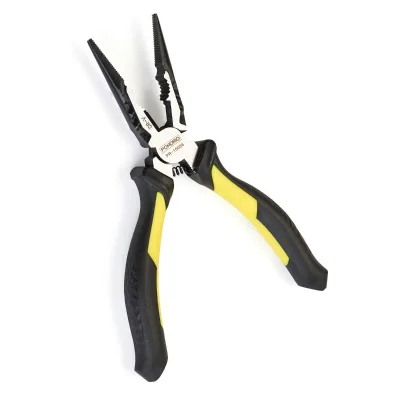
These pliers are manufactured from high carbon steel, chrome vanadium steel, carbon steel, and other steel grades. The handles feature soft grip plastic for comfort. The jaw surface is serrated to provide a secure grip on workpieces. This construction supports industrial and DIY applications while ensuring durability during manual twisting and cutting tasks.
Can these tools be customized for specific branding needs?
Yes, OEM and ODM customization support is available for these tools. Buyers can request specific surface treatments and handle colors to match their brand identity. The product allows for tailored packaging options, including blister cards or color boxes. This flexibility ensures that the final product meets specific commercial requirements and aesthetic preferences.
What is the typical packaging format for these pliers?
The standard packaging details involve packaging with paper cartons. Individual items are sold as single units with a single gross weight of 127.000 kg per package. The single package size measures 15X8X2 cm. This compact cartons format facilitates efficient storage and shipping for bulk orders while protecting the tools during transit.
What are the key specifications for the plier size?
The pliers have a length of 200 mm or 6 inches. They are classified as large size tools with an arched shaft style. The structure is designed as a box joint for enhanced leverage. These specifications make them suitable for building decoration and multi-functional applications requiring precise control and robust mechanical advantage.
What is the monthly supply capacity for these tools?
The supply ability is 1000000 pieces per month. This high capacity ensures consistent availability for large-scale procurement needs. The tools originate from Jiangsu, China, leveraging established manufacturing infrastructure. This production volume supports both small and large orders without significant delays, ensuring reliable fulfillment for global buyers.
Are these pliers suitable for wire stripping and crimping?
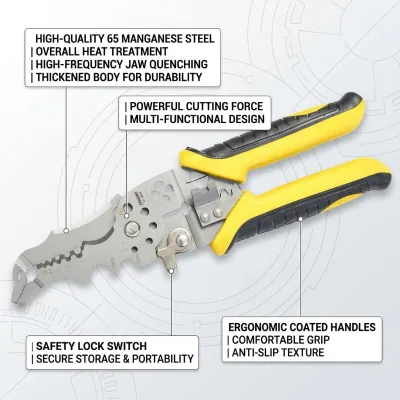
Yes, the functions include cutting, wire stripping, and crimping. The multi-functional design allows for versatile use in electrical and mechanical tasks. The serrated jaw surface aids in gripping wires securely during stripping. This capability makes the tool efficient for various applications, reducing the need for multiple specialized tools in a single workflow.