Industrial Household Knock Screwdriver Suppliers and Manufacturers
Source Industrial Household Knock Screwdriver options from 30 verified suppliers in Zhejiang, Jiangsu, and Shandong. Compare key dimensions including lead times, MOQs, and response speeds. Review product specifications and request quotes directly to streamline your procurement process; review the available evidence before requesting comparable quotations from suitable candidates.
Updated
Suppliers List
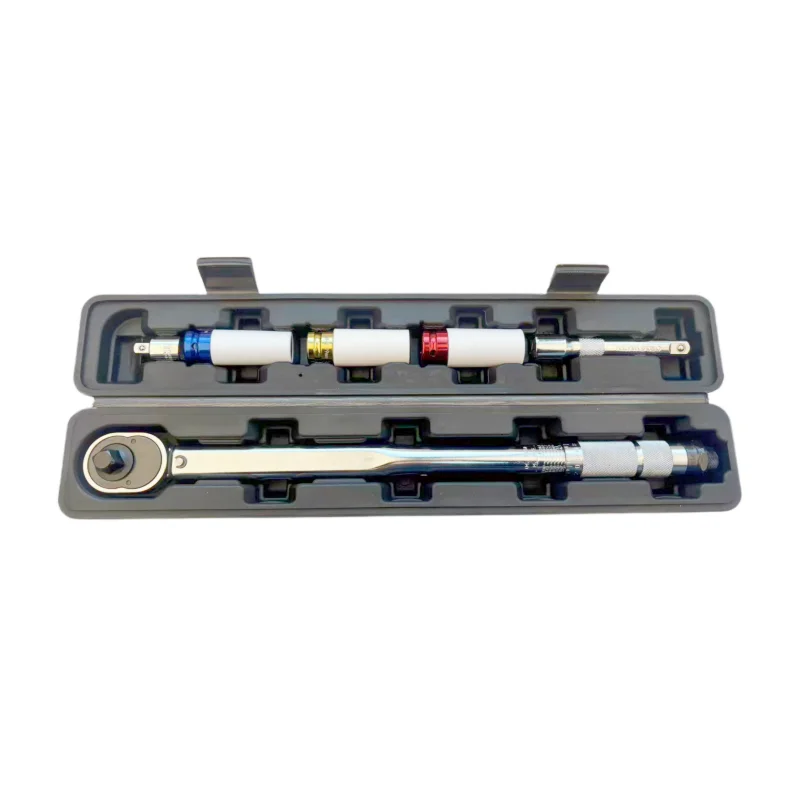
HANGZHOU JUCHUANG TRADING CO., LTD.
- Manufacturer, Trading Company
- Zhejiang, China
- Lead time30 days
- Avg. response≤ 4h
Main productsAutomotive Repair Tools,Mechanic Tools,Fastening Tools,Measuring Tools,Cutting tools
Main marketsNorth America(150.00%), Western Europe(20.00%), Eastern Asia(20.00%), Southern Europe(10.00%), Eastern Europe(10.00%), South America(10.00%), Southeast Asia(5.00%), Northern Europe(5.00%), Central America(5.00%)

Nanjing Toutru Trading Co., Ltd.
- Trading Company,Manufacturer/Factory
- China Jiangsu
- Lead time45 days
- Avg. response≤ 18h
Main productsHand Tool
Main marketsSouth America,Eastern Europe,Western Europe,Africa

Promotional Impact Screwdriver Industrial Screwdriver with Magnetic Bits Screwdriver
$6.00
MOQ: 1000 Pieces

Promotional Impact Screwdriver Industrial Screwdriver with Magnetic Bits Screwdriver
$6.00
MOQ: 1000 Pieces


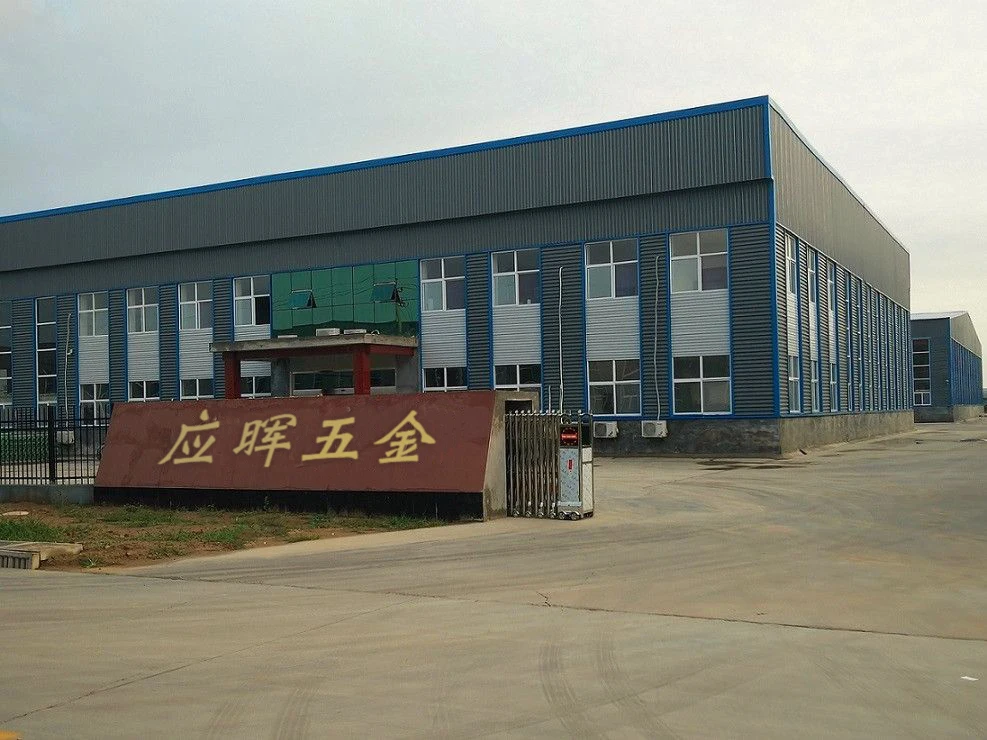
Linyi City Yinghui Hardware Tools Co., Ltd.
- Trading Company
- Shandong, China
- Lead time31 days
- Avg. response≤ 4h
Main productsHardware tools,Agricultural use Tools,Cleaning Tools
Main marketsSouth Asia(30.00%), Central America(30.00%), Mid East(30.00%), Southeast Asia(30.00%), North America(30.00%)
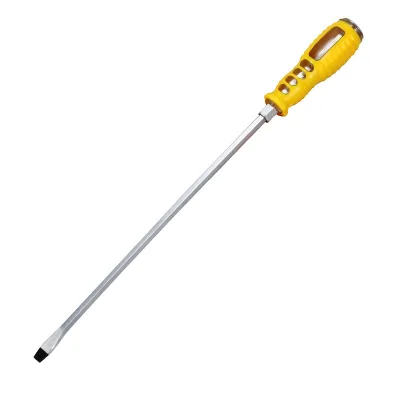
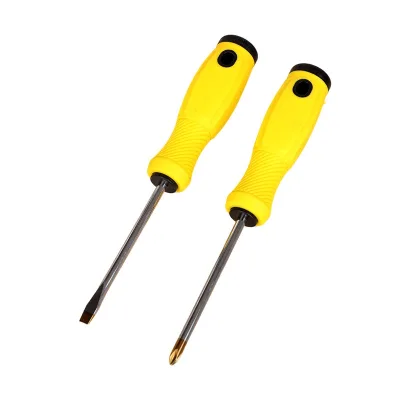
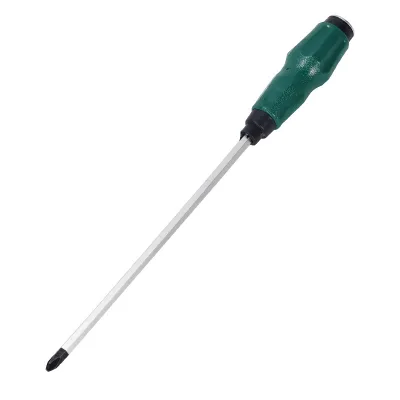
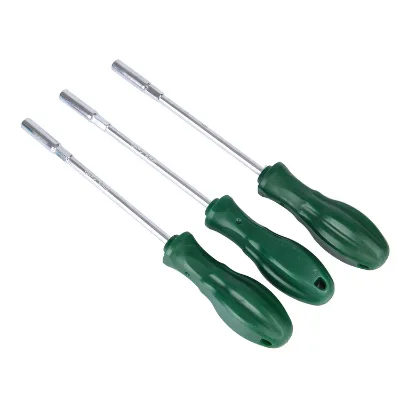
$1.7354 - $2.3472
MOQ: 100 Minimum
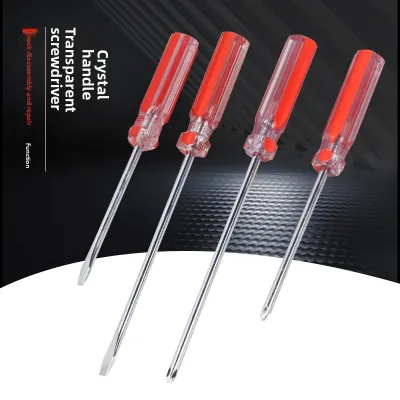
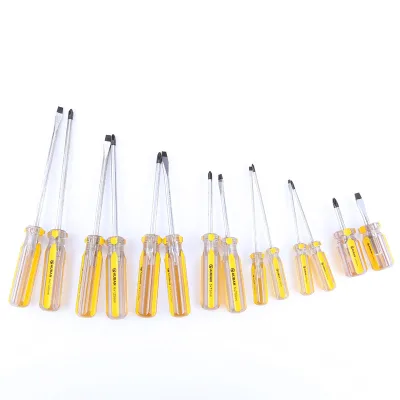

Wuhan Fush Technology Co., Ltd.
- Verified by SGS
- Manufacturer/Factory
- China Hubei
- Lead time45 days
- Avg. response≤ 6h
Main productsAgricultural Machine, Seeder, Lawn Mower, Spring Hose Clamp, Pipe Clamp, Handrail for Outdoor Steps, Type Measurement, Laser Measurement, Tiller, Agricultural Tools
Main marketsSouth America,Eastern Europe,Mid East,North America,Southeast Asia,Eastern Asia,Oceania,Western Europe,Africa

Factory Industrial Grade Handle Magnetic Screwdriver Hand Tools Phillips Mechanical Screwdriver
$0.10 - $0.30
MOQ: 100 Pieces

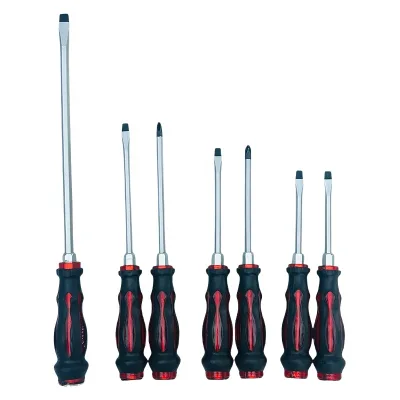
Heavy Duty Custom Plastic Knockable Industrial Magnetic pH2 Flat 7PCS Screwdriver Set
$0.10 - $0.30
MOQ: 100 Pieces

$0.10 - $0.30
MOQ: 100 Pieces

Cangzhou Marine Special Explosion-Proof Tools Manufacturing Co., Ltd.
- Manufacturer, Trading Company
- Hebei, China
- Lead time15 days
- Avg. response≤ 1h
Main productsexplosion-proof tools,explosion-proof hardware,wrench striking box,copper hammer,Nonmagnetic tools
Main marketsSouth America(10.00%), North America(10.00%), Southeast Asia(5.00%)

Anhui Shengshi Hardware Tool Manufacturing Co., Ltd.
- Verified by SGS
- Combined
- China Anhui
- Lead time30 days
- Avg. response≤ 9h
Main productsTool Set, Screwdriver Bit, Impact Bit, Screwdriver Bit Sets, Bit Holders, Nut Setters, Screwdriver, Socket Sets, Drill Bit, Hardware
Main marketsSouth America,Domestic,North America


#2 X 6 Inch Phillips Screwdriver for Household Repairs and Professional Use
$0.29 - $0.35
MOQ: 1000 Pieces

100 Pieces Magnetic Manual Household Combination Set Screwdriver Kit Tools
$14.00 - $16.50
MOQ: 5 Pieces


Factory 1/4 Inch Slotted Screwdriver with Comfort Grip Handle for Household Repairs
$0.29 - $0.35
MOQ: 1000 Pieces
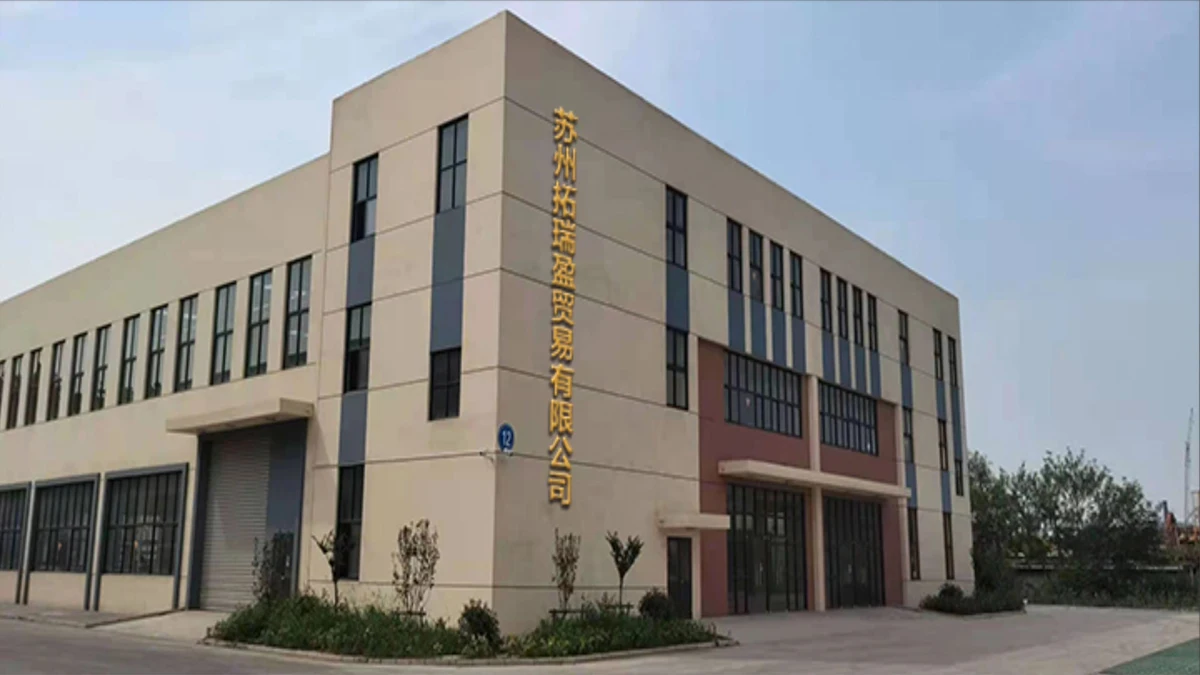
Suzhou Toryin Trading Co., Ltd.
- Trading Company
- Jiangsu, China
- Lead time30 days
- Avg. response≤ 4h
Main productsHand Tools,Car Tools,Outdoor Tools,Garden Tools,Kitchen Tools
Main marketsSouth America(21.00%), North America(18.00%), Western Europe(8.00%), Eastern Europe(8.00%), Southern Europe(7.00%), Domestic Market(7.00%), Central America(5.00%), Southeast Asia(5.00%), Northern Europe(5.00%), Africa(5.00%), South Asia(3.00%), Eastern Asia(3.00%), Mid East(3.00%), Oceania(2.00%)
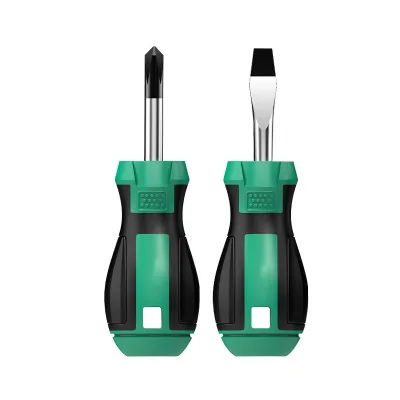
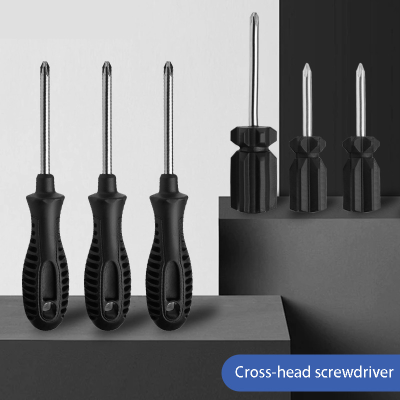
Manual Cross-head Screwdriver Assembly and Repair Tool Plastic Handle Screwdriver
$0.0722 - $0.2169
MOQ: 100 Minimum
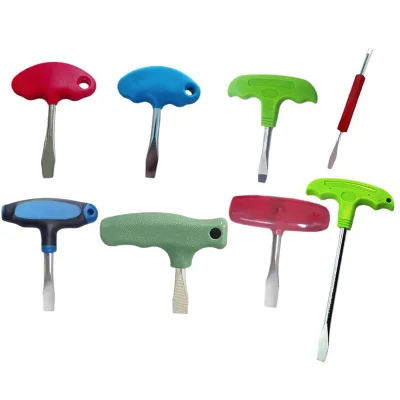
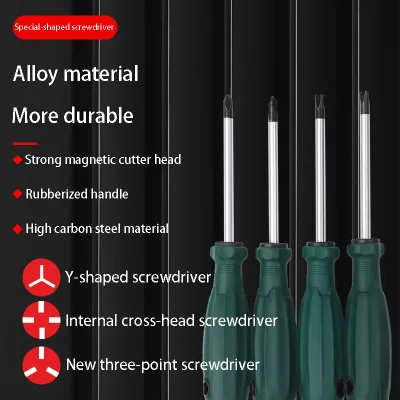
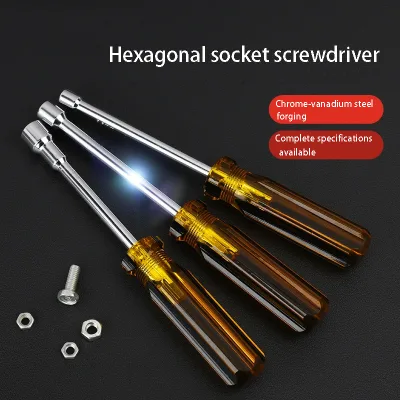
$0.30 - $0.45
MOQ: 100 Minimum

Nantong Gaide Machinery Co., Ltd.
- Verified by TUVRHEINLAND
- Trading Company
- China Jiangsu
- Lead time30 days
- Avg. response≤ 5h
Main productsLaser Level, Laser Distance Meter, Laser Level Meter, Laser Meter, Laser Distance, Laser Measure, Red Laser Level, Green Laser Level, Laser Level 3D
Main marketsAfrica,East Asia(Japan/ South Korea),Europe,North America
Shenzhen Jiulingsheng Technology Co., Ltd.
- Trading Company
- Guangdong, China
- Lead time0 days
- Avg. response≤ 5h
Main productsScrewdriver,Scraper,Suction Cup,Screwdriver Set,Tweezers
Main marketsSouth America(100.00%), Africa(100.00%), Domestic Market(50.00%), South Asia(20.00%), North America(10.00%), Mid East(4.00%), Southern Europe(2.00%), Eastern Europe(2.00%), Northern Europe(2.00%), Central America(2.00%), Western Europe(2.00%), Eastern Asia(2.00%), Oceania(2.00%), Southeast Asia(2.00%)
Shenzhen Mantimelong Electronic Co., Ltd.
- Manufacturer, Trading Company
- Guangdong, China
- Lead time3 days
- Avg. response≤ 10h
Main productsBALL PEN,STATIONERY,HOUSEHOLD SUNDRIES,PEN
Main marketsNorthern Europe(25.00%), South America(20.00%), Mid East(13.00%), Western Europe(10.00%), North America(10.00%), Eastern Europe(8.00%), Oceania(5.00%), Eastern Asia(5.00%), Southeast Asia(4.00%)
Shenzhen Lianxinyuan E-Commerce Co., Ltd.
- Manufacturer, Trading Company, Distributor/Wholesaler, Other
- Guangdong, China
- Lead time3 days
- Avg. response≤ 1h
Main productsTraffic tools,charger,Electronic products,integrated circuit,Solar products
Main marketsNorth America(30.00%), Northern Europe(15.00%), South America(15.00%), South Asia(10.00%), Southern Europe(10.00%), Eastern Europe(10.00%), Western Europe(10.00%)
Linyi Dongcheng Hardware And Tools Co., Ltd.
- Verified by SGS Group
- Trading Company
- Lead time30 days
- Avg. response≤ 1h
Main productsWrench, Hammer, Labor Protection, Padlock, Fastener
Main marketsSoutheast Asia(50%), Mid East(20%), Africa(10%)

Ningbo Zhixin Metal Product Co., Ltd
- Verified by TUVRHEINLAND
- Trading Company,Manufacturer/Factory
- China Zhejiang
- Lead time0 days
- Avg. response≤ 7h
Main productsFastener, Tool Set, Sheet Metal Fabrication, Metal Stamping Part, CNC Machining Parts

Qidong Junyang Electromechanical Technology Co., Ltd
- Verified by CTI
- Combined
- China Jiangsu
- Lead time23 days
- Avg. response≤ 4h
Main productsPower Tools, Laser Level, Garden Tools, Electric Tools, Hand Tools, Electric Wrench, Electric Saw, Electric Hammer, Electric Drill, Chainsaw
Main marketsDomestic
Huizhou Laiduo Crafts Co., Ltd.
- Trading Company
- Guangdong, China
- Lead time0 days
- Avg. response≤ 8h
Main productselectronic product,Hardware accessories,Clothing and leather bags,Hardware Tools,Daily necessities
Main marketsNorthern Europe(90.00%), Central America(90.00%), Domestic Market(90.00%), Mid East(90.00%), Oceania(90.00%), Africa(90.00%), Southeast Asia(90.00%), Eastern Europe(90.00%), South America(90.00%), North America(90.00%), South Asia(80.00%), Eastern Asia(80.00%), Southern Europe(60.00%)
Cangzhou Bohai Safety & Special Tools Group Co., Ltd.
- Manufacturer, Trading Company
- Hebei, China
- Lead time7 days
- Avg. response≤ 4h
Main productsSpecial Tools,Non-Sparking Tools,Non-Magnetic Tools,Terrace Measuring Tools
Main marketsDomestic Market(40.00%), Western Europe(15.00%), Mid East(10.00%), Eastern Europe(6.00%), Southeast Asia(5.00%), Northern Europe(5.00%), South Asia(3.00%), Oceania(3.00%), North America(3.00%), Southern Europe(3.00%), Central America(2.00%), South America(2.00%), Eastern Asia(2.00%), Africa(1.00%)

- Trading Company
- China Jiangsu
- Lead time23 days
- Avg. response≤ 4h
Main productsSilicone Nose Pads; Anti-Slip Pads, Lens Blocking Pads/Adhesive Pads, Screws; Screwdrivers, Pliers; Plier Stand, Lens Cleaners, Cutting Tools, Measuring Tools, Job Tray / Storage Box, Optical Accessories, Optometry Machines
Main marketsSouth America,Southeast Asia/ Mideast,East Asia(Japan/ South Korea),Domestic,Europe,Australia,North America

Shanghai Hongli International Trading Co., Ltd.
- Trading Company
- Shanghai, China
- Lead time10 days
- Avg. response≤ 1h
Main productsHand tool,Power tool,Garden tool,Tool set,Pneumatic tool
Main marketsNorth America(40.00%), Mid East(15.00%), South America(15.00%), Eastern Europe(5.00%), Oceania(5.00%), Western Europe(5.00%), Southeast Asia(5.00%), Africa(4.00%), South Asia(3.00%), Eastern Asia(3.00%)

Nanjing TOOLJOY Hardware Technology Co., Ltd.
- Verified by TUVRHEINLAND
- Trading Company,Manufacturer/Factory
- China Jiangsu
- Lead time45 days
- Avg. response≤ 5h
Main productsScrewdriver Bit, Driver Bit, Trox Bit, Philips Bit, Socket Bit, Pozidriv Bits, Slotted Bits, Screwdriver, Square Bit
Main marketsSouth America,Eastern Europe,Mid East,North America,Southeast Asia,Eastern Asia,Oceania,Western Europe,Africa

High Quality Precision Screwdriver Manufacturer Screw Driver for Industry or Household
$0.47 - $0.50
MOQ: 1000 Pieces

Slotted Screwdriver 1/4 X 4 Inch with Comfort Grip Handle for Household Use
$2.20 - $2.26
MOQ: 1200 Pieces

Slotted Screwdriver 1/4 X 4 Inch with Durable Comfort Grip for Household and DIY
$2.20 - $2.26
MOQ: 1200 Pieces

Phillips Screwdriver #2 X 4 Inch with Comfort Grip for DIY and Professional Repairs
$2.20 - $2.26
MOQ: 1200 Pieces

Durable Slotted Screwdriver 1/4 X 4 Inch with Precision Tip for DIY and Household Use
$2.20 - $2.26
MOQ: 1200 Pieces

Jinhua Jiushun Hardware Products Factory
- Manufacturer
- Zhejiang, China
- Lead time15 days
- Avg. response≤ 3h
Main productsHardware,SCREWDRIVERS,Precision screwdriver combination,Ratchet screwdriver combination,;Batch head combination
Main marketsSouth America(18.00%), Oceania(13.00%), Central America(12.00%), North America(10.00%), Mid East(10.00%), Eastern Asia(8.00%), Eastern Europe(5.00%), Northern Europe(5.00%), Southern Europe(4.00%), Western Europe(4.00%), South Asia(3.00%), Africa(3.00%), Domestic Market(3.00%), Southeast Asia(2.00%)
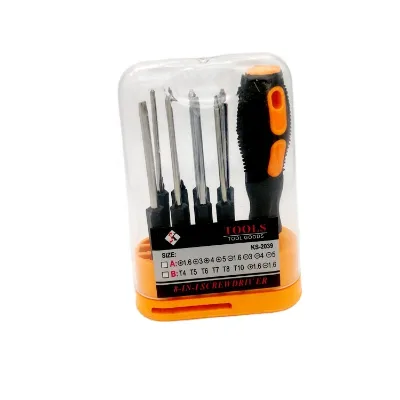
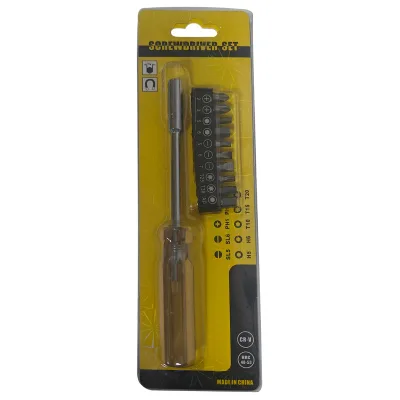
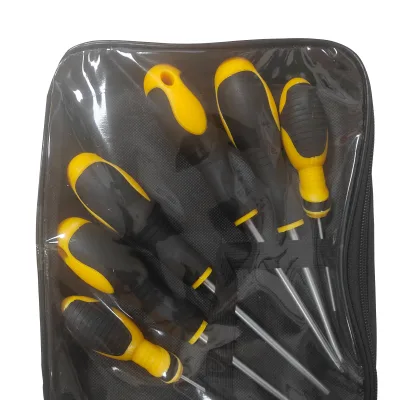
Hardware tools, manual screwdriver set, multi-functional household maintenance tools
$2.7467 - $2.7885
MOQ: 1 pieces
Hefei Chegongshe Hardware Technology Co., Ltd.
- Verified by Intertek
- Manufacturer, Trading Company
- Lead time7 days
- Avg. response≤ 2h
Main productsJack, Grease Gun, Tool Sets, Dent Repairing Machine, Snow Chain
Main marketsNorth America(20%), South America(20%), Eastern Asia(20%)

Shenzhen Alisi Electronic Technology Co., Ltd.
- Trading Company, Distributor/Wholesaler
- Guangdong, China
- Lead time3 days
- Avg. response≤ 2h
Main productselectron component,temperature controller,Auto parts,sensor,Wireless Controller
Main marketsSouth America(20.00%), Eastern Europe(20.00%), North America(15.00%), Western Europe(5.00%), Domestic Market(5.00%), South Asia(5.00%), Southern Europe(5.00%), Northern Europe(5.00%), Central America(5.00%), Eastern Asia(3.00%), Mid East(3.00%), Oceania(3.00%), Africa(3.00%), Southeast Asia(3.00%)
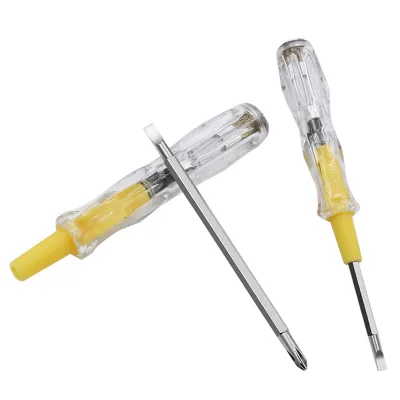
$0.2364 - $0.3396
MOQ: 20 Minimum
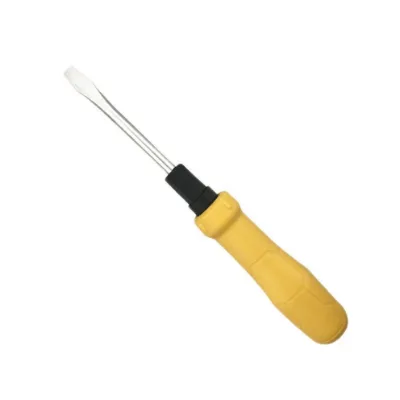
Rubber handle dual-purpose screwdriver Cross flat type dual-purpose double head screwdriver
$0.22 - $1.05
MOQ: 15 Minimum
Linyi Tuoerqi Hardware Tools Co., Ltd.
- Verified by TüVRheinland
- Trading Company
- Lead time15 days
- Avg. response≤ 1h
Main productsWrench, Pliers, Screwdriver, Tape Measure, Hardware

ZHUHAI KAMEDA TECHNOLOGY CO., LTD
- Verified by BV
- Trading Company,Manufacturer/Factory
- China Guangdong
- Lead time23 days
- Avg. response≤ 6h
Main productsMeasuring Tools, Plastic Clips, Housewares Packing, Daily Necessities, Customizing PCB
Main marketsSouth America,Eastern Europe,Mid East,North America,Southeast Asia,Eastern Asia,Oceania,Western Europe,Africa

Removable Screwdriver Slotted Screwdriver Phillips Screwdriver Multifunctional Screwdrivers
$0.52 - $0.56
MOQ: 1200 Pieces

Removable Screwdriver Manual Screwdrivers Slotted Screwdriver Phillips Screw Driver
$0.53 - $0.57
MOQ: 1200 Pieces

Manual Screwdriver Phillips Screwdrivers Slotted Screwdriver Hardware Tool Screw Driver
$0.40 - $0.45
MOQ: 1200 Pieces

Removable Screwdriver Slotted Screwdriver Phillips Screwdriver Manual Tool Screw Driver
$0.52 - $0.56
MOQ: 1200 Pieces

Manual Screwdriver Phillips Screwdrivers Hardware Tool Slotted Screwdriver
$0.40 - $0.45
MOQ: 1200 Pieces

Manual Screwdriver Removable Screwdrivers Slotted Screwdriver Phillips Screw Driver Manufacturer
$0.28 - $0.35
MOQ: 1800 Pieces
I. T. A. GREAT INTERNATIONAL TRADING LTD.
- Trading Company
- Taiwan, China
- Lead time0 days
- Avg. response≤ 1h
Main productsSocket set,Bits,Vehicle Repair Tools,VDE Insulated Tools,Pliers
Main marketsWestern Europe(70.00%), North America(10.00%), Eastern Europe(5.00%), Northern Europe(5.00%), South America(4.00%), Southern Europe(4.00%), Oceania(2.00%)
NANTONG WELLSING TRADE CO., LTD.
- Trading Company
- China Jiangsu
- Lead time45 days
- Avg. response≤ 25h
Main productsHardware, Handtool, Lock, Screwdriver, Hinges, Bolt, Drawer Lock, Plier, Padlock, Scraper
Main marketsSouth America,Southeast Asia/ Mideast,North America

Suzhou Torcmate Import and Export Co., Ltd.
- Verified by SGS
- Trading Company
- China Jiangsu
- Lead time23 days
- Avg. response≤ 19h
Main productsHand Tools, Paint Roller, Brush, Putty Knife, Scraper, Screwdriver, Screwdriver Set, Tool Set
Main marketsDomestic


Magnetic Slotted & Phillips Screwdrivers for Auto Repair & Household Use
$0.46 - $1.26
MOQ: 3000 Pieces

Henan Huajiang Industry Co., Ltd.
- Manufacturer, Trading Company
- Henan, China
- Lead time20 days
- Avg. response≤ 3h
Main productsMeasuring tape,Screwdriver,Utility knife,knife blades,tool set
Main marketsSoutheast Asia(13.00%), South Asia(13.00%), South America(12.00%), North America(12.00%), Mid East(11.00%), Eastern Europe(8.00%), Central America(8.00%), Africa(7.00%), Oceania(4.00%), Eastern Asia(3.00%), Southern Europe(3.00%), Domestic Market(2.00%), Northern Europe(2.00%), Western Europe(2.00%)

- Verified by SGS
- Trading Company,Manufacturer/Factory
- China Jiangsu
- Lead time45 days
- Avg. response≤ 7h
Main productsTrowel, Pliers, Tool Set, Socket Set, Adjustable Wrench, Knife, Hand Saw, Safety Googles, Hammer, Shear
Main marketsSouth America,Eastern Europe,North America,Western Europe,Africa
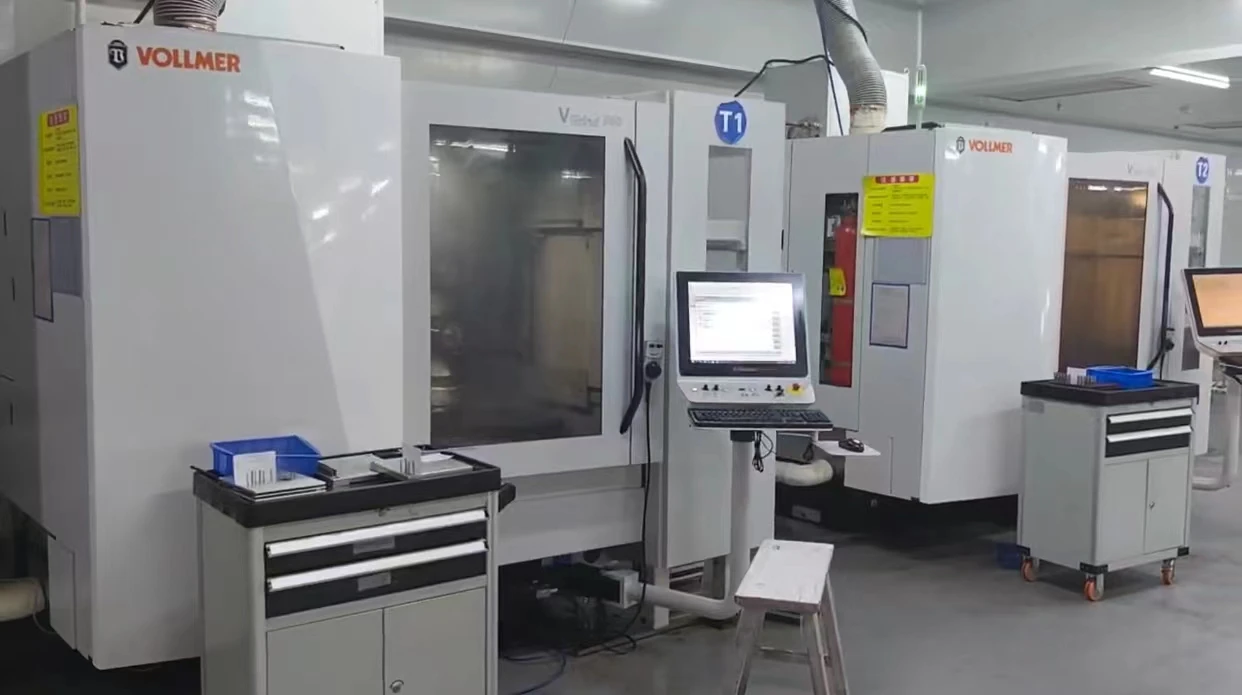
Shenzhen Jinfang Bearing Cutting Tools Co.,Ltd
- Manufacturer, Trading Company
- Guangdong, China
- Lead time0 days
- Avg. response≤ 1h
Main productsmilling cutter,boring crown,The knife grain,bearing,screw tap
Main marketsDomestic Market(70.00%), South America(10.00%), Mid East(10.00%), Eastern Europe(10.00%)










Comprehensive Sourcing Guide
Industrial Household Knock Screwdriver Supplier Concentration and Factory Types
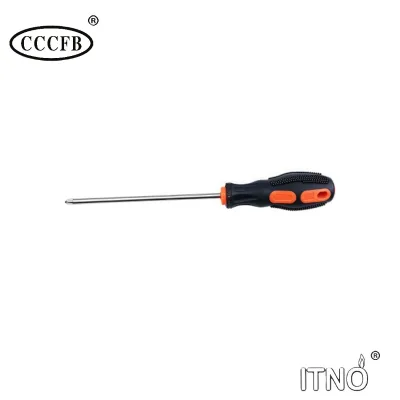
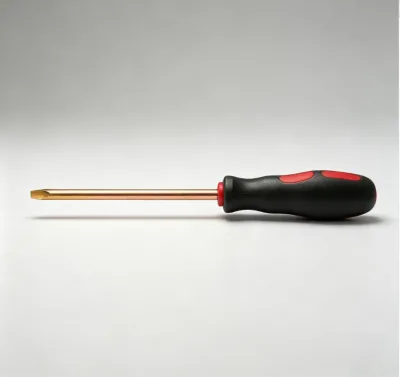
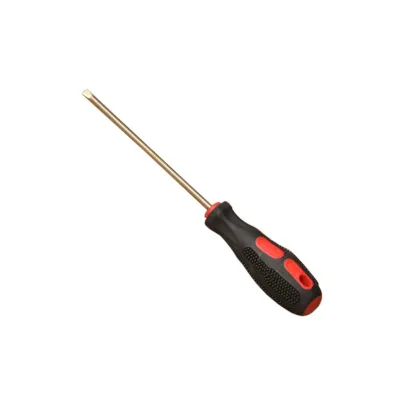
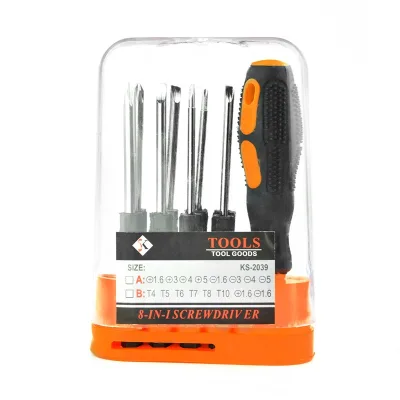
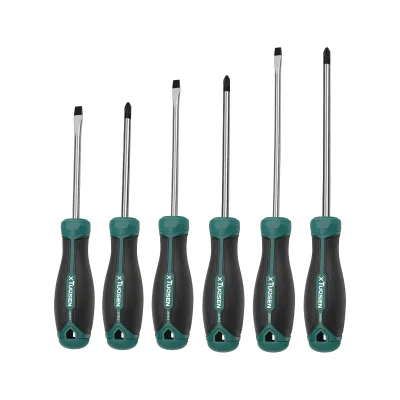
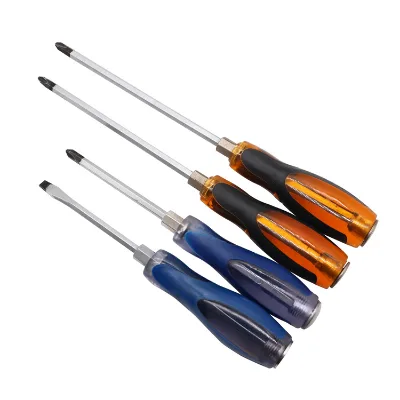
The current supplier landscape for industrial household knock screwdrivers reveals a distinct geographic concentration in Zhejiang, China, where manufacturers and trading companies operate in close proximity. This region is identified as a primary hub for producing automotive repair tools, mechanic tools, and fastening tools, indicating a mature ecosystem for hardware manufacturing. Suppliers in this area often list their main products to include measuring tools and cutting tools alongside screwdrivers, suggesting that many facilities possess the versatile machinery required to produce multiple types of hand tools. The presence of both manufacturers and trading companies in this cluster allows buyers to access a wide range of options, from direct factory pricing to the logistical support provided by intermediaries. The concentration of these entities in Zhejiang implies that buyers can expect a high density of suppliers offering similar product specifications, such as magnetic tips and dual-head designs, which are common features in the current search results. This clustering effect facilitates easier comparison of technical specifications and production capabilities, as many suppliers share similar supply chain resources and raw material sources. Buyers should recognize that while the location is consistent, the operational model varies significantly between pure manufacturers and hybrid trading entities, each offering different advantages in terms of customization and volume flexibility.
In addition to Zhejiang, the search results indicate the presence of suppliers located in China Jiangsu and Shandong, China, though with different operational profiles. Suppliers in Jiangsu are identified as trading companies or manufacturer/factory hybrids, with a focus on hand tools and offering capabilities in own brand, OEM, and ODM services. This suggests a diverse supply base that extends beyond the primary Zhejiang cluster, providing buyers with alternative sourcing options. The Shandong-based suppliers are identified primarily as trading companies dealing in hardware tools, agricultural use tools, and cleaning tools, which may indicate a broader product range but potentially less specialized focus on precision screwdrivers. The variation in company types across these regions means that buyers must carefully assess whether they are engaging with a direct production facility or a trading intermediary. Direct manufacturers in Zhejiang may offer more control over the production process and customization options, such as OEM and ODM support for screwdriver handles and heads. In contrast, trading companies in Jiangsu and Shandong might provide more flexible order quantities or bundled logistics solutions, although they may have longer response times or less direct oversight of the manufacturing process. Understanding these structural differences is crucial for aligning supplier selection with specific project requirements, whether the priority is cost efficiency, customization depth, or logistical convenience.
How to Verify Industrial Household Knock Screwdriver Suppliers
Verifying the authenticity and capability of Industrial Household Knock Screwdriver suppliers requires a systematic approach to assessing their operational claims and product specifications. Buyers should begin by examining the detailed product attributes provided in supplier listings, such as the material composition, finish options, and head styles. For instance, specific listings indicate the use of carbon steel for screwdriver bodies with finishes like black oxide, zinc, or matte coatings, which are critical for durability and corrosion resistance in industrial environments. The presence of detailed specifications, such as drive sizes like PH2 and 6mm, or bit styles that are customizable, serves as a strong indicator of a supplier’s technical proficiency. Buyers should cross-reference these technical details with the supplier’s stated main products and company type to ensure consistency. If a supplier claims to be a manufacturer but provides vague or incomplete product attributes, it may be prudent to request additional documentation or samples. The verification process should also include checking the customization support options, such as OEM and ODM availability, which are explicitly listed for some suppliers. This information helps buyers determine if the supplier can accommodate specific branding or design requirements, which is often a key factor in industrial procurement. By focusing on these concrete product details, buyers can filter out suppliers who may lack the necessary technical expertise or production capabilities.
Beyond product specifications, buyers must verify the supplier’s responsiveness and logistical reliability through direct communication and order history analysis. The response time metric is a critical indicator of a supplier’s operational efficiency, with some suppliers showing response times as low as four hours, while others may take significantly longer, such as 17.43 hours. A faster response time often correlates with better customer service and quicker resolution of pre-sales inquiries, which is essential for maintaining project timelines. Buyers should also pay attention to the lead time claims, which are listed as 30 days for some suppliers and 45 days for others. These lead times should be validated against the supplier’s production capacity and current order backlog. Additionally, buyers should inquire about the warranty terms, which are specified as one year for certain screwdriver models, to understand the supplier’s confidence in their product quality. The verification process should also include checking for any certifications or standards compliance, although specific certification details are not provided in the current results. Buyers should request proof of quality control processes, such as material testing reports or production line audits, to ensure that the screwdrivers meet industrial-grade standards. By combining technical verification with operational assessment, buyers can build a more accurate picture of each supplier’s reliability and suitability for their specific needs.
What to Compare Across Industrial Household Knock Screwdriver Suppliers
When evaluating multiple suppliers for industrial household knock screwdrivers, buyers should prioritize a comparative analysis of key commercial and operational metrics to identify the most suitable partner. One of the most significant differentiators is the minimum order quantity (MOQ), which is explicitly stated as 1000 pieces for certain screwdriver models. This MOQ level is typical for industrial-grade tools and suggests that suppliers are geared towards bulk orders rather than small-scale retail. Buyers with smaller volume requirements may need to negotiate with suppliers who offer lower MOQs or consider trading companies that can aggregate orders from multiple manufacturers. In addition to MOQ, the price range is a critical factor, with some screwdrivers priced between $0.25 and $0.30 per unit, while others, such as promotional impact screwdrivers, are priced at $6.00 per unit. This wide price variance reflects differences in material quality, complexity, and intended application, with higher-priced items likely offering enhanced features like magnetic bits or heavy-duty construction. Buyers should compare these prices against their budget constraints and quality expectations, ensuring that they are comparing equivalent product specifications. The comparison should also include the customization support options, such as OEM and ODM, which allow for branding and design modifications. Suppliers offering robust customization capabilities may command higher prices but provide greater value for buyers seeking unique product offerings.
Another important aspect of comparison is the supplier’s location and its impact on logistics and lead times. Suppliers located in Zhejiang, China, often benefit from established supply chains and infrastructure, which can result in shorter lead times, such as 30 days, compared to suppliers in other regions. The lead time is a crucial metric for buyers who need to manage inventory levels and meet customer demand promptly. Buyers should also consider the response time, which varies significantly among suppliers, with some responding within four hours and others taking over 17 hours. A faster response time can facilitate quicker negotiations and problem resolution, reducing the overall procurement cycle. Additionally, buyers should compare the main products offered by each supplier to ensure alignment with their broader sourcing needs. Suppliers that offer a wide range of hand tools, including automotive repair tools and measuring tools, may provide better opportunities for consolidated purchasing and logistical efficiency. The comparison should also include the warranty terms, with some suppliers offering a one-year warranty, which provides assurance of product durability and after-sales support. By systematically comparing these metrics, buyers can make informed decisions that balance cost, quality, and service levels, ultimately selecting a supplier that best fits their strategic objectives.
Common Industrial Household Knock Screwdriver Sourcing Risks
Sourcing industrial household knock screwdrivers from international suppliers introduces several risks that buyers must proactively manage to ensure successful procurement. One significant risk is the variability in product quality, which can arise from differences in material composition and manufacturing processes. While some suppliers specify the use of carbon steel and provide detailed finish options like zinc or black oxide, others may have less transparent sourcing practices. Buyers should be cautious of suppliers who provide vague product attributes, such as "See the description" for key specifications like size, brand name, and handle material. This lack of detail can indicate a lack of standardization or quality control, increasing the risk of receiving products that do not meet industrial standards. Additionally, the risk of counterfeit or substandard materials is heightened when dealing with trading companies that may not have direct oversight of the manufacturing process. Buyers should request material certificates or third-party test reports to verify the quality of the steel and other components used in the screwdrivers. The risk is further compounded by the potential for inconsistent finishes, which can affect the durability and corrosion resistance of the tools in industrial environments. Buyers must ensure that the specified finishes, such as matte or zinc, are consistently applied across all units to prevent premature failure.
Another common risk is the discrepancy between quoted lead times and actual delivery schedules, which can disrupt supply chain operations. Suppliers may quote lead times of 30 or 45 days, but these estimates can be affected by raw material shortages, production bottlenecks, or logistical delays. Buyers should establish clear communication channels with suppliers to monitor production progress and address any potential delays early. The risk of communication barriers is also significant, particularly when dealing with suppliers who have slower response times, such as those taking over 17 hours to reply. Delayed responses can hinder the resolution of pre-sales inquiries and post-sales issues, leading to frustration and potential project delays. Buyers should prioritize suppliers with faster response times to ensure timely support and problem resolution. Additionally, the risk of intellectual property infringement exists when working with suppliers that offer OEM and ODM services. Buyers must ensure that their designs and branding are protected through proper legal agreements and that the supplier adheres to confidentiality clauses. The risk of non-compliance with international standards is also a concern, as buyers must verify that the screwdrivers meet relevant safety and quality regulations in their target markets. By identifying and mitigating these risks through due diligence and clear contractual terms, buyers can safeguard their procurement processes and ensure the receipt of high-quality products.
Industrial Household Knock Screwdriver Regional Sourcing and Logistics
The geographic location of suppliers plays a pivotal role in determining the logistics and shipping dynamics for industrial household knock screwdrivers. Suppliers located in Zhejiang, China, are situated in a region known for its robust manufacturing infrastructure and efficient logistics networks. This proximity to major ports and transportation hubs can facilitate faster and more cost-effective shipping options for buyers. The concentration of manufacturers and trading companies in this area allows for streamlined consolidation of orders, reducing handling costs and transit times. Buyers sourcing from Zhejiang can benefit from the established supply chain ecosystems, which often include reliable freight forwarders and customs brokers. The lead time of 30 days for some suppliers in this region suggests a well-organized production process that can accommodate timely deliveries. However, buyers should also consider the potential for congestion during peak seasons, which can impact shipping schedules. It is advisable to work with suppliers who have experience in exporting to the buyer’s region and can provide accurate shipping estimates. The logistical advantage of sourcing from Zhejiang is further enhanced by the availability of multiple shipping modes, including sea freight and air freight, allowing buyers to choose the option that best fits their budget and timeline.
In contrast, suppliers located in China Jiangsu and Shandong, China, may present different logistical considerations. Jiangsu-based suppliers, often operating as trading companies or manufacturer/factory hybrids, may have access to different port facilities and logistics partners. The lead time of 45 days for some suppliers in this region indicates a potentially longer production cycle, which buyers must account for in their inventory planning. The logistical risk associated with these regions may include higher shipping costs or longer transit times, depending on the specific port of departure. Buyers should evaluate the total landed cost, including shipping,
FAQs
What is the minimum order quantity for knockable magnetic screwdrivers?
The minimum order quantity is 1000 pieces for the industrial-grade knockable magnetic screwdriver. This threshold applies to the dual-use flat and cross-head model sourced from Zhejiang. Buyers should confirm if the supplier accepts lower volumes for sample orders before proceeding with bulk procurement.
How long does production take for these screwdrivers?
Production lead times vary by supplier location. Factories in Zhejiang typically require 30 days, while those in Jiangsu may need up to 45 days. Shandong suppliers generally operate within a 31-day window. These estimates reflect standard manufacturing cycles for custom or bulk orders.
What is the price range for these tools?
Prices range from $0.25 to $0.30 per unit for the 1000-piece MOQ knockable magnetic screwdriver. The dual-head slotted and Phillips model costs between $0.62 and $0.72. Promotional impact screwdrivers are priced at $6.00 per unit. Costs depend on material and customization.
Can I customize the logo and brand on these tools?
Yes, OEM and ODM customization is available for most models. Suppliers in Zhejiang and Jiangsu support customized logos and brand names. The knockable screwdriver allows for custom branding, while other models also offer logo personalization. Buyers must discuss specific design requirements directly with the manufacturer.
What materials are used for the screwdriver heads?
The knockable magnetic screwdriver is made from carbon steel with a magnetic tip. The promotional impact screwdriver uses high carbon steel. Finishes include black oxide, zinc, and matte options. These materials ensure durability for both industrial and household applications.
What is the warranty period for these screwdrivers?
The industrial-grade knockable magnetic screwdriver comes with a one-year warranty. Other models may offer standard warranty terms depending on the supplier. Buyers should verify the specific warranty conditions for the promotional impact screwdriver and other specialized tools before finalizing the purchase agreement.