Hexagon Driver Magnetic Nut Setter Suppliers and Manufacturers
Source 23 verified suppliers for Hexagon Driver Magnetic Nut Setter components. Compare lead times, MOQs, certifications, and response rates to identify suitable partners. Review product specifications and request quotes directly from the listed factories; review the available evidence before requesting comparable quotations from suitable candidates.
Updated
Suppliers List

Nanjing TOOLJOY Hardware Technology Co., Ltd.
- Verified by TUVRHEINLAND
- Trading Company,Manufacturer/Factory
- China Jiangsu
- Lead time45 days
- Avg. response≤ 5h
Main productsScrewdriver Bit, Driver Bit, Trox Bit, Philips Bit, Socket Bit, Pozidriv Bits, Slotted Bits, Screwdriver, Square Bit
Main marketsSouth America,Eastern Europe,Mid East,North America,Southeast Asia,Eastern Asia,Oceania,Western Europe,Africa


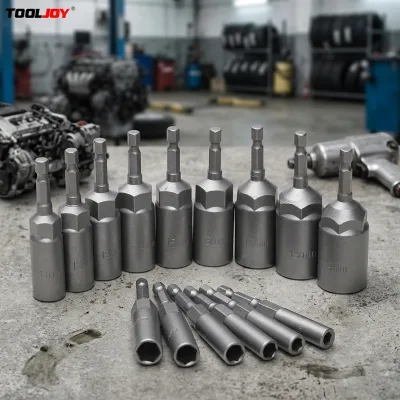
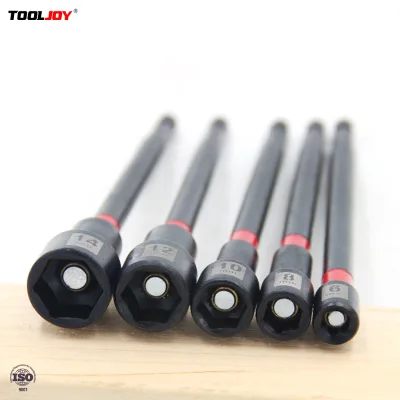
5PCS/Set Colorful Hex Driver Socket Bits Magnetic Hex Nut Setter for Screw Driver
$0.22 - $0.30
MOQ: 1000 Pieces


Screwdriver Set Metric Socket Set Hex Nut Setter Magnetic Driver Hollow Drill Bits
$0.22 - $0.30
MOQ: 1000 Pieces

- Verified by BV
- Combined
- China Jiangsu
- Lead time23 days
- Avg. response≤ 5h
Main productsHandtools, Hardware, Kitchen Tools Kitchen Ware, Garden Tools, Camping Tool, Carfts and DIY Tools, Smiletools&Smilegifts&Ldk Metal&Smilefitness, Measuring Tools, Power Tools Accessories, Candle Tools
Main marketsDomestic,Europe,North America


Sandblasting Chrome Hex Shank Drive Holder Nut Driver Magnetic Nut Setter
$0.10 - $1.05
MOQ: 500 Pieces

Hardware Tools Magnetic Screw Driver Nut Setters Bit Nut Setter 65mm Hex Nut Driver Socket Bit
$0.10 - $1.10
MOQ: 500 Pieces

Magnetic Nut Driver Set Multi Hand Tools Adapter Hex Drill Bit Hex Shank Socket Wrench Set
$0.10 - $1.10
MOQ: 500 Pieces

Magnetic Hex Socket Nut Setter Driver for Self Drilling Screw Power Tool
$0.10 - $1.05
MOQ: 500 Pieces


Anhui Shengshi Hardware Tool Manufacturing Co., Ltd.
- Verified by SGS
- Combined
- China Anhui
- Lead time30 days
- Avg. response≤ 9h
Main productsTool Set, Screwdriver Bit, Impact Bit, Screwdriver Bit Sets, Bit Holders, Nut Setters, Screwdriver, Socket Sets, Drill Bit, Hardware
Main marketsSouth America,Domestic,North America

Portable Hex Driver Socket Bits Magnetic Hex Nut Setter for Screw Driver
$0.22 - $0.30
MOQ: 1000 Pieces


- Verified by SGS
- Combined
- China Tianjin
- Lead time30 days
- Avg. response≤ 9h
Main productsScrews, Bolts, Nuts, Washers, Rivets, Nails, Machines
Main marketsOthers(foreignTradeCapacity.exportBusinessCapacityMarketOther),Europe,North America
- Verified by SGS Group
- Manufacturer, Trading Company
- Lead time25 days
- Avg. response≤ 8h
Main productsScrewdriver, Screwdriver Bit, Hex Key, Screwdriver Blades, Tool Sets
Main marketsDomestic Market(69%), Eastern Europe(4%), Southeast Asia(4%)
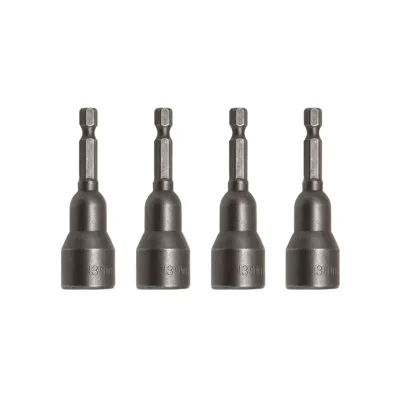
$0.1235 - $0.1441
MOQ: 2000 pieces
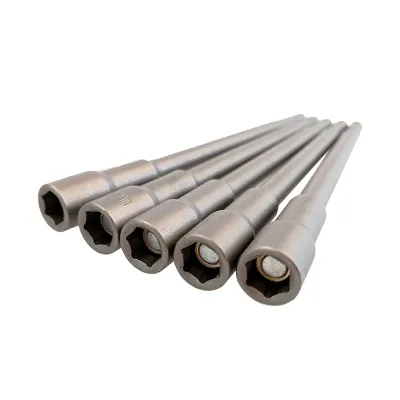
High Quality Magnetic Hex Nut Setter Inch Size 12 Inch Screwdriver Bit Holder
$0.31 - $0.32
MOQ: 600 pieces
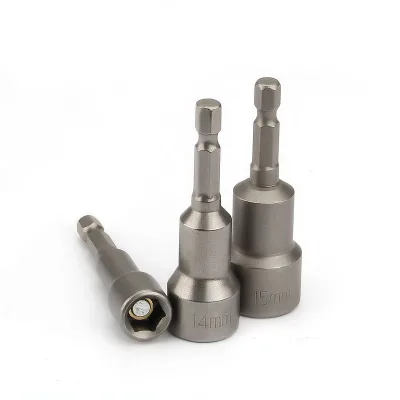
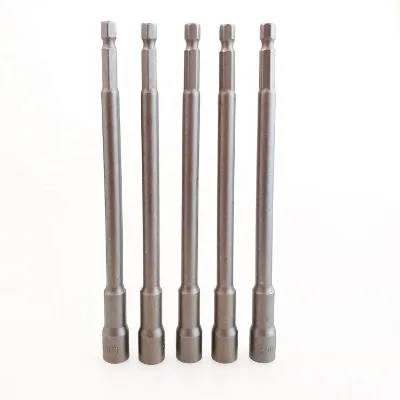
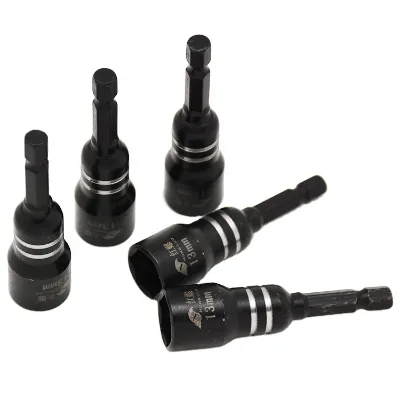
Haining Best Grand Trading Co., Ltd.
- Trading Company
- Zhejiang, China
- Lead time30 days
- Avg. response≤ 2h
Main productsINDUSTRY BITSSS,CONDUCTOR WIRE CONNECTION,SHELF BRACKETS,WIRE STRIPPER,VOLTAGE TESTER PEN
Main marketsEastern Europe(100.00%)
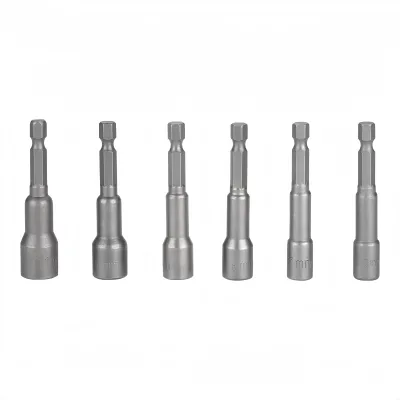
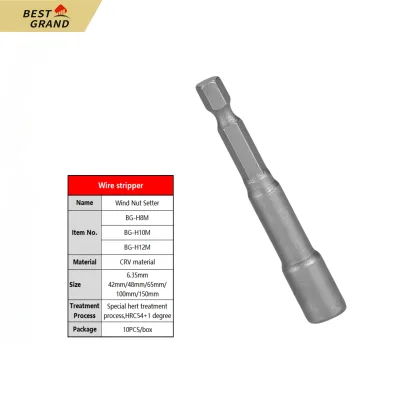
Hot Sale Hexagon Driver Deeping the Wind Nut Setter Socket Drive Screwdriver Bit Magnetic Nut Setter
$0.3082 - $0.5131
MOQ: 5000 Minimum
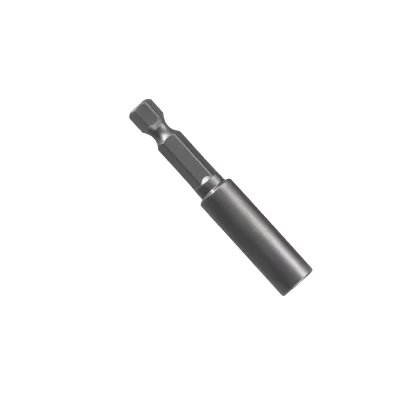
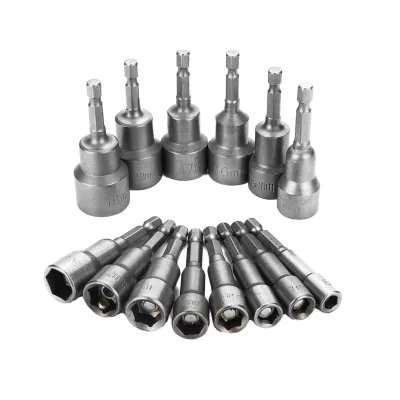
$0.1025 - $0.5027
MOQ: 5000 Minimum
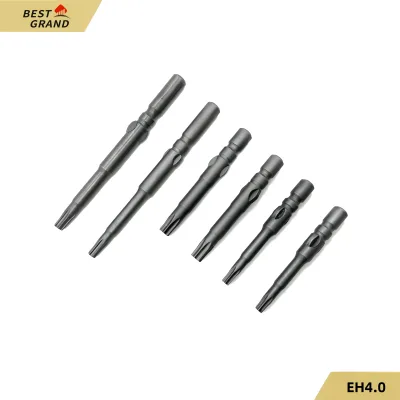

Tianjin Primo Technology Co., Ltd.
- Verified by SGS
- Trading Company,Manufacturer/Factory
- China Tianjin
- Lead time45 days
- Avg. response≤ 14h
Main productsScrews, Nails, Rivets, Staples, Bolt, Nut, Washer, Stamping Part
Main marketsSouth America,Eastern Europe,Mid East,North America,Southeast Asia,Eastern Asia,Oceania,Western Europe,Africa

Hex Socket Magnetic Nut Driver 8mm Magnetic Nut Setter Used for Screw Installation and Removal
$0.20 - $0.30
MOQ: 5000 Pieces

Inner Hexagon Adapter Screw Nut Drill Bit Screwdriver Bit Black Super Magnetic Nut Setter
$0.20 - $0.30
MOQ: 5000 Pieces

1/4 in 5/16 in 3/8 in Magnetic Nut Driver Impact Driver Bit Nutsetter Nut Setter
$0.20 - $0.30
MOQ: 5000 Pieces

Wenzhou Meters Int'l Trade Co., Ltd.
- Trading Company
- Lead time旺季: "1 - 1":15,"> 1":"To be negotiated", 淡季: "1 - 1":15,"> 1":"To be negotiated"
- Avg. response≤ 6h
Main productsHand Tools, Cable Tie
Foshan Songqi Technology Co., Ltd.
- Verified by TüVRheinland
- Manufacturer, Trading Company
- Lead time15 days
- Avg. response≤ 1h
Main productsDrill Bit, Cutting Wheel, Saw Blade, Macine Taps & Milling Cutter, Screwdrill Bit
Main marketsDomestic Market(20%), South America(15%), Southeast Asia(15%)

Rivfast Machinery(Shanghai) Co., Ltd
- Verified by TUVRHEINLAND
- Trading Company,Manufacturer/Factory
- China Shanghai
- Lead time23 days
- Avg. response≤ 2h
Main productsRivet Gun, Cordless Paint Sprayer, Nail Gun, Power Tools, Air Tools
Main marketsSouth America,Eastern Europe,North America,Western Europe

Hex Impact Magnetic Nutsetter Screwdriver Socket Driver Bit Set Nut Setter for Drill
$0.18
MOQ: 5000 Pieces

$0.16 - $0.20
MOQ: 500 Pieces

Yueqing Green Arrow Tools Co., Ltd
- Verified by TUVRHEINLAND
- Combined
- China Zhejiang
- Lead time15 days
- Avg. response≤ 9h
Main marketsDomestic


Premium Magnetic Nutsetter Socket Drive Bit Set for Precision Screwdriving
$0.20 - $0.40
MOQ: 500 Pieces

Danyang Eurocut Tools Co., Ltd.
- Verified by Intertek
- Manufacturer, Trading Company
- Lead time35 days
- Avg. response≤ 2h
Main productsDrill Bits, Saw Blade, Hole Saws
Main marketsWestern Europe(29%), North America(21%), South America(20%)
Zhejiang Tongyong Tools Co., Ltd.
- Manufacturer, Trading Company
- Zhejiang, China
- Lead time45 days
- Avg. response≤ 8h
Main productsHole drill,Milling cutter,Jig saw blade,Reciprocating saw blade,Magnetic nut setter
Main marketsEastern Europe(20.00%), Domestic Market(20.00%), North America(20.00%), Western Europe(15.00%), South America(10.00%), Oceania(5.00%), Southeast Asia(5.00%), Mid East(5.00%)
- Verified by TüVRheinland
- Manufacturer, Trading Company
- Lead time25 days
- Avg. response≤ 3h
Main productsDrill Bits, Screwdriver, Chisel, Hole Saws
Main marketsWestern Europe(22%), Southeast Asia(20%), North America(15%)
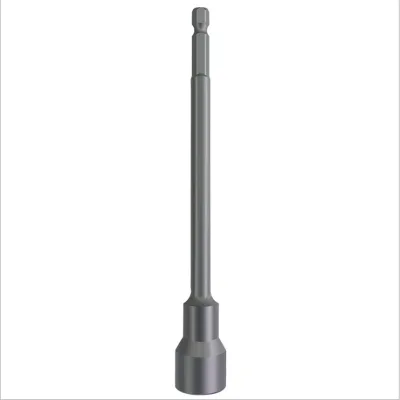
$0.60 - $0.70
MOQ: 1000 boxes

Shanghai Ostar Tools Int'l Co., Ltd.
- Trading Company,Manufacturer/Factory
- China Shanghai
- Lead time45 days
- Avg. response≤ 15h
Main productsOscillating Multi Tool Blades, Hole Saws, Jigsaw Blade, Reciprocating Saw Blade, Tct Saw Blade, Diamond Saw Blade, SDS Drill Bits, HSS Drill Bits, Cutting Disc, Cutting Tools
Main marketsSouth America,Eastern Europe,North America,Western Europe

LANGE HARDWARE TOOLS CO., LIMITED
- Verified by SGS
- Trading Company,Manufacturer/Factory
- China Zhejiang
- Lead time23 days
- Avg. response≤ 5h
Main productsCutting Saw Blade, Hacksaw Blade, Hole Saw Blade, Jig Saw Blade, Sabre Saw Blade, Circle Saw Blade, Drill Bits, Socket, Cutting Tools, Hardware Tools
Main marketsSouth America,Eastern Europe,Mid East,North America,Southeast Asia,Eastern Asia,Oceania,Western Europe,Africa

Magnetic Hexagon Handle Socket Wrench Bits Set Head Power Screw Drivers Parts
$0.12 - $0.60
MOQ: 100 Pieces

Shanghai Harden Tools Co., Ltd.
- Verified by SGS Group
- Manufacturer, Trading Company
- Lead time30 days
- Avg. response≤ 2h
Main productsHand Tools/Power Tools/Garden Tools/Electronic Tools/Welding Tools
Main marketsSoutheast Asia(10%), Africa(10%), Oceania(10%)
Wenling Wenqiao Kung Chan Tools Firm
- Trading Company
- Zhejiang, China
- Lead time0 days
- Avg. response≤ 17h
Main productstools,home$garden,sports&outdoor,office
Main marketsNorth America(9.00%), South America(9.00%), Eastern Europe(9.00%), Southeast Asia(9.00%), Africa(9.00%), Mid East(9.00%), Eastern Asia(9.00%), Western Europe(9.00%), Central America(9.00%), Northern Europe(9.00%), Southern Europe(9.00%)
- Verified by SGS Group
- Manufacturer, Trading Company
- Lead time0 days
- Avg. response≤ 2h
Main productsHand tools, Pneumatic tools, Knife Sharpeners
Main marketsMid East(50%), Domestic Market(20%), North America(15%)
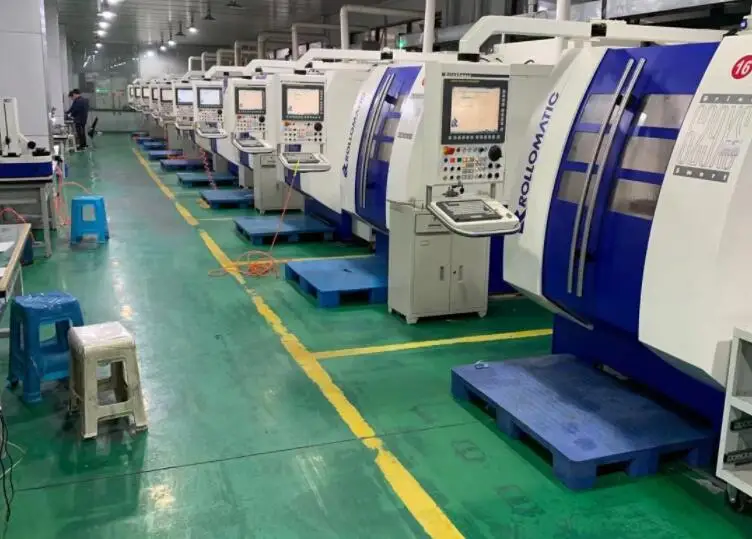
Danyang Dongze Hardware Tools Co., Ltd.
- Trading Company
- Jiangsu, China
- Lead time30 days
- Avg. response≤ 2h
Main productsDrill Bits, Saw Blades, Chisels, Screwdriver Bits And Nut Driver, Hole Saw
Main marketsNorth America(30.00%), Western Europe(30.00%), Oceania(15.00%), South America(10.00%), Northern Europe(5.00%), Eastern Europe(5.00%), Southeast Asia(5.00%)
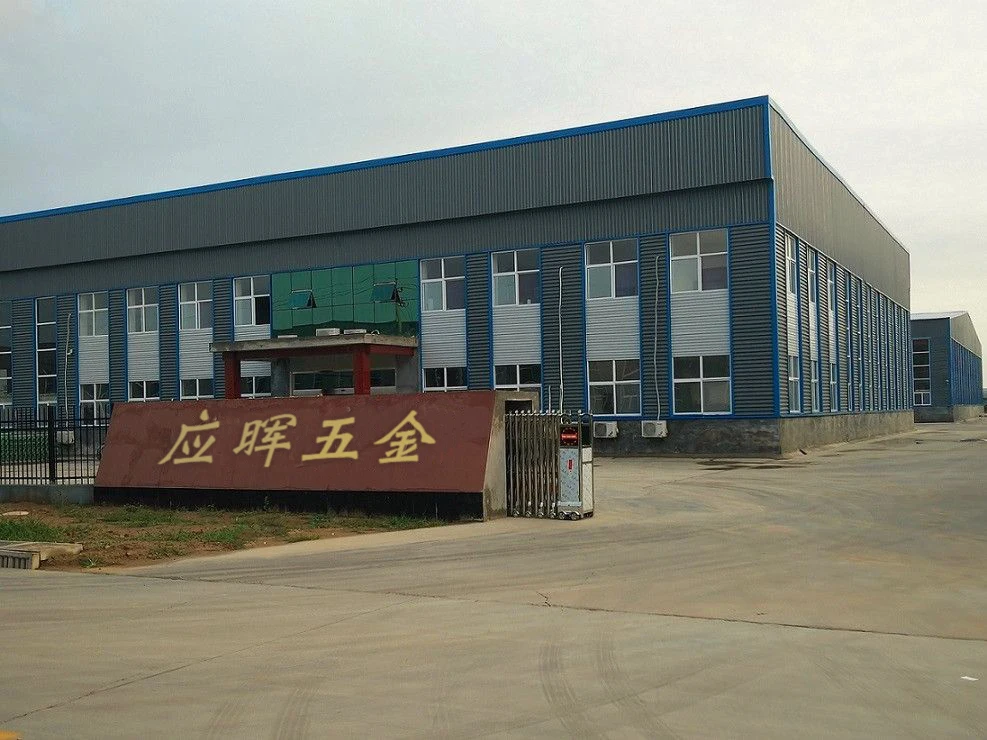
Linyi City Yinghui Hardware Tools Co., Ltd.
- Trading Company
- Shandong, China
- Lead time31 days
- Avg. response≤ 4h
Main productsHardware tools,Agricultural use Tools,Cleaning Tools
Main marketsSouth Asia(30.00%), Central America(30.00%), Mid East(30.00%), Southeast Asia(30.00%), North America(30.00%)
Huzhou Foxwoll International Trade Co., Ltd.
- Manufacturer, Trading Company
- Zhejiang, China
- Lead time15 days
- Avg. response≤ 15h
Main productshand tools,outdoor furnitures,screwdriver setss,socket sets,pliers
Main marketsNorth America(35.00%), Eastern Europe(10.00%), Southeast Asia(10.00%), Domestic Market(5.00%), South America(5.00%), South Asia(5.00%), Southern Europe(5.00%), Northern Europe(5.00%), Western Europe(5.00%), Eastern Asia(5.00%), Mid East(5.00%), Oceania(5.00%)
Anhui Shengshi Hardware Tool Manufacturing Co., Ltd.
- Verified by TüVRheinland
- Manufacturer, Trading Company
- Lead time45 days
- Avg. response≤ 2h
Main productsScrewdriver Bit, Impact Bit, Bit Set, Nut Driver, Torx Bit
Main marketsDomestic Market(63%), North America(7%), South America(6%)


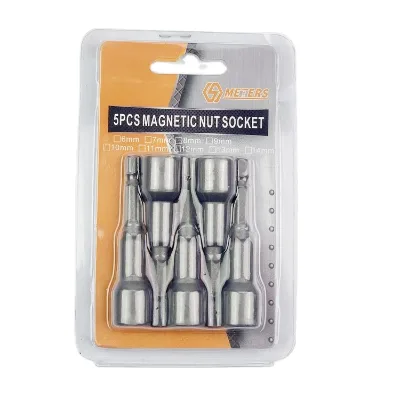
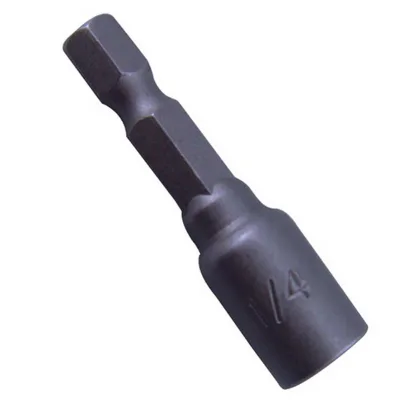
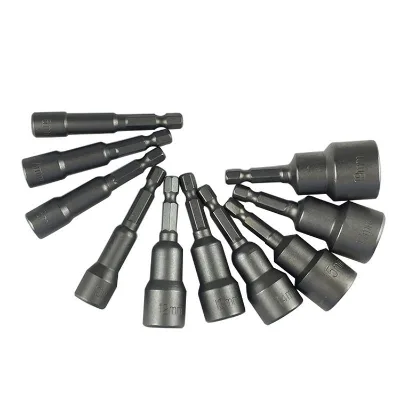
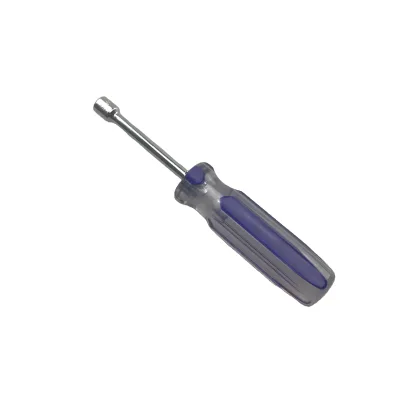
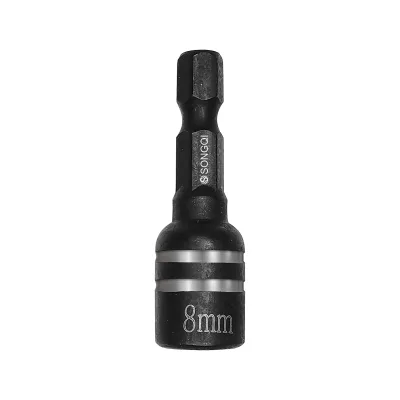
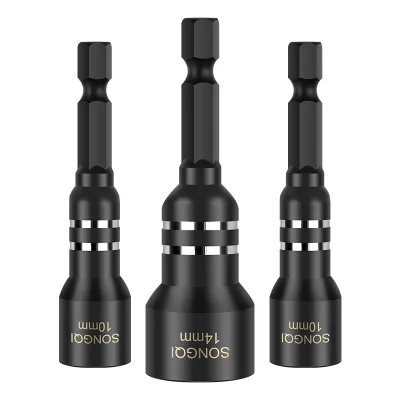
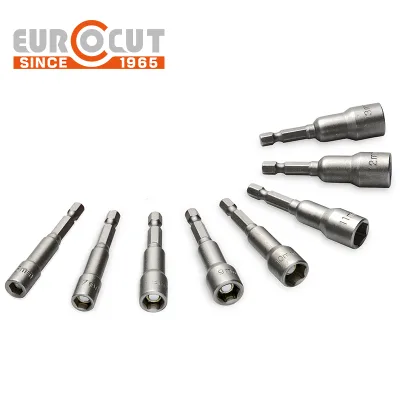
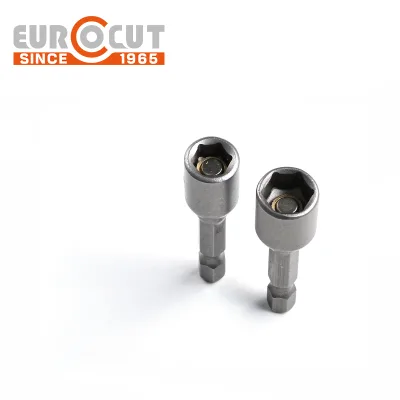
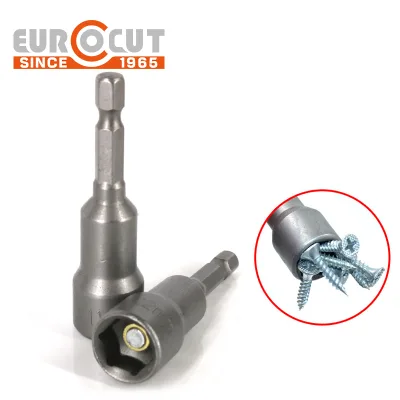
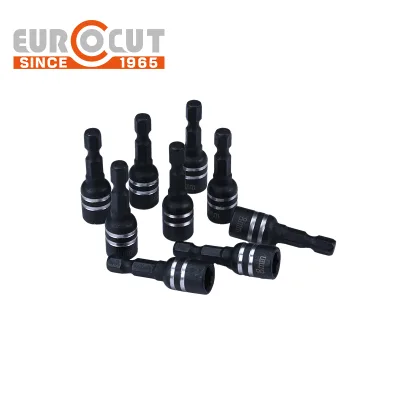
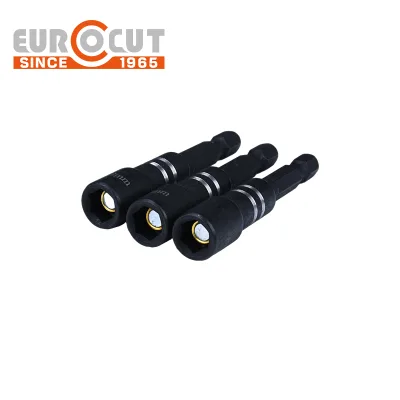
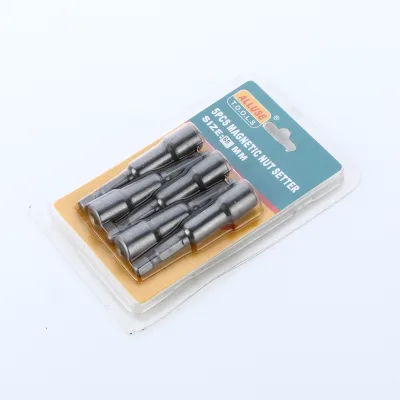
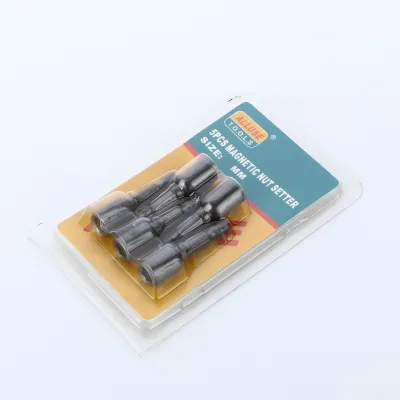
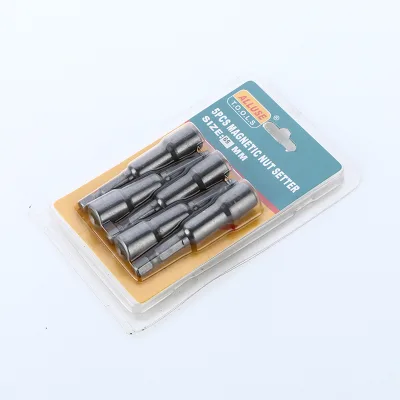


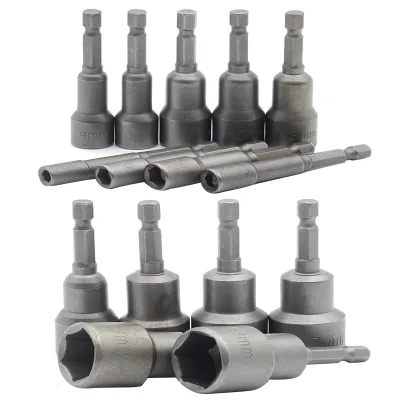
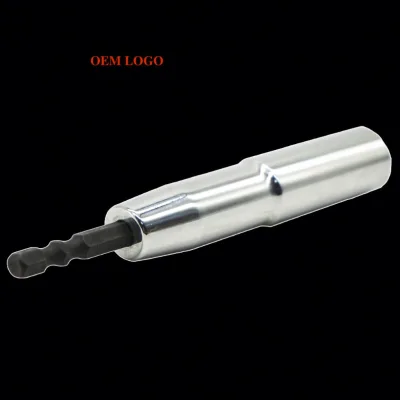
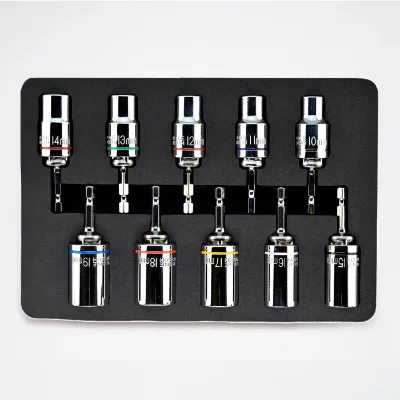
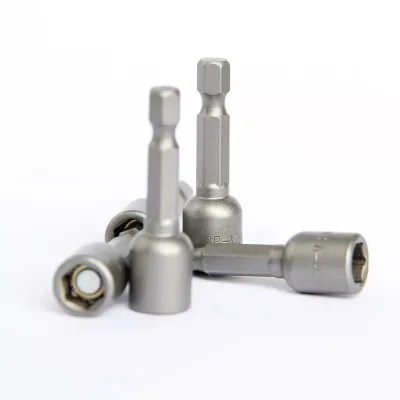
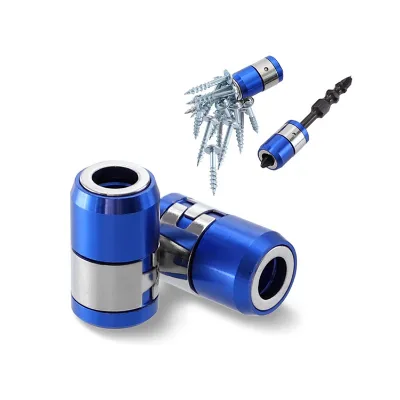
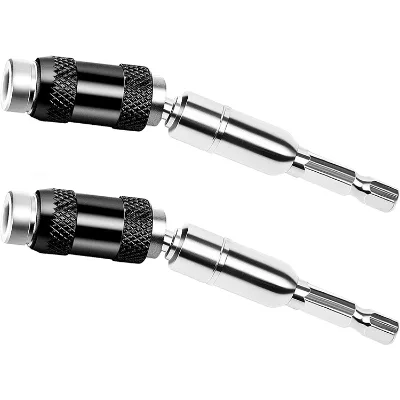
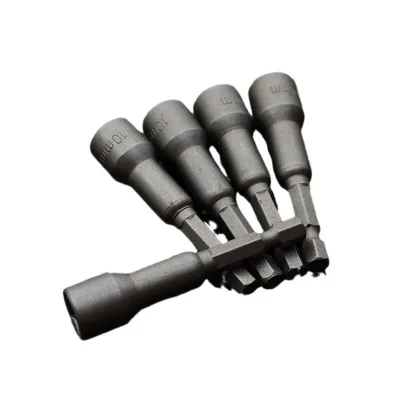
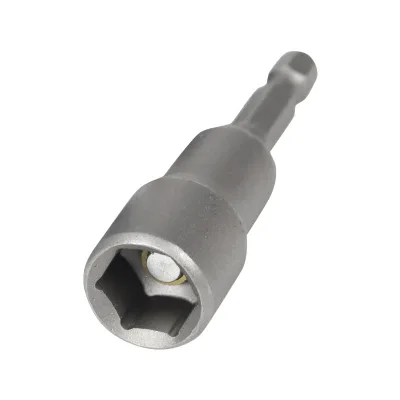
Comprehensive Sourcing Guide
Hexagon Driver Magnetic Nut Setter Supplier Concentration and Factory Types
Buyers searching for a Hexagon Driver Magnetic Nut Setter will encounter a supplier base concentrated in eastern China, with supplier results in this category pointing to Jiangsu and Anhui as active sourcing provinces. Jiangsu suppliers in these results tend to present themselves as combined manufacturing and trading operations with broad hardware catalogs, while an Anhui supplier lists screwdriver bits, impact bits, bit holders, nut setters, socket sets and drill bits as core products. Because listings can shift, buyers should treat province-level signals as a starting point and map several candidate regions before committing to samples or audits.
Factory types matter as much as geography. Results in this category include hybrid manufacturer-trading companies, combined product-group exporters, and dedicated hand tool factories, some carrying their own brand alongside OEM and ODM services. A supplier whose main products already include driver bits, nut setters and socket accessories is more likely to hold relevant tooling and heat-treatment know-how than a generalist hardware trader. Ask each candidate whether the magnetic nut setter line is produced in-house or subcontracted, since this affects quality control and lead time. Also note what each supplier discloses: some list system certifications and third-party verification badges, while others provide only product attributes. Record these disclosures per supplier rather than assuming they apply across the category.
How to Verify Hexagon Driver Magnetic Nut Setter Suppliers
Verification should begin with the credentials a supplier actually displays, then confirm them independently. In this category, observed system certifications include BSCI and ISO 9001 from a Jiangsu-based supplier and an ISO9001:2015 certificate from an Anhui supplier, while third-party verification badges include TUV Rheinland, BV and SGS. Ask each candidate for the certificate numbers behind these claims and check them against the issuing body's database. A verification badge indicates the company's business registration and premises were inspected, not that every product line was tested, so request product-specific documentation for the magnetic nut setter line separately.
Move from paperwork to capability checks before placing volume orders. Ask whether the supplier operates as a factory, trading company or combined operation, and request evidence such as workshop photos, production videos or a live video walk-through of the bit machining and magnet-assembly area. Confirm which customization options are genuinely supported; several listings in this category state that OEM and ODM customization is available, but you should verify tooling ownership and minimum quantities for custom sizes in writing. Check response behavior against the supplier's displayed average response time, which in these results ranges from roughly four to just over eight hours. A supplier that answers pre-sales questions slowly is unlikely to improve after payment. Finally, order paid samples and compare them against your drawing before signing any longer-term agreement.
What to Compare Across Hexagon Driver Magnetic Nut Setter Suppliers
Build a comparison sheet using only attributes suppliers actually disclose, since not every listing shows every field. Useful dimensions in this category include location, lead time, minimum order quantity, response speed, verification status, certifications, main products and customization support. Observed lead times in these results span roughly 23 to 45 days, a meaningful spread for replenishment planning. Displayed MOQs vary widely: one magnetic nut driver listing shows an MOQ of 10 pieces, another shows 1,000 pieces, and a Jiangsu supplier's hexagonal nut driver shows 500. Treat these as per-product figures, not company-wide guarantees, and confirm the MOQ that applies to your specific size and packing combination.
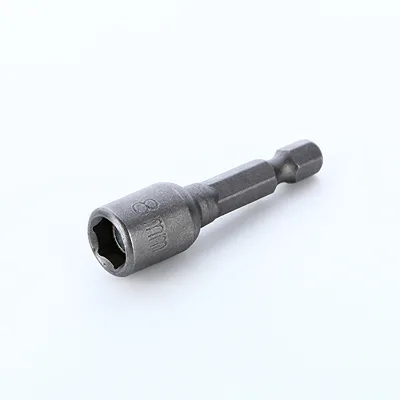
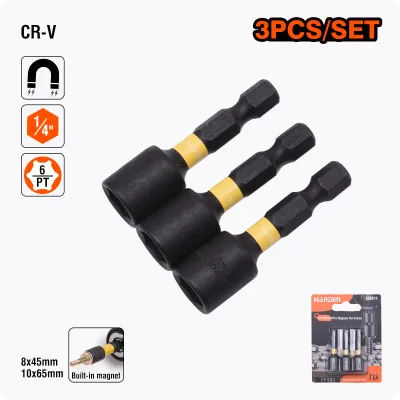
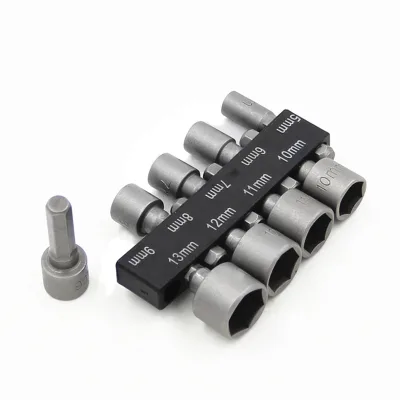
Product-level attributes deserve equal weight. Listings in this category disclose sizes such as 65mm and lengths in the 42 to 150mm range, magnetic hex nut setters in multiple diameters, materials such as chrome vanadium steel and high carbon steel, and packing options including bulk, blister and plastic box. Compare grade positioning too, since some listings mark products for both DIY and industrial use. Price ranges displayed in the results span from roughly 0.10 to 1.20 US dollars per piece depending on product and specification, so always request a quotation for your exact configuration rather than relying on listed minimums. Score each supplier on the same weighted criteria so the final shortlist reflects evidence, not presentation quality.
Common Hexagon Driver Magnetic Nut Setter Sourcing Risks
The most frequent risk in this category is assuming a listed attribute transfers to your order. A displayed MOQ, lead time or price reflects a specific product configuration; changing the diameter, length, magnet strength or packing can change all three. A listing showing a 45-day lead time and another showing 23 days tell you little about your order unless the supplier confirms the schedule for your quantity and customization level. Similarly, a supplier verified by a third-party inspection body may still subcontract part of production, so confirm where your nut setters will actually be made.
Quality risks concentrate in the magnet and the socket crimp. Weak or poorly secured magnets cause nuts to drop during overhead driving, which is the primary failure buyers report for this product type. Specify magnet pull strength, wall thickness and hexagonal tolerance in your drawing, and test samples under realistic torque and impact conditions. Another risk is scope creep in certification claims: an ISO listing on a product page is not the same as a factory system certificate, so verify which document exists and who issued it. Communication risk is measurable here, as displayed response times range from about four to over eight hours; slow pre-sales replies often predict slow problem resolution. Finally, avoid single-supplier dependency for a low-value, high-volume consumable like this one.
Hexagon Driver Magnetic Nut Setter Regional Sourcing and Logistics
The supplier evidence for this category points to two eastern Chinese provinces, Jiangsu and Anhui, as the sourcing base represented in current results. Jiangsu suppliers list broad hardware and hand tool portfolios including measuring tools, power tool accessories and kitchen hardware, which suggests mature export logistics and freight-forwarder familiarity in that province. Anhui results center more tightly on screwdriver bits, bit holders, nut setters and socket sets, indicating a specialized bit-manufacturing cluster. When a category shows no cluster data, buyers should identify candidate regions independently by filtering supplier results by province, checking which locations appear repeatedly for the same product keywords, and noting where specialized upstream processes such as heat treatment and plating are available nearby.
Logistics planning should account for the product's physical profile: magnetic nut setters are small, dense and typically packed in bulk cartons or blister packs, so freight cost is dominated by weight rather than volume. Confirm carton dimensions, gross weight and packing type per 1,000 pieces when comparing quotes, because bulk packing and blister packing yield different container utilization. Several suppliers in these results display lead times between roughly 23 and 45 days, so build buffer time for peak shipping seasons and port congestion. Ask whether the supplier ships from a nearby port or consolidates through another city, and who books freight under your chosen Incoterm.
Hexagon Driver Magnetic Nut Setter Commercial Terms and Order Planning
Commercial terms should be negotiated around the variability visible in this category. Displayed price ranges run from roughly 0.10 to 1.20 US dollars per piece across different nut setter products, and MOQs range from 10 to 1,000 pieces depending on the listing, so anchor negotiations on your exact specification. Request tiered quotations at multiple quantity breaks, since the step from a 500-piece trial to a 5,000-piece reorder often unlocks better pricing without new tooling. Clarify what customization is included: several listings advertise OEM and ODM support, but logo printing, custom colors and retail-ready packaging are usually priced and MOQ'd separately from bulk stock configurations.
Order planning should reflect lead times of roughly 23 to 45 days observed among these suppliers, plus sample iteration before production. Structure your first order as a paid sample run, then a pilot batch at the confirmed MOQ, and reserve larger volumes until first-article inspection and field testing pass. Define payment terms that balance risk, such as a deposit with balance after inspection, and confirm whether any escrow or platform-protected payment option applies to the specific supplier, since not all listings show this. Specify inspection criteria in the purchase contract, including magnetic strength, dimensional tolerance and packing counts. Finally, plan reorders against the supplier's realistic response speed; with displayed averages between roughly four and eight hours, build approval cycles into your calendar rather than assuming same-day confirmations. Document every agreed term in writing before production begins.
(Word count check: approximately 1,395 words)
FAQs
What is the price range for hexagon driver magnetic nut setters?
Prices for these tools typically range from $0.10 to $1.20 per unit depending on specifications. Bulk orders often secure lower rates, with minimum order quantities starting at ten pieces for some items. Higher MOQs of 500 or 1000 units may reduce costs further. Buyers should verify exact pricing based on material grade and customization needs.
What certifications do these suppliers hold?
Manufacturers often hold ISO 9001 and BSCI certifications to ensure quality management standards. Some suppliers also possess SGS or TÜV Rheinland verification for product reliability. These credentials indicate adherence to international manufacturing protocols. Buyers should request current certificates to confirm compliance with specific industry requirements before placing large orders.
What are the typical lead times for production?
Production lead times generally range from 23 to 45 days depending on order volume and customization. Standard items may ship faster, while OEM or ODM requests require additional processing time. Suppliers located in Jiangsu and Anhui provinces offer varying schedules. Buyers should confirm exact timelines with the supplier to align with project deadlines.
What materials are used in these nut setters?
Common materials include Chrome Vanadium Steel and High Carbon Steel for durability. These metals provide strength for industrial and DIY applications. Some products feature magnetic tips for holding nuts securely during operation. Buyers should specify material preferences to ensure the tool meets the required torque and wear resistance standards.
Do suppliers offer OEM and ODM services?
Yes, many manufacturers support both OEM and ODM customization options. Buyers can request specific branding, packaging, or design modifications. Customization is available for various sizes and models, including hex shank bits. Suppliers in China offer these services to meet diverse market needs and private label requirements.
What is the minimum order quantity for these tools?
Minimum order quantities vary significantly, starting as low as ten pieces for some items. Other products require 500 or 1000 units per order. Lower MOQs are often available for standard configurations, while custom designs may have higher thresholds. Buyers should check specific product listings to determine the applicable minimum for their purchase.
Where are these suppliers located?
Suppliers are primarily located in China, specifically in Jiangsu and Anhui provinces. These regions are known for manufacturing hardware and hand tools. Buyers can filter results by location to find suppliers closer to their logistics hubs. Proximity may impact shipping costs and delivery times for international orders.