Woodwork 90 Degree Angle Ruler Suppliers and Manufacturers
Source Woodwork 90 Degree Angle Ruler options from 30 verified suppliers. Compare key dimensions including lead times, MOQs, and response speeds to identify the right partner. Contact suppliers directly to request quotes and verify production capabilities; review the available evidence before requesting comparable quotations from suitable candidates.
Updated
Suppliers List
Foshan Zanqian Machinery Equipment Co., Ltd.
- Manufacturer, Trading Company
- Guangdong, China
- Lead time30 days
- Avg. response≤ 17h
Main productsAuto Line Drill Guide/Concealed Hinge Jig/Dowel Jig Kit/Parallel Guide System/Pocket Hole Jig
Main marketsDomestic Market(55.00%), North America(15.00%), Western Europe(15.00%), Southeast Asia(5.00%), South America(5.00%), Mid East(5.00%)

Shanxi Guangna Impex Co., Ltd.
- Trading Company
- Shanxi, China
- Lead time7 days
- Avg. response≤ 5h
Main productsGlass cutter,diamond tools,Drill bits,Hole Saws,Wood Jig
Main marketsNorth America(40.00%), South America(20.00%), South Asia(10.00%), Eastern Europe(7.00%), Mid East(6.00%), Northern Europe(5.00%), Central America(5.00%), Western Europe(5.00%), Southeast Asia(2.00%)

Shenzhen Alisi Electronic Technology Co., Ltd.
- Trading Company, Distributor/Wholesaler
- Guangdong, China
- Lead time3 days
- Avg. response≤ 2h
Main productselectron component,temperature controller,Auto parts,sensor,Wireless Controller
Main marketsSouth America(20.00%), Eastern Europe(20.00%), North America(15.00%), Western Europe(5.00%), Domestic Market(5.00%), South Asia(5.00%), Southern Europe(5.00%), Northern Europe(5.00%), Central America(5.00%), Eastern Asia(3.00%), Mid East(3.00%), Oceania(3.00%), Africa(3.00%), Southeast Asia(3.00%)

Orientools Industrial Co., Ltd.
- Verified by TUVRHEINLAND
- Trading Company,Manufacturer/Factory
- China Shanghai
- Lead time45 days
- Avg. response≤ 7h
Main productsFolding Ruler, Carpenter Pencil, Plastic Digital Vernier Caliper, Bubble Level Vial, Square Ruler, Stainless Steel Ruler, Height Gauge, Indicator
Main marketsSouth America,Eastern Europe,North America,Southeast Asia,Eastern Asia,Western Europe


Customized Construction Measuring Wood Folding Ruler Multifunctional Angle Ruler
$1.00 - $1.30
MOQ: 1000 pieces


Kales Tool Industry & Trade Co., Ltd.
- Verified by SGS
- Trading Company
- China Zhejiang
- Lead time30 days
- Avg. response≤ 13h
Main productsMeasuring Tools, Garden Tools, Handware Tools, Diamond Tools, Spirit Levels, Hand Tools
Main marketsSouth America,Southeast Asia/ Mideast,Europe

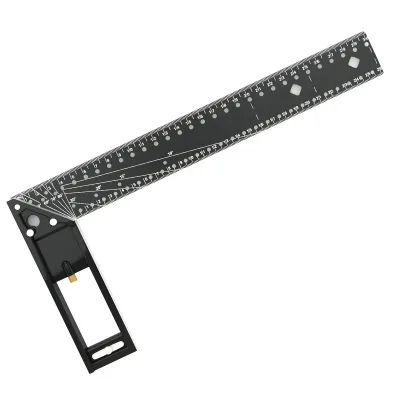
Woodworking Measuring 16 Inches 400mm 90 Degree Try Square Ruler with Angle
$1.80 - $2.00
MOQ: 500 Pieces


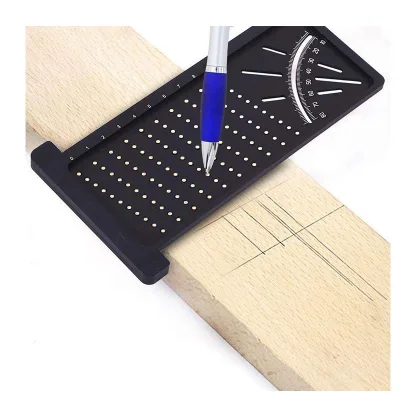
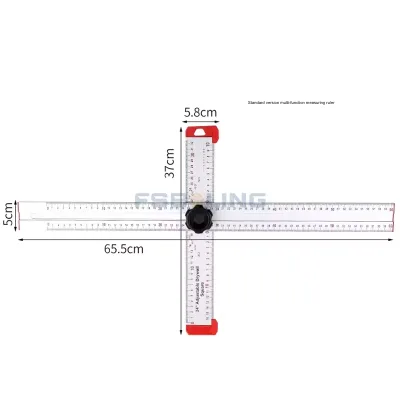
T-Shaped Movable Angle Ruler High Precision Square High Precision Woodworking Scribing Ruler
$0.96 - $1.00
MOQ: 500 Pieces


180 Degree Protractor Angle Ruler Stainless Steel Measuring Tool 198X53X14mm for Woodworking
$2.80 - $3.00
MOQ: 500 Pieces
Shenzhen Jindan Technology Co., Ltd.
- Trading Company
- Guangdong, China
- Lead time7 days
- Avg. response≤ 12h
Main productsStep Drill,Milling Cutter,Woodworking Locator,Saw,Pumps
Main marketsNorth America(40.00%), South America(20.00%), Eastern Europe(10.00%), Western Europe(6.00%), Northern Europe(5.00%), Southeast Asia(5.00%), Africa(5.00%), Eastern Asia(4.00%), Central America(2.00%), Oceania(2.00%), Mid East(1.00%)
Shenzhen Handiier Technology Co.,Ltd
- Manufacturer, Trading Company
- Guangdong, China
- Lead time10 days
- Avg. response≤ 12h
Main productsshaver,shaving accessories,hair trimmer,Vacuum Cleaner Parts,Air Purifier Parts
Main marketsNorth America(50.00%), Eastern Europe(10.00%), South America(10.00%), Northern Europe(5.00%), Central America(4.00%), Western Europe(3.00%), South Asia(3.00%), Southern Europe(3.00%), Oceania(3.00%), Eastern Asia(2.00%), Mid East(2.00%), Southeast Asia(2.00%), Domestic Market(2.00%), Africa(1.00%)

Ningbo Zhixin Metal Product Co., Ltd
- Verified by TUVRHEINLAND
- Trading Company,Manufacturer/Factory
- China Zhejiang
- Lead time0 days
- Avg. response≤ 7h
Main productsFastener, Tool Set, Sheet Metal Fabrication, Metal Stamping Part, CNC Machining Parts

Zhixin High Precision 90 Degree Angle Gauge Right Measuring Tool Ruler for Woodworking Drawing
$6.50 - $7.00
MOQ: 300 Pieces

Sichuan Larix Machinery Corp., Ltd.
- Trading Company
- Sichuan, China
- Lead time15 days
- Avg. response≤ 8h
Main productsCutting Tools, Power Tools, Measuring Tools, Hand Tools, Abrasive Tools
Main marketsWestern Europe(40.00%), North America(30.00%), South America(20.00%), Southeast Asia(10.00%)
Shenzhen iSmart Electronic Co., Ltd.
- Verified by Intertek
- Trading Company
- Lead time0 days
- Avg. response≤ 2h
Main productsSensor Module, Power supply converter, Hardware Tools, Educational equipment, Temperature controller
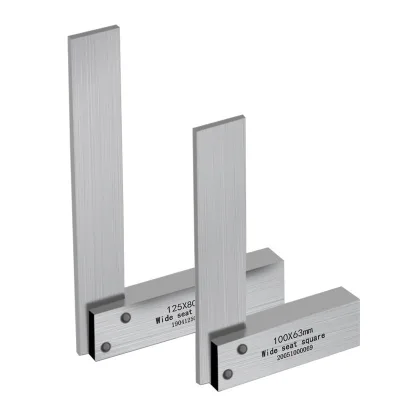
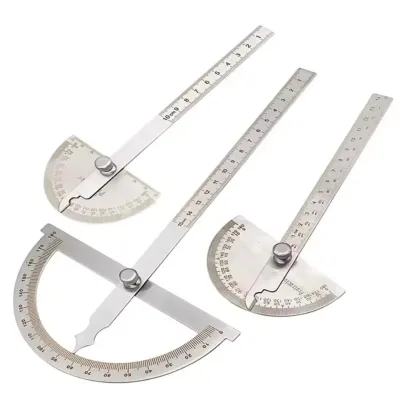
$0.7405 - $1.0218
MOQ: 10 Minimum

- Verified by TUVRHEINLAND
- Trading Company
- China Sichuan
- Lead time23 days
- Avg. response≤ 11h
Main productsHandtools, Cutting Tools, Drill, Power Tools
Main marketsSouth America,Africa,Southeast Asia/ Mideast,East Asia(Japan/ South Korea),Europe,Australia,North America
Shandong Sikeda Hardware Tools Co., Ltd.
- Verified by Intertek
- Trading Company
- Lead time0 days
- Avg. response≤ 2h
Main productsWire Stripper, Pruning Shears, Measuring Tape, Hammer, Glue Gun
Main marketsNorth America(40%), Africa(30%), Mid East(20%)

Suzhou Toryin Trading Co., Ltd.
- Trading Company
- Jiangsu, China
- Lead time30 days
- Avg. response≤ 4h
Main productsHand Tools,Car Tools,Outdoor Tools,Garden Tools,Kitchen Tools
Main marketsSouth America(21.00%), North America(18.00%), Western Europe(8.00%), Eastern Europe(8.00%), Southern Europe(7.00%), Domestic Market(7.00%), Central America(5.00%), Southeast Asia(5.00%), Northern Europe(5.00%), Africa(5.00%), South Asia(3.00%), Eastern Asia(3.00%), Mid East(3.00%), Oceania(2.00%)
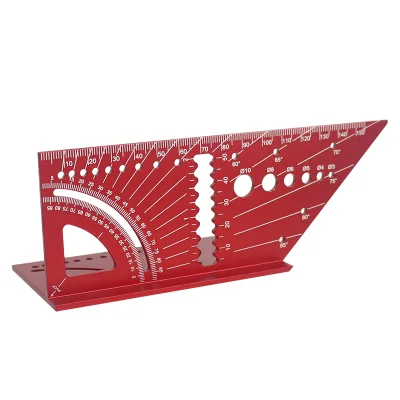
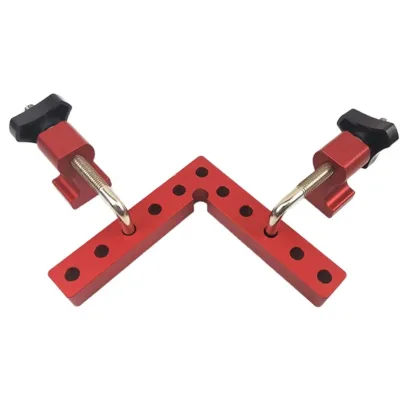
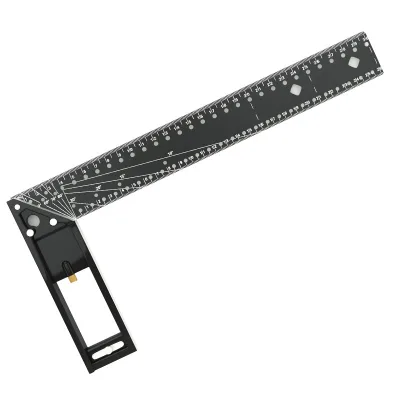
$7.6775 - $10.8939
MOQ: 20 Minimum
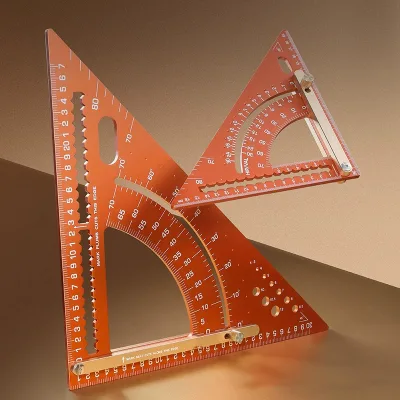
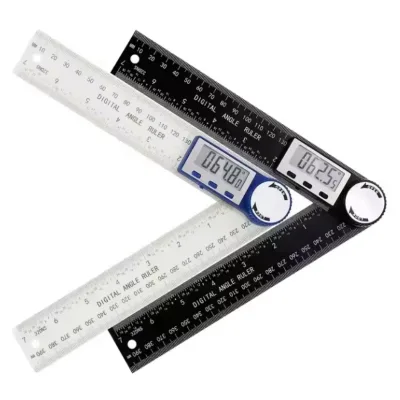
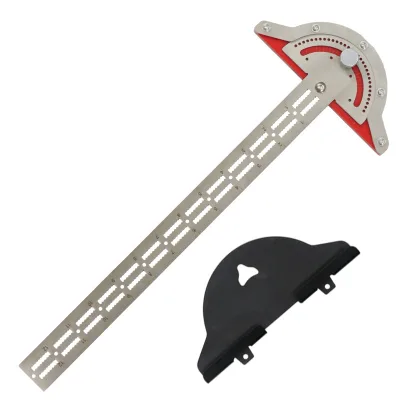
$3.185 - $5.1073
MOQ: 100 Minimum

- Verified by CTI
- Combined
- China Zhejiang
- Lead time23 days
- Avg. response≤ 7h
Main productsCordless Hedge Trimmer, Garden Thatch Rake, Lawn Aerator Tool
Main marketsDomestic,Europe,North America
- Manufacturer, Trading Company
- Jiangsu, China
- Lead time30 days
- Avg. response≤ 8h
Main productsTwist Drill Bits,Saw Blade,Taps,Hole Saw,Tool Accessories
Main marketsNorth America(28.00%), Western Europe(25.00%), Domestic Market(20.00%), Southeast Asia(15.00%), South America(2.00%), Eastern Europe(2.00%), Mid East(2.00%), Southern Europe(1.00%), Central America(1.00%), Oceania(1.00%), South Asia(1.00%), Eastern Asia(1.00%), Africa(1.00%)

Shenzhen Blackwhiteins Technology Co., Ltd.
- Manufacturer, Trading Company
- Guangdong, China
- Lead time10 days
- Avg. response≤ 4h
Main productsHardware tools,Electric hardware tools
Main marketsNorth America(23.00%), Southeast Asia(22.00%), South America(12.00%), Northern Europe(12.00%), Africa(9.00%), Western Europe(8.00%), Mid East(8.00%), Eastern Europe(5.00%), Southern Europe(1.00%)

Yangjiang Yingpo Technology Co., Ltd.
- Verified by CTI
- Combined
- China Guangdong
- Lead time23 days
- Avg. response≤ 3h
Main productsAluminum Alloy Triangle Ruler, The Upgraded Cutting Machine's Reliable Support, Round Corner Cutting Mold, Handle Installation Positioning Gauge, Aluminum Alloy Cabinet Door Auxiliary Device, Aluminum Alloy Quick Clamp, Right Angle Clamp, Side-Mounteddrawer Clip, Handle-Free Grooving Template, 35mmhinge Positioning Hole Punch
Main marketsDomestic


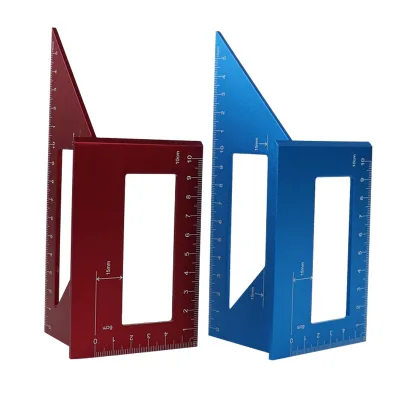
Angle Ruler Folding 90 45 Degree Multifunctional Woodworking Measuring Marking Scribing Tool
$4.32 - $4.80
MOQ: 10 Pieces


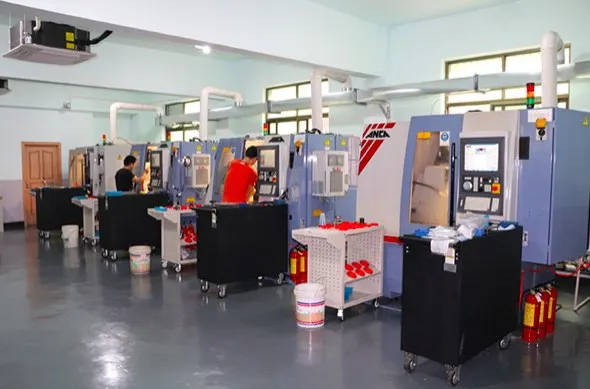
Yuncheng Lisca Tools Co., Ltd.
- Trading Company
- Shanxi, China
- Lead time3 days
- Avg. response≤ 4h
Main productsHand tools,router bits,End Mills,diamonds tools,Wood Jig
Main marketsNorth America(40.00%), Southeast Asia(30.00%), South America(10.00%), Northern Europe(8.00%), Mid East(5.00%), South Asia(3.00%), Domestic Market(2.00%), Central America(2.00%)
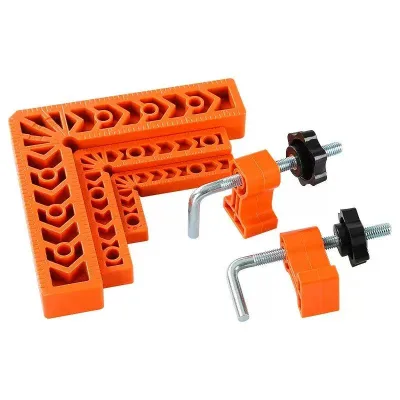
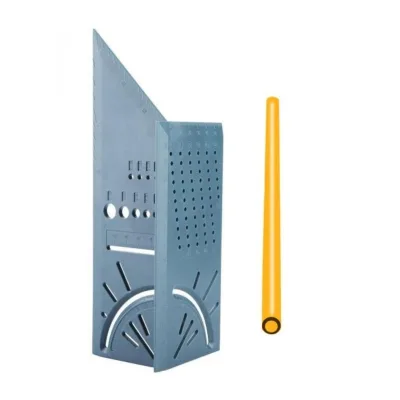
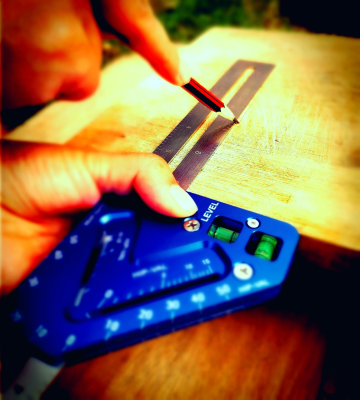
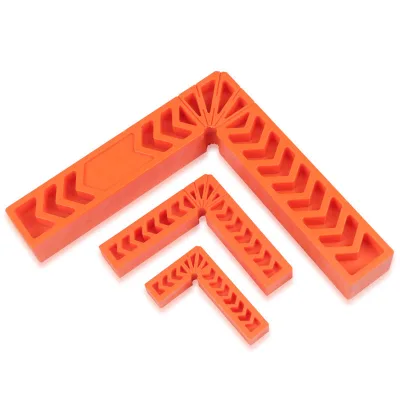
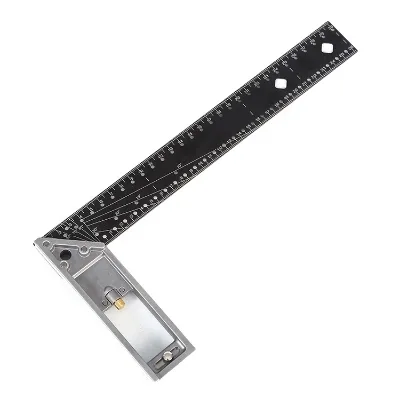
L-HT116/2 Square Right Angle 90 Degrees L Shape Woodworking Position Ruler
$0.30 - $1.55
MOQ: 50 Minimum

- Verified by TUVRHEINLAND
- Manufacturer/Factory
- China Zhejiang
- Lead time23 days
- Avg. response≤ 3h
Main productsHand Tool, Measuring Tools, Tool Set, Building Tools
Main marketsMid East,North America

Adjustable Ruler Durable Woodworking Multi Angle Measuring Tool Plastic Scale Four Folding Ruler
$0.80 - $0.90
MOQ: 1000 Pieces

Measuring Tools 24" 48" Aluminium Foldable Triangle Ruler for Woodworking Hand Tools
$4.60 - $4.80
MOQ: 1000 Pieces

- Verified by SGS
- Trading Company,Manufacturer/Factory
- China Jiangsu
- Lead time45 days
- Avg. response≤ 7h
Main productsTrowel, Pliers, Tool Set, Socket Set, Adjustable Wrench, Knife, Hand Saw, Safety Googles, Hammer, Shear
Main marketsSouth America,Eastern Europe,North America,Western Europe,Africa

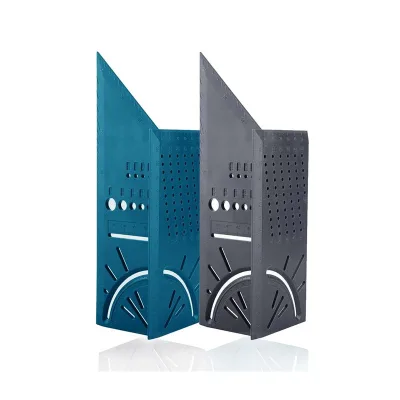
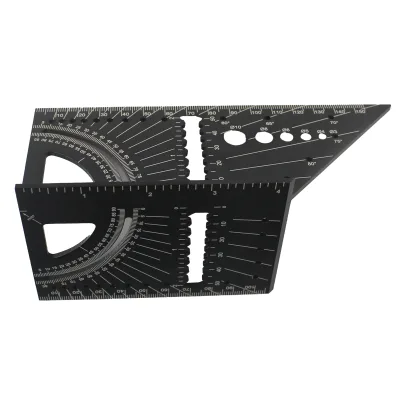
3D Mitre Angle Measuring Woodworking Square Aluminum Alloy Ruler (FX-S23)
$4.50 - $5.00
MOQ: 1000 Pieces

Aluminum Alloy Woodworking Triangle Ruler Square Positioning Ruler (FX-S25)
$4.30 - $4.85
MOQ: 1200 Pieces

Yiwu Xiangyue E-Commerce Co., Ltd.
- Trading Company
- Zhengjiang, China
- Lead time12 days
- Avg. response≤ 3h
Main productsTools and accessories,Product customization,Life tools,Household tools,Gardening tools
Main marketsNorth America(60.00%), Southeast Asia(30.00%), Domestic Market(10.00%)

Danyang Hesheng Tools Co., Ltd.
- Manufacturer, Trading Company
- Jiangsu, China
- Lead time3 days
- Avg. response≤ 6h
Main productsHardware Tools
Main marketsDomestic Market(50.00%), North America(10.00%), Eastern Europe(7.00%), Africa(3.00%), South Asia(3.00%), Eastern Asia(3.00%), Northern Europe(3.00%), Central America(3.00%), South America(3.00%), Southeast Asia(3.00%), Western Europe(3.00%), Mid East(3.00%), Oceania(3.00%), Southern Europe(3.00%)

Zhangzhou Green-Lake Import & Export Co., Ltd.
- Verified by TUVRHEINLAND
- Trading Company
- China Fujian
- Lead time15 days
- Avg. response≤ 16h
Main productsCanned Food
Main marketsSouth America,Eastern Europe,Mid East,North America,Southeast Asia,Eastern Asia,Oceania,Western Europe,Africa

Qingdao Keruiwo Intelligent Technology Co., Ltd.
- Trading Company
- Shandong, China
- Lead time15 days
- Avg. response≤ 1h
Main productsMeasuring tools,digital caliper,micrometer,Instruments and meters,Hardware Tools
Main marketsDomestic Market(20.00%), Northern Europe(20.00%), Eastern Europe(10.00%), North America(10.00%), Western Europe(10.00%), Eastern Asia(10.00%), Mid East(10.00%), Southeast Asia(10.00%)

Jinjiang Jiayi Supply Chain Management Co., Ltd.
- Verified by BV
- Trading Company
- China Fujian
- Lead time30 days
- Avg. response≤ 2h
Main productsGift, Shoe, Garment, Machine
Main marketsDomestic
Foshan Boling Technology Co., Ltd.
- Trading Company
- Guangdong, China
- Lead time10 days
- Avg. response≤ 5h
Main productsWoodworking Saw Table/Edge Bonding Machine/Wood Planner/CNC Woodworking Machine, Hardware Tool
Main marketsNorth America(20.00%), South America(20.00%), Western Europe(20.00%), Eastern Europe(10.00%), Mid East(10.00%), South Asia(5.00%), Southern Europe(5.00%), Northern Europe(5.00%), Southeast Asia(5.00%)

Yiwu Homey Daily Necessity Factory
- Trading Company
- Zhejiang, China
- Lead time10 days
- Avg. response≤ 4h
Main productsToilet Brush,Blackhead Needles,Door & Window Accessories,Baby Supplies & Toothbrush,Tool
Main marketsSouth America(32.00%), Eastern Europe(22.00%), Western Europe(12.00%), North America(9.00%), Southeast Asia(6.00%), South Asia(4.00%), Southern Europe(3.00%), Mid East(3.00%), Oceania(2.00%), Eastern Asia(2.00%), Central America(2.00%), Africa(2.00%), Northern Europe(1.00%)
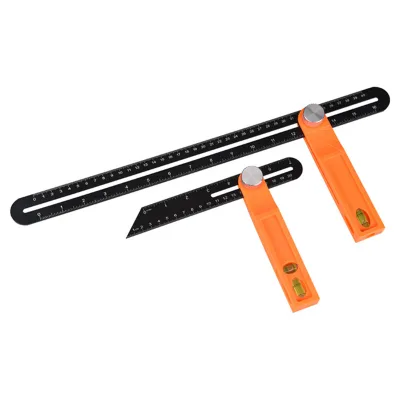
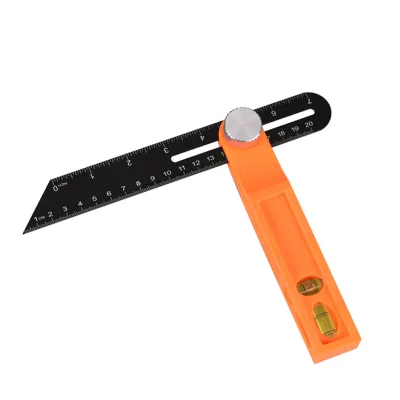
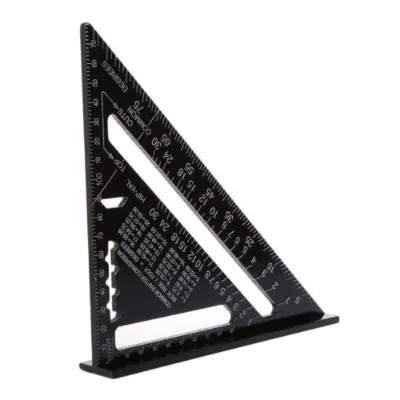
T-shaped Movable Angle Ruler High Precision Square High Precision Woodworking Scribing Ruler
$2.0495 - $5.1238
MOQ: 20 pieces
$2.054 - $5.1343
MOQ: 10 pieces
$2.5896 - $5.1672
MOQ: 10 pieces

- Verified by BV
- Combined
- China Jiangsu
- Lead time23 days
- Avg. response≤ 5h
Main productsHandtools, Hardware, Kitchen Tools Kitchen Ware, Garden Tools, Camping Tool, Carfts and DIY Tools, Smiletools&Smilegifts&Ldk Metal&Smilefitness, Measuring Tools, Power Tools Accessories, Candle Tools
Main marketsDomestic,Europe,North America

Hebei Sinotools Industrial Co., Ltd.
- Verified by CTI
- Trading Company
- China Hebei
- Lead time30 days
- Avg. response≤ 2h
Main productsScrewdriver, Plier, Wrench, Hammer, Tape Measure, Pruning Shear, Knife, Tool Set
Main marketsEurope

Shenzhen Pride Instrument Inc.
- Verified by SGS
- Trading Company,Manufacturer/Factory
- China Guangdong
- Lead time0 days
- Avg. response≤ 25h
Main productsHardness Testers Rocwell Testers Durometers, Measuring Tools Micrometers Dial Gauges, Force Gauges Torque Gauges Torque Wrenches, Metallographic Equipments Cutting Machines, Non Destructive Testing Coating Thickness Gauges, Optical Instruments Video Measuring Machines, Material Testing Machines Impact Testing Machine, Paint Testing Equipments DIN Cups Grind Gauges, Electronic Instruments Tachometers Refractometer, Hardwares Tools
Main marketsSouth America,Eastern Europe,Mid East,North America,Southeast Asia,Eastern Asia,Oceania,Western Europe,Africa
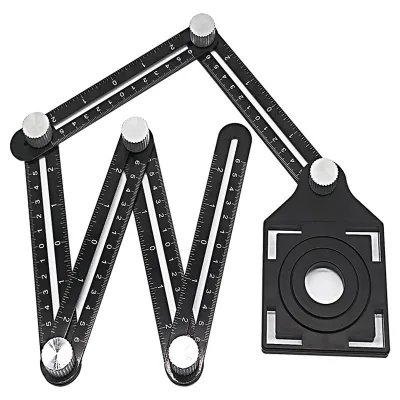
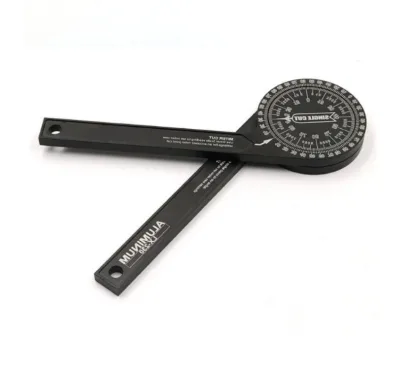
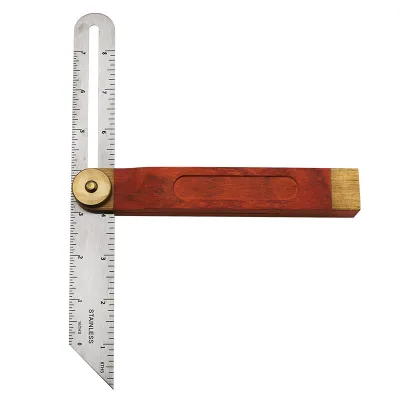
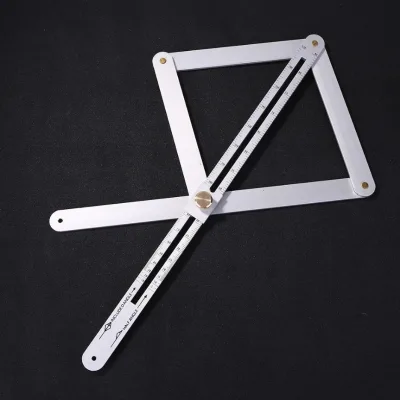
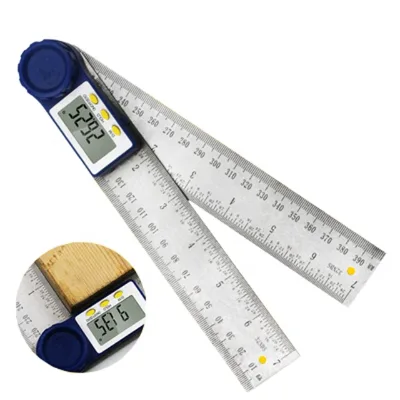
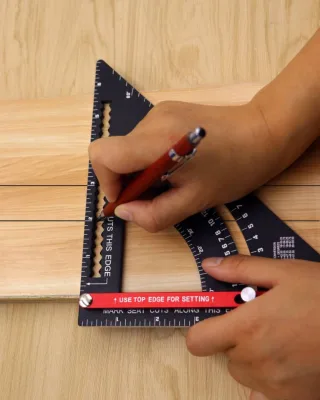
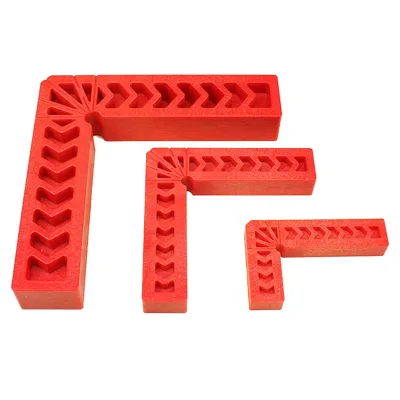
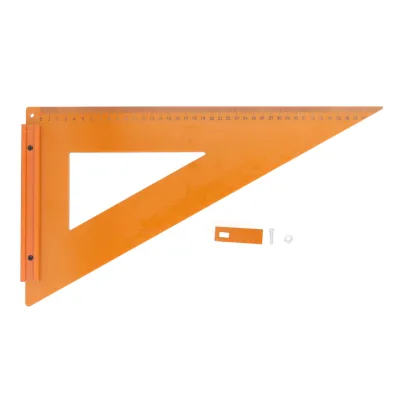
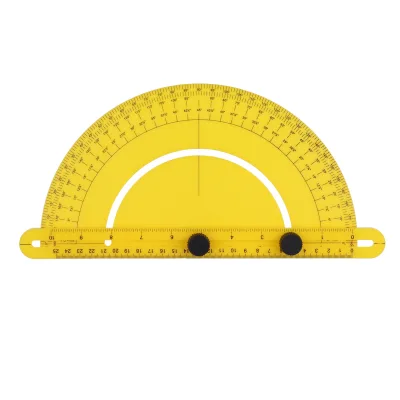
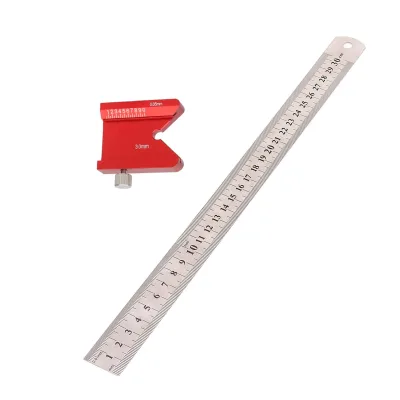
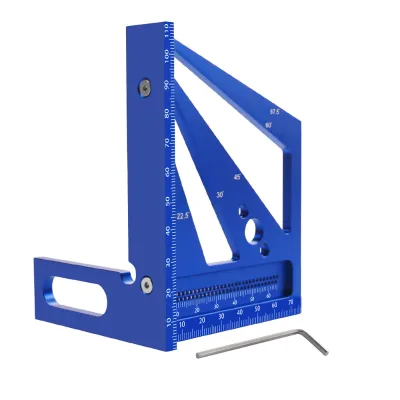
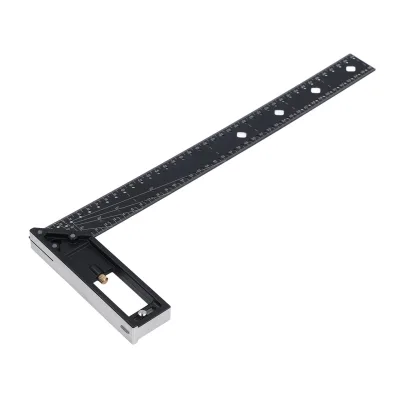
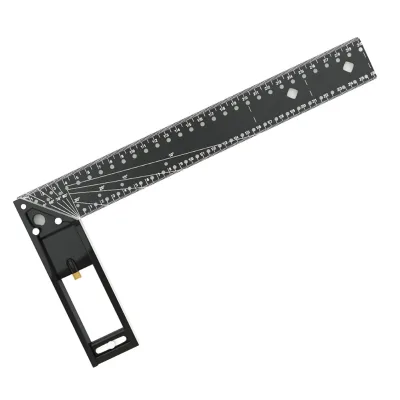
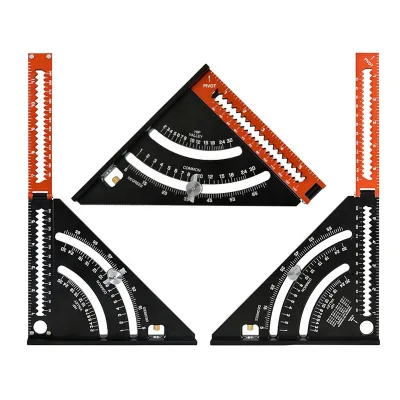
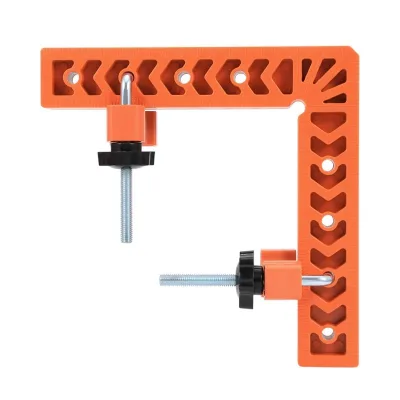
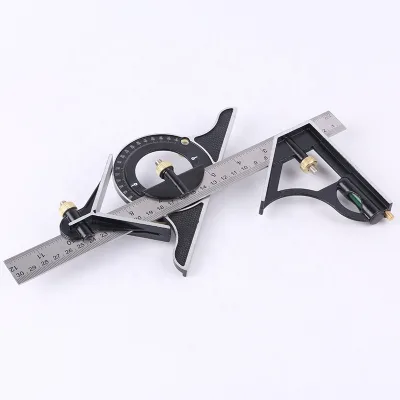


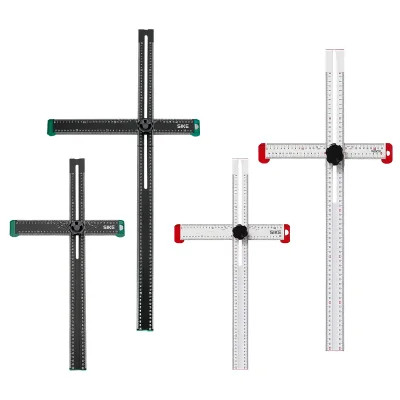
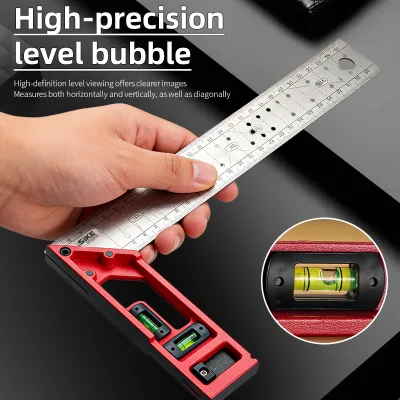


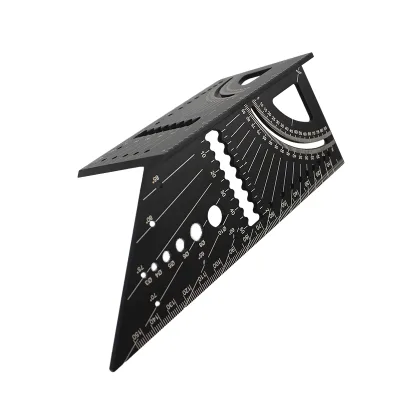
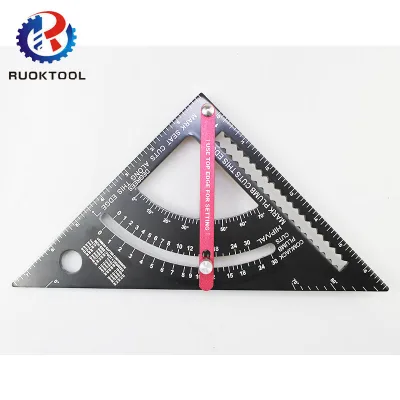
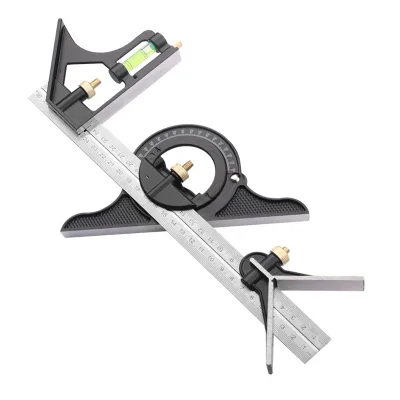
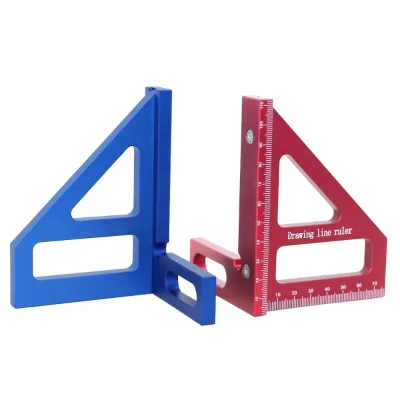
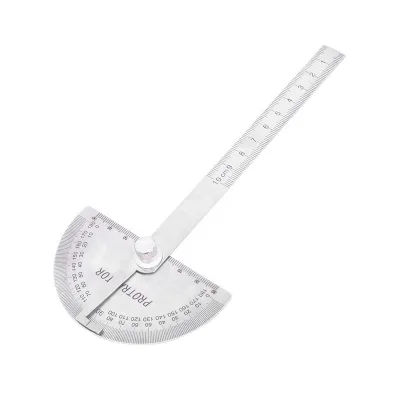
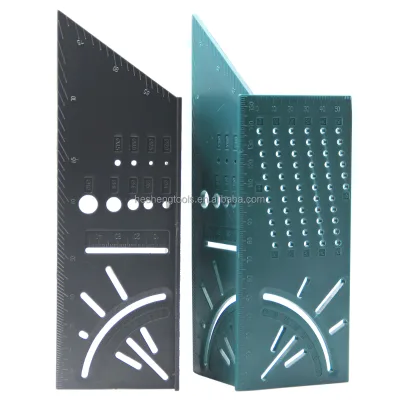







Comprehensive Sourcing Guide
Woodwork 90 Degree Angle Ruler Supplier Concentration and Factory Types
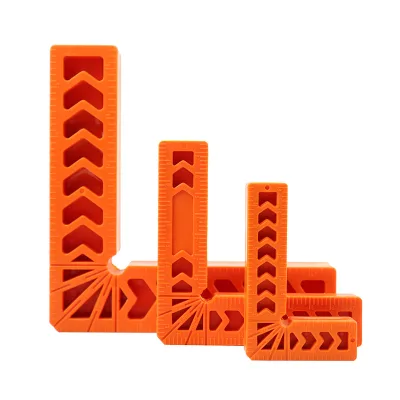
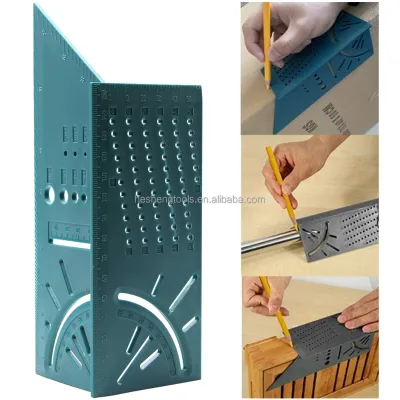
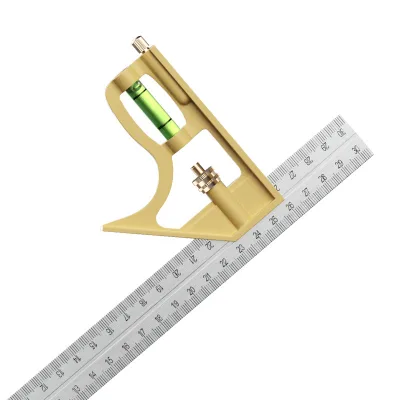
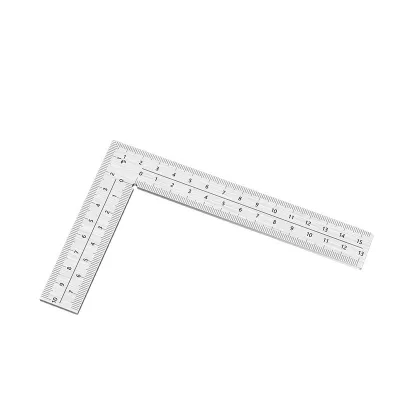
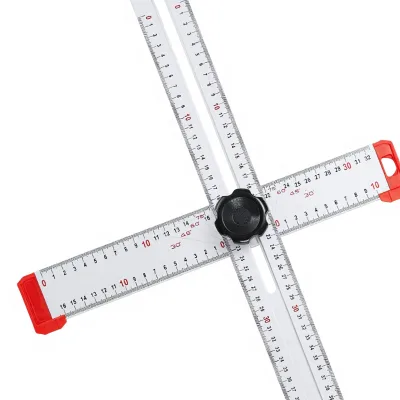
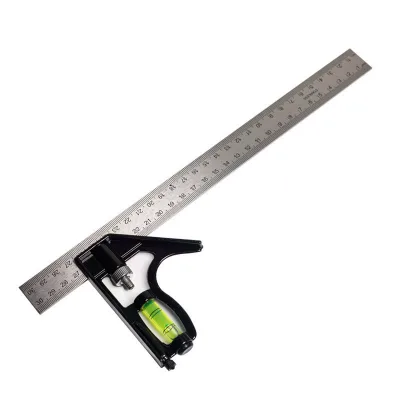
The current supplier landscape for woodwork 90 degree angle rulers shows a distinct concentration in Guangdong, China, where manufacturers and trading companies operate together. These entities often list main products including auto line drill guides, concealed hinge jigs, and dowel jig kits alongside precision measuring tools. The presence of both manufacturer and trading company types in this region suggests a robust ecosystem capable of handling both direct production and distribution needs. Buyers observing this data should note that the specific location of Guangdong is a verified fact for these results, indicating a potential hub for aluminum alloy and engineering plastic tooling.
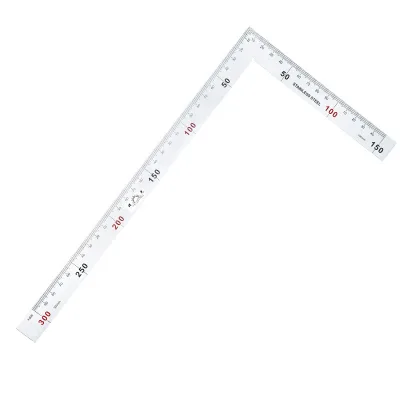
In contrast, other verified results indicate a separate cluster in Shanxi, China, dominated by trading companies specializing in glass cutters, diamond tools, and wood jigs. This region demonstrates a different operational profile, with suppliers focusing on items like ABS angle square rulers and high-quality L-shaped woodworking position rulers. The distinction between these two locations is critical for buyers assessing supply chain proximity and logistics. While Guangdong suppliers may offer OEM and ODM support for aluminum alloy products, Shanxi-based trading companies often provide industrial-grade plastic tools with specific warranty terms. Understanding these geographic and structural differences helps buyers align their sourcing strategy with the specific material and manufacturing capabilities required for their projects.
How to Verify Woodwork 90 Degree Angle Ruler Suppliers
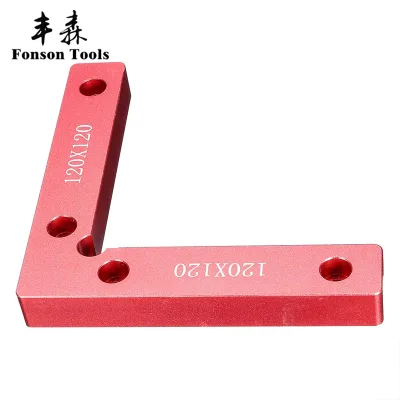
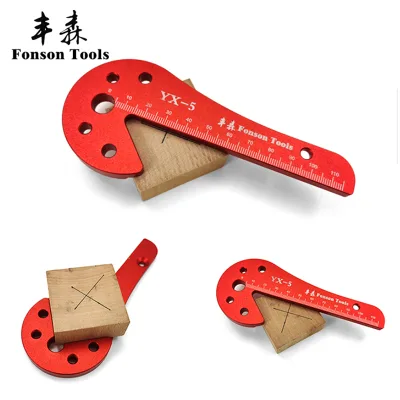
Verification begins by cross-referencing the stated location with the product evidence provided in the supplier listings. For instance, if a supplier claims to be in Guangdong, buyers should confirm that their product attributes list the place of origin as Guangdong, China, and that the material specifications match, such as Aluminium 6061 or engineering plastic. The presence of specific model numbers like YX-5 or GND-W0055 alongside detailed attributes like weight and single package size adds a layer of verifiable data. Buyers must ensure that the brand name, such as Fonson or GND, is consistently applied across the product name, keywords, and attribute fields to avoid discrepancies that might indicate a reseller rather than a direct source.
Response time and lead time are also critical verification metrics that buyers should scrutinize before proceeding. The data shows response times ranging from 5 to 17 units, which can indicate the efficiency of the communication channel. A supplier with a 5-unit response time may offer faster negotiation cycles, while a 17-unit response time might suggest a larger volume of inquiries or a different operational structure. Additionally, buyers should verify the company type listed as either Manufacturer or Trading Company, as this dictates the level of control over the production process. Confirming these details ensures that the supplier can meet the specific timeline and quality expectations required for the Woodwork 90 Degree Angle Ruler order.
What to Compare Across Woodwork 90 Degree Angle Ruler Suppliers
When comparing suppliers, the primary focus should be on the Minimum Order Quantity (MOQ) and the associated price points. Evidence shows that some suppliers offer an MOQ of just 1 piece, which is ideal for prototyping or small batch orders, while others require a minimum of 2 pieces. The price range for these items varies significantly, with some listings showing a minimum price of 0.37 and a maximum of 0.45, while others range from 5.50 to 6.60. Buyers must evaluate whether the lower price point corresponds to the desired material quality, such as ABS plastic versus aluminum alloy, and whether the higher price includes additional features like accurate scales or specific color options.
Another vital comparison point is the customized support and warranty terms offered by different suppliers. The data indicates that many suppliers provide OEM and ODM support, allowing for brand customization and specific design modifications. However, warranty terms vary, with some products explicitly stating a 3-year warranty while others do not list a warranty period. Buyers should also compare the packing specifications, such as carton boxes versus individual packaging, and the port of dispatch, which may be Shenzhen or Guangzhou. These logistical details directly impact the total cost of ownership and the ease of receiving the goods, making them essential factors in the supplier selection process.
Common Woodwork 90 Degree Angle Ruler Sourcing Risks
One significant risk involves the discrepancy between the stated material and the actual product received, particularly when dealing with trading companies. While some listings specify Aluminium 6061, others list engineering plastic or ABS, and buyers must ensure the material matches their application requirements. If a supplier claims to be a manufacturer but the product attributes suggest a trading company structure, there is a risk of reduced quality control over the production process. This is especially relevant for tools requiring high precision, such as those used for woodworking angle marking, where material integrity is paramount for accurate measurements.
Another risk is the variability in lead times and response speeds, which can disrupt project schedules. The observed response times range from 5 to 17 units, and lead times can extend up to 30 units for certain suppliers. If a buyer requires urgent delivery, a supplier with a longer lead time or slower response rate may not be suitable. Furthermore, the lack of standardized certifications or test results in the provided data means buyers cannot assume compliance with international safety or quality standards without direct verification. Relying solely on the provided product attributes without independent validation can lead to receiving products that do not meet the necessary industrial or DIY grade specifications.
Woodwork 90 Degree Angle Ruler Regional Sourcing and Logistics
Regional sourcing decisions should be heavily influenced by the verified locations of the suppliers, specifically Guangdong and Shanxi in China. Suppliers in Guangdong often dispatch from ports like Shenzhen or Guangzhou, which are major logistics hubs facilitating efficient international shipping. This proximity to major ports can reduce transit times and potentially lower freight costs for buyers importing from this region. The concentration of manufacturers in Guangdong also suggests a mature supply chain for aluminum alloy tools, which may offer more consistent quality and faster turnaround times for custom orders.
In contrast, suppliers located in Shanxi may have different logistical profiles, potentially relying on different transport networks to reach international buyers. While the specific ports of dispatch for Shanxi-based suppliers are not explicitly detailed in the current data, buyers should verify the shipping terms and estimated transit times before committing to an order. The single package size and weight, such as 26X18X15 cm or 30X30X4 cm, are critical factors for calculating shipping costs and determining the most economical freight method. Buyers must also consider the impact of regional holidays and infrastructure on lead times, ensuring that the chosen supplier can meet the delivery deadlines required for their specific woodwork projects.
Woodwork 90 Degree Angle Ruler Commercial Terms and Order Planning
Commercial terms such as payment methods and packing specifications are essential components of order planning that buyers must review carefully. The data indicates that common payment methods include T/T and L/C, which offer different levels of security and flexibility for both buyers and sellers. Buyers should assess which payment method aligns with their financial policies and risk tolerance, especially when dealing with new suppliers. Additionally, the packing details, such as carton boxes or specific single package sizes, influence how the goods are handled during transit and storage, affecting the overall condition of the products upon arrival.
Order planning must also account for the specific product attributes and customization options available. Suppliers offering OEM and ODM support allow for tailored solutions, but buyers need to confirm the minimum order quantities and lead times associated with these customizations. The model numbers and specifications, such as 100X100mm or 150mm lengths, must be clearly defined to avoid confusion during the ordering process. By thoroughly understanding the commercial terms and product details, buyers can create a robust order plan that minimizes risks and ensures the timely delivery of high-quality woodwork 90 degree angle rulers that meet their specific operational needs.
FAQs
What is the minimum order quantity for 90 degree angle rulers?
The minimum order quantity is typically one piece for aluminum alloy models sourced from Guangdong. Some engineering plastic options from Shanxi require a minimum of two pieces. Buyers should verify specific supplier terms before placing bulk orders to ensure compliance with individual factory policies.
How long does production take for these woodworking tools?
Lead times vary significantly by supplier location and product type. Manufacturers in Guangdong generally require thirty days for production, while trading companies in Shanxi can deliver within seven days. Buyers should confirm exact timelines with their chosen supplier to align with project schedules.
What materials are used for these right angle rulers?
Common materials include Aluminum 6061 for precision metal rulers and engineering plastic or ABS for durable plastic variants. Aluminum models offer high accuracy for industrial use, while plastic options provide lightweight convenience. Buyers should select materials based on their specific durability and precision requirements.
Can I customize these rulers with my own brand?
Yes, many suppliers offer OEM and ODM customization support for branding and design. Buyers can request specific colors, packaging, or logo placement on aluminum and plastic rulers. Customization options allow businesses to create unique products that align with their brand identity and market positioning.
What is the typical response time from suppliers?
Supplier response times range from five to seventeen days depending on the company. Trading companies in Shanxi often respond faster, within five days, while Guangdong manufacturers may take up to seventeen days. Buyers should expect varying communication speeds and plan inquiries accordingly.
Are these rulers suitable for industrial woodworking applications?
Yes, many models are graded for industrial use, featuring precise scales and durable materials like aluminum alloy. Some plastic variants are also designed for industrial environments with warranties. Buyers should check product grades and specifications to ensure the tool meets their specific industrial standards.