a-line islamic maxi dress Suppliers and Manufacturers
Explore 26 verified options for a-line islamic maxi dress from Jiangsu and Guangdong factories. Compare response times, lead times, MOQs, and product attributes like material and size ranges. Contact suppliers directly to request samples or quotes; review the available evidence before requesting comparable quotations from suitable candidates.
Updated
Suppliers List
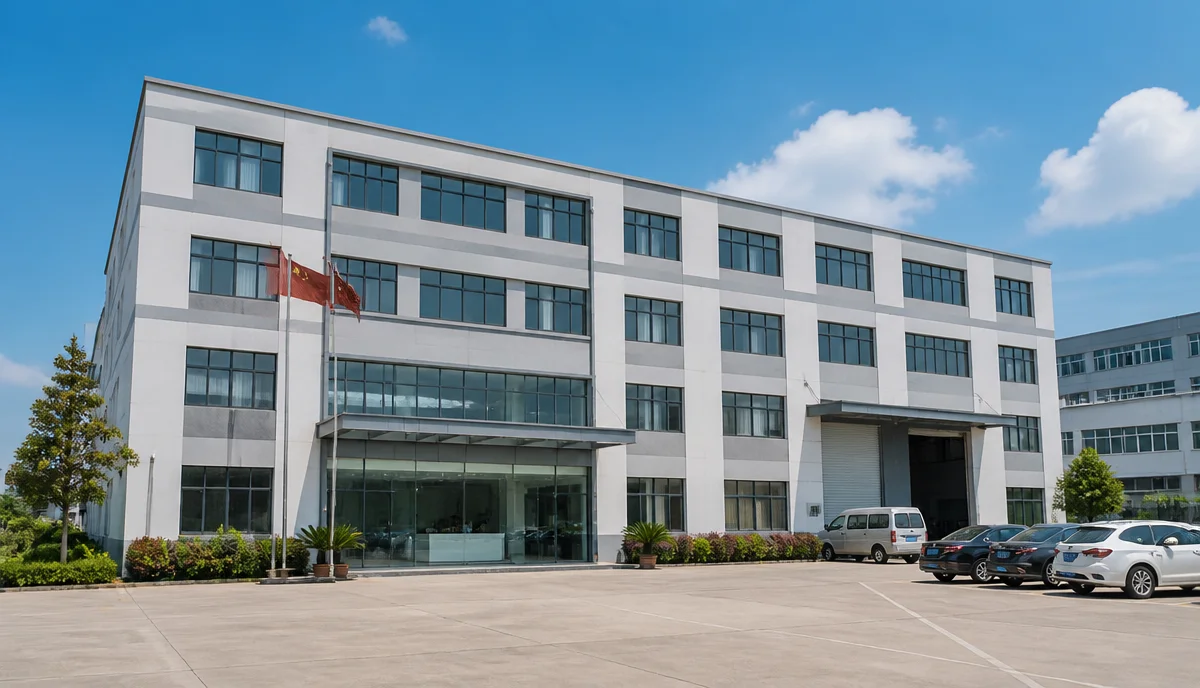
Taizhou Glory Import & Export Co., Ltd.
- Trading Company
- Jiangsu, China
- Lead time10 days
- Avg. response≤ 10h
Main productslingeries,pajamas,corsets,beach wear,islamic clothes
Main marketsNorth America(30.00%), South America(15.00%), Southeast Asia(10.00%), Northern Europe(5.00%), Central America(5.00%), Western Europe(5.00%), Eastern Asia(5.00%), Southern Europe(5.00%), Oceania(5.00%), Africa(5.00%), Eastern Europe(5.00%), South Asia(3.00%), Mid East(2.00%)
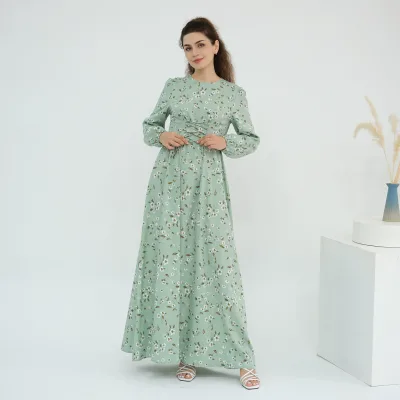
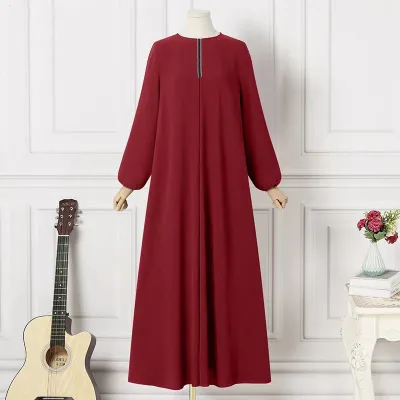
Turkish Floral Print A-line Muslim Dress Ankle-length Women Summer Dress
$12.43 - $13.16
MOQ: 2 pieces
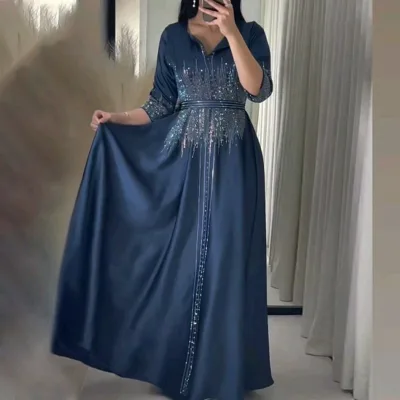
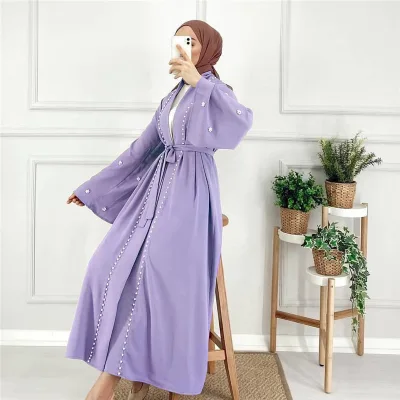
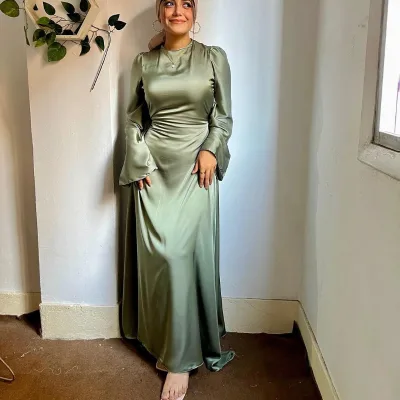
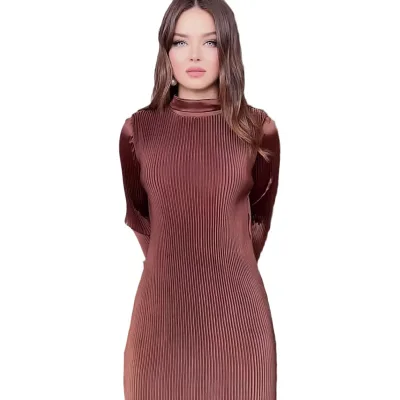
Hot Selling Beaded Casual Muslim Dress Satin Maxi Dress Arab Islamic Clothing
$16.2701 - $17.2355
MOQ: 5
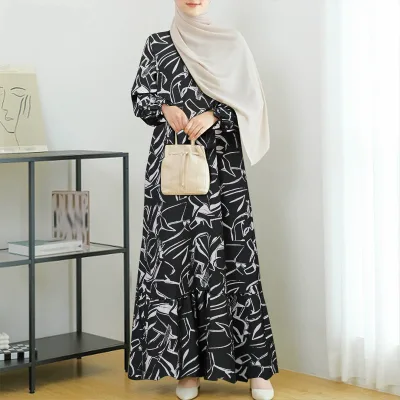
Middle Eastern Women Long A-line Dress Ruffled Muslin Dress Islamic Women's Clothing
$7.5834 - $8.5788
MOQ: 2 pieces
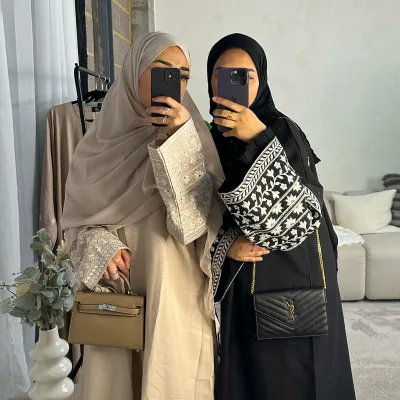
Muslim Dress Latest Models Islamic Religious Dress Online Pattern Vintage Islamic Clothing
$15.3902 - $17.0631
MOQ: 2 pieces
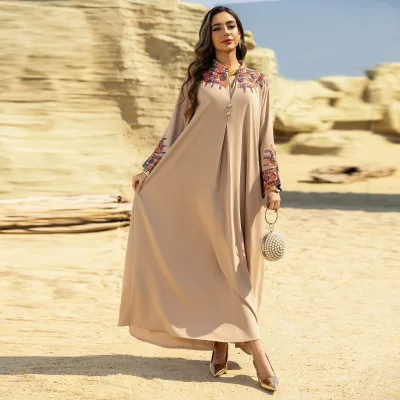
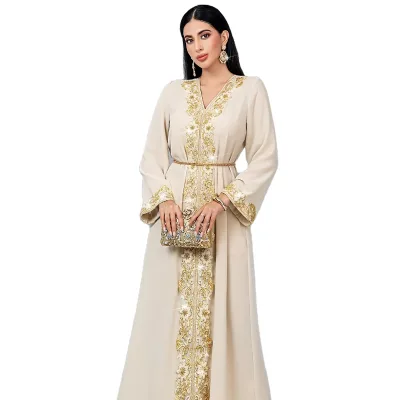
Middle East Luxury Arabic Ladies Kaften Elegant Muslim Long Dress
$14.3244 - $16.2012

AY COLLECTION FASHION CO., LTD.
- Verified by CTI
- Manufacturer/Factory
- China Guangdong
- Lead time15 days
- Avg. response≤ 14h
Main productsAfrica Kaftan, Women Dress, Lady Dress, Muslim Abaya, Kaftan, Boubou, Embroidery Kaftan, Abaya, Dera, Women Clothing
Main marketsSouth America,Eastern Europe,Mid East,North America,Western Europe,Africa


Muslim Women Dress Boubou Africain Femme Maxi Standard Muslim Women Ethnic Dress
$4.78 - $6.60
MOQ: 300 Pieces

Muslim Women Dress Floral Dresses Ay Fashion Rac8878-A57fy Congo Fashion Dera
$5.15 - $5.92
MOQ: 300 Pieces


Jilbab Ladies Dress 2 Piece Ay Fashion Q646 Abidjan Fashion Muslimah Dress
$7.40 - $9.22
MOQ: 300 Pieces
Yiwu Yourun Arts And Crafts Co., Ltd.
- Manufacturer, Trading Company
- Zhejiang, China
- Lead time30 days
- Avg. response≤ 3h
Main productsScarves,Abaya&Hijab,Bags&Wallets,Caps&Hats,Fashion accessories
Main marketsNorth America(50.00%), Western Europe(20.00%), Domestic Market(10.00%), South America(10.00%), Eastern Europe(10.00%)
Henan Lignes Apparel Co., Ltd.
- Verified by SGS Group
- Manufacturer, Trading Company
- Henan, China
- Lead time20 days
- Avg. response≤ 3h
Main productsMuslim Robe, Muslim Coat, Dress Set, Muslim Dress, Burkini
Main marketsNorth America(40%), Western Europe(35%), Southern Europe(10%)

Hangzhou Weimei Garments Co., Ltd.
- Verified by BV
- Manufacturer/Factory
- China Zhejiang
- Lead time15 days
- Avg. response≤ 9h
Main productsAbaya, Mens' Thobes, Muslim Kidswear, Muslim Swimwear/Burkini, Hijabs/Muslim Scarfs, Prayer Mats, Muslim Wedding Dress
Main marketsSouth America,Eastern Europe,Mid East,North America,Southeast Asia,Eastern Asia,Oceania,Western Europe,Africa

$11.68 - $12.55
MOQ: 10 Pieces

$10.00 - $13.00
MOQ: 10 Pieces

Womens Casual Loose Maxi Dress, Muslim Ramadan Plus Size Kaftan Abaya Long Robes
$8.00 - $10.00
MOQ: 1 Pieces


Huixian Baishangji Clothing Co., Ltd.
- Trading Company
- Henan Province, China
- Lead time7 days
- Avg. response≤ 3h
Main productsWomen's clothing,men's clothing
Main marketsNorth America(60.00%), Africa(20.00%), Western Europe(10.00%), Northern Europe(5.00%), South America(5.00%)

Shanghai Hubei Apparel Co., Ltd
- Verified by BV
- Trading Company,Manufacturer/Factory
- China Shanghai
- Lead time45 days
- Avg. response≤ 22h
Main productsShirt, Dress, Skirt, Coat, Suit, Knitwear, Blazer, Shorts, Pants
Main marketsSouth America,Eastern Europe,Mid East,North America,Southeast Asia,Eastern Asia,Oceania,Western Europe,Africa

Custom Islamic Maxi Dress Muslim Dress Full Length Islamic Abaya Custom Design
$9.50 - $16.50
MOQ: 100 Pieces

Wholesale Factory A Line Muslim Dress for Office Daily Casual Islamic Clothing Retail
$9.50 - $16.50
MOQ: 100 Pieces

ODM Supplier Printed Chiffon Muslim Maxi Dress for Summer Resort Islamic Fashion
$9.50 - $16.50
MOQ: 100 Pieces

Factory Direct A Line Muslim Dress with Long Sleeve for Modest Office and Daily Wear
$9.50 - $16.50
MOQ: 100 Pieces

Factory Direct Supplier High Waist Muslim Maxi Dress for Office Party Islamic Clothing
$9.50 - $16.50
MOQ: 100 Pieces

Private Label Chiffon Abaya Maxi Dress with Floral Print for Casual Muslim Women Clothing
$9.50 - $16.50
MOQ: 100 Pieces
Shanxi Ashley Bio-Tech Co., Ltd.
- Verified by Intertek
- Trading Company
- Lead time0 days
- Avg. response≤ 7h
Main productsUnderwear
Main marketsNorth America(70%), Mid East(15%), South Asia(15%)
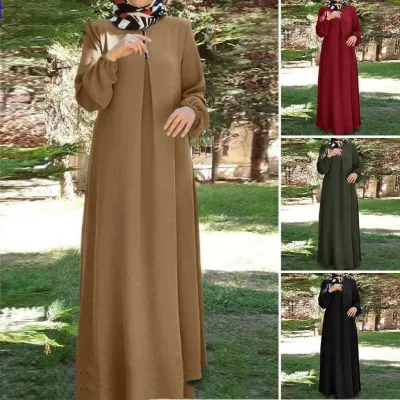
$7.0948 - $7.8143
MOQ: 3 pieces
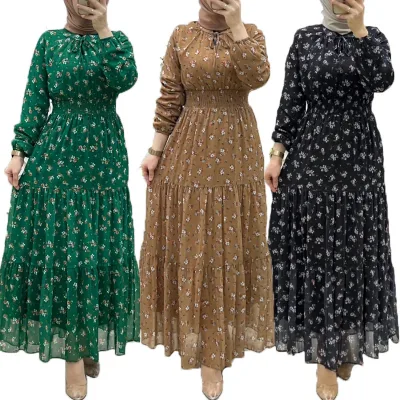
Hot Selling Women's Middle Eastern Muslim Chiffon Flower Wrapped Long Fashionable and Elegant Dress
$12.749 - $13.4685
MOQ: 3 pieces
Guangzhou Tanyu Trading Company (Sole Proprietorship)
- Trading Company
- China Guangdong
- Lead time0 days
- Avg. response≤ 10h
Main productsClothing


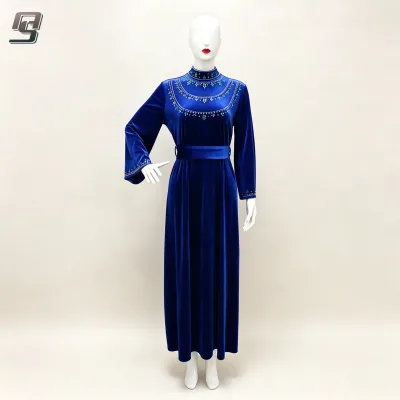
Muslim Dress with Rhinestone Floral Embroidery, Long Sleeves, Belt, Women's Style
$1.80 - $2.80
MOQ: 100 document

Jiuya Huitong (Qingdao) International Trade Co., Ltd.
- Verified by SGS
- Trading Company,Manufacturer/Factory
- China Shandong
- Lead time90 days
- Avg. response≤ 5h
Main productsClothes, Abaya, Camping Tent, Camping Furniture, Solar Light
Main marketsSouth America,Eastern Europe,Mid East,North America,Southeast Asia,Eastern Asia,Oceania,Western Europe,Africa


Lace Embellished Abaya Maxi Dress for Muslim Women Dubai Modest Islamic
$25.00 - $30.00
MOQ: 500 Pieces


Guangzhou Housaile E-Commerce Co., Ltd.
- Manufacturer, Trading Company, Distributor/Wholesaler
- Guangdong, China
- Lead time15 days
- Avg. response≤ 1h
Main productsWomen Dresses,Islamic Clothing,abaya women muslim dress,moroccan thobes,Moroccan Kaftan Abaya
Main marketsNorth America(48.00%), Mid East(15.00%), Oceania(6.00%), South America(5.00%), Eastern Europe(5.00%), Western Europe(4.00%), Northern Europe(3.00%), Central America(3.00%), South Asia(2.00%), Southern Europe(2.00%), Eastern Asia(2.00%), Africa(2.00%), Domestic Market(2.00%), Southeast Asia(1.00%)
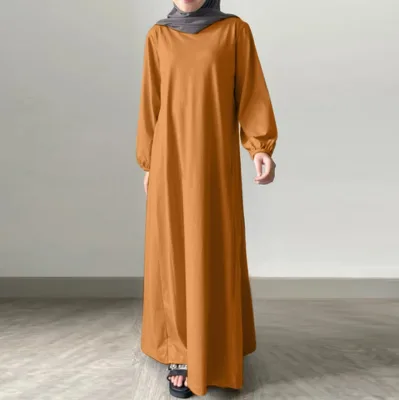
$11.0132 - $12.034
MOQ: 2 pieces
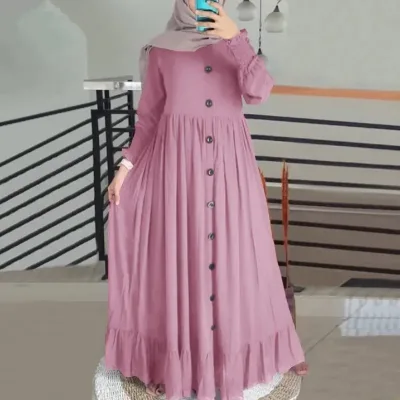
Dongguan Humen As Fashion Factory
- Verified by SGS Group
- Manufacturer, Trading Company
- Lead time15 days
- Avg. response≤ 3h
Main productsModest Dress, Modest Activewear, Modest Sportwear, Modest Set, Maternity Clothing
Main marketsOceania(22%), North America(20%), Mid East(20%)
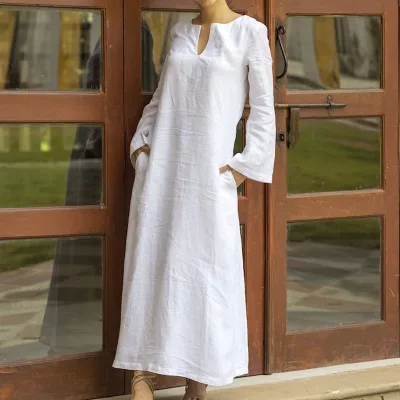
African Islam Summer Solid Caftan V-neck Abaya Linen Polynesian Dress Church Dresses for Women
$13.22 - $16.52
MOQ: 50 pieces
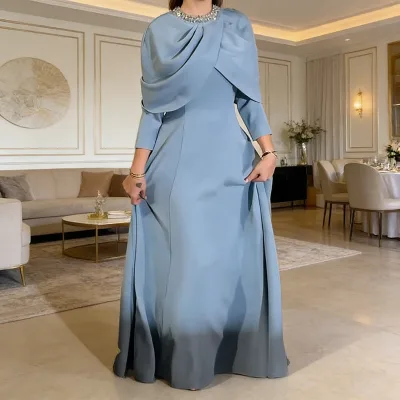
Custom Long Sleeve Abaya Dress with Diamond Strip Cape Collar and Beaded Neckline for Women Muslim
$11.5288 - $12.9768
MOQ: 2 pieces
Dongguan Yilixin Garment Co., Ltd.
- Verified by Intertek
- Manufacturer, Trading Company
- Lead time15 days
- Avg. response≤ 4h
Main productsMuslim Dress, Islamic Clothing, Women Clothing, Robe, Scarf
Main marketsSoutheast Asia(35%), Mid East(25%), North America(15%)
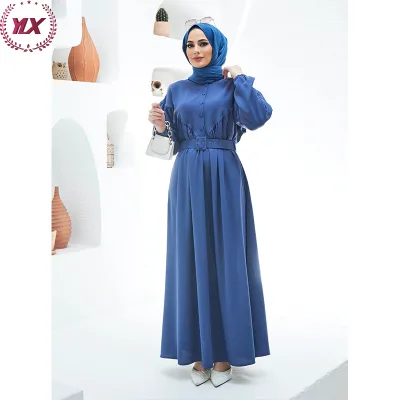
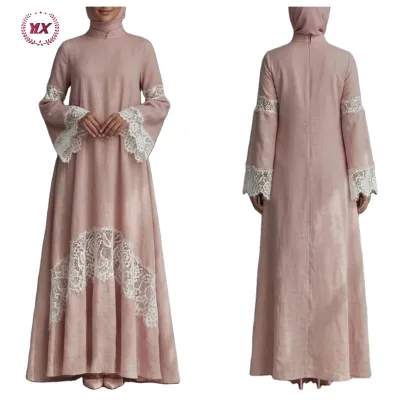
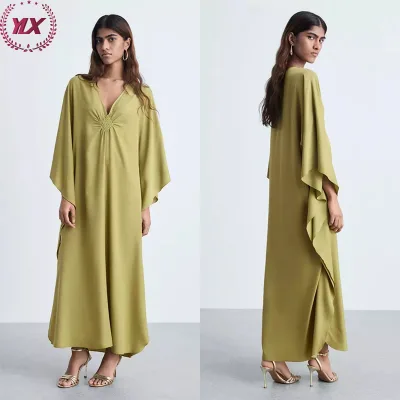
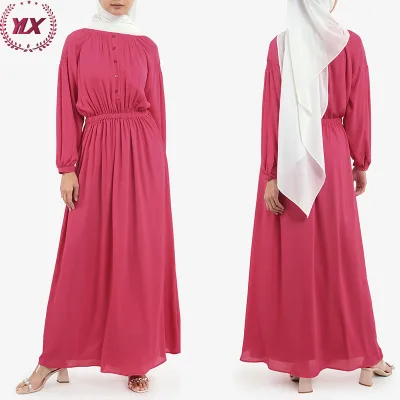
Turkish New Arrival Muslim Maxi Floral Dress Printing Plus Size Muslim Dress Long Clothing
$13.449 - $16.45
MOQ: 50 pieces
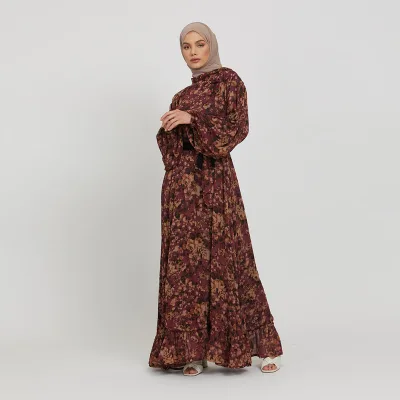
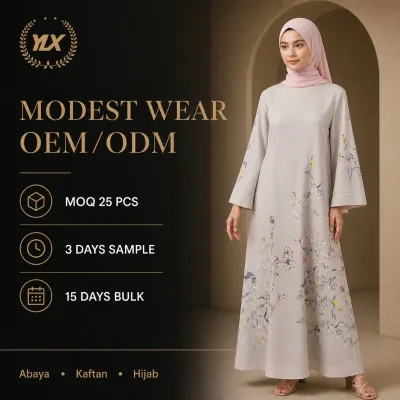
$11.50 - $13.00
MOQ: 50 pieces
Yiwu Sangtu Import And Export Co., Ltd.
- Trading Company
- zhejiang, China
- Lead time10 days
- Avg. response≤ 4h
Main productsapparel,shoes,Daily necessities
Main marketsMid East(20.00%), Southeast Asia(20.00%), North America(20.00%), South Asia(10.00%), Central America(10.00%), South America(10.00%), Eastern Asia(2.00%), Africa(2.00%), Domestic Market(1.00%), Oceania(1.00%), Southern Europe(1.00%), Northern Europe(1.00%), Eastern Europe(1.00%), Western Europe(1.00%)
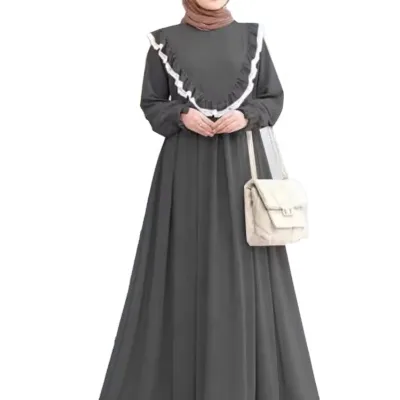
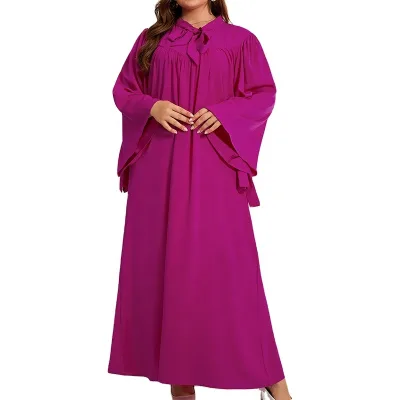
Muslim Middle Eastern Oversized Women's Long Dress With Flared Sleeves and Bow Tie Dress
$11.6337 - $13.3381
MOQ: 10 pieces
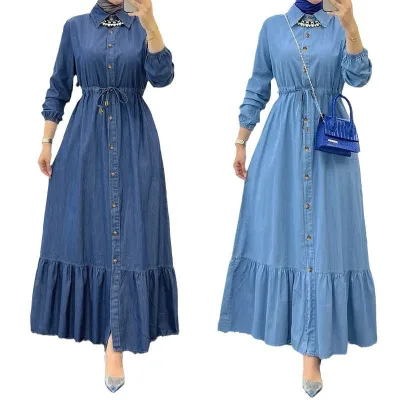
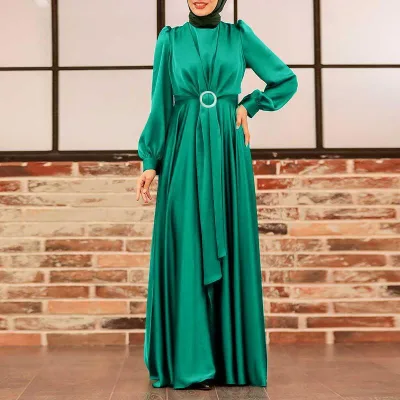
Muslim Fashion Party Cross Tie Design Button Bubble Sleeve a Swing Long Dress
$10.6069 - $12.3113
MOQ: 10 pieces
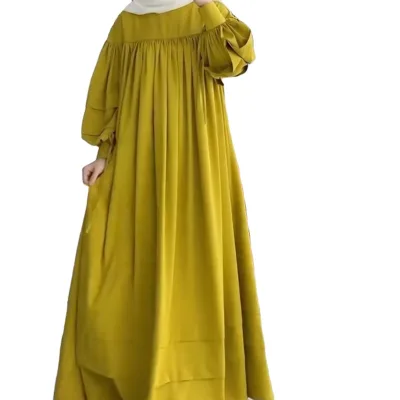
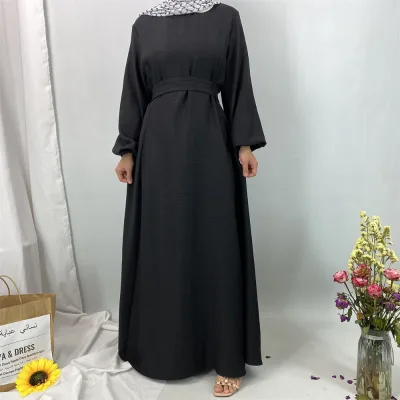
Middle Eastern Muslim Spring, Summer, and Autumn New Big Swing Solid Color Loose Comfortable Dress
$14.0127 - $15.7575
MOQ: 10 pieces
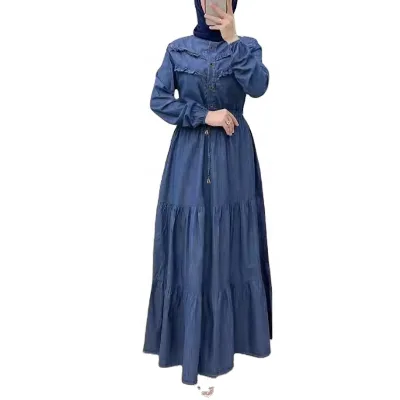
Middle East New Clear Color Button Long Fashion Elegant Waist Sleeve Muslim Dress
$12.33 - $13.99
MOQ: 10
Guangzhou Liuyu Garment Co., Ltd.
- Manufacturer, Trading Company
- Lead time旺季: "1 - 500":31,"> 500":"To be negotiated", 淡季: "1 - 500":31,"> 500":"To be negotiated"
- Avg. response≤ 4h
Main productsKhimar, Kafatan, Abaya, Kimono, Hijab

Guangzhou Jiaozi Garment Co., Ltd.
- Manufacturer, Trading Company
- Guangdong, China
- Lead time15 days
- Avg. response≤ 18h
Main productsDress,Tops/Blouse,Pants,Hoodies,Skirt
Main marketsOceania(50.00%), North America(30.00%), Eastern Europe(10.00%), Northern Europe(5.00%), Western Europe(5.00%)
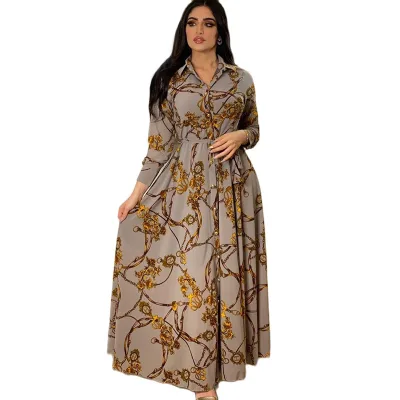
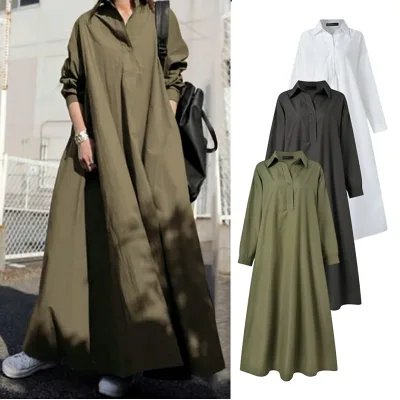
High Quality Fashion Muslim Dress Plus Size Shirt Dress With Belt Print Maxi Dress
$9.20 - $15.60
MOQ: 100 pieces
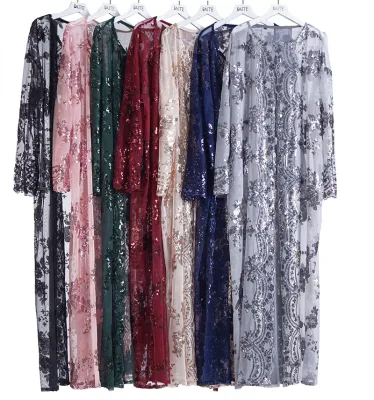

Guangzhou Yinimei Trading Firm
- Trading Company
- China Guangdong
- Lead time30 days
- Avg. response≤ 2h
Main productsApparel & Accessories, Men's Wear, Children's Clothing, Ladies' Clothing, Shoes, Children's Toys, "Bag", Hair
Main marketsSouth America,Eastern Europe,Mid East,North America,Southeast Asia,Eastern Asia,Oceania,Western Europe,Africa


Newly Launched Muslim Fashionable and Elegant Pullover Dress for The Middle East.
$2.50
MOQ: 100 article
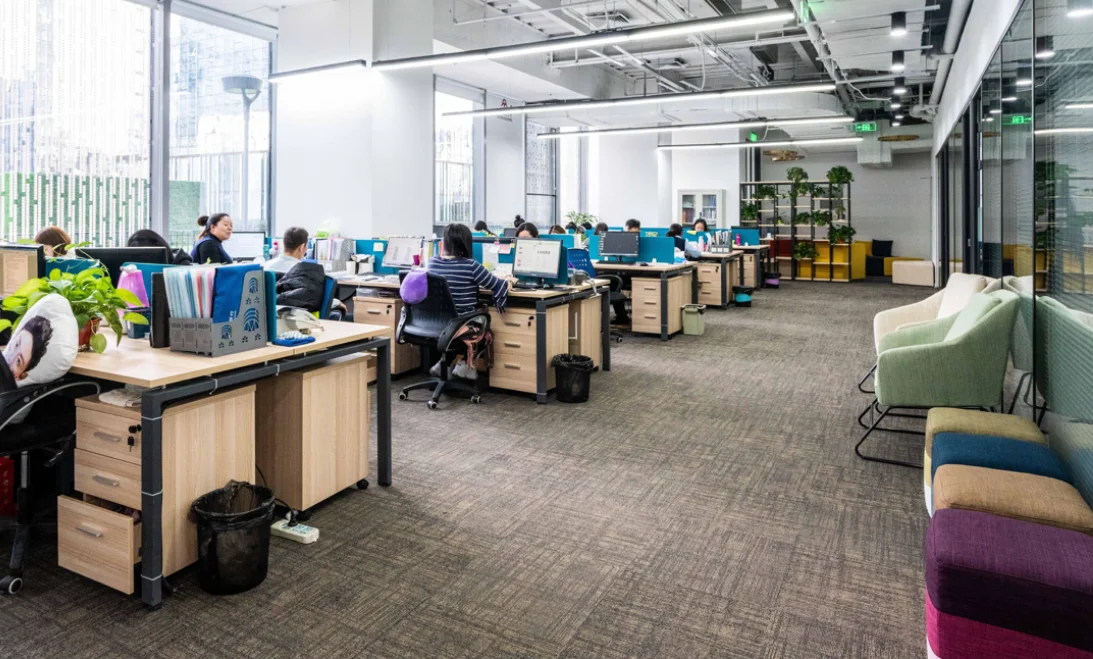
Henan Songzhi Import And Export Co., Ltd.
- Trading Company
- Henan, China
- Lead time12 days
- Avg. response≤ 3h
Main productsSexy lingerie,sexy sleepwear,women underwear/panty,pajamas& Loungewear,Women Bra Set
Main marketsNorth America(23.00%), South America(21.00%), Eastern Europe(11.00%), Southeast Asia(10.00%), Africa(6.00%), Oceania(5.00%), Domestic Market(3.00%), South Asia(3.00%), Southern Europe(3.00%), Northern Europe(3.00%), Central America(3.00%), Western Europe(3.00%), Eastern Asia(3.00%), Mid East(3.00%)
Yuanyang Baina Trading Co., Ltd.
- Trading Company
- Henan, China
- Lead time0 days
- Avg. response≤ 3h
Main productsMen's clothing,women's clothing,gift decoration,artificial flowers,shoes
Main marketsCentral America(10.00%), Eastern Asia(10.00%), Mid East(10.00%), Oceania(10.00%), Africa(10.00%), Southeast Asia(10.00%), Eastern Europe(10.00%), South Asia(10.00%), South America(10.00%), North America(10.00%), Domestic Market(5.00%), Northern Europe(5.00%)
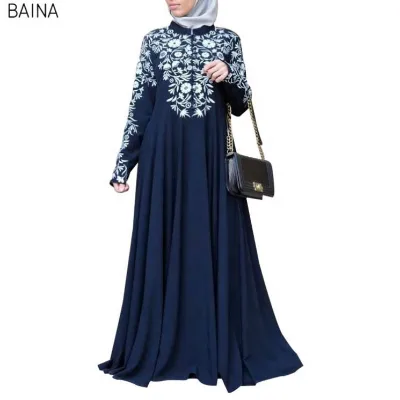
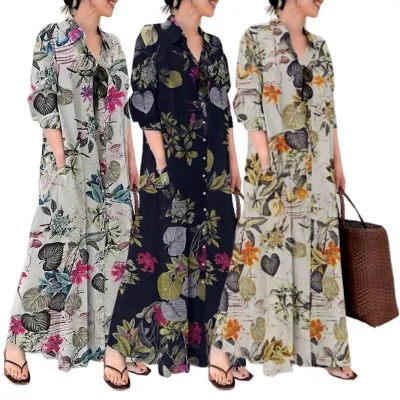
$6.02 - $6.69
MOQ: 2 pieces
Dongguan Holy Mountain Fashion Co., Ltd.
- Verified by Intertek
- Manufacturer, Trading Company
- Lead time20 days
- Avg. response≤ 4h
Main productsWomen's Dress, Women's Blouse, Women's Trousers, Muslim Robe, Muslim Headscarf
Main marketsSouth Asia(57%), Mid East(18%), Oceania(9%)

Dongguan Tinglu Apparel Co., Ltd.
- Verified by SGS
- Combined
- China Guangdong
- Lead time15 days
- Avg. response≤ 1h
Main productsClothes, Clothing
Main marketsDomestic

Light Pink Floral Embroidery V Neck Muslim Abaya Long Sleeve Loose Pocket Islamic Maxi Dress
$11.20 - $15.82
MOQ: 50 Pieces

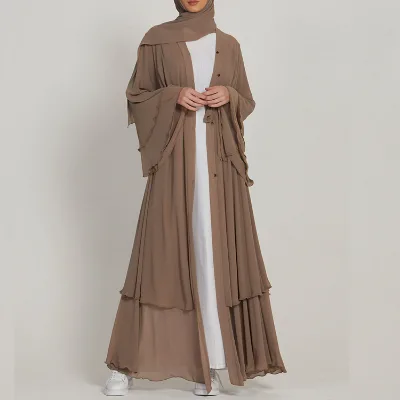
Black Pink Color Block Open Abaya, Contrast Wide Sleeve Muslim Dress With Hijab
$20.46 - $22.46
MOQ: 50 Pieces

Muslim Women Elegant Rhinestone Maxi Abaya, Chiffon Formal Dress for Wedding Ramadan
$26.39 - $28.39
MOQ: 100 Pieces

$26.39 - $28.39
MOQ: 100 Pieces

Guangzhou Mingyu Manufacturing Co., Ltd
- Verified by SGS
- Trading Company
- China Guangdong
- Lead time15 days
- Avg. response≤ 1h
Main productsCoat, Dress, Trousers
Main marketsDomestic

Middle Eastern Muslim V-Neck Style Floral Trendy Loose Print Long Dress
$6.90 - $10.90
MOQ: 100 pieces

Middle Eastern Muslim Printed Patchwork Long V-Neck Elegant MID-Length Sleeve Dress
$6.90 - $10.90
MOQ: 100 pieces


V-Neck Satin Printed Muslim Dress, Hand-Stitched with Sequins, Elegant Long-Sleeved Dress
$21.60 - $26.60
MOQ: 100 pieces


Guangzhou Manwei Animation Clothing Co., Ltd.
- Verified by Intertek
- Trading Company
- Lead time0 days
- Avg. response≤ 2h
Main productsUnique Clothing, Performance Costumes, Cosplay Clothing
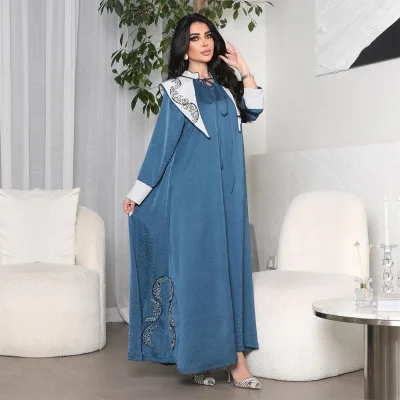
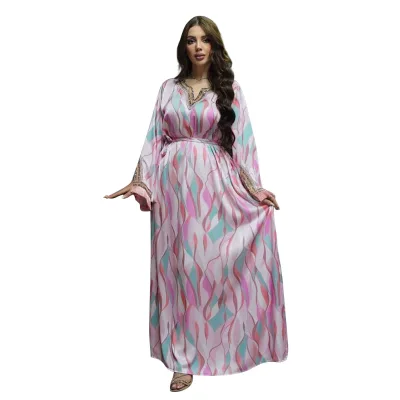
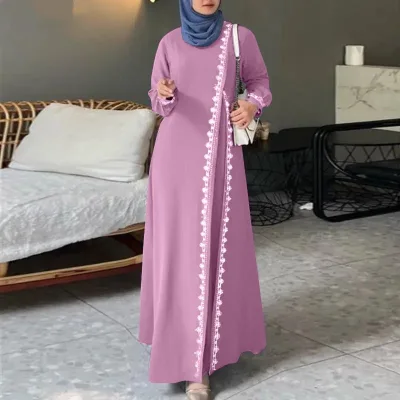
Long Sleeve Lace Edge Dress for Women Muslim Fashionable for Spring & Summer Casual Caftan
$9.2728 - $10.0973
MOQ: 2 pieces

Guangzhou Chowleedee Import and Export Co., Ltd.
- Verified by BV
- Trading Company
- China Guangdong
- Lead time15 days
- Avg. response≤ 11h
Main productsLace Fabric, Wood Plastic Composite Decking Price
Main marketsSouth America,Africa,Southeast Asia/ Mideast,East Asia(Japan/ South Korea),Europe,Australia,North America

Jinan Nanfei Information Technology Co., Ltd.
- Verified by CTI
- Trading Company
- China Shandong
- Lead time15 days
- Avg. response≤ 3h
Main productsWomen/Men Activewear, Women Tops Blouses & Tee, Women Dresses, Women Bottoms, Women Sweatshirts, Women Outerwear, Women Beachwear, Men Co-Ords, Men Hoodies & Sweatshirts, Men Bottoms
Main marketsDomestic


Casual and Elegant Long - Sleeved Cardigan Dress for Middle - Eastern Muslim Women
$9.20 - $13.00
MOQ: 2 Sets
Xinxiang Harper Trading Co., Ltd.
- Trading Company
- henan, China
- Lead time15 days
- Avg. response≤ 2h
Main productsMuslim Abaya,Muslim Dresses,Muslim Hijab,Muslim Kids Clothing,Muslim Men Thobe
Main marketsMid East(60.00%), Southeast Asia(10.00%), Eastern Europe(6.00%), South America(3.00%), Domestic Market(3.00%), North America(3.00%), Southern Europe(3.00%), Northern Europe(3.00%), South Asia(2.00%), Central America(2.00%), Western Europe(2.00%), Eastern Asia(1.00%), Oceania(1.00%), Africa(1.00%)
$13.60 - $15.60
MOQ: 2 pieces


Comprehensive Sourcing Guide
A-Line Islamic Maxi Dress Supplier Concentration and Factory Types
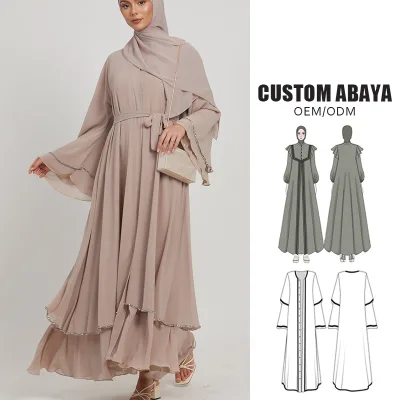
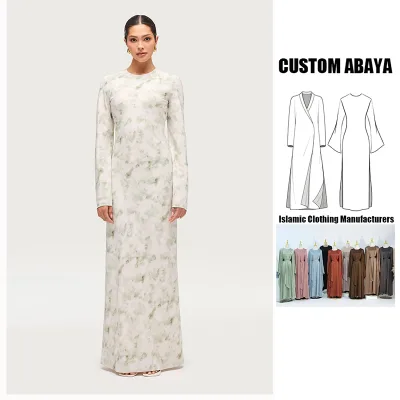
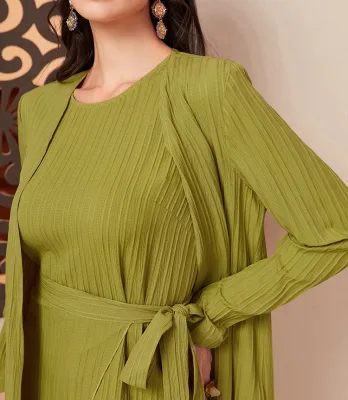
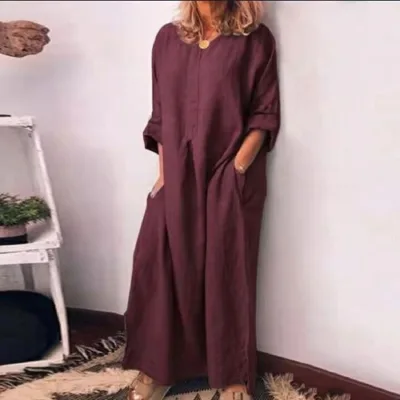
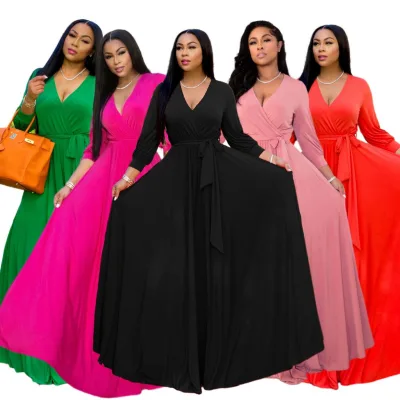
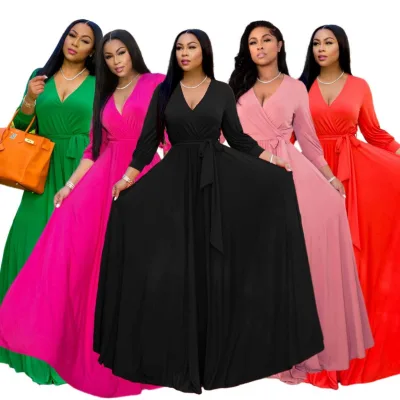
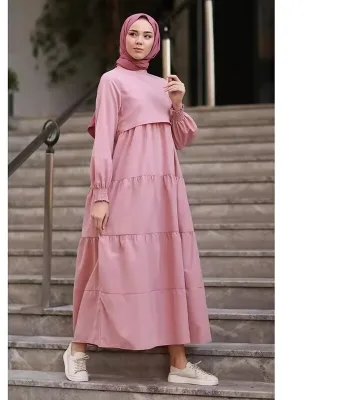
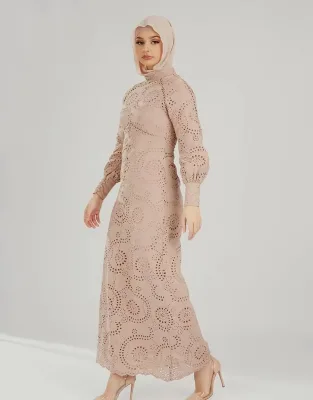
The current supplier landscape for A-Line Islamic Maxi Dresses reveals a distinct split between trading companies and direct manufacturers, each offering different operational advantages for buyers. Evidence indicates that some suppliers are located in Jiangsu, China, and operate primarily as trading companies. These entities typically aggregate products from various workshops, allowing them to offer a broader range of styles, such as floral print A-line dresses or ankle-length summer garments, without holding extensive inventory themselves. The presence of trading companies suggests a market structure where sourcing flexibility is prioritized over direct factory control. Buyers interacting with these suppliers may find it easier to mix and match different designs, such as combining Turkish-style prints with Middle Eastern cuts, because the trading company acts as a consolidator. However, this model often means the buyer has less visibility into the actual production process. The response times and lead times associated with these trading entities can vary, requiring careful negotiation to ensure that the convenience of variety does not come at the cost of delayed shipments. Understanding this dynamic is crucial for buyers who need to balance product diversity with supply chain reliability.
In contrast, other suppliers in the results are identified as manufacturers or factories, often located in China Guangdong. These entities possess their own production capabilities and may even have established their own brands, such as LOVE SAHARA or Africa NOBLE. This factory-type structure is particularly relevant for buyers seeking customization or large-volume orders, as these suppliers often support OEM and ODM services. The main products listed for these manufacturers include a wide array of items like African Kaftans, Muslim Abayas, and embroidered dresses, indicating a specialized focus on ethnic and religious apparel. The verification status of some of these factories, such as CTI verification, provides an additional layer of confidence regarding their operational legitimacy. For buyers of A-Line Islamic Maxi Dresses, choosing a manufacturer over a trading company often means dealing directly with the source of production, which can facilitate better quality control and more transparent communication about material sourcing. This distinction between trading and manufacturing is a primary factor in determining the overall sourcing strategy and the level of direct engagement required with the supplier.
How to Verify A-Line Islamic Maxi Dress Suppliers
Verifying the legitimacy and capability of suppliers requires a multi-layered approach that goes beyond simple profile reviews. Buyers should prioritize suppliers who have undergone third-party verification processes, such as CTI verification, which confirms that the business entity exists and operates as declared. This verification is particularly important when dealing with manufacturers, as it provides assurance that the factory is real and not just a virtual trading front. In addition to verification badges, buyers must scrutinize the supplier’s response time and lead time metrics. A response time of around ten to fourteen hours indicates a professional operation that is likely to communicate effectively during the negotiation and order fulfillment phases. Conversely, slower response times may signal potential bottlenecks in communication, which can be detrimental when resolving issues related to customizations or shipping delays. Buyers should also look for clear indications of the supplier’s company type, distinguishing between trading companies and manufacturers, as this affects the level of control and flexibility available during the sourcing process.
Beyond basic metrics, buyers should examine the specific product attributes and certifications listed in the supplier’s catalog to ensure alignment with their quality standards. For instance, detailed product information such as material composition, stitch techniques, and design features like neckline and sleeve style can reveal the supplier’s attention to detail. Suppliers who provide comprehensive data, such as specifying that a dress is made of polyester with digital print or chiffon with specific washability features, demonstrate a higher level of professionalism. Additionally, buyers should verify if the supplier supports sample orders, although some may not support seven-day sample lead times, which is a common constraint in the industry. It is also advisable to check for any displayed certifications or standards compliance, although specific certification details may not always be visible in initial search results. If such information is missing, buyers should directly request proof of compliance with relevant textile standards. This proactive verification process helps mitigate the risk of partnering with unreliable suppliers and ensures that the final products meet the expected quality and ethical standards.
What to Compare Across A-Line Islamic Maxi Dress Suppliers
When evaluating multiple suppliers for A-Line Islamic Maxi Dresses, buyers must compare several key dimensions to determine the best fit for their specific business needs. One of the most critical factors is the Minimum Order Quantity (MOQ), which can vary significantly across different suppliers. Some suppliers may offer low MOQs, such as two or five pieces, which is ideal for testing the market or for small boutique orders. In contrast, other suppliers, particularly manufacturers, may require higher MOQs, such as three hundred pieces, to ensure production efficiency. This disparity means that buyers with smaller budgets or those testing new designs should focus on suppliers with lower entry barriers. Additionally, the price range for similar products can differ based on the supplier’s location and operational model. For example, prices for A-line dresses may range from approximately seven dollars to over seventeen dollars, depending on the material, design complexity, and order volume. Buyers should compare these price points against the MOQ to calculate the total cost of entry and potential profit margins.
Another essential aspect of comparison is the supplier’s lead time and response speed, which directly impact inventory management and customer satisfaction. Suppliers with a lead time of ten to fifteen days offer a predictable timeline for order fulfillment, allowing buyers to plan their stock replenishment more effectively. However, buyers must also consider the variability in lead times, as some suppliers may have longer production cycles depending on the order quantity or customization requirements. Response time is equally important, as quick communication is vital for resolving issues related to sizing, color variations, or shipping updates. Suppliers with a response time of around ten to fourteen hours are generally more reliable for maintaining smooth business operations. Furthermore, buyers should compare the range of main products offered by each supplier. Some suppliers specialize in specific styles, such as floral prints or beaded casual dresses, while others offer a broader catalog including abayas and kaftans. This specialization can indicate a supplier’s expertise and quality focus in particular niches, helping buyers select partners who align with their brand identity and target market preferences.
Common A-Line Islamic Maxi Dress Sourcing Risks
Sourcing A-Line Islamic Maxi Dresses from international suppliers involves several inherent risks that buyers must actively manage to ensure a successful procurement process. One significant risk is the potential mismatch between product samples and bulk production. While suppliers may provide high-quality samples with specific features like digital prints or handmade techniques, the bulk order might differ in material quality or stitching consistency. This risk is particularly pronounced when dealing with trading companies that may source from multiple workshops, leading to inconsistencies in production standards. Buyers should mitigate this risk by requesting detailed product specifications and, if possible, conducting third-party inspections before shipment. Additionally, the variability in lead times can disrupt supply chains, especially if suppliers fail to meet their promised delivery dates. Some suppliers may not support short lead times for samples, which can delay the product development cycle and impact time-to-market for new collections. Buyers need to establish clear communication channels and set realistic expectations regarding production timelines to avoid delays.
Another common risk is the lack of transparency regarding certifications and compliance standards. While some suppliers may claim to adhere to specific textile or safety standards, these claims are not always verified or documented in the initial product listings. Buyers must be cautious about assuming that all suppliers meet international quality or ethical standards without explicit proof. This is particularly important for products intended for markets with strict regulatory requirements. Furthermore, the risk of intellectual property infringement exists, especially when dealing with unique designs or branded items. Buyers should ensure that the designs they source are original or properly licensed to avoid legal issues. Additionally, currency fluctuations and shipping cost variations can impact the final landed cost of the products, affecting profit margins. Buyers should factor these variables into their pricing strategies and consider using secure payment methods, such as escrow services, to protect their financial interests. By identifying and addressing these risks proactively, buyers can build a more resilient and reliable supply chain for their A-Line Islamic Maxi Dress products.
A-Line Islamic Maxi Dress Regional Sourcing and Logistics
The regional location of suppliers plays a crucial role in determining logistics costs, lead times, and overall supply chain efficiency for A-Line Islamic Maxi Dresses. Evidence indicates that suppliers are primarily located in Jiangsu and Guangdong provinces in China, each offering distinct logistical advantages. Jiangsu-based suppliers, often trading companies, may benefit from established export infrastructure and proximity to major ports, facilitating faster shipping for smaller, mixed orders. These suppliers typically handle products like floral print A-line dresses and ankle-length summer garments, which may require careful packaging to maintain their aesthetic appeal during transit. On the other hand, Guangdong-based manufacturers, which often produce items like African Kaftans and Muslim Abayas, are situated in a region known for its robust manufacturing ecosystem and efficient logistics networks. This location can offer competitive shipping rates and faster turnaround times for larger orders, particularly when dealing with standardized products. Buyers should consider the geographic location of their suppliers when calculating total landed costs, as shipping fees can vary significantly based on the origin point and the volume of goods.
Logistics planning also involves understanding the packaging and handling requirements of the products. Suppliers often provide specific packaging details, such as single package sizes and gross weights, which are essential for calculating freight costs and warehouse space. For instance, some A-line dresses may be packed in bundles of twelve pieces, which can optimize shipping efficiency but may require additional handling upon arrival. Buyers should also consider the seasonal nature of the products, as items like summer dresses or breathable chiffon garments may have different storage and shipping requirements compared to heavier fabrics. Additionally, the choice of shipping method, whether by air or sea, will impact lead times and costs. Air freight is faster but more expensive, making it suitable for urgent orders or high-value items, while sea freight is more cost-effective for bulk shipments but requires longer lead times. Buyers must align their logistics strategy with their inventory management goals, ensuring that they can meet customer demand without incurring excessive storage or shipping costs. By carefully evaluating regional logistics factors, buyers can optimize their supply chain and enhance their competitive position in the market.
A-Line Islamic Maxi Dress Commercial Terms and Order Planning
Effective commercial terms and order planning are essential for managing the financial and operational aspects of sourcing A-Line Islamic Maxi Dresses. Buyers must carefully negotiate payment terms, such as the use of escrow services, to protect their financial interests and ensure that suppliers fulfill their obligations. Escrow provides a secure mechanism for transactions, releasing funds only when the buyer confirms receipt of the goods in satisfactory condition. This is particularly important when dealing with new suppliers or large orders, as it mitigates the risk of fraud or non-delivery. Additionally, buyers should clarify the pricing structure, including any discounts for bulk orders or variations based on customization requirements. The price range for A-line dresses can vary significantly, from approximately seven dollars to over seventeen dollars, depending on factors such as material quality, design complexity, and order volume. Buyers should request detailed quotations that break down costs for materials, labor, and shipping to ensure transparency and accurate budgeting.
Order planning also involves managing inventory levels and forecasting demand to avoid stockouts or overstock situations. Buyers should consider the lead times provided by suppliers, which can range from ten to fifteen days, and factor these into their production schedules. It is advisable to maintain a buffer stock of popular styles, such as floral prints or beaded casual dresses, to meet sudden spikes in demand. Furthermore, buyers should establish clear communication protocols with suppliers regarding order updates, production status, and shipping notifications. This proactive approach helps in identifying and resolving potential issues before they impact the supply chain. Additionally, buyers should plan for potential variations in product specifications, such as size ranges or color options, to ensure that
FAQs
What is the price range for A-line Islamic maxi dresses?
Prices typically range from $7.58 to $17.24 per unit depending on the specific style and material chosen. Buyers should note that costs vary based on customization options and order volume. Always confirm the final quote with the supplier before placing an order to ensure accuracy.
What is the minimum order quantity for these dresses?
Minimum order quantities vary significantly by supplier, ranging from just 2 pieces for in-stock items to 300 pieces for customized orders. Some suppliers offer lower MOQs for standard designs, while others require higher volumes for specific fabrics. Check the specific product listing for the exact requirement.
Where are these dresses manufactured?
Manufacturing locations include Jiangsu and Guangdong provinces in China. These regions are known for their textile production capabilities and supply chain efficiency. Buyers can expect products originating from these areas, which often feature established manufacturing infrastructure and experienced labor forces for apparel production.
How long does it take to receive an order?
Lead times generally range from 10 to 15 days for production. Some suppliers may offer faster turnaround for in-stock items, while customized orders might take longer. Delivery times can also depend on the order quantity and specific shipping arrangements agreed upon with the supplier.
What materials are used for these dresses?
Common materials include polyester, chiffon, and satin, often featuring floral or solid prints. Some dresses are handmade with specific techniques like digital printing. Buyers should verify the material composition for each product to ensure it meets their quality and comfort requirements for the intended season.
Are these dresses suitable for African climates?
Yes, many suppliers offer designs suitable for African climates, featuring breathable fabrics like chiffon. These dresses are designed to conform to local religious and body shape preferences. Buyers looking for tropical suitability should specifically look for products labeled as breathable and suitable for warm weather conditions.