Seamless Reversible Yoga Vest Suppliers and Manufacturers
Compare 29 verified suppliers offering seamless reversible yoga vests with ODM and OEM capabilities. Review response times, lead times, and certifications like ISO9001:2015 to select a partner. Contact suppliers directly to request samples and confirm pricing; review the available evidence before requesting comparable quotations from suitable candidates.
Updated
Suppliers List

- Verified by SGS
- Trading Company
- China Zhejiang
- Lead time15 days
- Avg. response≤ 9h
Main marketsEurope


Quick-Dry Breathable Mesh Vest Lightweight Sports Cover Yoga Fitness Backless Sleeveless Top
$3.89 - $4.34
MOQ: 230 piece/ pieces

Quick-Dry Breathable Hollow-out Vest Lightweight Sports Cover Yoga Fitness Backless Sleeveless Top
$3.89 - $4.34
MOQ: 230 piece/ pieces

- Verified by TUVRHEINLAND
- Trading Company
- China Zhejiang
- Lead time15 days
- Avg. response≤ 9h
Main productsSport Wear, Yoga Pants, Sports Bra, Sports Cap, Waist Bag, Sports Sock, Sports Towel, Quick Dry Clothes, Yiwu Buying Agent, Sourcing Agent
Main marketsSouth America,Europe,North America
Jinhua Yongxing Knitting Co., Ltd
- Manufacturer
- Zhejiang, China
- Lead time40 days
- Avg. response≤ 4h
Main productsSeamless Jumpsuit, Yoga Suit, Seamless Body Shaping Suit, Yoga Legging, Sports Bra
Main marketsNorth America(54.00%), Eastern Europe(30.00%), Southeast Asia(9.00%), Domestic Market(7.00%)
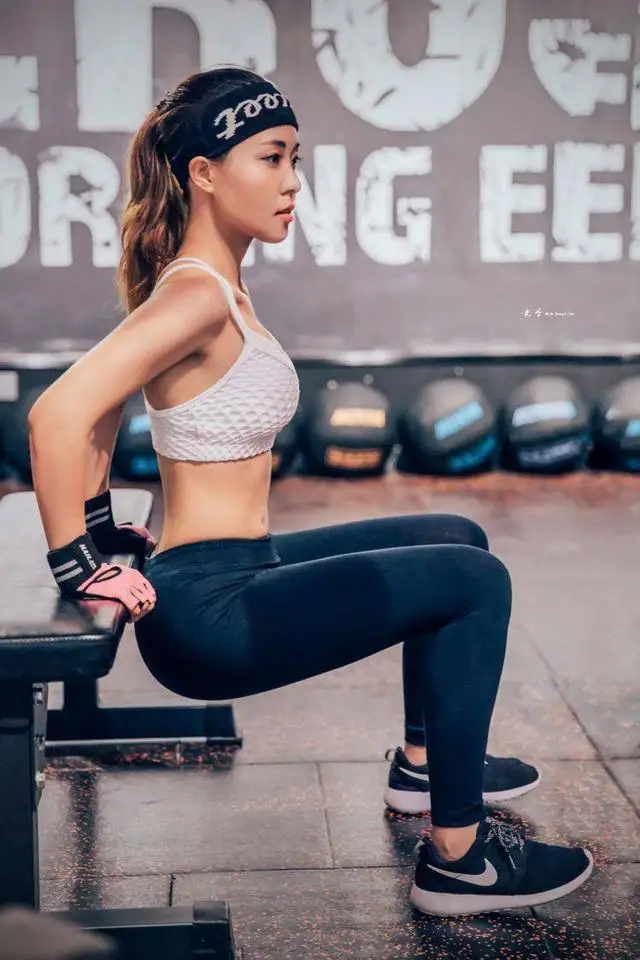
Xiamen Little Yumi Trade Co., Ltd.
- Manufacturer, Trading Company, Distributor/Wholesaler
- Fujian, China
- Lead time0 days
- Avg. response≤ 1h
Main productsYoga Wear,Sports wear,Sports shoes,Sports Balls,Swimwear
Main marketsCentral America(20.00%), Western Europe(20.00%), Eastern Europe(20.00%), Northern Europe(20.00%), Southern Europe(10.00%), North America(10.00%)

Efirsty Enterprise (Anhui) Co., Ltd.
- Verified by TUVRHEINLAND
- Trading Company
- China Anhui
- Lead time30 days
- Avg. response≤ 4h
Main productsLeggings Yoga Pants Swimwear, Swimsuit
Main marketsSouth America,Southeast Asia/ Mideast,East Asia(Japan/ South Korea),Europe,Australia,North America


Mesh Beautiful Back Yoga Wear Top Quick-Drying Fitness Sleeveless Top Sports Vest for Women
$6.55 - $7.55
MOQ: 2 piece


Shanghai Jspeed Industry Co., Ltd.
- Verified by BV
- Trading Company
- China Shanghai
- Lead time60 days
- Avg. response≤ 7h
Main productsMen/Women Swimwear, Underwear, Bra, Socks, Men/Women Pants, Men/Women Jackets, Dress, Sportwear, Skirt, Shirt
Main marketsEurope
Foshan Gumaoning Garment Co., Ltd.
- Verified by Intertek
- Manufacturer, Trading Company
- Lead time20 days
- Avg. response≤ 2h
Main productsYoga Wear, Babies Clothes, T Shirt, Hoodies, Swimwear
Main marketsNorth America(60%), South America(15%), Western Europe(15%)
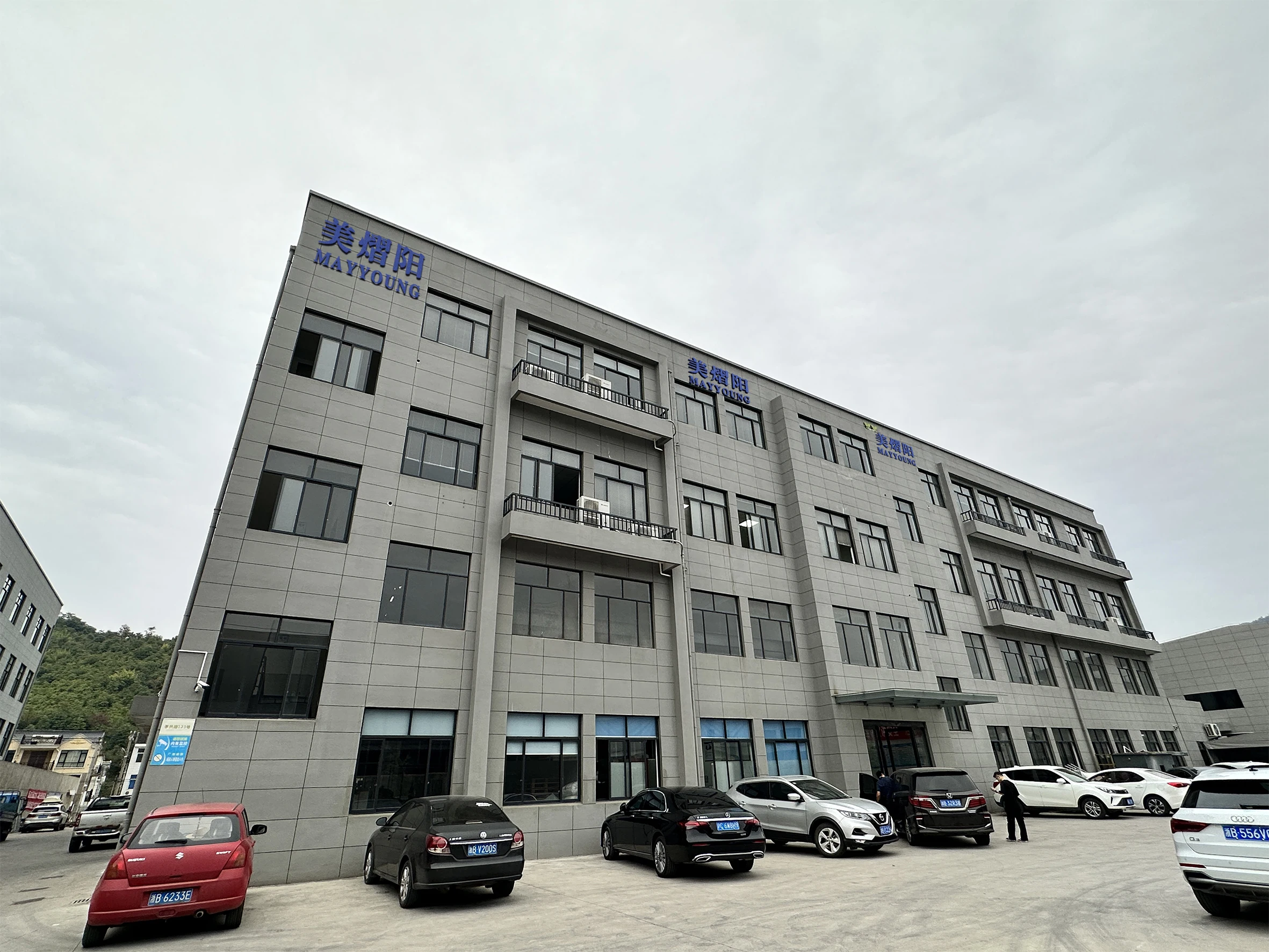
Ningbo Mayyoung Garment Co., Ltd.
- Trading Company
- Zhejiang, China
- Lead time35 days
- Avg. response≤ 4h
Main productsYoga wear,Fitness wear,Sporty Accessories,Outdoor jackets,Tennis wear
Main marketsNorth America(25.00%), South America(20.00%), Eastern Europe(10.00%), Southeast Asia(10.00%), Northern Europe(10.00%), Mid East(5.00%), Eastern Asia(5.00%), Western Europe(5.00%), Central America(5.00%), Southern Europe(5.00%)
GANZHOU BESTEAM INTERNATIONAL CO., LTD
- Verified by TüVRheinland
- Manufacturer, Trading Company
- Lead time0 days
- Avg. response≤ 3h
Main productsFootball Jerseys, Windbreaker, Fitness Training Suits, Polo Shirts, Yoga Clothes
Main marketsNorth America(33%), South America(25%), Oceania(10%)

Jiangsu Baizhou Safety Technology Co., Ltd.
- Combined
- China Jiangsu
- Lead time15 days
- Avg. response≤ 4h
Main productsLife Jacket, Inflatable Life Jacket, Life Buoy, Rescue Tube, FRP Box, Fire Hose Box, Scba
Main marketsSouth America,Africa,Southeast Asia/ Mideast,East Asia(Japan/ South Korea),Domestic,Europe,Australia,North America

Ganzhou Shenwei Garments Co., Ltd.
- Trading Company
- Jiangxi, China
- Lead time30 days
- Avg. response≤ 2h
Main productsSport Bra,Yoga Leggings,Yoga Sets,Fitness Wear,Tennis Wear
Main marketsSouth America(20.00%), Eastern Europe(20.00%), North America(10.00%), Oceania(10.00%), Mid East(10.00%), Western Europe(10.00%), Central America(10.00%), Northern Europe(10.00%)
Yiwu Basha Sports Development Co., Ltd.
- Verified by SGS Group
- Manufacturer, Trading Company
- Lead time15 days
- Avg. response≤ 2h
Main productsSeamless yoga wear; Cut and Sew Gym wear, Tracksuit; Long & Short Sleeve Shirts, Swimwear
Main marketsNorth America(30%), Oceania(20%), Eastern Europe(15%)

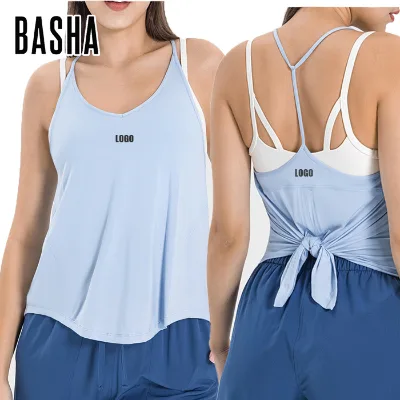
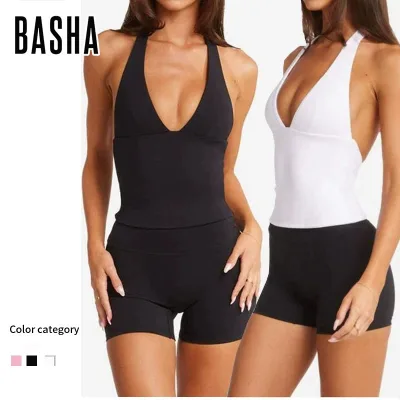
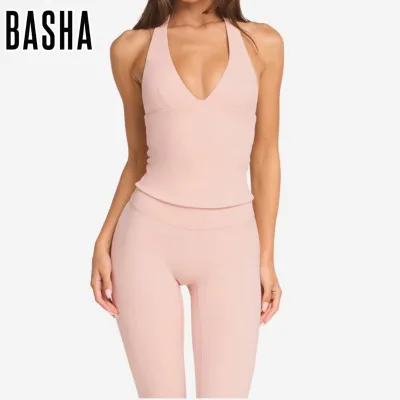
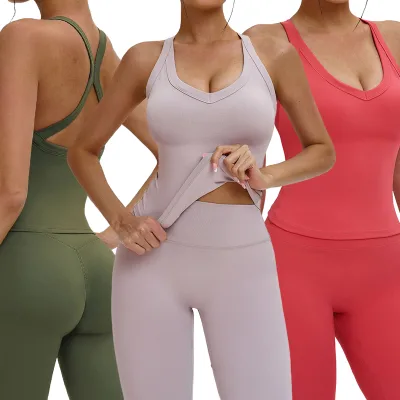
Yoga Vest Women's Chest Cushion V-neck Hanging Neck Sensation Quick Drying Sports and Fitness Top
$7.7004 - $9.5486
MOQ: 10 Minimum
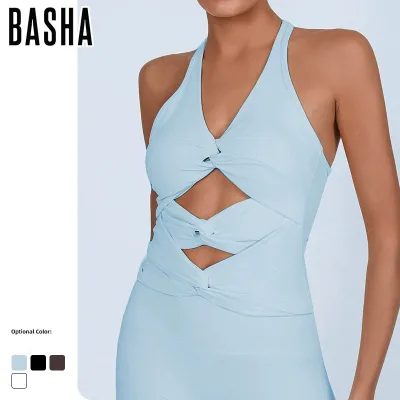
Sports and fitness top with chest cushion high elasticity quick drying cross shaped vest
$8.6163 - $10.2771
MOQ: 2 sets
Yuanyang Jiaxi Department Store Co., Ltd.
- Trading Company
- Henan, China
- Lead time35 days
- Avg. response≤ 3h
Main productsClothing and Apparel,Men's sports training and fitness clothing,Men's sports training and fitness clothing,Men's sports training and fitness clothing,Fitness swimwear
Main marketsNorth America(60.00%), Southern Europe(10.00%), Northern Europe(10.00%), Western Europe(10.00%), Eastern Europe(10.00%)
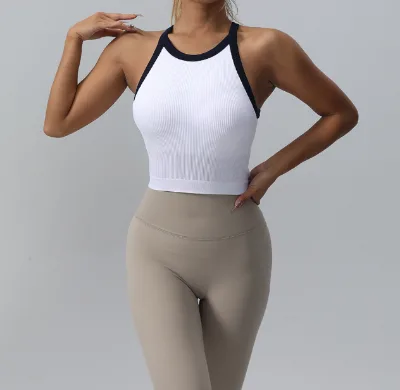
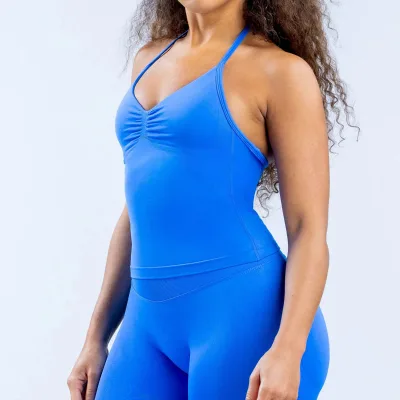
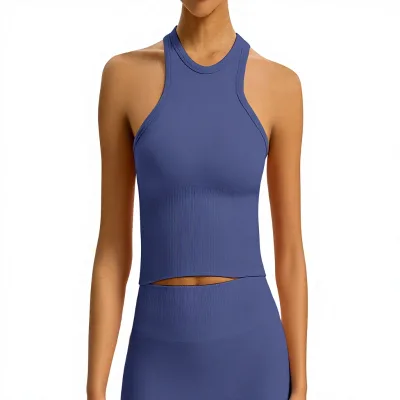
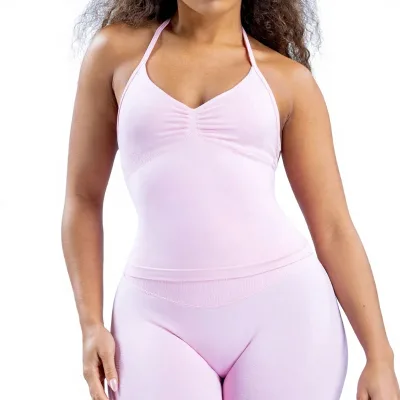
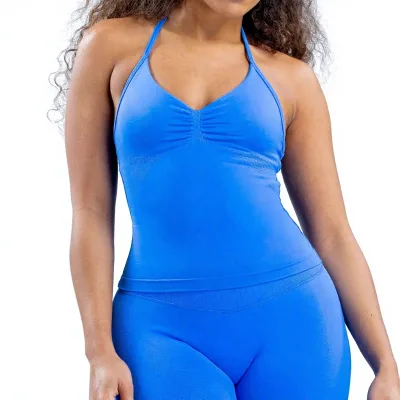
Seamless Yoga Vest for Women Nude Color Palette High Elastic Integrated Design
$5.188 - $5.4878
MOQ: 2 pieces

Xiamen Meiju Garment Co., Ltd.
- Verified by TUVRHEINLAND
- Trading Company,Manufacturer/Factory
- China Fujian
- Lead time23 days
- Avg. response≤ 4h
Main productsSports Wear, Yoga Wear, Gym Wear, Fashion Fitness, Sportswear, Hoodies, Sportswear Fitness Wear, Tracksuit, Swimwear, Men's Sportswear
Main marketsSouth America,Eastern Europe,Mid East,North America,Southeast Asia,Eastern Asia,Oceania,Western Europe,Africa

Seamless Shock-Proof Fitness Vest for Women Slim-Fit Sleeveless Sports Yoga Top
$6.50 - $8.50
MOQ: 1 piece


Quality Wholesale OEM Yoga Vest Women Sleeveless Backless Sports Tops Custom Logo
$6.50 - $8.50
MOQ: 1 piece

Sports Vest Women High Coverage Breathable Gym Vest Running Fitness Yoga Top
$6.50 - $8.50
MOQ: 1 piece


Dongyang Rihope Import and Export Co., Ltd
- Trading Company,Manufacturer/Factory
- China Zhejiang
- Lead time60 days
- Avg. response≤ 14h
Main productsSeamless Sportswear Seamless Underwear, Seamless Shapewear Knitting Garments, Women's Activewear
Main marketsSouth America,Eastern Europe,Mid East,North America,Western Europe


Women's Seamless Bare-Skin Feel Yoga Vest Ruched off-Shoulder Fitness Crop Top
$6.35 - $6.55
MOQ: 50 PCS

Chengdu Haiven TongLi Technology Co., Ltd.
- Trading Company
- Sichuan, China
- Lead time7 days
- Avg. response≤ 3h
Main productsSports Wear,Yoga Set,Fittness Gym Clothing,Body Shaper,Lululemon Same Series
Main marketsNorth America(30.00%), Central America(20.00%), Eastern Europe(20.00%), South America(20.00%), Western Europe(10.00%)

Xiamen Junmao Technology Co., LTD
- Verified by BV
- Combined
- China Fujian
- Lead time30 days
- Avg. response≤ 4h
Main productsFootball Kit, Sportswear, Football Equipment, Gym Wear, Yoga Set, Sports Products
Main marketsAfrica,Southeast Asia/ Mideast,Europe,Australia,North America

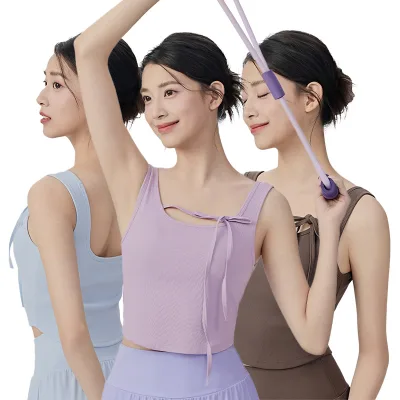
Halter-Neck Sports Bras Seamless Backless Vests Fitness Pilates Yoga Sports Bras
$7.00 - $7.50
MOQ: 5 PCS


Hangzhou Shangyou Apparel Co., Ltd.
- Verified by SGS Group
- Manufacturer, Trading Company
- Lead time25 days
- Avg. response≤ 4h
Main productsYoga Wear, Cycling Wear, Sports Wear, Running Wear, Compression Wear
Main marketsNorth America(50%), Domestic Market(10%), Southeast Asia(7%)
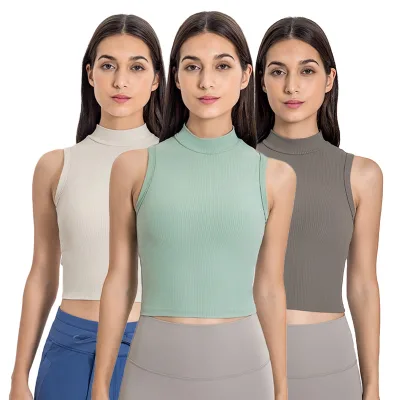
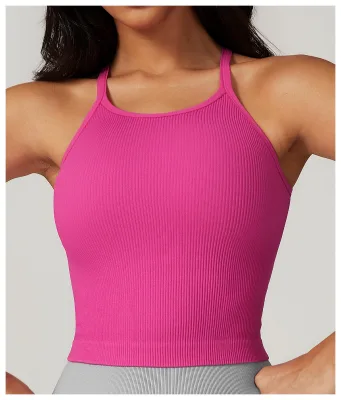
DSS102 High-neck Yoga Vest Sleeveless Sports Top Women Yoga Wear Anti-seismic Sports Top
$5.6242 - $6.6466
MOQ: 5 pieces

Guang'an Xinli Garment Co., Ltd.
- Verified by SGS
- Trading Company
- China Sichuan
- Lead time15 days
- Avg. response≤ 8h
Main productsYoga Wear, Shell Jacket, Seamless Polo, Active Wear, Gym Wear, Ski Jacket, Outdoor Jacket, Hoodie
Main marketsNorth America

Women's Neck Hanging Sleeveless Tank Top Breathable Sports Running Fitness Yoga Vest
$8.58
MOQ: 5000 Pieces

Yoga Vest Tight Back High-Intensity Sports Vest Outdoor Running Fitness Gym Wear
$9.80
MOQ: 5000 Pieces

Yoga Vest Tight Back High-Intensity Sports Vest Outdoor Running Fitness Gym Wear
$13.90
MOQ: 5000 Pieces

$5.42 - $6.64
MOQ: 500 pieces


Xiamen Aimeee Garment Co., Ltd.
- Verified by SGS
- Manufacturer
- China Fujian
- Lead time15 days
- Avg. response≤ 3h
Main productsSports Wear, Gym Wear, Bikini
Main marketsSouth America,Africa,Southeast Asia/ Mideast,Europe,North America
- Verified by Intertek
- Trading Company
- Lead time45 days
- Avg. response≤ 2h
Main productsYoga Wear, Tennis Wear, Hoodies Sweatshirt T-shirt, Pickleball Wear, Golf Wear
Main marketsNorth America(40%), Western Europe(40%), South America(10%)
Guangzhou Anyu Apparel Co., Ltd.
- Trading Company
- Guangdong, China
- Lead time0 days
- Avg. response≤ 5h
Main productsSports Clothes, Tennis Clothes, Cycling Clothes, Beach Pants, Men's T-shirt
Main marketsNorth America(50.00%), Northern Europe(22.00%), Western Europe(20.00%), South America(3.00%), Southern Europe(2.00%), Eastern Asia(2.00%), Oceania(1.00%)

Guangzhou Rainjoys Sports Goods Co., Ltd
- Verified by SGS
- Manufacturer/Factory
- China Guangdong
- Lead time23 days
- Avg. response≤ 1h
Main productsFishing Shirts & Hoodies, Hunting Shirts & Hoodies, Cycling Shirts & Jerseys, Golf Polo Shirts, Billiards Polo Shirts, MTB Jerseys, Gym Fitness Shirts, Badminton T Shirts, Sports Caps & Hats, Neck Gaiter
Main marketsSouth America,Eastern Europe,North America

Women's Breathable Yoga Tank Top High Stretch Spandex Blend Seamless Fitness Vest
$6.88 - $8.39
MOQ: 5 Pieces

Xiamen Yishihe Trading Co., Ltd.
- Manufacturer, Trading Company
- Fujian, China
- Lead time90 days
- Avg. response≤ 3h
Main productsYoga Set,Sports Bra,Yoga Leggings,Loungewear,Swimwear
Main marketsOceania(40.00%), North America(30.00%), Central America(10.00%), Western Europe(10.00%), South America(10.00%)
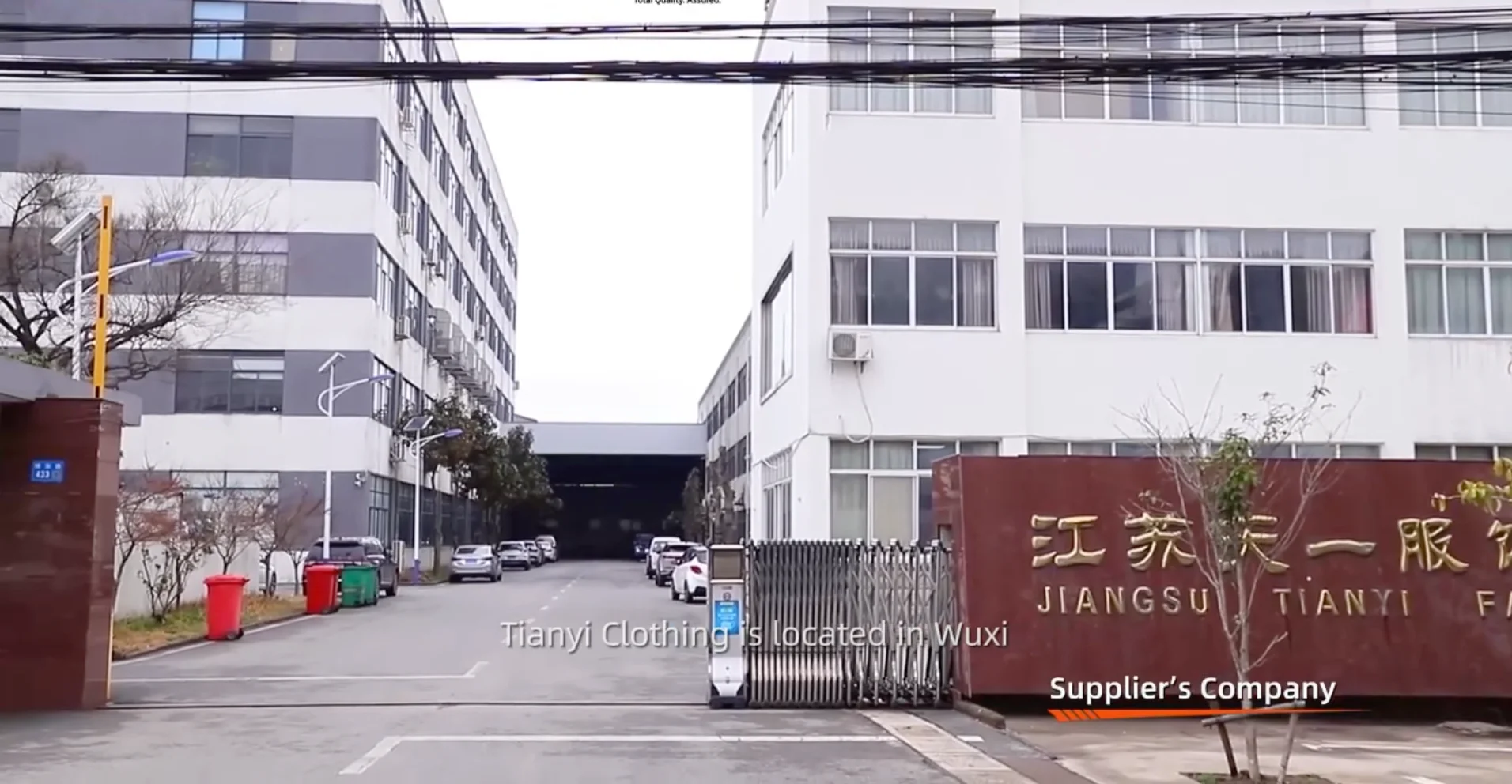
Jiangsu Tianyi Clothing Co., Ltd.
- Manufacturer, Trading Company
- Jiangsu, China
- Lead time30 days
- Avg. response≤ 1h
Main productsYoga Sets,Yoga Leggings,Gym Fitness Sets,Tracksuits,Sports Bras
Main marketsNorth America(21.00%), Mid East(13.00%), Southern Europe(13.00%), Western Europe(12.00%), Eastern Asia(9.00%), Northern Europe(9.00%), Eastern Europe(8.00%), Oceania(7.00%), South America(6.00%), Africa(2.00%)

Laoling Hairui Garment Co., Ltd.
- Verified by SGS
- Combined
- China Shandong
- Lead time23 days
- Avg. response≤ 7h
Main productsSportswear, Yoga Wear
Main marketsDomestic

Customizable Sleeveless Style Sports Vest for Ladies Navel Exposed Yoga Top Wear
$7.20 - $8.00
MOQ: 30 Pieces

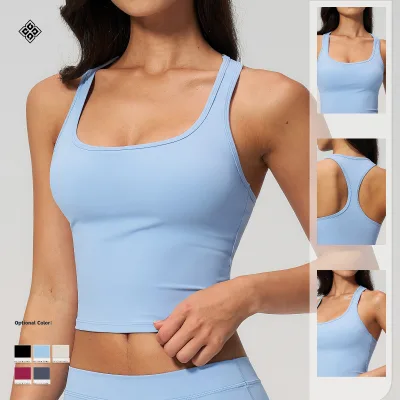
Multi-Scene Cross Back Yoga Tank Sleeveless Vest for Yoga Pilates Jogging Custom Print Logo
$10.90 - $11.50
MOQ: 20 piece

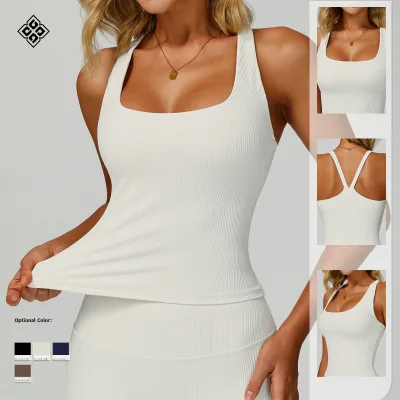
Soft Ribbed Cross Back Yoga Tank Top Stretch Sleeveless Vest for Pilates Running Daily Wear
$10.90 - $11.50
MOQ: 20 piece

Yiwu Wanshian Trading Co., Ltd.
- Verified by SGS
- Trading Company
- China Zhejiang
- Lead time15 days
- Avg. response≤ 1h
Main productsSports Bra, Men Clothing, Women Clothing, Yoga Leggings, Yoga Shorts, Scarf, Yoga Bodysuits, Fashion Belt, Thermal Socks, Apron
Main marketsEast Asia(Japan/ South Korea),Europe,Australia,North America


Yoga Sleeveless Cross Back Running Top Sports Vest Yoga Tank Top for Women
$6.80 - $7.35
MOQ: 2 Pieces

Shen Zhen Jocda Technology Co., Ltd.
- Manufacturer, Trading Company
- Guangdong, China
- Lead time7 days
- Avg. response≤ 12h
Main productsSportswear,fitness wear,yoga wear
Main marketsSouth America(40.00%), Eastern Europe(30.00%), Western Europe(15.00%), Northern Europe(10.00%), Southeast Asia(5.00%)
Ganzhou Duoweili Garments Manufacturing Co., Ltd.
- Manufacturer, Trading Company
- Jiangxi, China
- Lead time7 days
- Avg. response≤ 9h
Main productsSport wear,Yoga leggings,Crop Tops,Yoga Bras,T-shirt
Main marketsNorth America(20.00%), Southeast Asia(18.00%), South America(10.00%), Western Europe(10.00%), Eastern Europe(10.00%), Southern Europe(6.00%), Northern Europe(5.00%), Mid East(5.00%), Domestic Market(4.00%), South Asia(3.00%), Central America(3.00%), Africa(2.00%), Oceania(2.00%), Eastern Asia(2.00%)


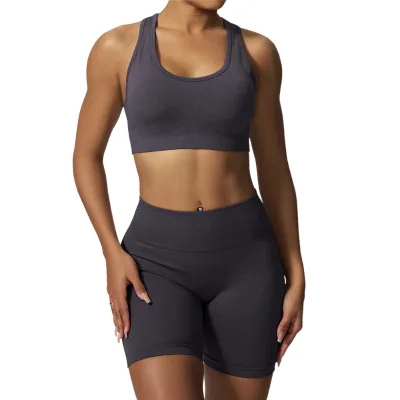
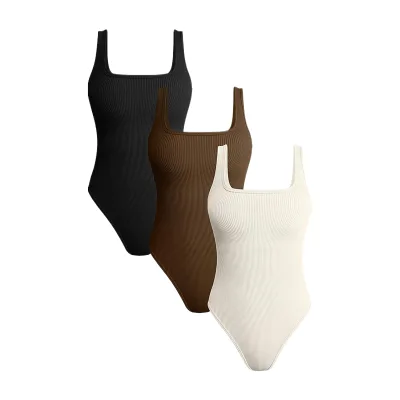
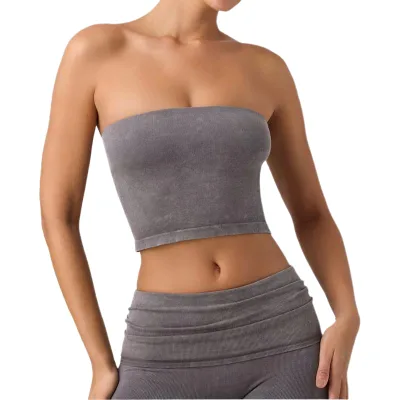
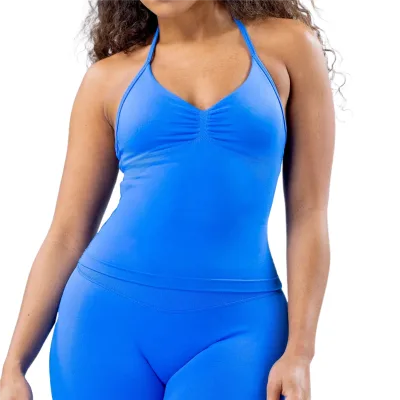






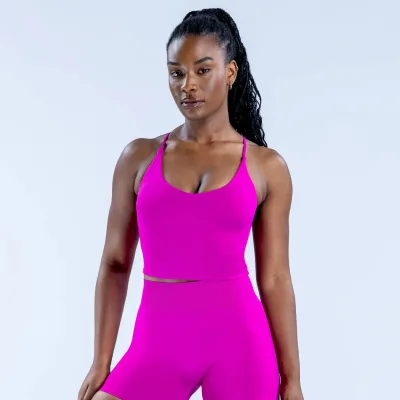
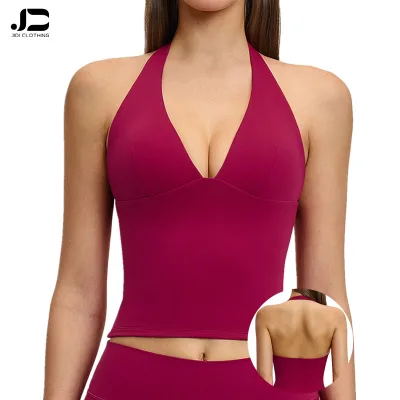
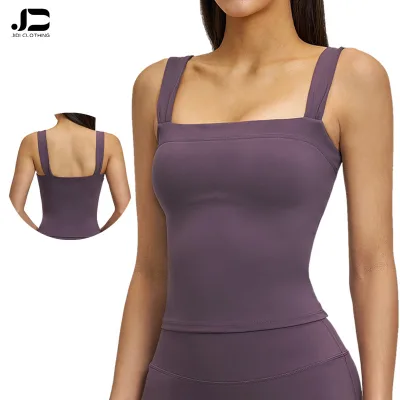
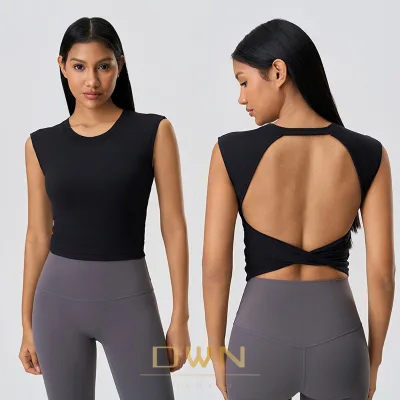
Comprehensive Sourcing Guide
Seamless Reversible Yoga Vest Supplier Concentration and Factory Types
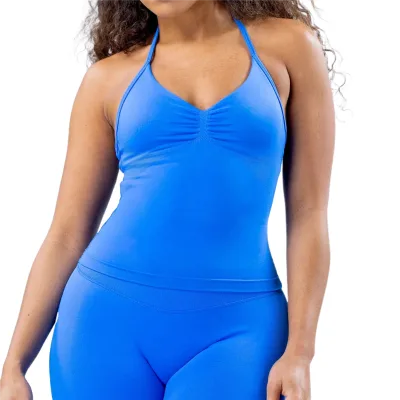
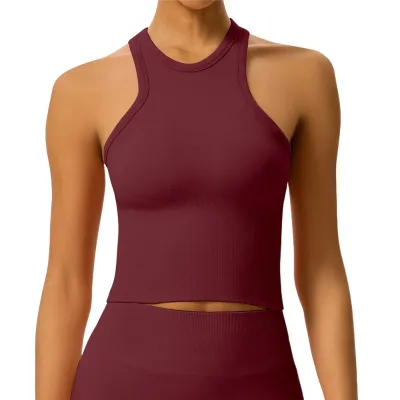
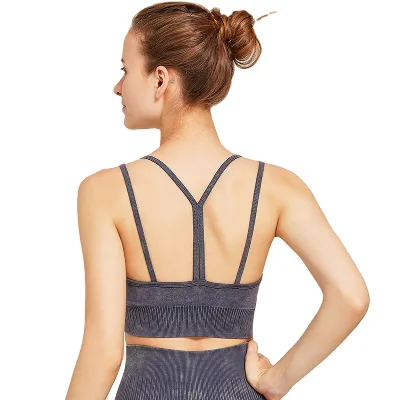
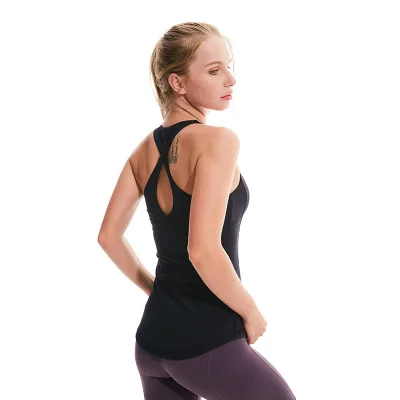
The current supplier landscape for seamless reversible yoga vests is heavily concentrated in Zhejiang, China, a region that has emerged as a significant hub for sportswear manufacturing. This geographic clustering suggests a mature supply chain ecosystem where raw material sourcing, knitting technology, and finishing processes are optimized for regional efficiency. Buyers evaluating this market should note that the available results indicate a mix of company types, primarily distinguishing between trading companies and direct manufacturers. Trading companies often serve as intermediaries, offering broader product assortments and potentially simplifying communication for international buyers who require consolidated shipping from multiple SKUs. In contrast, manufacturers provide direct access to production lines, which can be critical for complex customizations like reversible designs or specific seamless knitting techniques. The presence of both types allows buyers to choose based on their priority for price transparency versus service breadth. Understanding this dichotomy is essential for determining whether a supplier can handle the technical demands of reversible construction, which often requires specialized machinery and skilled labor to ensure the garment maintains its shape and functionality on both sides.
Within this concentrated region, the operational capabilities of suppliers vary significantly, particularly regarding their ability to handle Original Design Manufacturing (ODM) and Original Equipment Manufacturing (OEM) requests. Some suppliers in the Zhejiang cluster have explicitly listed ODM and OEM as core capacities, indicating they possess the engineering resources to develop new reversible patterns or adapt existing ones to specific brand requirements. This is a crucial differentiator for buyers seeking unique market positioning, as reversible yoga vests often require precise alignment of seams and fabrics to ensure durability and aesthetic appeal. Furthermore, the verification status of these suppliers, such as those holding SGS or TÜV Rheinland certifications, provides an additional layer of confidence regarding their operational standards. These verifications often correlate with stricter quality control protocols, which are vital when producing garments that must meet high elasticity and durability standards. Buyers should leverage this information to filter suppliers not just by location, but by their verified capacity to execute complex manufacturing processes, ensuring that the chosen partner can deliver consistent quality across large production runs.
How to Verify Seamless Reversible Yoga Vest Suppliers
Verifying the legitimacy and capability of suppliers requires a multi-layered approach that goes beyond basic profile reviews. Buyers should prioritize suppliers who hold recognized third-party verification badges, such as SGS or TÜV Rheinland, as these indicate that an independent body has audited their business operations and quality management systems. These certifications are particularly important for sportswear, where material safety and production consistency are paramount. In addition to verification badges, buyers must scrutinize the supplier’s response time, which serves as a proxy for operational efficiency and customer service readiness. A response time under ten hours, such as the 8.34-hour average observed in some results, suggests a responsive team capable of addressing urgent queries or production issues promptly. Conversely, slower response times may indicate bottlenecks in communication that could delay critical decisions during the sourcing process. Buyers should also look for evidence of established business practices, such as clear company types that distinguish between trading entities and actual factories, as this distinction impacts pricing structures and direct control over production quality.
Beyond digital metrics, buyers must validate the supplier’s technical expertise in seamless knitting and reversible garment construction. This involves requesting detailed product specifications that highlight material composition, such as polyester-nylon blends or polyester-spandex mixes, which are common in high-performance yoga wear. The presence of specific product attributes, like automated cutting techniques or custom logo acceptance, can further confirm a supplier’s ability to handle bespoke orders. Buyers should also examine the supplier’s main product listings to ensure they specialize in sportswear rather than general apparel, as specialization often correlates with deeper technical knowledge and better quality control. Additionally, verifying the supplier’s adherence to international standards, such as ISO9001:2015 for quality management or ISO14001:2015 for environmental management, provides assurance that their processes are standardized and reliable. These certifications are not merely decorative; they reflect a systematic approach to production that minimizes defects and ensures consistency, which is essential for maintaining brand reputation in the competitive yoga apparel market.
What to Compare Across Seamless Reversible Yoga Vest Suppliers
When evaluating multiple suppliers, buyers must systematically compare key operational metrics to identify the most suitable partner for their specific needs. One of the most critical factors is the minimum order quantity (MOQ), which can vary significantly across different suppliers. For instance, some suppliers may offer MOQs as low as 50 pieces, making them ideal for startups or small batch testing, while others may require orders of 150 or 230 pieces, catering to larger volume buyers. Understanding these thresholds is essential for aligning supplier capabilities with inventory strategies and cash flow constraints. Additionally, lead times are a crucial comparison point, as they directly impact time-to-market for new product launches. Suppliers with shorter lead times, such as those offering 15-day turnaround, can provide a competitive advantage in fast-moving fashion cycles. Buyers should also compare response speeds, as quicker communication can facilitate faster decision-making and problem resolution during the production phase. These operational metrics should be weighed against the supplier’s pricing structure to determine the overall value proposition, ensuring that lower MOQs or faster lead times do not come at the expense of unacceptable price premiums.
Price comparison must be conducted with a clear understanding of the product specifications and customization options offered by each supplier. The price range for seamless reversible yoga vests can vary based on material quality, design complexity, and order volume. For example, basic models may start at lower price points, while those with advanced features like chest pads, breathable mesh, or custom colors may command higher prices. Buyers should also consider the cost of customization, such as logo printing or specific color matching, which may incur additional fees. Furthermore, the supplier’s main product focus can influence pricing; suppliers specializing in sportswear may offer more competitive rates due to economies of scale in material sourcing and production. Buyers should also evaluate the packaging standards, as some suppliers may include carton packaging in their base price while others charge separately. By comparing these detailed cost components, buyers can avoid hidden fees and ensure that the final landed cost aligns with their target margins. This holistic approach to price comparison ensures that buyers select suppliers who offer the best balance of cost, quality, and service.
Common Seamless Reversible Yoga Vest Sourcing Risks
Sourcing seamless reversible yoga vests from international suppliers introduces several risks that buyers must proactively manage to ensure successful procurement. One significant risk is the potential for quality inconsistencies, particularly in the reversible construction of the garment. If the knitting or sewing processes are not executed with precision, the vest may fail to maintain its shape or durability on one or both sides. This risk is heightened when working with suppliers who have limited experience in seamless technology or who lack rigorous quality control protocols. Buyers should mitigate this risk by requesting detailed product samples and conducting thorough inspections before approving bulk production. Additionally, the reliance on automated cutting and specific material blends, such as polyester-nylon or polyester-spandex, requires careful verification to ensure that the materials meet the specified performance standards for elasticity, breathability, and moisture-wicking. Failure to verify these material properties can result in products that do not perform as expected, leading to customer dissatisfaction and potential returns.
Another critical risk is the misalignment of communication and expectations regarding customization and branding. Suppliers may interpret customization requirements differently, leading to discrepancies in logo placement, color accuracy, or packaging specifications. This risk is particularly relevant when working with trading companies that may act as intermediaries, potentially diluting the direct communication between the buyer and the manufacturer. To mitigate this, buyers should establish clear and detailed technical packs that specify every aspect of the product, from material composition to stitching patterns. Furthermore, buyers should be aware of the potential for supply chain disruptions, such as delays in raw material availability or production bottlenecks, which can impact lead times. Suppliers with longer response times or less transparent production processes may be more susceptible to these issues. By conducting thorough due diligence and maintaining open lines of communication, buyers can identify and address these risks early in the sourcing process, ensuring a smoother and more reliable procurement experience.
Seamless Reversible Yoga Vest Regional Sourcing and Logistics
The concentration of Seamless Reversible Yoga Vest suppliers in Zhejiang, China, offers distinct logistical advantages for international buyers. This region is well-connected to major shipping ports, facilitating efficient export processes and reducing transit times to global markets. Buyers sourcing from this cluster can benefit from the established infrastructure for handling textile and apparel exports, including streamlined customs clearance and reliable freight forwarding services. The proximity of suppliers to each other also enables easier coordination for consolidated shipments, which can reduce overall logistics costs. However, buyers must also consider the environmental and regulatory landscape of the region, as suppliers are increasingly required to adhere to strict environmental standards, such as ISO14001:2015. This compliance ensures that production processes are sustainable and compliant with international regulations, which is becoming a key factor for many global brands. Buyers should verify that their chosen suppliers maintain these standards to avoid potential compliance issues that could disrupt supply chains or damage brand reputation.
Logistical planning must also account for the specific packaging requirements of seamless yoga vests, which often involve compact and protective packaging to prevent damage during transit. Suppliers in Zhejiang typically use carton or OPP packaging, which offers varying levels of protection and cost efficiency. Buyers should evaluate the packaging standards of each supplier to ensure they meet the durability requirements for long-distance shipping. Additionally, the origin of the products, consistently listed as China or Zhejiang, China, provides a clear traceability path for buyers who need to comply with country-of-origin labeling regulations. Buyers should also consider the impact of seasonal variations on logistics, as peak production periods may lead to congestion in ports and increased shipping costs. By understanding the logistical dynamics of the Zhejiang region, buyers can optimize their supply chain strategies, ensuring timely delivery and cost-effective transportation of their seamless reversible yoga vests to global markets.
Seamless Reversible Yoga Vest Commercial Terms and Order Planning
Effective order planning for seamless reversible yoga vests requires a thorough understanding of the commercial terms offered by suppliers, including payment structures, warranty policies, and after-sales support. Buyers should negotiate clear terms that define the responsibilities of both parties, particularly regarding quality disputes and return policies. Given the technical nature of reversible garments, it is essential to establish a robust quality assurance process that includes pre-production samples and final inspection protocols. Suppliers with established verification badges, such as SGS or TÜV Rheinland, often provide more reliable quality guarantees, which can simplify dispute resolution. Additionally, buyers should consider the supplier’s capacity for handling rush orders, as some suppliers may offer expedited production services for an additional fee. This flexibility can be crucial for responding to sudden market demands or replenishing stock quickly. By aligning commercial terms with operational capabilities, buyers can minimize risks and ensure a smooth transaction process.
Order volume planning should be guided by the supplier’s MOQ and pricing tiers, allowing buyers to optimize their inventory levels and cash flow. Suppliers with lower MOQs, such as 50 pieces, offer greater flexibility for testing new designs or entering new markets, while higher MOQs may provide better unit prices for established products. Buyers should also consider the supplier’s ability to handle repeat orders, as consistent communication and reliable lead times are essential for maintaining a steady supply chain. Furthermore, buyers should evaluate the supplier’s main product range to ensure they can support future product expansions, such as matching yoga pants or sports bras. This holistic approach to order planning ensures that buyers can scale their operations efficiently while maintaining quality and cost-effectiveness. By carefully analyzing commercial terms and aligning them with business goals, buyers can build a resilient and responsive supply chain for their Seamless Reversible Yoga Vest products.
FAQs
What is the typical lead time for seamless yoga vests?
The typical lead time for these items is 15 days based on current supplier data. Some manufacturers offer faster turnaround for in-stock items, while custom orders may require additional processing time depending on the specific factory capacity and order volume.
What are the minimum order quantities for these vests?
Minimum order quantities vary significantly between suppliers, ranging from 50 pieces to 230 pieces. Buyers should verify the specific MOQ for their chosen model, as some vendors require higher volumes for custom colors or specialized fabric blends like polyester and nylon.
Are these vests available with custom logos and colors?
Yes, customization is available for many models, including custom logos and colors. Suppliers accept requests for specific branding and color variations, though the exact options depend on the manufacturer's capabilities and the specific product model selected for the order.
What certifications do the manufacturers hold?
Some suppliers hold ISO9001:2015 and ISO14001:2015 certificates for quality and environmental management. Verification services like SGS and TÜV Rheinland are also used to confirm supplier credentials, ensuring that production standards meet international requirements for safety and reliability.
Where are the manufacturers located?
Manufacturers are primarily located in Zhejiang, China. This region is known for its textile industry, offering efficient logistics and a wide range of suppliers specializing in sportswear, yoga wear, and fitness apparel for global export markets.
What materials are used for these vests?
Common materials include polyester, nylon, and spandex blends for stretch and durability. Some products feature quick-drying and moisture-wicking properties, while others use high-elastic threads for seamless construction, ensuring comfort and performance during various physical activities.
What is the price range for these vests?
Prices typically range from 2.41 to 8.24 USD per piece depending on the model and features. Factors influencing cost include material quality, customization options, order volume, and specific product attributes like chest pads or breathable mesh designs.