Source maternity nursing anti-pilling jilbab for daily wear, travel, and events
Compare 23 verified listings for maternity nursing anti-pilling jilbab featuring cotton materials and custom OEM services. Buyers can evaluate prices, MOQs, and delivery times from suppliers in Guangdong and Zhejiang, China; compare the available evidence and request quotations based on your requirements.
Updated
Key considerations
Products List
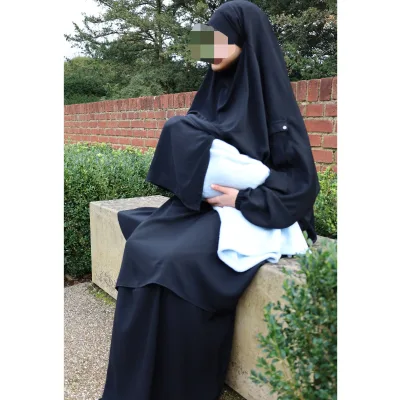

Safe Production Chemical-Free Chinese Modal Baby-Soft Skin-Care Women Hijab
$4.90 - $5.20
MOQ: 50 Pieces


Factory Direct Cotton Hijab - Breathable & Pill-Resistant for Dubai Ladies' Use
$1.70 - $2.18
MOQ: 100 pieces


Wholesale Cotton Modal Hijab- Warm & Pill-Resistant for Autumn Winter Casual Use
$1.70 - $2.18
MOQ: 100 pieces


Comprehensive Sourcing Guide
Maternity Nursing Anti-Pilling Jilbab Sourcing Guide
Sourcing specialized modest wear for expectant mothers requires balancing comfort, durability, and aesthetic appeal. The intersection of maternity needs and Islamic fashion creates a niche market where fabric performance is critical. Buyers must prioritize materials that offer stretch without losing shape, ensuring the garment remains functional throughout pregnancy and postpartum periods. This guide outlines the essential verification steps for procuring high-quality jilbabs that meet these specific demands.
The procurement process involves navigating diverse supplier capabilities, from OEM manufacturers to ready-made stock providers. Understanding the technical attributes of fabrics like cotton blends and jersey knits is vital for selecting items that resist pilling and shrinking. This document provides a structured approach to evaluating product listings, verifying technical specifications, and establishing commercial terms that protect the buyer’s interests while ensuring product quality.
Product Scope and Observed Listing Signals
Market listings for maternity jilbabs often highlight specific fabric compositions and printing methods that influence end-user satisfaction. Observed data indicates a prevalence of 100% cotton and cotton-blend materials, such as cotton bamboo jersey or cotton modal, which are favored for their breathability and softness against sensitive skin. These materials are frequently marketed with features like anti-pilling and anti-shrink properties, which are essential for maintaining the garment’s integrity after repeated washing. Buyers should verify these claims by requesting fabric swatches or detailed material breakdowns before committing to large orders.
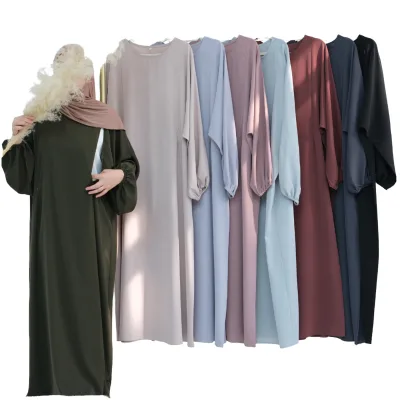
The visual presentation and customization options also play a significant role in product selection. Many suppliers offer digital printing, screen printing, or heat transfer methods, allowing for customized patterns that cater to diverse aesthetic preferences. Listings frequently mention multiple color options, including black and various other shades, alongside size ranges from S to XXL. It is crucial to distinguish between ready-made apparel and custom OEM services, as this distinction affects lead times, minimum order quantities, and the level of personalization available for your brand.
Technical Specifications to Verify
Fabric weight and dimensional stability are primary technical factors that determine the suitability of a jilbab for maternity wear. Buyers should confirm the exact gram weight of the cotton or jersey material, as heavier fabrics may provide better coverage but less comfort in warm climates. Additionally, verifying the standard dimensions, such as 180 * 70cm or similar variations, ensures the garment provides adequate coverage and ease of movement. Suppliers may list single package sizes and gross weights, which are critical for calculating shipping costs and storage requirements in your warehouse.
Construction details and finishing techniques also impact the longevity and comfort of the final product. Inspect the stitching quality, particularly around the bust and waist areas, to ensure there is no restrictive tension that could cause discomfort during pregnancy. The presence of features like anti-pilling treatments should be validated through independent testing or supplier-provided test reports. Furthermore, clarify the packaging standards, whether they involve OPP bags, zipper bags, or boxes, as this affects the product’s presentation and protection during transit.
Compliance and Safety Documentation
While specific certification requirements vary by destination market, verifying basic safety and quality standards is non-negotiable for textile imports. Some suppliers may list certifications such as CCC or CE, which indicate compliance with certain regional safety or quality benchmarks. Buyers must confirm whether these certifications are relevant to their target market and if they cover the specific textile components used in the jilbab. It is advisable to request copies of valid certificates and verify their authenticity with the issuing bodies to avoid compliance issues at customs.
Chemical safety and fiber content accuracy are also critical compliance aspects. Ensure that the supplier provides a detailed fiber composition report to confirm that the material matches the advertised 100% cotton or specified blend. This prevents mislabeling issues that could lead to regulatory penalties. Additionally, inquire about the dyes and printing inks used, ensuring they are free from harmful substances like azo dyes or heavy metals. Requesting a third-party lab test report for chemical safety can provide an additional layer of assurance for your customers.
Cost Drivers and Commercial Terms
Pricing for maternity jilbabs is influenced by material costs, printing complexity, and order volume. Observed price ranges can vary significantly, reflecting differences in fabric quality and customization levels. Buyers should analyze the cost structure to understand how factors like digital printing versus screen printing affect the unit price. Establishing clear minimum order quantities (MOQ) is essential, as lower MOQs may result in higher per-unit costs. Negotiating tiered pricing based on volume can help improve margins as your order sizes increase.
Payment terms and lead times are key components of the commercial agreement. Suppliers may offer various payment methods, including Trade Assurance, PayPal, Western Union, or Telegraphic Transfer (TT). It is crucial to align payment schedules with production milestones to mitigate financial risk. Lead times can range from sample approval to final delivery, with some suppliers offering rapid turnaround for in-stock items. Clarify the exact delivery timeframes, including any potential delays due to customization or peak seasons, to ensure timely inventory replenishment.
Supplier Qualification and Quality Control
Evaluating supplier capabilities involves assessing their production capacity, quality control processes, and customer service responsiveness. Suppliers offering OEM/ODM services should demonstrate a robust design and development team capable of translating your specifications into production-ready samples. Verify their experience in manufacturing maternity wear, as this requires specific knowledge of fit and comfort considerations. Request references or case studies from previous clients to gauge their reliability and consistency in delivering high-quality products.
Implementing a rigorous quality control protocol is essential to maintain product standards. Establish clear acceptance criteria for fabric quality, stitching, and printing accuracy before production begins. Consider hiring third-party inspection services to conduct pre-shipment inspections, ensuring that the goods meet your specifications. Regular communication with the supplier regarding production progress can help identify and resolve potential issues early. Building a strong relationship with your supplier can lead to better pricing, priority production, and improved support for future orders.
Long-Term Procurement Checks
Continuous monitoring of supplier performance and market trends is vital for sustaining a successful procurement strategy. Regularly review supplier metrics, such as on-time delivery rates, defect rates, and responsiveness to issues. Use this data to make informed decisions about continuing or diversifying your supplier base. Stay updated on changes in textile regulations and consumer preferences, particularly regarding sustainable materials and ethical manufacturing practices. Adapting to these shifts can help maintain your brand’s competitiveness and relevance in the modest fashion market.
Feedback from end-users should be systematically collected and analyzed to drive product improvements. Encourage customers to share their experiences regarding comfort, durability, and fit, using this insights to refine future orders. Consider expanding your product range to include complementary items, such as matching hijabs or undergarments, to offer a complete modest wear solution. Investing in long-term supplier partnerships and continuous quality improvement will help build a resilient and responsive supply chain that meets the evolving needs of your customers.
FAQs
What material is used for the maternity nursing anti-pilling jilbab?
The maternity nursing anti-pilling jilbab is made from 100% cotton material. This fabric ensures comfort and breathability for expectant mothers. It also features anti-pilling and anti-shrink properties to maintain appearance after washing. The product is designed specifically for women in the adult age group.
Can I get custom OEM services for this jilbab product?
Yes, custom OEM and ODM services are available for this jilbab product. Buyers can request specific designs or branding through the supplier. The service supports dropshipping and allows for customized patterns. This flexibility helps businesses create unique offerings for their specific market needs.
What is the minimum order quantity for this jilbab?
The minimum order quantity for this jilbab is 100 pieces. Some listings indicate a range starting from 5 units, but the standard MOQ is 100. This threshold applies to custom orders and ensures efficient production. Buyers should confirm specific requirements with the supplier before placing an order.
How long does it take to deliver the jilbab samples?
Sample orders for the jilbab can be delivered within 7 days. This lead time applies after the final payment is received. Standard delivery for bulk orders takes between 7 to 15 working days. The supplier supports quick turnaround times for sample verification before bulk production begins.
Which certifications does the jilbab product hold?
The jilbab product holds CCC and CE certifications. These standards indicate compliance with specific safety and quality requirements. The product originates from Guangdong, China, and meets international standards. Buyers can verify these certifications to ensure the product meets their regulatory needs.
What shipping methods are available for this jilbab?
Shipping methods include FEDEX, DHL, UPS, TNT, and ARAMEX. These carriers ensure reliable delivery to various international destinations. The single package size is approximately 38 by 35 by 3 cm. Buyers can choose the most suitable logistics partner based on their location and urgency.
What size options are available for the maternity jilbab?
Size options include S, M, L, XL, and XXL. These sizes accommodate various body types for adult women. The product is designed to fit comfortably during pregnancy. Buyers should check specific measurements to ensure the correct fit for their customers.