Source Jersey Solid Hijab Cap for Decoration, Head Wear, and Daily Use
Compare 30 listings for Jersey Solid Hijab Cap from verified suppliers in China. Buyers can evaluate customization options, fabric types like modal and jersey, and delivery times ranging from 7 days to monthly supply capabilities; compare the available evidence and request quotations based on your requirements.
Updated
Key considerations
Products List


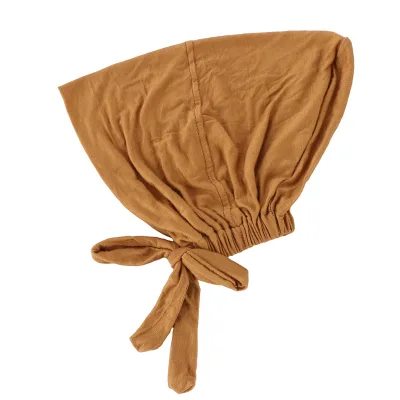

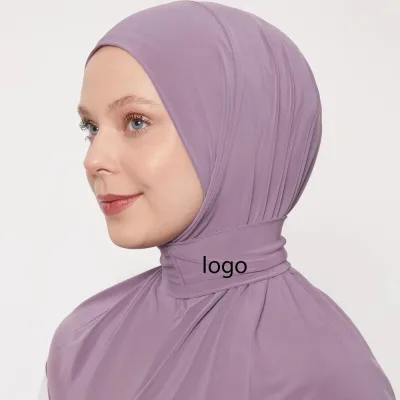
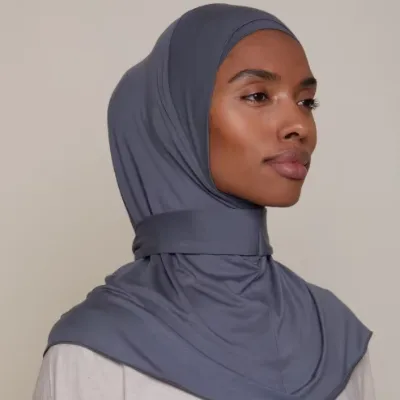
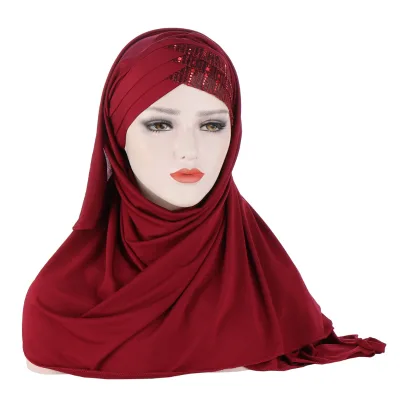
High Quality Solid Color Liquid Jersey Hijab Comfortable for Women Hijab Gift
$3.80 - $4.50
MOQ: 50 Pieces


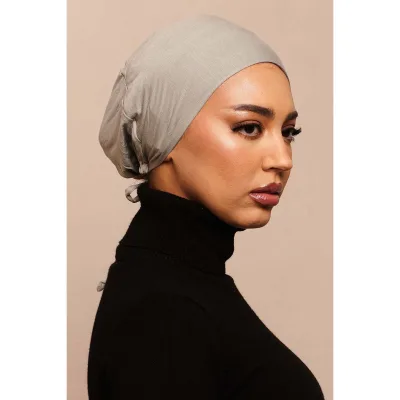
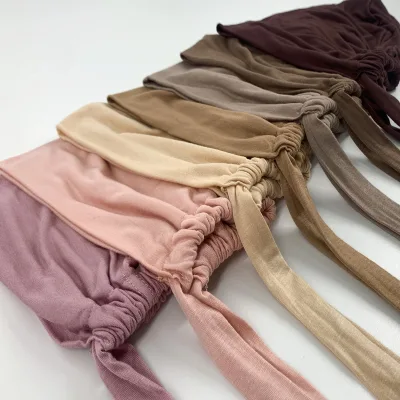
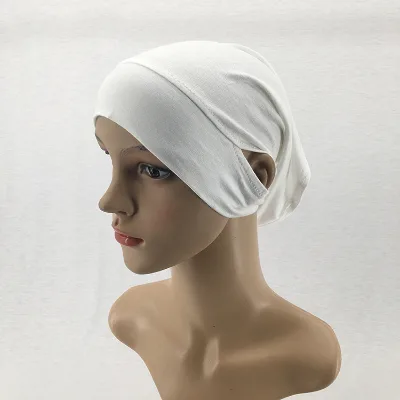


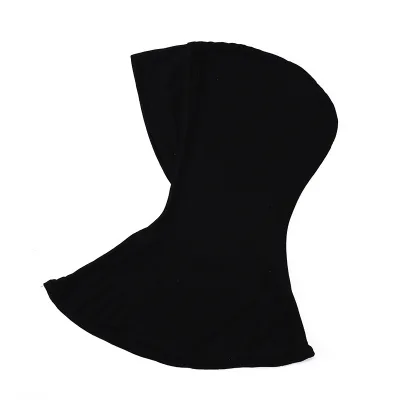
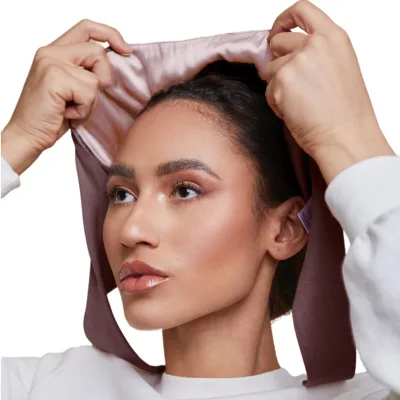
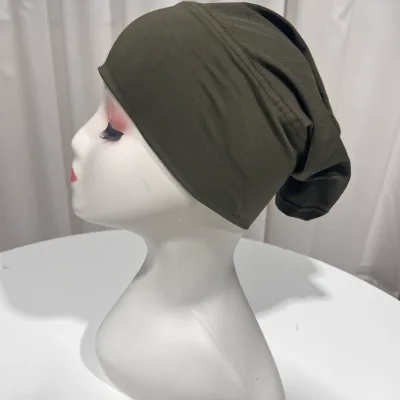
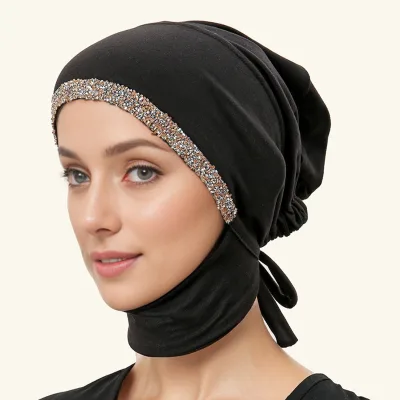
Comprehensive Sourcing Guide
Jersey Solid Hijab Cap Sourcing Guide
Sourcing jersey solid hijab caps requires a nuanced understanding of fabric performance, cultural compliance, and manufacturing flexibility. These garments serve as essential headwear for Muslim women, combining modesty with practical comfort. The core product category includes inner caps designed to secure outer hijabs while maintaining breathability and style. Buyers must navigate a market defined by high customization potential, where logo placement, color selection, and packaging details are critical differentiators. This guide provides evidence-based procurement strategies to help buyers identify reliable suppliers and mitigate common sourcing risks.
The procurement landscape for these items is characterized by significant variability in material composition and production capabilities. While some listings emphasize modal blends for softness, others highlight jersey fabrics for durability and stretch. Understanding these material distinctions is vital for aligning product selection with target market preferences. Furthermore, the availability of custom branding and packaging options allows buyers to create unique value propositions. This guide outlines the key technical, commercial, and quality assurance factors necessary for successful sourcing of jersey solid hijab caps from global suppliers.
Product Scope and Observed Listing Signals
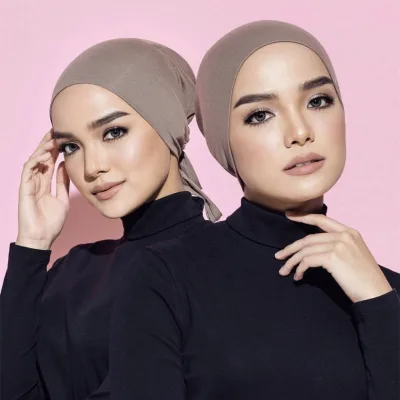
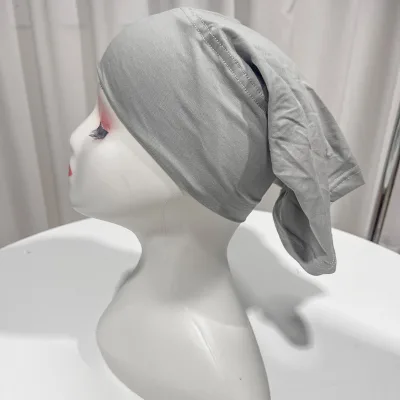
The observed product range for jersey solid hijab caps includes variations in model types such as "Inner Cap" and "modal inner hijab jersey cap." Listings indicate a strong emphasis on customization, with attributes like "Custom Logo," "Custom Color," and "Custom Label" frequently appearing. These signals suggest that suppliers are equipped to handle bespoke orders, allowing buyers to tailor products to specific brand identities. The presence of "Plain" patterns and "Plain Dyed" styles indicates a preference for versatile, solid-color designs that can be easily integrated into broader fashion collections.
Packaging and logistics details reveal a focus on efficient handling and retail readiness. Common packaging methods include OPP bags, zipper bags, and boxes, with specific dimensions like 30X30X0.25 cm and 20X30X0.7 cm noted for single items. These details help buyers estimate shipping volumes and storage requirements. Additionally, the mention of "Single Package Single Item" suggests that suppliers are prepared for direct-to-consumer or small-batch retail distribution. Buyers should verify these packaging specifics to ensure they align with their supply chain needs and retail presentation standards.
Technical Specifications to Verify
Fabric composition is a primary technical consideration, with modal and jersey being the most commonly cited materials. Modal is often preferred for its softness and breathability, while jersey offers durability and stretch. Buyers must verify the exact fabric blend and weight, as these factors significantly impact comfort and performance. Specifications such as "Normal" thickness and "Long" style length should be confirmed against physical samples to ensure they meet quality expectations. Additionally, features like "Quick Dry," "Anti-Bacterial," and "Windproof" properties should be validated through supplier documentation or independent testing.
Model numbers and sizing standards provide another layer of technical verification. Listings reference specific model numbers like "CYQ-HC-013" and styles such as "Western" and "Sweety." Buyers should request detailed size charts and fit guides to ensure consistency across orders. The "Inner Cap" designation implies a specific functional design, which should be cross-referenced with product images and descriptions. Verifying these technical details helps prevent discrepancies between ordered and delivered goods, ensuring that the final product meets the intended use case and customer expectations.
Compliance and Safety Documentation
While specific certification statuses are not explicitly detailed in the provided context, buyers should proactively request relevant compliance documentation from suppliers. This includes material safety data sheets and any applicable textile standards that ensure the fabrics are free from harmful substances. Given the product's direct contact with skin, verifying compliance with international safety regulations is crucial for market access and consumer trust. Buyers should also inquire about any third-party testing results that confirm the claimed features, such as breathability and anti-bacterial properties.
Ethical sourcing and labor practices are increasingly important considerations in the apparel industry. Buyers should assess suppliers' commitment to fair labor standards and environmental sustainability. Although the context mentions "Islam" as an ethnic region, this refers to the cultural context of the product rather than a compliance standard. Buyers should ensure that their suppliers adhere to recognized ethical guidelines, such as those outlined by the Fair Labor Association or similar bodies. This due diligence helps mitigate reputational risks and aligns with the values of conscious consumers.
Cost Drivers and Commercial Terms
Pricing for jersey solid hijab caps varies based on material quality, customization complexity, and order volume. Observed price ranges and MOQs indicate a flexible pricing structure, with lower MOQs suitable for testing new designs and larger volumes offering cost efficiencies. Buyers should negotiate terms that balance cost with quality, considering factors like fabric weight and finishing techniques. The availability of "Customized Services" such as size, logo, and packing customization may incur additional costs, which should be factored into the total landed cost calculation.
Lead times and payment terms are critical commercial considerations. Suppliers typically offer delivery within seven days after final payment, which is advantageous for agile supply chains. However, buyers should confirm these timelines during peak seasons or for complex custom orders. Payment terms should be structured to protect both parties, with options like letters of credit or escrow services providing security. Understanding the full cost structure, including shipping and duties, is essential for accurate margin planning and competitive pricing in the target market.
Supplier Qualification and Quality Control
Supplier qualification involves assessing manufacturing capabilities, quality control processes, and past performance. Buyers should request samples to evaluate fabric quality, stitching integrity, and overall finish. The presence of "High Quality" attributes in listings is a positive signal, but independent verification is necessary. Suppliers with established production lines in regions like Zhejiang and Fujian, China, may offer consistent quality and reliable delivery. Buyers should also inquire about their quality control protocols, including in-line inspections and final random inspections.
Communication and responsiveness are key indicators of supplier reliability. Suppliers who provide detailed product information, such as single gross weights and packaging details, demonstrate professionalism and attention to detail. Buyers should assess the supplier's ability to handle custom requests and their responsiveness to inquiries. Building a strong relationship with a qualified supplier can lead to better pricing, priority production, and improved support. Regular audits and performance reviews help maintain high standards and ensure continuous improvement in the supply chain.
Long-Term Procurement Checks
Long-term procurement success depends on continuous monitoring of supplier performance and market trends. Buyers should establish key performance indicators (KPIs) to track delivery times, quality consistency, and responsiveness. Regular feedback loops with suppliers help identify areas for improvement and foster collaboration. Staying informed about changes in fabric technology and consumer preferences allows buyers to adapt their product offerings accordingly. This proactive approach ensures that the sourcing strategy remains competitive and aligned with market demands.
Sustainability and ethical sourcing should be integrated into long-term procurement strategies. Buyers should regularly review their suppliers' environmental and social practices, seeking opportunities to enhance sustainability. This may include transitioning to more eco-friendly materials or supporting suppliers who invest in renewable energy. By prioritizing responsible sourcing, buyers can build brand loyalty and mitigate risks associated with regulatory changes. Continuous improvement and strategic partnership development are essential for sustaining long-term success in the Jersey Solid Hijab Cap market.
FAQs
What customization options are available for jersey solid hijab caps?
Customization is available for logo, color, label, size, and packing. Buyers can request custom logos and colors to match brand identity. The supplier accepts custom labels and offers various packaging options including OPP bags, zipper bags, and boxes. This flexibility allows for tailored branding and presentation for bulk orders.
What is the minimum order quantity for these hijab caps?
The minimum order quantity is 10 pieces. This low MOQ allows buyers to test the market or order small batches. The supplier supports small initial orders while maintaining high-quality standards. Bulk orders can reach up to 50,000 pieces per month, ensuring scalability for growing business needs.
How long does delivery take after payment?
Delivery time is within 7 days after final payment. This quick turnaround supports urgent restocking needs. The supplier ensures efficient processing to meet tight deadlines. Buyers can rely on this prompt schedule for timely inventory management and seasonal demand fulfillment without extended waiting periods.
What material is used for the inner hijab cap?
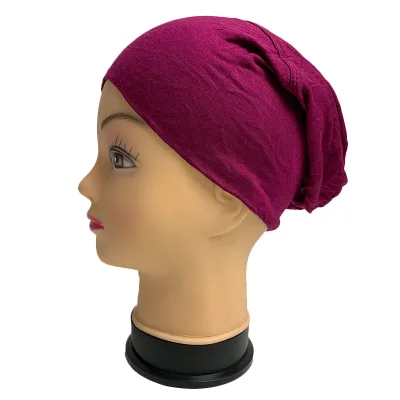
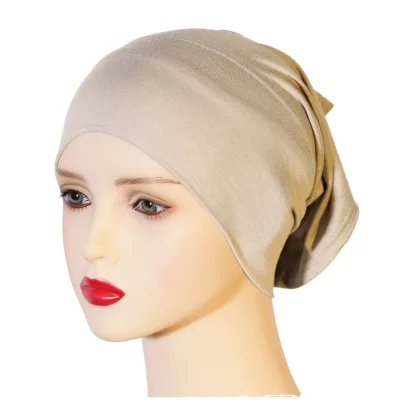
The material is modal jersey, which is soft and breathable. This fabric type ensures comfort for all-day wear. The modal inner hijab cap is designed for adults and features a plain dyed style. It offers a smooth texture suitable for daily use and provides a comfortable fit under outer hijabs.
Where are these hijab caps manufactured?
These caps are manufactured in Zhejiang and Fujian, China. The products originate from these regions, ensuring access to established textile supply chains. Buyers can expect consistent quality from these manufacturing hubs. The location supports efficient logistics and dispatch from ports like Fuzhou for international shipping.
What features does the Jersey Solid Hijab Cap offer?
The cap features quick dry, anti-bacterial, breathable, and windproof properties. These attributes enhance comfort and hygiene for the wearer. The design is suitable for spring, autumn, and four seasons. The plain pattern and western style make it versatile for various cultural and religious contexts.