China Alumina Ball Suppliers and Manufacturers in China
Explore 27 verified options for China Alumina Ball from locations including Jiangxi and Heilongjiang. Compare response times, lead times, certifications like ISO 9001:2015, and product specifications such as purity and size. Contact suppliers directly to request quotes; review the available evidence before requesting comparable quotations from suitable candidates.
Updated
Suppliers List

Mudanjiang Fengda Chemicals Imp. & Exp. Corp.
- Trading Company
- China Heilongjiang
- Lead time23 days
- Avg. response≤ 3h
Main productsOxalic Acid, Formic Acid, Calcium Formate, Potassium Formate, Sodium Sulphide, Methylene Chloride, Sodium Sulfite, Sodium Formate, Sodium Hydrosulfide, Humic Acid
Main marketsSouth America,Africa,Southeast Asia/ Mideast,East Asia(Japan/ South Korea),Domestic,Europe,Australia,North America
Pingxiang Xingfeng Chemical Packing Co., Ltd.
- Manufacturer, Trading Company
- Jiangxi, China
- Lead time3 days
- Avg. response≤ 9h
Main productsCeramic Ball,Molecular Sieve,Activated Alumina,Tower Packing,Abrasion Resistant Ceramic
Main marketsDomestic Market(40.00%), Western Europe(11.00%), North America(8.00%), Eastern Europe(7.00%), South Asia(5.00%), Southern Europe(5.00%), South America(5.00%), Southeast Asia(5.00%), Eastern Asia(5.00%), Mid East(5.00%), Northern Europe(4.00%)

Shanghai Gongtao Ceramics Co., Ltd.
- Verified by TUVRHEINLAND
- Combined
- China Shanghai
- Lead time15 days
- Avg. response≤ 4h
Main productsCeramic Tube, Crucible, Ceramic Mill Pot, Ceramic IR Heater, Ceramic Connector, Mortar and Pestle, Ceramic Rod, Ceramic Igniter Electrode, Mica Plate, Ceramic Parts
Main marketsSouth America,Southeast Asia/ Mideast,Europe,Australia,North America

Zibo Yunfeng Industrial Ceramics Co., Ltd.
- Verified by TUVRHEINLAND
- Combined
- China Shandong
- Lead time15 days
- Avg. response≤ 13h
Main productsAlumina Ceramic, Ceramic-Lined Pipe for Lithium Battery Industry, Ceramic Elbow for Pneumatic Conveying, Wear-Resistant Ceramic Elbow, Fly Ash Conveying Pipeline, Zirconia Ceramics, Dewatering Element, Ceramic Lined Pipe, Ceramic Liner for Hydrocyclone, Paper Cleaner
Main marketsEurope,North America
Pingxiang Baitian New Materials Co., Ltd.
- Trading Company
- Jiangxi, China
- Lead time10 days
- Avg. response≤ 2h
Main productszirconia powder,zirconia bead,zirconia grinding media,alumina bead,molecular sieve
Main marketsWestern Europe(15.00%), South America(15.00%), North America(15.00%), South Asia(10.00%), Mid East(10.00%), Eastern Europe(10.00%), Southeast Asia(10.00%), Eastern Asia(5.00%), Northern Europe(5.00%), Oceania(5.00%)

Zibo Aotai New Material Technology Co., Ltd.
- Combined
- China Shandong
- Lead time15 days
- Avg. response≤ 7h
Main productsAluminium Hydroxide, Frame Retardant Filler, Alumina Powder, Calcined Alumina, Aluminum Oxide, Zeolite, Polyaluminum Cholide, Ferrous Sulfate
Main marketsEast Asia(Japan/ South Korea)
Zibo Hitech Material Co., Ltd.
- Trading Company
- Shandong, China
- Lead time30 days
- Avg. response≤ 14h
Main productsRefractoy bricks,Monolithic materials,Steel continous casting refractories,Ceramic fibers,Nickel-based alloys
Main marketsMid East(50.00%), South America(10.00%), South Asia(8.00%), North America(8.00%), Eastern Asia(6.00%), Southeast Asia(5.00%), Western Europe(5.00%), Africa(1.50%), Southern Europe(1.50%), Northern Europe(1.50%), Central America(1.50%), Eastern Europe(1.50%), Domestic Market(0.50%)
$414.0898 - $1035.2244
MOQ: 2 Minimum
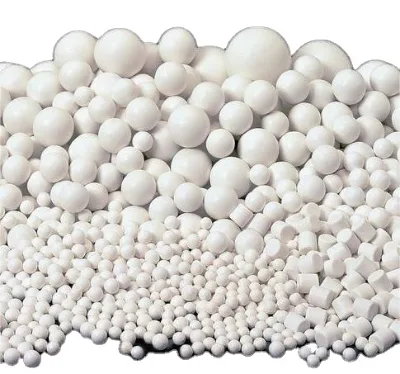
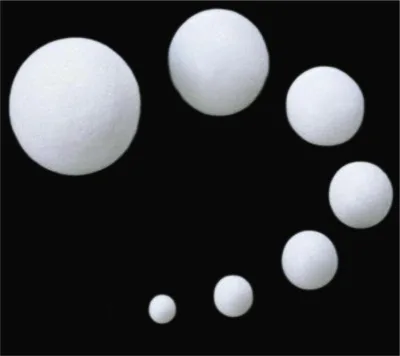
High-quality 95% Acid and Alkali Resistant Alumina Ceramic Balls to Improve the Grinding Rate
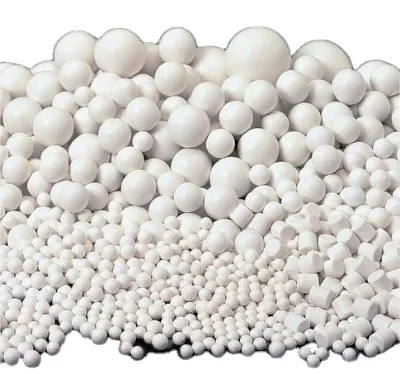
$400.00 - $1000.00
MOQ: 2 Minimum
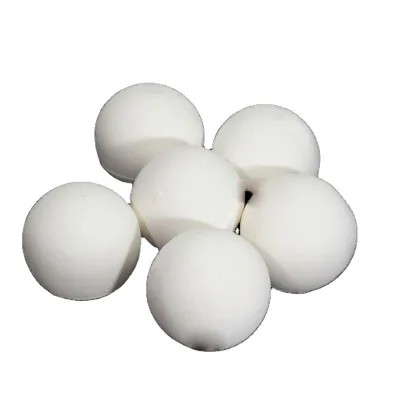
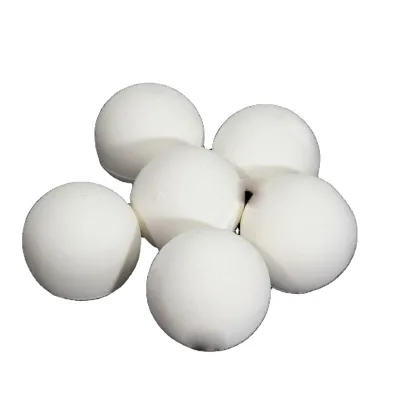
High Hardness Density Large Alumina Balls High Aluminum Content for Cement Industry
$400.00 - $1000.00
MOQ: 2 Minimum

Zibo Yinghe Chemical Co., Ltd.
- Combined
- China Shandong
- Lead time15 days
- Avg. response≤ 3h
Main productsActivated Alumina, Aluminium Hydroxide, Molecular Sieve, Ceramic Ball, Alumina Oxide Powder, Silica Gel, Zsm Catalyst, Sodium Ligno Sulphonate, Catalyst Carrier, Boehmite
Main marketsSoutheast Asia/ Mideast,East Asia(Japan/ South Korea),Domestic

Pingxiang Rongjian Environmental Protection Chemical Packing Co., Ltd
- Verified by TUVRHEINLAND
- Combined
- China Jiangxi
- Lead time30 days
- Avg. response≤ 3h
Main productsCeramic Ball, Pall Ring, Molecular Sieve, Honeycomb Ceramic, Activated Alumina, Structured Packing, Metal Random Packing, Plastic Random Packing, Ceramic Random Packing
Main marketsDomestic


Chemical Industry 99% Alumina Ball Support Media 6-90mm High Alumina Ceramic Ball
$1.00 - $2.00
MOQ: 1 kg


Kaifeng Datong Refractories Co., Ltd.
- Verified by SGS Group
- Manufacturer, Trading Company
- Lead time15 days
- Avg. response≤ 3h
Main productsCalcium aluminate cement, Calcined alumina, Spinel, Corundum, Calcined alumina
Main marketsSoutheast Asia(30%), Africa(20%), Eastern Asia(20%)

TIANJIN YINGHUA NEW MATERIAL TECH CO., LTD.
- Verified by CTI
- Trading Company
- China Tianjin
- Lead time23 days
- Avg. response≤ 4h
Main productsZirconia, Ceramics, Dental Block, Blade, Piston, Mcxl Bur, Lithium Disilicate Block, Sapphire, PMMA Block, Aln
Main marketsEast Asia(Japan/ South Korea),Domestic,Europe,North America

Pingxiang Xingfeng Chemical Packing Co., Ltd.
- Verified by TUVRHEINLAND
- Combined
- China Jiangxi
- Lead time15 days
- Avg. response≤ 10h
Main productsMolecular Sieve
Main marketsSouth America,Southeast Asia/ Mideast,Europe,North America
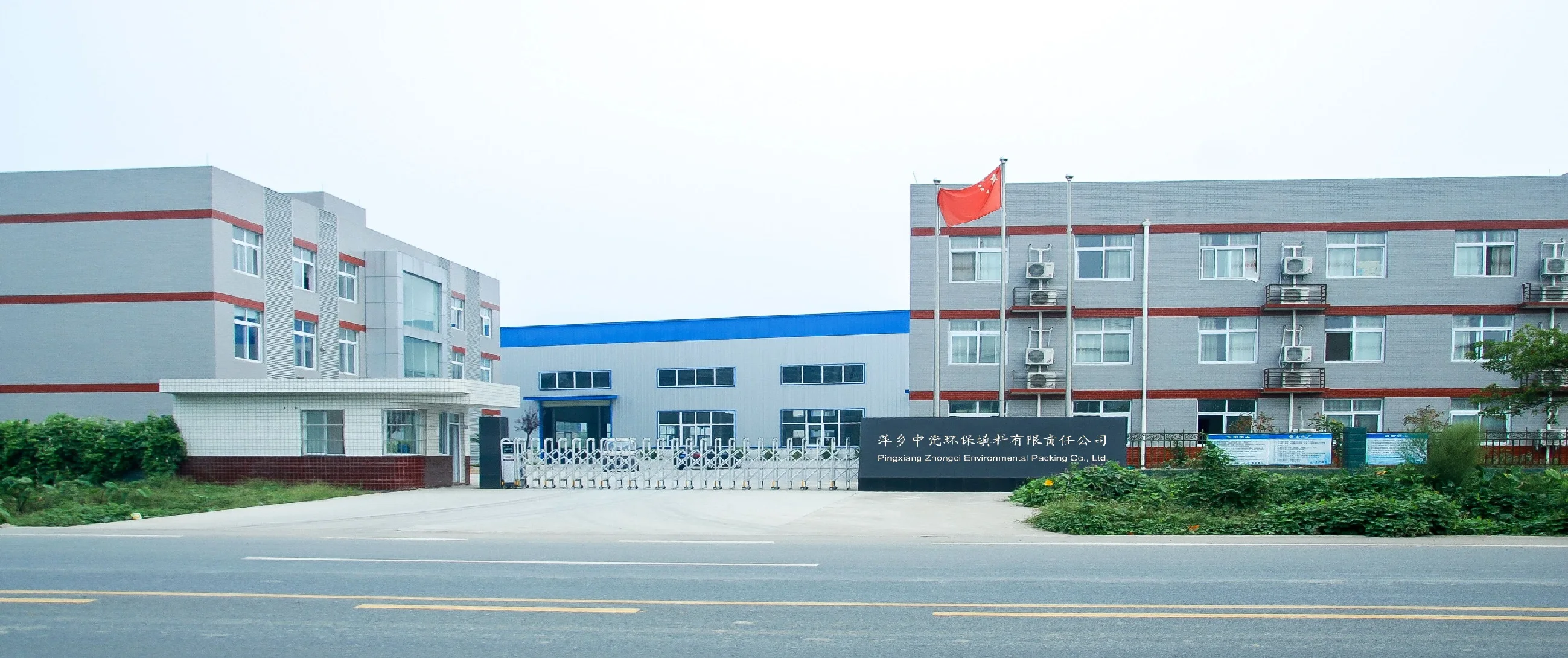
Pingxiang Zhongci Environmental Ceramics Material Co., Ltd.
- Trading Company
- Jiangxi, China
- Lead time15 days
- Avg. response≤ 3h
Main productsCeramic Ball,Random Packing,Aquarium Filter,Molecular Sieve,Converter Catalytic
Main marketsOceania(100.00%), Domestic Market(100.00%), Central America(100.00%), Africa(100.00%), Mid East(15.00%), Southeast Asia(15.00%), North America(15.00%), Eastern Europe(10.00%), South America(10.00%), Western Europe(10.00%), Southern Europe(10.00%), Northern Europe(5.00%), South Asia(5.00%), Eastern Asia(5.00%)
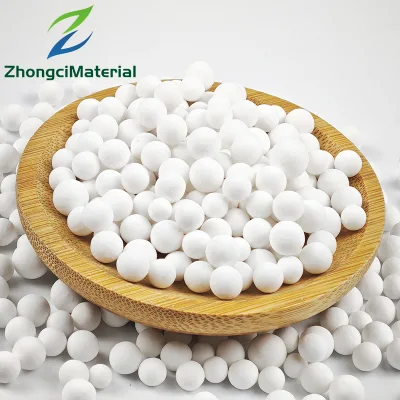
$1.2951 - $1.7104
MOQ: 1 Minimum
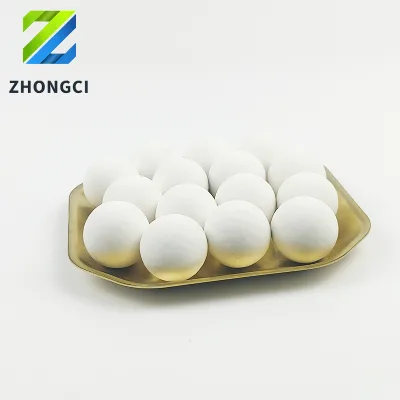
$0.8245 - $1.544
MOQ: 5 Minimum
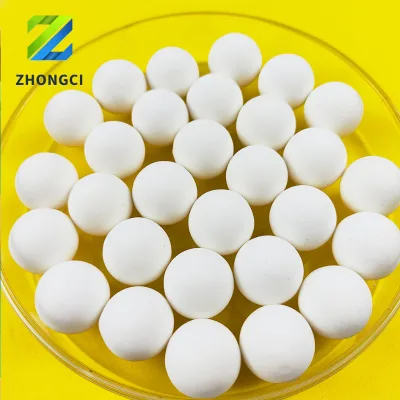
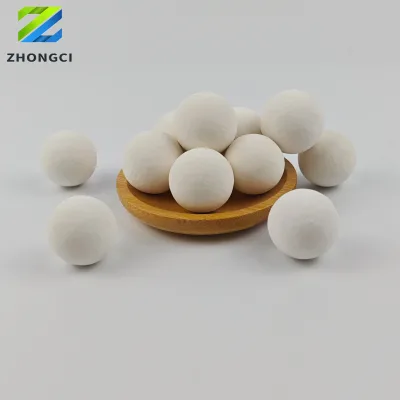
Factory Price Aluminum support Media Balls Al2o3 High Aluminum Refractory Ball For Mining Ball Mill
$700.00 - $1200.00
MOQ: 1 Minimum

Pingxiang Bestn Chemical Packing Co., Ltd.
- Verified by BV
- Manufacturer/Factory
- China Jiangxi
- Lead time15 days
- Avg. response≤ 3h
Main productsTower Packings, Ceramic Balls, Molecular Sieve, Mbbr Media, Aquarium Filter Media, Pall Ring, Ceramic Saddles, Activated Alumina, Honeycomb Ceramic, Ceramic Foam Filter
Main marketsSouth America,Eastern Europe,Mid East,North America,Southeast Asia,Western Europe
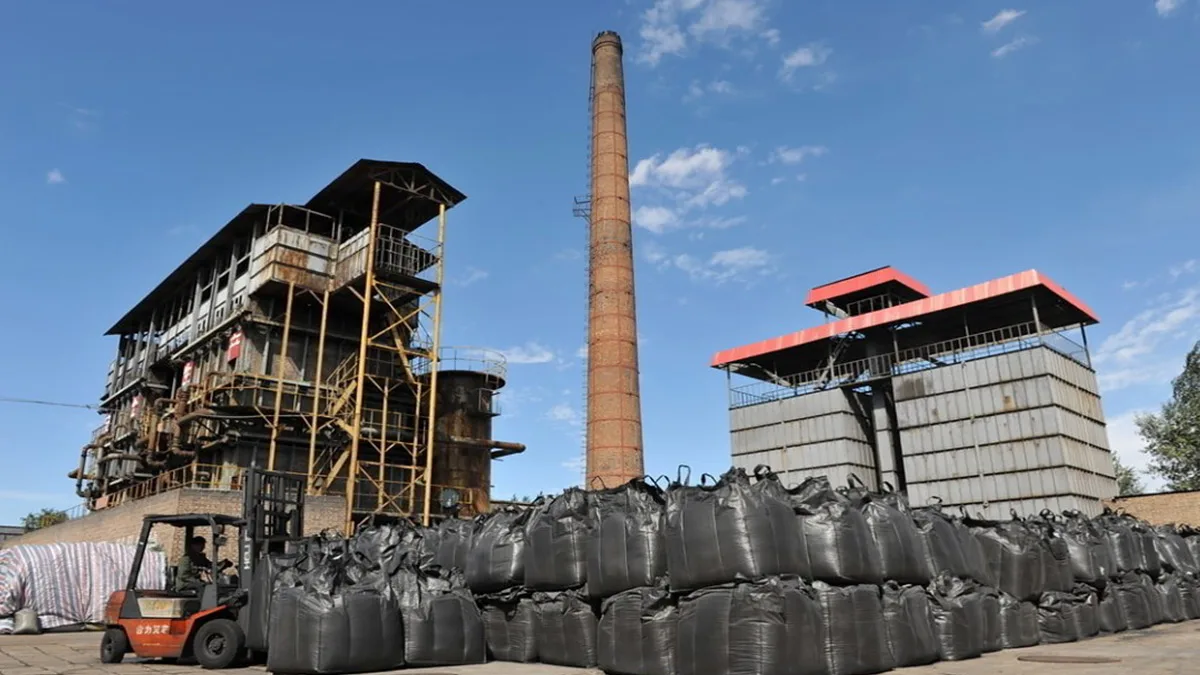
Zhengzhou Yihang Water Purification Material Co., Ltd.
- Manufacturer, Trading Company
- Henan, China
- Lead time10 days
- Avg. response≤ 4h
Main productsCoconut Shell Activated Carbon, Columnar Activated Carbon, Powdered Activated Carbon, Granular Activated Carbon, Honeycomb Activated Carbon
Main marketsDomestic Market(30.00%), Mid East(30.00%), South Asia(10.00%), Southeast Asia(10.00%), Eastern Asia(5.00%), Africa(5.00%), Central America(3.00%), North America(1.00%), South America(1.00%), Oceania(1.00%), Western Europe(1.00%), Southern Europe(1.00%), Northern Europe(1.00%), Eastern Europe(1.00%)

AMANDA INTERNATIONAL PRIVATE LIMITED
- Verified by SGS
- Trading Company,Manufacturer/Factory
- China Liaoning
- Lead time15 days
- Avg. response≤ 16h
Main productsWollastonite, Talc, Calcined Talc, Dolomite, Diopside, Bentonite, Zirconium Replacement Ceramic Brightener, Kaolin, Dead Burned Magnesite, Caustic Calcined Magnesite
Main marketsSouth America,Eastern Europe,Mid East,North America,Southeast Asia,Eastern Asia,Oceania,Western Europe,Africa
Nanning Elaiter Environmental Technologies Co., Ltd.
- Trading Company
- Guangxi, China
- Lead time10 days
- Avg. response≤ 15h
Main productsCeramic foam filter,Ceramic Honeycomb Monolith,Metallic substrates,Diesel particulate filter (DPF),MBBR bio filter media
Main marketsSouth America(45.00%), North America(20.00%), Domestic Market(10.00%), Western Europe(10.00%), Southeast Asia(3.00%), Eastern Asia(3.00%), South Asia(2.00%), Eastern Europe(2.00%), Oceania(1.00%), Africa(1.00%), Southern Europe(1.00%), Central America(1.00%), Mid East(1.00%)

- Verified by TUVRHEINLAND
- Trading Company
- China Shandong
- Lead time30 days
- Avg. response≤ 2h
Main productsRefractory Bricks, Ceramic Fiber Blanket, Refractory Castable, Thermal Insulation Ceramic Fiber Product, Hot Stamping Magnesium Plate, Ceramic Fiber Board, Fireclay Brick, Insulation Brick, High Alumina Brick, Etching Machine
Main marketsSouth America,Eastern Europe,Mid East,North America,Southeast Asia,Eastern Asia,Oceania,Western Europe,Africa

Aluminum Oxide Ceramic Balls High Aluminum Ceramic Ball High Alumina Ceramic Balls
$400.00 - $450.00
MOQ: 1 Tons

Wear-Resistant Industrial Ceramic Ball Ceramic Alumina Ball with Nice Price
$400.00 - $450.00
MOQ: 5 Tons

- Trading Company
- China Shanghai
- Lead time15 days
- Avg. response≤ 4h
Main productsCeramic Balls, Ceramic Bearings, Thin Section Bearings, Stainless Steel Bearing, Hybrid Bearings, Angular Contact Bearings, Full Ceramic Bearings, Slew Ring Bearings, Bearing Ball, Deep Groove Ball Bearing
Main marketsEurope,North America

92% Alumina Ceramic Grinding Ball 92% Alumina Grinding Balls Alumina Ball for Ceramic
$30.00 - $120.00
MOQ: 10 Pieces

Zibo Long Keter New Materials Co., Ltd.
- Verified by Intertek
- Trading Company
- Lead time30 days
- Avg. response≤ 2h
Main productsFire Bricks, Refractory Slide Gate Plates, Tabular Alumina, Refractory Cement and Castable, Ceramic Fiber Blanket
Main marketsWestern Europe(30%), Mid East(25%), Southeast Asia(23%)

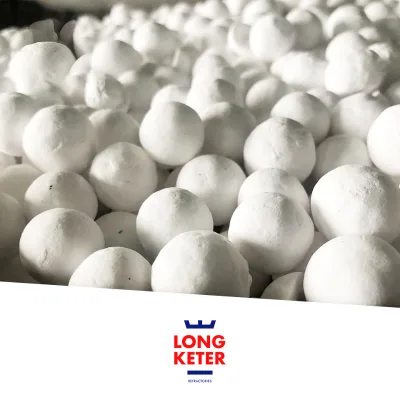
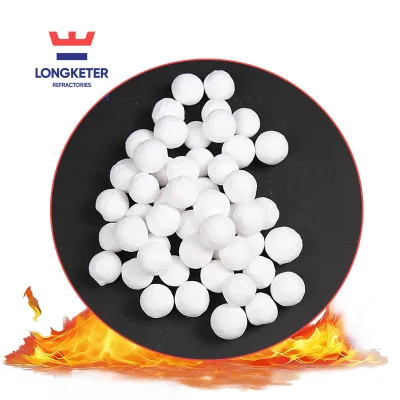
Large Supply 3/4-inch 5/16-inch 15mm-22mm Flat Alumina Flat Alumina Balls
$0.65 - $0.75
MOQ: 10000 Minimum
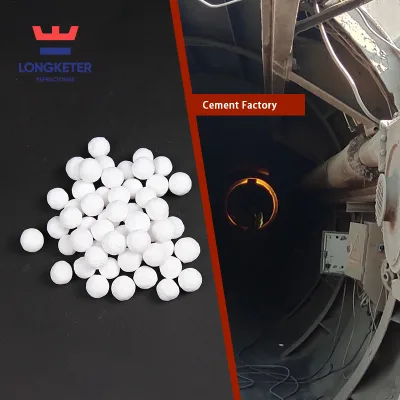
Jinan Chuanghui International Trading Co., Ltd.
- Verified by SGS Group
- Manufacturer, Trading Company
- Lead time15 days
- Avg. response≤ 1h
Main productsSteel Ball, Bearing Steel Ball, Hard Alloy Ball, Stainless Steel Ball, Carbon Steel Ball
Main marketsNorth America(10%), South America(10%), Eastern Europe(10%)
Jinan Junda Industrial Technology Co., Ltd.
- Verified by Intertek
- Trading Company
- Lead time15 days
- Avg. response≤ 2h
Main productsSteel Ball, Steel Shot, Sandblaster, Sandblasting Machine, Garnet Sand
Main marketsSoutheast Asia(19%), South Asia(15%), South America(11%)
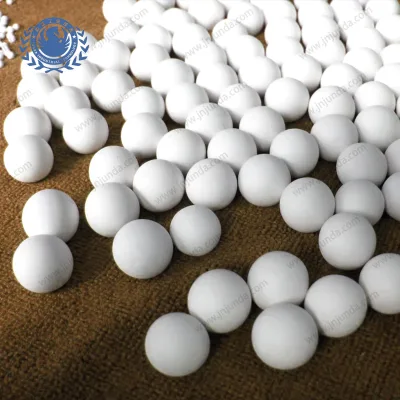
Widely Used AI2O3 92% Ceramic Ball Alumina Ceramic Refractory Balls
$680.00 - $1100.00
Zhengzhou Hengtong Furnace Co., Ltd.
- Manufacturer, Trading Company
- Henan, China
- Lead time0 days
- Avg. response≤ 3h
Main productsmuffle furnace,tube furnace,vacuum furnace,atmosphere furnace,bogie hearth furnace
Main marketsEastern Europe(20.00%), South America(20.00%), North America(20.00%)
Shanghai Gongtao Ceramics Co., Ltd.
- Verified by TüVRheinland
- Manufacturer, Trading Company
- Lead time30 days
- Avg. response≤ 3h
Main productsCeramic Tube, Silicon Carbide Tube, Ceramic Crucible, Ceramic Connector, Ceramic Heating Elements
Main marketsDomestic Market(40%), North America(10%), Southeast Asia(10%)
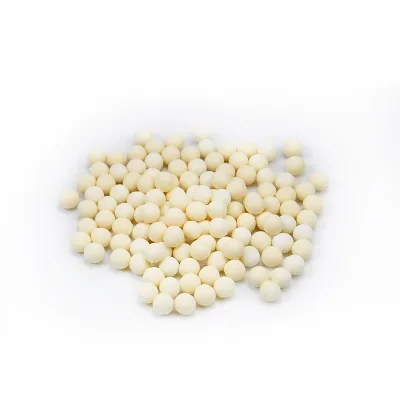
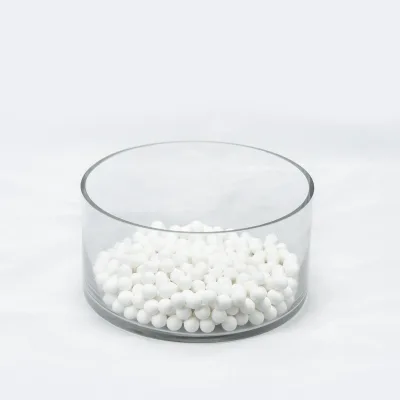
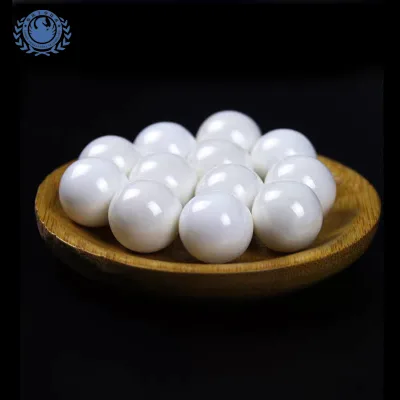
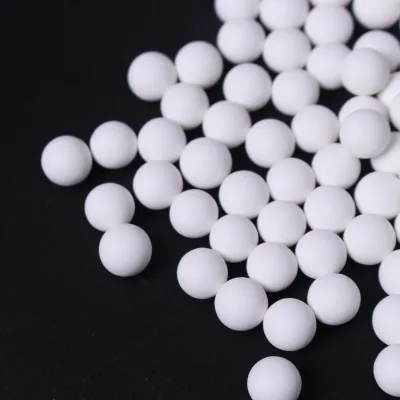
Hot Sale High Quality 95% Alumina Ceramic Ball Reasonable price for sale
$23.6152 - $27.7225
MOQ: 1 kilograms
$0.5966 - $1.3146
MOQ: 10 pieces
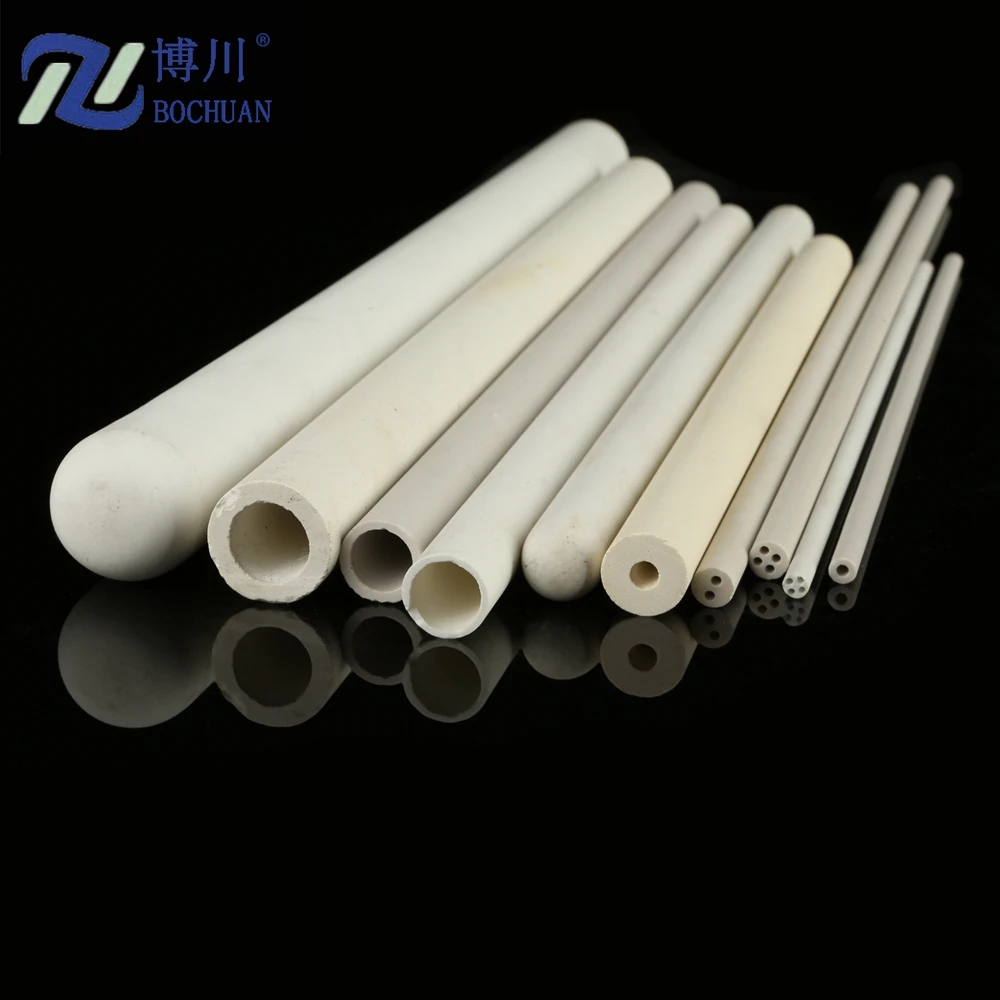
Shanghai Bochuan Silicon Carbon Rod Manufacturing Co., Ltd.
- Manufacturer, Trading Company
- Shanghai, China
- Lead time20 days
- Avg. response≤ 3h
Main productsSic heating elements,mosi2 heating elements,silicon carbide heating elements,sic products,refractory ceramics
Main marketsNorth America(20.00%), Western Europe(15.00%), Mid East(11.00%), Southern Europe(10.00%), Southeast Asia(10.00%), Northern Europe(8.00%), Domestic Market(6.00%), Eastern Asia(6.00%), Eastern Europe(6.00%), South America(2.00%), Oceania(2.00%), Central America(2.00%), Africa(1.00%), South Asia(1.00%)
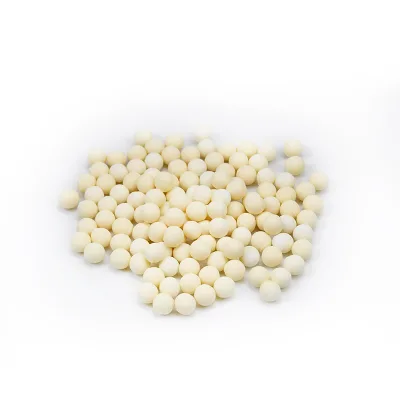
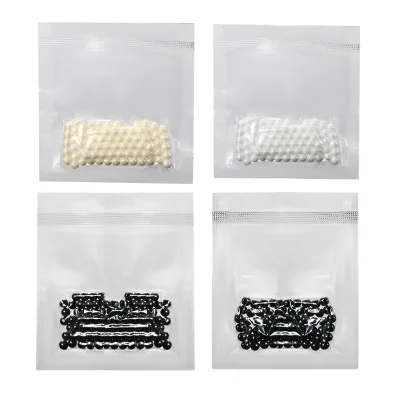
Ceramics 99% 95%Alumina Grinding Ball 0.5-120mm Creamic Ball Alumina Ceramic Sintered Bead Diameter
$1.50 - $2.00
MOQ: 10 units

Dalian Gaoteng International Trading Co., Ltd.
- Verified by TUVRHEINLAND
- Trading Company,Manufacturer/Factory
- China Liaoning
- Lead time23 days
- Avg. response≤ 3h
Main productsPebble, Silica Sand, Natural Pebble, Flint Pebble, Oblong Stone, Silica Lining Bricks, Silex Blocks, Alumina Ball, Ceramic Ball, Alumina Lining Brick
Main marketsSouth America,Eastern Europe,Mid East,North America,Southeast Asia,Eastern Asia,Oceania,Western Europe,Africa

ZIBO QIMINGXING NEW MATERIAL INCORPORATED CO., LTD.
- Verified by CTI
- Combined
- China Shandong
- Lead time15 days
- Avg. response≤ 3h
Main productsAlumina Ceramic, Ceramic Wear Linings, Ceramic Grinding Media, Silicon Carbide Ceramic
Main marketsSouth America,Africa,Domestic,North America












Comprehensive Sourcing Guide
China Alumina Ball Supplier Concentration and Factory Types
The current supplier landscape for alumina balls in China reveals a distinct geographic and operational structure that buyers must navigate carefully. Evidence indicates that manufacturing and trading entities are concentrated in specific industrial provinces, with Jiangxi emerging as a notable hub for ceramic and chemical processing facilities. Suppliers located in Jiangxi often operate as both manufacturers and trading companies, allowing them to offer a broader range of product specifications while maintaining direct control over production quality. This dual role is critical for buyers seeking customized alumina ball solutions, as it bridges the gap between factory output and commercial flexibility. In contrast, other regions such as Heilongjiang host trading companies that may source from various factories, potentially adding layers to the supply chain. Understanding this distinction is vital because it directly impacts lead times, communication efficiency, and the ability to verify production capabilities. Buyers should prioritize suppliers who explicitly state their manufacturing capacity, especially when dealing with complex specifications like high-purity or refractory-grade alumina balls. The presence of ISO 9001:2015 certification among Jiangxi-based suppliers suggests a standardized approach to quality management, which can serve as a baseline for evaluating operational maturity. However, the existence of trading companies in other locations does not necessarily imply inferior quality; rather, it indicates a different business model focused on aggregation and distribution. Buyers must assess whether their priority lies in direct factory engagement or the logistical convenience of a trading partner. The concentration of suppliers in Jiangxi also implies a mature local ecosystem for raw materials and specialized equipment, which can contribute to consistent product quality and competitive pricing. Conversely, suppliers in other regions may rely on external supply chains, introducing potential variability in material sourcing. This geographic disparity requires buyers to conduct thorough due diligence to ensure that the supplier’s location aligns with their specific quality and delivery requirements. The diversity in supplier types underscores the need for clear communication regarding production responsibilities and quality control measures.
How to Verify China Alumina Ball Suppliers
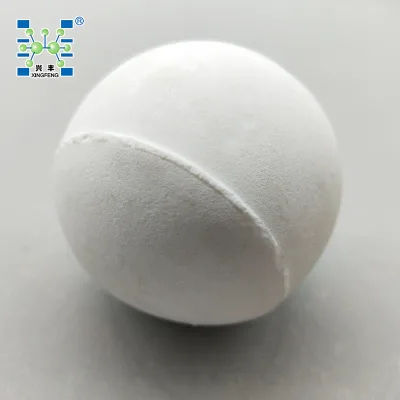
Verifying the authenticity and capability of alumina ball suppliers requires a multi-layered approach that goes beyond basic profile checks. Buyers should begin by confirming the supplier’s company type, distinguishing between pure manufacturers, trading companies, and combined entities. For instance, suppliers in Jiangxi often list themselves as both manufacturers and trading companies, which can be advantageous for customization but requires verification of actual production facilities. Certification verification is another critical step; ISO 9001:2015 certification should be validated through official channels to ensure it is current and applicable to the specific product lines. Buyers must also scrutinize product attributes such as purity levels, bulk density, and water absorption rates, which are key indicators of alumina ball quality. For example, some suppliers offer alumina balls with purity exceeding 93%, while others provide high-density grinding balls with Al2O3 content ranging from 65% to 99%. These specifications must be cross-referenced with the supplier’s claimed capabilities and any available test reports. Response time is another useful metric for assessing supplier reliability; a response time of around two hours may indicate a well-staffed sales team, while longer response times could signal potential communication delays. Buyers should also inquire about the supplier’s supply ability, as some Jiangxi-based manufacturers claim capacities of up to 100,000 tons per year, which is crucial for large-scale orders. Additionally, verifying the port of dispatch and packaging details can provide insights into the supplier’s logistical readiness. For instance, suppliers offering packaging in double plastic bags with palletized shipments demonstrate an understanding of international shipping requirements. Buyers should request samples to physically inspect the alumina balls for color, shape consistency, and surface quality. It is also advisable to check for any additional certifications or standards that may be relevant to the buyer’s industry, such as food-grade or pharmaceutical-grade approvals if applicable. By combining these verification steps, buyers can build a comprehensive profile of each supplier’s reliability and capability.
What to Compare Across China Alumina Ball Suppliers
When evaluating multiple suppliers for alumina balls, buyers must compare several key dimensions to identify the most suitable partner. Lead time is a primary factor, with some suppliers offering a lead time of just three days, while others may require up to twenty-three days. This variance can significantly impact project timelines, especially for urgent orders. Minimum Order Quantity (MOQ) is another critical comparison point; some suppliers have an MOQ of 27 units, making them suitable for small-scale testing, while others require a minimum of 500 kilograms, which is better suited for bulk industrial applications. Pricing structures also vary, with some suppliers listing prices around $1.72 per unit for specific grades, while others may have higher price ranges for customized or high-purity products. Buyers should compare these prices in the context of the specified purity, size, and packaging options to ensure accurate cost comparisons. Response time is another important metric, as faster responses can facilitate quicker negotiations and problem resolution. Suppliers with a response time of approximately two hours may offer more agile support compared to those with longer response times. Additionally, buyers should compare the range of main products offered by each supplier. Some suppliers specialize in alumina balls and related ceramic products, while others may offer a broader range of chemicals, which could indicate a focus on trading rather than specialized manufacturing. The availability of customization services is also a key differentiator; suppliers offering customization can tailor alumina balls to specific size, shape, or purity requirements, which is essential for specialized applications. Buyers should also compare the packaging details, as some suppliers provide standardized packaging like 25kg plastic woven bags, while others may offer custom packaging solutions. Finally, comparing the supply ability can help buyers assess the supplier’s capacity to handle large orders without compromising quality or delivery schedules. By systematically comparing these factors, buyers can make informed decisions that align with their specific operational and financial requirements.
Common China Alumina Ball Sourcing Risks
Sourcing alumina balls from China involves several potential risks that buyers must proactively manage to ensure a smooth procurement process. One significant risk is the discrepancy between claimed product specifications and actual delivered goods. For instance, while suppliers may advertise alumina balls with high purity levels, the actual delivered product may have lower purity or inconsistent density. This risk is particularly prevalent when dealing with trading companies that may not have direct control over production quality. Another common risk is the variability in lead times, which can disrupt production schedules if not accurately communicated. Some suppliers may quote short lead times initially but fail to meet them due to production bottlenecks or material shortages. Buyers should also be cautious of suppliers who do not provide clear information about their manufacturing capabilities, as this can lead to misunderstandings regarding customization and quality control. Additionally, the risk of intellectual property infringement exists, especially when dealing with customized alumina ball designs or specifications. Buyers should ensure that their designs are protected through appropriate legal agreements before sharing them with suppliers. Packaging and logistics risks are also prevalent, as improper packaging can lead to product damage during transit. Buyers should verify that suppliers use appropriate packaging materials and methods, such as double plastic bags and palletized shipments, to protect the alumina balls. Another risk is the potential for hidden costs, such as additional fees for customization, testing, or expedited shipping, which may not be included in the initial quote. Buyers should request detailed quotes that include all potential costs to avoid surprises. Furthermore, the risk of supplier insolvency or operational disruptions can impact delivery reliability. Buyers should assess the supplier’s financial stability and operational history to mitigate this risk. Finally, the risk of non-compliance with international standards or regulations can lead to product rejection or legal issues. Buyers should ensure that suppliers comply with relevant standards and provide necessary documentation. By identifying and addressing these risks, buyers can enhance the reliability and security of their sourcing operations.
China Alumina Ball Regional Sourcing and Logistics
The geographic location of suppliers plays a crucial role in determining logistics efficiency and cost implications for alumina ball sourcing. Suppliers located in Jiangxi, China, benefit from a well-established industrial infrastructure that supports ceramic and chemical manufacturing. This region’s proximity to major ports such as Shanghai and Shenzhen facilitates efficient export logistics, reducing transit times and shipping costs. Buyers sourcing from Jiangxi-based suppliers can leverage this logistical advantage to ensure timely delivery of their orders. In contrast, suppliers located in other regions, such as Heilongjiang, may face longer transit times to major ports, potentially increasing shipping costs and lead times. Buyers should consider these logistical factors when selecting suppliers, especially for time-sensitive projects. The port of dispatch is another critical logistical detail; suppliers offering dispatch from multiple ports, including Shanghai, Shenzhen, and other available ports, provide greater flexibility in shipping arrangements. This flexibility can be advantageous for buyers who need to optimize their supply chain based on destination and cost considerations. Packaging details also impact logistics, as suppliers providing standardized packaging like 25kg plastic woven bags with palletized shipments ensure easier handling and stacking during transit. Buyers should verify that suppliers use robust packaging materials to prevent product damage during long-distance shipping. Additionally, the supply ability of suppliers in Jiangxi, which can reach up to 100,000 tons per year, indicates a high capacity for large-scale orders, reducing the risk of supply chain disruptions. Buyers should also consider the supplier’s experience with international shipping, as this can impact the efficiency of customs clearance and documentation processes. Suppliers with a proven track record of exporting alumina balls are likely to have established relationships with freight forwarders and customs brokers, facilitating smoother logistics operations. Buyers should request information about the supplier’s shipping history and any challenges they have faced in the past to assess their logistical competence. By carefully evaluating these regional and logistical factors, buyers can optimize their sourcing strategy to minimize costs and ensure reliable delivery.
China Alumina Ball Commercial Terms and Order Planning
Effective order planning and understanding commercial terms are essential for successful alumina ball sourcing from China. Buyers must carefully review the pricing structure, which can vary based on product specifications, quantity, and customization requirements. For instance, some suppliers offer fixed prices for standard products, while others may provide tiered pricing based on order volume. Buyers should request detailed quotes that include all costs, such as packaging, shipping, and any additional fees for customization or testing. Minimum Order Quantity (MOQ) is another critical commercial term; buyers with small order requirements should seek suppliers with low MOQs, such as 27 units, while those with large-scale needs should target suppliers with higher MOQs, such as 500 kilograms. Lead time is a key factor in order planning, as buyers must align their production schedules with the supplier’s delivery capabilities. Suppliers with short lead times, such as three days, offer greater flexibility for urgent orders, while those with longer lead times require more advanced planning. Payment terms are also crucial; buyers should negotiate favorable payment terms, such as partial upfront payment and balance upon delivery, to mitigate financial risk. Buyers should also consider the supplier’s return and refund policies in case of product defects or non-conformance. Additionally, buyers should verify the supplier’s ability to provide necessary documentation, such as certificates of analysis and compliance certificates, to ensure regulatory adherence. Customization services are another important commercial aspect; buyers requiring specific alumina ball specifications should confirm the supplier’s capability to meet these requirements and any associated costs. Buyers should also assess the supplier’s customer support and after-sales service, as this can impact issue resolution and long-term partnership stability. By carefully planning orders and negotiating favorable commercial terms, buyers can optimize their sourcing strategy and ensure a successful procurement experience.
FAQs
Where are alumina ball suppliers located in China?
Suppliers are located in Heilongjiang, Jiangxi, and Shanghai. Jiangxi manufacturers offer ISO 9001:2015 certification and various alumina grades. Heilongjiang trading companies also provide these products. Shanghai serves as a dispatch port for shipments.
What is the minimum order quantity for alumina balls?
Minimum order quantities vary by product and supplier. Some listings require 27 units, while others specify 500 kilograms. Buyers should check specific product pages for exact MOQs before placing orders to ensure they meet supplier requirements.
How long does it take to receive alumina balls?
Lead times range from 3 days to 23 days depending on the supplier. Some manufacturers in Jiangxi offer faster delivery within three days. Others may require up to 23 days for production and preparation. Response times also vary between 2 and 9 hours.
What certifications do alumina ball manufacturers hold?
Many suppliers hold ISO 9001:2015 certification for quality management. Some listings also reference ISO 9001:2008 certificates. These certifications indicate adherence to international quality standards for manufacturing ceramic balls and related industrial products in China.
What are the typical prices for alumina balls?
Prices vary significantly based on purity and specifications. Some listings show prices around 990 to 1200 units per order. Other specific products like adsorbents may be priced at 1.72 units. Buyers must verify current pricing for their specific size and grade requirements.
What sizes are available for alumina ceramic balls?
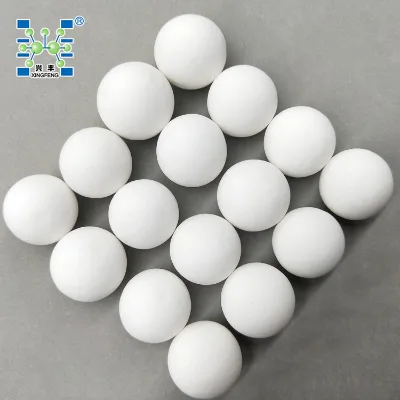
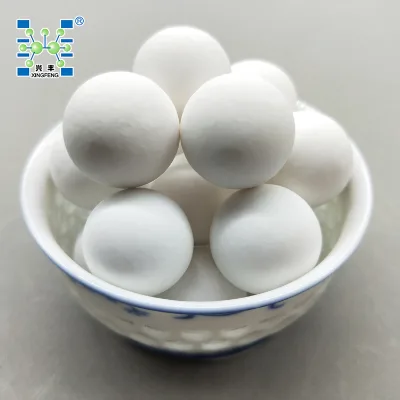
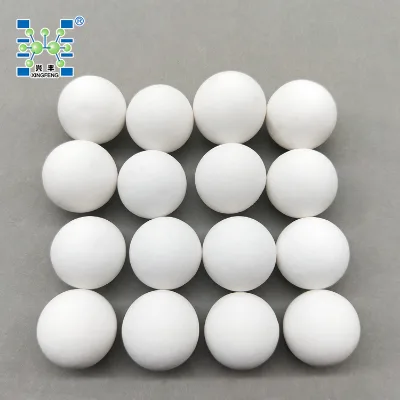
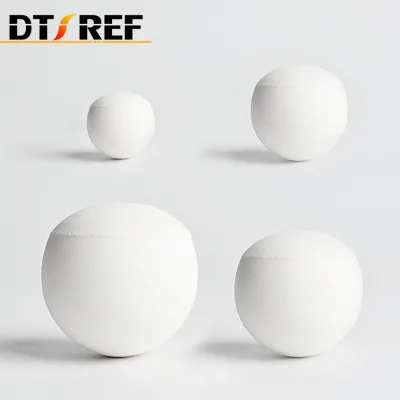
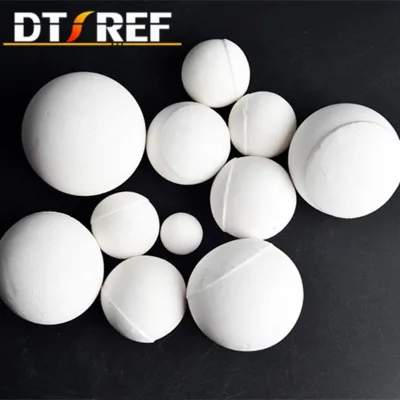
Available sizes include 3mm, 5mm, 6mm, 9mm, 10mm, 13mm, 16mm, 19mm, 25mm, 30mm, 38mm, 50mm, 60mm, 70mm, and 100mm. Manufacturers offer custom sizes to fit specific industrial applications. Buyers should confirm size availability with the supplier before purchasing.
What is the purity level of alumina balls?
Purity levels range from 65% to 99% depending on the product grade. Some adsorbents have a purity greater than 93%. High-grade tabular alumina balls can reach 99% purity. Buyers should select the appropriate grade for their specific chemical or refractory application needs.